From over 100,000 films, discover the handful you'll love.
Free or premium access to the world's largest documentary library.
3259 films(Page 17 of 68)
A lion's roar can reach 114 decibels, making it 25 times louder than a gas-powered lawnmower and audible from eight kilometers away.
In Katmai National Park, wildlife enthusiast Casey Anderson and his team observe brown bear behavior while implementing safety measures in their remote camp.
At 70 kg and 1.7 m long, the aardvark is considered one of Africa's most elusive animals, rarely seen even by expert trackers.
Pronghorn antelope, native to North America's Western prairies, exhibit remarkable speed and unique survival strategies, including annual horn shedding and vital ecosystem roles.
In Lüsche, Germany, head surgeon Dr. Jan Hein Swagemakers leads a luxury veterinary clinic that attracts horse owners worldwide seeking advanced equine care.
In the African savanna, the intricate balance of life and death among species like elephants and cheetahs faces critical threats from habitat loss and climate change.
Three leading experts, John and Mary Theberge and Michael Runtz, analyze the significance of howling in wolf packs and their intricate communication methods.
In the mountains of Chile, a mountain lion mother teaches her cubs survival skills, showcasing the species' vital role in the Andean ecosystem.
El Toron, a notorious fighting bull from Old Mexico, became infamous for goring two matadors before being ultimately defeated by a celebrated matador.
In the inaugural episode of the BBC Earth Podcast, presenters Rutendo and Sebastian explore how to enjoy a safari experience from home, featuring actor Eric Stonestreet.
In stunning 4K video, a mother bear protects her cubs while bull elephant seals fend off intruders in their natural habitats.
The Western Hoolock Gibbon, Bangladesh's only native ape species, is rapidly declining due to habitat destruction, prompting urgent conservation efforts.
Costa Rica, covering only 0.03% of the world's landmass, is home to 5% of global biodiversity and has achieved nearly zero deforestation since 2005.
Masked mammals such as raccoons, badgers, and red pandas showcase their intelligence and adaptability while navigating diverse environments from European forests to the Amazon.
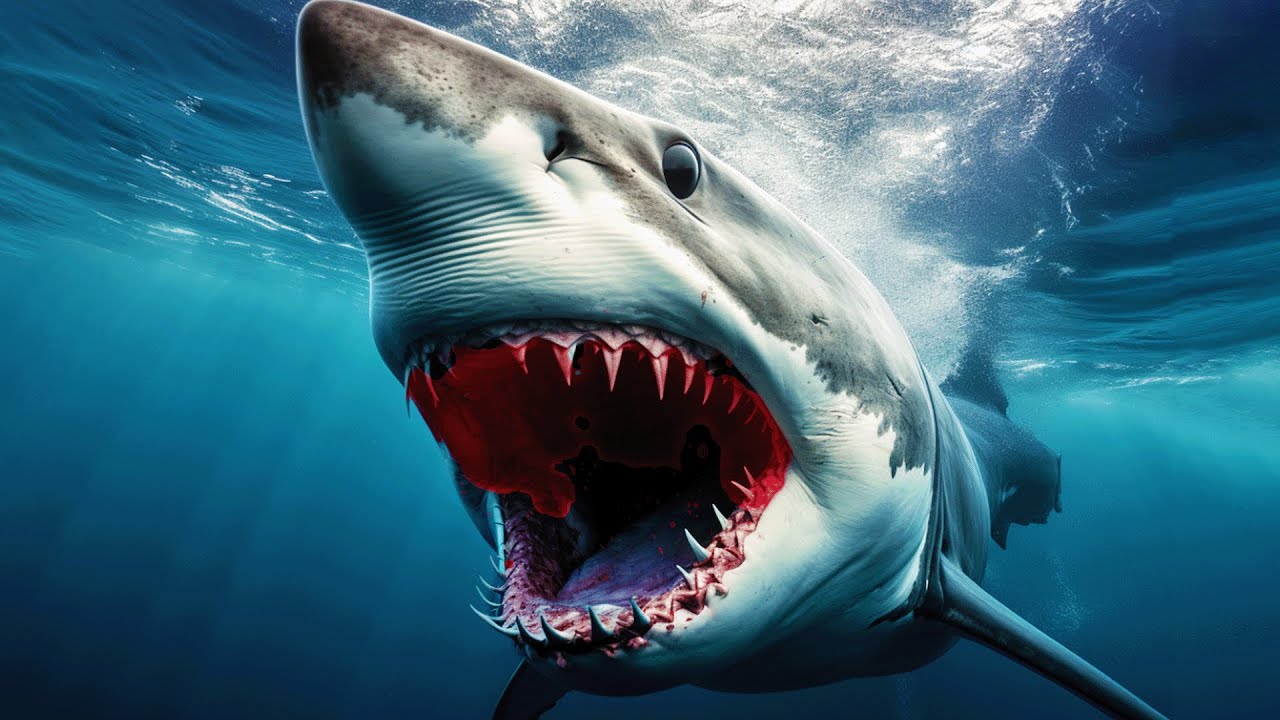
Great white sharks, weighing up to 2,300 kg, possess an extraordinary sense of smell that allows them to detect a single drop of blood in 100 liters of water.
The Siberian Husky is a medium size dog breed from Siberia, Russia, known for its endurance.
Michel Denis-Huot brings back 7,000 to 8,000 photos from each trip to Kenya, with only three to ten images deemed exceptional.
Paul O'Grady highlights the dedication of Battersea Dogs & Cats Home staff as they work to find loving homes for dogs with heartbreaking stories.
Andy Casagrande leads a unique Cinema Science expedition to film sharks in 2018.
Animals use unique methods, like Capuchin monkeys rubbing citrus, to combat germs which cause disease.
Ifrane National Park, covering 50,000 hectares, is home to one of the largest populations of Barbary macaques in the world.
Yunnan province in southwestern China, known for its diverse landscapes and rich biodiversity, is home to endangered species like the white-cheeked gibbon and China's elephants.
Ten generations of eagle hunters in Mongolia rely on golden eagles, a practice that has survived for over a thousand years despite modern pressures.
Wild horses in the Australian outback, descendants of British settlers, have adapted to survive extreme heat, drought, and predators in their harsh desert environment.
The great auk, a flightless bird native to the North Atlantic, became extinct by the mid-19th century due to overhunting and environmental changes.
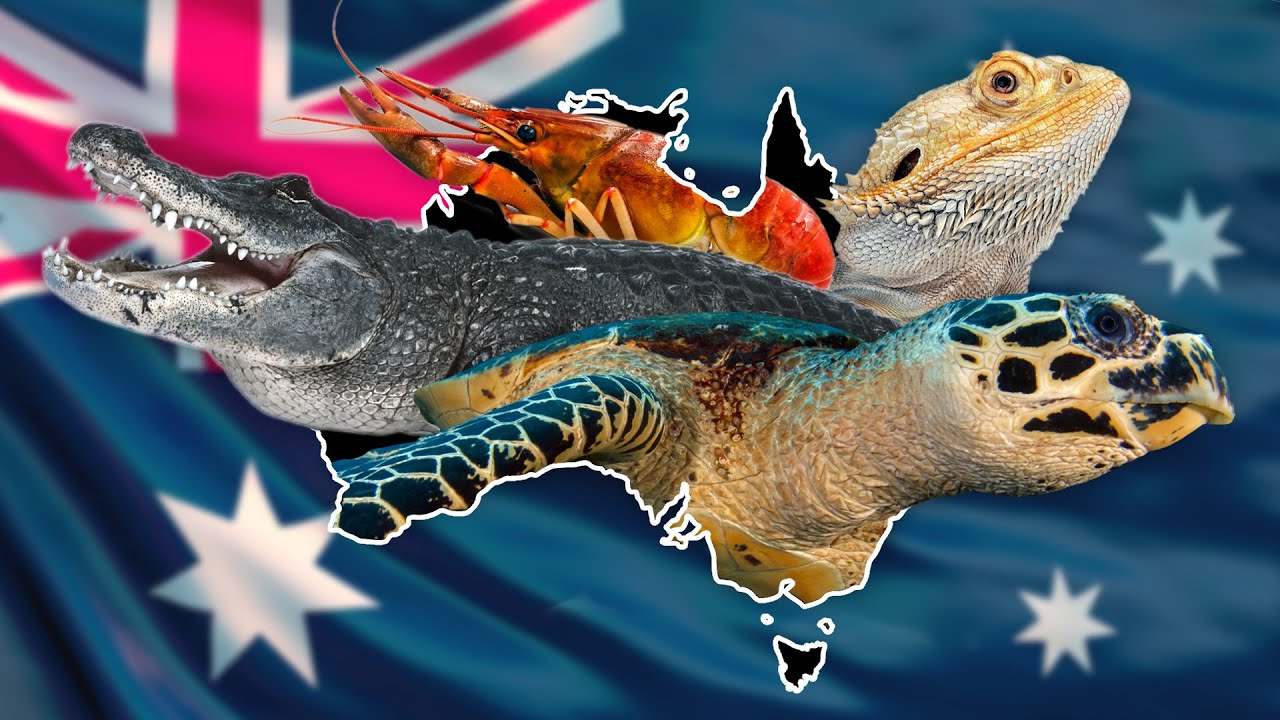
In Australia's wildlife oasis, diverse species such as lobsters, bearded dragons, turtles, and alligators thrive in their natural habitats.
Two tiny queens, an orchid bee and a leafcutter ant, employ vastly different strategies-sacrifice and betrayal-to build their empires in the rainforest.
A juvenile great white shark attacks a seal decoy, leaving a bite mark that helps the team estimate its size during a research experiment in Muscle Bay, South Africa.
Autumn showcases the vibrant transformations in wildlife, highlighting red deer's mating rituals, crane migrations, and the preparations of squirrels and hedgehogs for winter.
Gudrun Pflueger studies the coast wolves of British Columbia, collecting vital data to enhance scientific understanding of this unique subspecies.
In 1994, a volcano on New Britain erupted, forcing residents to flee as ash rained down and reshaped their environment.
Java became separated from mainland Asia just 10,000 years ago, leading to unique adaptations among its wildlife, including monitor lizards.
African penguins, the only penguin species native to Africa, are facing extinction despite conservation efforts on their breeding islands.
Pat Parelli applies his long body logic technique to help owner Lindy manage her aggressive American paint horse, Sedona, and restore their partnership.
Hummingbirds must consume more than twice their body weight in food each day, competing fiercely for limited nectar supplies from flowers.
In South Africa, great white sharks employ the explosive "Polaris breach" technique to hunt seals, while polar bears in the Arctic use their speed to catch walruses.
In the Masai Mara, lions, hyenas, elephants, and cheetahs navigate the ancient rhythms of the African savannah amid the annual migration of millions.
In Florida's Everglades, biologist Sean Heflick, cop Greg Graziani, and python expert Michael Cole track a prolific Burmese python threatening local ecosystems.
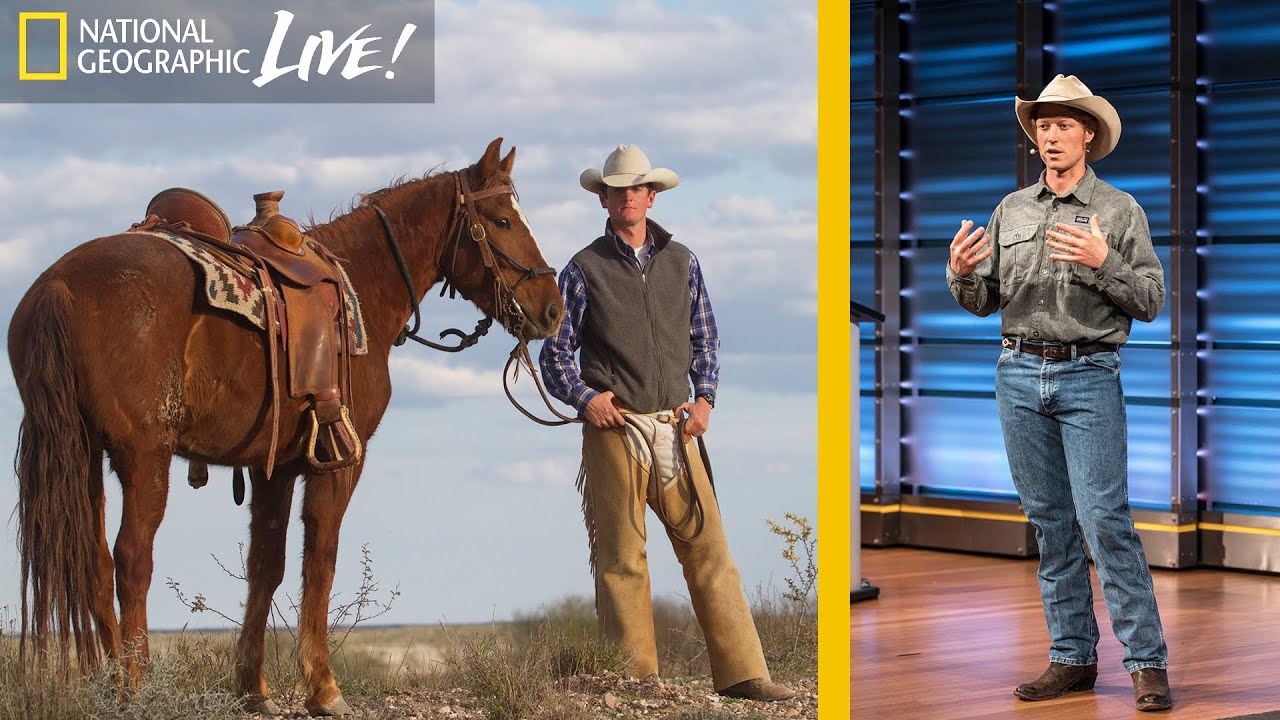
On April 1, 2013, four cowboys began a 3,000-mile ride across America on wild mustangs to raise awareness for the adoption of wild horses and burros.
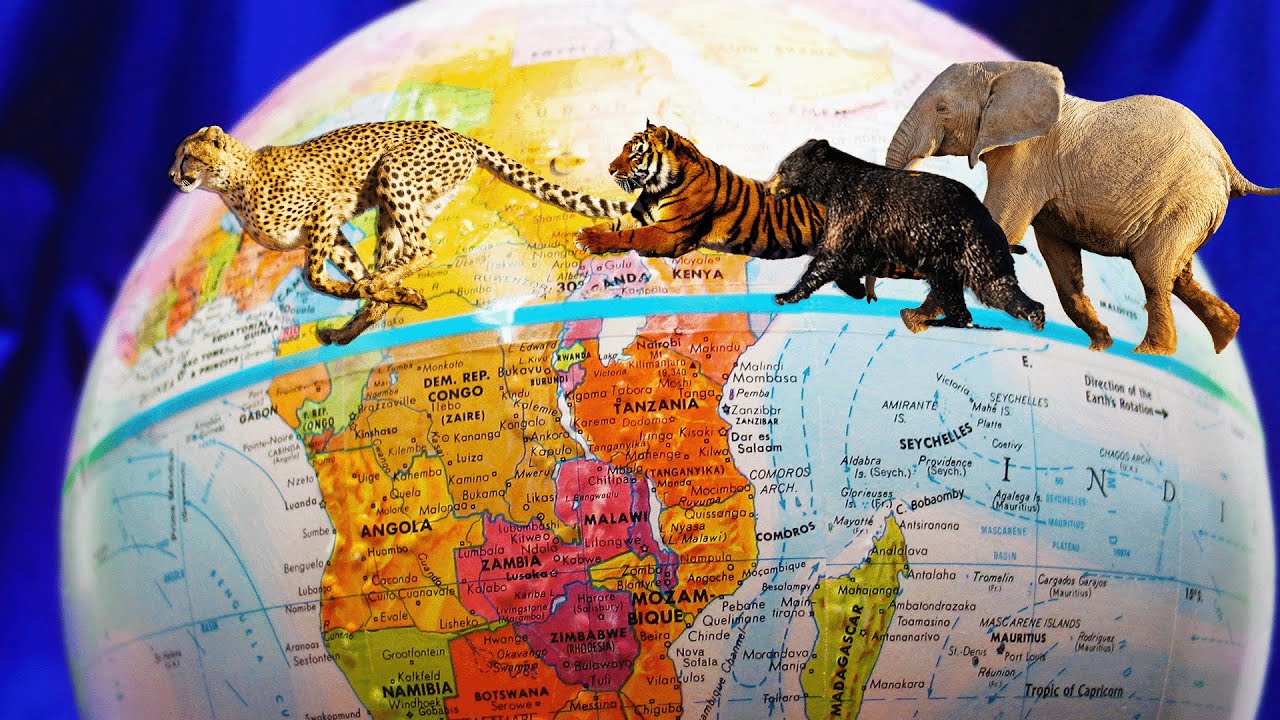
The equatorial wilderness, spanning the Amazonian jungles, Andean cloud forests of Ecuador, and Kenyan savannahs, is home to diverse wildlife like anacondas, spectacled bears, and cheetahs.
In the French Alps, Roï, the last wild sea eagle, forms a bond with Kaaba, a captive eagle, as she learns to reclaim her freedom.
More than a million pangolins have been poached from the wild since 2000, pushing the species to the brink of extinction.
The Falkland Islands serve as a vital habitat for diverse wildlife, including rockhopper penguins, albatrosses, and sea lions, amidst their rugged coastal landscapes.
Minus 27° C proved too much for a new mother dog in Atoci, where survival depends on the bond between humans and Greenland dogs.
Nearly 3 billion years ago, molten rock from the Earth's interior solidified to form the ancient fells of Lapland, the oldest mountains on Earth.
Ten lions make up the Marsh pride in Savute, Botswana, where they compete for survival against other apex predators in a harsh environment.
Some animals possess a "sixth sense" that allows them to perceive sensations beyond human understanding, including unexplained extra-sensory abilities.
Zambian-born rapper Sampa The Great discusses her return to Zambia, the impact of language, and mental health therapy through nature with wildlife biologist Danielle Lee.