From over 100,000 films, discover the handful you'll love.
Free or premium access to the world's largest documentary library.
3259 films(Page 60 of 68)
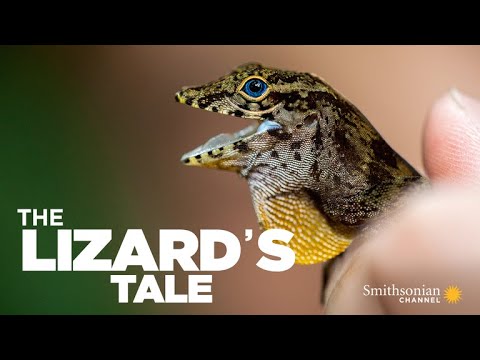
Anoles use distinctive dewlaps for species recognition in the speciation process.
Anole researchers favor Caribbean islands for unique outdoor experiments on evolution and ecology.
Researchers know that species presence has major effects on ecosystems in Costa Rica.
Six different species of anoles, including the native green anole and five non-native species, inhabit urban areas in South Miami.
Eraclio owns over 100 llamas and leads caravans across the world's largest salt desert, trading salt for goods twice a year.
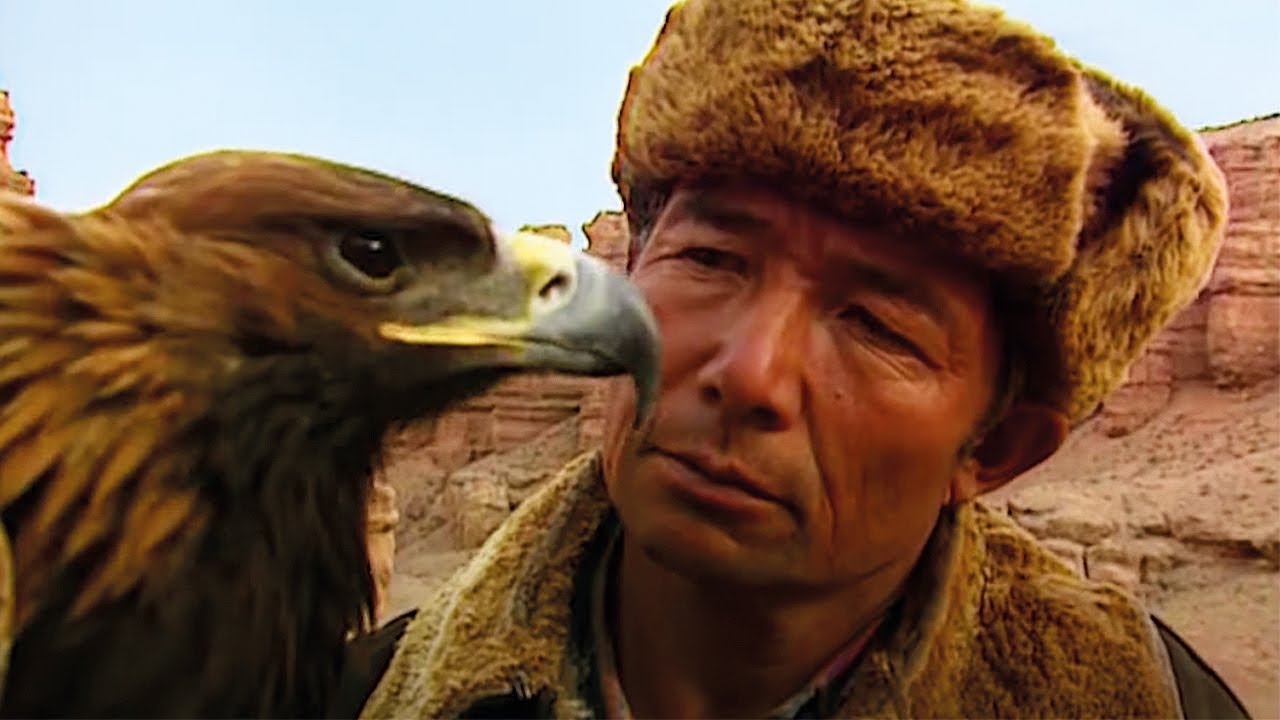
In the border region between China and Kazakhstan, eagle trainer Alik exemplifies the Kazakh people's enduring cultural connection to eagle hunting and nature.
Viewers learn about camera techniques for the upcoming Planet Insect on Curiosity Stream.
Aluminum is poured into abandoned ant nests at temperatures exceeding 650 degrees Celsius to reveal their underground structures.
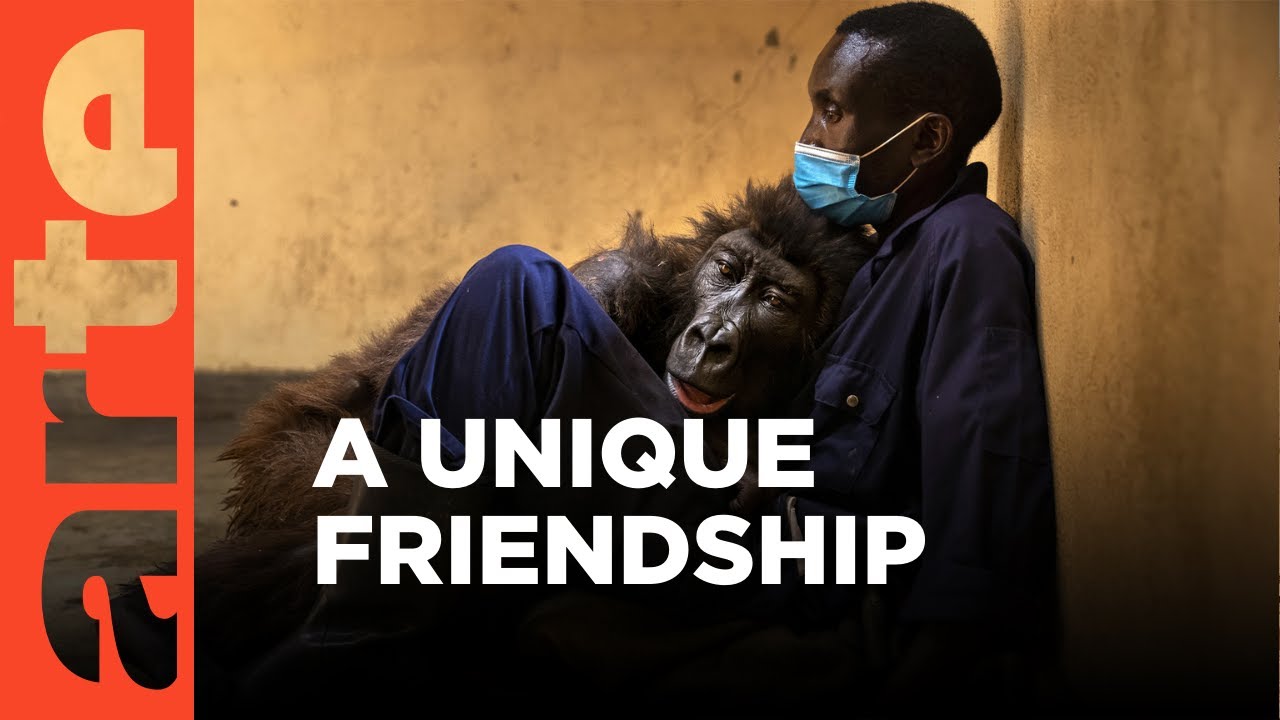
A dying female gorilla in Virunga National Park shares a deep bond with her caretaker, highlighting the efforts to protect endangered species in the park.
Caretakers at the Amazonian Manatee Rescue Center in Iquitos, Peru, care for orphaned manatees.
Shankar, a 15-year-old male monkey, travels through India with Deva and his family, performing for villagers and collecting coins in exchange for entertainment.
The Musical Ride of the Royal Canadian Mounted Police showcases intricate equestrian patterns performed by scarlet-coated Mounties accompanied by band music.
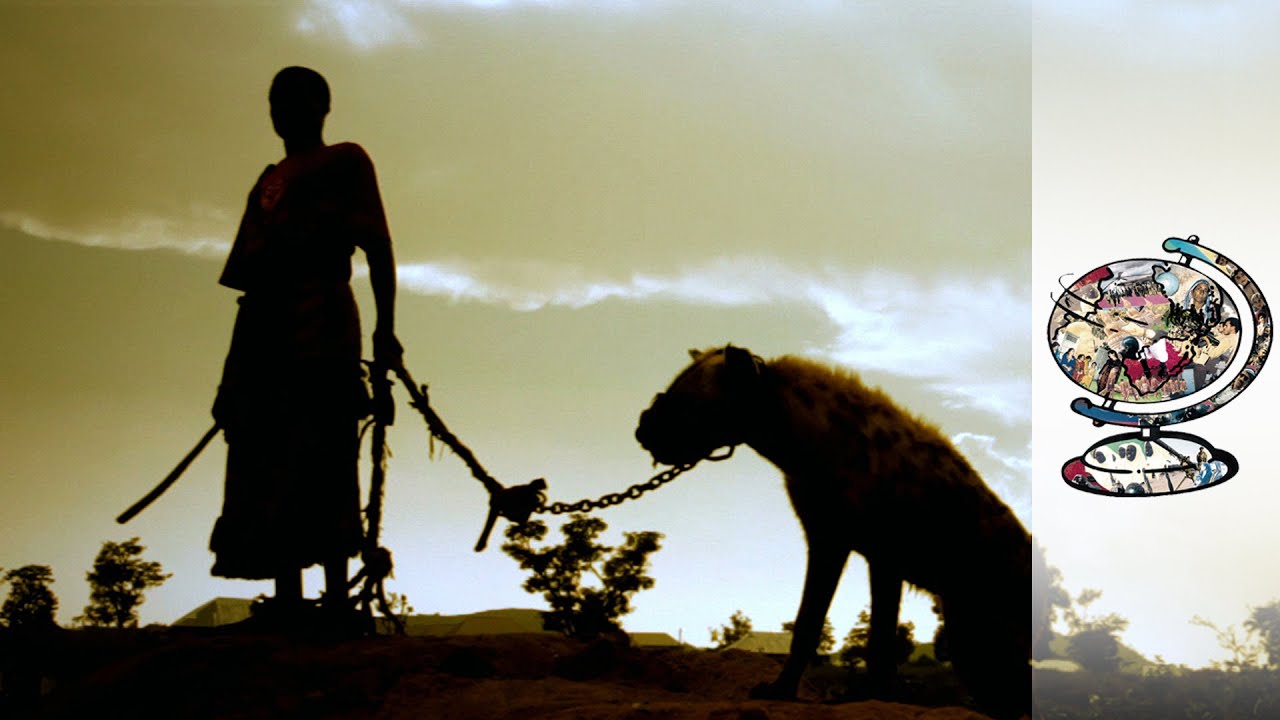
One handler states, "I have been doing this since I was five," as he tames wild hyenas and manages an entourage of snakes and baboons.
On June 27, at 7:01 p.m., a parliamentary employee named Elizabeth Bentham screamed after discovering the Canadian national beaver was missing from room B38.
Temperatures drop to minus 70 degrees Celsius as male emperor penguins incubate their eggs for two months in the harsh Antarctic environment.
Rachel Ashegbofe Ikemeh faces armed marijuana growers in Nigeria's forests while researching a genetically distinct population of chimpanzees.
Karen Berry manages the health and safety of 20 to 50 National Geographic travelers in the field, advising them on medical precautions for dangerous assignments.
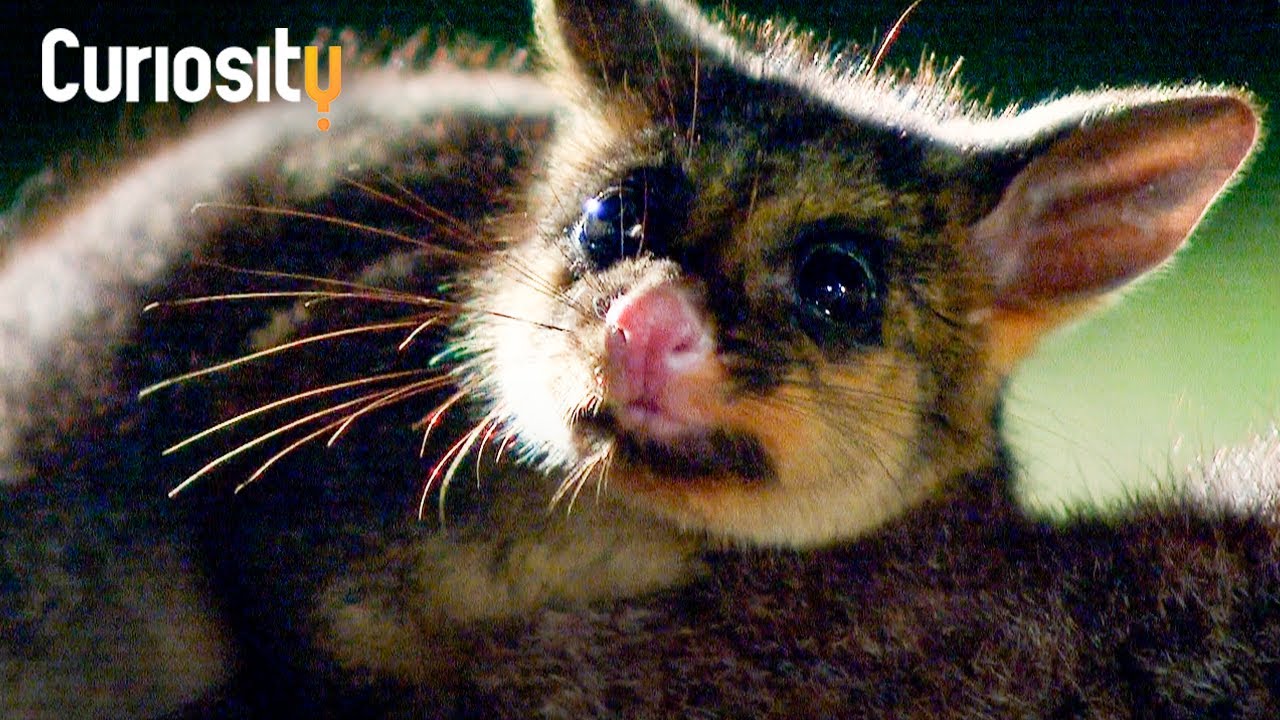
Melbourne has the highest density of brush-tailed possums per square meter in Australia, leading to conflicts between residents and wildlife.
From tropical jungles to the icy plains of Antarctica, BBC Earth presents a compilation of highlights from the acclaimed series Planet Earth.
In various ecosystems, BBC Earth highlights the adaptability of piranhas in the Amazon, playful polar bear cubs in the Arctic, and the impact of locust swarms.
San Diego's wildlife preservation efforts highlight the management of apex predators like Komodo dragons and endangered species such as Fiji iguanas.
A grand hunt in Morocco seeks a male Sloughi worthy of Ziya, the princess, as Hassen hopes to secure a future for his dog Janah.
In the UK, Dan O’Neill investigates the rising trend of reptile ownership, featuring insights from YouTuber Elle Reptiles and visits to an RSPCA rescue center.
Sacred animals such as elephants and camels hold significant spiritual and cultural meanings in various societies around the world.
Research on canine domestication reveals how evolutionary changes in wolves have shaped human affection for dogs, highlighting their unique bond with people.
Alligators can sprint at 35 mph and rarely get infections, prompting scientists to study their blood for potential antibacterial applications.
An octopus stretches her arms to three times their normal length while solving a puzzle for dinner in a vibrant aquarium after dark.
Canine teeth of saber-tooth cats measured nearly a foot long, allowing them to quickly dispatch prey and engage in fierce battles with each other.
At Utah's Hogle Zoo, keepers and veterinarians employ innovative methods to provide medical care for aging elephants and other animals, enhancing their well-being and contributing to vital research.
A 9-foot alligator weighing 230 pounds is central to the Seminole Tribe's alligator wrestling tradition, which has evolved from survival to cultural expression.
Bobo, a two-and-a-half-year-old monkey, is trained by Burhan to pick coconuts, reflecting the Minang people's unique bond with animals.
China's national parks are home to diverse wildlife, including giant pandas and endangered snub-nosed monkeys, thriving in habitats from forests to mountains.
Ten years ago, Marla Coppolino adopted a juvenile snail, which she named Mystery Fault, and has since formed a deep bond with the creature.
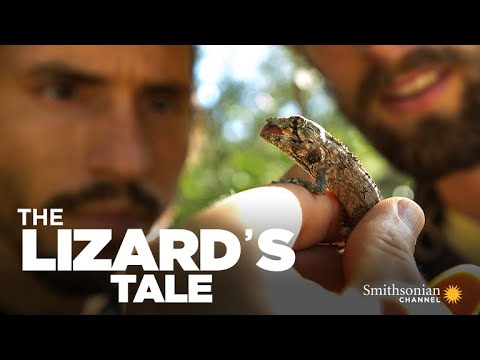
Lizards exhibit remarkable adaptations that enable them to thrive in diverse environments around the world, showcasing their unique evolutionary traits.
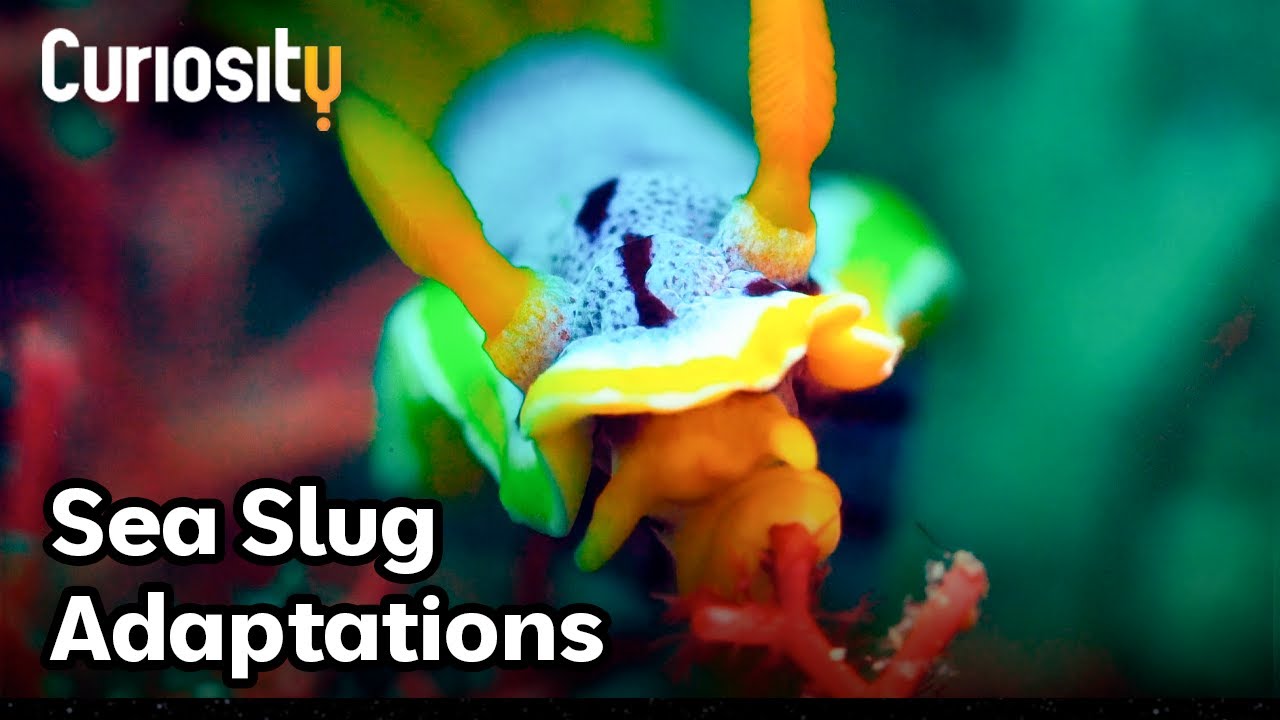
Nudibranchs, or sea slugs, exhibit remarkable adaptations such as weaponizing stinging cells and harvesting solar energy to thrive in diverse marine environments.
In the late 1950s, the U.S. Navy considered using sharks as living torpedoes in a classified project called Project Headgear.
The Tasmanian Devil, a unique carnivorous marsupial native to Australia, is explored through its scavenging habits, diet, and cultural significance in local folklore.
Pangolins, the most trafficked mammals in the world, face severe population decline due to illegal trade for their scales and meat, with one million trafficked in the last decade.
Animal behavior is explored through impressive archive footage, showcasing the brutality of orcas and the ingenuity of potter wasps, narrated by David Attenborough.
In the Terai region along the India-Nepal border, the Indian rhinoceros symbolizes the mythical unicorn, reflecting its cultural significance and connection to local communities.
Around 60,000 people gather almost 11,000 tonnes of high grasses during a 15-day harvest in Chitwan, contributing approximately 250,000 dollars to the local economy.
Arctic foxes have been recorded making as many as 90 kills in a single day while hunting for lemmings beneath the snow.
War dogs were trained by the Remount Section of the Quartermaster Corps during World War II to perform various critical tasks on the battlefield.
The largest remaining herd of elk in Wyoming gathers in Jackson Hole, where they calve, feed, and interact with other wildlife throughout the seasons.
Claire's passion for collecting 30 to 40 insects, including praying mantises and millipedes, highlights a unique intersection of nature and true crime narratives.
Cats play a significant role in the lives of soldiers during wartime, as illustrated by Dogukan Keskinkilic's photograph shared by President Volodymyr Zelensky in Ukraine.
Various strange and wonderful creepy crawlers from around the world are highlighted through informative footage in this episode of Amazing Animals.
A survivalist faces attacks from blood-sucking insects that leave behind bites causing intense itching and pain.