From over 100,000 films, discover the handful you'll love.
Free or premium access to the world's largest documentary library.
3259 films(Page 12 of 68)
Butterflies, with over 150,000 species and remarkable life stages from egg to caterpillar to cocoon, exhibit complex behaviors captured in stunning global footage.
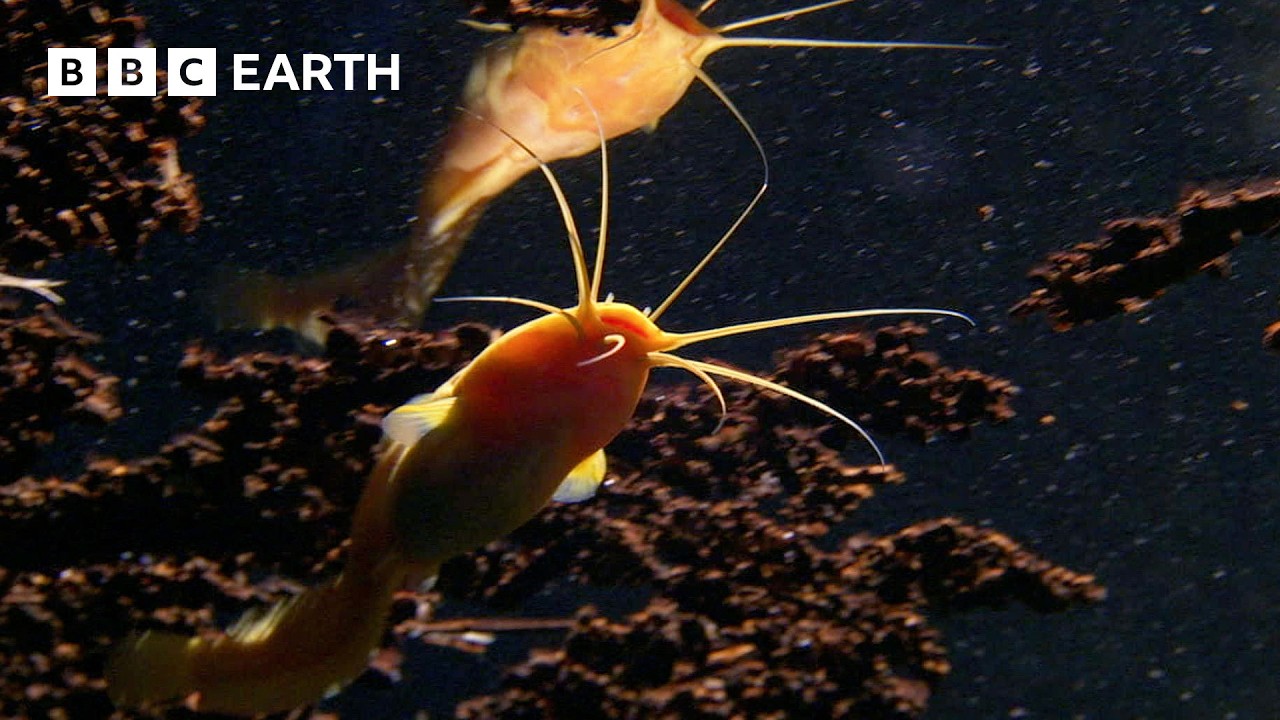
Wild animals rely on their sense of touch for survival, navigating the fine line between pleasure and pain in their daily lives.
Learn how dinosaurs roamed the earth and survived in extreme conditions for millions of years.
Bill Mason spent three years in the Northwest Territories capturing the behavior of northern timber wolves and Arctic wolves in their natural habitat.
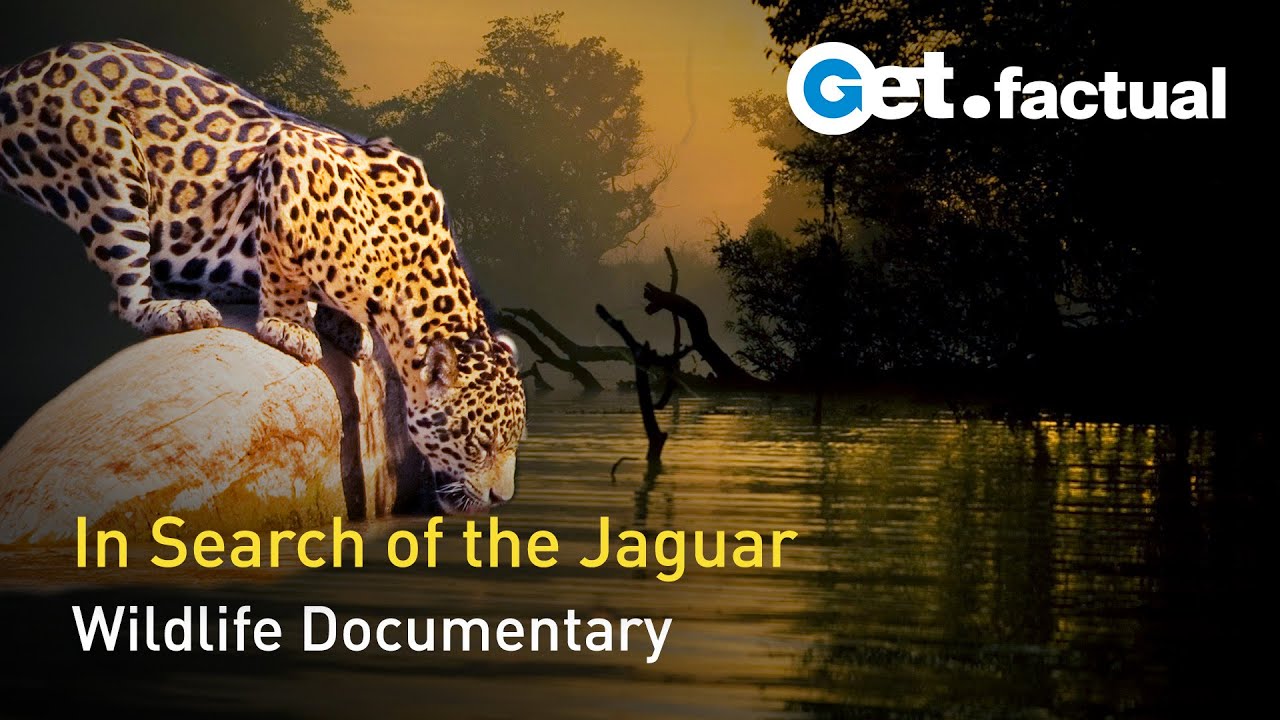
In the Pantanal of South America, filmmaker Christian Baumeister seeks to capture footage of a jaguar preying on a caiman amidst a diverse ecosystem.
Armadillos, known as "little armored ones" by Spanish Conquistadors, exhibit unique adaptations that make them agile swimmers and powerful diggers.
Eagle owls, once nearly extinct in Germany, now have about a thousand breeding pairs in the Black Forest, where they hunt and raise their young.
On the remote shores of Sable Island, N.S., the world's largest breeding colony of grey seals gathers to give birth, nurse their pups, and mate.
Badgers, known for their fierce nature, actively defend their territory and compete for food against various predators in their natural habitats.
Brown bears can deliver a punch strong enough to crush a bowling ball, using their powerful paws in battles for territory and mates.
A newborn baboon named Mkuu learns the dynamics of his troop in Kenya's Rift Valley, where dangers from predators loom each night.
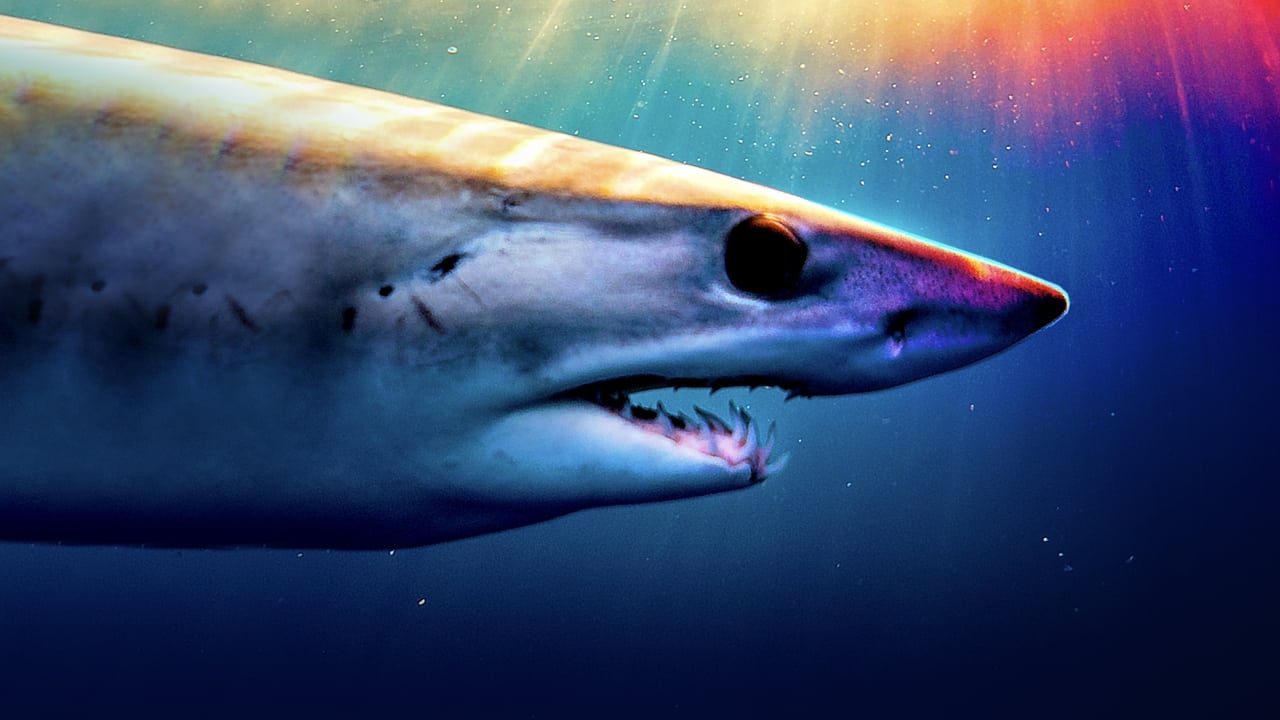
Drones are revealing that sharks inhabit coastal waters closer to shorelines than previously understood, raising concerns about marine safety.
5,000 kilometers of springtime transformations unfold across Europe, from the Alps to the Arctic, revealing diverse climates and ecosystems.
Over 16,000 species worldwide are considered vulnerable, with many wild cats in Africa facing threats from habitat loss and climate change.
More than a million pangolins have been poached from the wild since 2000, pushing the species to the brink of extinction.
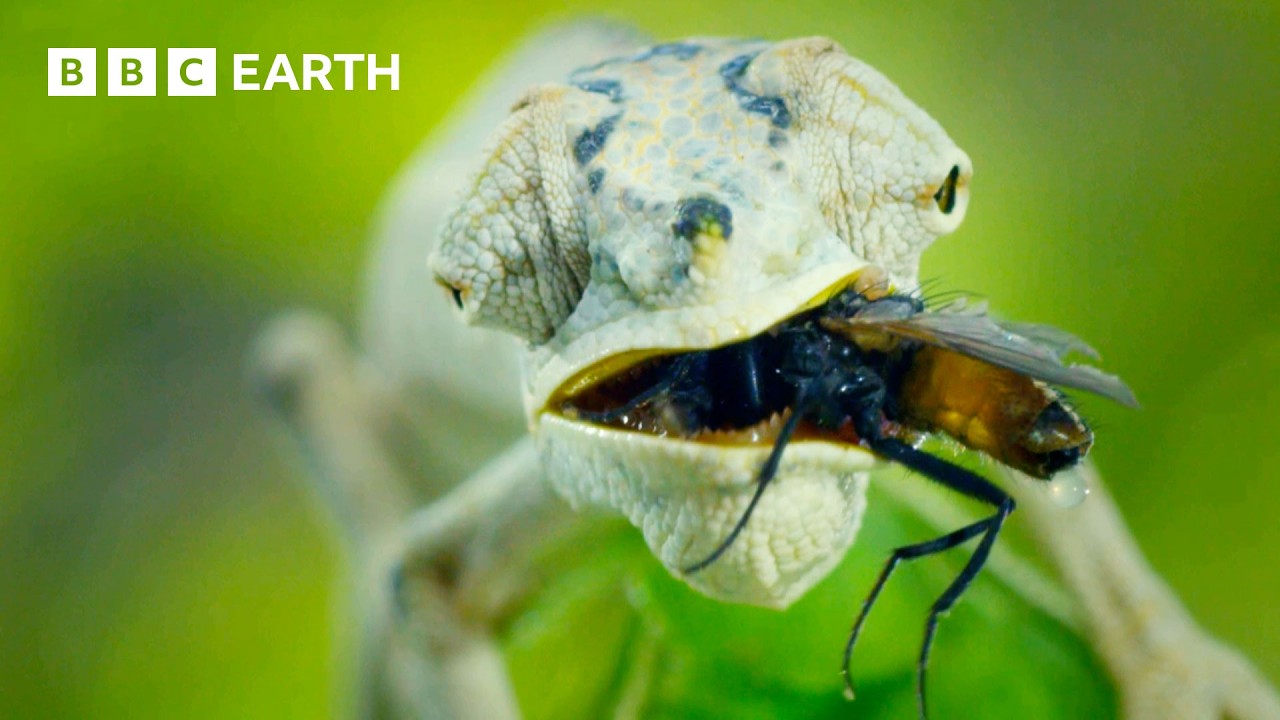
In Madagascar, a chameleon races against time for survival while a vulnerable family of lemurs navigates treacherous peaks to stay alive.
Less than 500 Ethiopian wolves remain in the highlands, where a young wolf named Megeti struggles to find a new pack after losing her own.
Every four years, lemmings experience a population boom, providing essential food for snowy owls that can lay up to eleven eggs in a single season.
In Zambia's Bangweulu wetlands, the shoebill hunts fish, while in Brazil's Amazon, unique river monsters lurk, showcasing the world's most unusual wildlife.
One billion birds fly over Israel each spring as they migrate from Africa to Europe and Asia, stopping to rest in the Great Rift Valley.
In the Ashio Mountain Range of Japan, mother Moon bears and their cubs navigate the challenges of survival after emerging from winter hibernation.
New Zealand's Stewart Island has a population of just 400 inhabitants, including Furhana, who cherishes the natural beauty of her surroundings.
Zena, a tiger recovering from surgery, and Rambo, a new arrival, highlight the challenges faced by the zoo team at Tiger Island in caring for these big cats.
A massive chamber in Dragon's Breath Cave descends 60 meters and contains the world's largest underground lake, filled with ancient fossil water.
Sharks and crocodiles are examined as two of the most dangerous predators in their respective environments, highlighting their behaviors and interactions.
15 kilos of gear accompany Nathanaël as he searches for the Gaboon viper, one of the largest vipers with the longest venomous fangs in the world.
Spring awakens with unusual animal stories and a vibrant celebration of nature's beauty.
Matsalu National Park in Estonia hosts a large moose colony, showcasing the lives of yearling moose as they navigate independence and adult society.
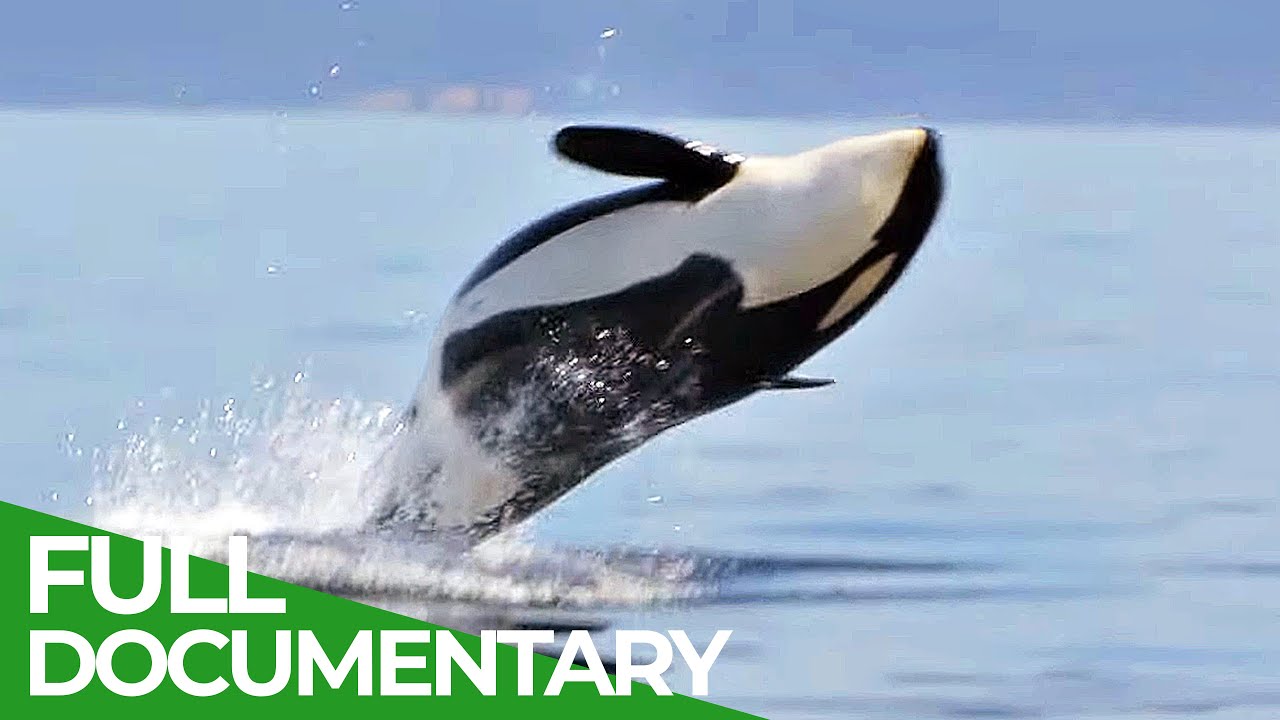
Ken Balcomb's research on the declining population of orcas in the Pacific Northwest highlights the urgent need to remove four dams to restore Chinook salmon numbers.
In the Sahara Desert, heat-tolerant ants and resilient desert spiders exemplify the extraordinary adaptations of wildlife to survive extreme temperatures.
Alan Rabinowitz, known as the "Indiana Jones of wildlife protection," dedicates his efforts to safeguarding the endangered jaguar population across its natural habitats.
Crocodiles can exert over 2,000 kilos of pressure in their bite, making them formidable predators in the wild.
In 1995, after a hurricane struck Puerto Rico, reports emerged of a creature known as the chupacabra that drained the blood of farm animals.
Michael B. Jordan hosts a special episode showcasing unique wildlife across iconic American landscapes, including the Grand Canyon and Denali, through never-before-seen footage.
In Xishuangbanna, Yunnan province, Grace Gabriel campaigns for the conservation of China's dwindling elephant population, now reduced to just 250 individuals.
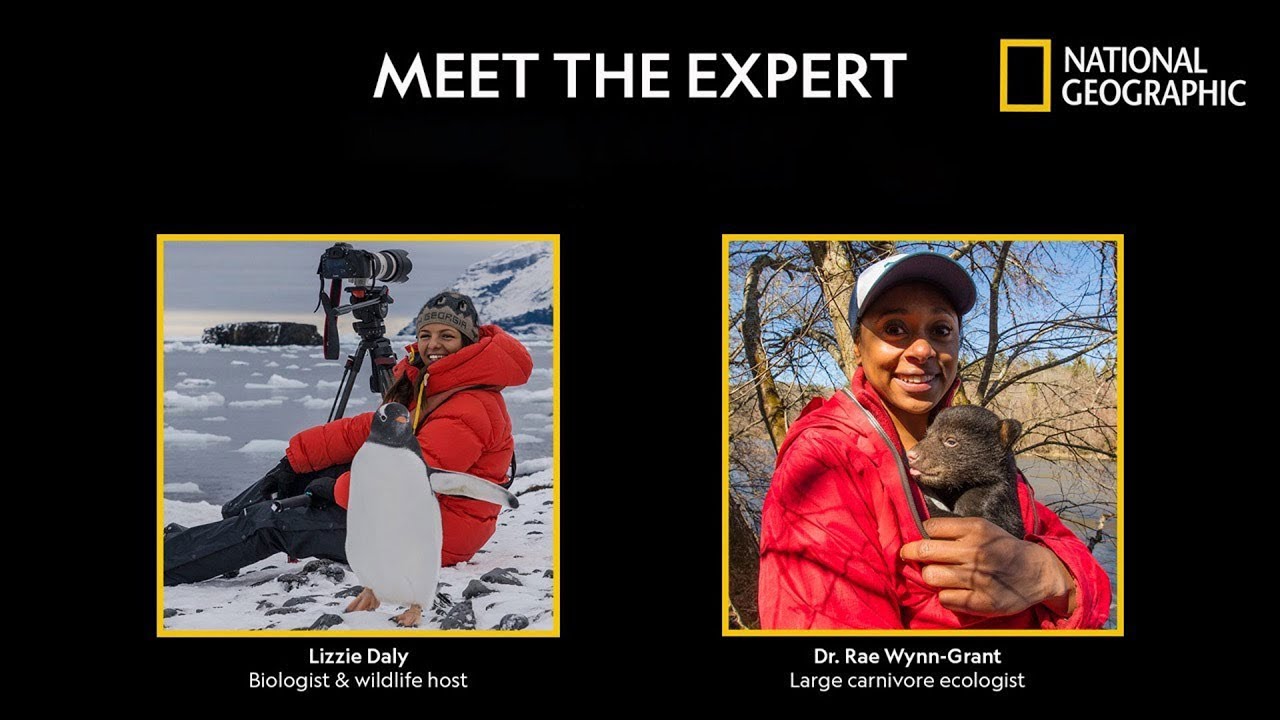
Dr. Rae Wynn-Grant studies black and grizzly bears in Montana, focusing on wildlife corridors to improve conservation efforts for these species.
Eurasia 30,000 years ago marked the beginning of the alliance between humans and wolves, leading to the domestication of dogs as companions and protectors.
A Great White shark swam 12,400 miles in search of a mate, outperforming other species in a competition to determine the ocean's top predator.
Over 90 human fatalities occurred in Chhattisgarh due to conflicts with wild elephants, prompting Wildlife SOS to implement a tracking program for safety.
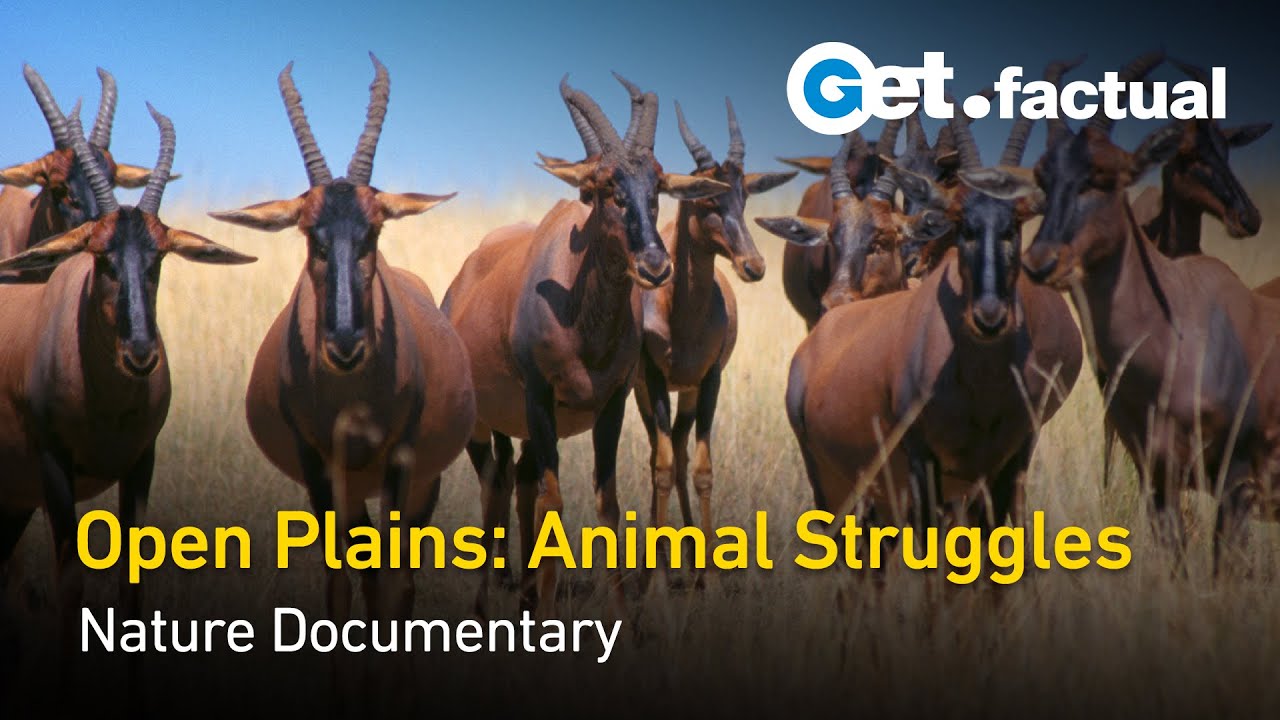
Animals on the plains face predators and must use strategy to survive in open spaces.
A 500-mile trek through East Africa's Great Rift Valley leads Hazen Audel to face extreme conditions and search for wildlife.
A variety of baby animals from diverse habitats around the globe are humorously narrated as they navigate a typical day in their lives.
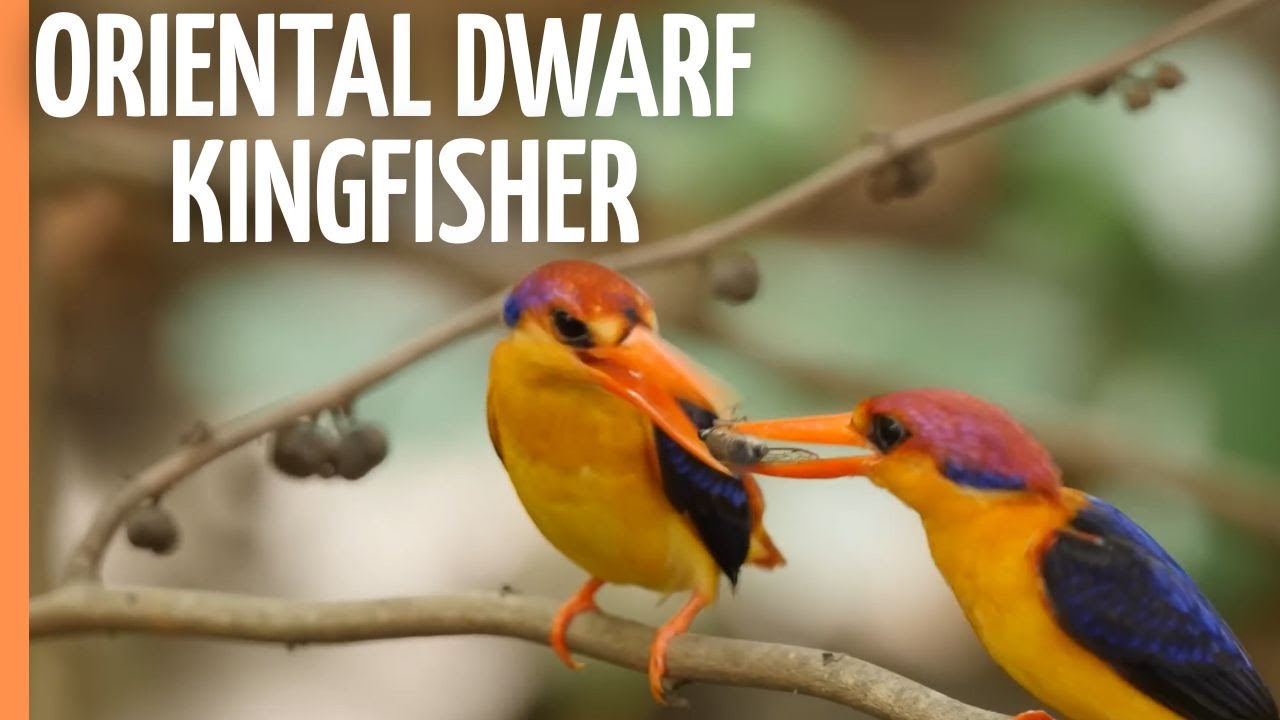
A study on the common Kingfisher suggests only a quarter of the chicks survive to the next season as the Oriental Dwarf Kingfisher raises its brood.
Crocodile populations in the Northern Territory now outnumber humans, leading to increased conflicts as urban development expands into their habitats.
Wildlife behaviors are showcased in ten chapters, highlighting survival tactics, communication, and unique skills of various species across land and sea.
Two teams of experts investigate the speed and bite force of sharks in a 44-minute documentary that takes shark science into the wild.
A bobcat with two kittens hunts for food, demonstrating the survival strategies of North America's natural predators in their ecosystems.
In the Southern Hemisphere and the Galapagos Islands, penguins exhibit unique behaviors as devoted partners and skilled hunters within their large colonies.