From over 100,000 films, discover the handful you'll love.
Free or premium access to the world's largest documentary library.
3259 films(Page 6 of 68)
Busy beavers, sparring sea lions, and fledgling falcons highlight the top wildlife moments captured by BBC Earth in 2024.
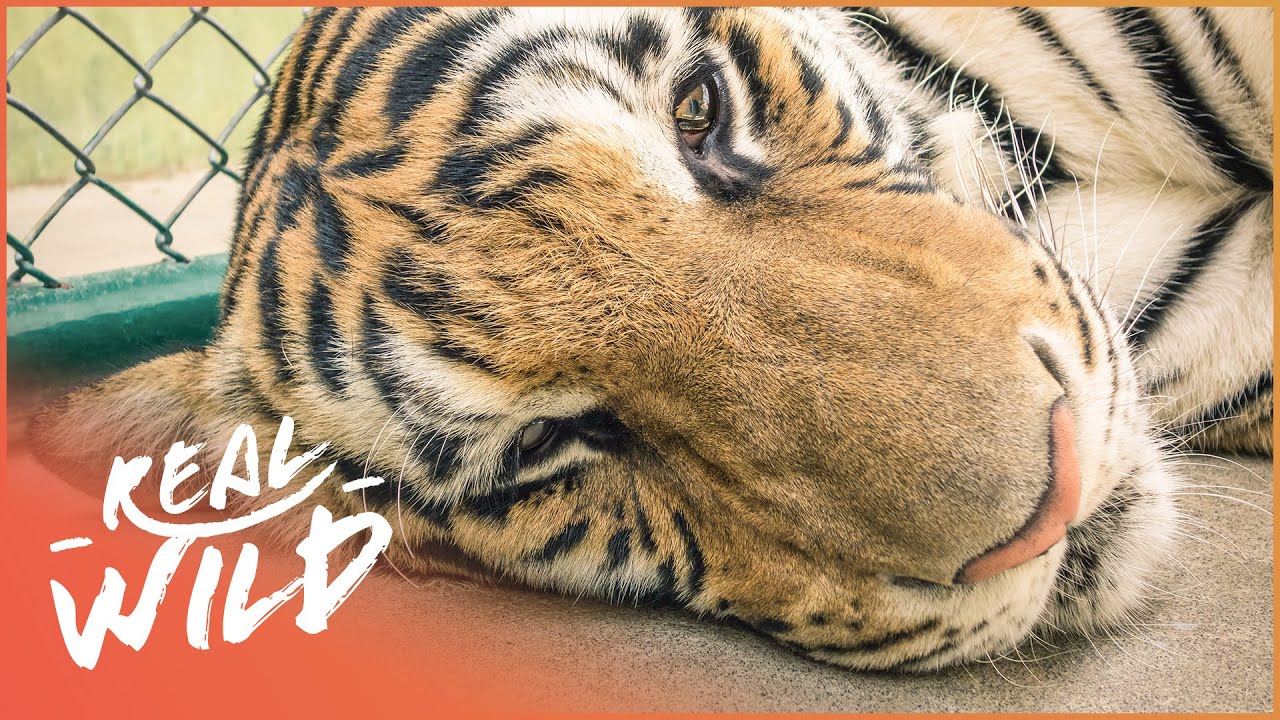
Four Paws, an international animal welfare organization, faces a medical emergency while transporting six tigers from the Netherlands to South Africa.
In Alaska's Chilkoot State Park and the Dolomites, bald and golden eagles are examined for their hunting techniques and cultural significance.
Orangutans have been studied for more than five years in a remote corner of the Sumatran rainforest, revealing their complex social behaviors and intelligence.
Giant otters, nearly 2 meters long, hunt cooperatively in the Amazon, consuming 10% of their body weight each day during the dry season.
A bobcat with two kittens hunts for food, targeting squirrels, rabbits, and fish to sustain her family in the wild.
A fox can steal over 800 eggs from geese in just three weeks, demonstrating its opportunistic feeding habits in challenging environments.
Kali struggles to feed her cubs while Moto searches for his lost love, Nyota, in the Serengeti.
Jellyfish, some of the most venomous ocean inhabitants, play a crucial role in marine ecosystems, as explored by scientist Gerhard Jarms in various global locations.
In Yellowstone National Park, the reintroduction of wolves in 1995 has led to a complex dynamic where coyotes, once top predators, now face competition.
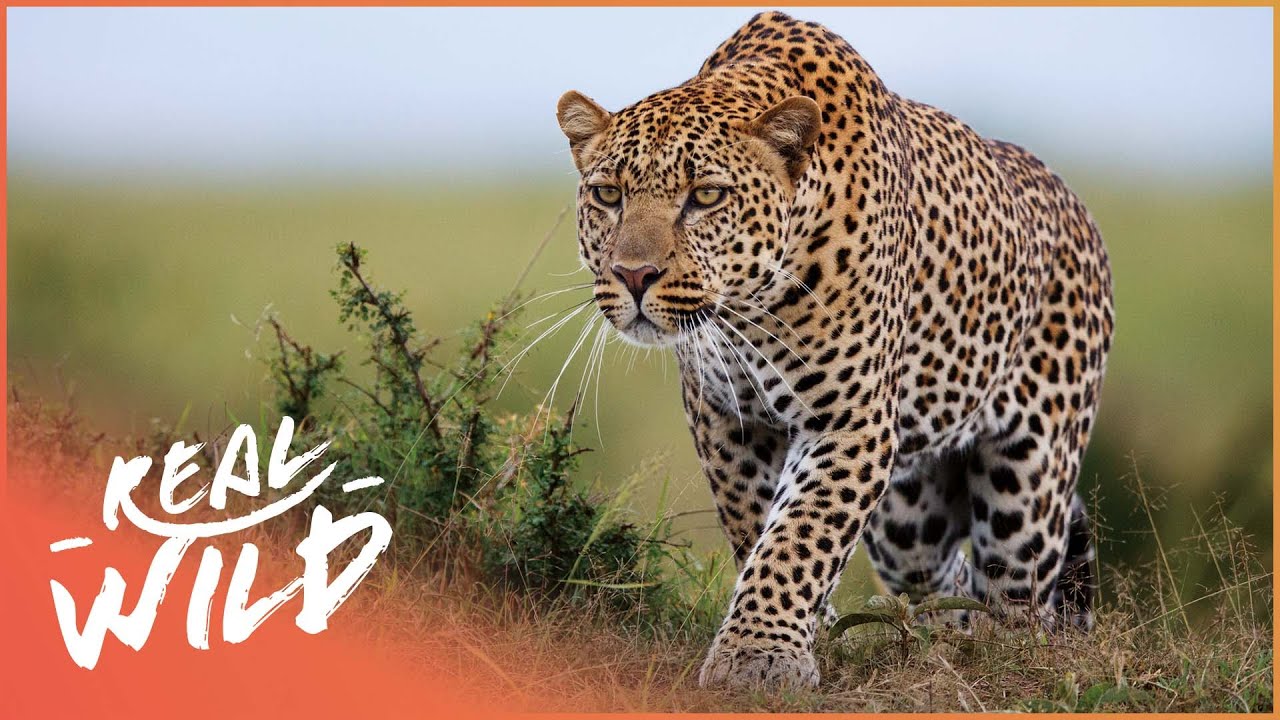
In the Okavango Delta, Mosweo, a solitary leopard mother, faces challenges in raising her cubs amid competition from Buddah, the dominant male, and her older son, Tipa.
150 pairs of vultures roost in the Tswapong Hills, competing for the best ledges as they prepare to raise their young.
Azuma Makoto, a Japanese artist, creates plant sculptures that connect humanity and nature.
In Antarctica, emperor penguin societies demonstrate the crucial bonds formed from birth that enable their survival in extreme conditions.
Spring moments from the BBC Earth archive showcase the beauty and diversity of nature across various ecosystems and species.
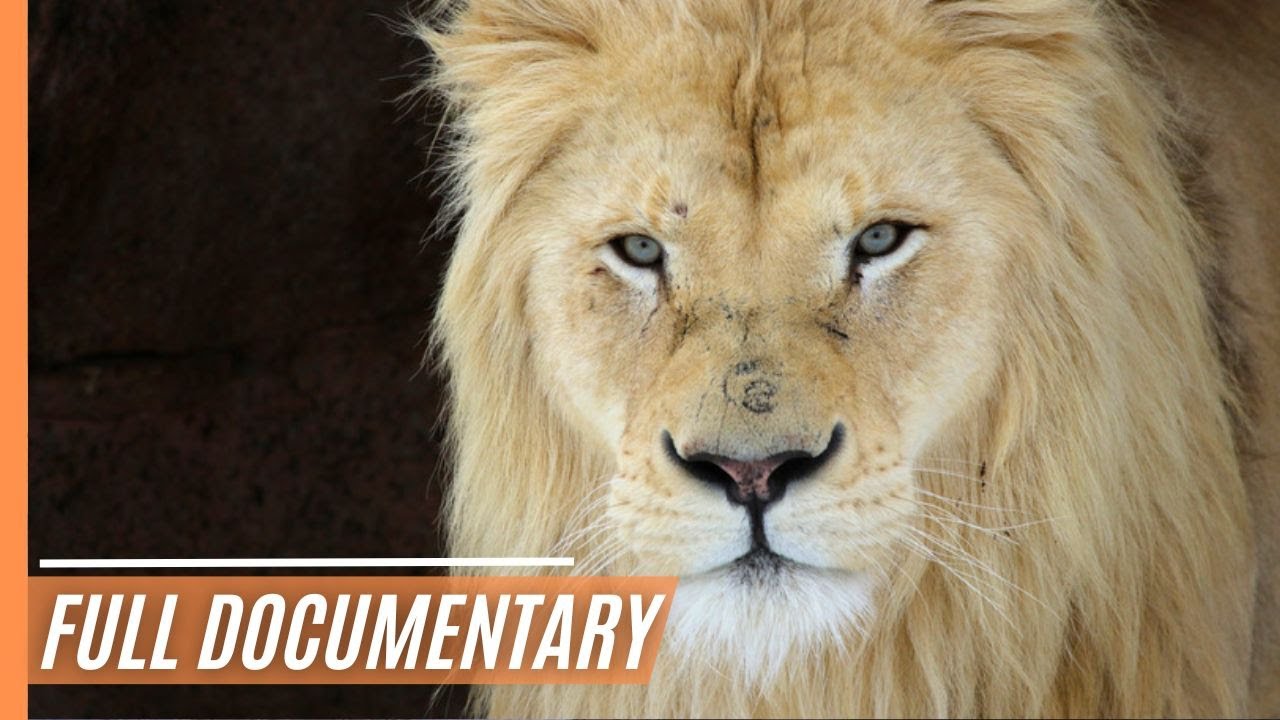
Two white lion cubs, Shinga and Ingan, navigate the dangers of South Africa's Kruger Park as they learn to hunt and survive in the wild.
In South Africa’s Kruger Park, two rare white lion cubs face the challenges of survival and the dangers posed by their distinctive coats as they grow to adulthood.
Survivors of tiger attacks share their harrowing experiences, highlighting the dangers posed by these lethal predators in various parts of the world.
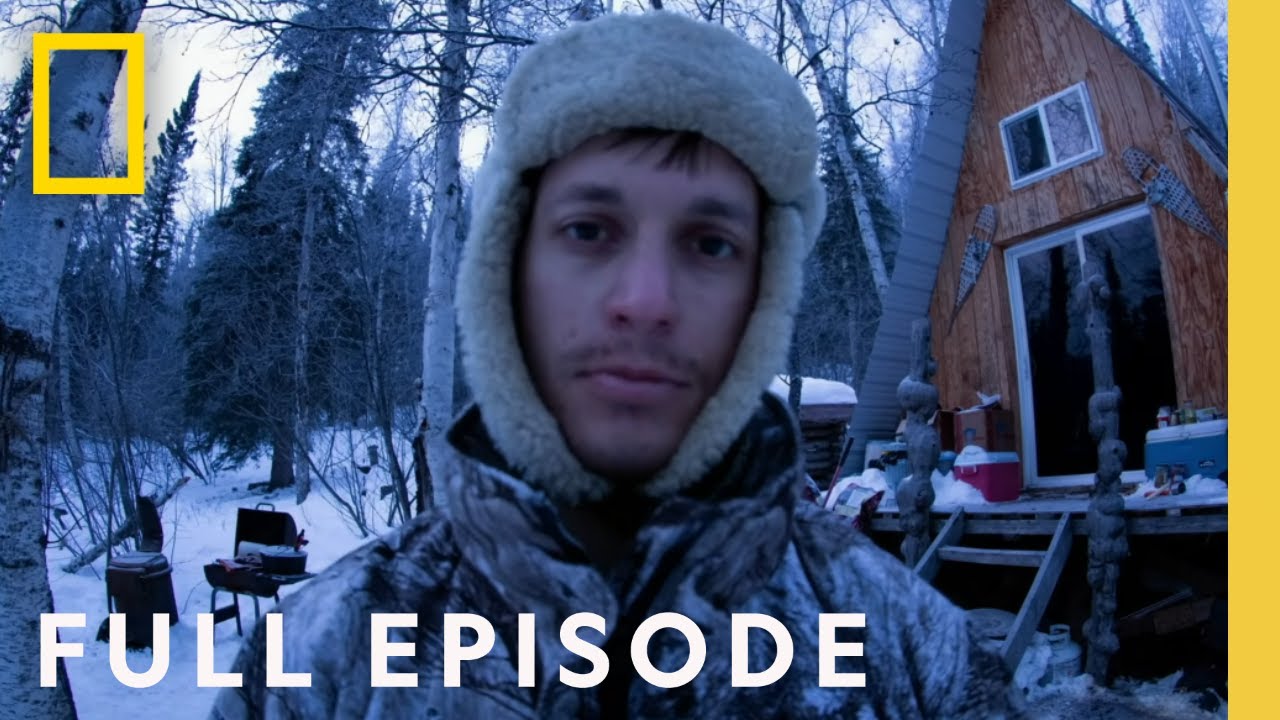
60 meals must be packed by Chris and Jesse Morse as they prepare to live off the grid during Alaska's harsh winter conditions.
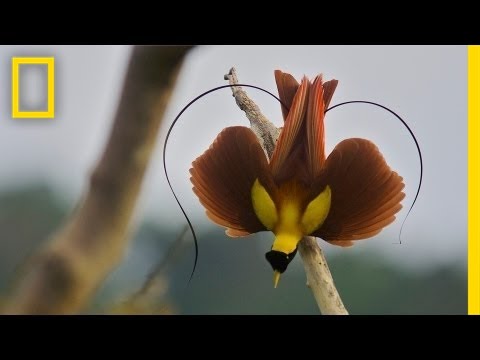
Tim Laman and Ed Scholes collaborate with the Cornell Lab of Ornithology to document the unique courtship behaviors of birds of paradise in Papua New Guinea.
The Giant Irish Elk, with antlers reaching 12 feet, inhabited Ireland until its extinction nearly 11,000 years ago, prompting inquiries into its disappearance.
Over 60,000 acres of protected land in Palm Beach County, Florida, serve as the backdrop for dangerous encounters between humans and wildlife.
In the Okavango Delta, a team of filmmakers explores the hidden underwater ecosystem shaped by seasonal floods, revealing the complex interactions of its wildlife.
Friederike Schmitz's workshops highlight the conditions of agricultural animals while Friedrich Mülln exposes industry scandals, and Tobias Leenaert advocates for a vegan future.
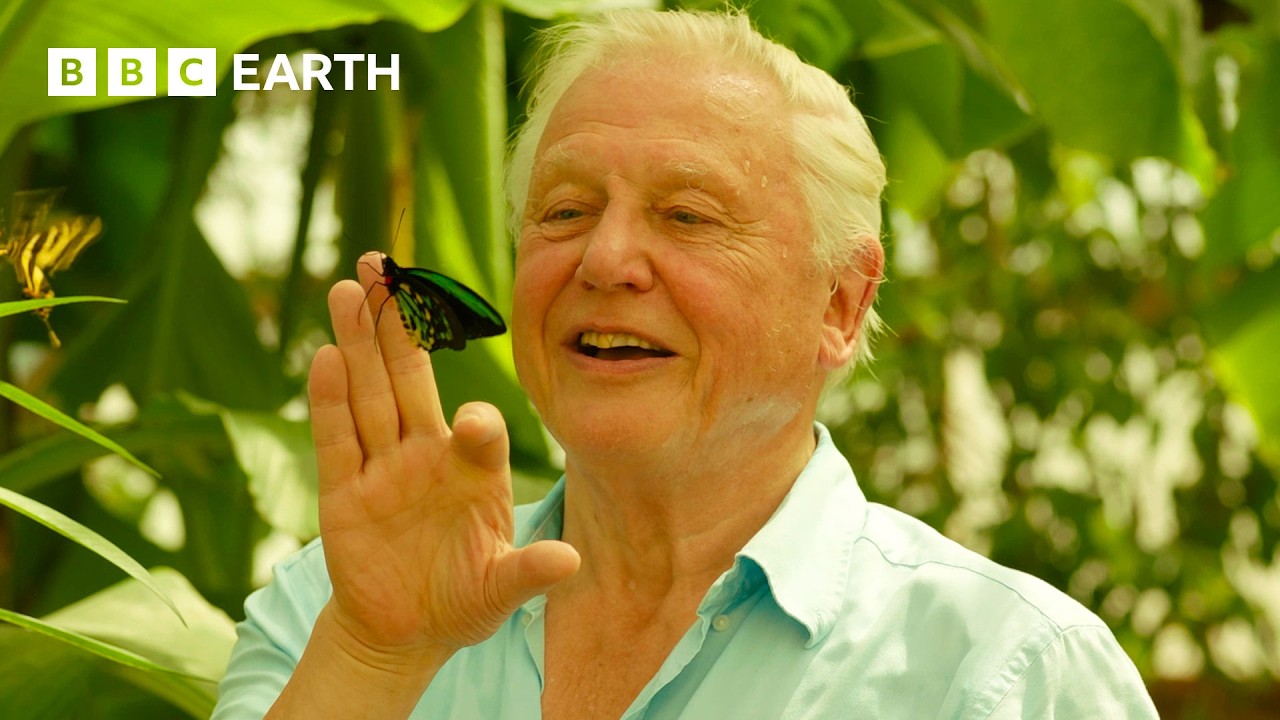
Sir David Attenborough's 100th birthday is marked by a celebration of 100 iconic wildlife scenes from his extensive career in natural history broadcasting.
David Sheldrick Wildlife Trust's breeding and rehabilitation program for elephants highlights their emotional bonds and conservation efforts in the wild.
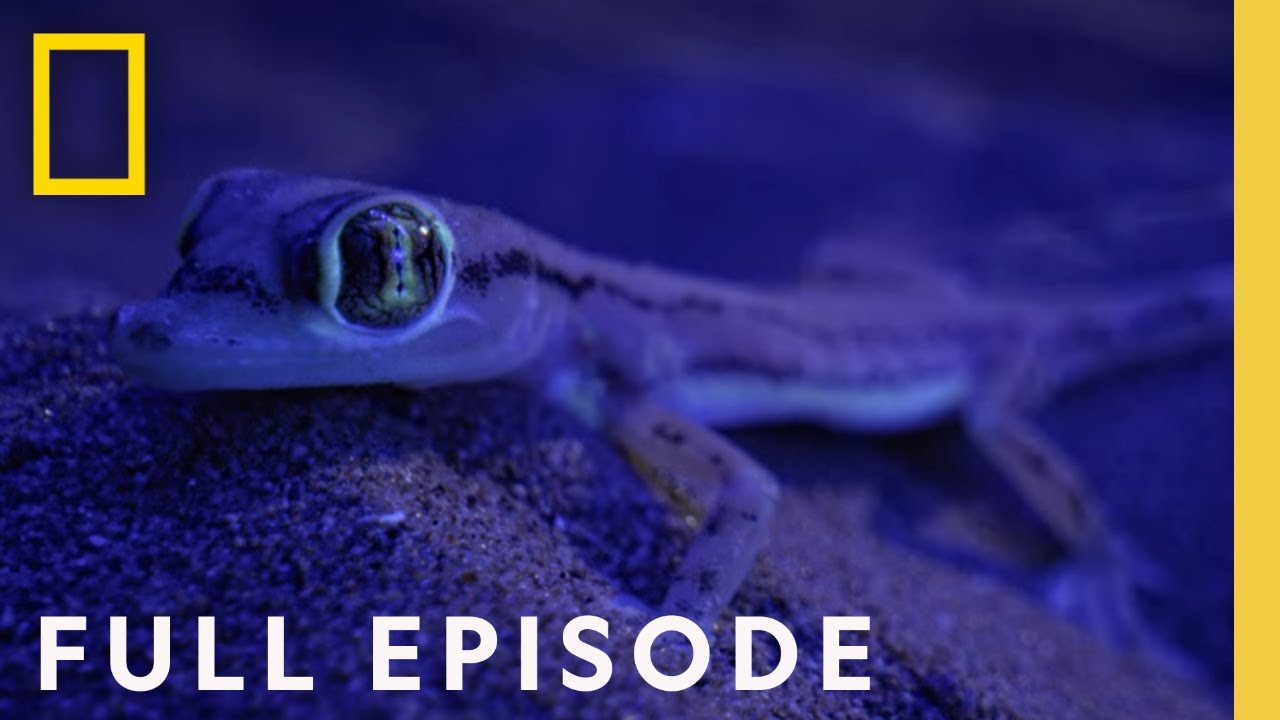
Temperatures in the Arabian Desert can reach 130 degrees during the day, forcing nocturnal predators to emerge under the cover of darkness.
Nearly 100 inches of rain fall on Port Protection each year, challenging residents to adapt and survive in their isolated environment.
Four fox cubs are born after 50 days of gestation, weighing around 100 grams and relying on their mother for warmth and milk.
In various habitats, elephants exhibit complex behaviors such as grieving, celebrating, and communicating through vibrations, highlighting their emotional depth and social structures.
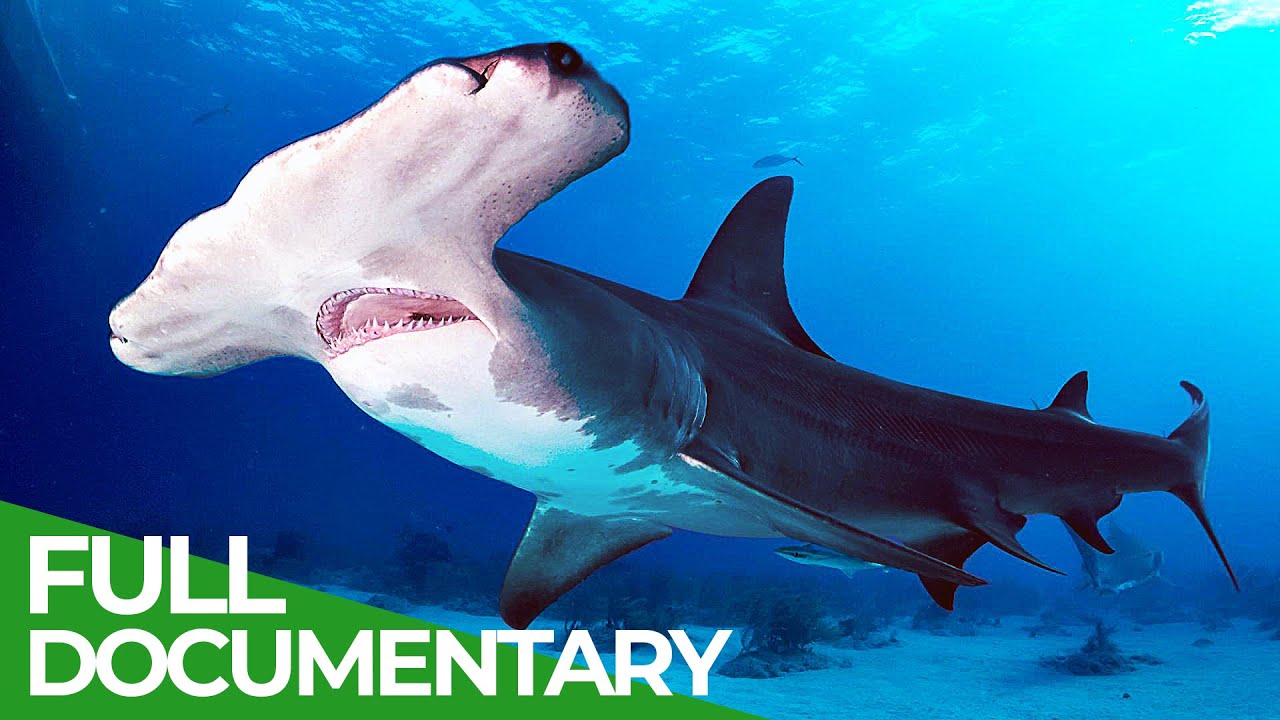
More than half of the over 500 shark species are less than one meter long, with many being timid and harmless to humans.
In the wild, animals like the inland taipan, blue-ringed octopus, and stonefish utilize potent toxins as lethal weapons, influencing both survival and medical advancements.
One-third of Germany is covered in forest, providing a habitat for rare species like the wildcat, which returned to the Black Forest after a 90-year absence.
On Fraser Island, Australia, a dingo family with nine pups navigates challenges such as inter-pack conflict and forest fires to ensure their survival.
The Marwari horse is a magical creature worshipped in India for its proud elegance.
In America's heartlands, Louis Theroux examines private collections of exotic animals, including tigers and chimpanzees, while meeting Joe Exotic.
In winter, the Noto Peninsula reveals a unique underwater ecosystem featuring blanket octopuses, giant squid, and deep-sea oarfish among its diverse marine life.
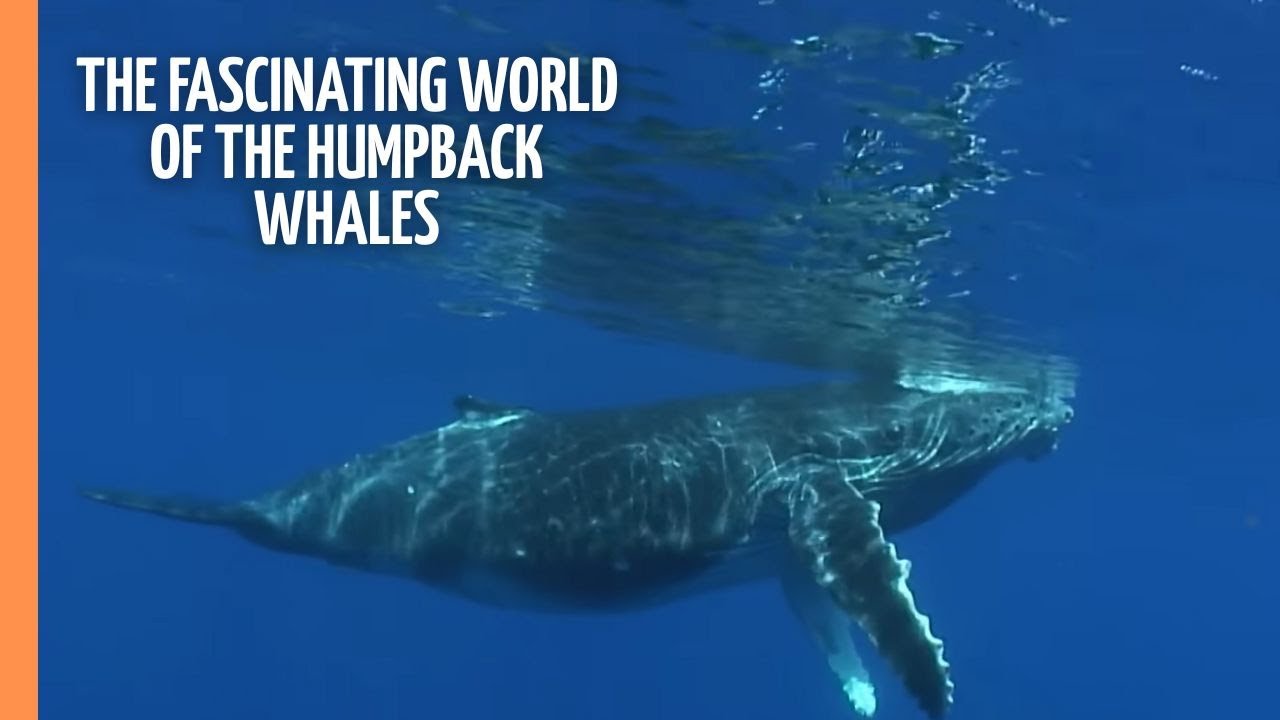
In the warm Pacific off Maui, a humpback whale mother faces challenges while nurturing her calf during their 5,500-kilometre migration to Alaska's feeding grounds.
Bull sharks can grow up to 6 meters long and are considered the most dangerous shark species to humans, with a worldwide attack risk of about 1 in 6 million.
In 1952, a gray tabby cat named Room 8 became a beloved fixture at Elysian Heights Elementary School, attending classes for 15 years.
Healthy desert elephants roam for up to 10,000 kilometers a year in search of food in Namibia's harsh Namib Desert.
Botswana's diverse ecosystems, including the Okavango Delta and Chobe National Park, are home to a rich array of wildlife captured through stunning photography.
Across diverse habitats, bear species are showcased in their natural behaviors of hunting, mating, and survival throughout forests and the Arctic.
Kangaroos boxing, iguanas escaping snakes, and big cats hunting in packs illustrate the fierce battles for survival in the animal kingdom.
The Boulder Pride faces new male rivals and must hunt alone for survival after a year.
Female great white sharks can grow over 21 feet long and weigh around two tons, making them dominant predators in the ocean.
BBC Earth uses animatronics and high-definition cameras to document animal behavior and social structures across various species in their natural habitats.
Insects around the world are examined by entomologist Ruud Kleinpaste, who showcases their remarkable abilities and challenges while confronting some of the most feared species.