From over 100,000 films, discover the handful you'll love.
Free or premium access to the world's largest documentary library.
3259 films(Page 30 of 68)
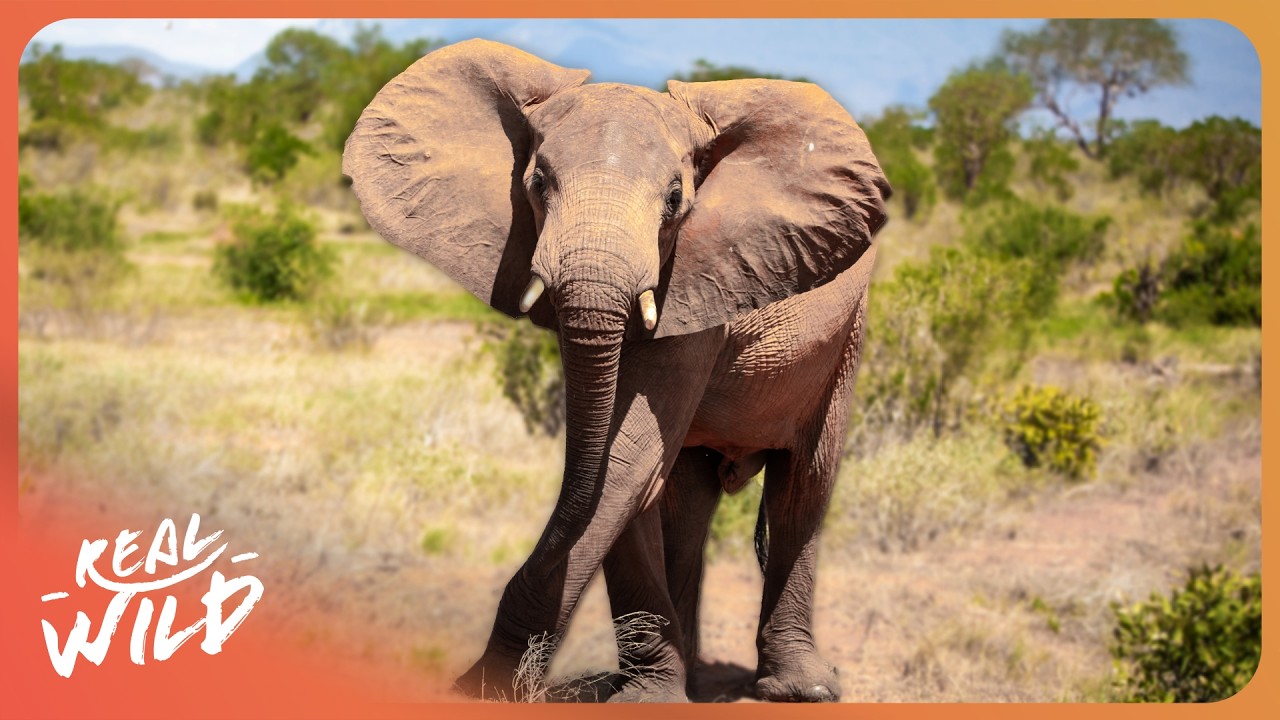
African elephants can communicate over several kilometers using infrasonic calls that are inaudible to the human ear.
Dedicated trainees at the RSPCA face emotional challenges and rigorous exams while working to save abandoned cats and improve animal welfare.
In New Delhi, the overpopulation of stray cattle, exacerbated by the abandonment of non-milk-producing cows, poses significant challenges for residents and veterinary services like the Sanjay Gandhi Animal Care Centre.
Germany's rivers, streams, and lakes host a diverse array of aquatic life, including exotic jellyfish, freshwater turtles, and the formidable Wels catfish.
Rambo, a male tiger rescued from Florida, faces numerous challenges during his transport to England, highlighting the plight of captive tigers in America.
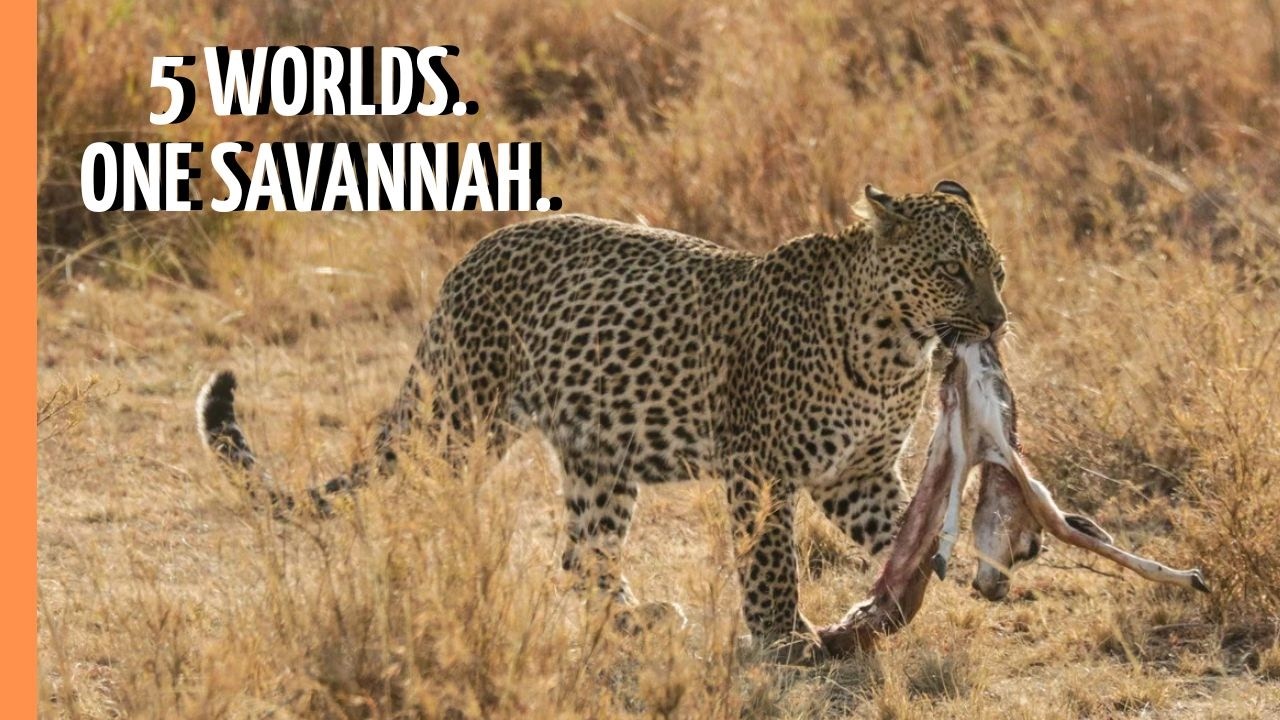
Leopards, zebras, and African buffalo are examined for their unique behaviors, survival strategies, and conservation challenges across the Serengeti and Maasai Mara.
Africa's diverse ecosystems host over 2,500 bird species, showcasing unique behaviors and evolutionary adaptations across its skies, wetlands, and savannahs.
In the Amira Game Ranch of Zimbabwe, a 6,000lb African elephant named Enzo leads a herd of Cape buffalo, highlighting the complexities of interspecies relationships.
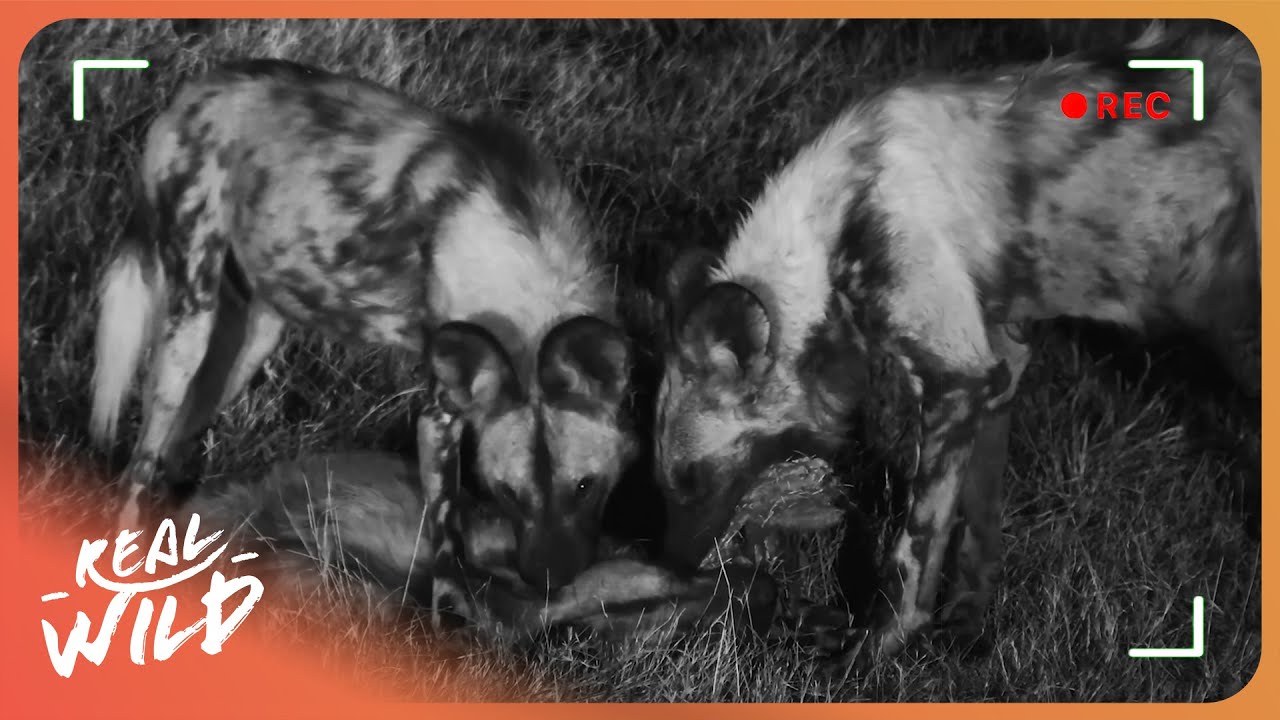
Hwange National Park in Zimbabwe showcases the dramatic interactions between predators like lions, leopards, and wild dogs as they hunt and defend their territory at night.
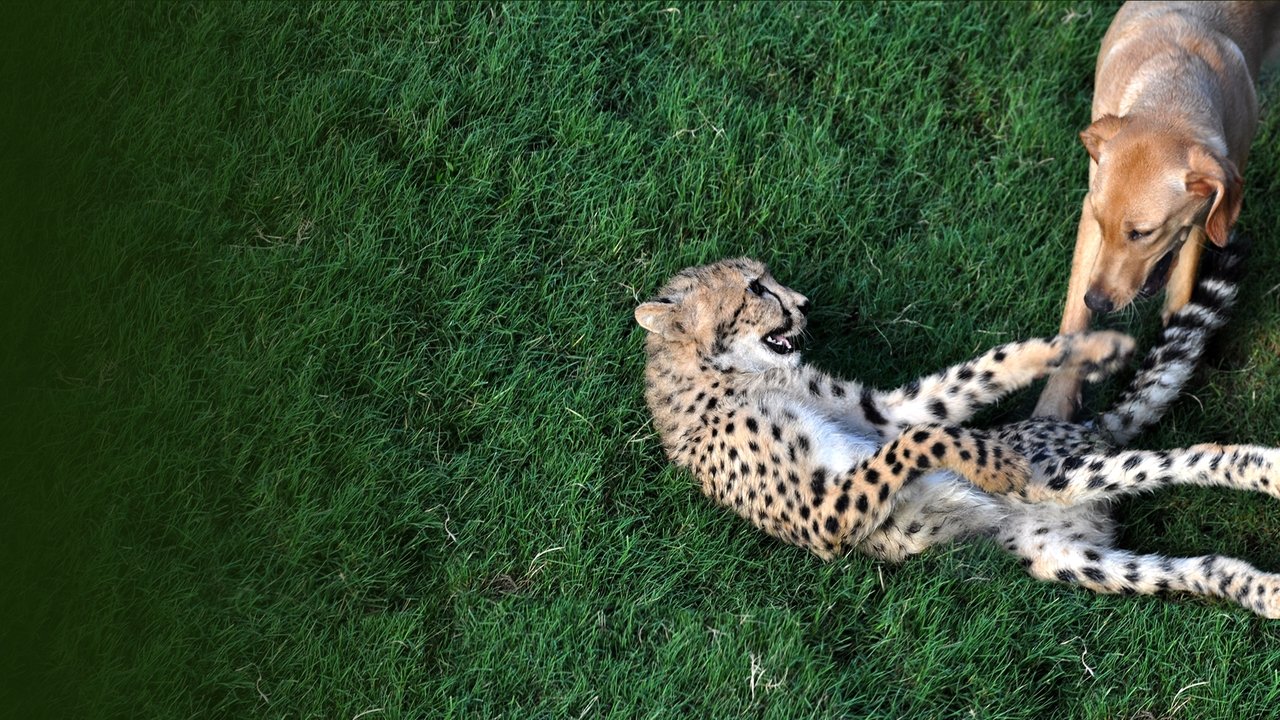
At Pinda Reserve in South Africa's KwaZulu-Natal region, hosts Anga Makobalo and Brittany Bristow track leopards and interact with cheetah cubs.
In the waterways of Guyana, the green anaconda faces challenges from the black caiman and a changing environment while showcasing its unique reproductive behaviors.
In Saskatchewan, two farm children find a place for their pony named Pancho amidst the challenges of a fully mechanized wheat farm during Christmas.
Exotic pet ownership in suburban neighborhoods has surged, raising concerns about the welfare of apex predators like tigers and the challenges faced by wildlife sanctuaries.
In Southeast Asia's jungles, rare Sumatran tiger cubs, Asian elephant calves, and Borneo orangutans navigate survival challenges in their unique ecosystems.
Two minutes before the Calgary Stampede begins, cowboys prepare for events like bronco-busting and steer wrestling in Alberta's foothills.
In the frozen wilderness of the Arctic Tundra, apex predators like the Arctic Wolf, Snowy Owl, and Polar Bear showcase their survival strategies and adaptations.
Endurance swimmer Adam Walker attempts to cross perilous straits while encountering dolphins and exploring the intelligence and culture of orcas.
A couple raising rescued monkeys and hundreds of animals exemplifies the diverse lifestyles explored in Banijay Documentaries' World's Most Extraordinary Families series.
In diverse ecosystems, animals engage in complex relationships characterized by predation, competition, and cooperation, highlighting the intricate social dynamics of nature.
Mana Pools National Park hosts a diverse array of wildlife, including elephants, hippos, and wild dogs, as observed during a safari with Zambezi Expeditions.
Exotic animal ownership raises ethical concerns as professionals train apex predators like Kodiak bears and lions, while efforts to save the endangered Tasmanian devil continue.
Animals around the world form unexpected friendships that challenge traditional notions of instinct and behavior, showcasing remarkable interspecies bonds.
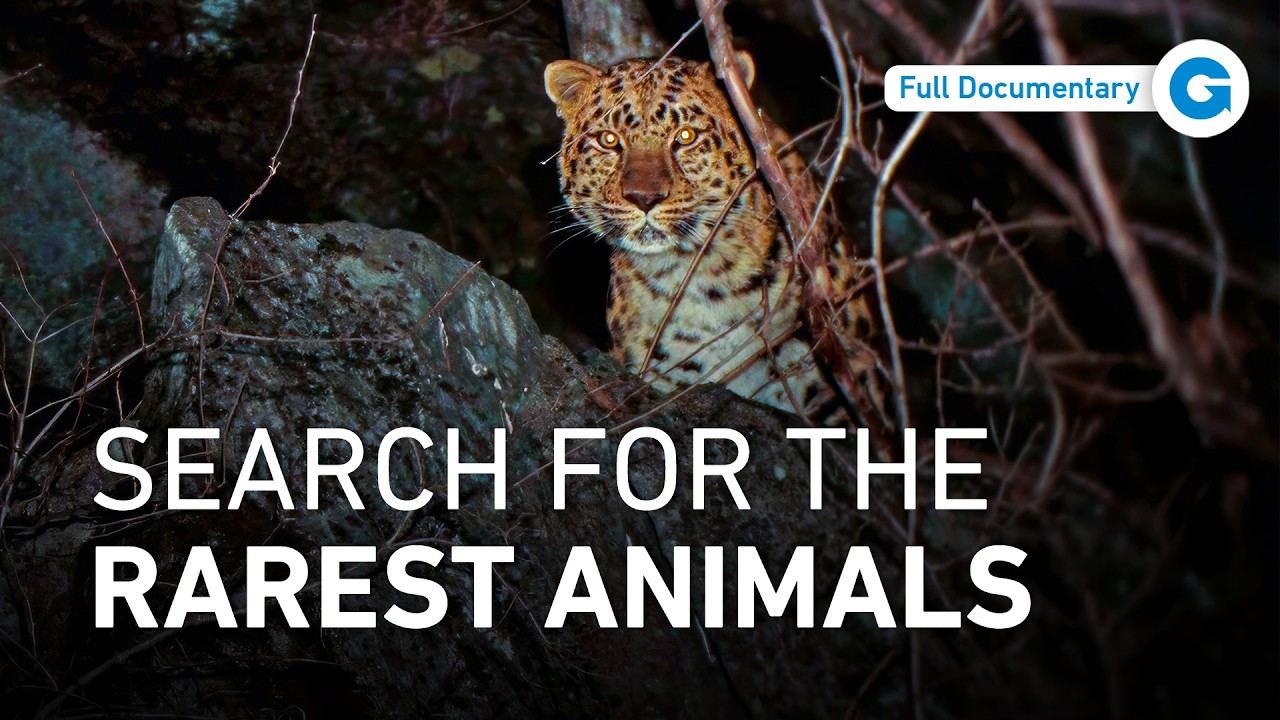
Andreas Kieling travels from the Amazon rainforest to Siberia and China in search of rare animals, including the giant anaconda and the endangered Siberian tiger.
Thailand's elephant tourism industry reveals harsh training methods used to control elephants, contrasted with the efforts of ethical advocates working for their rescue.
In the forests of Sri Lanka and the urban landscape of Mumbai, a young female leopard and her mother navigate challenges while showcasing the adaptability of their species.
Beneath the Iberian Peninsula lies a 100-meter deep canyon that has evolved into a unique ecosystem, home to species like the Eagle Owl and Wolf Spider.
In a wildlife documentary series, Steve Backshall assists at a hedgehog hospital while Miranda Krestovnikoff checks on a pregnant slow loris and Lindsey Chapman reports with Coco the cat.
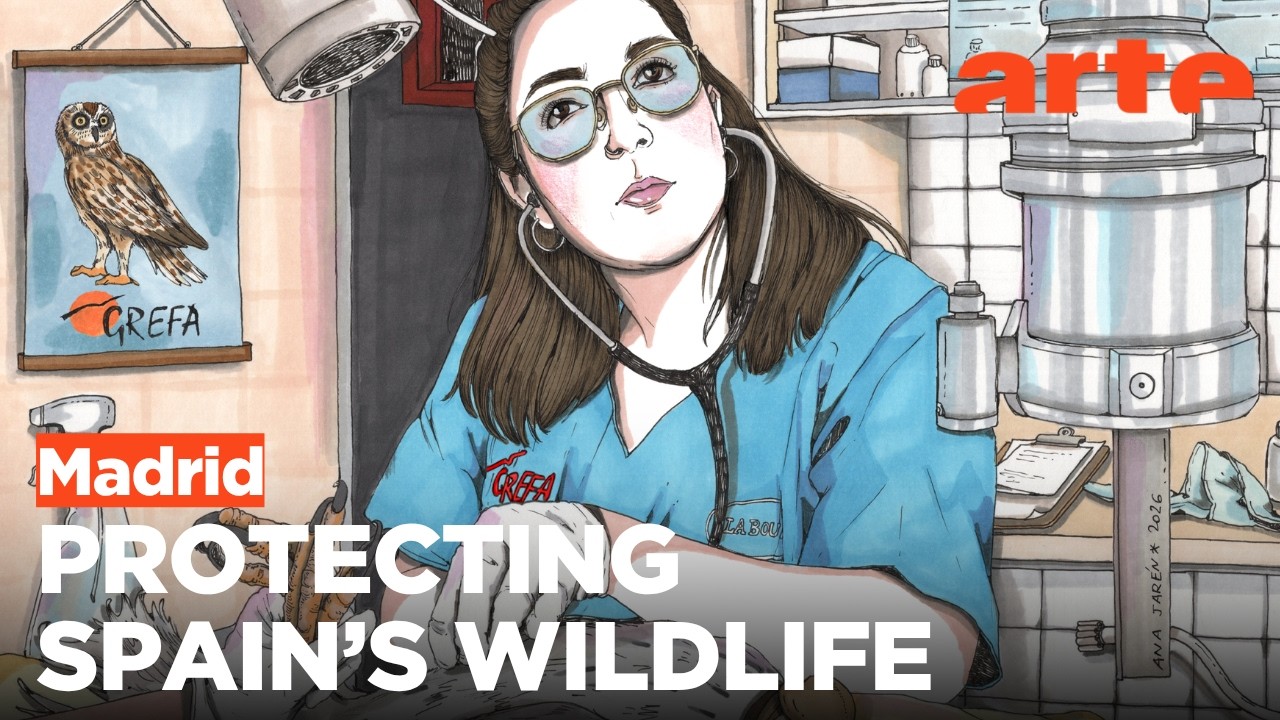
In the hills above Madrid, Grefa operates the largest wildlife hospital in Europe, treating over 10,000 animals annually for rehabilitation and release.
Beluga whales, revered in ancient legends like that of Seawoman, are studied by scientists using advanced technology to understand their complex communication methods.
A group of scientists gathers each summer on Bonaire to investigate whether squid can communicate through distinct messages on their skin.
In Northern Europe's harsh wilderness, newborn apex predators and prey face life-threatening challenges, including a mother brown bear protecting her cubs from male threats.
World-renowned animal trainer Andrew Simpson faces extreme conditions in -60C temperatures while filming a groundbreaking portrayal of wolves in their natural habitat.
In the Himalayas, Tashi, a single mother red panda, navigates bamboo thickets with her cub, showcasing their bond in a challenging environment.
Delia tests a big-breed dog in London while Poppy the Cocker spaniel joins a family in Surrey.
In a unique exploration of animal breeding, Ronnie's Animal Crackers features a cat breeder challenging industry norms and a devoted owner of 'blue' French bulldogs alongside camel enthusiasts.
In Antarctica, elephant seals and various penguin species rely on isolated islands as critical nurseries for breeding and teaching survival skills.
More than 170 species of fish inhabit the reefs around the archipelago of Fernando de Noronha, a key area for the spinner dolphins that visit daily.
In Iran's Ilam province, rare reptiles like the spider-tailed horned viper thrive in a unique ecosystem, showcasing the region's remarkable biodiversity.
Primate evolution, spanning 65 million years from Madagascar to modern humans, highlights the diverse adaptations and significance of these species in understanding human ancestry.
In the African savannah, diverse species from mammals to insects navigate distinct ecological niches, competing for resources in a complex vertical habitat.
Namibia covers an area of over 300,000 square miles, most of it desert and bush, where Ian Max Maxwell tracks the elusive desert elephant.
In Namibia's bushlands and Australia's shark-infested waters, wildlife captures its own stories through hidden cameras placed on various animals.
A mother whale can carry her calf's small carcass over 1,000 miles, demonstrating the deep emotional bonds shared among cetaceans.
Over 10,000 bird species are examined, highlighting avian predators like eagles and falcons, as well as unique seabirds and flightless birds such as ostriches.
In Tanzania, over a million wildebeest and a quarter of a million zebras face perilous challenges during their thousand-kilometer migration across the Serengeti.
In the Sonoran Desert, Harris's hawks hunt cooperatively like wolves, while diverse species like the Gila monster and elf owl adapt to extreme conditions.
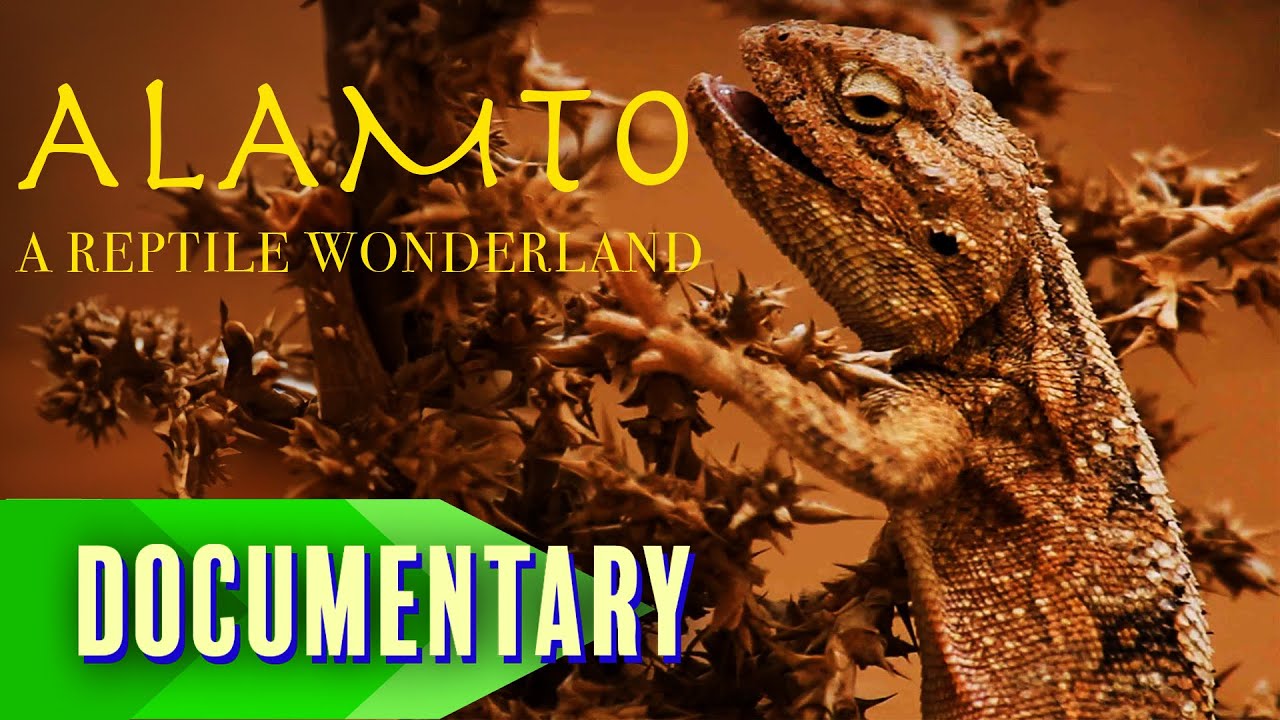
Reptiles, often perceived as primitive, showcase remarkable diversity and adaptability, having existed for over 300 million years alongside Earth's changing ecosystems.
In Britain, a group of extraordinary animals, including Gable the Border Collie and Melanie the North American Raccoon, showcases remarkable intelligence and problem-solving skills.