From over 100,000 films, discover the handful you'll love.
Free or premium access to the world's largest documentary library.
3259 films(Page 14 of 68)
Fewer than 300,000 chimpanzees remain in the wild, with researchers in Uganda studying their social learning and tool use to understand their behavior.
Kemp's Ridley turtles, among the smallest sea turtles, were driven to the brink of extinction due to overharvesting of their eggs.
Leopards hunt impalas and aardvarks forage for insects, highlighting the unique behaviors and adaptations of Africa's diverse wildlife.
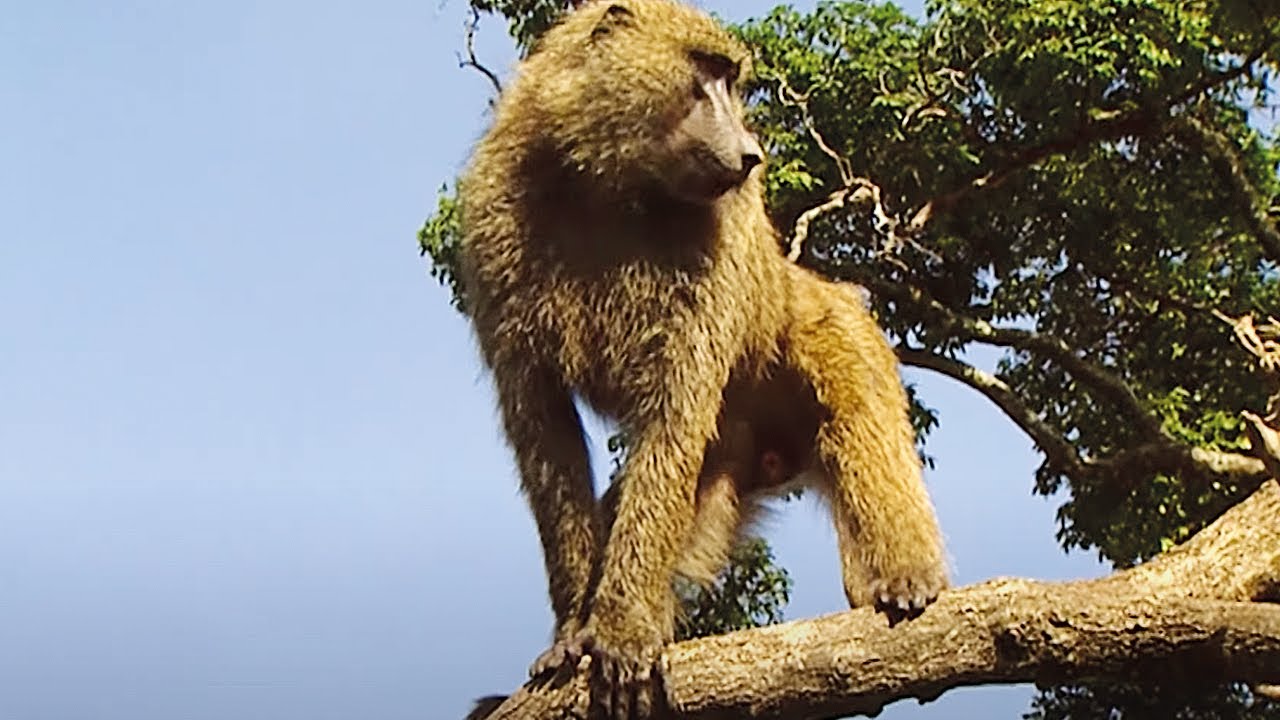
A fig tree with a trunk six meters in circumference serves as the central habitat for a troop of olive baboons in the Maasai Mara.
In the animal kingdom, encounters such as a stingray ambushing crabs and a mother lioness hunting a warthog highlight the fierce struggles for survival.
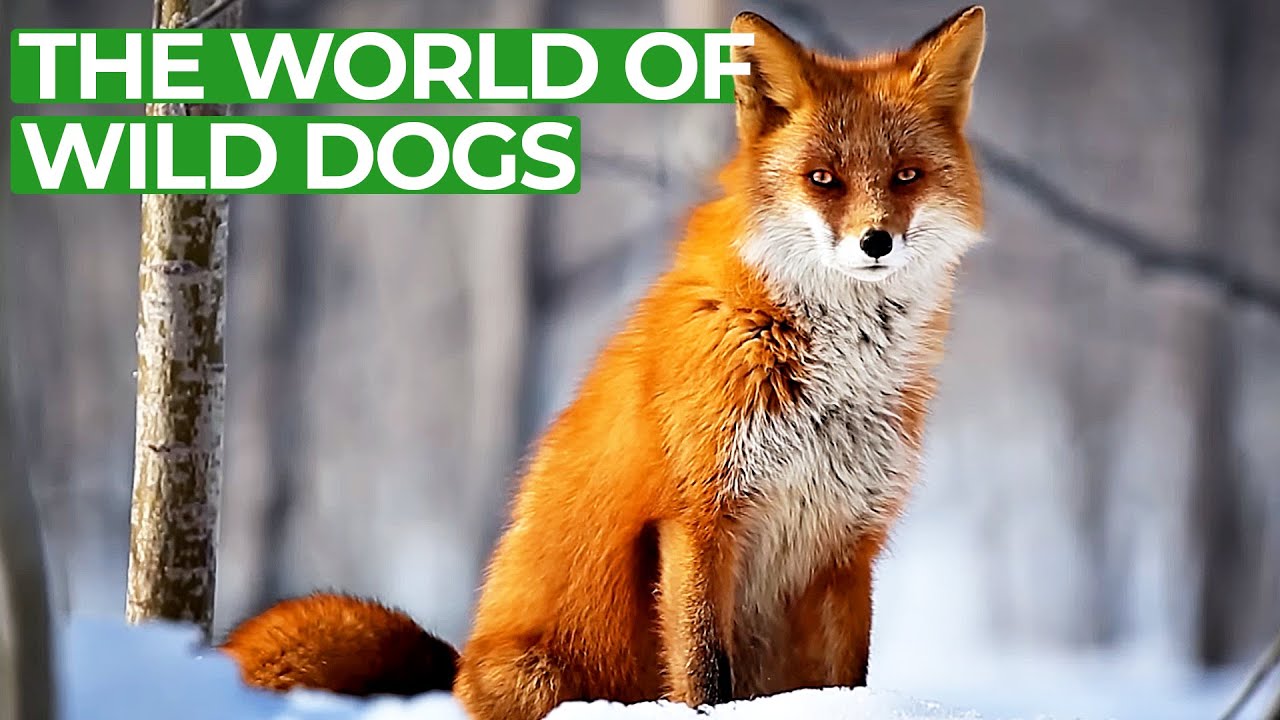
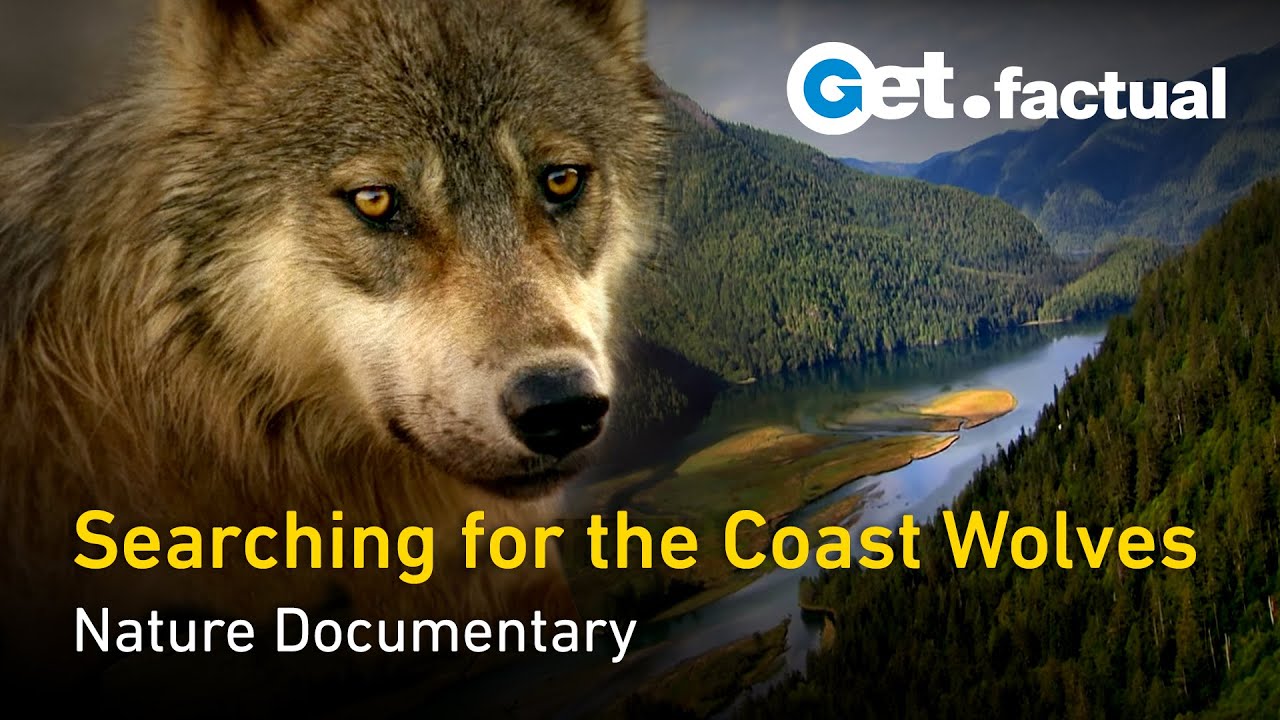
Wild dogs, including wolves, foxes, and lesser-known species like raccoon dogs and dholes, are explored for their roles as guardians of various ecosystems.
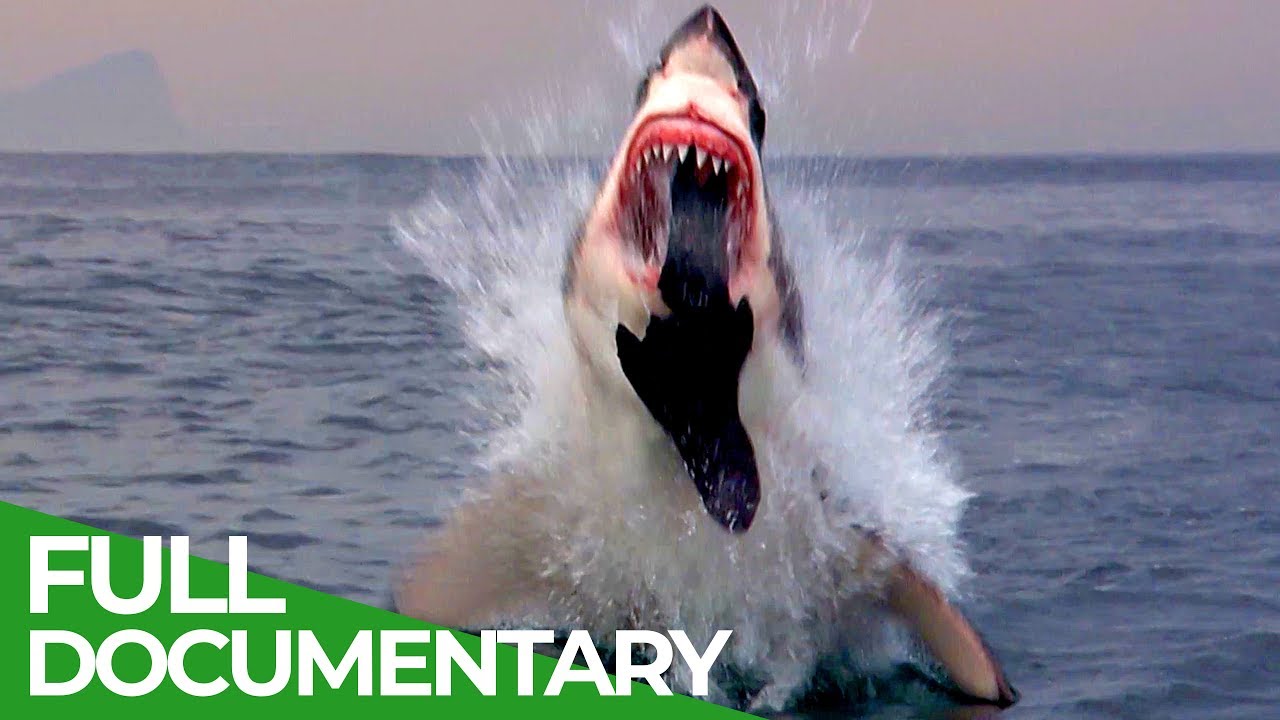
Great white sharks have existed for over 500 million years and play a crucial role in maintaining the health of marine ecosystems.
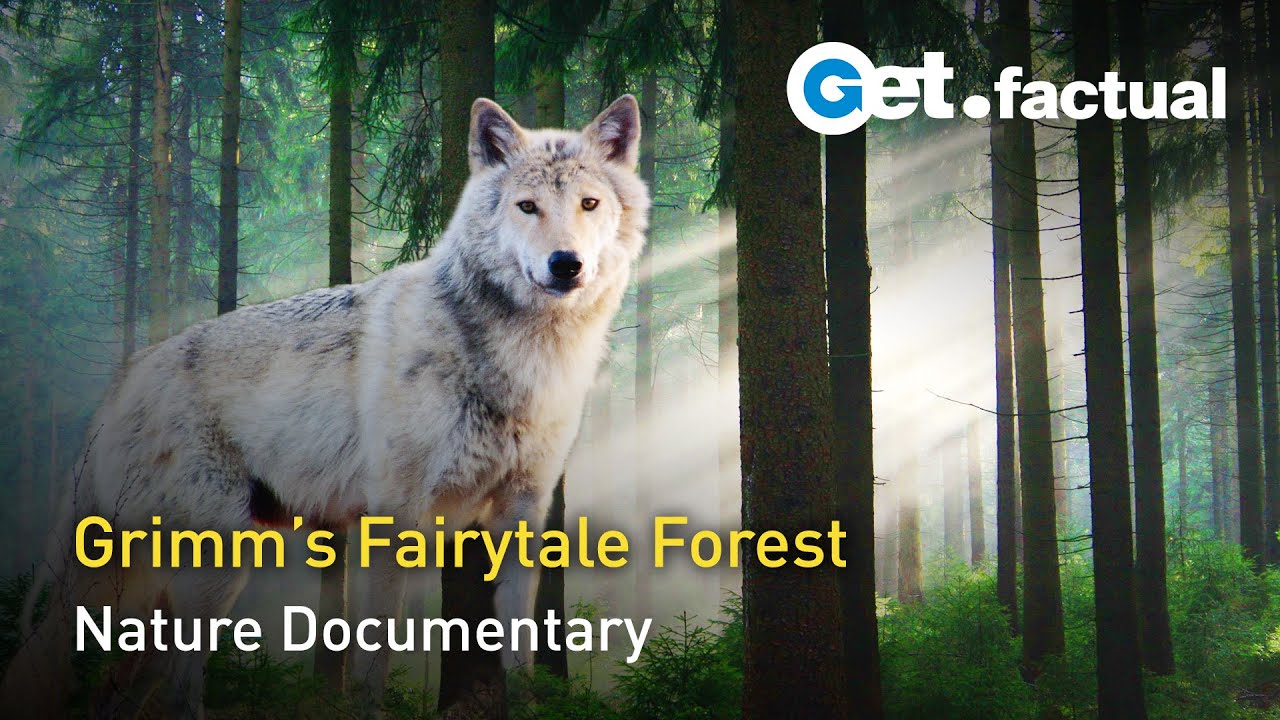
More than 200 years ago, Jacob and Wilhelm Grimm collected folk tales that reflected the realities of their time and the mysteries of the forest.
Three bear triplets learn survival skills in the Scandinavian wilderness, facing challenges from predators and the harsh winter environment.
Walruses possess enormous teeth and thick fat layers for survival in the Polar Seas.
German Shepherds, originally bred for herding sheep in Germany, are now recognized for their intelligence and versatility in roles such as police and service dogs.
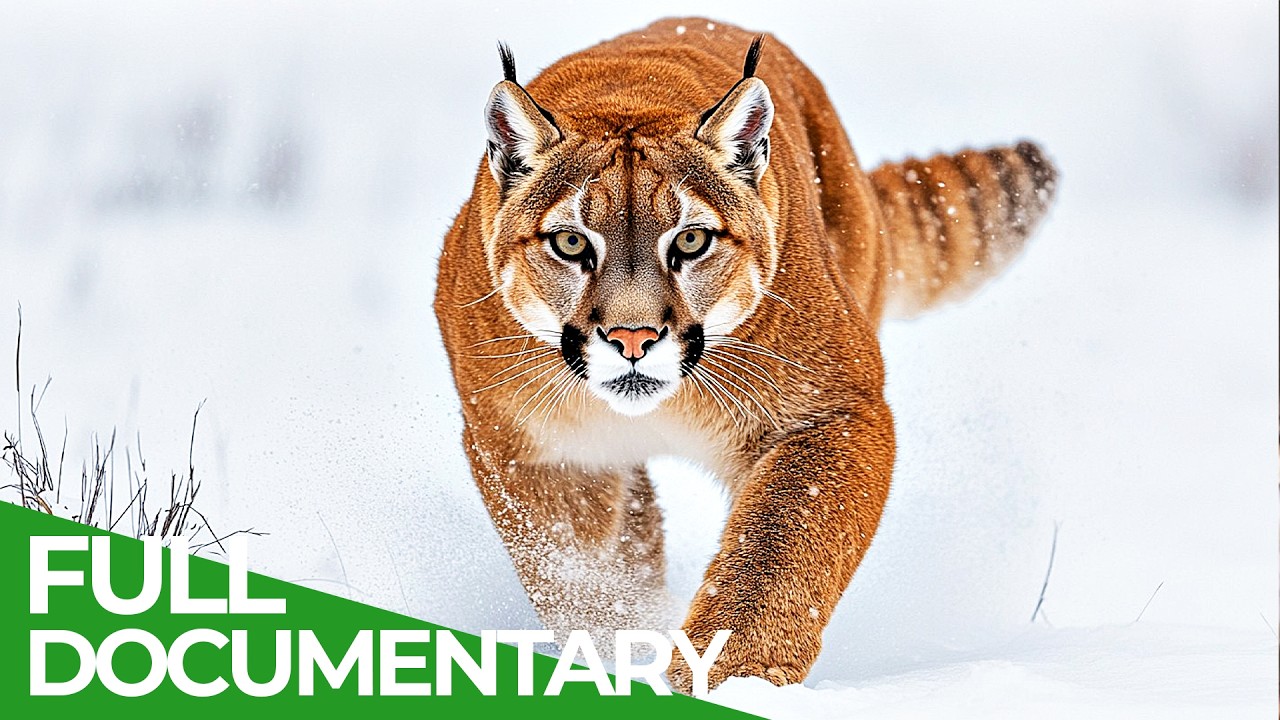
Wild cats across Africa, the Americas, and Asia demonstrate remarkable adaptability and survival strategies within their diverse ecosystems.
Emperor penguin chicks, nearly a meter tall, face predators and harsh conditions as they leave their icy birthplace to reach the sea.
Less than 10% of the Great Bear Rainforest in British Columbia is currently protected from commercial logging, threatening the habitat of coast wolves.
Villagers along the Zambezi River face deadly attacks from Nile Crocodiles, prompting a team to capture and relocate a 14-foot predator to protect both communities and wildlife.
2,500 hatchlings were counted on the Chambal River, indicating a positive trend for gharial populations in India.
Venom was created 600 million years ago by tiny living creatures in the oceans that combined peptides and proteins into lethal cocktails.
Wildlife filmmakers risk their lives filming dangerous animals in various locations.
BBC Earth presents a compilation of memorable animal moments, showcasing dramatic encounters and heartwarming interactions from the natural world.
Forty-eight animals, including 18 tigers, were put down during the 2011 Zanesville animal massacre, raising concerns about exotic pet ownership.
In India and Nepal, the tiger population faces critical endangerment, with only an estimated 10,000 individuals remaining in the wild.
Scotland's coastal regions, influenced by the Atlantic's warm currents, support diverse wildlife, including sea otters and starfish, across stunning landscapes.
In a luxury golfing estate in South Africa, Vervet Monkeys confront the Sugar Cane Gang as they struggle to defend their territory and home.
Controversial behaviorist Dr. Erich Ritter tests shark-human interactions with lemon, bull, and great white sharks in locations like the Bahamas and Gansbaai, South Africa.
In Japan's coastal bay, white-spotted bamboo sharks gather each summer to mate and lay camouflaged eggs, while facing threats from potential predators.
A snake can go without food for weeks or even months, relying on its ability to detect prey through its sense of smell.
The breeding and training of Lippizaner horses at the Spanish Riding School in Vienna highlight a rich tradition of equestrian artistry and discipline.
Humpback whales, measuring up to 45 feet long, gather in the Caribbean each winter to mate and give birth, revealing critical aspects of their lives.
Toads migrate to wetlands at night, guided by the Earth's magnetic fields and stars, challenging long-held beliefs about their nature.
Weighing over 2,000 kilograms and measuring ten meters long, whale sharks feed exclusively on plankton, which can be abundant at seasonal hotspots.
Wikie and Keijo, two orcas stranded in a closed waterpark on the French Riviera, face the decision of being moved to Tenerife, where orcas still perform.
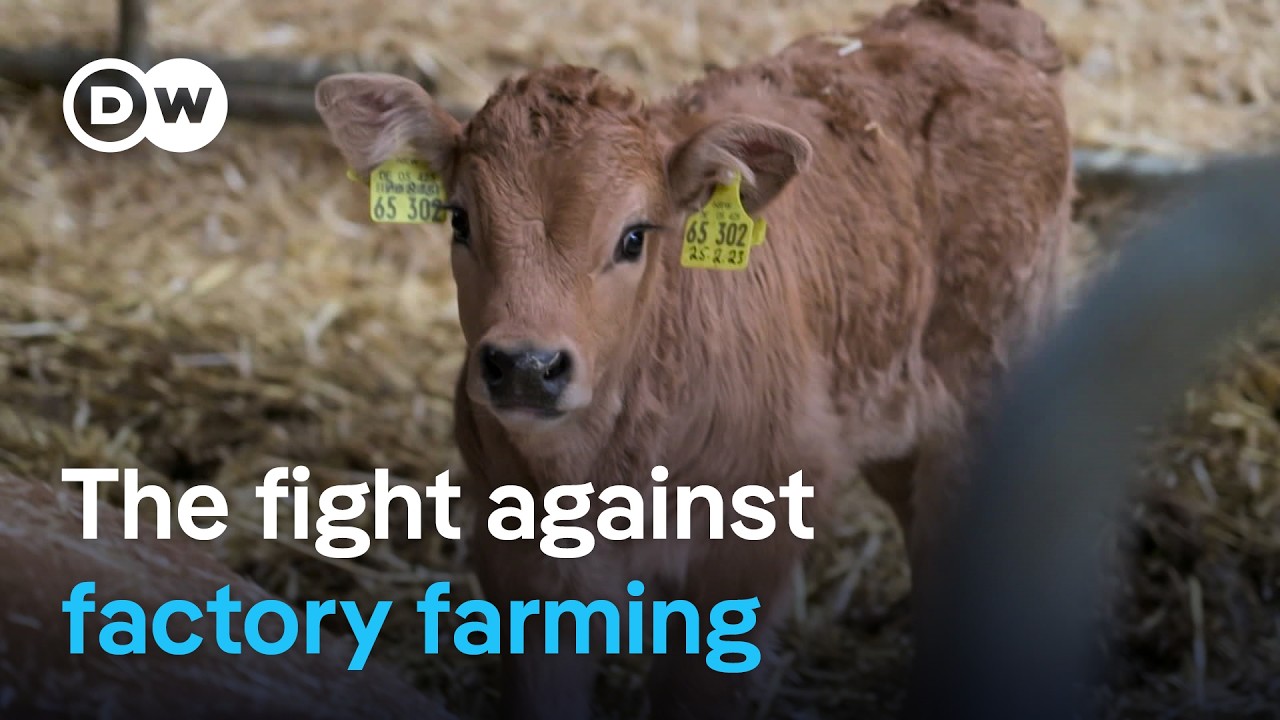
Mark Junglas manages 100 cattle at Stöcken farm, focusing on high animal welfare standards while struggling to turn a profit in organic meat production.
A group of ravens returns to the Canary Islands after decades, finding food and competing for survival in harsh, high-altitude conditions.
Eve and her sister Bonobos raise their young in an egalitarian community, passing babies from mother to mother without jealousy or stress.
A sloth's greenish fur, which hosts algae, helps it blend into the rainforest canopy, providing crucial camouflage against predators like jaguars.
Grizzly bears are increasingly entering European towns in search of food, prompting biologists to explore strategies for coexistence that minimize human-bear conflicts.
Pigs, from small pink breeds to large tuskers, inhabit diverse ecosystems across the globe, illustrating their remarkable adaptability and evolutionary success.
Golden lion tamarin numbers were once as low as 200 in the wild, but conservation efforts have increased their population to around 2,500.
In Brazil's Pantanal, the jaguar, a powerful apex predator, faces threats from habitat destruction and livestock conflict while playing a crucial role in its ecosystem.
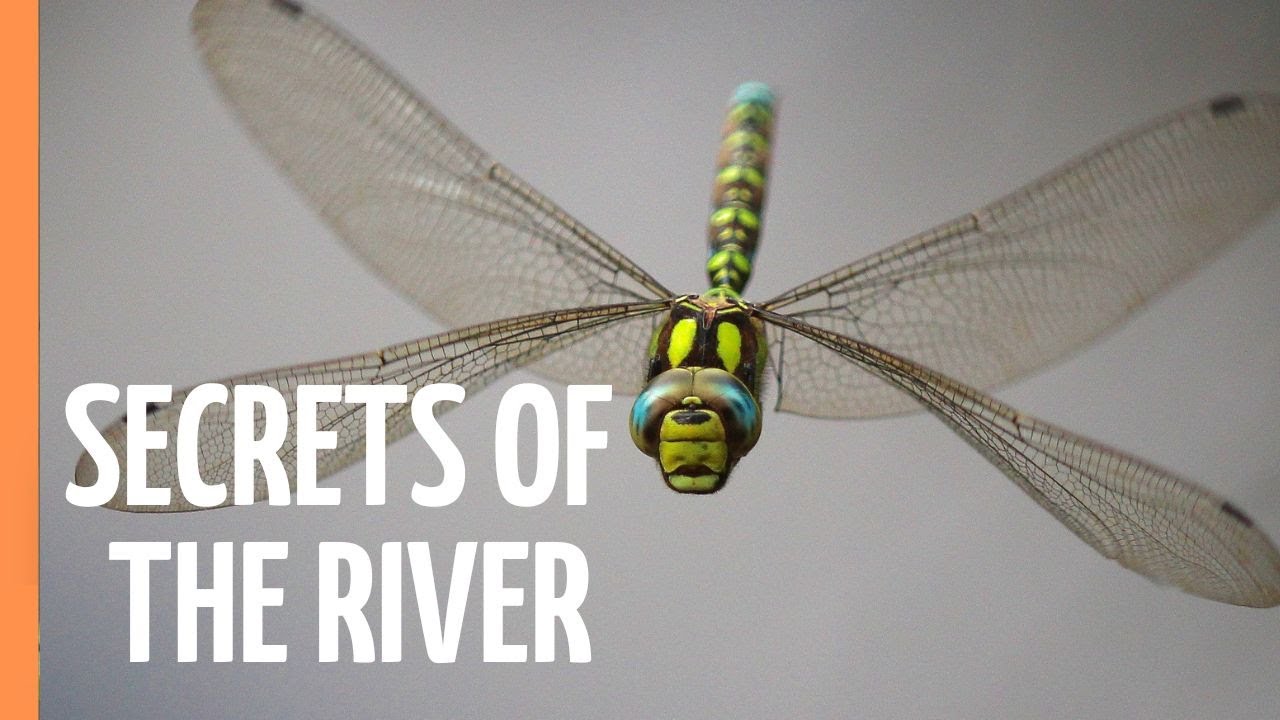
Kingfishers and dippers, the only songbirds that swim and hunt underwater, are showcased alongside the intricate life of river ecosystems in stunning slow-motion.
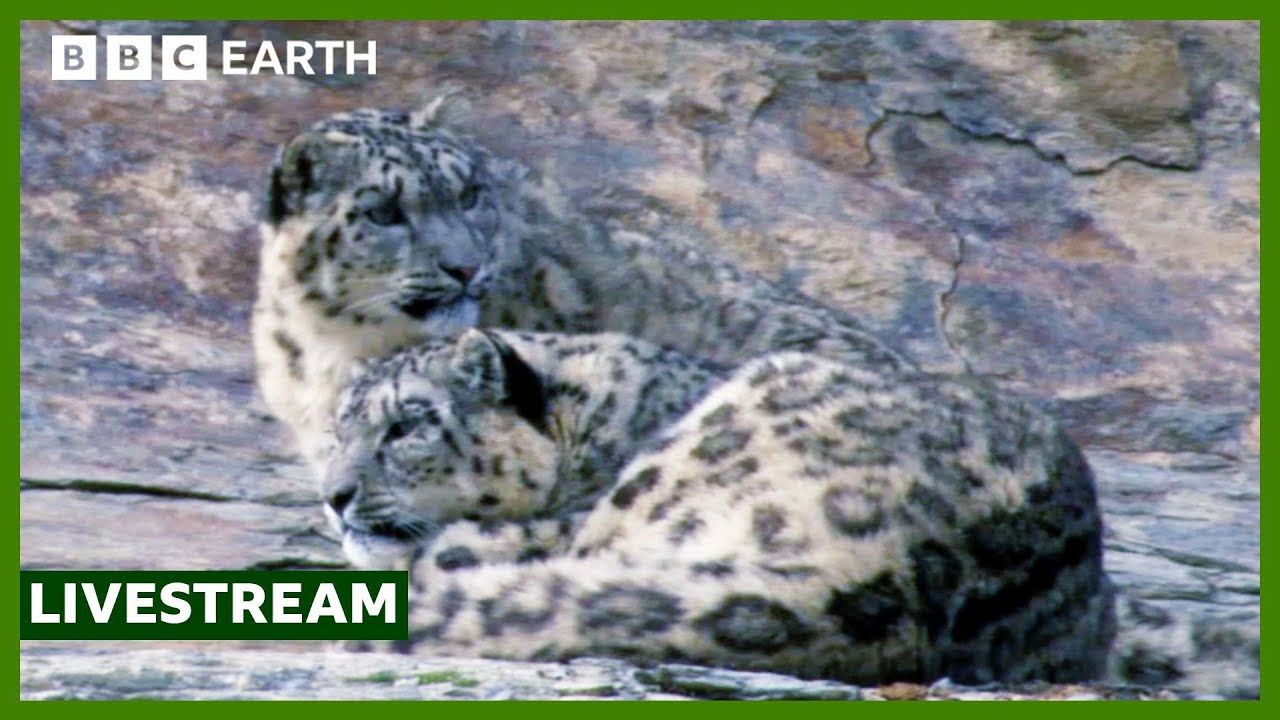
Snow leopards, elusive big cats from Central and South Asia, are filmed in detail, highlighting the challenges of capturing them in their natural habitat.
Evolutionary biologist Mike McHargue joins hosts Sebastian and Rutendo to explore how animals like rats and spiders inspire human innovation through their unique abilities.
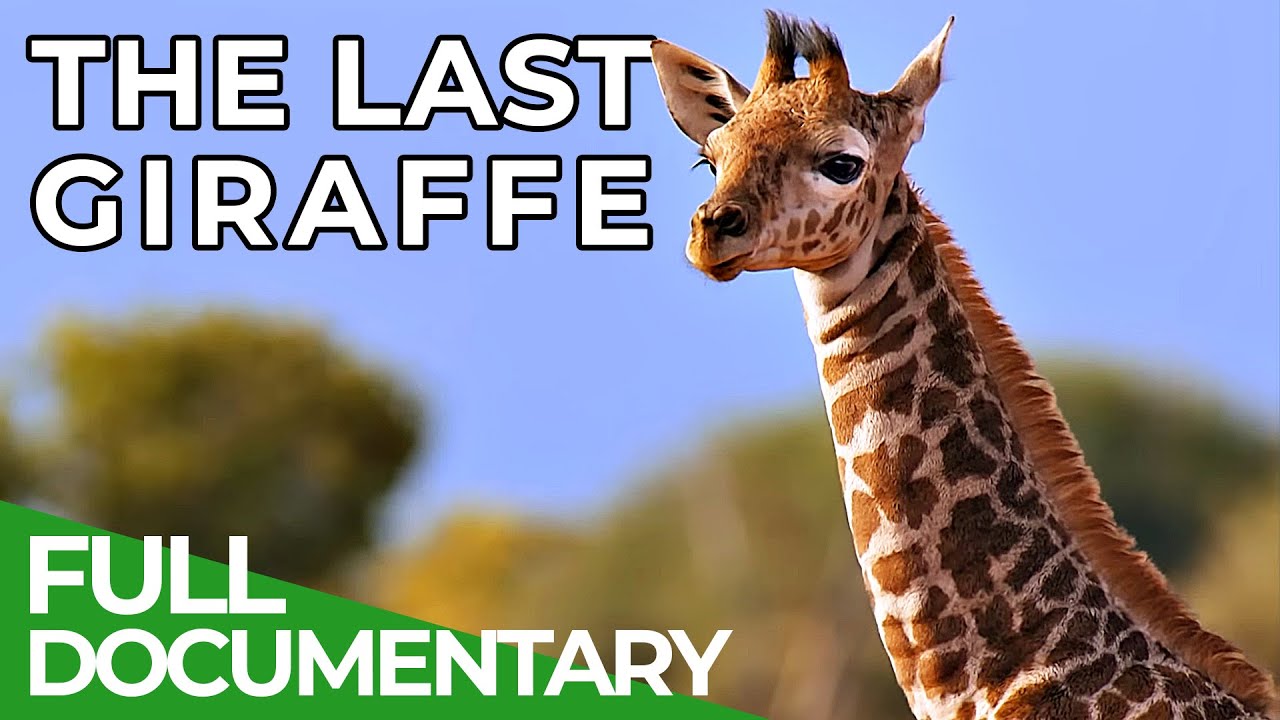
Only 80,000 giraffes remain in Africa today, a sharp decline from millions at the beginning of the 20th century, primarily due to poaching and habitat loss.
Winter temperatures in Lapland can drop to 40 degrees below zero, forcing wildlife to adapt to one of the harshest climates on Earth.
In the Falkland Islands, unique flora and fauna thrive, including diverse penguin species that inhabit this windswept archipelago in the southern Atlantic Ocean.
BBC Earth showcases ten significant wildlife moments from 2025, featuring a baby elephant's lessons and nature's most intense mating rituals.
Mutton thrive in extreme environments, from deserts to tundra, showcasing their resilience.
Bowhead whales, which may live over 200 years, are studied by biologists using new research techniques alongside Alaskan Inupiat during a traditional hunt.