From over 100,000 films, discover the handful you'll love.
Free or premium access to the world's largest documentary library.
3258 films(Page 1 of 68)
Cuckoos travel 5,000 kilometers from Africa to Europe each spring to lay their eggs in the nests of other birds, avoiding the burden of parenting.
Animal eyes exhibit a variety of unique adaptations, as explained by experts Dr. Dan Nilsson and Dr. Marty Banks, highlighting their evolutionary significance.
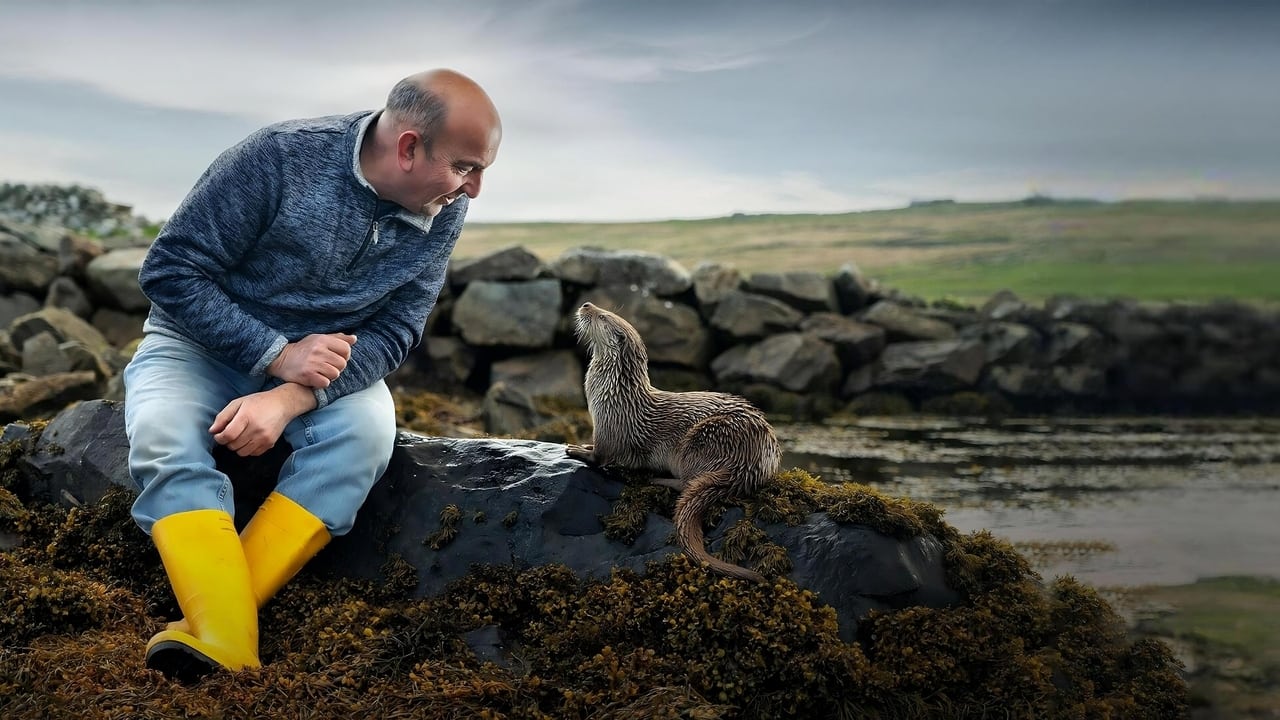
A wild otter named Molly washes up at the feet of Billy Mail on March 3, leading to an unexpected bond that transforms their lives.
In the last 50 years, wildlife populations have declined by 60 percent, prompting urgent calls for conservation efforts to protect remaining ecosystems.
Eva zu Beck treks 20 miles round trip from a Bedouin camp in Wadi Rum, Jordan, to fetch water while learning survival skills in the desert.
A velvet worm can shoot sticky slime up to a foot, using it to capture prey in its tropical rainforest habitat.
A $20,000 claiming race features trainers and owners striving for victory in the competitive horse racing scene of the United Arab Emirates.
In war-torn Ukraine, film director Stas Kapralov searches for his missing dog, Nika, while documenting the efforts of volunteers rescuing animals affected by the conflict.
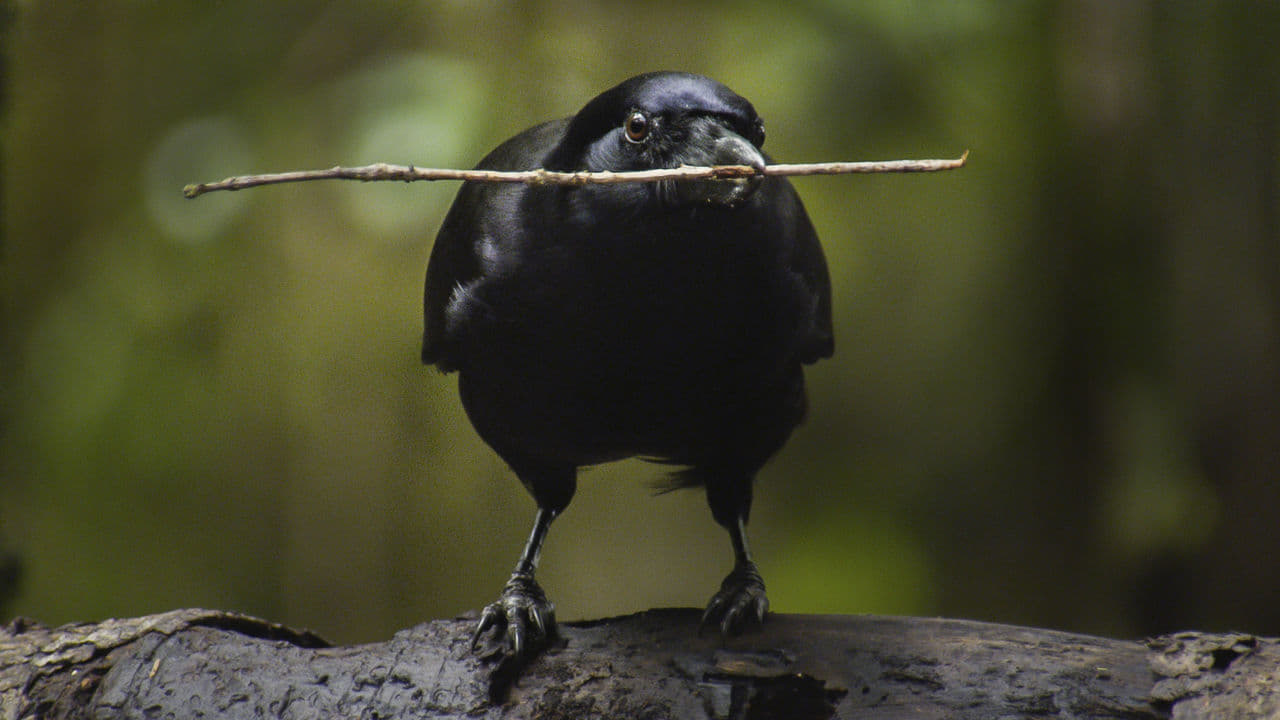
Birds in Australia use their claws and beaks to solve complex puzzles and create tools, demonstrating advanced cognitive abilities.
30,000 years ago, a young she-wolf made a choice that led to the domestication of dogs, transforming them into essential companions for humans.
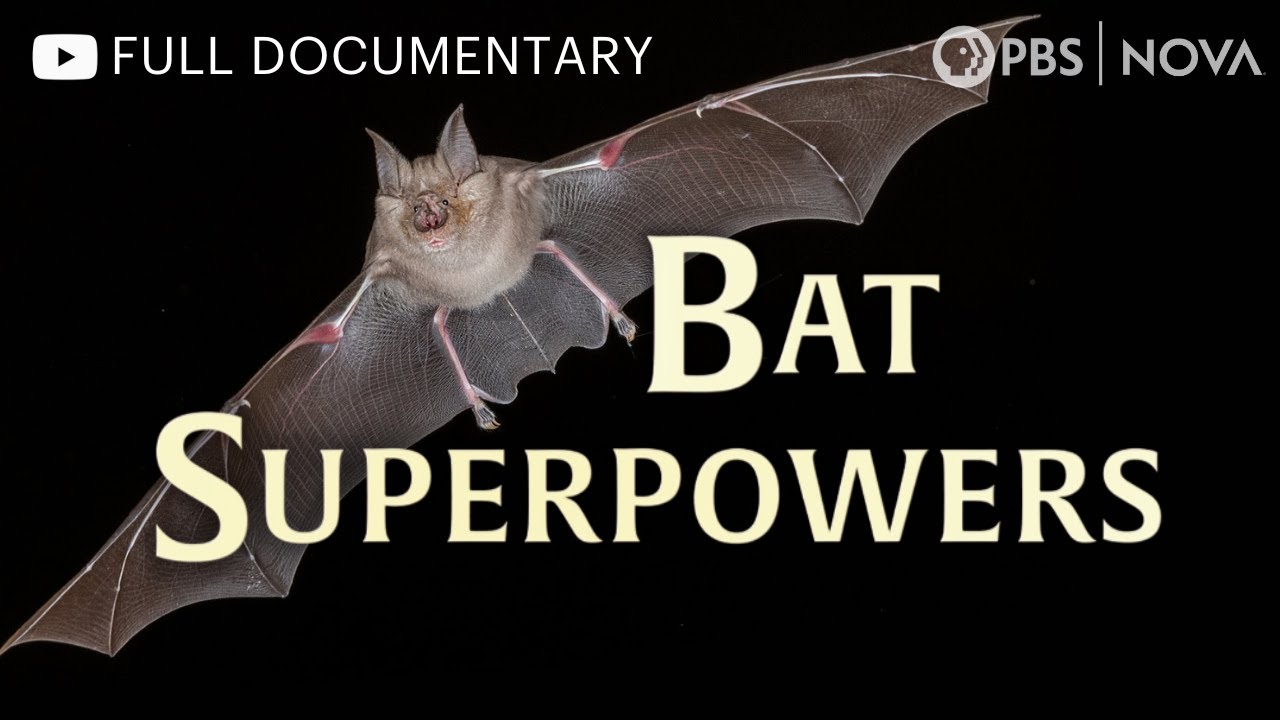
Three million bats take flight each night from Khao Chong Phran cave, prompting scientists to study their unique immune systems and potential health benefits.
A big year in birding involves seeing as many species as possible in one calendar year, with the record for the lower 48 states set at 751.
Anna Breytenbach, an animal communicator, uses mental imagery to connect with various animals, addressing their emotional and physical needs across species.
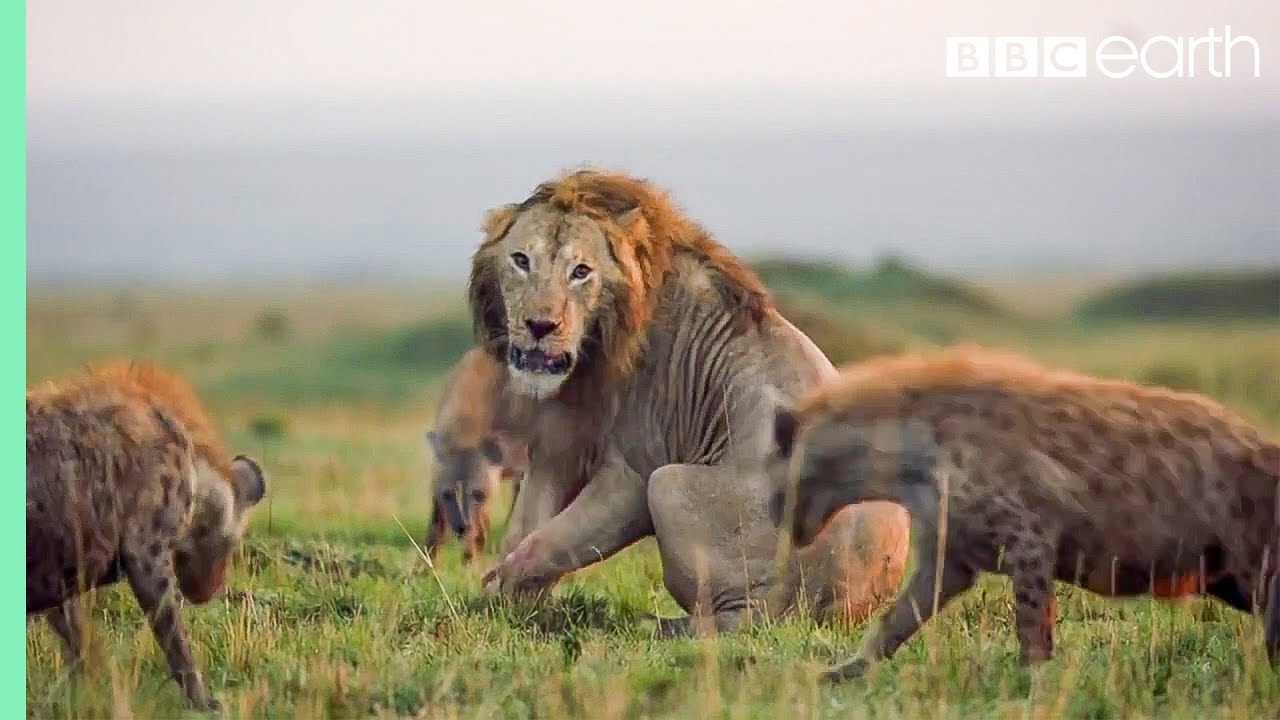
Ten iconic natural history moments feature a lion attacked by hyenas, an iguana escaping snakes, and a lyre bird mimicking its surroundings.
Mark Dumas has formed a unique bond with Aggie, a 60-stone polar bear, whom he has cared for since she was eight weeks old.
Chernobyl's exclusion zone has become home to hundreds of different creatures, including wolves and wild boars, in the absence of human inhabitants.
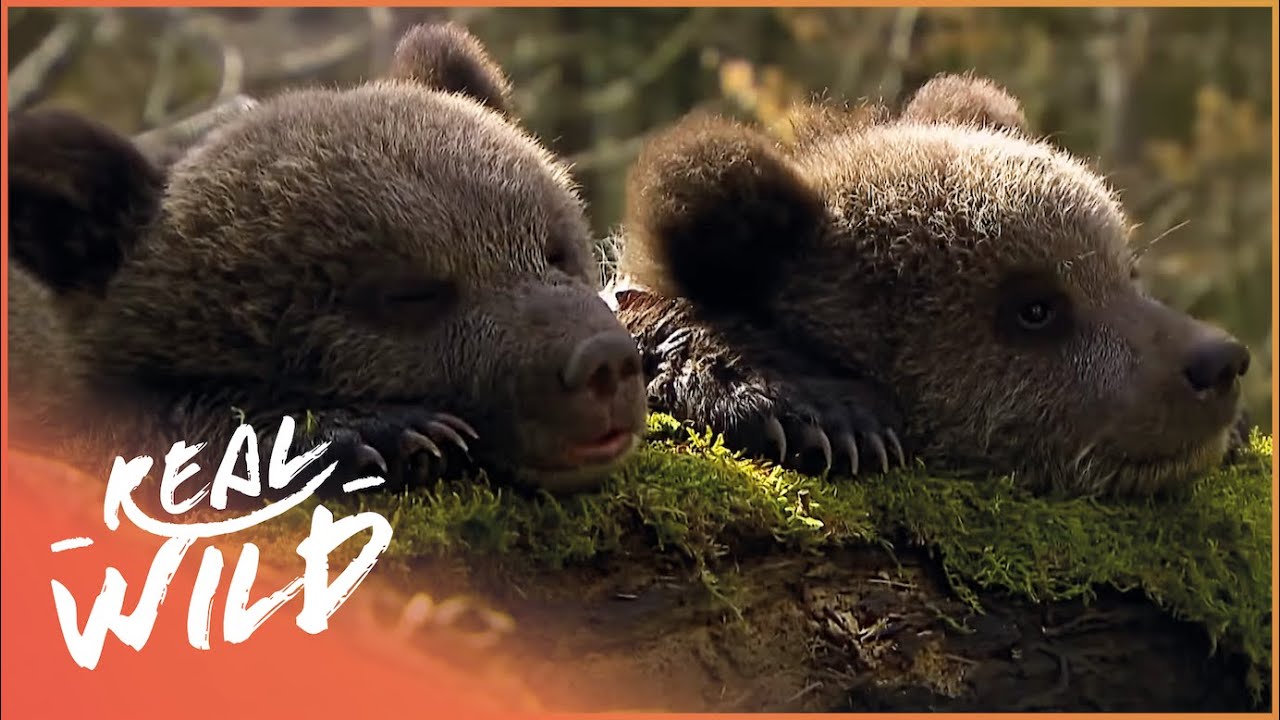
Six thousand brown bears live in the Carpathian Mountains, where two orphaned cubs find an unusual surrogate mother after losing their own.
An American black bear named Belo shares his enclosure with a tiger at a wildlife sanctuary in Atlanta, defying expectations of interspecies behavior.
A female Asian elephant's pregnancy lasts nearly two years, during which time the embryo develops into a complex mammal through various stages.
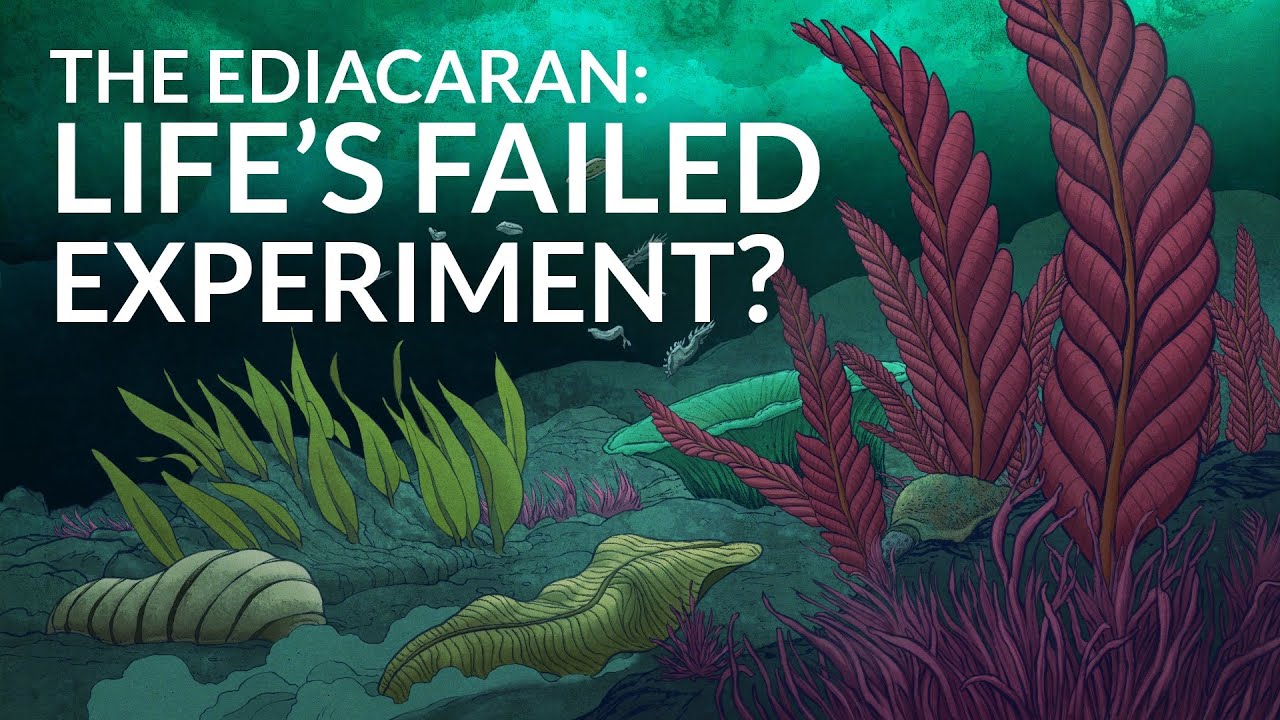
Ediacaran biota, which existed 635 to 541 million years ago, may represent some of the earliest forms of multicellular life on Earth.
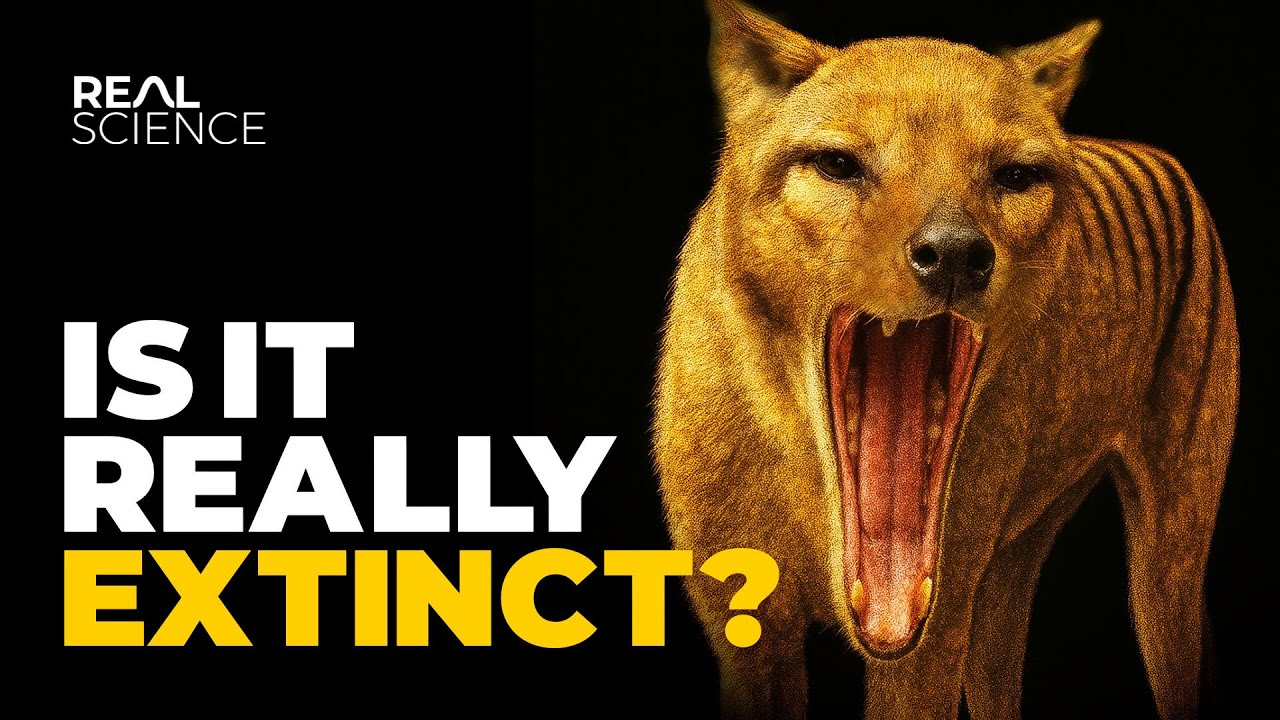
The thylacine's extinction remains uncertain, with insights from experts like Dr. Timothy Churchill and Dr. Douglass Rovinsky exploring its possible existence in New Guinea.
In remote areas of Australia, Steve Irwin encounters ten of the world's most venomous snakes, emphasizing their ecological importance and conservation needs.
Every 15 seconds, one of Beatrix Potter's books is sold, reflecting her enduring popularity as an author and illustrator of children's literature.
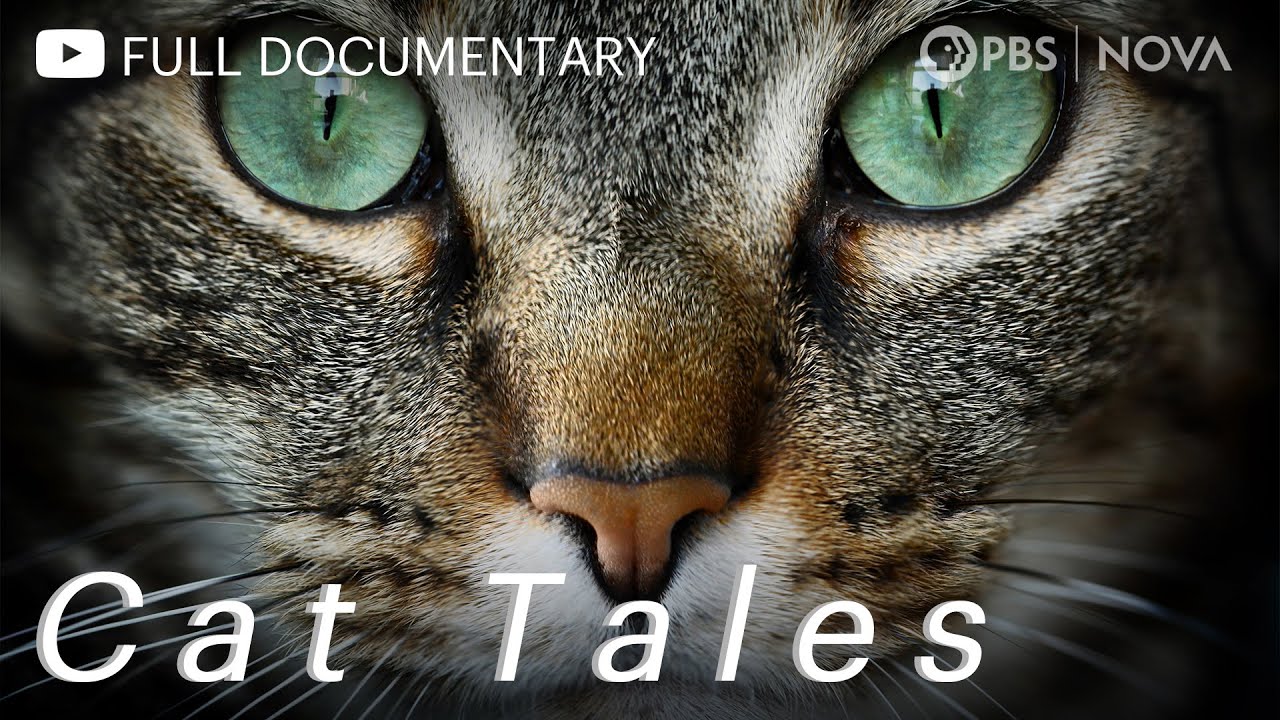
447 cats and 247 exhibitors gather at the 40th TICA cat show in Las Vegas, while experts discuss the domestication and intelligence of felines.
Kingfishers can have up to four broods a year, facing challenges such as territorial disputes and harsh winter conditions in Germany's Rhine Valley.
Over 100 hours of unseen footage document Jane Goodall's work with chimpanzees in Gombe Stream Game Reserve, starting in 1960.
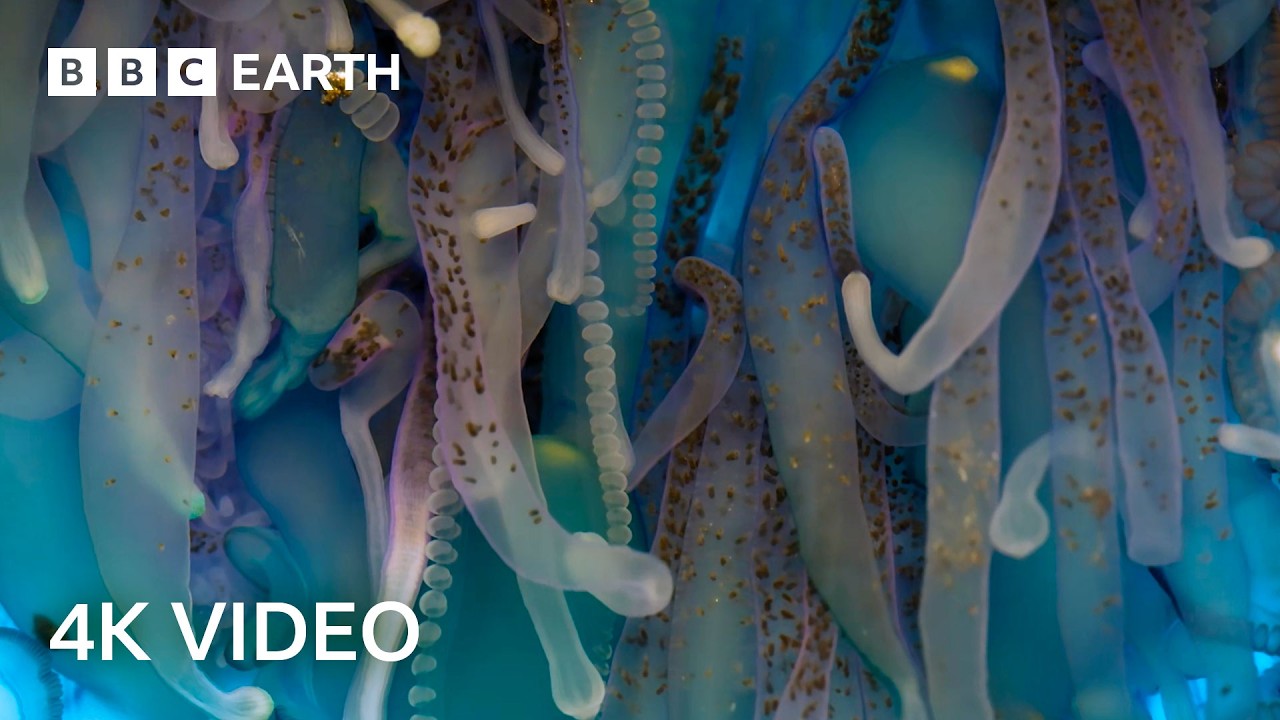
A Portuguese man of war can have tentacles that extend up to 30 meters long, armed with thousands of stinging cells capable of paralyzing fish.
A praying mantis can consume its prey alive in a process that may take several hours, using its powerful front legs to capture victims.
Dogs can detect diseases in their earliest stages, making them invaluable companions and workers in various settings.
One woman keeps three sets of pet stairs to help her cats reach the couches in her home, reflecting her deep bond with her feline companions.
In the deep sea, unique creatures have evolved remarkable anatomical, physiological, and behavioral adaptations to survive in extreme conditions, including high pressure and darkness.
A fossil from the Geological Survey of Canada, much larger than any previously found from the Cambrian period, poses a mystery for Professor Harry Wittington.
A man endures raging winds to connect with orcas and communicate with penguins in the wild.
BBC Earth features 4K wildlife footage narrated by Sir David Attenborough and David Tennant, highlighting dramatic animal interactions and behaviors.
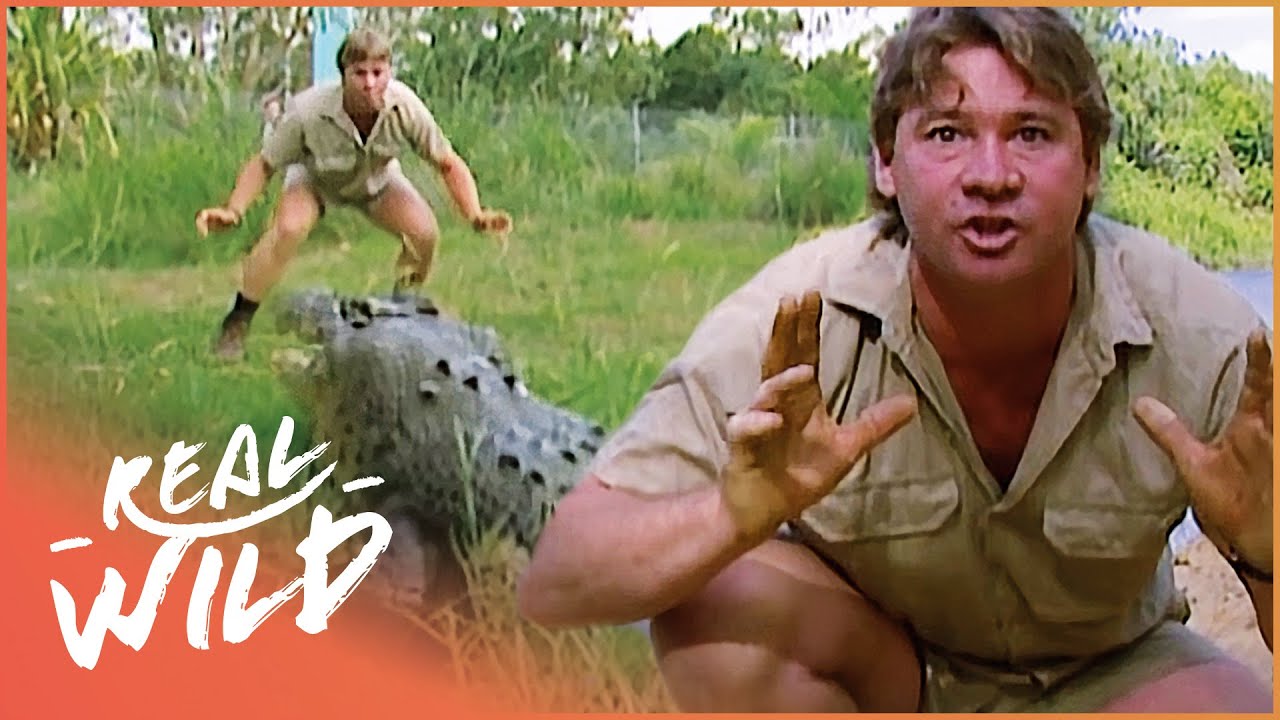
A saltwater crocodile can live for 100 years and has a long memory, prompting Steve Irwin to seek a new approach to managing problem crocodiles in Australia.
Less than 250 beachings of oarfish have been reported worldwide in the last two centuries, yet one was recently observed alive off the French coast.
Ten days of training with the Samburu tribe culminate in a challenging cattle drive through one of the most inhospitable regions of Kenya.
Ten cats in Weimar leave a complex web of tracks over five days, revealing their hidden activities and movements outside their homes.
Hundreds of thousands of ants work together to build complex structures that serve as homes and shelters in their environment.
100,000 acres of the Malilangwe Game Reserve provide a battleground for Manyari and her sister as they defend their cubs from invading male lions.
Heart rates of hummingbirds can reach 1,200 beats per minute, making them the highest among vertebrates and enabling their remarkable aerial maneuvers.
Approximately 90 common ravens have been marked with colored chips at a research station in Austria to study their behavior and intelligence.
Giant dragonflies with a wingspan of up to 25 inches thrived 300 million years ago, long before birds and flying reptiles existed.
A hagfish, which can grow to twice the length of a man, uses its jawless mouth to consume dead bodies on the ocean floor.
300 hungry crocodiles live in the Grumeti River, where they ambush wildebeests as they attempt to drink water.
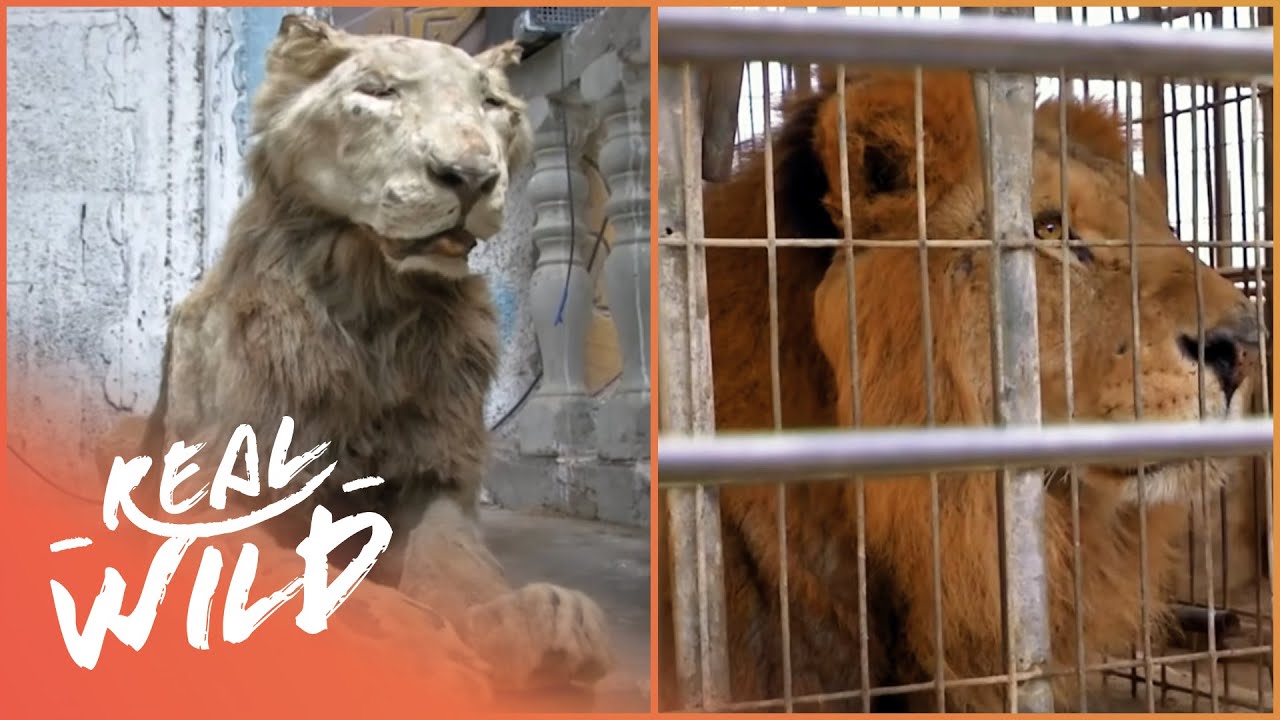
Khan Younis Zoo in Gaza, notorious for neglect and starvation of its animals, is the focus of a rescue operation led by Dr. Amir Khalil and the Four Paws group.
Over a hundred divers have died at the Blue Hole, a dive site on Egypt's Red Sea coast, prompting Monty Halls to investigate the dangers it presents.
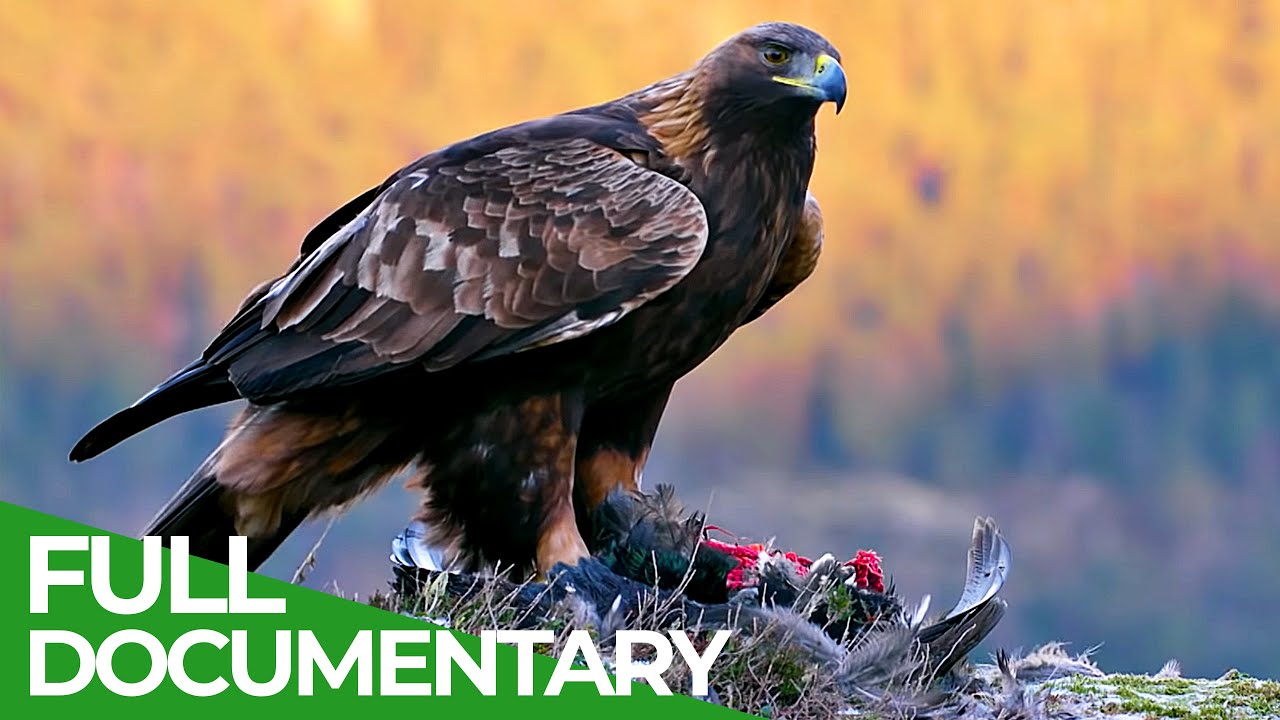
Golden eagles mate up to 30 times before the female lays her eggs in early April, ensuring the continuation of their species in harsh Scandinavian winters.