From over 100,000 films, discover the handful you'll love.
Free or premium access to the world's largest documentary library.
432 films(Page 9 of 9)
Michael Ellis personally cleared six German machine gun positions and captured over 50 enemy soldiers during a critical battle in World War I.
Henry Johnson fought off a German raid in World War I using a rifle as a club and a knife, despite being wounded and receiving no recognition upon returning home.
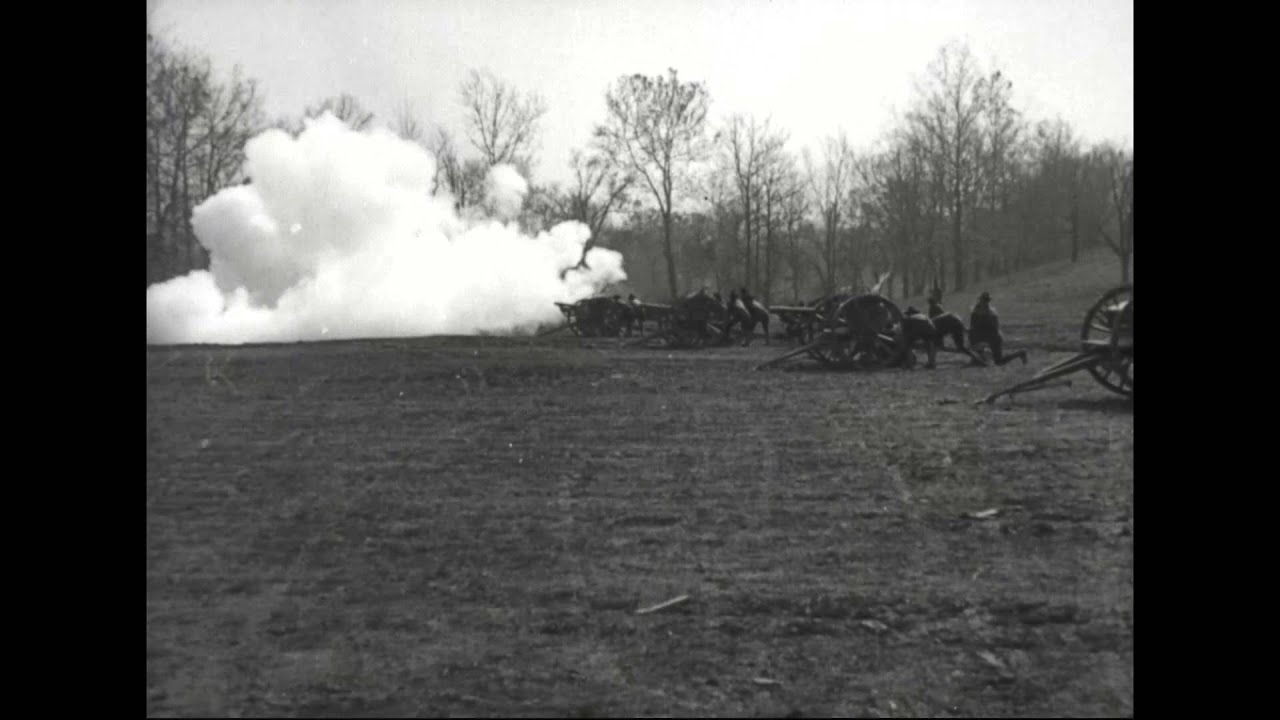
Cannons have been used in warfare since the 13th century, evolving through the World Wars.
King George VI's life and the true context of his iconic speech are explored, revealing the realities behind its portrayal in popular culture.
President Woodrow Wilson and his party, including Premier Clemenceau and General Pershing, receive a formal welcome in Paris on December 16, 1918.
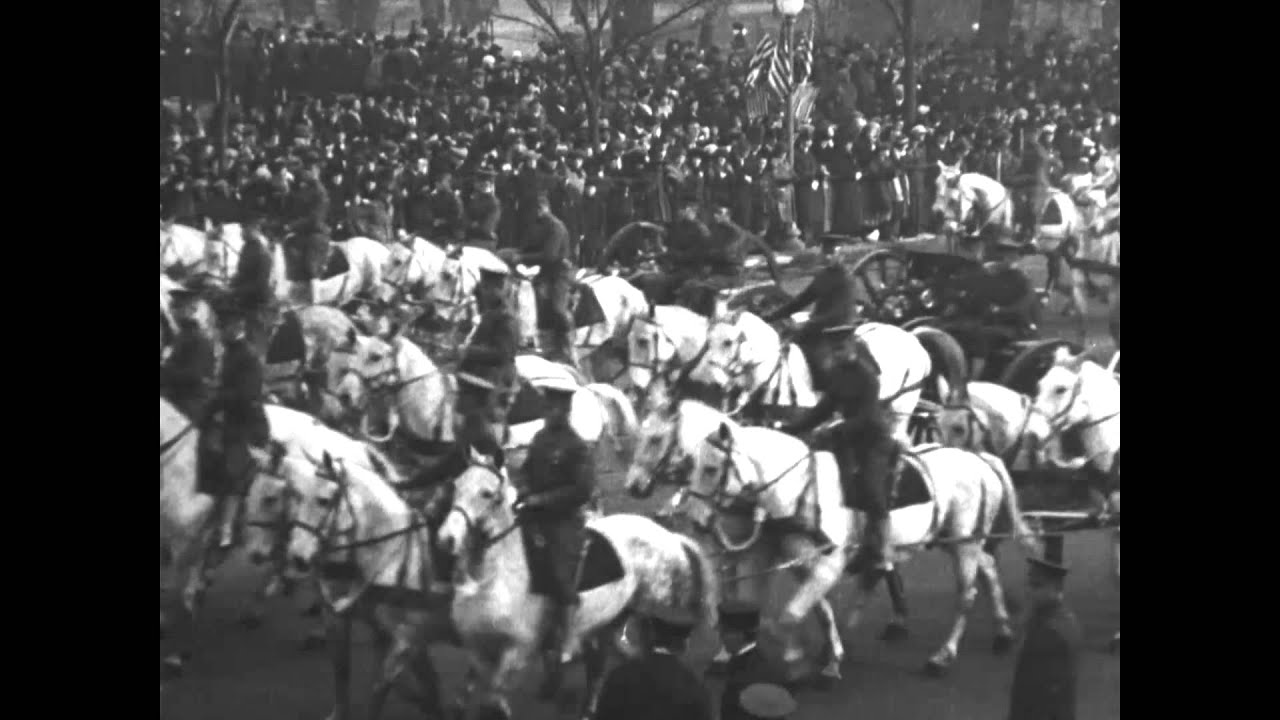
President Woodrow Wilson and Mrs. Wilson arrive in Brest, France, in 1919, where they are greeted by notable figures before returning to the U.S. with a parade in Washington, D.C.
Combat cameramen played a crucial role in World War I, World War II, and the Korean War by using photography for tactical planning and historical documentation.
The 30th Division's operations during the Somme Offensive from September 22 to October 20, 1918, are documented through battlefield panoramas and troop movements in France.
Troops from the 1st Division advanced through Seicheprey during the St. Mihiel Offensive, which took place from September 10 to 25, 1918.
Over 15,000 troops participated in the St. Mihiel Offensive, which took place from September 10 to 25, 1918, in northeastern France.
German prisoners are escorted by 78th Division troops to stockades while U.S. forces examine captured equipment and interrogate detainees during the St. Mihiel Offensive.
The body of the Unknown Soldier was interred at Arlington National Cemetery in 1921, symbolizing the sacrifices made during World War I.
The Vietnamese Air Force faces a critical day during the Vietnam War in this episode.
In 1936 at Camp Zachary Taylor in Louisville, Kentucky, officer candidates for the Field Artillery undergo training exercises and participate in a review of mounted and dismounted troops.
In 1918, the 2nd Army Corps and 27th Division conducted training exercises in Flanders and Ypres-Lys, focusing on logistics, communication, and combat readiness.
In August 1918, the 80th Division's training in Flanders included troop inspections, bayonet drills, and logistical support from British supply depots.
In Flanders, key military leaders including Generals J.H. McRae and G.W. Read oversee training exercises of the 78th Division and Allied troops from June to August 1918.
American troops, including the 5th Marine Regiment, were transported to France during World War I aboard ships like the Hancock and George Washington, engaging in various activities and military drills.
U.S. Army activities in Paris from 1918 to 1919 include convalescent soldiers planting seedlings, attending Yom Kippur services, and receiving military decorations.
Border patrol activities against Mexican bandits in 1916 are documented, featuring General Hoyt and military units from Fort Bliss, Texas.
In 1919, U.S. and French military units, along with King Albert and Queen Elizabeth, participated in victory parades in Paris and Brussels, celebrating the end of World War I.
President Woodrow Wilson's visit to Belgium in June 1919 included meetings with King Albert and Queen Elizabeth, inspections of war damage, and a degree ceremony at the University of Louvain.
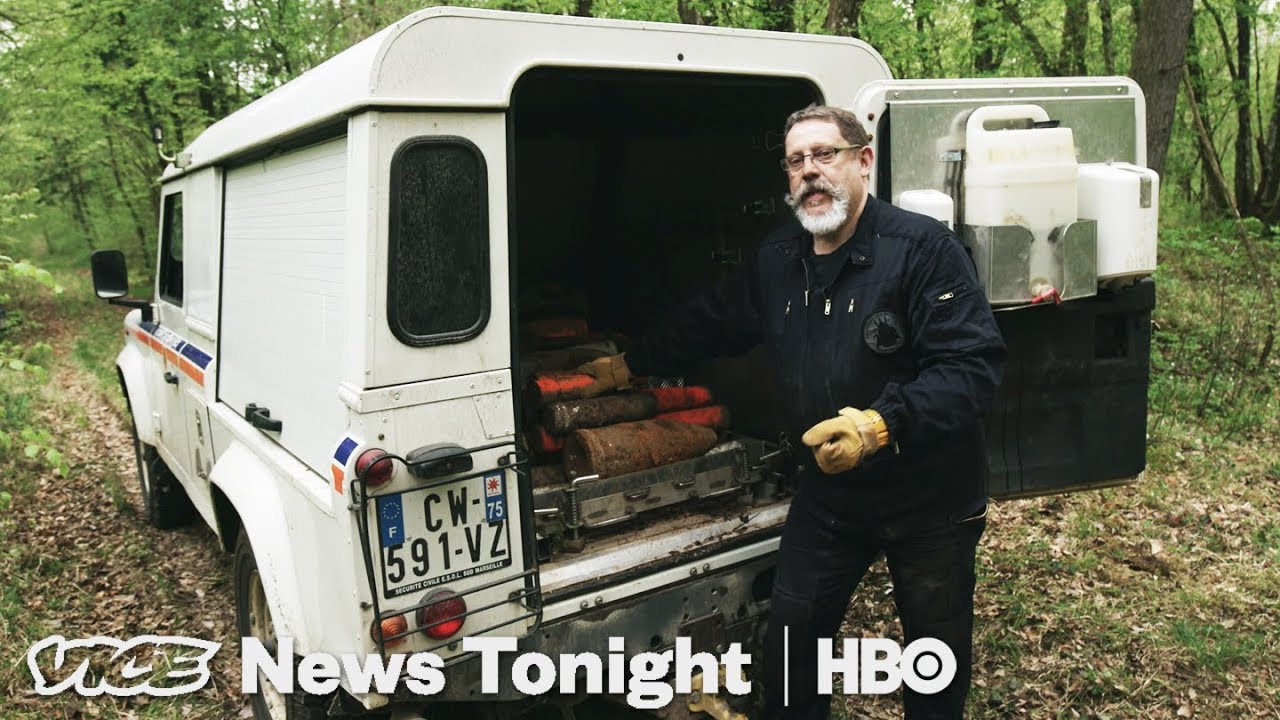
A bomb disposal unit in Northeastern France removes World War One explosives to protect civilians.
French troops enter Sedan as the 10th and 42nd German Divisions evacuate Aumetz, showcasing abandoned German military equipment and facilities.
Tinted footage from World War I highlights key events such as the sinking of the "Miss Morris," Chateau Thierry, Zeppelin's last raid over London, and the sinking of the "Maplewood."
In Belgium, the 91st Division assists in post-war recovery efforts, including repairing infrastructure and distributing food to returning refugees.
Well, Andy and Conan compete in trivia, discussing the RMS Lusitania and AT&T 5G.
Tim Dowling reflects on the Guardian's 200-year history from Manchester to the Boer War.
The first chapter of the First World War interactive video series details key events leading to war.
Trump's visit to France highlights tensions with Macron over military and NATO issues.
The First World War is examined through original news reports and interactive maps, showcasing diverse perspectives and rarely-seen footage from 1914 to 1918.
Maritime historian interviews with survivors of Eagle 56 reveal their belief that a U-boat attack caused the ship's sinking in the Gulf of Maine during World War I.
The discovery of the wreckage of Eagle 56 prompts James Oliver Cunningham's sister to seek closure about her brother's fate, highlighting the emotional toll on families of World War I sailors.
The First World War Interactive series offers a global view of WWI through seven chapters.
Robin Roberts narrates the valor of the Harlem Hellfighters in World War I's Séchault offensive.
The Battle of the Somme on July 1, 1916, results in 57,000 Commonwealth soldier deaths.
Baron Roman von Ungern-Sternberg, a controversial figure in the Russian Civil War, played a significant role in the chaos following the 1917 revolution.
Two sides of soldiers met in No Man's Land on Christmas Eve 1914, singing together and shaking hands despite the ongoing war.
The Bolsheviks unleash terror after an assassination attempt on Vladimir Lenin in 1918.
The 369th Infantry, known as the Harlem Hellfighters, served the most days in combat during World War I and never lost a battle.
Private Henry Tandy, a British soldier, had Adolf Hitler in his sights during World War I but chose not to pull the trigger, sparing his life.
World War I is examined through original news reports and interactive maps, showcasing diverse perspectives and rarely-seen footage from various battlefronts.
Emmanuel Macron commemorates WWI's end in Paris while contrasting with Donald Trump's nationalism.
Footage shows Ukraine's war resembling WWI trench warfare amid Russian aggression.
A bomb disposal unit in Northeastern France removes unexploded World War One bombs to save lives.
World War One soldiers' personal narratives and sacrifices are vividly portrayed through advanced colorization techniques in a feature-length documentary.
Tens of millions of unexploded WWI bombs still threaten lives in eastern France today.
National Archives archivist Nathaniel Patch provides guidance on researching World War I Naval and Marine Corps records for genealogical purposes.






![Documentary backdrop image for Withdrawal of the German Army After the Armistice [1918-1919] (2017)](https://i.ytimg.com/vi/vkX1SNORLfM/maxresdefault.jpg)