From over 100,000 films, discover the handful you'll love.
Free or premium access to the world's largest documentary library.
432 films(Page 5 of 9)
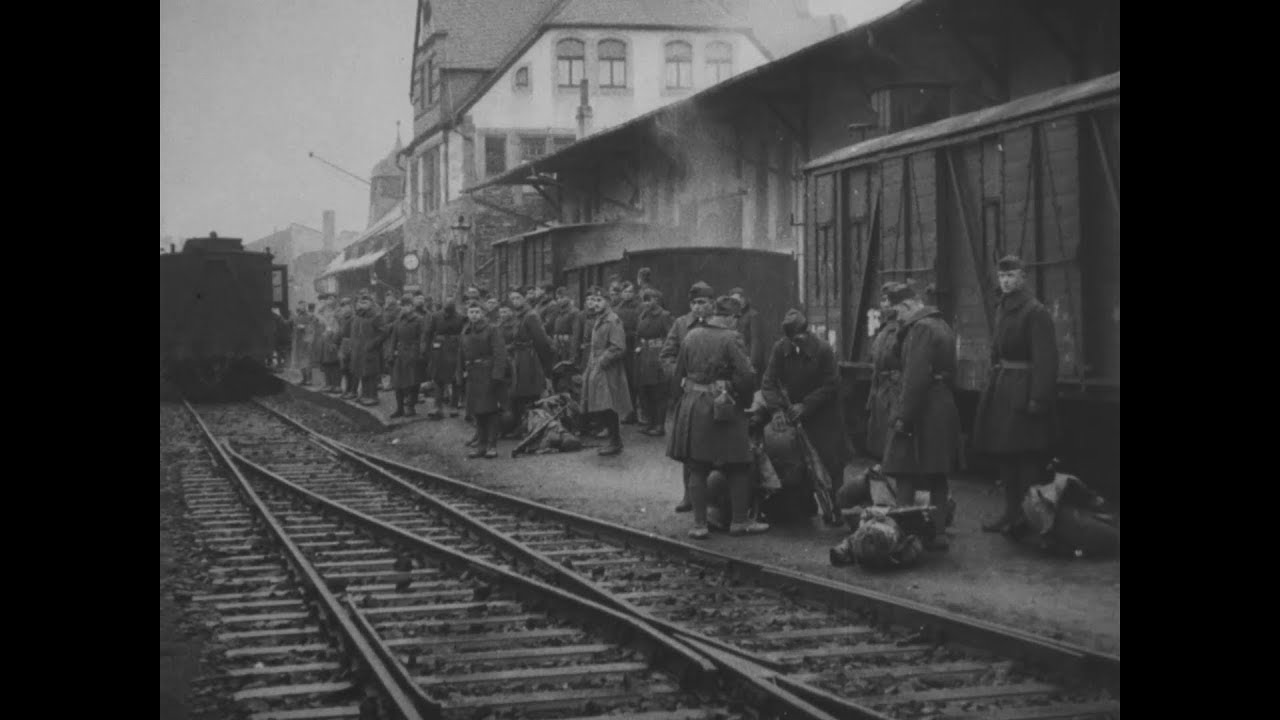
In Montabaur, Germany, the 1st Division of the U.S. Army conducts military maneuvers, inspections, and community events from December 1918 to September 1919.
Derek Jarman's 1989 film interprets Benjamin Britten's orchestral masterpiece through a visual narrative that highlights the futility and devastation of war, featuring Tilda Swinton and Laurence Olivier.
Historian Norm Christie leads a team of experts in a quest to locate the mass grave of 44 soldiers from the Battle of Vimy Ridge, lost for a century.
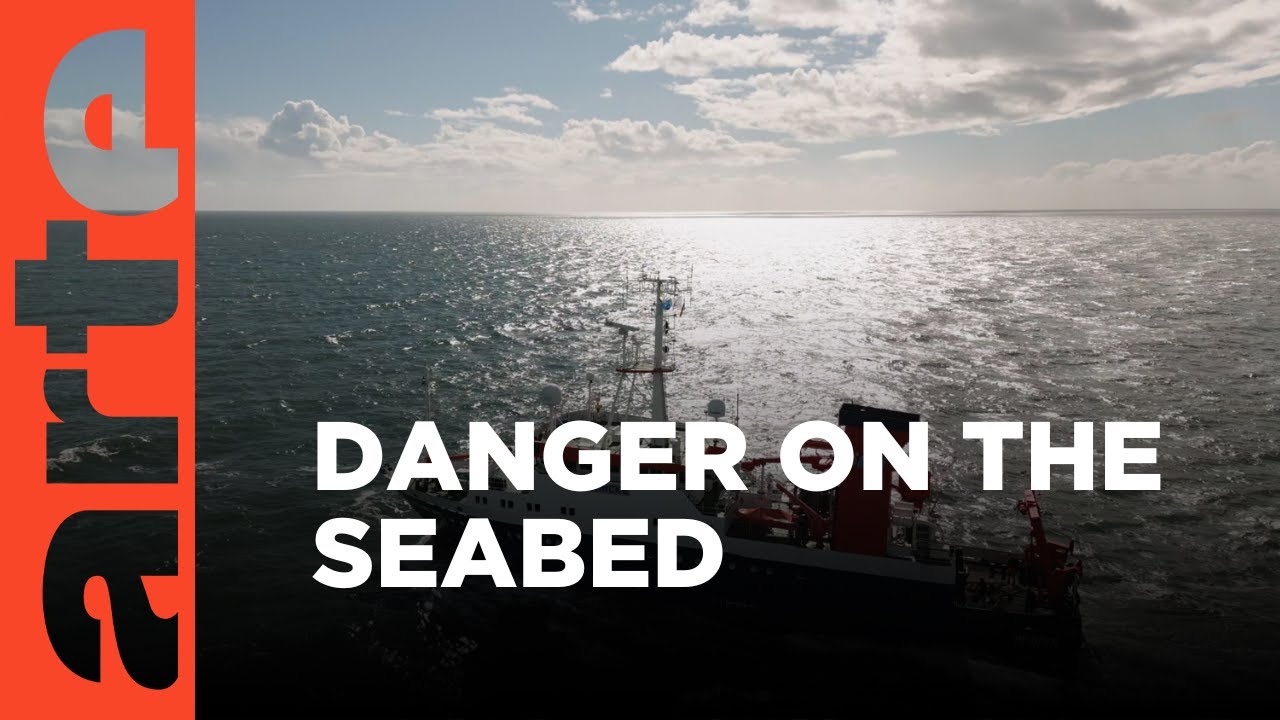
Approximately 10,000 shipwrecks in the North Sea, remnants of World War I and II, pose environmental hazards and safety threats to marine life and humans.
In 1919, the 90th Division's activities in Germany are documented, showcasing troop movements, military decorations, and local events in Mehren and Berncastle.
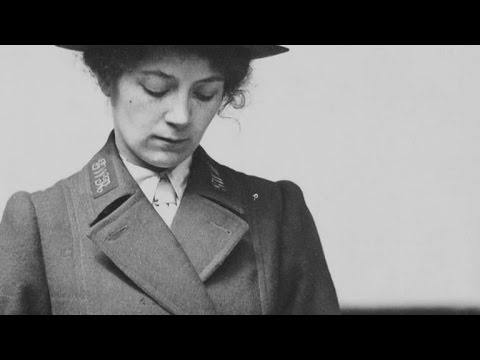
Women in World War II were not allowed to serve in the same theater as their spouses, reflecting military policies on marriage and service.
In Spring 1919, American soldiers attended classes at the University of Beaune, engaging in various educational and agricultural activities under the supervision of General Pershing.
General John J. Pershing receives the Legion of Honor and Distinguished Service Medals at Chaumont, alongside various military decorations presented to U.S. and Allied officers.
Private John Parr from Middlesex was the first Allied soldier to die in World War I, while Private George Price from Nova Scotia was the last, linking their stories through the war's history.
More than 4 million American soldiers served in the Army during World War I, with half of them fighting overseas.
Gondrecourt camp in France served as a training ground for the 1st Division during World War I, showcasing military exercises and daily life from July to September 1917.
Brest's harbor in 1918 showcases the arrival of U.S. troops, including the 304th Field Artillery and 61st Infantry, as they debark from various transports and set up camp.
In 1918-1919, the 35th Division conducted military maneuvers in France, featuring inspections by Generals Bullard, Dugan, and Traub at various locations.
In Mouzon, France, the 77th Division participates in post-armistice training activities, including troop reviews and military inspections by Generals Pershing and Alexander.
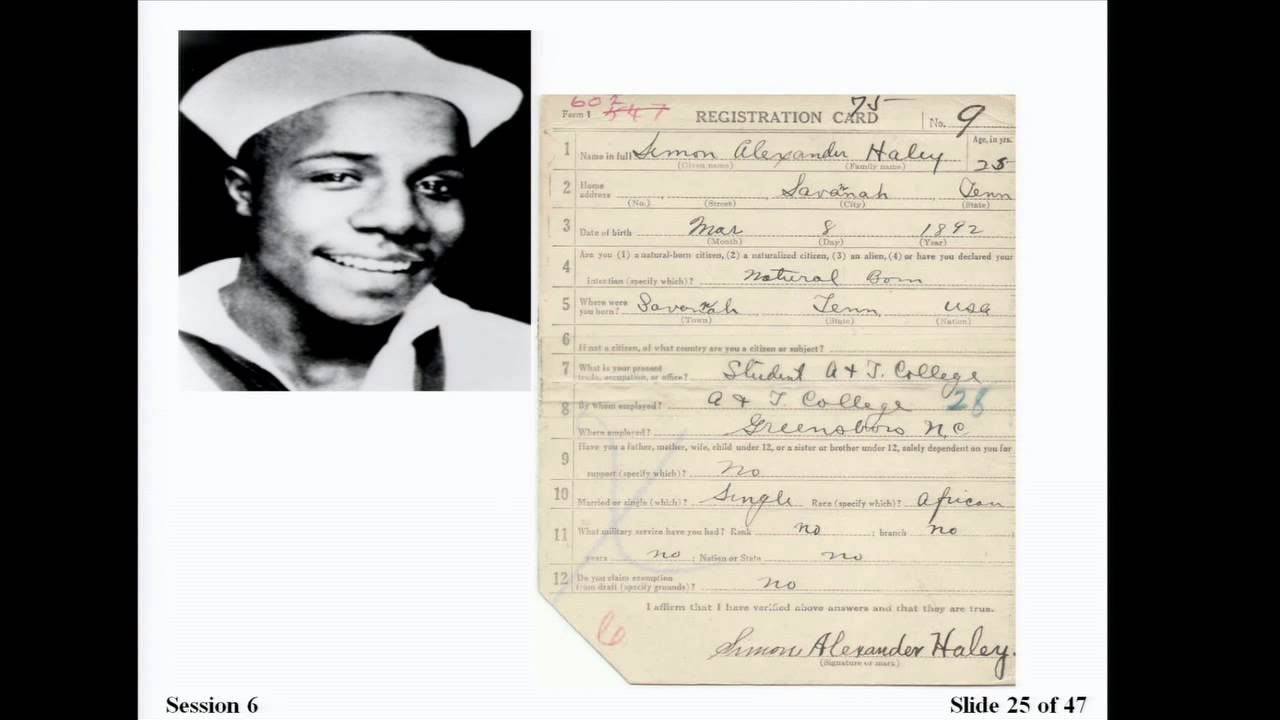
World War I draft registration cards provide valuable genealogical information, as explained by archives technician Zina Rhone from the National Archives in Atlanta, Georgia.
In June 1919, Admiral Ludwig von Reuter ordered the scuttling of the German High Seas Fleet at Scapa Flow, marking a pivotal moment in naval history and European politics.
Sergeant Alvin C. York and German-American veteran Richard Martin Scheuns, Sr. promote homefront support for the war effort during a CBS public service program in 1942.
On May 29, 1914, the Empress of Ireland sank in the Gulf of St. Lawrence after colliding with the Norwegian coalman Storstad, leaving behind crucial documents.
On July 4, 1776, the insurgents declared their freedom from British rule, igniting a war for independence that reshaped the future of the United States.
An estimated 16 million people died during World War I, with trains playing a crucial role in transporting soldiers and supplies to the front lines.
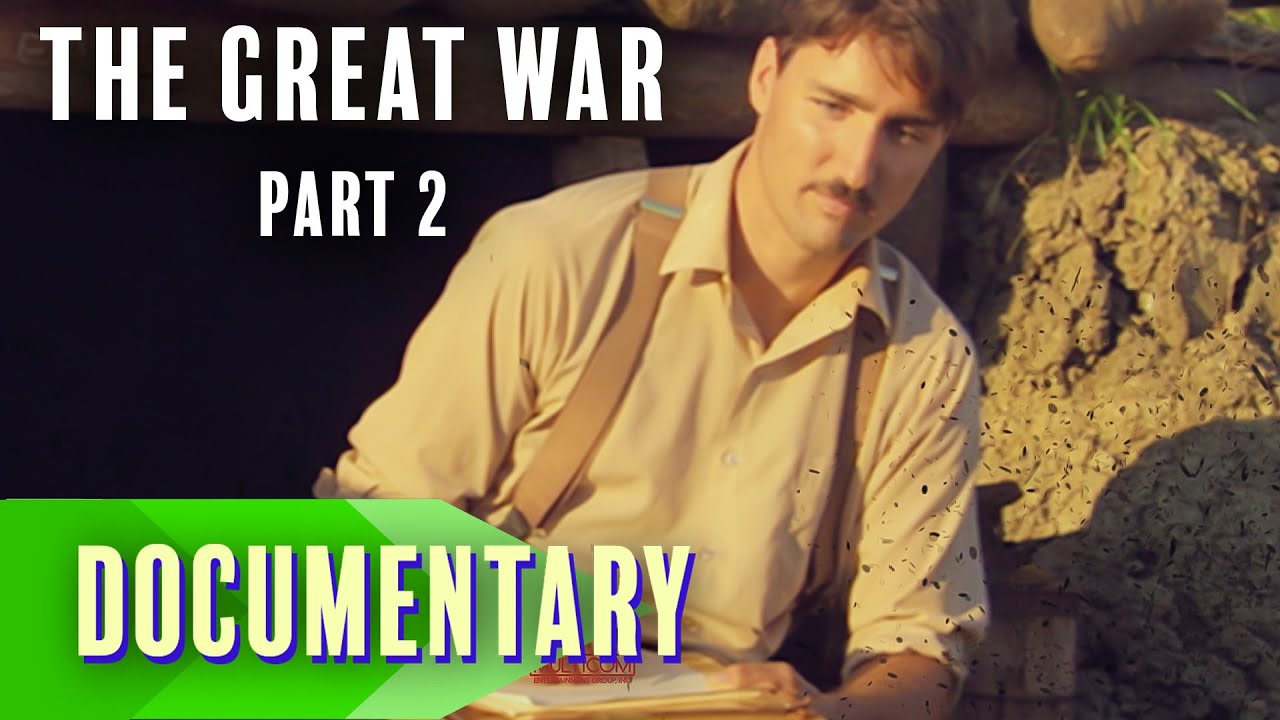
Canada's involvement in World War I is portrayed through historical recreations featuring descendants of soldiers, highlighting key events like the Battle of Vimy Ridge.
Five major battles took place in the Belgian city of Ypres during World War One, resulting in hundreds of thousands of soldiers killed or missing.
Dunham Massie served as a military hospital during World War I, transforming its lavish rooms into a space for healing amid the conflict.
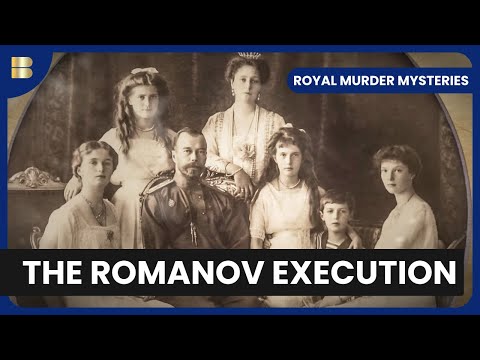
This episode uncovers the Romanov family's execution and Anastasia's survival mystery in Yekaterinburg.
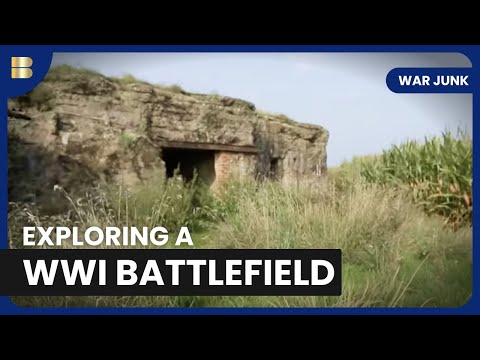
A forgotten German tunnel from World War I reveals rare artifacts like bullets, grenades, and a mysterious pistol, shedding light on soldiers' experiences.
Of the 420,000 Canadians who fought in World War I, two-thirds were killed or wounded, shaping the nation's identity and collective memory.
Rare World War I artefacts, including the Bible of Owen Edward Williams and unexplored shells, are examined near the Menin Gate Memorial in Belgium.
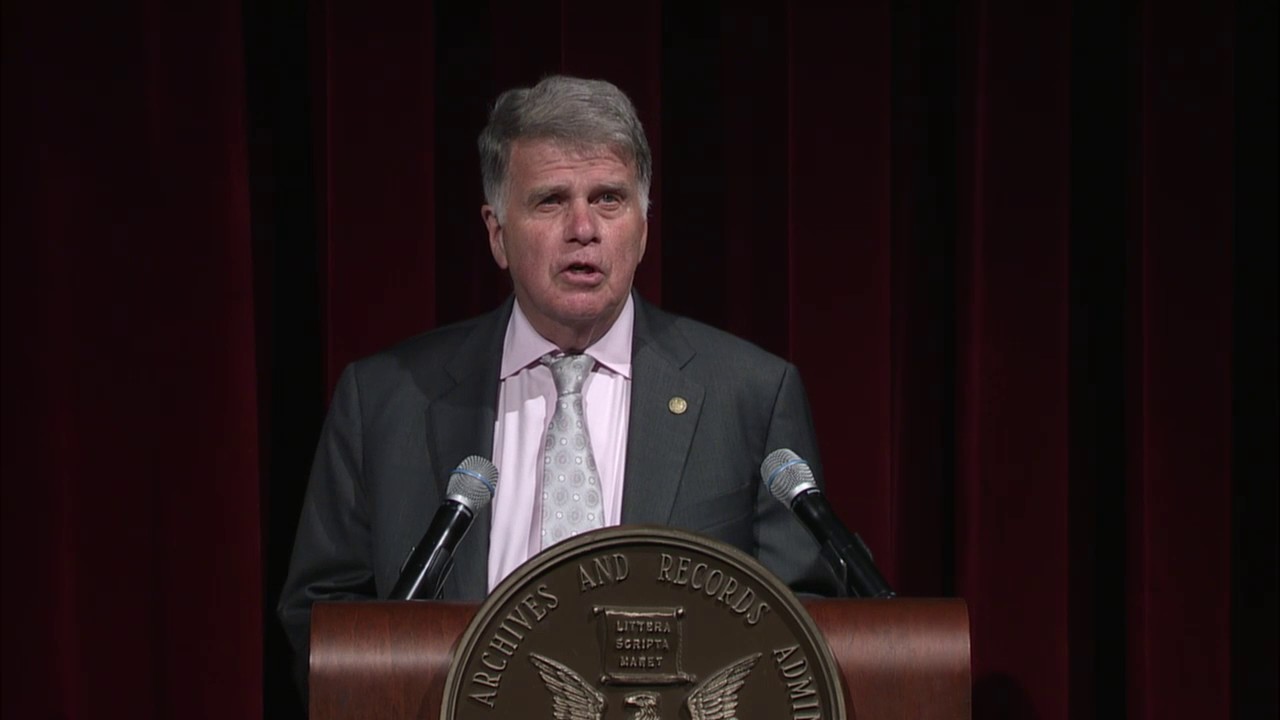
A panel moderated by Charlayne Hunter Gault discusses race relations in America, focusing on military discrimination and the 2016 elections, featuring former Congress members.
On February 19, 1917, the German submarine UC18 attacked the Royal Navy Q ship Lady Olive, resulting in both vessels sinking 8 miles west of Jersey.
A panel featuring Jane O’Brien, Jenny Waldman, Brigadier Carr-Smith, Dan Rooney from NARA, and Daniel Dayton discusses Peter Jackson's portrayal of World War I soldiers.
Wilfred Owen's poem describes the "monstrous anger of the guns" and the "wailing shells" that mark the tragic loss of life in World War I.
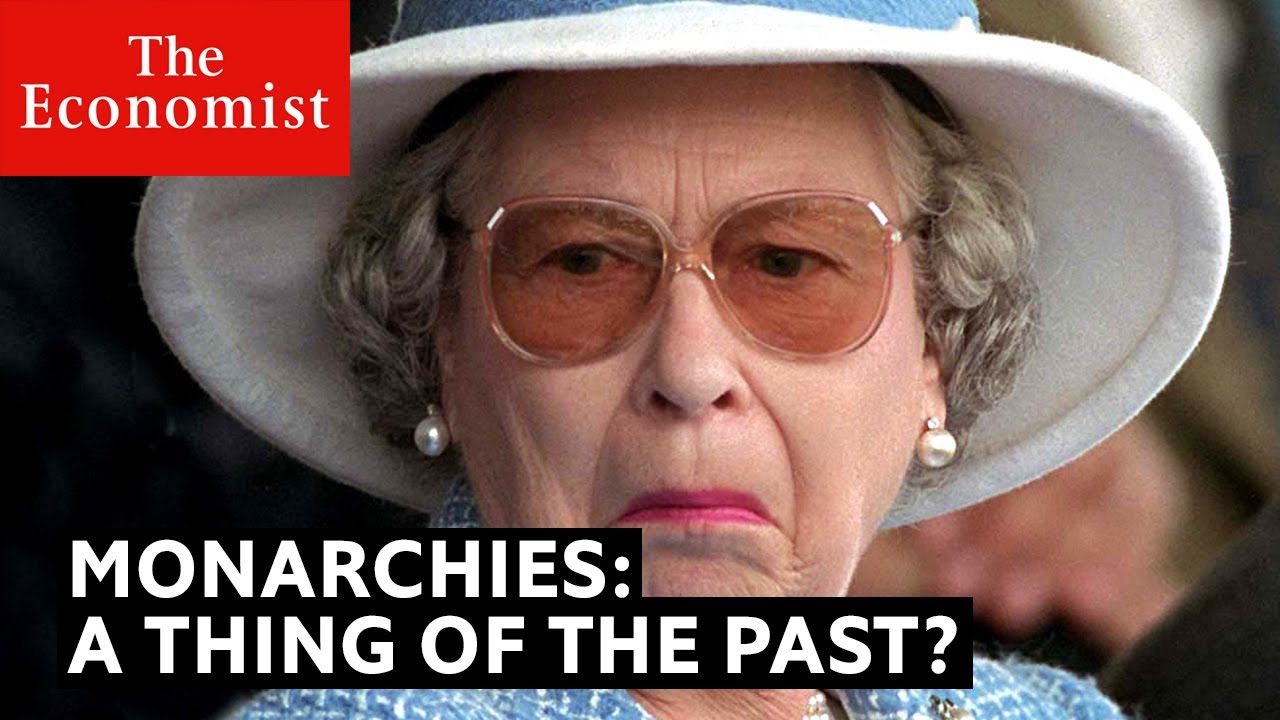
Monarchies thrive globally, with Queen Elizabeth II and the Nepalese Prince's tragedy highlighted.
Britain's finest actors read Wilfred Owen's poetry, remembering World War I's horrors.
Britain's finest actors read Siegfried Sassoon's poetry from World War I.
The Trojan War starts with a Golden Apple and ends with Odysseus's clever wooden horse.
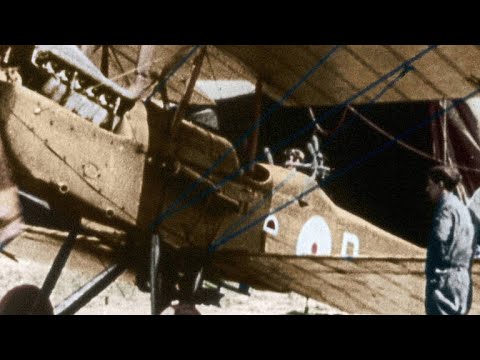
Phil Keoghan aims to fly one of Peter Jackson's 70 WWI planes in this exciting episode.
Henry Ford shifts from pacifist to major WWI supplier using his assembly line by 1917.
The 1918 pandemic affects President Wilson, impacting his health and leadership.
On May 31, 1916, the Battle of Jutland resulted in the loss of 14 British ships and 6,000 men, while the Germans lost 11 ships and 2,500 men.
Women fill male-dominated roles in the rail network during World War I.
Some of Britain's finest actors read Keith Douglas's poem from World War 1.
A finger index triggers warmth as it contemplates the emotional toll of peace in a world shaped by war and its aftermath.
Lines of British boys are depicted rewinding back to their trenches, reflecting on the memories of home and the weight of loss during World War I.
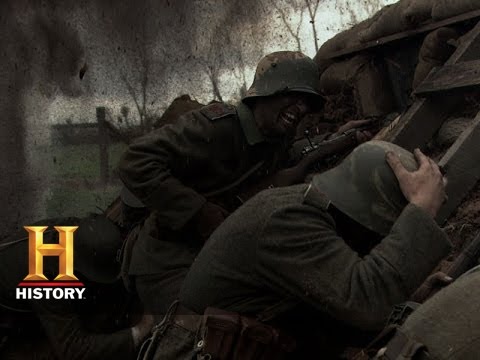
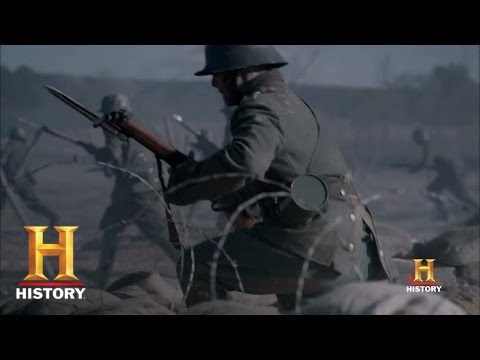
Thousands of soldiers endure horrific life in the trenches during World War I.
Veteran hosts share personal anecdotes and insights on patriotism from military heroes who served in conflicts such as World Wars, Korea, Vietnam, and the Gulf War.
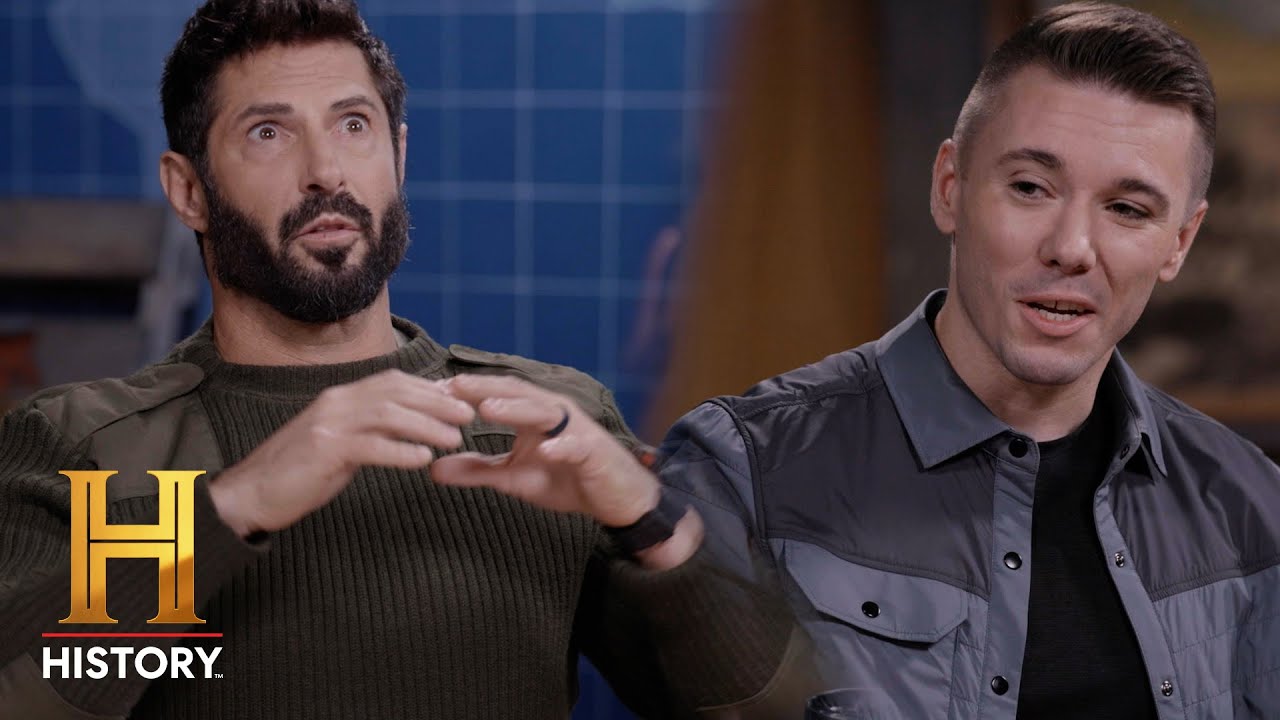
Rudy and Ronnie share the personal stories behind their tattoos, connecting them to significant military conflicts and mysteries from World Wars to Vietnam.
A soldier puts a bullet through his brain in the trenches, reflecting the despair faced by many during World War I.
During World War I, significant investments in scientific and technical development by warring powers led to advancements that transformed military strategy and warfare.





![Documentary backdrop image for Base Section No. 5 (Brest), Troop Arrival and Rest Camp Scenes [1918] (2018)](https://i.ytimg.com/vi/LaJs65kfKl4/maxresdefault.jpg)
![Documentary backdrop image for Post Armistice Training, 35th Division [1918-1919] (2018)](https://i.ytimg.com/vi/BrFVucgYuZg/maxresdefault.jpg)
![Documentary backdrop image for Post Armistice Training, 77th Division [1918-1919] (2018)](https://i.ytimg.com/vi/HLW_VLWJfGo/maxresdefault.jpg)