From over 100,000 films, discover the handful you'll love.
Free or premium access to the world's largest documentary library.
432 films(Page 6 of 9)
Two lines of soldiers with guns on their shoulders toss gum and colored sweets to workers killing pigs outside a slaughterhouse on a Tuesday morning.
On May 31, 1916, British and German warships engage in a small skirmish leading to the Battle of Jutland.
Britain's finest actors read World War 1 poetry, remembering the war's impact and sacrifices.
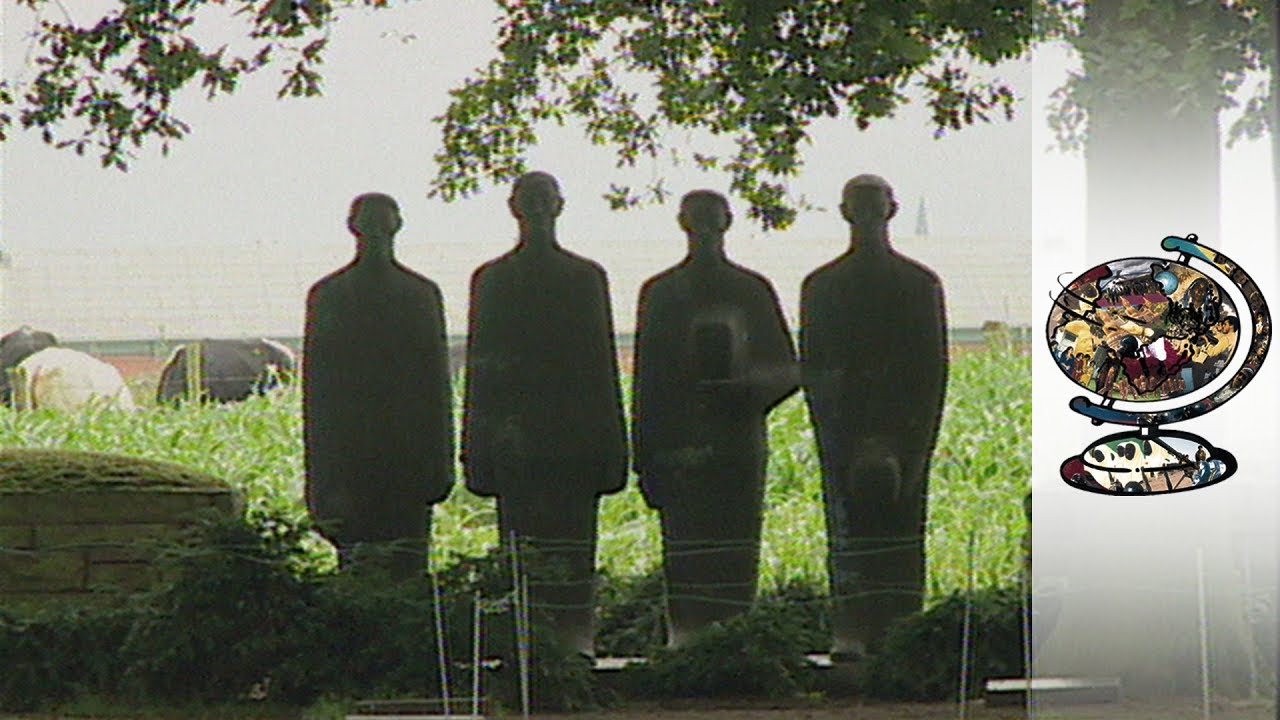
In Flanders, Belgium, Battlefield Tours highlight the significance of visiting war graves, as Tony Webb takes his 83-year-old father to honor his fallen comrades.
Bullets chirp in vain as a soldier's face kisses the mud, captured in a reading of World War I poetry by actor Sean Bean.
World War I, often called the war to end all wars, is examined through its key aspects and significance in this informative episode from HISTORY.
A foreign field is described as "forever England" in a reading of Rupert Brooke's poem, reflecting on the connection between soldiers and their homeland.
Germany's decision to revive unrestricted submarine warfare in early 1917 prompted Woodrow Wilson to lead the United States into World War I that April.
Chapter four of the First World War interactive series features a detailed map highlighting significant events and locations from the conflict.
British ambulance trains during World War I cared for 500 men at once in mobile hospitals.
The U.S. government develops parachutes for pilots' survival during WWI.
As many as 500 underground sites used by soldiers during World War I lie along a 45-mile section of the western front near the Sheaman deam plateau.
A letter from Major John Andre reveals that Peggy Arnold may have been involved in passing coded messages related to Benedict Arnold's betrayal.
The Spanish Flu likely originated in Kansas, not Spain, despite common misconceptions.
The sinking of Eagle 56 raises questions about military honors for the crew's fate.
By the summer of 1918, the Spanish Flu was spreading across the United States, yet the government chose to remain silent about the crisis.
The Remembering WWI app, developed by Historypin, provides educators with access to thousands of WWI photographs and films from the National Archives for classroom use.
In July 1917, the 5th Marines conducted training exercises in the Bourmont Training Area, featuring inspections by Generals Pershing and Joffre.
Troops from the 42nd Division conduct military training exercises at the 7th Training Area in Rolampont, France, from December 26, 1917, to February 16, 1918.
In Tours, France, key military figures including War Secretary Baker and General Pershing oversee inspections and ceremonies involving German prisoners and decorated officers from 1918 to 1919.
German prisoners unload truck motors and Dodge autos at Base Section No. 4 in Le Havre, while General Coulter supervises operations and reviews military logistics.
In La Rochelle from November 1918 to January 1919, U.S. military operations included inspections by Generals Harbord and McCawley and the unloading of ships by various labor battalions.
Activities at the artillery training centers in Valdahon and Saumur from 1917 to 1919 include aerial views, artillery drills, and holiday charity events for French children.
In France, the Graves Registration Service disinterred and reidentified bodies from the Aisne-Marne cemetery for proper burial, while Ambassador Hugh C. Wallace honored graves in Suresnes.
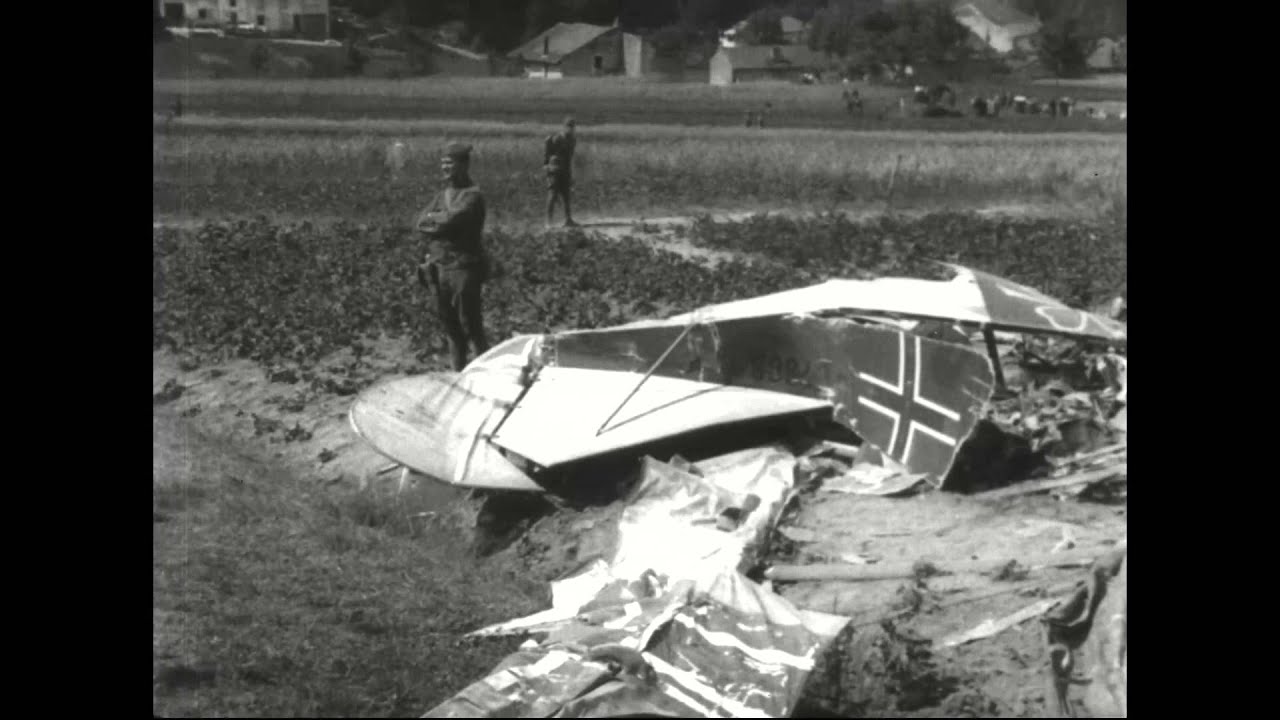
Eddie Rickenbacker and the 94th Aero Squadron engage in aerial combat during World War I, showcasing their operations from the Toul air base in France.
In Coblenz, U.S. Generals Allen, Pershing, and British General Moreland observe military maneuvers and engage in various activities with troops and local children.
Troops of the 35th Division and French units operate antiaircraft guns and searchlights during German bombing raids in France in 1918.
Armistice celebrations in 1918 featured President Wilson parading in Washington, D.C., while crowds in New York and Paris celebrated with captured war trophies.
Air cadets in the United States during 1917-1918 engage in various training exercises, including bomb-making, aerial dogfights, and aircraft landings.
In 1917, troops from the 5th Marines and 1st Division disembark at St. Nazaire, France, as part of their arrival and unloading at the port.
St. Nazaire's port of embarkation during World War I features Marine Gen. Doyen, the 804th Stevedore Bn., and various military and civilian activities from 1917-1918.
In St. Nazaire from 1917 to 1919, freighters like Lake Catherine and Hancock unloaded supplies, including ammunition and food, with the help of stevedore troops and German prisoners.
Bordeaux's dock facilities in 1918 showcase the unloading of supplies by the 811th Stevedore Battalion, including potatoes and beef, alongside entertainment by African American troops.
In 1918, heavy artillery and military equipment were unloaded and assembled at the Bordeaux docks, including Browning rifles and portable machine shops.
In Bordeaux, the 18th Engineers conduct extensive construction activities at the Bassen dock, including building repairs and the erection of a radio tower.
In Bordeaux, the Pauillac and Genicart embarkation camps showcase stevedore troops engaging in leisure activities, food preparation, and inspections before departure.
In Bordeaux, General W.S. Scott reviews French infantry units and U.S. officers during military celebrations and parades in 1918, showcasing historical events and scenic views.
General John J. Pershing inspects U.S. troops and participates in ceremonies in Bordeaux and Libourne, France, following World War I in 1919.
In Brest, France, U.S. troops and engineers engage in various activities, including construction, fire-fighting, and memorial services during 1918-1919.
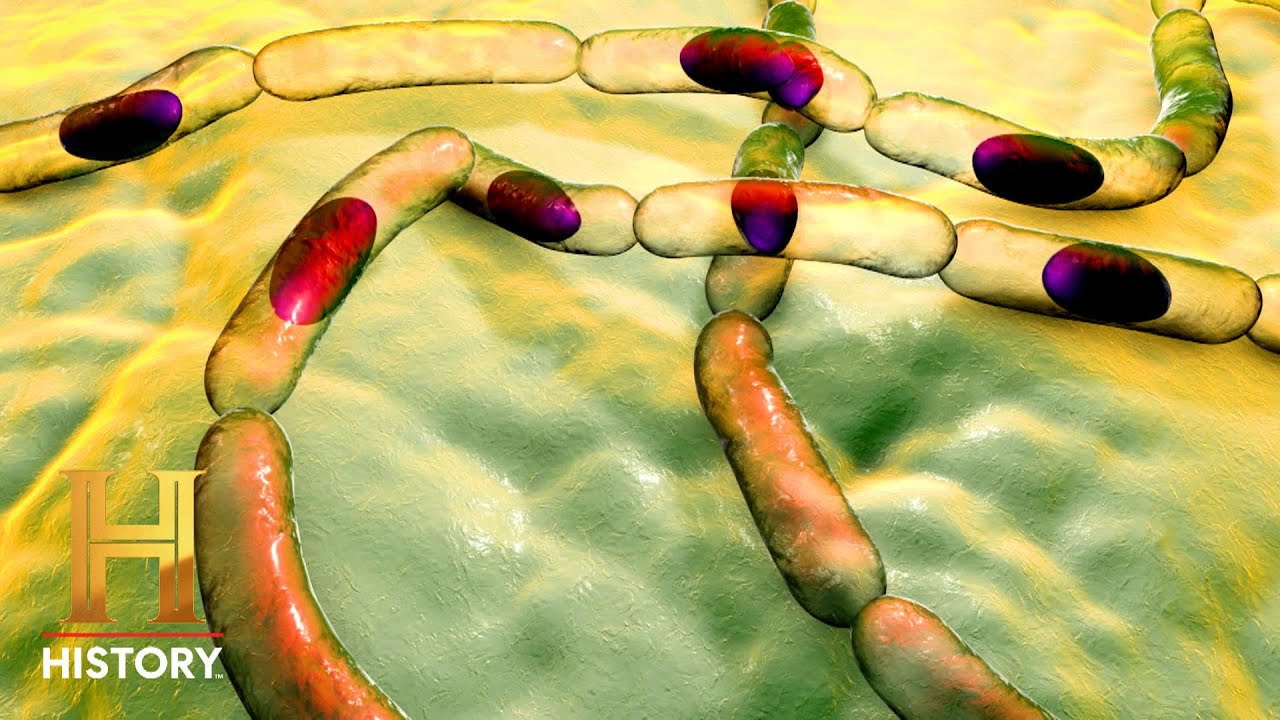
Bioweapons development remains a contentious issue, as military mysteries from the World Wars to Vietnam reveal hidden narratives of conflict and secrecy.
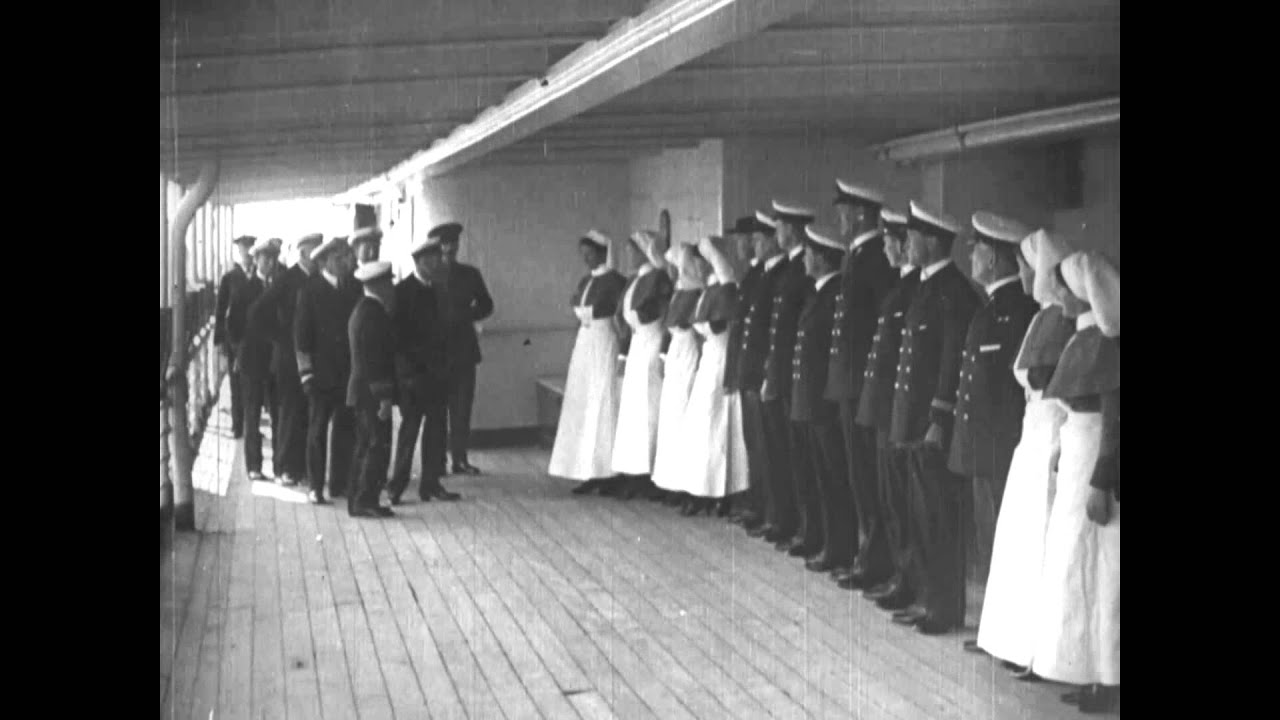
King George V visits the British fleet in 1918, meeting with Admirals David Beatty, de Robock, and Doveton Sturdee aboard various battleships.
Cavalry training at Fort Sill, Oklahoma, and Fort Sam Houston, Texas, showcases techniques for horse handling and mounted inspections during 1917-1918.
In 1919, Metz held public celebrations featuring parades and military honors for American General John J. Pershing and French General Philippe Pétain.
Bastille Day celebrations in Paris in 1918 featured President Poincaré, Premier Clemenceau, and Marshal Foch honoring Allied troops at the Hotel de Ville.
Military veterans recount their first deployment experiences across various conflicts, including World Wars, the Korean War, and the Gulf War, highlighting complex military mysteries.
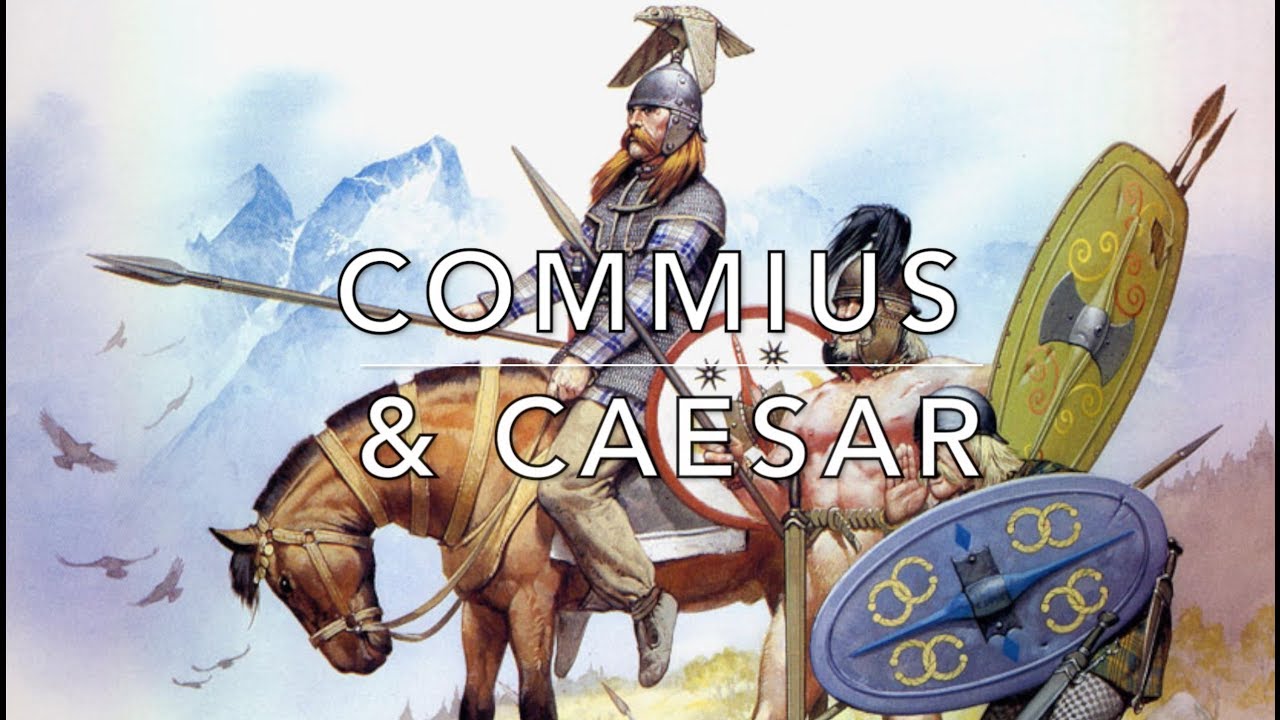
Watch how Commius aids Caesar in his conquests in Gaul with crucial cavalry support.
World War I construction activities are documented, showcasing the Quartermaster Corps' efforts in building warehouses, roads, and barracks in locations like Brooklyn and Camp Humphries.
Troops march into Camp Merrett, New Jersey, receive rations, and board the liner Leviathan for an abandon ship drill before sailing from Hoboken.








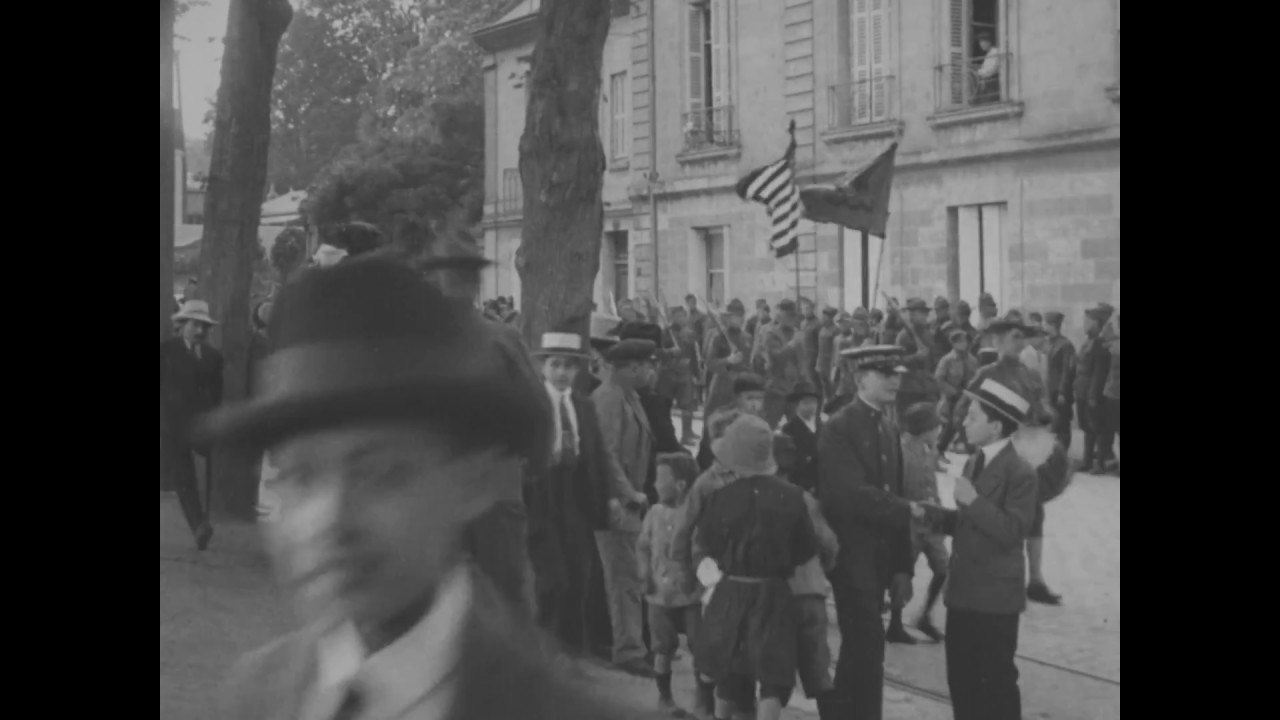


![Documentary backdrop image for Activities at the Artillery Training Centers at Valdahon and Samur [1917-1919] (2018)](https://i.ytimg.com/vi/MVFth81tbnw/maxresdefault.jpg)

![Documentary backdrop image for Activities of the 94th Aero Squadron (France) [1918] (2019)](https://i.ytimg.com/vi/sS1aZRVjHaQ/maxresdefault.jpg)

![Documentary backdrop image for Base Section No. 1 (St. Nazaire), Arrival and Unloading of Troops [1917] (2018)](https://i.ytimg.com/vi/NEchQFrVqy8/maxresdefault.jpg)
![Documentary backdrop image for Base Section No. 1 (St. Nazaire), Miscellaneous Scenes of Port of Embarkation [1917-1918] (2018)](https://i.ytimg.com/vi/DTzxJiW7JLs/maxresdefault.jpg)
![Documentary backdrop image for Base Section No. 1 (St. Nazaire), Unloading Supplies [1917-1919] (2018)](https://i.ytimg.com/vi/hPM4iIsmeSk/maxresdefault.jpg)
![Documentary backdrop image for Base Section No. 2 (Bordeaux), Arrival and Unloading of Supplies [1918] (2018)](https://i.ytimg.com/vi/FycsQ1lcLzU/maxresdefault.jpg)
![Documentary backdrop image for Base Section No. 2 (Bordeaux), Arrival, Unloading, and Assembling of Heavy Equipment [1918] (2018)](https://i.ytimg.com/vi/pFGLbRVby-w/maxresdefault.jpg)
![Documentary backdrop image for Base Section No. 2 (Bordeaux), Construction Activities [1917-1918] (2018)](https://i.ytimg.com/vi/enwvbV_gJ8Q/maxresdefault.jpg)
![Documentary backdrop image for Base Section No. 2 (Bordeaux), Rest Camp Scenes and Amusements [1919] (2018)](https://i.ytimg.com/vi/QBRX7sjLta0/maxresdefault.jpg)
![Documentary backdrop image for Base Section No. 2 (Bordeaux),Celebrations and Scenes [1918-1919] (2018)](https://i.ytimg.com/vi/P9mqynNQS0s/maxresdefault.jpg)
![Documentary backdrop image for Base Section No. 2 (Bordeaux),Ceremonies And Activities of Troops Returning to the U.S. [1919] (2018)](https://i.ytimg.com/vi/sbmUWJzoQW0/maxresdefault.jpg)
![Documentary backdrop image for Base Section No. 5 (Brest), Miscellaneous Scenes [1918-1919] (2018)](https://i.ytimg.com/vi/ytzS-nWmTuQ/maxresdefault.jpg)


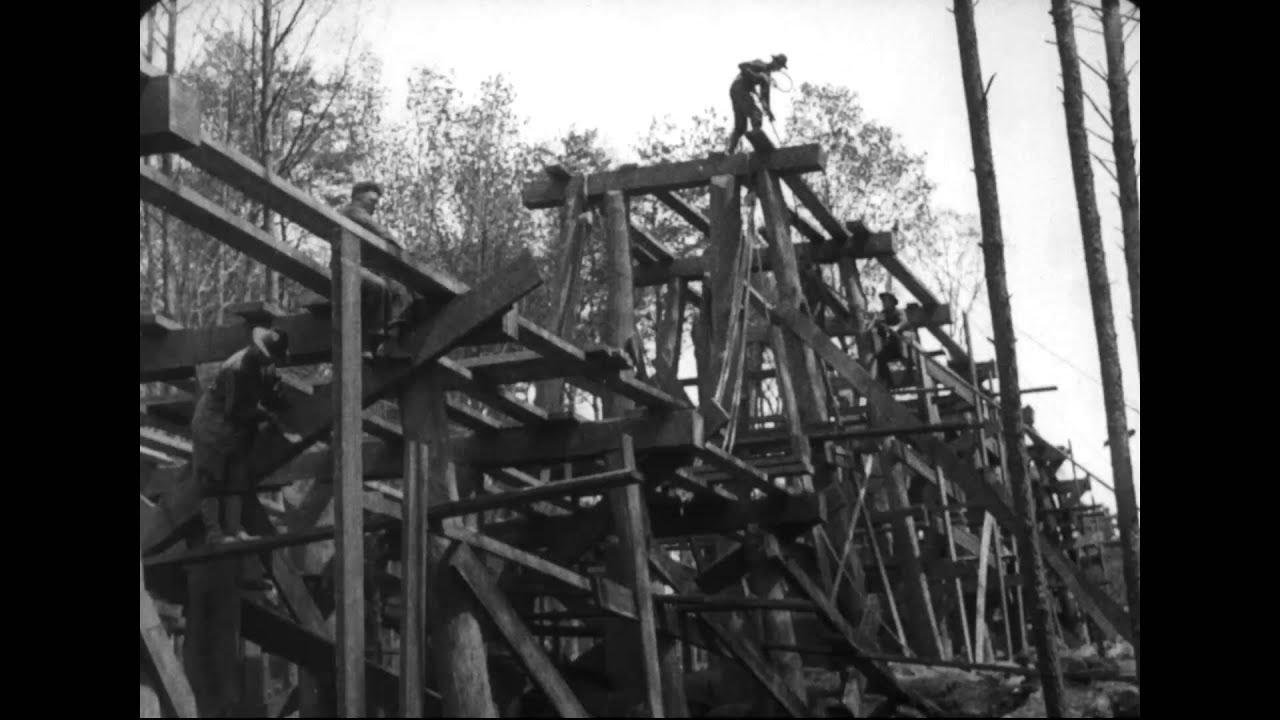
![Documentary backdrop image for Embarkation Activities, New York Harbor [1918] (2014)](https://i.ytimg.com/vi/L2yTp_0Lv2g/maxresdefault.jpg)