From over 100,000 films, discover the handful you'll love.
Free or premium access to the world's largest documentary library.
432 films(Page 4 of 9)
A team of experts has 15 days to locate a secret tunnel and recover a 60-foot flamethrower used during the Battle of the Somme in 1916.
More than 1,700 women applied to serve as telephone operators in World War I, but only 223 were sent to France to support the U.S. Army.
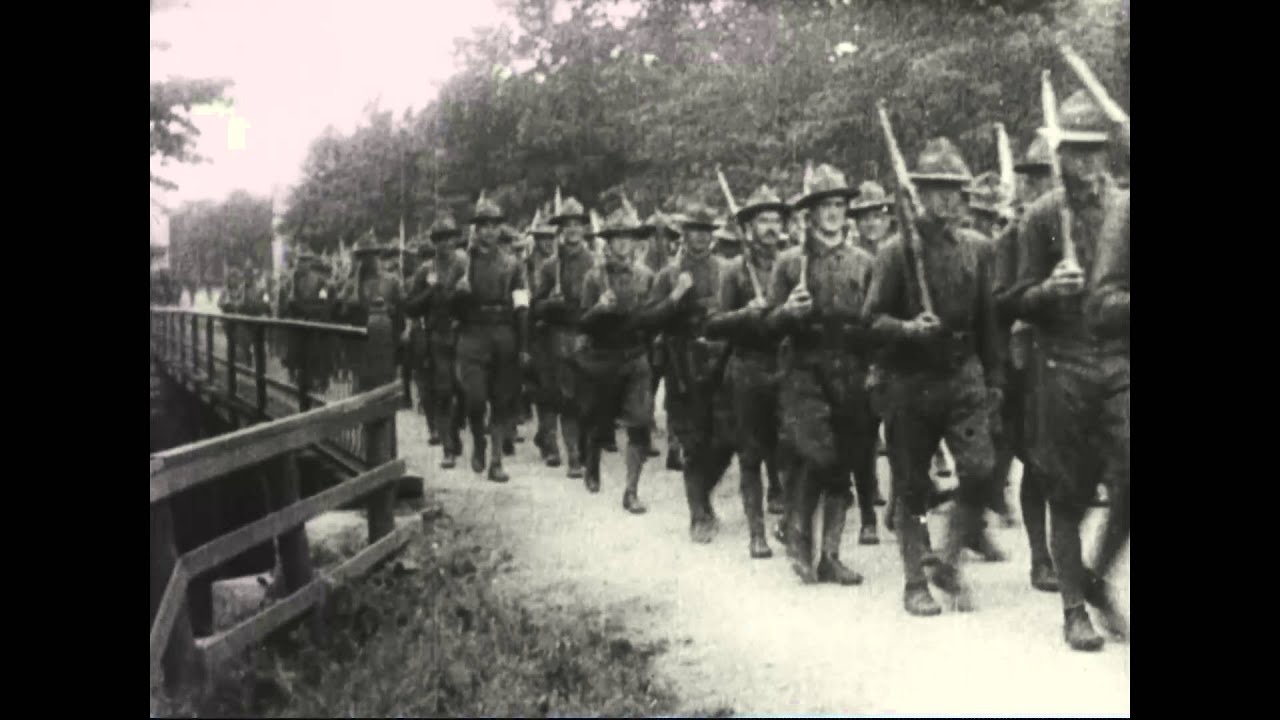
In Lorraine from January 15 to April 3, 1918, U.S. troops, including the 18th Infantry and 6th Field Artillery, engaged in trench warfare and logistical operations during World War I.
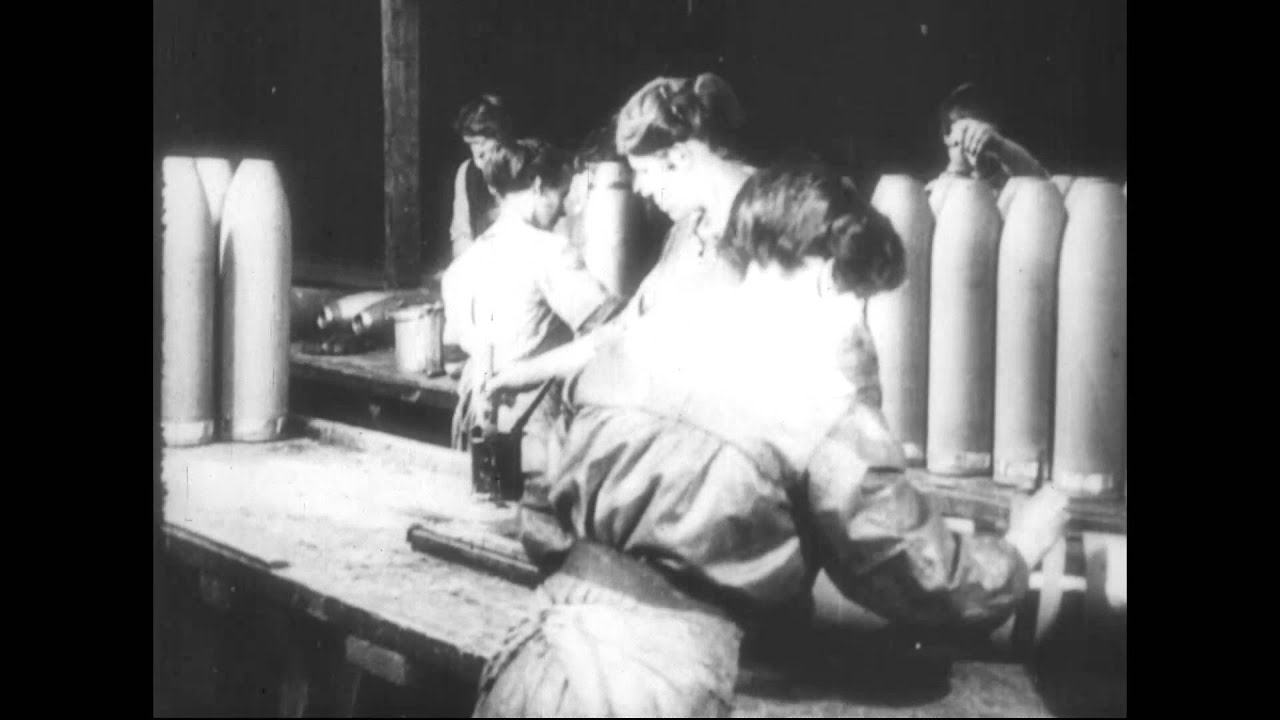
In 1918, munitions production processes are documented, showcasing the forging, milling, and assembly of artillery shells and aircraft by the U.S. Army.
Aerial views and street scenes from the Meuse-Argonne region depict the devastation of World War I, showcasing ruined buildings and civilian celebrations in Brieulles.
President Woodrow Wilson's visit to England in December 1918 included meetings with King George V and key political figures, showcasing post-World War I diplomacy.
Canada's 21st Battalion faces heavy shelling and mud as they prepare for the Battle of Courcelette in September 1916 during World War I.
In April 1918, the 26th Division's occupation of the Toul-Boucq sector in Lorraine is documented, showcasing troop activities, trench conditions, and military operations.
Six thousand miles of trenches were built by British forces during World War I, a backdrop to the early attempts to climb Mount Everest.
German submarine warfare during World War I is depicted through the successful missions of a U-boat, including the sinking of multiple British and other vessels.
Three former "comfort women" from South Korea, China, and the Philippines confront their traumatic past and seek justice from the Japanese government decades after World War II.
The Canadian Corps transformed from untrained volunteers into a formidable force during World War I, notably at the battles of Montserrat and Hill 70.
Access to archival databases includes more than 100 million records, aiding genealogists in their research during the 2014 virtual genealogy fair.
In World War I, ambulance driver Frederic Henry navigates love and conflict as he falls for Nurse Catherine Barkley amidst the chaos of battle.
In World War I, French farm girl Camille disguises herself as a boy to join a regiment in search of her estranged husband, blending romance with musical interludes.
Homosexual behaviour among Canadian soldiers during and after World War II led to military tribunals and public exposure, as revealed by veterans in José Torrealba's documentary.
Between 400 and 500 Canadian and British soldiers sought refuge in a newly discovered underground cavern near Vimy Ridge during World War I.
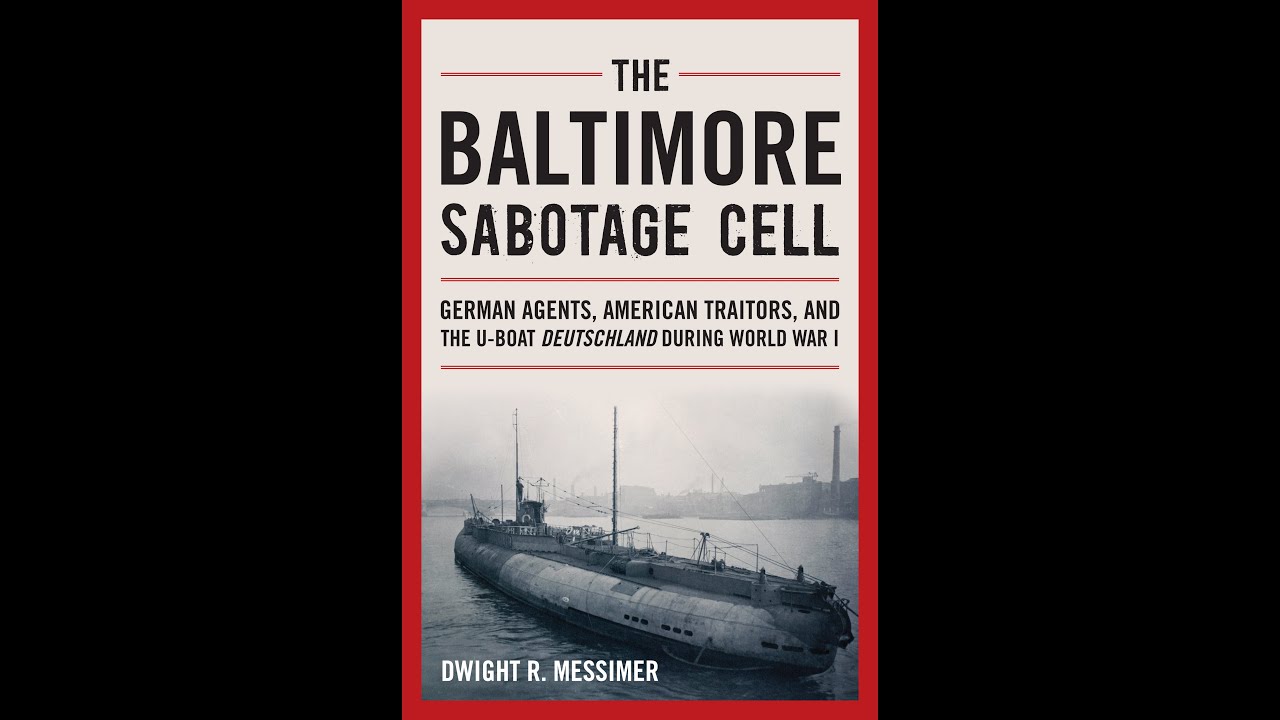
In 1915, German agents, led by Paul Hilken in Baltimore, executed sabotage missions to disrupt British supply lines during World War I.
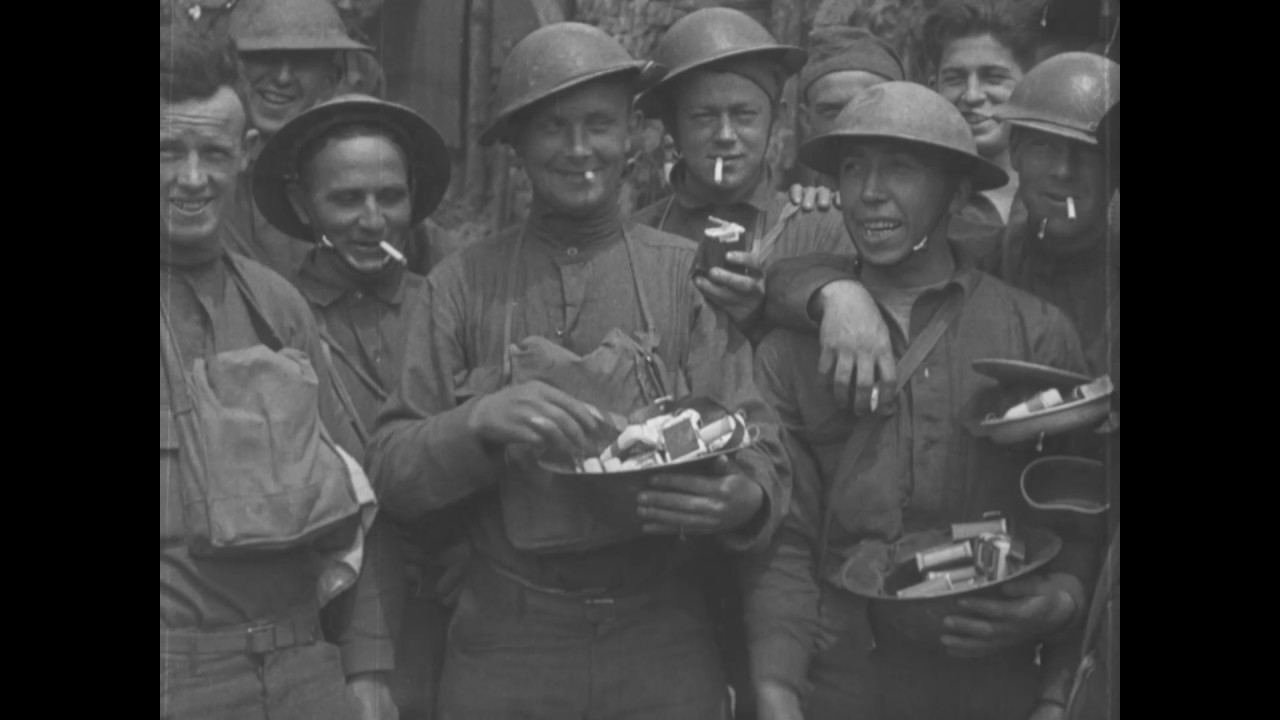
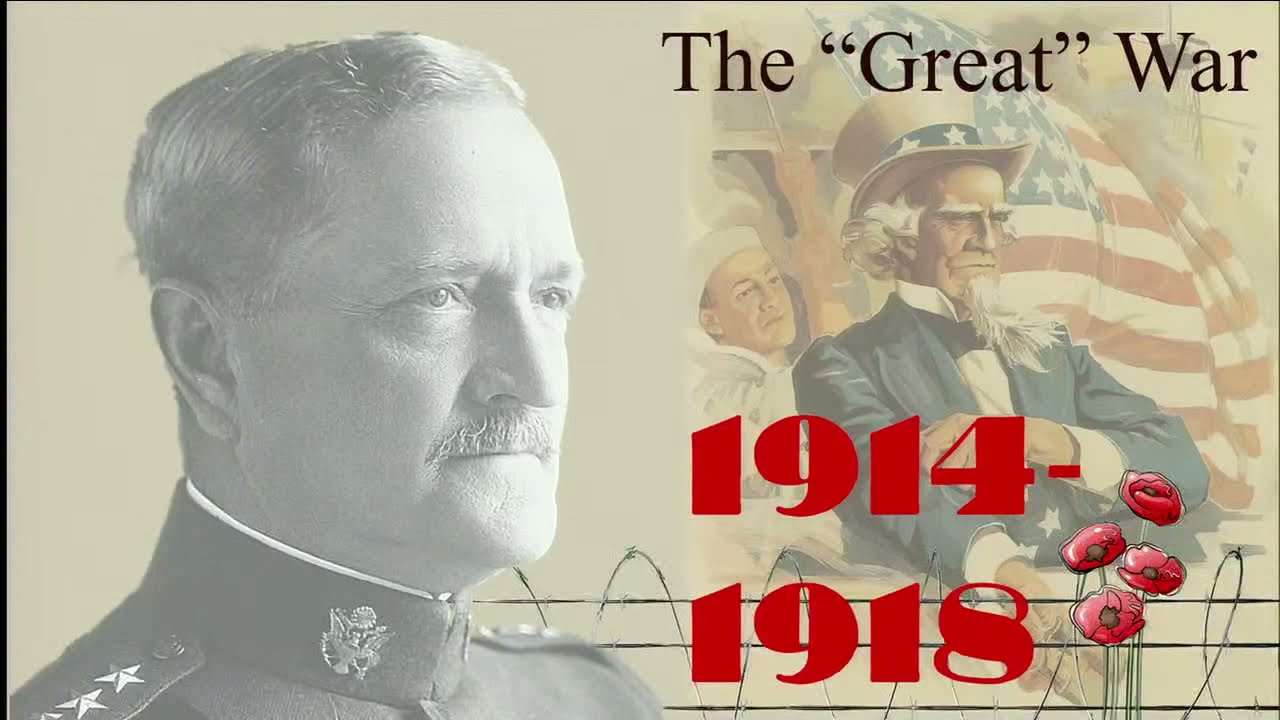
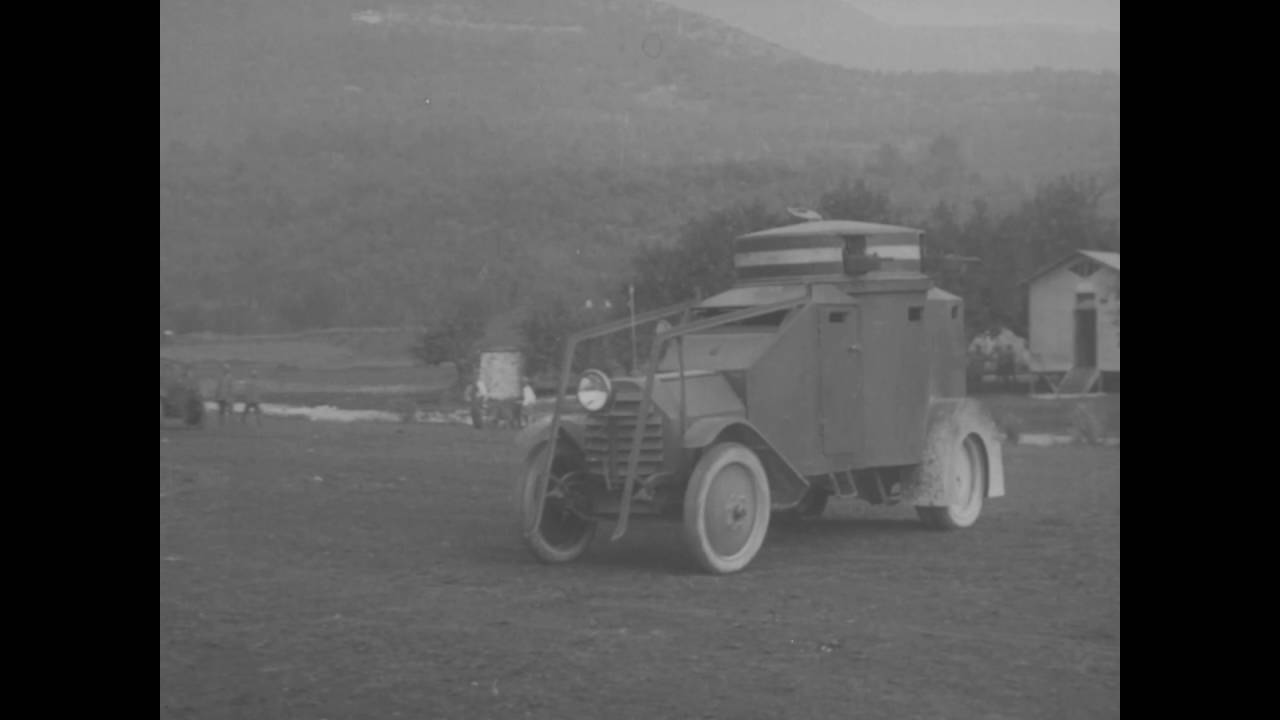
World War I is depicted through silent footage showcasing U.S. troops, including General John J. Pershing, in various military and logistical activities across Europe.
Animated maps illustrate the strategic movements of German and Allied forces during the Battle of L'Aisne, highlighting key events from May 27 to June 16, 1918.
Camp Sherman in Ohio served as a training ground for draftees during World War I, showcasing various military activities and daily life from 1917 to 1918.
In 1917-1918, prominent figures such as President Wilson and General Enoch H. Crowder participated in the draft process, showcasing recruitment and internment activities during World War I.
In post-World War I Germany, the 2nd Division of the U.S. Army conducts military exercises, inspections, and community interactions from December 1918 to September 1919.
In Lorraine from January 15 to April 3, 1918, U.S. troops, including the 18th Infantry and 6th Field Artillery, engaged in trench warfare and logistical operations.
Battlefields across Europe and Asia, where over 100,000 Canadian soldiers perished in the World Wars, are explored alongside their cemeteries.
U.S. troops participate in various events across England in 1918, including a July 4th celebration in London and hospital visits in Liverpool.
A.E.F. activities in France during World War I are documented, showcasing troop movements, inspections by General Pershing, and military preparations.
The Peace Day Parade in London on July 19, 1919, celebrated the end of World War I with participation from General John J. Pershing and King George V.
In 1921, a single unknown soldier was chosen to represent the thousands of unidentified American soldiers lost in World War I and was laid to rest at Arlington National Cemetery.
The Battle of the Somme, beginning on July 1, 1916, resulted in catastrophic losses for British and French forces due to strong German defenses and machine gun fire.
U.S. soldiers in post-World War I France engage in leisure activities, touring landmarks and participating in social events organized by the Y.M.C.A. and Knights of Columbus.
On November 11, 2021, the United States marked the 100th anniversary of the burial of the unknown soldier at Arlington National Cemetery.
The 26th Division's operations from February 6 to March 22, 1918, in the Chemin des Dames sector are documented through military activities, troop movements, and interactions with French officers.
More than 9,000 Allied aircraft faced fewer than 2,500 German planes during World War I, marking a significant shift in aerial warfare.
Two soldiers, one Canadian and one German, died at the front, each with a bayonet in the stomach, both just 20 years old.
U.S. Army activities in Italy during World War I are documented through footage of troop movements, inspections, and interactions with Italian forces from 1918 to 1919.
French troops mobilize supplies and advance in the Verdun region during the intense fighting of October to December 1916, as depicted in historical footage.
The RAF's bombers reach Berlin, marking a new era of direct attacks on British civilians.
Liberty Bonds were promoted through national campaigns in 1917-1918, featuring figures like War Secretary Newton D. Baker and celebrities such as Charlie Chaplin.
In 1918, the Spanish Flu pandemic emerged during World War I, leading to over 50 million deaths globally from a mutated bird flu virus.
Matthew Margis discusses the history of African-American soldiers in World War I through photographic records at the National Archives.
In Issoudon, France, the Third Aviation Instruction Center trains students in aerial maneuvers, aircraft assembly, and weapon handling during World War I.
During World War I, President Woodrow Wilson authorized a military invasion of Russia to defeat the Red Army and overthrow Vladimir Ilich Lenin.
The Battle of the Meuse-Argonne marked the deadliest clash in American history, where over a million soldiers under General John J. Pershing defeated the German army in 1918.
Coblenz, Germany, in 1919 showcases U.S. Army activities, including troop inspections, horse care, and military ceremonies following World War I.
In May 1918, the 77th Division trains in Picardy, France, with British troops on bayonet tactics, machine guns, and field communications.
After the October Revolution of 1917, the Bolsheviks' restrictions on art led to a flourishing avant-garde movement that influenced Russian culture and contemporary dissent.
In 1916, 400 New Zealand miners excavated 19 km of tunnels in Arras, France, to support a surprise attack during World War I, significantly impacting the battle's outcome.