From over 100,000 films, discover the handful you'll love.
Free or premium access to the world's largest documentary library.
432 films(Page 7 of 9)
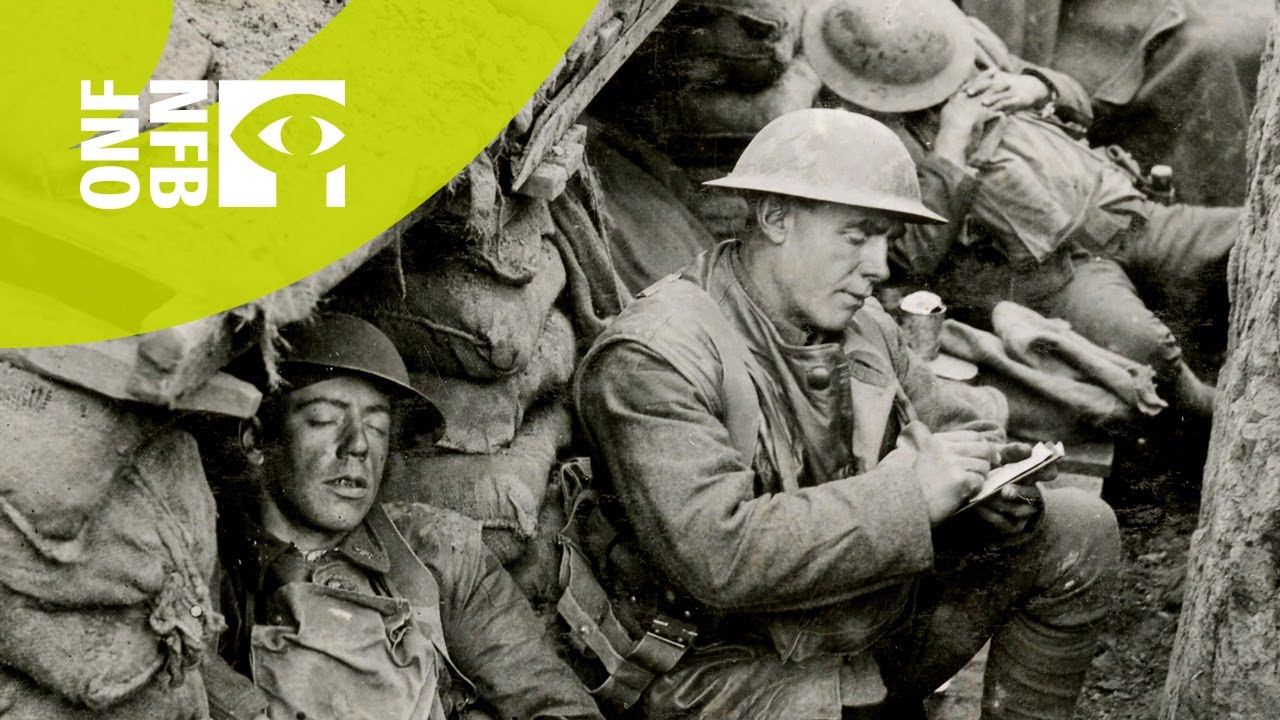
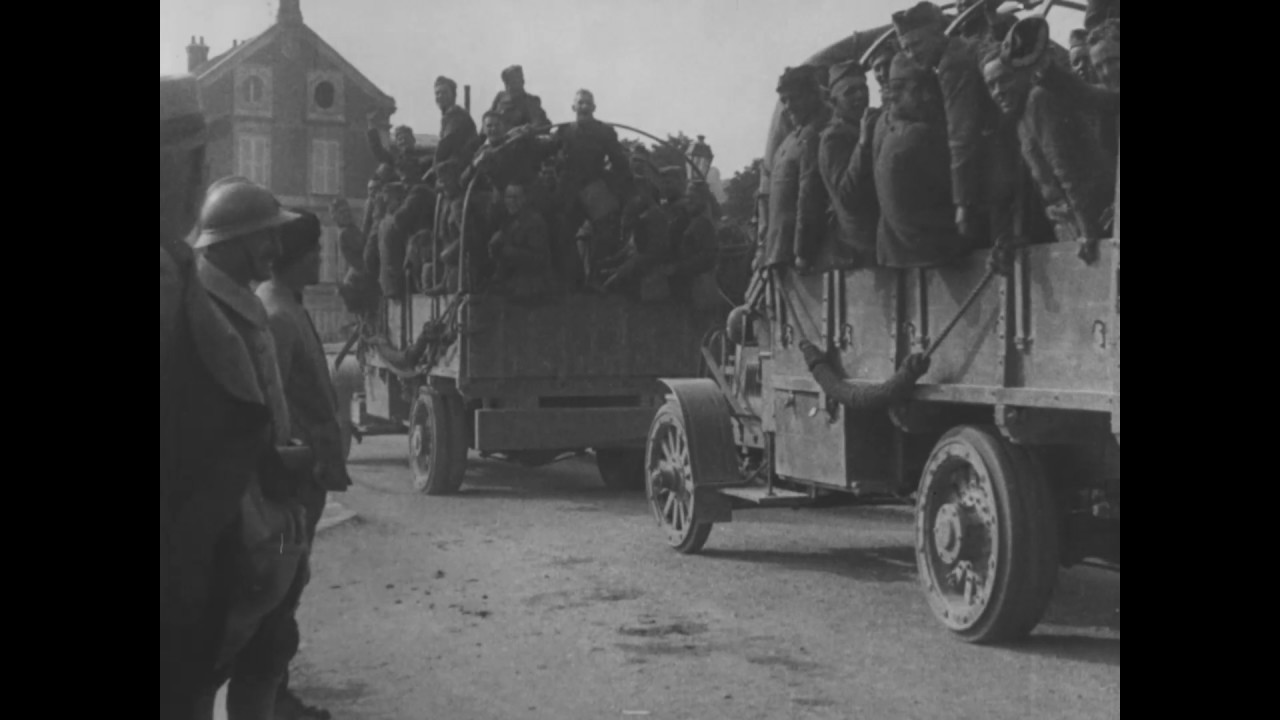
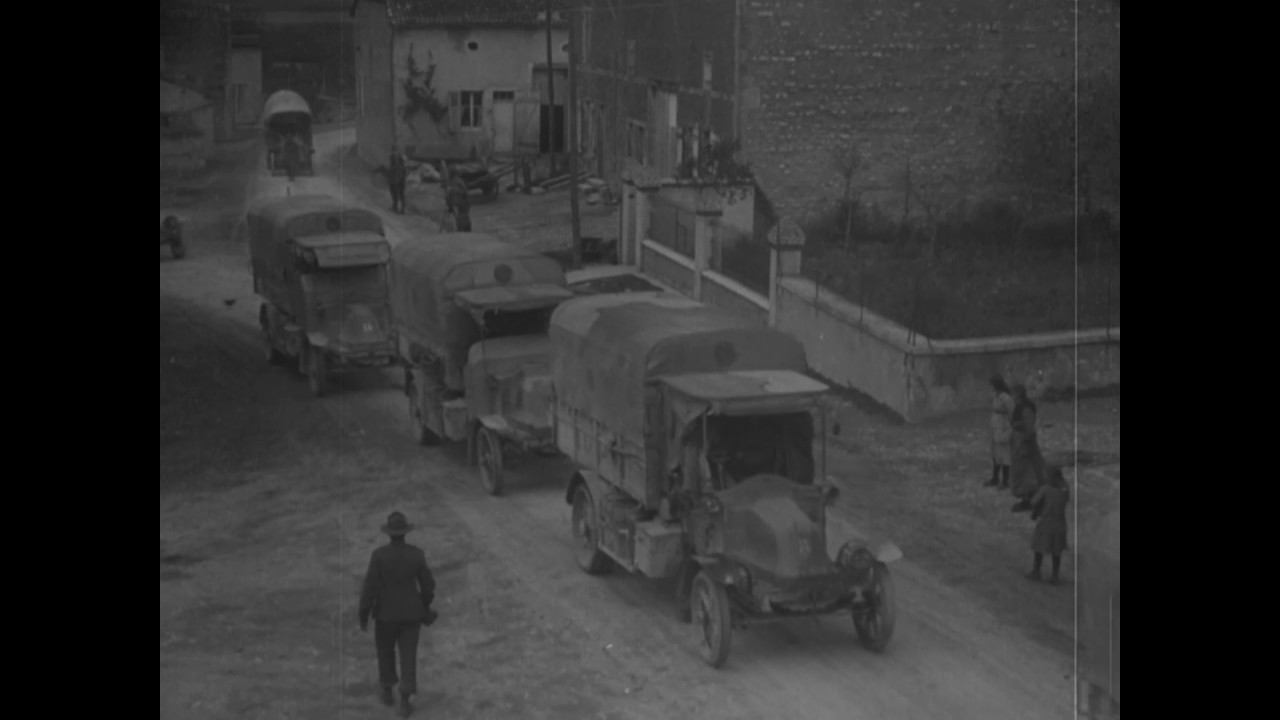
In post-World War I France, various engineer regiments, including the 532nd and 28th, are shown repairing roads, constructing bridges, and salvaging materials.
Food conservation efforts during World War I are examined through animated segments featuring Herbert Hoover and the Food Control Bill of 1917 at the U.S. Capitol.
Six men were killed and five others wounded when an enemy airplane dropped bombs less than 10 feet away from soldiers in the front lines.
General John J. Pershing and the 1st Division receive a triumphant welcome in New York City, Philadelphia, Wilmington, and Washington, D.C., in 1919.
Paris served as the backdrop for the 1919 peace conference, featuring key figures such as President Woodrow Wilson, Premier Georges Clemenceau, and King George V.
Memorial Day ceremonies in Chaumont, France, in 1918 and 1919 featured General John J. Pershing, parades, and tributes to fallen soldiers.
More than half of the 160 locations associated with King Agamemnon's armies have been identified as Mycenaean Greek settlements.
The British advance during the Cambrai Offensive in 1918 is documented, highlighting troop movements, supply efforts, and the liberation of key locations like Lens and Lille.
In the Lassigny sector of France, U.S. troops parade, inspect captured German artillery, and French Gen. Gouraud oversees U.S. Army Engineers in 1918.
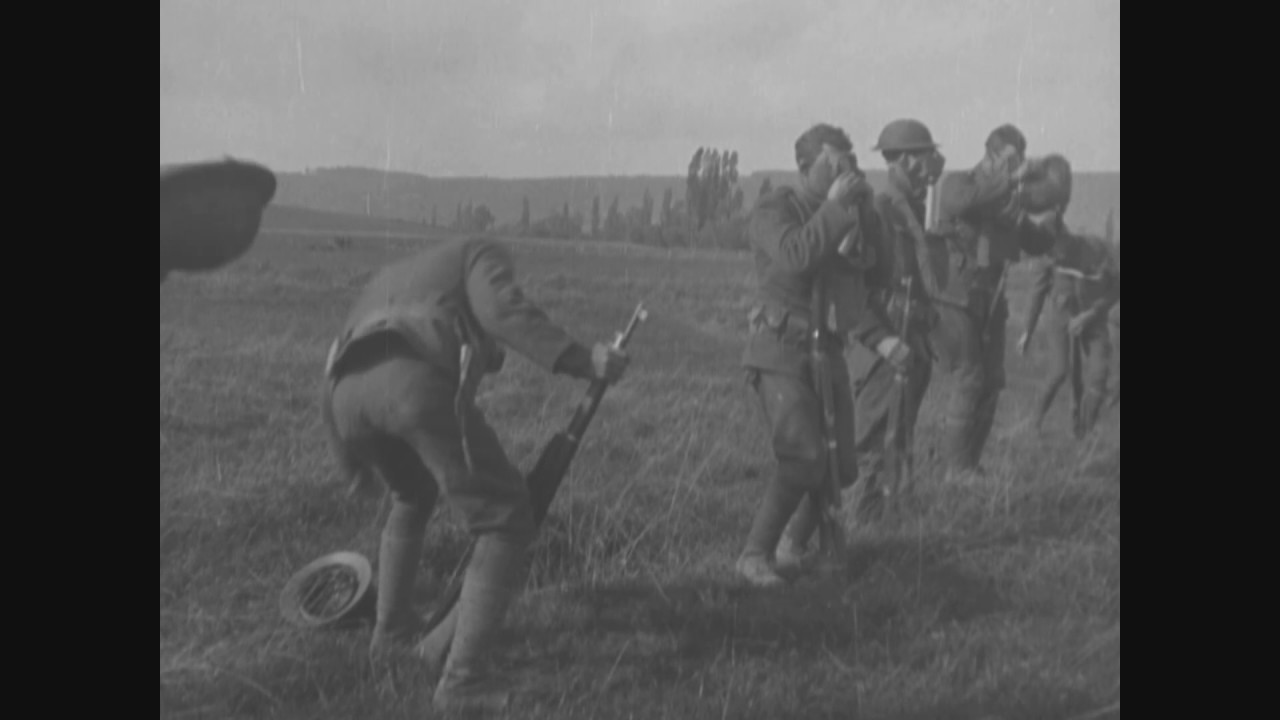
Infantry soldiers undergo training at Camp Grant, Camp Meade, Camp Hancock, and Fort Humphreys, culminating in a parade of Camp Upton soldiers in New York City.
Josh Gates investigates the historical significance and resting place of a forgotten World War I minesweeper, exploring its legacy and related legends.
In 1918-1919, mail operations in France and Germany are documented, showcasing the sorting and delivery processes involving soldiers and couriers.
After losing both hands in World War I, Charles McGonegal learned to dress himself independently, mastering the use of artificial hooks in just three months.
The Meuse-Argonne Offensive features footage of U.S. troops, including the 1st Division, engaging in combat and interacting with refugees in France from September to November 1918.
The Meuse-Argonne Offensive showcases the 26th Division's activities from September 26 to November 11, 1918, including troop movements, medical treatment, and battlefield conditions.
The Meuse-Argonne Offensive features U.S. troops from the 35th Division engaging in combat activities, including artillery fire and troop movements, during World War I.
In the Meuse-Argonne Offensive, footage captures the aftermath in towns like Aincreville and Remoiville, showcasing troops, medical care, and military operations.
The Meuse-Argonne Offensive features the 305th Machine Gun Battalion, 306th Infantry, and 308th Field Artillery, highlighting key events and figures from September to November 1918.
The Meuse-Argonne Offensive features silent footage of the 79th Division's operations, including troop movements, aid stations, and German positions from September to November 1918.
The 90th Division's involvement in the Meuse-Argonne Offensive is documented through silent footage of troop movements, captured positions, and military reviews in France.
Heavy artillery operations during the Meuse-Argonne Offensive are documented, showcasing the 5th and 60th Coast Artillery Regiments' activities in 1918.
In the Meuse-Argonne Offensive, German and Austro-Hungarian prisoners are shown being processed, interrogated, and housed at the Souilly stockade.
Scenes of transportation challenges during the Meuse-Argonne Offensive include damaged infrastructure, supply trains, and troop movements in France from September to November 1918.
Supply activities during the Meuse-Argonne Offensive are documented, showcasing the unloading of provisions and ammunition near Montfaucon and Dieue.
General Bullard greets General Petain at Rampont, while various U.S. Army generals coordinate efforts during the Meuse-Argonne Offensive in 1918.
Chaplains and military personnel are shown at the American General Headquarters in Chaumont, France, during the final months of World War I, featuring inspections and parades.
World War I activities are documented through inspections of cattle in Chicago, food preparation, and the care of military animals at various U.S. Army camps.
In April 1918, junior officers of the 1st Division, including the 16th, 26th, and 28th Infantry Regiments, mobilized and prepared for combat near Haudivillers, France.
In Baccarat, France, from March 21 to June 21, 1918, the 42nd Division conducted military operations, including artillery barrages and troop inspections led by Col. Douglas MacArthur.
Allied defenses and the aftermath of the April-June 1918 battles in Cantigny, Picardy, are documented, highlighting troop movements and casualties.
In June and July 1918, American and French troops engaged in various activities, including artillery operations and inspections by Generals Pershing and Bullard, in the Cantigny sector of Picardy.
Activities of the 32nd Division during the occupation of Alsace from May 20 to July 19, 1918, are documented, featuring troop training and inspections by Generals Pershing and Haan.
Chateau Thierry served as a critical battleground during World War I, showcasing the efforts of the 3rd and 26th Divisions from June 18 to July 14, 1918.
The 12th Field Artillery and Marine units are shown in action during the occupation of Chateau Thierry, featuring inspections by Generals Harbord and Pershing.
U.S. troops of the 35th Division engaged in combat operations in the Gerardmer sector of Alsace, showcasing military activities and conditions during World War I.
In February and March 1918, the 42nd Division's operations in the Luneville Sector included troop movements, artillery fire, and inspections by General Menoher and War Secretary Baker.
Panoramic views of Gezoncourt and Griscourt, along with military activities of the 55th Infantry and 20th Field Artillery, are documented during the occupation of Lorraine.
In October and November 1917, First Division troops engaged in trench warfare near Gypse Hill, with supply trains and medical aid operations documented in silent film.
U.S. troops, including the 117th Field Signal Battalion and the 167th Infantry, are shown preparing for combat and managing daily life during the 1918 occupation in France.
In June and July 1918, the 82nd Division conducted military operations in the Lagney Sector of Lorraine, featuring troop movements, trench construction, and medical evacuations.
In August and September 1918, American and French troops engaged in the Oise-Aisne Operations, showcasing military advances, wounded aid, and German prisoners.
In 1936, silent footage captures women war workers in Washington, D.C., students engaged in agricultural activities in Pennsylvania, and parades promoting war efforts across the United States.
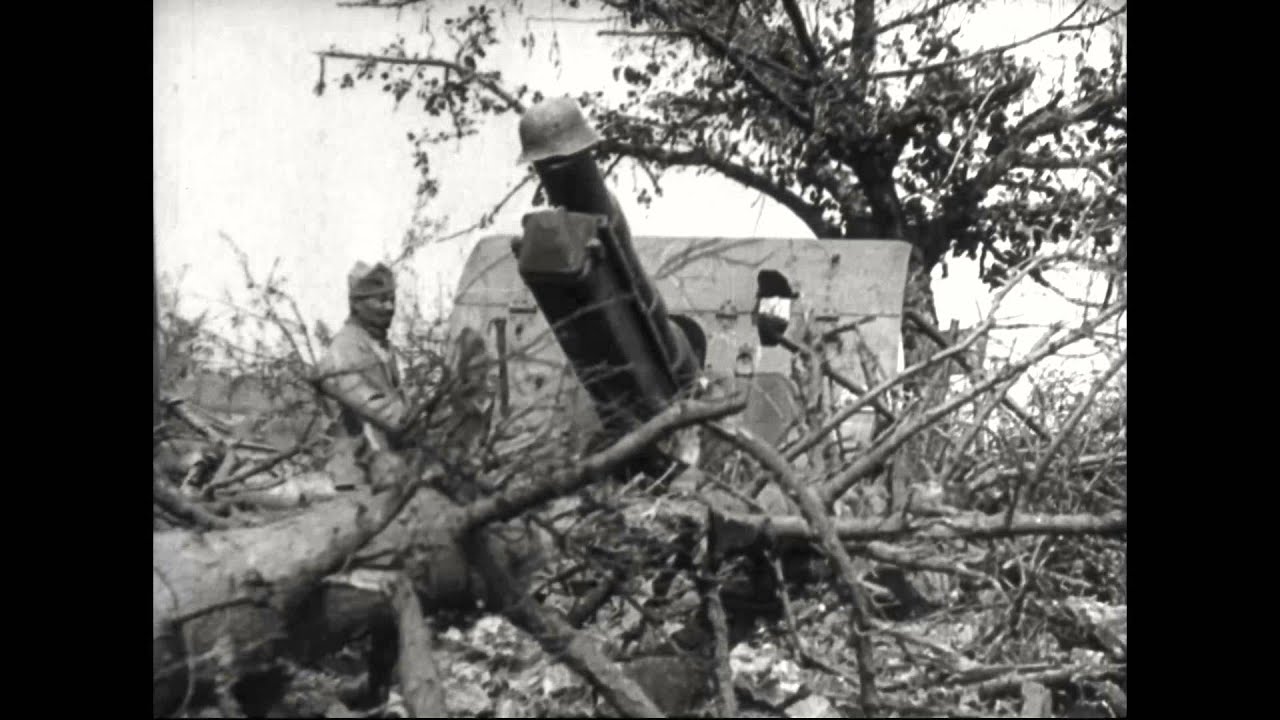
General John J. Pershing reviews a regiment in Vincennes, greets military leaders in Brest, and returns to New York aboard the USS Leviathan in 1919.
In 1917-1918, the Signal Corps of the American Expeditionary Forces documented military activities in France, including aerial photography and soldier ceremonies.
Recruits at Camp Gordon, Georgia, receive training in boxing, jiu-jitsu, and physical fitness exercises, including calisthenics and rough games.
General Pershing decorates and inspects the 26th Division at Ecommoy, France, while generals review athletic competitions and award prizes to participants.
In Corbie, France, the 102nd Field Signal Battalion marches and is reviewed by officers, including Generals O'Ryan and Simonds, while troops prepare for departure.
In Buxieres, France, the 111th Infantry troops depart as General Pershing decorates officers and oversees military training and activities of the 28th Division.
![Documentary backdrop image for Engineer Corps, Road Building [1918-1919] (2016)](https://i.ytimg.com/vi/ShFVEhYyoAM/maxresdefault.jpg)

![Documentary backdrop image for General Pershing's Return [1919] (2014)](https://i.ytimg.com/vi/BPy4Dcau6G8/maxresdefault.jpg)




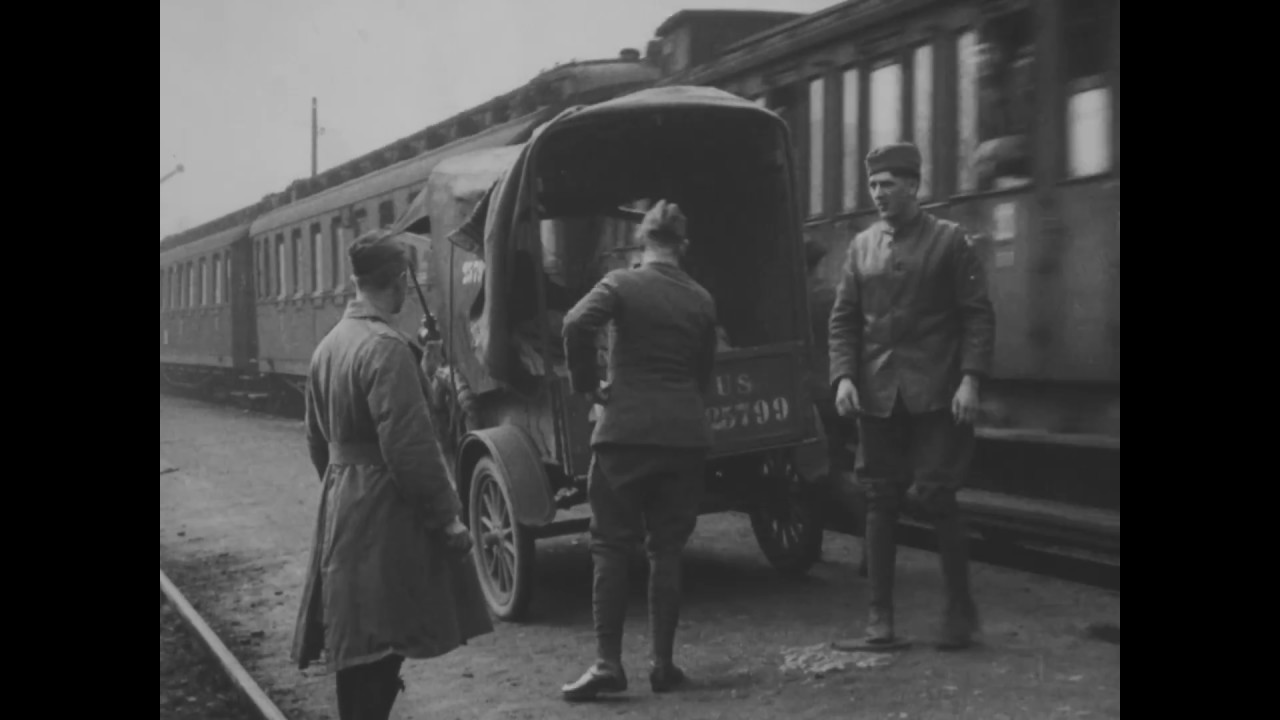


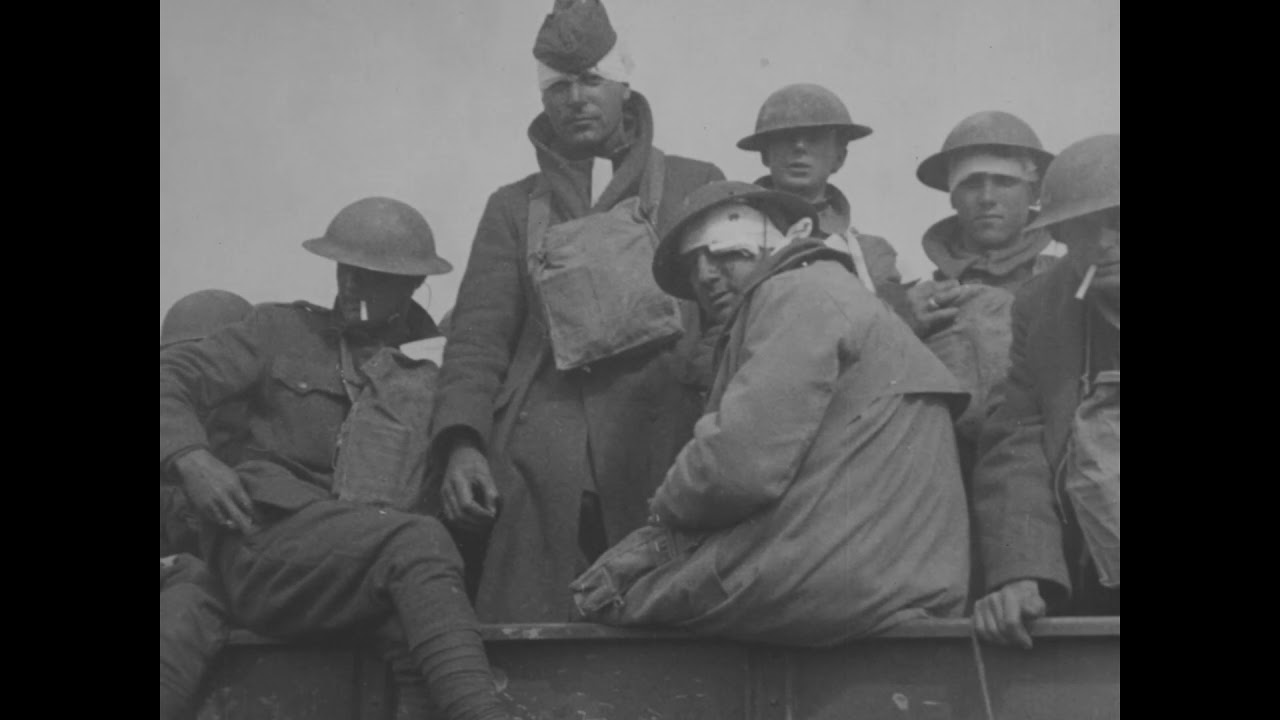


![Documentary backdrop image for Miscellaneous Activities at American G.H.Q. [France, 1918-1919] (2017)](https://i.ytimg.com/vi/ujlvdpLHfqc/maxresdefault.jpg)


![Documentary backdrop image for Occupation of Center Sector (Lorraine [SIC]), May 20-July 19, 1918, 32nd Division (2017)](https://i.ytimg.com/vi/s7cfJePbqq0/maxresdefault.jpg)


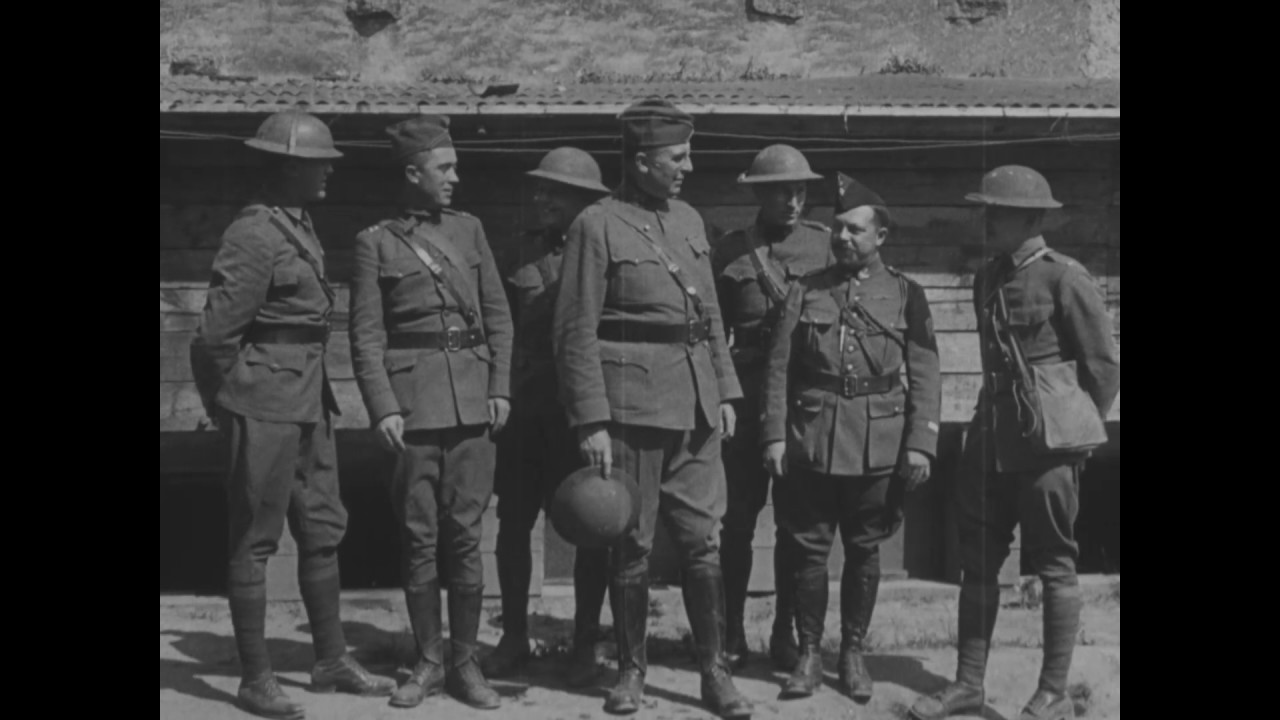


![Documentary backdrop image for Post Armistice Training, 26th Division [1919] (2018)](https://i.ytimg.com/vi/K05q63-2fmw/maxresdefault.jpg)
![Documentary backdrop image for Post Armistice Training, 27th Division [1918-1919] (2018)](https://i.ytimg.com/vi/KSsJlqrNKCo/maxresdefault.jpg)
![Documentary backdrop image for Post Armistice Training, 28th Division [1919] (2018)](https://i.ytimg.com/vi/Xii01ModYig/maxresdefault.jpg)