From over 100,000 films, discover the handful you'll love.
Free or premium access to the world's largest documentary library.
432 films(Page 2 of 9)
Around 180,000 soldiers died on the icy front of the Alps during World War I, where melting glaciers now reveal artifacts from that brutal conflict.
192 Athenian soldiers fell at the Battle of Marathon, where a small force defeated a much larger Persian army, shaping the future of Ancient Athens.
In 1917, as First World War casualties exceeded 5 million, German commanders faced the challenge of reversing their army's decline amid unprecedented loss.
Windsor Castle, built by William the Conqueror, is the oldest and largest inhabited castle in the world, with over 500 people living and working there today.
A 195-ton railway howitzer, the largest of its kind, is transported 400 miles from Wiltshire to a museum in Utrecht, facing numerous logistical challenges.
Manfred Von Richthofen, the Red Baron, is credited with 80 victories in World War One.
Kaiser Wilhelm II was born on January 27, 1859, in Berlin, and his difficult birth left him with a permanently damaged left arm.
500,000 soldiers were killed in the battles around Ypres, with many still unaccounted for a century later.
Adolf Hitler's early life in Austria, his rejection from art school, and his experiences in the Bavarian Army during World War I are examined in detail.
In April 1945, Adolf Hitler reflects on the strategic blunders that led to his downfall as the Red Army and Western Allied forces close in.
Erich Ludendorff was born on April 9, 1865, in Krusenia, a village in modern-day Poland, and became a significant military figure in World War I.
The First World War marked a significant transformation in military tactics and technology, shifting from traditional infantry to mechanized warfare across Europe.
Soldiers fired at least 100 million rounds during World War One, averaging about 40 rounds every minute throughout the conflict.
Over one million casualties resulted from the Battle of the Somme in 1916, leading to ongoing debates about Field Marshal Douglas Haig's military leadership.
Joan of Arc leads the French resistance against English forces during the 100 Years War.
Five thousand Canadians died during the Battles of Mount Sorrel and Hill 70 in 1916, significant events in the development of the Canadian Corps.
225,000 men were killed or wounded during the Battle of Passchendaele, a campaign that prompted Arthur Currie to lead the Canadian Corps in a critical offensive.
5,000 men, women, and children attempted to flee the Soviet army aboard the General Von Steuben before it sank in the Baltic Sea in 1945.
Dr Janina Ramirez highlights England's battle against France during the 100 Years War.
Ypres, a pivotal battleground in World War I, exemplifies the transformation of warfare through industrialization, featuring innovations like the Lee-Enfield rifle and trench warfare.
By March 1796, Napoleon Bonaparte had married Joséphine de Beauharnais and was preparing to lead 24,000 troops into battle against the Austrians in Italy.
General John J. Pershing's leadership and military strategies continue to influence young American cadets as they explore his historical achievements and modern impact.
30,000 soldiers die at the battle of Zenta on September 11, 1697, marking a critical defeat for the Ottoman Empire against Prince Eugene of Savoy.
On June 10, 1918, the Austro-Hungarian battleship Szent Istvan sank after being hit by torpedoes, an event documented through original footage and historical reenactments.
The Battle of the Somme resulted in 420,000 British casualties, prompting critical analysis of military strategies and the battle's enduring impact on national consciousness.
More than 60 million men were mobilized during World War I, with soldiers from around 20 countries facing the horrors of trench warfare.
General John J. Pershing, known as Blackjack, led the American Expeditionary Forces in World War I and became a champion for black soldiers in the military.
22 pilots from a single squadron lost their lives during a key battle, marking a significant moment in the history of naval aviation.
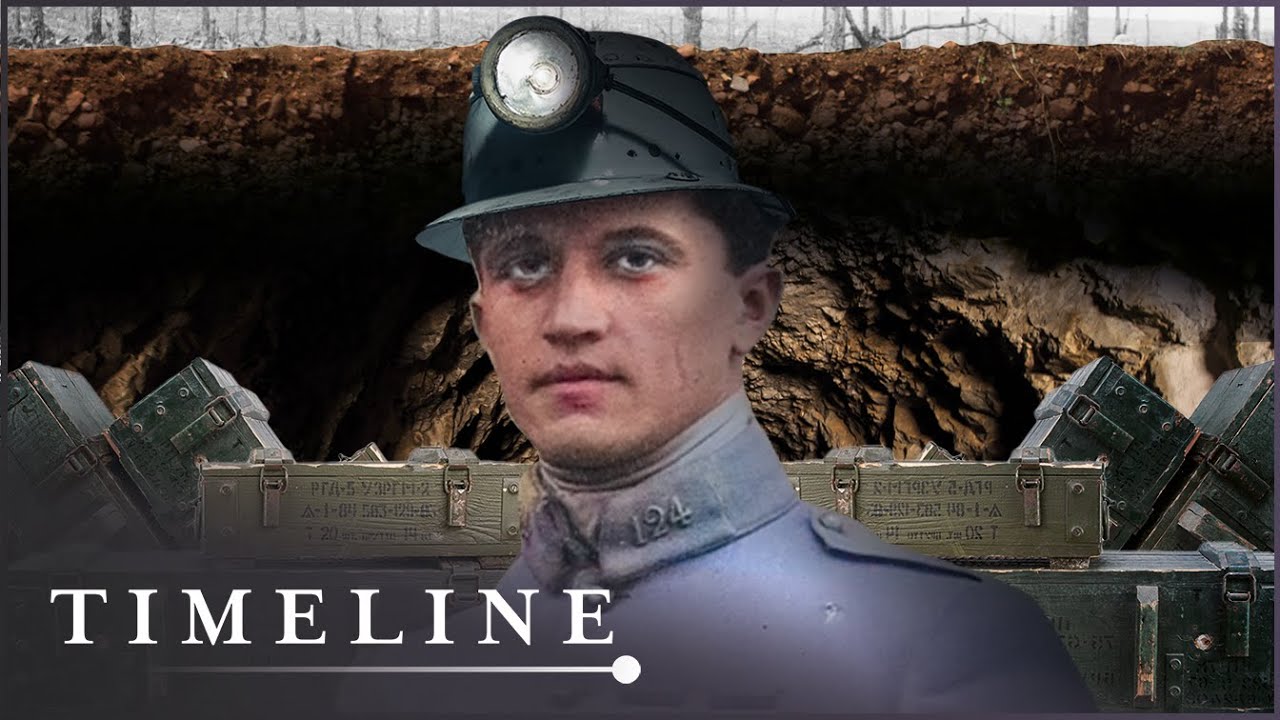
Herman Hoppe's diaries reveal the strategic and personal experiences of a German engineer involved in the intense mine warfare centered around a small French town during World War I.
At the onset of World War I, major powers like Germany, France, and Britain were equipped with advanced military technology, including artillery, ships, and aircraft, setting the stage for unprecedented conflict.
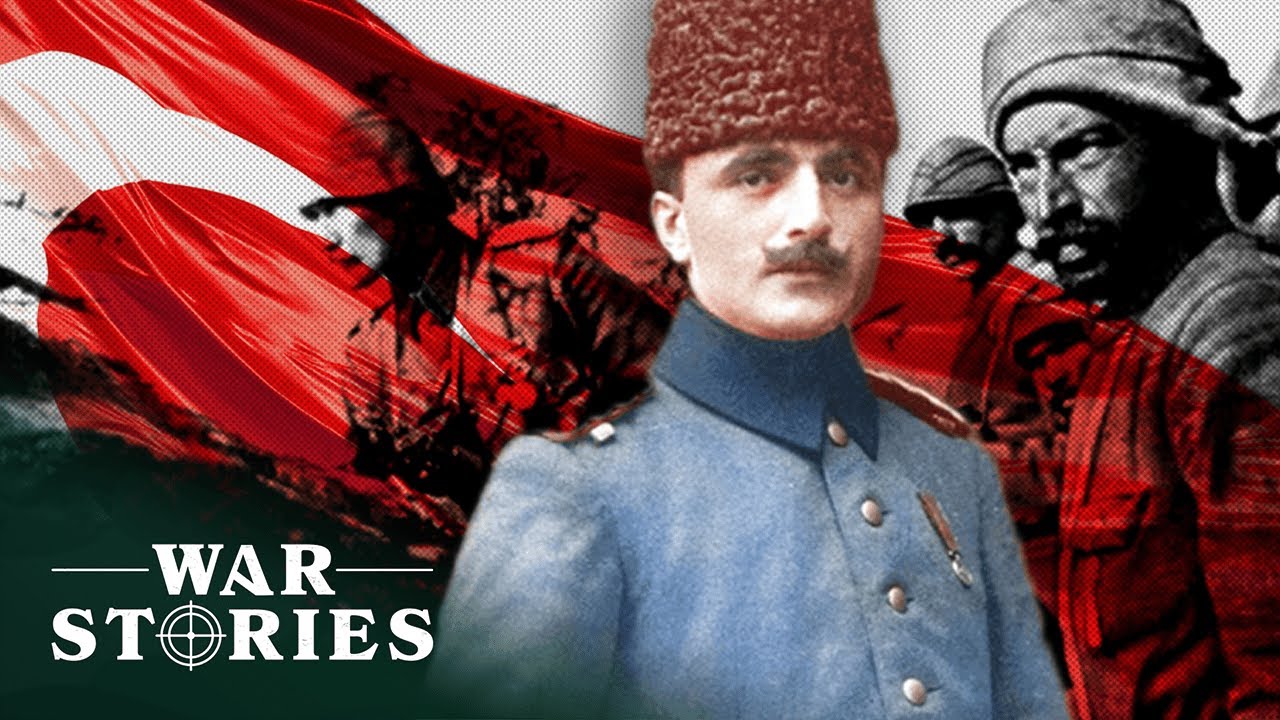
In 1915, the Ottoman Empire achieved a surprising victory over British forces at Gallipoli, highlighting strategic errors made by the West.
A 30-ton tank is built from scratch in five months to commemorate the 100th anniversary of its battlefield success during World War I.
Guy Martin has five months to build a 30-ton tank and aims to drive it at Lincoln's Remembrance Day parade on November 11.
Sam's Army highlights Sam Hughes' role in building Canada's World War I military force.
Over five million men died on the Western Front during World War I, many buried in thousands of war cemeteries across France and Belgium.
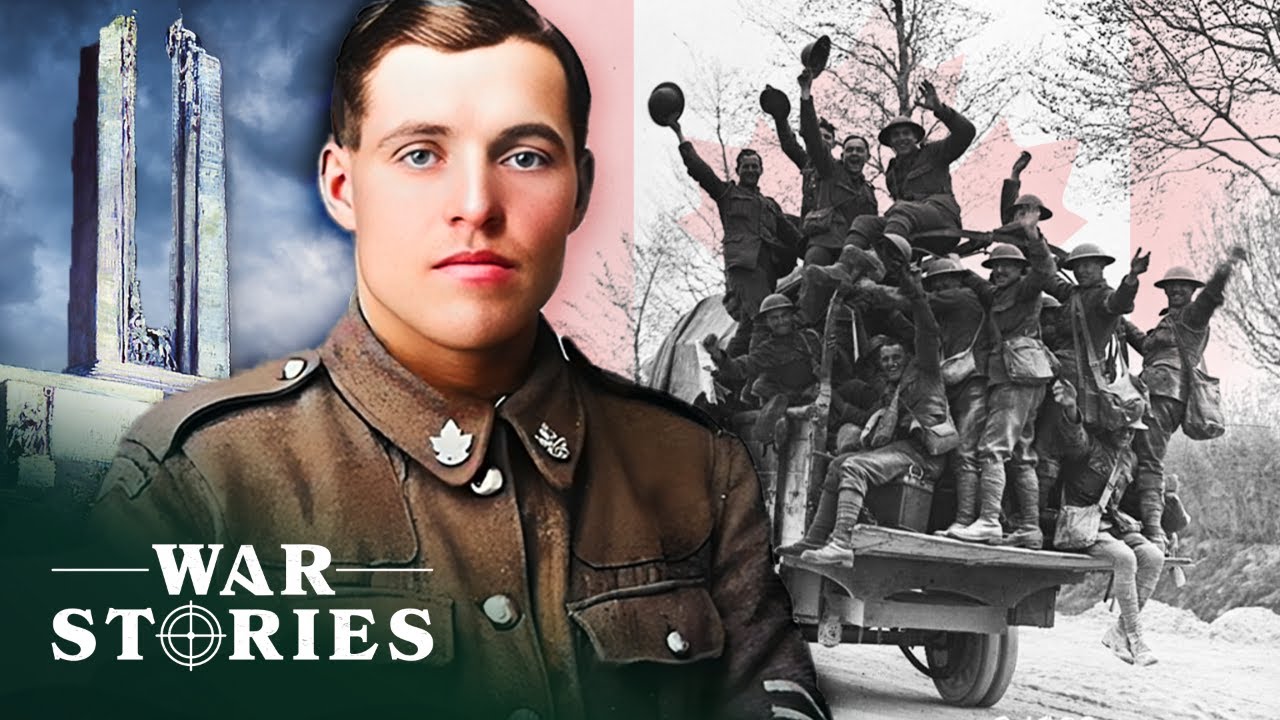
In 1936, over 50,000 Canadian veterans gathered in Normandy for the unveiling of the Vimy Ridge memorial, honoring those lost in the First World War.
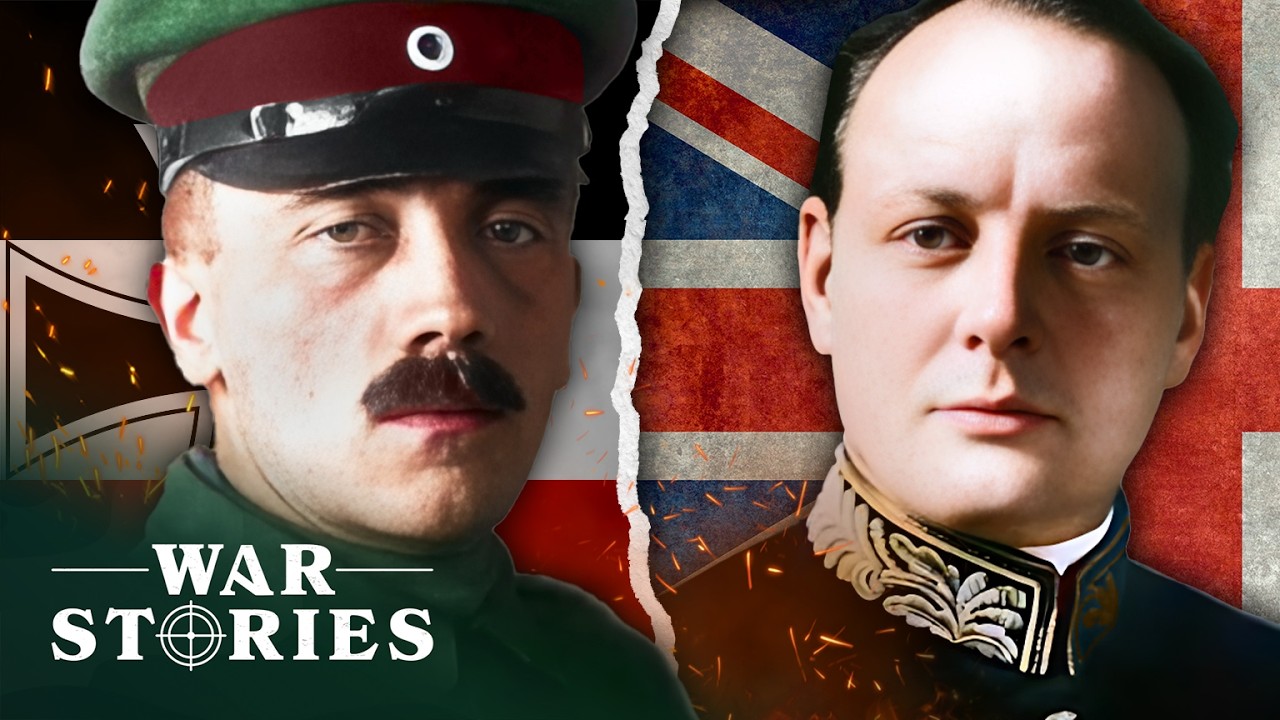
The intertwined histories of Adolf Hitler and Winston Churchill, shaped by their experiences in World War I, set the stage for their conflict in World War II.
The Battle of Cambrai in 1917 marked the first large-scale use of tanks in World War I, with British forces deploying 476 tanks to breach German lines.
Barnbow Munitions Factory played a crucial role in World War I by significantly increasing artillery shell production and integrating women into the workforce.
The Battle of the Somme, fought in 1916, resulted in over 600,000 British and French casualties, marking a significant moment in World War I history.
Over 14,000 British pilots lost their lives in World War I, as young aviators developed the principles of aerial warfare in just four years.
At Richmond Castle, a community dig reveals medieval artifacts, World War I conscientious objector evidence, and a rare silver penny of William the Conqueror.
20,000 British soldiers died on the first day of the Battle of the Somme due to hidden German fortifications that withstood heavy bombardments.
A team races to decode an encrypted German telegram that could save Britain from disaster.
The World Wars significantly weakened European monarchies, leading to the decline of royal power and reshaping the continent's political landscape, as analyzed by historians Dan Snow and Suzannah Lipscomb.
More British and Canadian soldiers died in the Battle of the Somme in 1916 than in all of World War II, marking a significant moment in military history.
Private Thomas Anderson White volunteered to row one of the boats ashore during the Gallipoli landing on April 25, 1915, marking a significant moment in Australian history.
The scuttling of the German high seas fleet in Scapa Flow in 1919 involved over 100 ships and took 17 years to fully salvage.