From over 100,000 films, discover the handful you'll love.
Free or premium access to the world's largest documentary library.
432 films(Page 3 of 9)
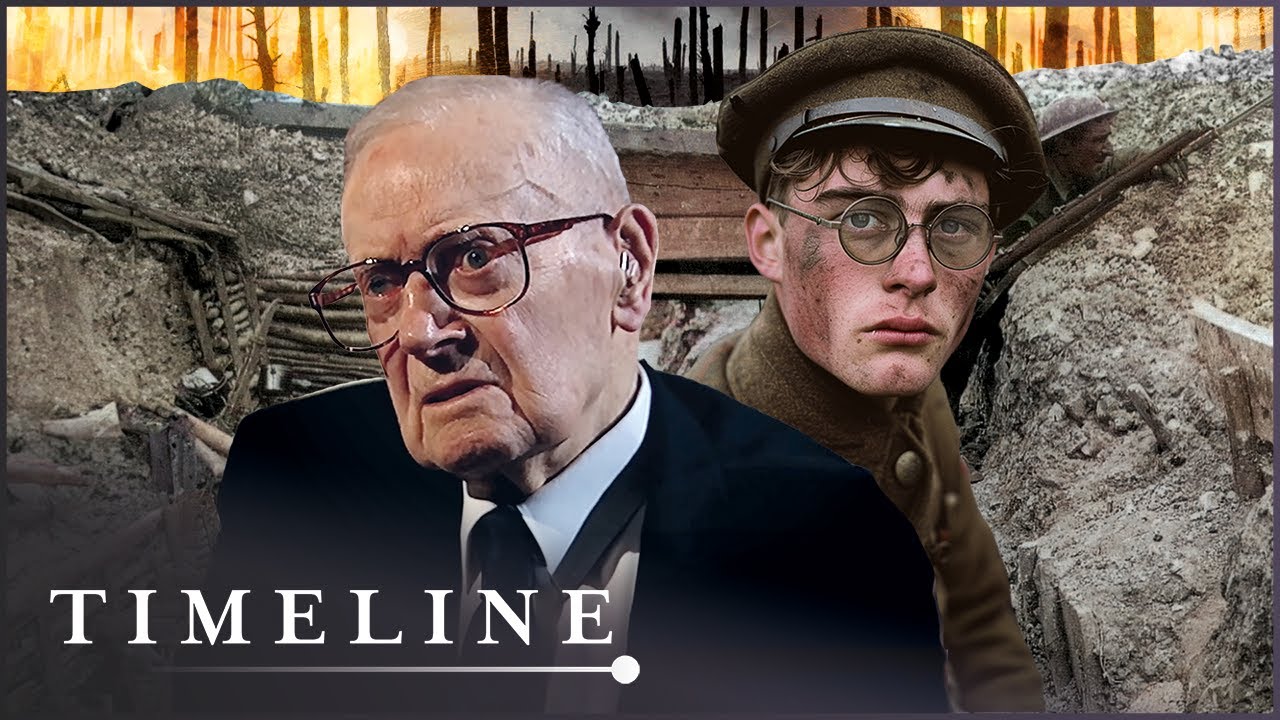
Over 750,000 British men died in World War I, with many soldiers recalling the brutal conditions they faced on the front lines in 1917 and 1918.
Combat trauma, from the 'shell shock' experienced by World War I soldiers to contemporary PTSD, highlights the ongoing challenges in understanding and treating mental health in veterans.
A bomb blast during World War I killed two cousins, Henry and Walter Whiting, who were buried side by side in a nearby cemetery.
The Zimmermann Telegram, an intercepted German message during World War I, played a crucial role in shaping Britain's military strategy and its alliance with America.
Peter Greste investigates the legacy of General John Monash, a key figure in the Great War.
The sinking of the Titanic is examined through expert insights and 3D imagery, addressing key questions about its construction, safety failures, and Captain Smith's leadership.
Alvin York, a pacifist farmer from Tennessee, becomes a hero in the First World War.
In 1918, Germany launched the Kaiserschlacht offensive on the Western Front, aiming for a decisive victory before American forces could impact the war.
The Gallipoli Campaign of 1915, orchestrated by Winston Churchill, resulted in a catastrophic defeat for Allied forces, with significant casualties and no strategic advantage.
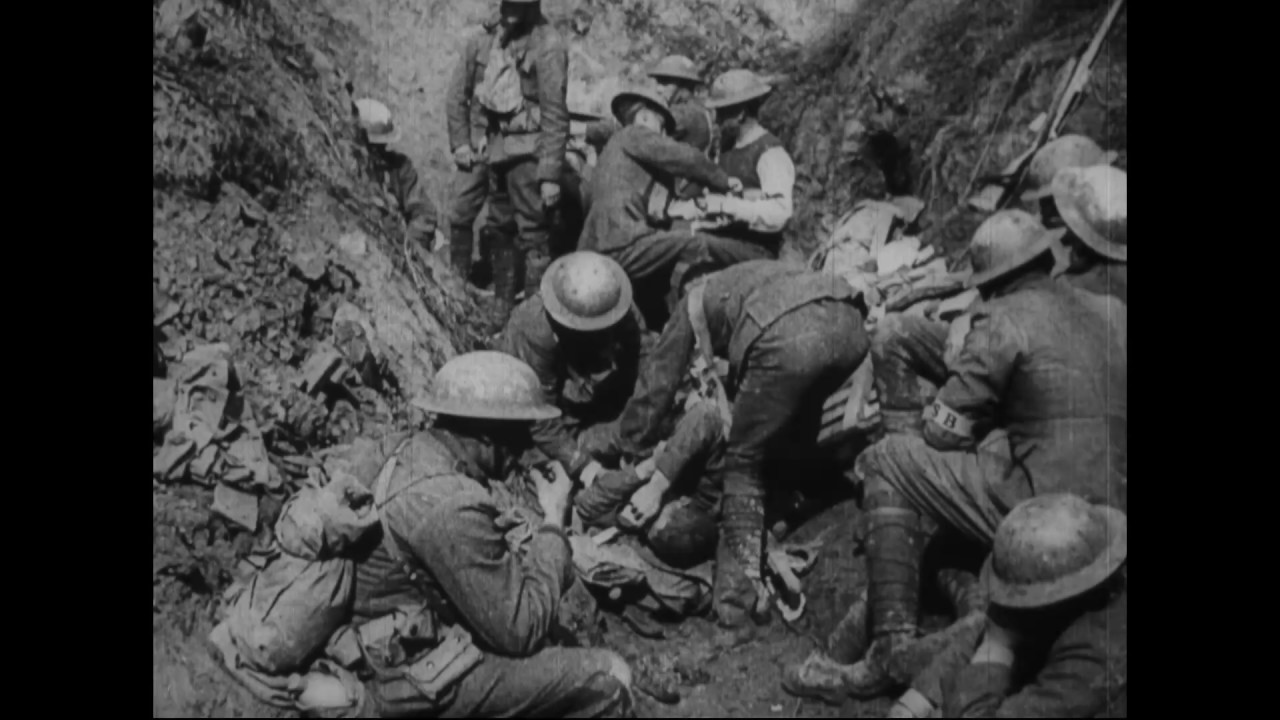
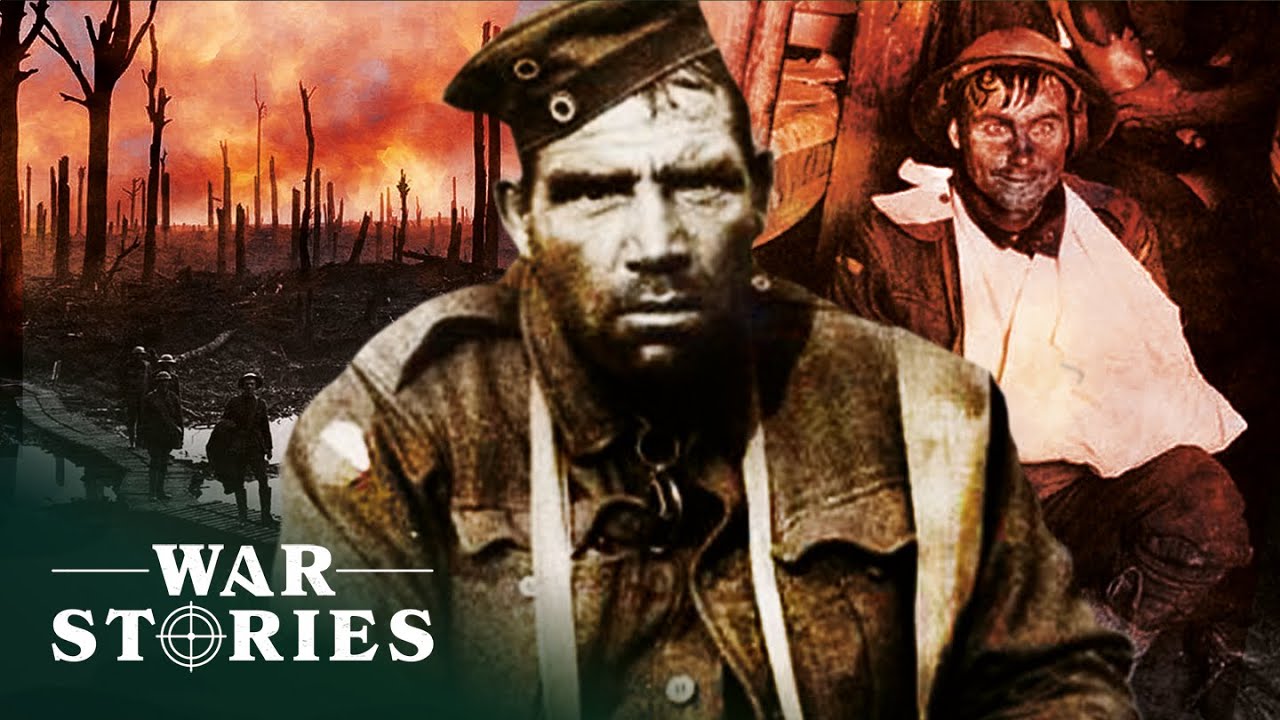
Life in the trenches of the Western Front during World War I was marked by constant fear of death, squalid living conditions, and severe psychological torment.
In 1918, Allied forces, including the ANZACs, faced fierce resistance while attempting to breach the heavily fortified Hindenburg Line during World War I.
A 2,500-year-old village emerges from the mud in Dumfries and Galloway, revealing preserved wood and artifacts from Britain's Iron Age.
The Battle of the Somme in 1916 exemplified catastrophic military strategy, resulting in immense casualties for Kitchener's Army and shaping the Western Front's dynamics.
In December 1914, soldiers on both sides of World War I utilized modernized mining techniques to breach enemy fortifications after months of stalemate.
The Gallipoli campaign, initiated by Winston Churchill in 1915, aimed to break the stalemate on the Western Front during World War I but ultimately failed to achieve its objectives.
Louis Blériot's 1909 flight across the English Channel highlighted Britain's air vulnerability, leading to the establishment of the Royal Air Force in 1918.
The Allied invasion of Normandy on June 6, 1944, shifts the tide of World War II dramatically.
By the end of the Great War, the Canadian Army Medical Corps included 3,141 nursing sisters, with five out of six serving on active duty overseas.
Veterans Rudy Reyes and Ronnie Adkins analyze battlefield mysteries in this episode.
500 years of Turkish control over the Dardanelles ended with the disastrous Allied campaign at Gallipoli, which lasted from March 18, 1915, to January 9, 1916.
On June 16, 1940, Philippe Pétain became Prime Minister of France and quickly organized surrender terms with Nazi Germany, leading to his later trial for treason.
70 Victoria Cross medals are displayed at the Australian War Memorial, honoring the bravery of soldiers like Captain Alfred Shout from the Gallipoli campaign.
A $32 million project, the new World War I Gallery at the Australian War Memorial aims to honor the sacrifices made during the conflict.
Iconic aerial combat from historical conflicts is showcased, highlighting the strategic importance of air superiority and the bravery of pilots throughout history.
World War I transformed civilian life in Britain, as the home front became integral to the war effort, impacting recruitment, women's roles, and daily existence.
Pope Pius XII's controversial papacy during World War II is examined through newly accessible Vatican documents, raising questions about his silence on the Holocaust.
General John J. Pershing is seen in France alongside American troops engaging in various military activities during World War I, including training and combat operations.
Anzac Forces landed at Gallipoli on April 25, 1915, marking the beginning of a devastating eight-month campaign that shaped national identities in Australia and New Zealand.
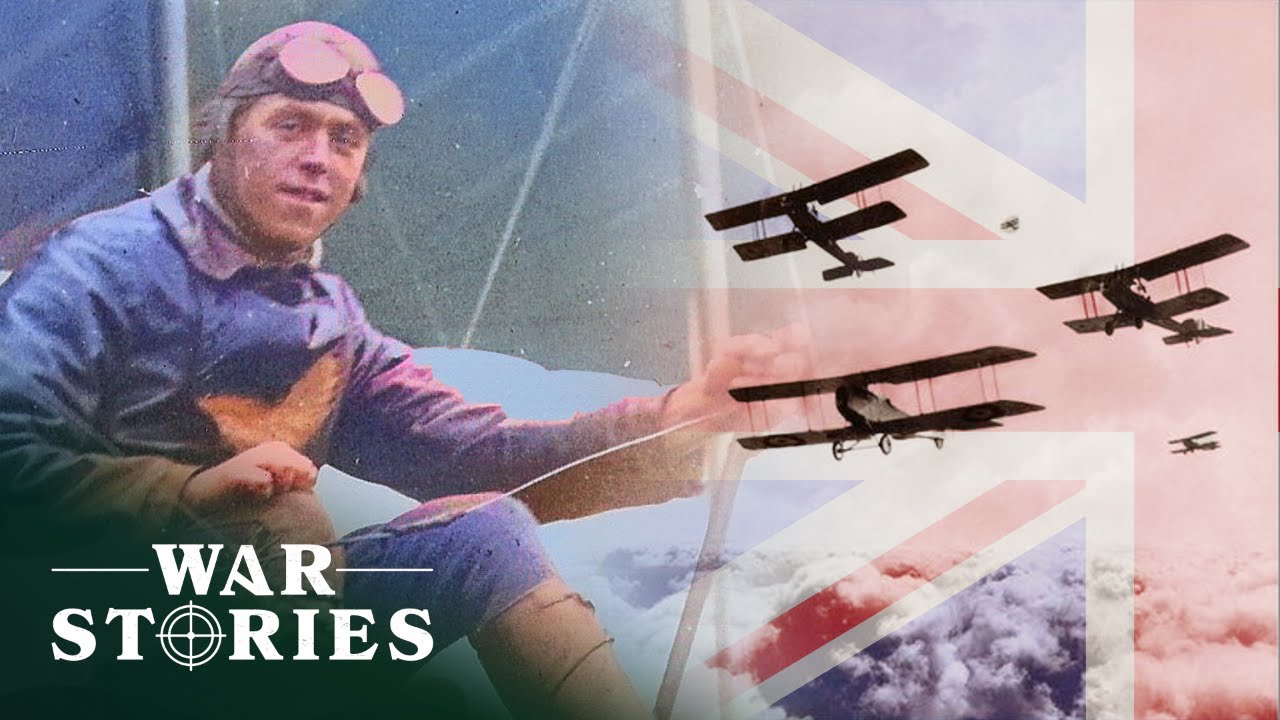
The series begins before the First World War, detailing aviation's evolution into a military weapon.
The Soca River region in Slovenia reveals the lasting impacts of World War I, showcasing how historical events continue to shape the landscape and community today.
The RAF's bombers target Berlin, marking the first direct attacks on British civilians in history.
Over 785 Zulu bodies were collected around the British camp after a battle in January 1879, marking a turning point in the Zulu Wars.
In Dorset, Professor Alice Roberts and Dr. Nisha Mweeni examine an 8,000-year-old Mesolithic timber platform and other significant archaeological finds across southern Britain.
On November 8, 1918, German, British, and French delegates negotiated the armistice in a railway carriage, setting the stage for future conflicts.
A landing craft designed by Andrew Higgins could deliver 36 fully equipped soldiers onto unprepared beaches, revolutionizing military transport during World War II.
20 million people died in World War I, leaving behind personal imprints, including the iconic poem "In Flanders Fields" by Canadian doctor John McCrae.
In 1914, as World War I erupted in Europe, most Americans remained indifferent, focused on their own prosperity and the perceived insignificance of the conflict.
Trench warfare on Germany's fronts is depicted alongside key events such as Kaiser Wilhelm II inspecting troops and the Lusitania's departure from New York.
World War I is depicted through German films, U.S. military activities, and key events such as the Meuse-Argonne campaign and the Armistice celebration.
The Royal 22e Régiment, formed in 1914, is the only French-speaking Canadian battalion that served in the First World War and continues to operate today.
Tens of thousands gather at St. Peter's Basilica on May 16, 1920, to celebrate Joan of Arc's canonization nearly 500 years after her death.
German military operations during World War I are depicted through silent footage, showcasing troop movements, artillery, and interactions with prisoners across various fronts.
British troops, including the Royal Sussex and Indian cavalry, advance and engage German forces during the Battle of Arras in 1918, showcasing military operations and logistics.
In February 1915, British tunnelling companies initiated mine warfare at Hill 60, leading to the largest man-made explosion during the Battle of Messines.
The series highlights pivotal tank battles throughout history, including the Battle of Stalingrad and the Korea Tank Battles, featuring figures like Tank Ace Ludwig Bauer.
Chemical warfare is acknowledged to have started during the Peloponnesian Wars, where a log filled with pitch and sulfur was used to break a siege.
British and Australian troops prepare for and engage in combat during World War I, showcasing supply operations, artillery fire, and troop movements.
U.S. troops of the 339th Infantry participated in the Allied intervention in Northern Russia from 1918 to 1919, engaging in various military and humanitarian activities.