From over 100,000 films, discover the handful you'll love.
Free or premium access to the world's largest documentary library.
11233 films(Page 32 of 235)
East Germany served as a pivotal location for Western intelligence during the Cold War, particularly in the 1980s amid heightened tensions and espionage activities.
Notre-Dame Cathedral, built in 1163 under Bishop Maurice de Sully, reflects Paris' medieval history and significance before the 2019 fire.
In November 1862, 1,700 noncombatant Dakota, primarily women, children, and elders, were forcibly marched 150 miles to a concentration camp below Fort Snelling.
Megalithic stone structures from ancient Egypt and other locations are examined through historical context, controversies, and theories in this Ancient Aliens compilation!
Time travel was first proposed by Albert Einstein in 1905, raising questions about the possibility of humans visiting the past or future.
The deciphering of the ancient Linear A script, associated with King Minos of Crete, reveals insights into Minoan civilization and its historical significance.
Oak Island, off the coast of Nova Scotia, is the focus of ongoing investigations by brothers Marty and Rick Lagina as they search for buried treasure and hidden clues.
In summer 1944, as Hitler's army retreats, the Allied Forces launch a massive offensive against Germany, revealing the harsh realities of the final battles through rare archive footage.
A German division of 250,000 soldiers advanced on Stalingrad in 1942, facing heavy bombardments and fierce urban combat.
In 1692, over 200 citizens were accused of witchcraft in Salem, where night shift workers recount their eerie experiences in a historic hotel.
Modern science reveals how environmental forces shaped human history from the Bronze Age through the fall of Rome, highlighting ancient civilizations' complexities.
In 1936, the Wehrmacht's invasion of the Rhineland marked a clear violation of the Treaty of Versailles and signaled Germany's growing military ambitions.
Civilians adapt to food shortages during WWII, ensuring troops have enough to fight.
Oak Island's ongoing treasure hunt by brothers Marty and Rick Lagina intensifies as new drilling and digging efforts reveal significant clues.
In 407 AD, the last Roman troops left Britain, but archaeologist Francis Pryor argues that this period was not one of chaos but of cultural continuity.
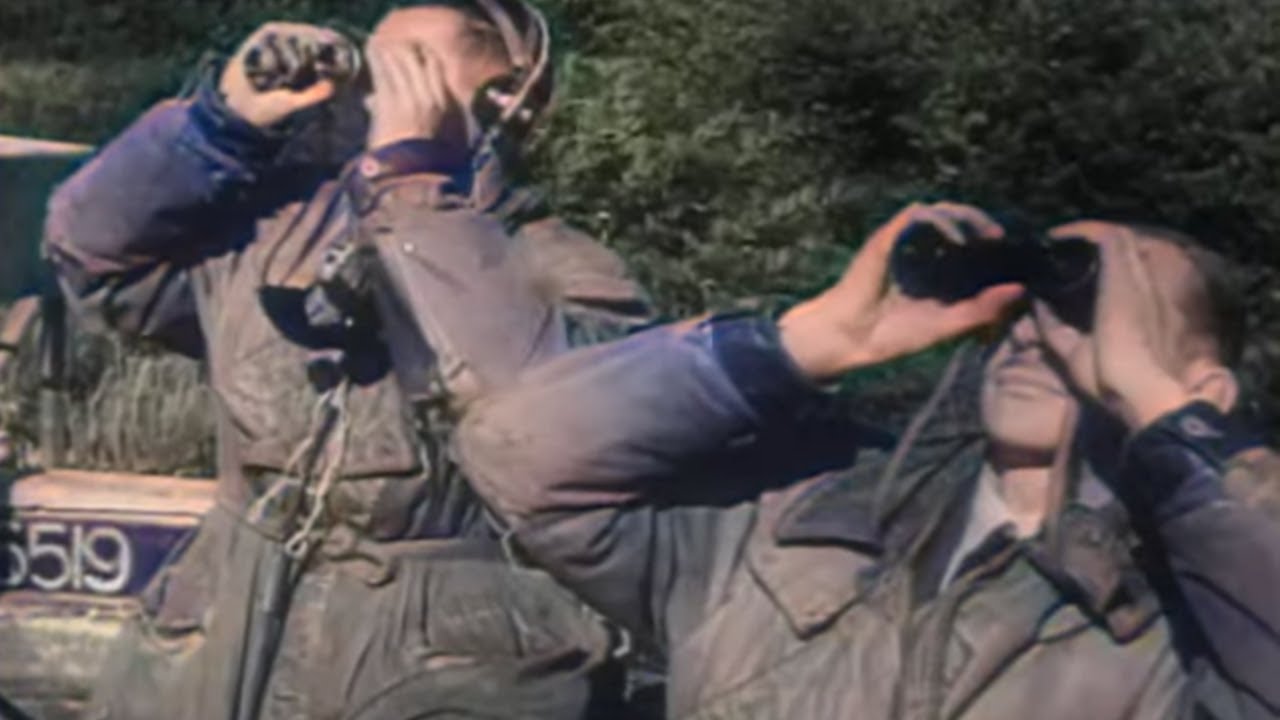
Rare color footage filmed by American military cameramen, including George Stevens, captures the Allied advance into Germany during the final months of World War II.
A two-ton linotype machine stands seven feet tall, revolutionizing typesetting by allowing operators to compose type quickly from a keyboard.
Eagle Warriors served as elite shock troops in the Aztec Empire, renowned for their ruthless tactics and role in capturing enemies for human sacrifice.
The Suez Canal, originally constructed in 1859, is undergoing a major expansion project aimed at doubling its width and deepening its main waterway.
Queen Victoria wrote extensively in her journals, documenting her thoughts on state matters, family, and personal relationships throughout her life.
Heinrich Himmler and the Nazi high command sought the origins of the Aryan race, believing it linked to Atlantis and leading them to Tibet.
More than 300,000 Soviet soldiers died during the battle for Berlin, which marked the end of the Third Reich in May 1945.
Hitler's early World War II successes are examined through his invasions of Poland, the implementation of Blitzkrieg tactics, and the challenges of Operation Barbarossa.
Charlotte von Preußen traveled 1,500 kilometers from Berlin to Saint Petersburg in 1817, marking the beginning of a lineage of German Tsarinas in Russia.
110 West African captives were smuggled into Alabama aboard the Clotilda, the last documented illegal slave ship to reach the United States.
On September 27, 1940, Japan signed the tripartite pact with Germany and Italy, marking a significant escalation in the global conflict of World War II.
Vidkun Quisling's collaboration with Nazi Germany during World War II led to his execution by the Norwegian people, cementing his legacy as a symbol of treachery.
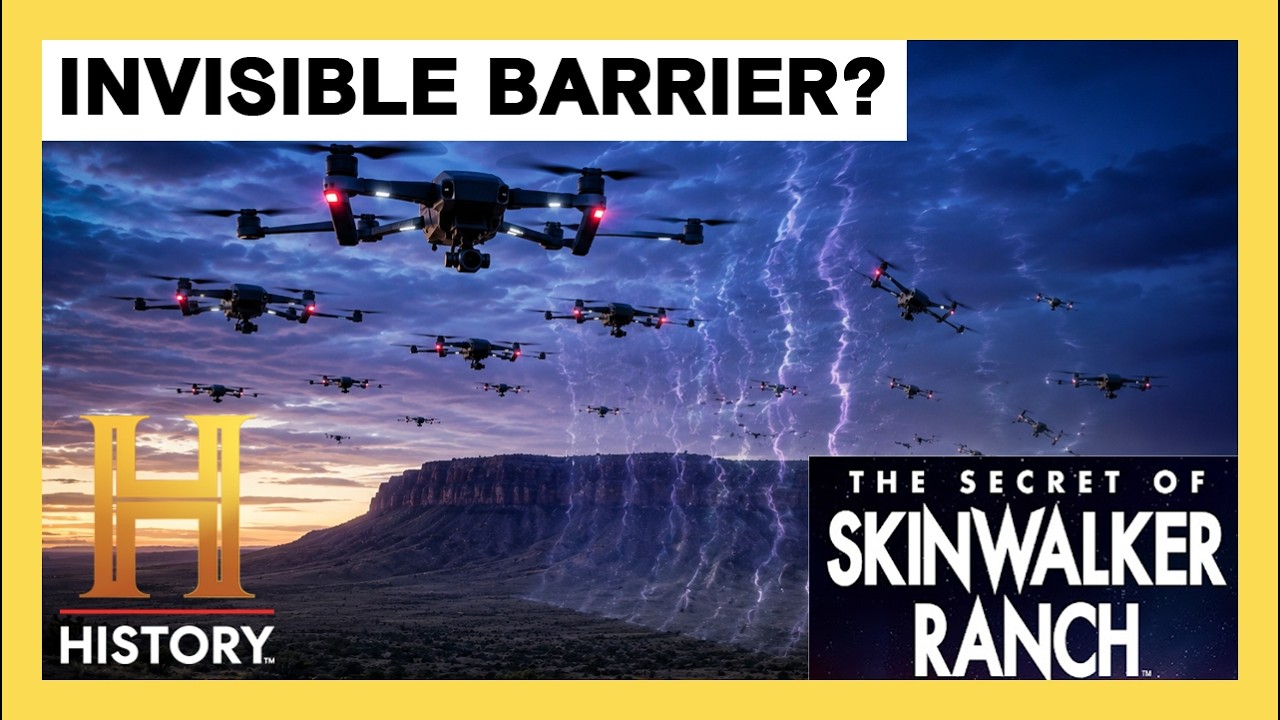
In Utah's Uinta Basin, a team conducts a drone experiment to map a mysterious atmospheric anomaly and investigate its elusive boundary.
By the end of July 1945, B-29 bombers had conducted missions that nearly obliterated Japan's ability to wage war, paving the way for the atomic bomb.
An estimated 6 million Jews were exterminated in Nazi camps, a grim reality that began to surface for the Allies in the summer of 1944.
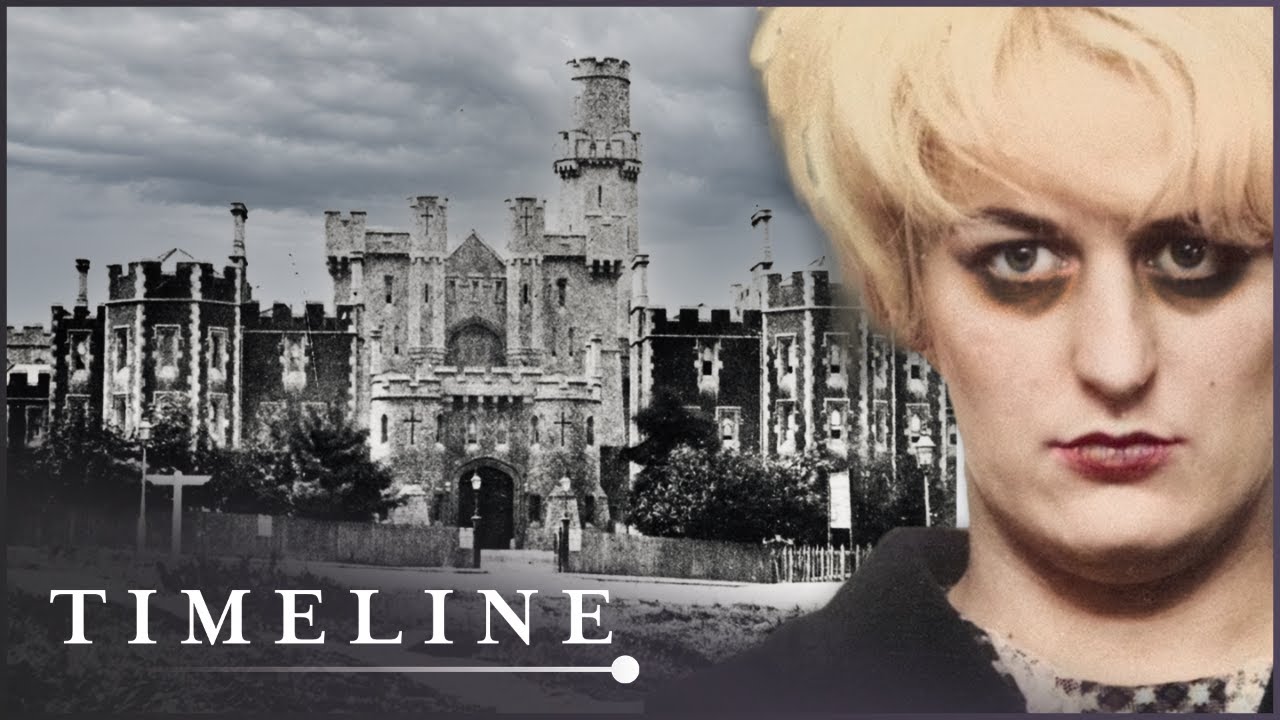
Holloway prison highlights Ruth Ellis, Diana Mitford, and Edwardian baby-killers in British history.
200 years of conflict marked the Crusades, during which the Knights Templar rose to power and faced accusations that led to their dramatic downfall.
The Maya calendar, which captivated global attention in 2012, is examined for its historical significance and potential deeper meanings.
Masterworks allows investment in art by purchasing shares in works by Picasso, Banksy, and Warhol.
Post-war America saw a rise in serial killings, featuring notorious figures like Henry Lee Lucas, Ed Kemper, and Ted Bundy, amid a lack of advanced forensic technology.
Ancient myths and sacred texts are examined for their connections to extraterrestrial visitors, suggesting a link between ancient gods and alien encounters.
Around 1,500 fires erupted in London during the Blitz, forcing firefighters to battle flames for over 15 hours amid the destruction.
Over 2 million British and Commonwealth soldiers were wounded during World War I, with many relying on stretcher bearers and nurses for survival.
In December 1941, the Japanese attack on Pearl Harbor propels the United States into World War II, leading to significant battles in the Pacific and the internment of Japanese Americans.
In Flag Fen, Time Team investigates a Bronze Age trackway and potential burial site, revealing its significance to ancient peoples in the region.
Women filled roles in factories, airfields, and radar stations across Britain, ensuring the country did not come to a standstill during World War II.
Genghis Khan's legacy as a brutal conqueror is examined alongside his strategic brilliance and the vast expansion of the Mongol Empire in the 13th century.
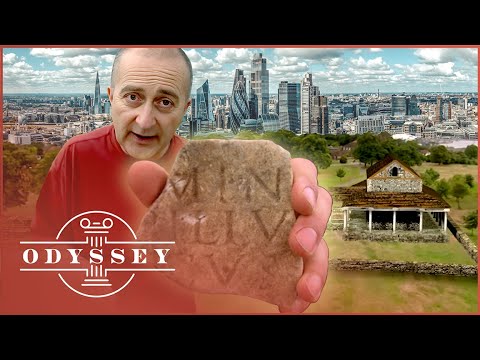
In Greenwich Park, Time Team excavates a rare Roman site that reshapes understanding of Roman Britain's structure and operations.
Pearl Harbor's surprise attack in 1941 marked the beginning of the Pacific Theater in World War II, leading to pivotal battles and the eventual use of atomic bombs.
American soldiers in the Vietnam War faced moral dilemmas and public opposition while navigating the complexities of a conflict they often did not understand.
Pompeii, an ancient Roman town, is explored through the daily lives of its citizens before the catastrophic eruption of Mount Vesuvius in 79 AD.
On April 15, 1900, a World's Fair opened in Paris, drawing 51 million visitors over seven months and featuring the first electric subway line.
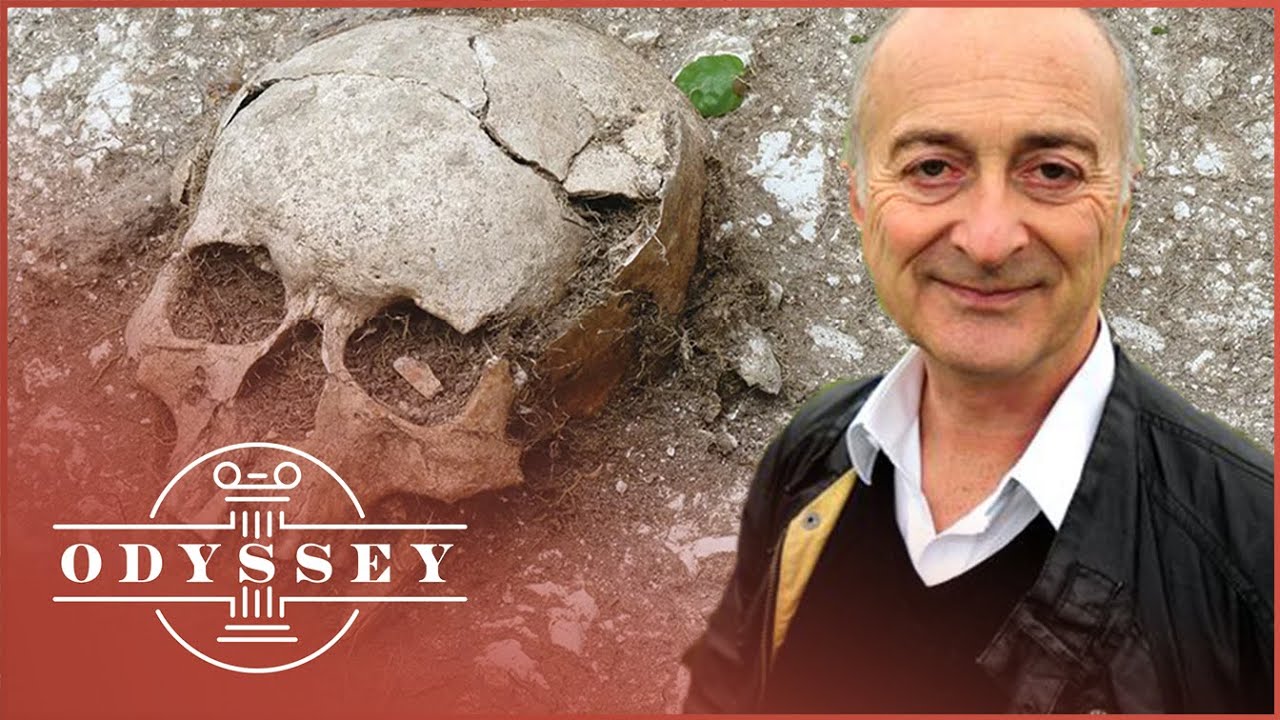
In a cave in Derbyshire, cavers have found several skeletons, including newborns, dating back to the Stone Age, along with artifacts from the Iron Age and Roman period.