From over 100,000 films, discover the handful you'll love.
Free or premium access to the world's largest documentary library.
11233 films(Page 4 of 235)
More than 2,400 U.S. soldiers died during the Japanese attack on Pearl Harbor, which marked the start of the Pacific War in December 1941.
1,200 kilometers of the M56 road connect Neryungri to Yakutsk, facing extreme weather and dangerous conditions that challenge every traveler.
Approximately 1.5 million people have been killed in Afghanistan over the past 20 years, with around 4 million fleeing the ongoing violence.
Blickling Hall in Norwich is renowned for the legend of Anne Boleyn's ghost, who is said to appear on the anniversary of her execution, accompanied by a headless horseman.
Written records of human history span only the last 2% of our species' existence, raising questions about the many lost cultures and civilizations.
Four flights and over 28 hours of travel lead Albert Lin to Micronesia, where he investigates the ancient city of Nan Madol built by the Sou Dynasty.
Eight diaries reveal the thoughts and experiences of individuals living under Nazi rule, from fervent supporters to those fearing persecution.
A military officer requested the smallest hermetically sealed casket available for bodies exposed to the elements during a phone call in 1947.
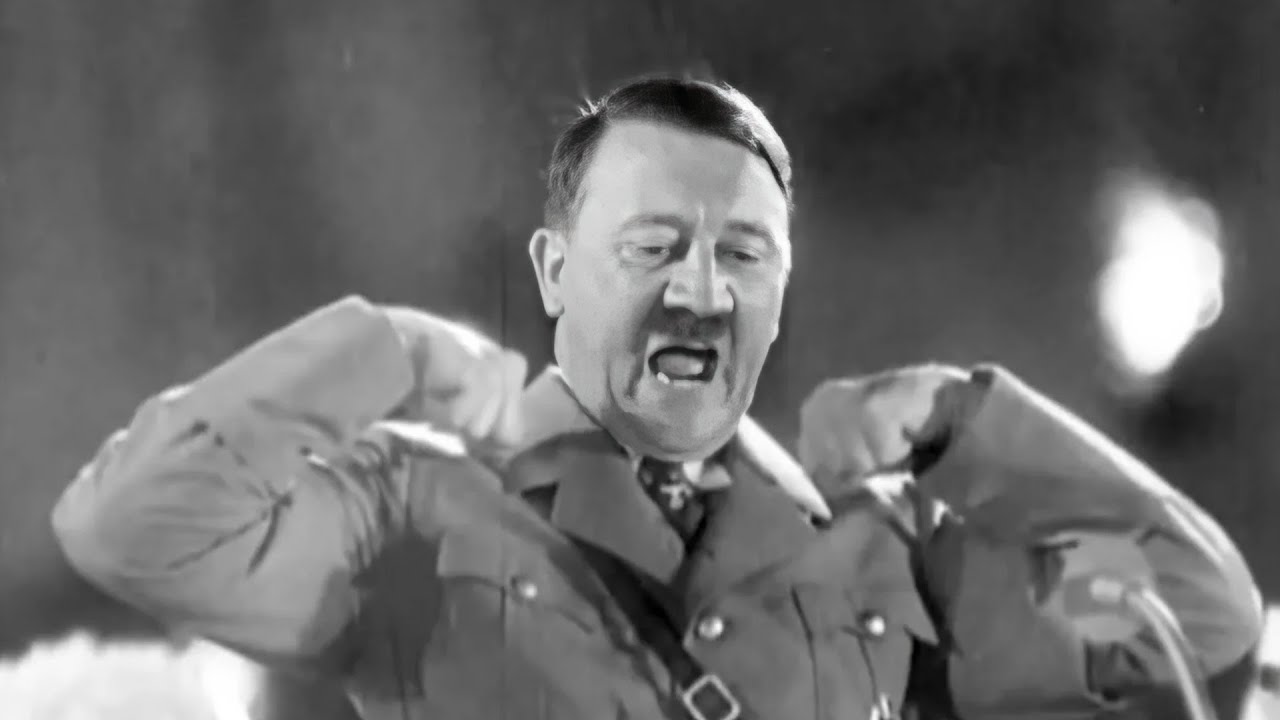
Adolf Hitler's suicide in his Berlin bunker on April 30, 1945, prompts a secret investigation into the identity of his remains after they are burned.
Two mysterious sarcophagi found beneath Notre Dame after the 2019 fire prompt archaeologists and historians to investigate their origins and significance.
Over a billion Muslims pray five times a day towards Mecca, but new research suggests they may have been misled about the true origins of their faith.
In Wilmington, North Carolina, a violent coup in 1898 led by white supremacists resulted in the overthrow of the democratically-elected government and the massacre of Black residents.
The global population increased from three million to 100 million over 8,000 years as humans transitioned from nomadic life to settled societies.
Queen Elizabeth II sent over 100,000 telegrams to centenarians across the Commonwealth during her 63 years and 216 days on the throne.
12.5 million copies of Mein Kampf were published before 1944, making it one of the best-selling political books in history.
In Trentino-Alto Adige, Italy's northernmost region, Stanley Tucci explores the cultural blend of German and Italian influences through its language and cuisine.
More than 300 journalists have been killed in Iraq since the invasion, marking the deadliest conflict for reporters in history.
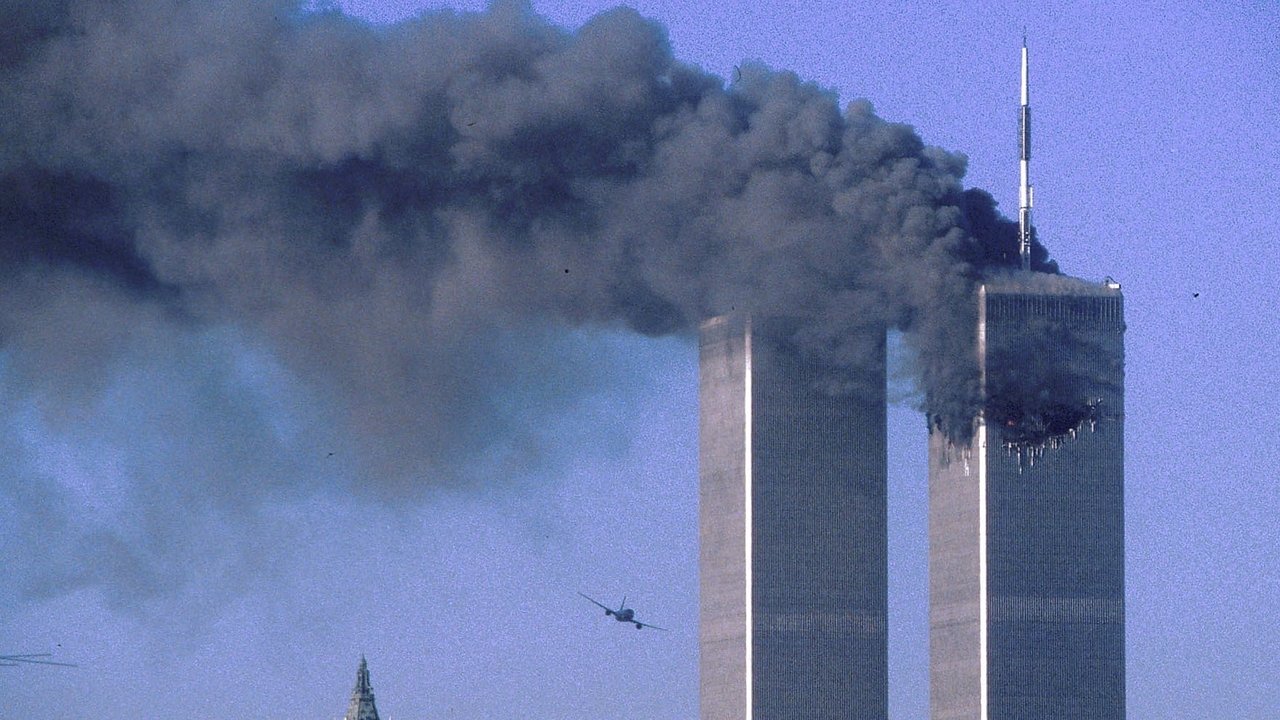
Chilling radio transmissions between hijacked planes and control towers reveal the fear and confusion experienced by passengers on September 11, 2001.
William Marshal, known as 'The Perfect Knight,' played a crucial role in the English monarchy during the medieval period, marked by his rise to power and notable contributions.
44 Jewish children were arrested and deported under the orders of Klaus Barbie, a former Gestapo chief, before he was captured and sentenced to life imprisonment.
Nefertiti's bust, over 3,000 years old, was discovered in 1912 by German archaeologist Ludwig Borchardt and has been a source of controversy regarding its authenticity.
Significant archaeological findings in Northern Britain reveal a 5,000-year-old ritualistic center at the Ness of Brodgar, alongside a Roman fort and Viking burial.
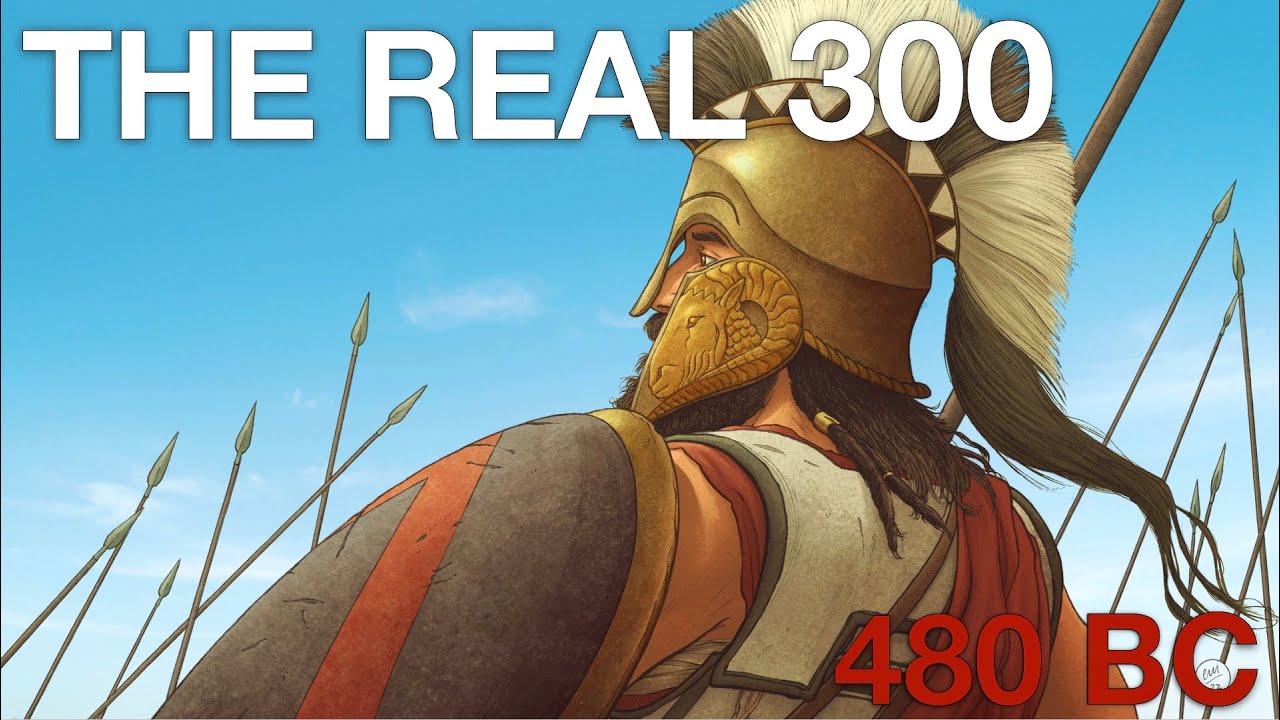
In 480 BC, a group of Persian outriders encountered a strange sight at Themopoly, where Greek soldiers appeared undeterred by their approach.
The Celts, an ancient civilization known for their mastery of iron and semi-nomadic lifestyle, left a lasting linguistic legacy in Scotland, Ireland, Wales, and Brittany.
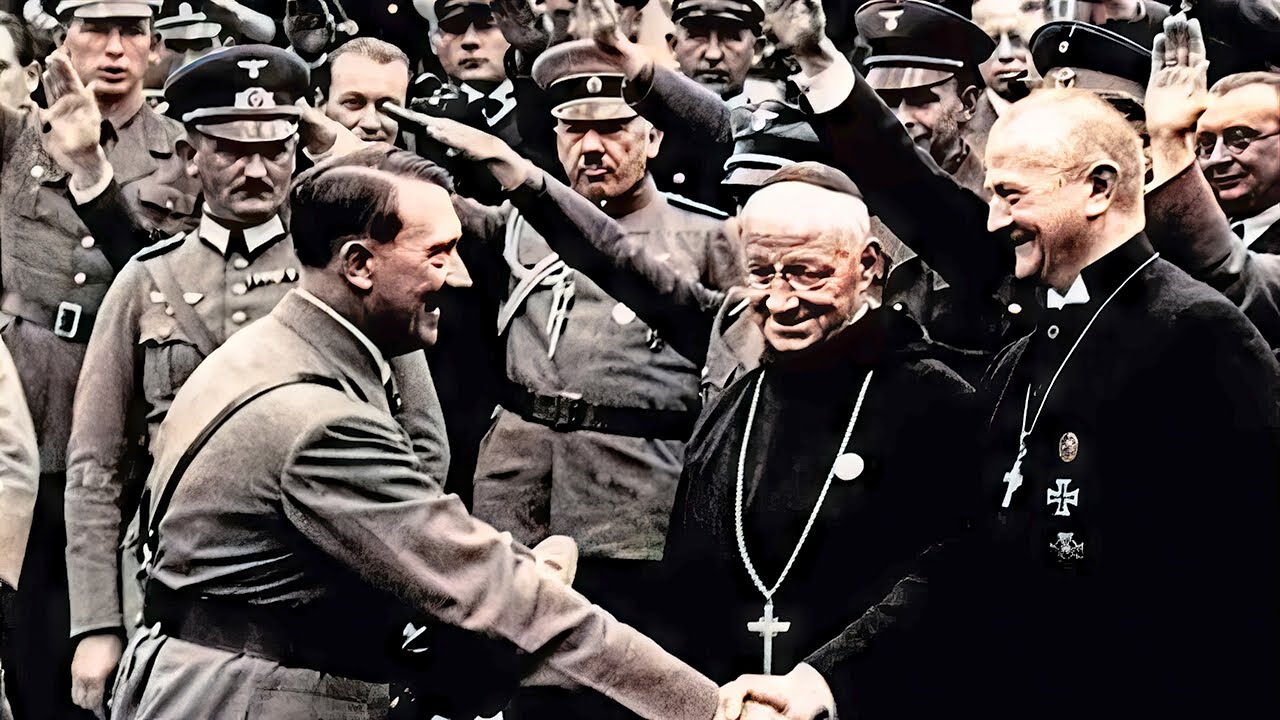
Pope Pius XII remains silent as Hitler secretly exterminates Jews in Europe during WWII.
Caligula was assassinated on January 22, 41 AD, after just four years in power, leaving behind a legacy marked by rumors of tyranny and excess.
Seven million men became unemployed in Germany during the Great Depression, paving the way for the National Socialist Party's rise to power.
Ten people, including Jennet Device's family members, were executed during the Pendle witch trial in 1612, driven by fear and accusations of witchcraft.
In June 1967, Israel achieved a rapid military victory against Egypt, Jordan, and Syria during the Six-Day War, significantly altering the geopolitical landscape of the Middle East.
The Great Pyramid of Giza stands over 140 meters tall and serves as the final resting place of King Kufu, symbolizing ancient Egypt's architectural achievements.
Around 1200 AD, Abd Al-Latif Al-Baghdadi traveled across the Sinai Desert to the Nile, documenting the ancient pyramids and local interactions.
Herbert Cukurs was responsible for the extermination of 30,000 Latvian Jews during World War II before living quietly in Brazil until his assassination in 1964.
Rain the color of blood fell from the skies during a climate catastrophe in 536 AD, leading to famine, plague, and the collapse of civilizations.
In 536 AD, a climate catastrophe caused by a volcanic eruption led to widespread famine and plague, marking it as one of the worst years in history.
April 1945 marks a staged Nazi victory celebration in New York City, imagining a world where Germany won World War II through advanced weaponry.
A DNA match confirmed the identity of the skeletal remains found in 2012 as belonging to King Richard III, the last English king to die in battle.
Vlad III, known as Vlad the Impaler, ruled Wallachia in the 15th century, employing brutal tactics to maintain power amid complex political dynamics with the Ottoman Empire.
Seven distinct kingdoms emerged in Britain during the fifth to seventh centuries as Germanic peoples replaced the Romano British and fought for control.
Nazi doctors like Josef Mengele conducted inhumane experiments on thousands at Auschwitz, aiming to sterilize 'inferior races' and enhance German fertility.
Marie Antoinette's reign as the last queen of France is examined alongside the political upheaval of the late 18th century and her execution in 1793.
Over 20 feet below the surface in Alexandria, archaeologist Pepi Papakosta discovers a marble statue believed to be of Alexander the Great.
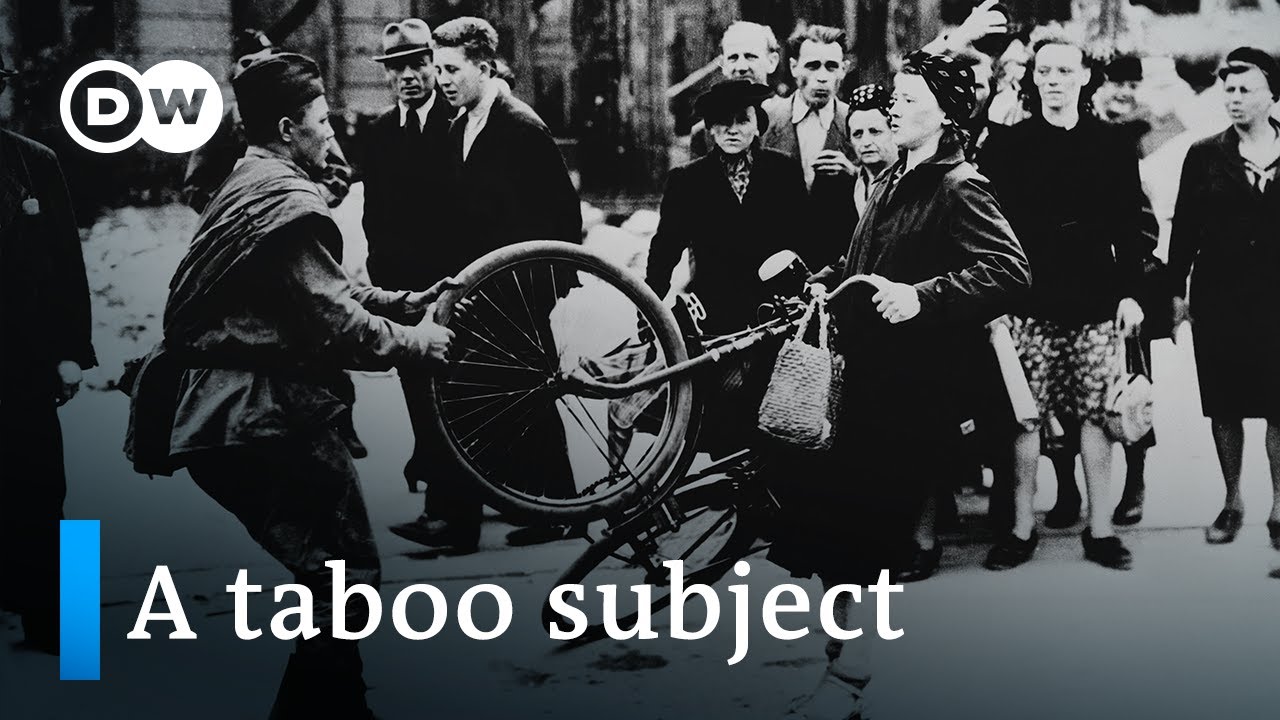
Close to 900,000 women in Germany were raped by Allied soldiers in the months following the end of World War Two in 1945.
Adolf Hitler's life was marked by significant personal struggles, including a genital deformity, drug addiction, and Parkinson's disease, as revealed through newly discovered archives.
Ötzi, found in 1991 on a 10,000-foot glacier near the Austria-Italy border, is the oldest and most complete human specimen ever discovered.
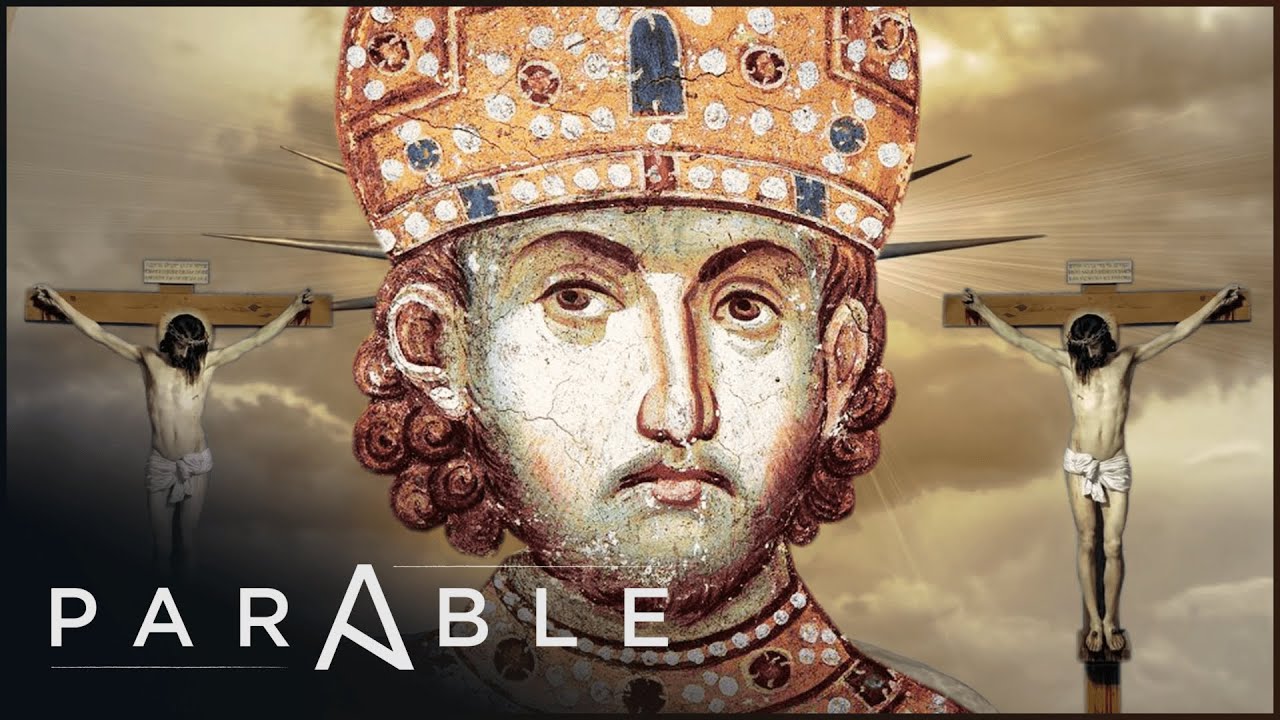
Constantine's conversion to Christianity in the 4th century prompts an examination of whether pagan traditions continued to influence Roman society.
Twelve electrical transformers, each weighing 150 tons, are transported from Chile to Bolivia by the Antonov An-225 in a series of flights over four weeks.
10,000 soldiers and officials could be housed in the massive forts built by Egyptian Pharaohs to protect their civilization and control trade.
Over 4 million German soldiers were deployed for Operation Barbarossa, the planned invasion of the Soviet Union in 1941.