From over 100,000 films, discover the handful you'll love.
Free or premium access to the world's largest documentary library.
11238 films(Page 175 of 235)
American servicemen celebrate Passover at Fort Belvoir, Virginia, while a rabbi conducts a training session for Jewish lay leaders in Vietnam.
The team returns to Oak Island in Season 13, Episode 1, uncovering lost historical evidence.
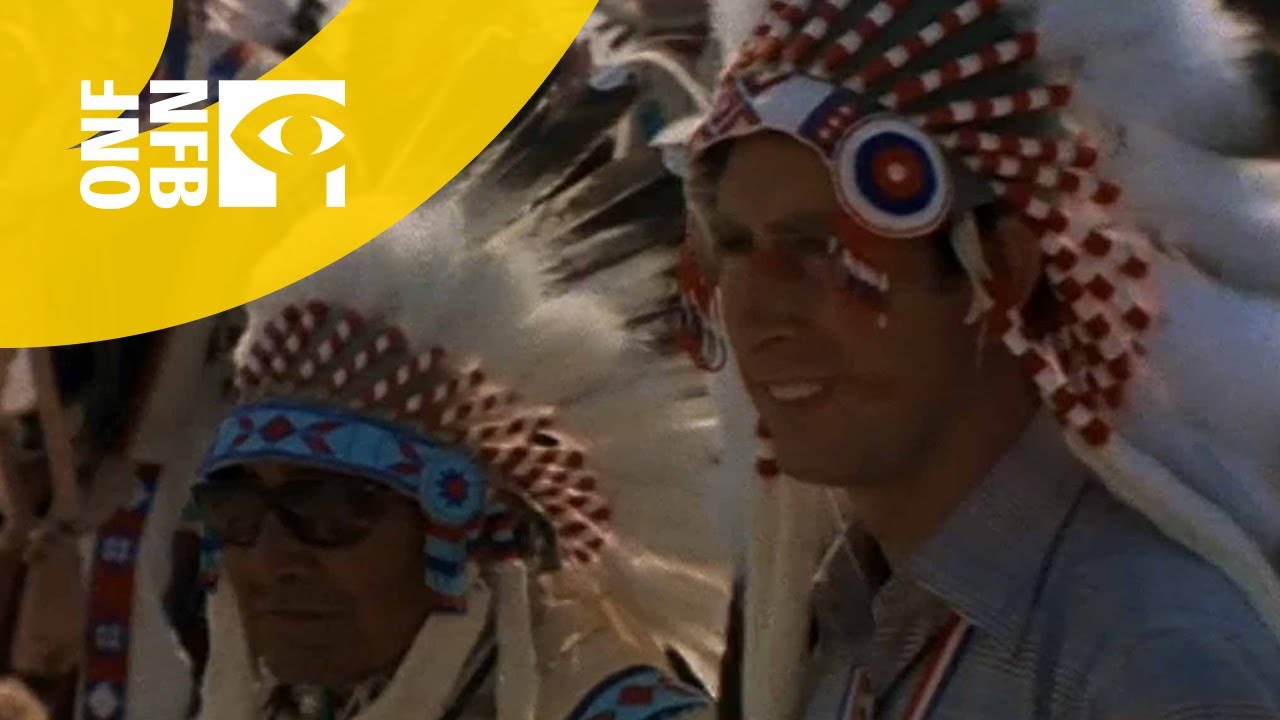
In July 1977, Prince Charles was inducted as an honorary chief of the Blood Tribe during a ceremony commemorating the 100th anniversary of Treaty 7.
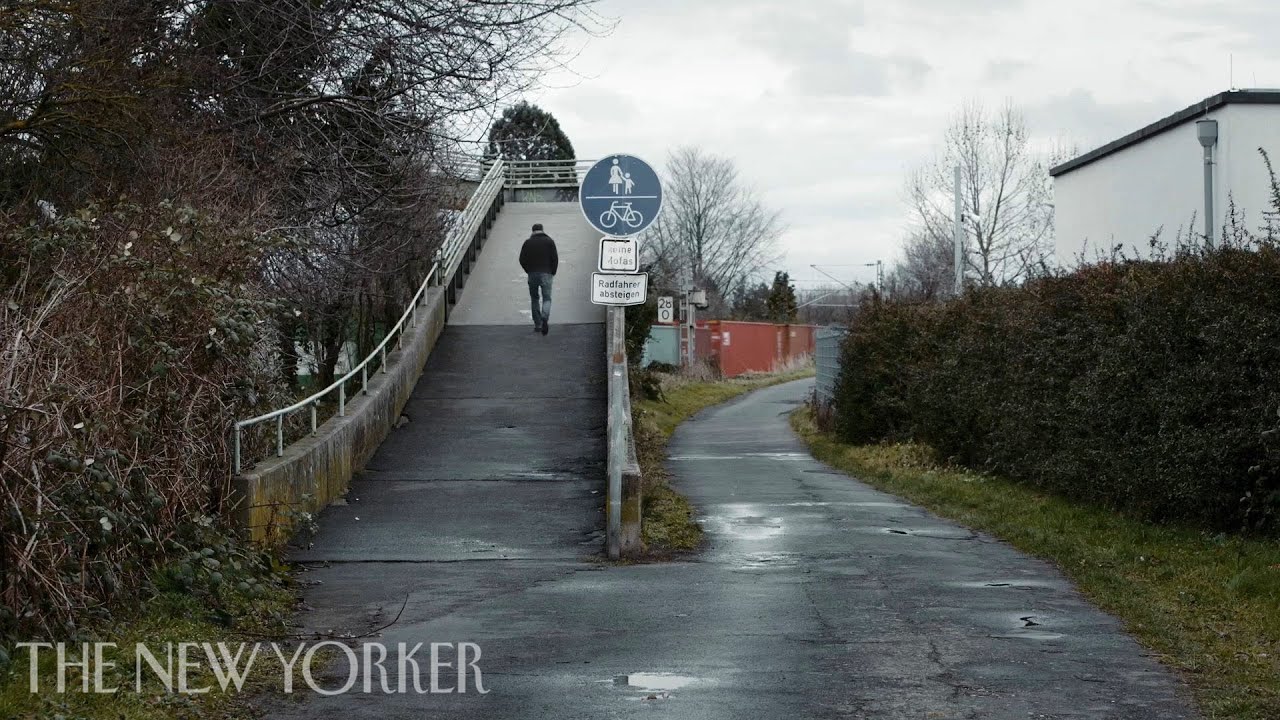
Saime-Genç-Ring Street in Germany, named after Saime, the youngest victim of a Neo-Nazi arson attack, reflects ongoing issues of racism and violence in the community.
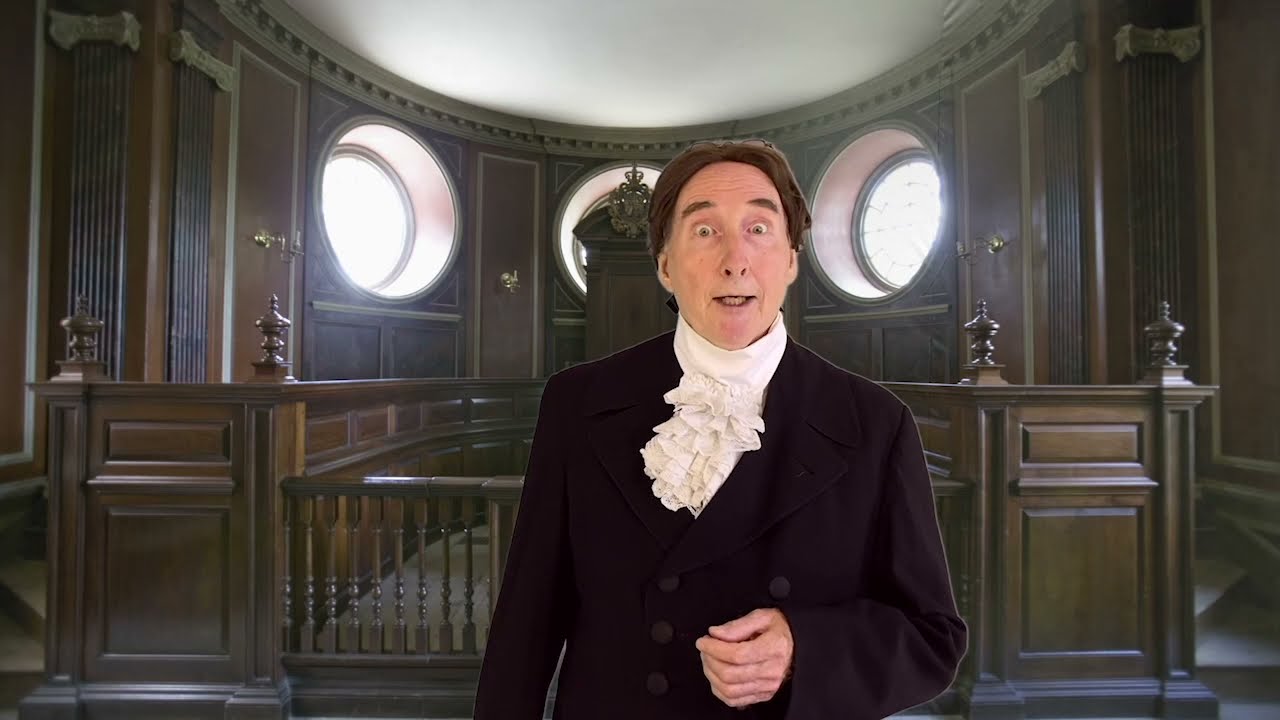
In 1769, at the age of 26, Thomas Jefferson begins his political career by being elected to the Virginia House of Burgesses.
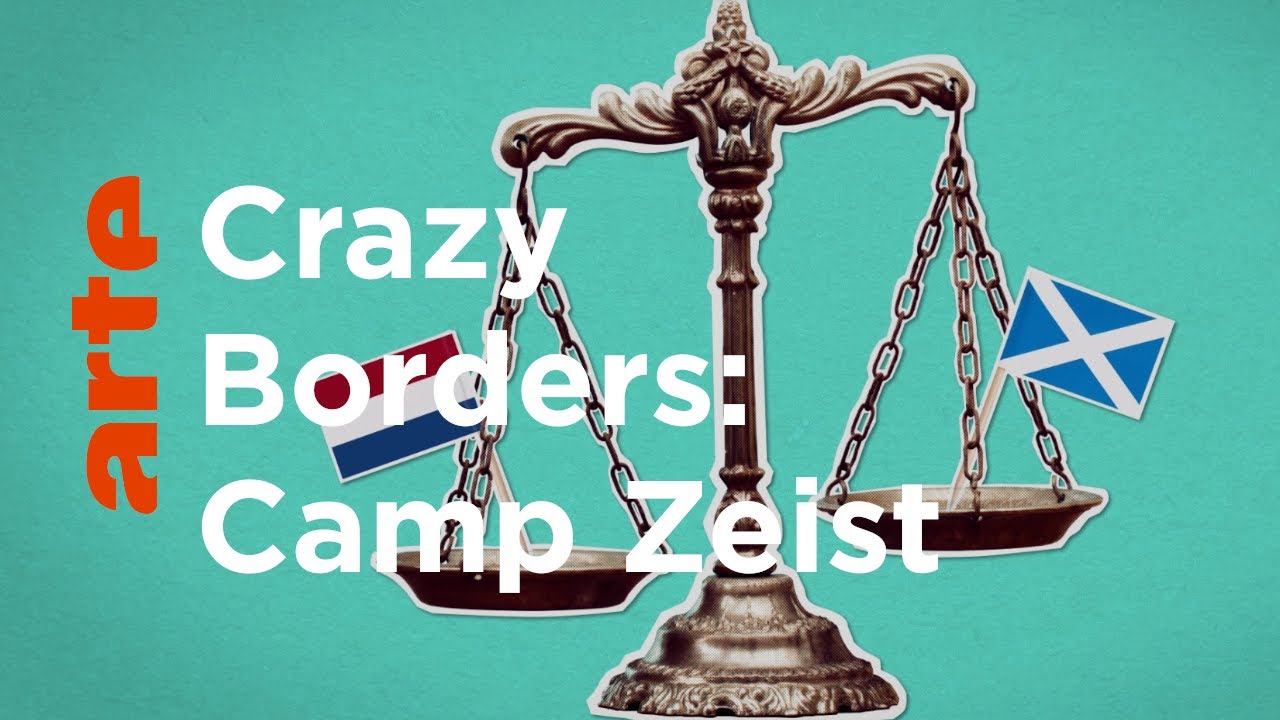
The trial of Abdelbaset al-Megrahi and Lamin Khalifah Fhimah for the 1988 Lockerbie bombing took place at Camp Zeist in the Netherlands, highlighting conflicting views on justice.
More than 20 million people attended the 1893 World's Fair in Chicago, where H.H. Holmes lured two victims into his hotel before they vanished.
Veterans Day ceremonies at Arlington National Cemetery on November 11, 1963, featured President John F. Kennedy placing a wreath on the Tomb of the Unknowns.
7,000 Muslim men and boys were killed in Srebrenica during the Bosnian War, a crime linked to General Ratko Mladić's military strategy.
Almost 5,000 citizens of Pondicherry, or about 10% of the population, chose to take French nationality at midnight on August 16, 1962.
A vote in the town of Pittsford results in approval for a hot lunch program for schoolchildren, aimed at improving their health and well-being.
50 years of newsreel footage are compiled to present a unique perspective on human experiences marked by power, grandeur, and chaos.
Four weeks after the Russian attack on Ukraine, Anna and Sascha flee their hometown of Chernihiv and find refuge in Berlin.
Miss Beazley, the Scottish terrier of President George W. Bush, celebrates the holiday season at the White House during Christmas 2005.
The Second Day of July 1776 is described as the most memorable moment in American history by Abigail Adams in a virtual presentation by the National Archives.
On April 19, 1775, the British army attacked the Massachusetts militia, prompting the need for a second Continental Congress to discuss independence.
Richard Henry Lee introduced the Lee Resolution on June 7, 1776, a key moment in the American struggle for independence.
Thomas Jefferson and the Committee of Five played crucial roles in drafting the Declaration of Independence, adopted in 1776, shaping American history.
Timothy Matlack inscribed the final engrossed version of the Declaration of Independence in 1776, correcting three mistakes in the 1,337-word document.
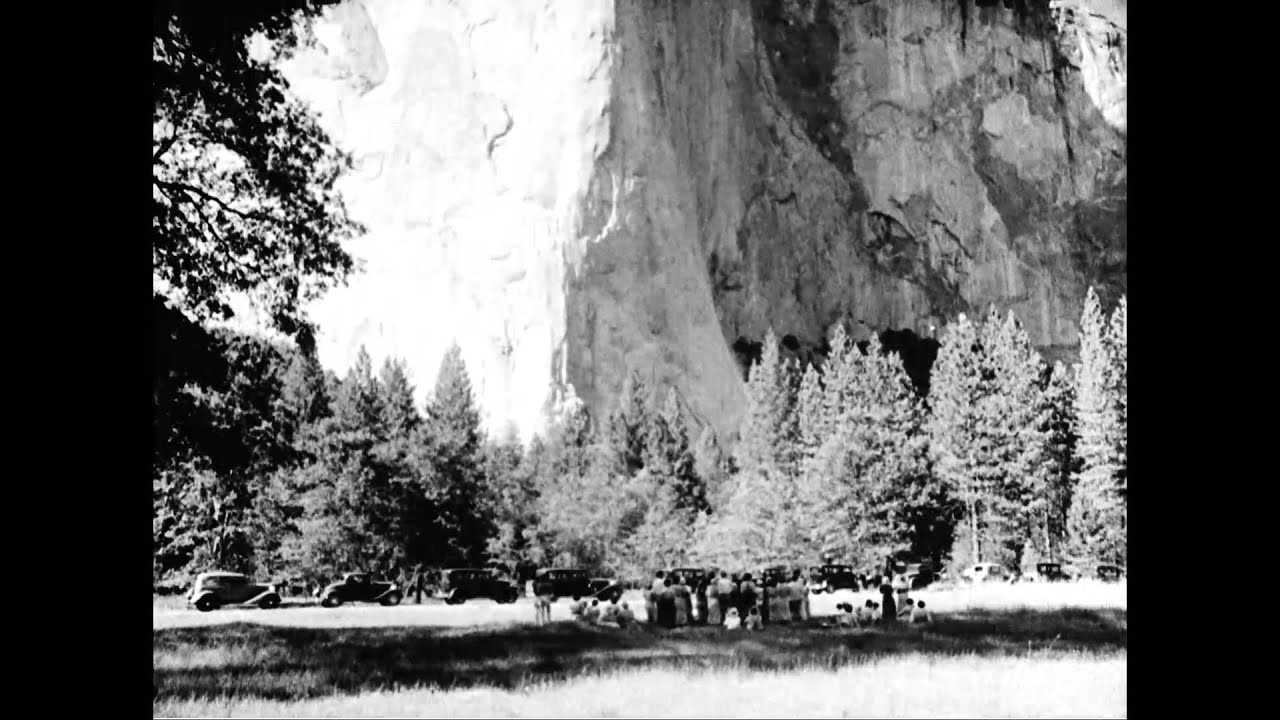
Yosemite National Park is showcased through its iconic landscapes, including Yosemite Falls, El Capitan, and Mirror Lake, while tourists engage in recreational activities.
In remote Siberia, the geological history shaped by one of Earth's largest volcanic eruptions reveals the impact of natural disasters on the planet's landscape.
A character in George Packer's play faces threats from militias and struggles to escape Iraq, stating, "nowhere to run, nowhere to hide."
A population of 240,000 lives in Abkhazia, a region that declared independence from Georgia after a civil war that killed nearly 30,000 people.
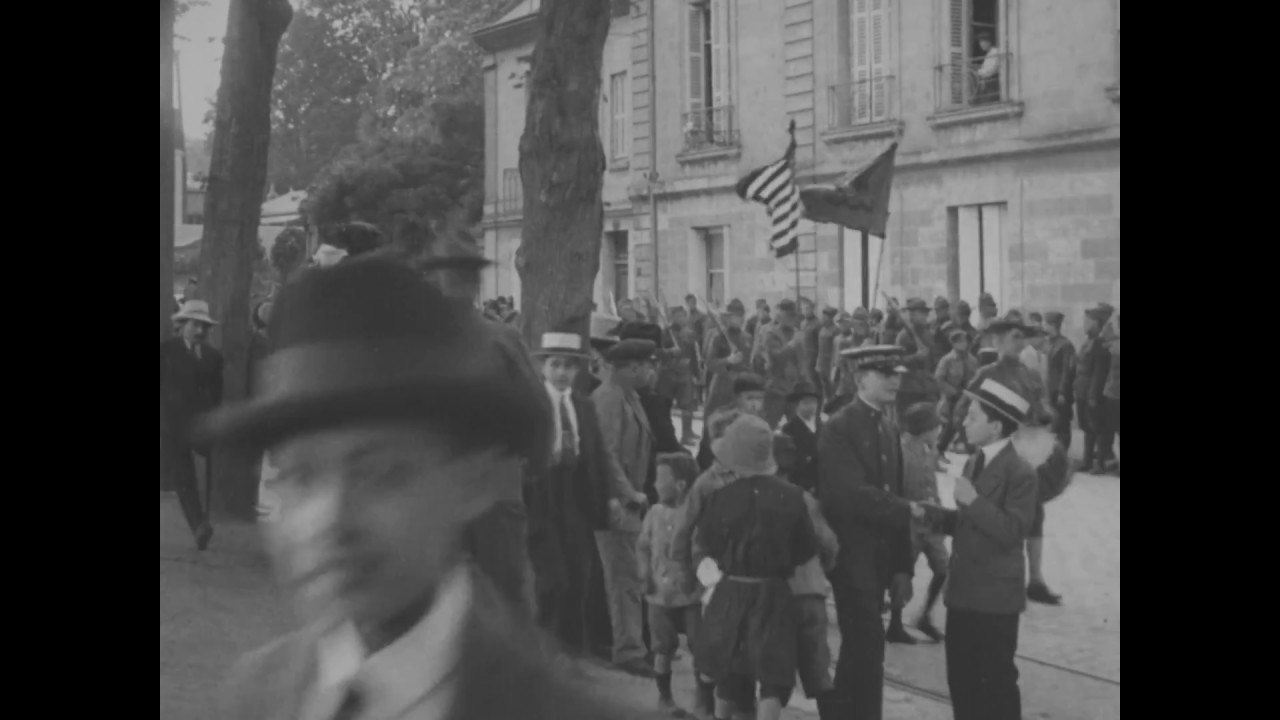
In Tours, France, key military figures including War Secretary Baker and General Pershing oversee inspections and ceremonies involving German prisoners and decorated officers from 1918 to 1919.
German prisoners unload truck motors and Dodge autos at Base Section No. 4 in Le Havre, while General Coulter supervises operations and reviews military logistics.
In La Rochelle from November 1918 to January 1919, U.S. military operations included inspections by Generals Harbord and McCawley and the unloading of ships by various labor battalions.
Activities at the United States Disciplinary Barracks in Fort Leavenworth, Kansas, in 1918 include various labor tasks performed by prisoners, such as farming and construction.
In France, the Graves Registration Service disinterred and reidentified bodies from the Aisne-Marne cemetery for proper burial, while Ambassador Hugh C. Wallace honored graves in Suresnes.
Eddie Rickenbacker and the 94th Aero Squadron engage in aerial combat during World War I, showcasing their operations from the Toul air base in France.
Patrick Henry and John Dickinson articulate their opposition to England's colonial policies, advocating for unity among the North American Colonies in defense of their rights.
May-Ling Soong Chiang addressed the U.S. Congress on February 14, 1943, focusing on American-Chinese relations and the war effort.
In Manitoba, Canada, archaeologist Adrian Myers examines an abandoned World War II prisoner of war camp, revealing insights into the lives of German soldiers held there.
Aerial bombing tests conducted by the U.S. Air Service from 1921 to 1923 feature General Billy Mitchell and the sinking of various naval ships, including the German battleship Ostfriesland.
Aerial photography training for the U.S. Army Air Corps in 1940 focused on processing, printing, and developing aerial negatives into usable mosaics.
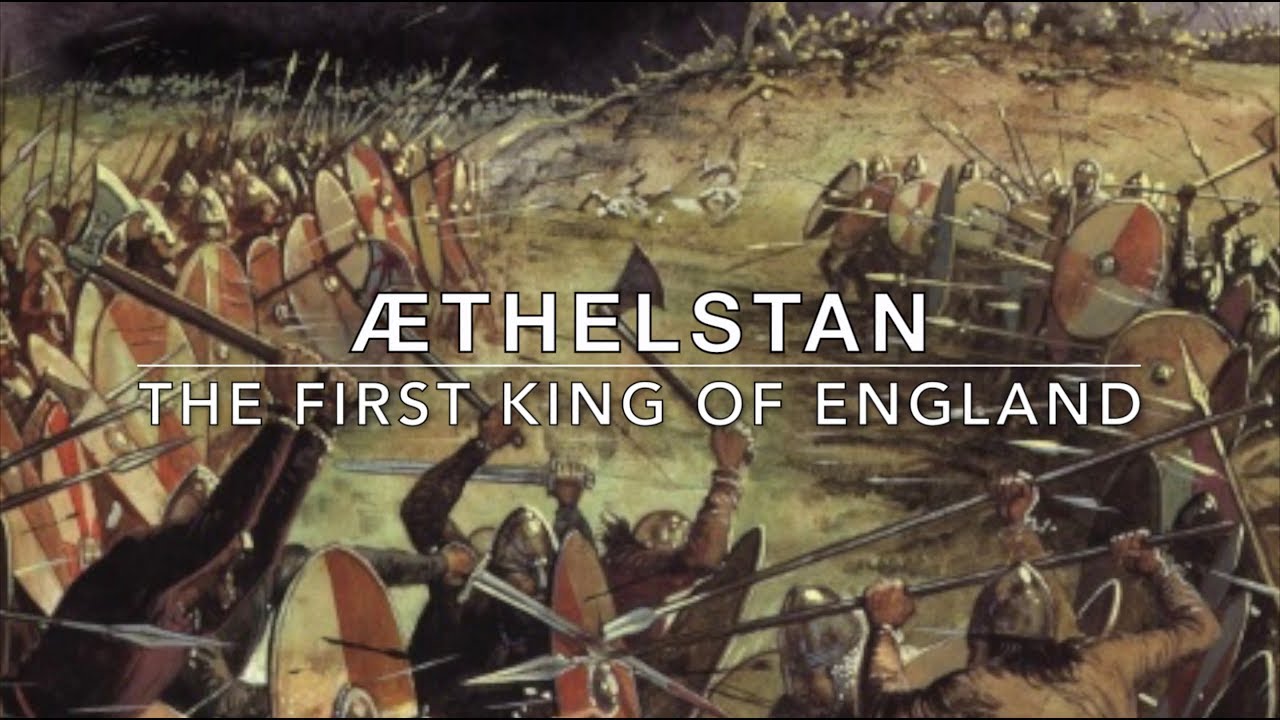
In 910, the Danish Vikings of Northumbria suffered a devastating defeat at Tettenhall, marking a significant shift in power in Britain.
Watch the latest full documentary on Æthelflæd, Lady of the Mercians, England's first warrior queen.
In 917, Æthelstan Half-King fostered the future king Edgar, suggesting factionalism within the royal family during a turbulent period in Anglo-Saxon history.
615 ships formed one of the largest Viking fleets ever assembled, leading to the decisive Battle of Brunanburh in 937.
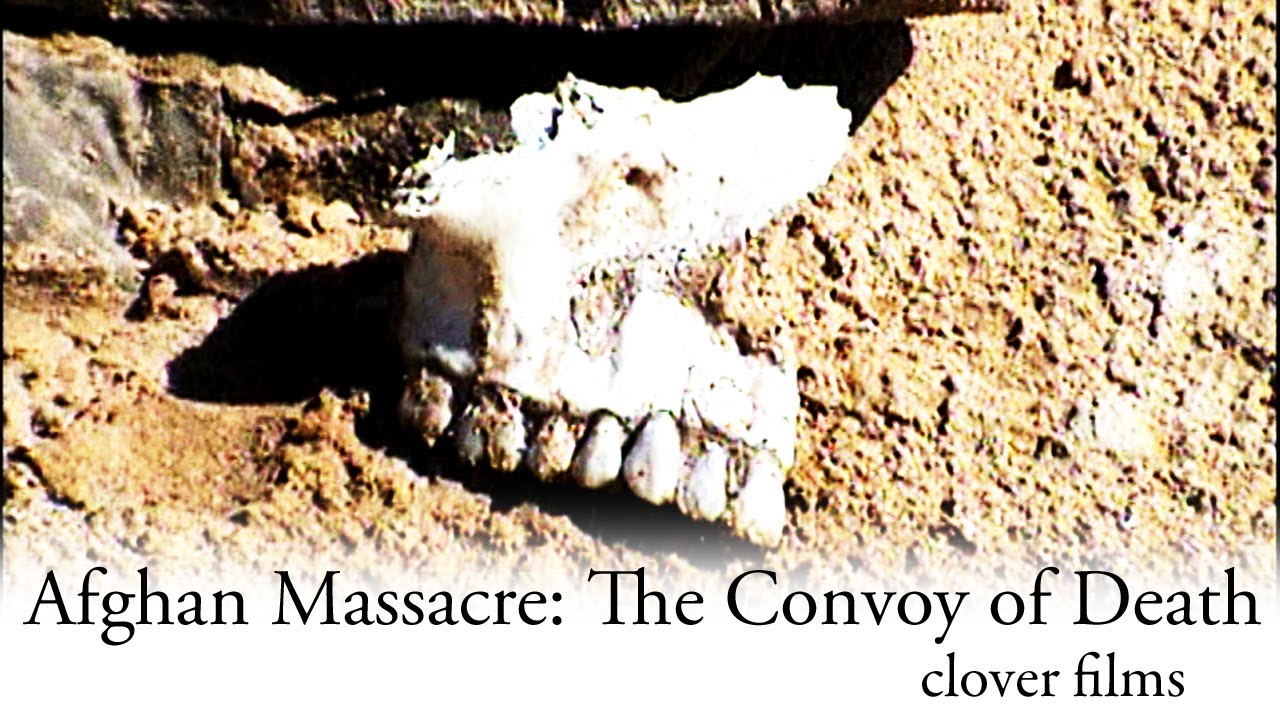
The massacre of thousands of prisoners who surrendered to Northern Alliance forces after the siege of Kunduz reveals the Pentagon's cover-up of a major atrocity in the Afghan War.
France's historical and contemporary ties with African nations like Mali, Senegal, and Côte d'Ivoire are examined alongside its declining influence amid rising powers.
The Police take control of the London Underground after the devastating 7/7 bombing.
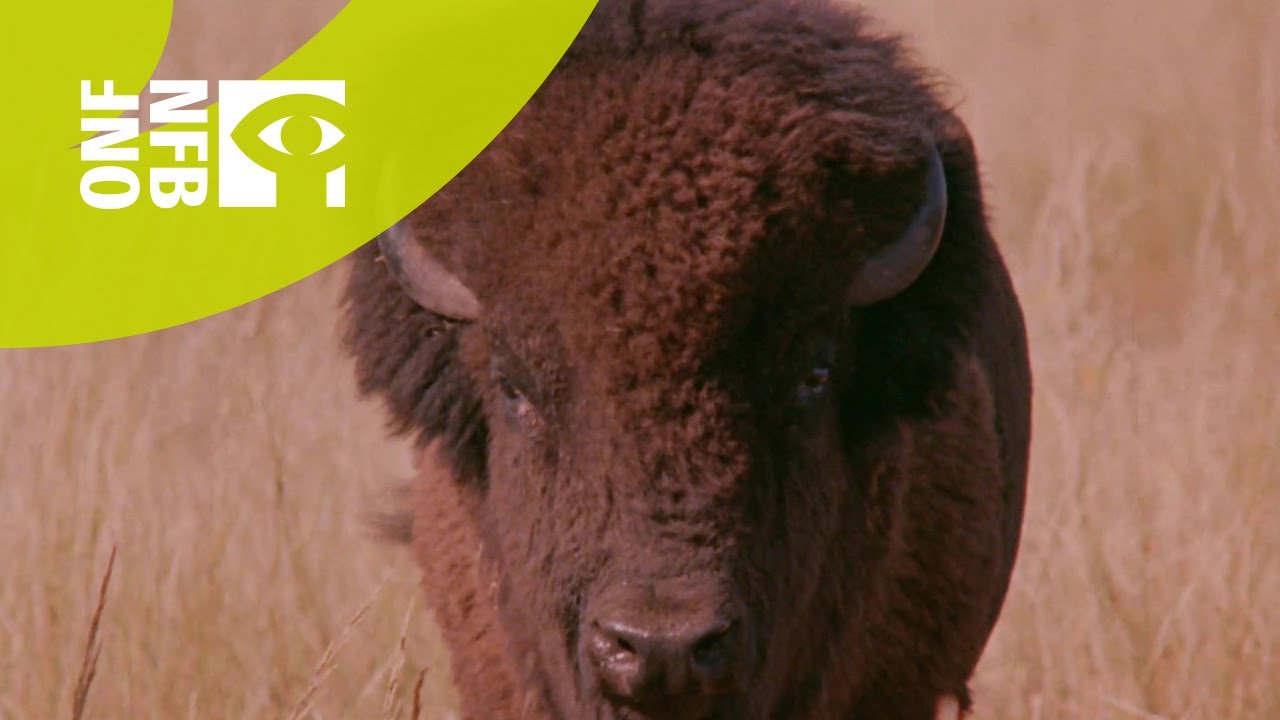
In the mid-1800s, North American Indigenous Peoples engaged in buffalo hunts alongside white hunters, a practice vividly illustrated through animation and historical paintings.
Watch a brief look at Akhenaten, one of Ancient Egypt's most fascinating Pharaohs.
Home movies from the Albert Breen family capture vacations in national parks, towns across the United States, and international trips from 1929.
Home movies from the Albert Breen family capture vacations at iconic locations such as Rocky Mountain National Park, Bryce Canyon, and the Grand Canyon.
Footage from 1935 captures the Albert Breen family's vacations, featuring Yellowstone National Park, Salt Lake City's Mormon Temple, and Pikes Peak Railroad.
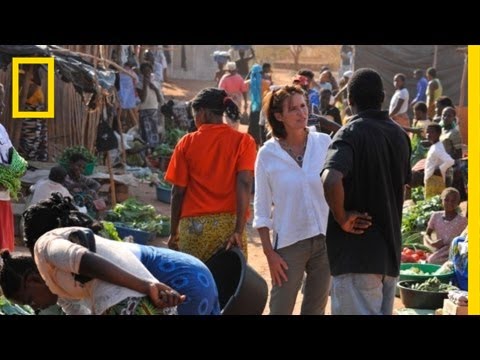
Alexandra Fuller shares her experiences growing up in war-torn Zimbabwe during the Rhodesian Bush War, highlighting how it influenced her writing.
Mesopotamia, between the Tigris and Euphrates, reveals ancient Sumerian civilization and cuneiform.













![Documentary backdrop image for Activities of the 94th Aero Squadron (France) [1918] (2019)](https://i.ytimg.com/vi/sS1aZRVjHaQ/maxresdefault.jpg)


![Documentary backdrop image for Aerial Bombing of Ships [1921-1923] (2014)](https://i.ytimg.com/vi/IB-Jwys_KjE/maxresdefault.jpg)