From over 100,000 films, discover the handful you'll love.
Free or premium access to the world's largest documentary library.
11233 films(Page 67 of 235)
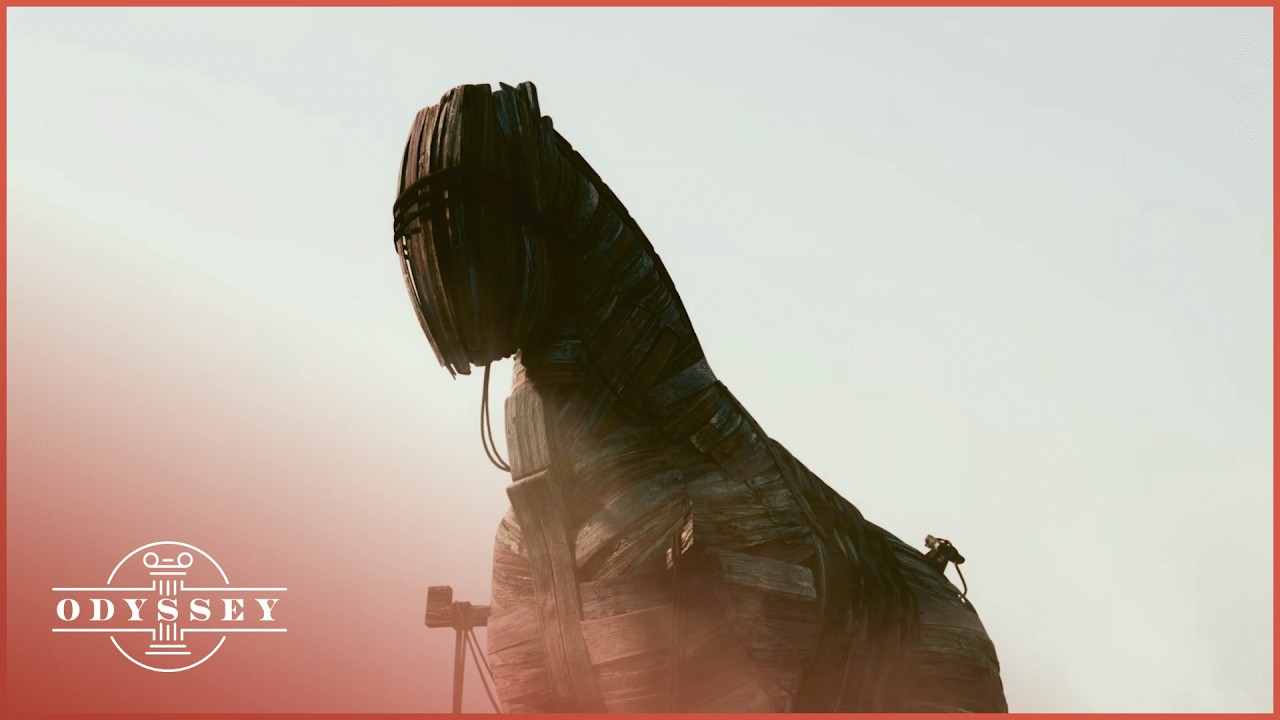
New evidence suggests that the legendary Trojan horse may not have been a horse at all, prompting a reevaluation of this iconic tale from Ancient Greece.
Hitler's forces have been in Poland, causing anxiety and preparations across Britain.
In 1381, a major uprising led by discontented farmers across England challenged the social and economic structures of the time, significantly impacting the nation’s history.
A 16th-century shipwreck in a Kent quarry, along with ruins of Henry VIII's secret assay house, reveals insights into Tudor craftsmanship and royal fraud.
King Cetshwayo was born in 1832 at the emLambongwenya homestead in Zululand, a kingdom in the northeast of present-day South Africa.
Forty-three German sailors abandon their sinking U-boat in shark-infested waters after a nine-day battle with Allied aircraft off the coast of Venezuela.
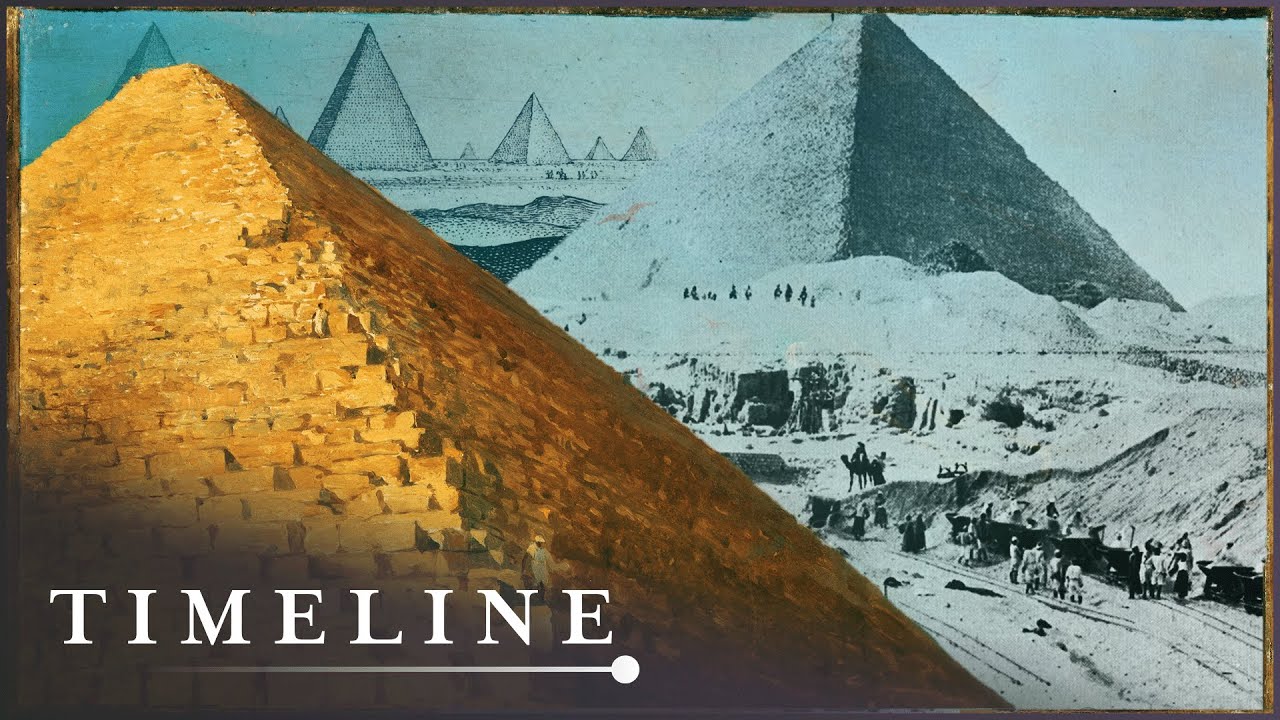
The Great Pyramid at Giza was the tallest building ever created by mankind until the early 20th century.
A bomb blast during World War I killed two cousins, Henry and Walter Whiting, who were buried side by side in a nearby cemetery.
Ancient Carthage, known for its rich culture and beliefs, faced destruction by the Roman Empire, prompting exploration of its life before the fall.
Hermann Goering, a World War I fighter ace and key figure in the Nazi regime, rose to power as a politician and Luftwaffe leader before his eventual downfall.
In East Prussia, Adolf Hitler's Wolf's Lair served as a command center for the Eastern Front, reflecting his isolation during the Third Reich's decline.
Heinrich Müller, the head of the Gestapo, played a crucial role in Nazi Germany's repression and the Holocaust, with his fate after 1945 remaining a mystery.
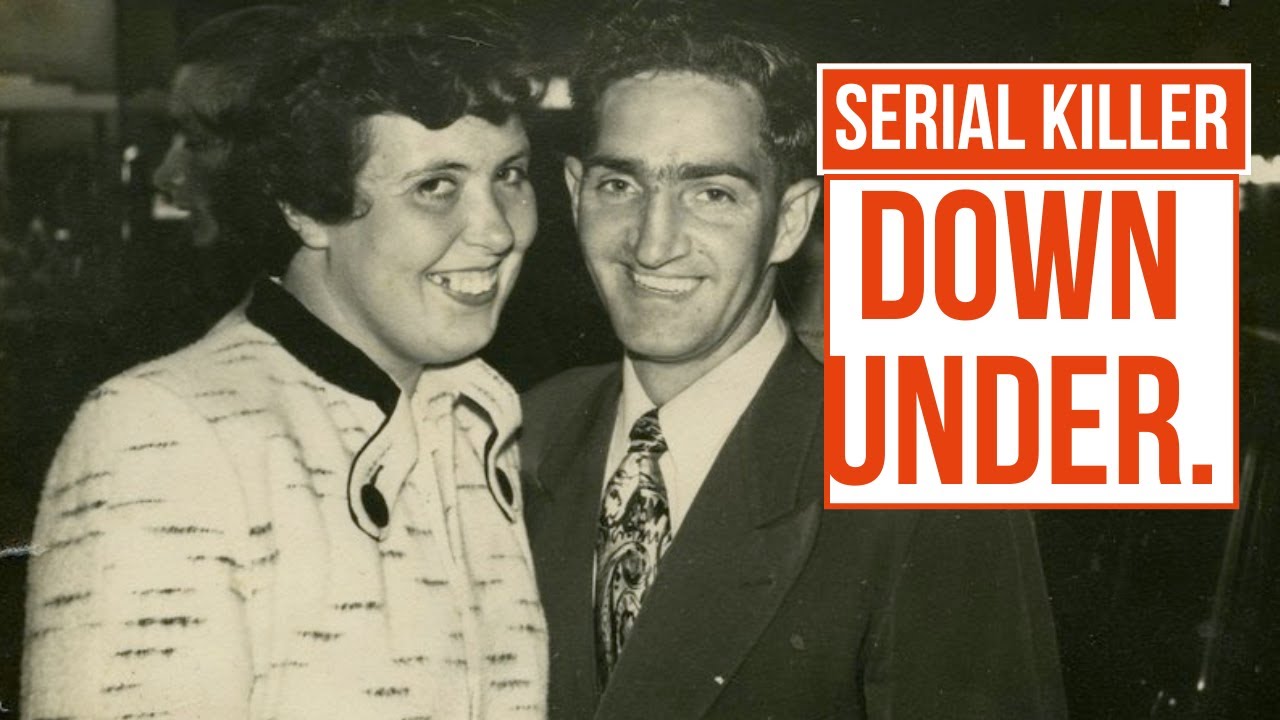
In Perth, Eric Edgar Cooke terrorized the community with a series of bizarre murders over four years, prompting a massive police investigation.
Ancient Egypt's architectural marvels and artifacts are examined through the lens of the controversial theory that extraterrestrials influenced their creation.
In 1864, the murder of banker Thomas Briggs on the railway tracks between Bow and Hackney Wick marked a pivotal moment in British criminal history.
Hershey's chocolate business faces fierce competition after a Post WW1 sugar price drop.
Tollund Man, a 2,400-year-old mummy, is re-examined by a US homicide detective and scientists using 3D scanning to reveal evidence of mob justice and a hate crime.
The Battle of Britain in 1940 marked a pivotal moment in World War II, as the Royal Air Force successfully defended the UK against the Nazi Luftwaffe's aerial assaults.
Henry VIII's complex legacy of charm, ruthlessness, and political missteps continues to haunt the historic castles he once ruled.
The Battle of Hastings in 1066 marked a pivotal defeat for King Harold II of England by William, Duke of Normandy, while 350 years later, English longbowmen achieved a significant victory against France.
King Herod, the 1st century ruler of Palestine, faced a mysterious and gruesome death, with accounts of worms emerging from his flesh before he died.
Serbia turns against Milosevic in 1999 as economic sanctions devastate the nation.
Myra Hindley, alongside her partner Ian Brady, was responsible for the murders of five children in Manchester from 1963 to 1965, earning them the title of the Moors Murderers.
A recent archaeological find in Israel may have identified the nails believed to have been used in the crucifixion of Jesus Christ, raising questions about their authenticity.
In 1665, the Great Plague devastated London, leading the village of Eyam in Derbyshire to quarantine itself in a bid to halt the outbreak's spread.
In Season 3, Episode 2 of The Curse of Oak Island, sonar scans support Dan Blankenship's theory of a treasure chamber 235 feet deep in the 10-X site.
Wallis Simpson faced intense public hatred, with one aide warning her that people would never forgive her unless she made Edward happy.
Mysterious locations and strange encounters in the Old West suggest that extraterrestrial influence may be intertwined with American folklore and history.
Herbert Rowse Armstrong, known as The Hay Poisoner, was the first solicitor hanged in the UK in 1922 for allegedly murdering his wife with arsenic, raising questions about his guilt.
Operation Jaywick, executed by six commandos from the Australian Z Special Unit in 1943, is reexamined through a modern attempt to replicate their daring mission against Japan.
In the 1960s, archaeologists in China opened a twelve-hundred-year-old tomb of a Tang dynasty princess, revealing stunning murals and insights into the era's culture.
Over nine years, the Romans killed 1 million Gauls and enslaved another million during the brutal Gallic Wars led by Julius Caesar.
Egypt's pyramids, including the step pyramid of Djoser and the Bent Pyramid, are examined through aerial and satellite imaging to reveal insights into their construction and history.
The Black Sea reveals three shipwrecks that hold secrets of its storied past, while advances in maritime technology lead to awe-inspiring wrecks and the heroism of three Black sailors during the Pearl Harbor attack.
A total of 136,000 people perished during the German occupation of Lviv, where the Nazis attempted to conceal their mass murders.
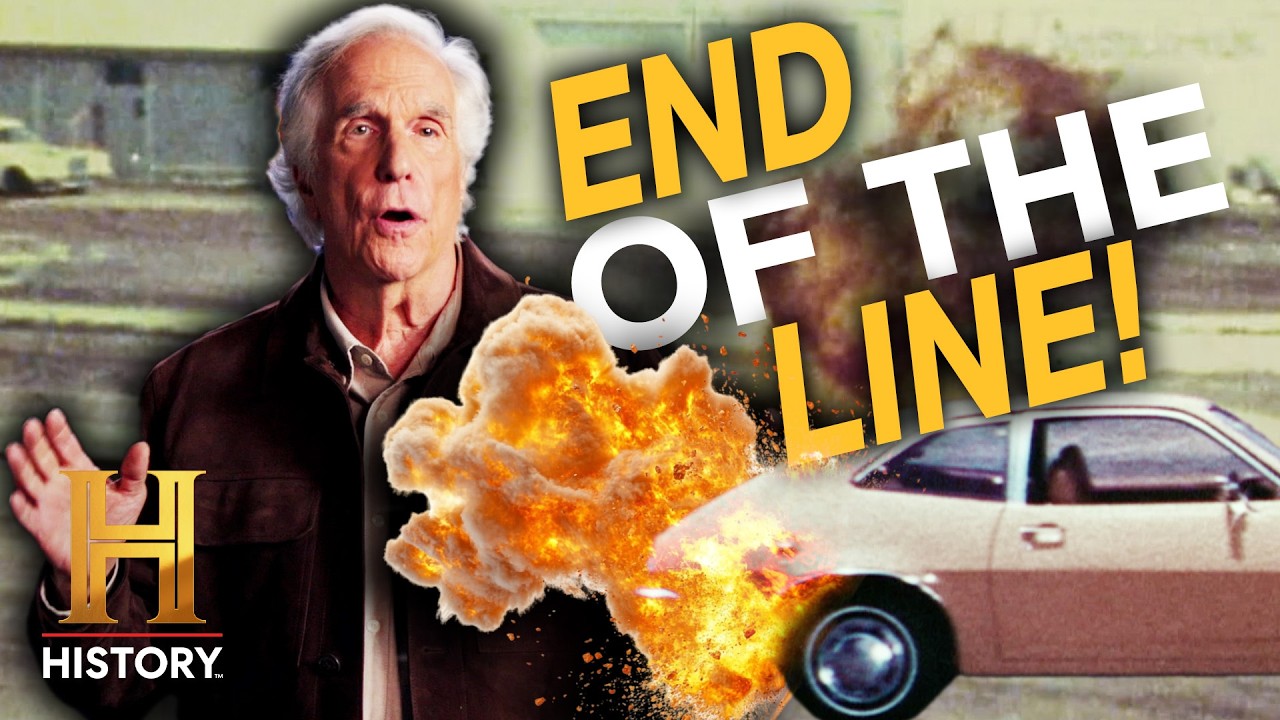
The Ford Pinto, notorious for its design flaws, became infamous for its tendency to catch fire in low-speed collisions, raising significant safety concerns in the 1970s.
Philistine civilization, often misrepresented as barbaric, is shown through archaeological evidence to be a sophisticated society with a complex legacy and decline.
In 701 BC, the Assyrian army's potential success in besieging Jerusalem could have led to the extinction of Judaism and altered the development of Christianity and Islam.
Anne Boleyn's final days of freedom are examined through her relationships, her last letter to Henry VIII, and the role of Thomas Cromwell in her arrest.
England's Civil War creates great bitterness, dividing families and challenging the King and Parliament.
Malta's strategic significance during World War II is highlighted through its relentless defense against Axis bombardments and its vital role in maintaining supply lines.
In 1939, Nazi Germany implemented Blitzkrieg tactics, a revolutionary form of mechanized warfare that led to rapid territorial expansion across Europe.
Renowned archaeologist John Romer examines the Bible's historical significance and its diminishing influence due to various cultural and societal changes.
Hereditary power in the U.S. presidency is examined through the lives of John Quincy Adams, Benjamin Harrison, Franklin D. Roosevelt, and John F. Kennedy.
Mary Ann Cotton, a Victorian serial killer, poisoned her husbands and children for insurance money, ultimately being hanged for her crimes in 1873.
Provocative theories suggest that extraterrestrial beings may have influenced human evolution and sought Earth's resources, as explored through various topics including space mining and the origins of the Milky Way.
In September 1943, Allied forces under General Montgomery launched a fierce campaign against German defenses in Italy, facing significant obstacles and heavy casualties.
Peter Tobin, a convicted murderer, was linked to the disappearances of 15-year-old Vicky Hamilton and 18-year-old Dinah McNicol in the early 1990s.