From over 100,000 films, discover the handful you'll love.
Free or premium access to the world's largest documentary library.
11233 films(Page 97 of 235)
In war-torn Aleppo, a family navigates the challenges of survival under Bachar El-Assad's Army while reflecting on the impact of civil war on their children's lives.
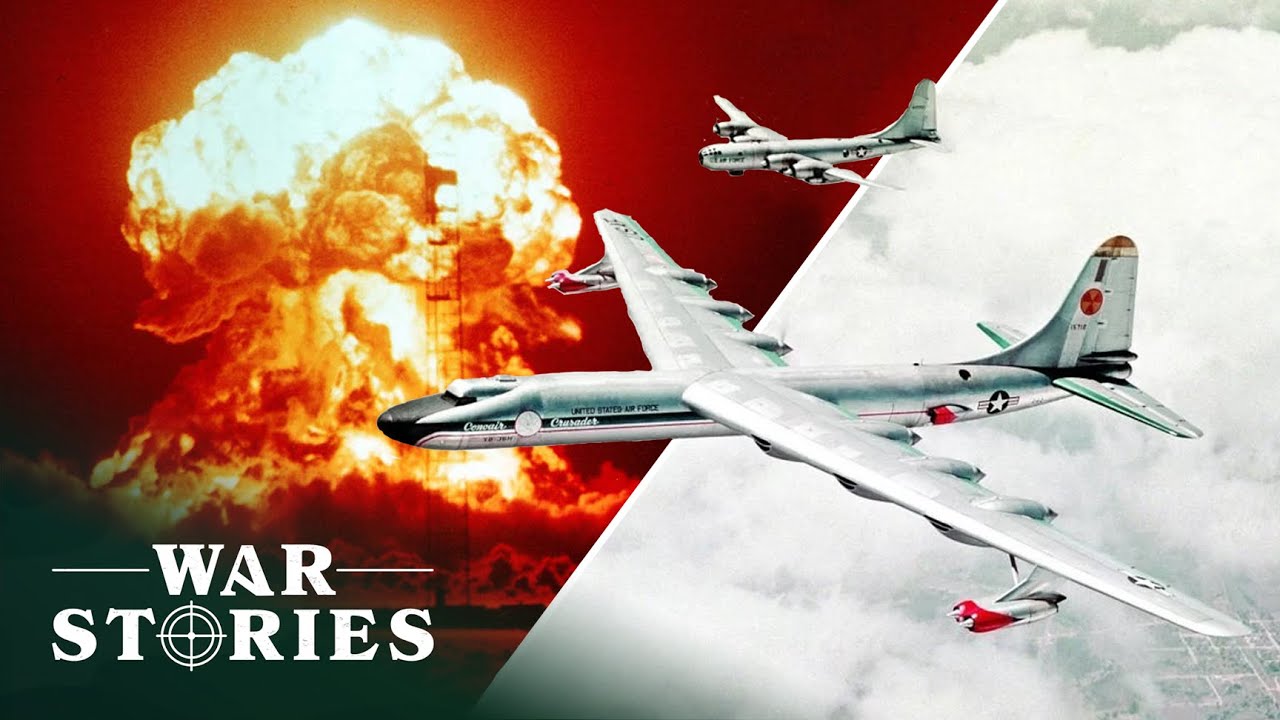
The Convair B-36, the first aircraft designed to carry nuclear weapons without modifications, played a significant role in the early Cold War era.
Operation Tidal Wave highlights the Allied campaign to target Germany's oil supply during World War II, focusing on the Ploesti oil fields and strategic bombing tactics.
In the Amazon rainforest, explorer Thierry Jamin investigates the legend of Paititi, the Inca Empire's rumored final refuge and its connection to El Dorado.
In post-World War II Germany, a surge of violent crime, including the 1947 murder of Zenta Hausner and serial killings by Willi Kimmritz, highlights societal collapse.
The Apache Longbow can detect and attack multiple targets using its 30 mm cannon and precision-guided Hellfire missiles.
40 cartloads of gold and silver are said to be part of the legendary Nibelung treasure, which treasure hunters believe may still be hidden in Germany.
Rare, restored archival footage from 1945 captures the collapse of the Third Reich and the final days of the Japanese Empire in World War II.
Chichen Itza, a UNESCO World Heritage site in Mexico, showcases its historical significance and architectural marvels through the narration of Stacy Keach.
In Minnesota, Mike and Frank challenge Danielle to sell a ten-foot fiberglass cowboy boot that has been collecting dust for over a year.
General George S. Patton's armored campaigns across Europe played a crucial role in U.S. forces' rapid offensives that contributed to the Allied victory in World War II.
Elite Egyptologists and forensic scientists utilize advanced CT scans and chemical analysis to investigate the mysteries of three Egyptian mummies, including a relative of Ramesses II.
King Charles III ascended to the throne on September 8, 2022, following the death of Queen Elizabeth II, marking the beginning of his reign over the United Kingdom and 14 realms.
May 26, 1941, marked the day when British airmen flying Swordfish biplanes hunted down the German battleship Bismarck in the North Atlantic.
A 20-square-kilometer Mayan city, Palenque, thrived during the 7th and 8th centuries, featuring a temple built as a tomb for King Pakal.
Josef Mengele, the notorious "Angel of Death," evaded capture for decades after World War II, living in South America while being pursued by Nazi hunter Simon Wiesenthal.
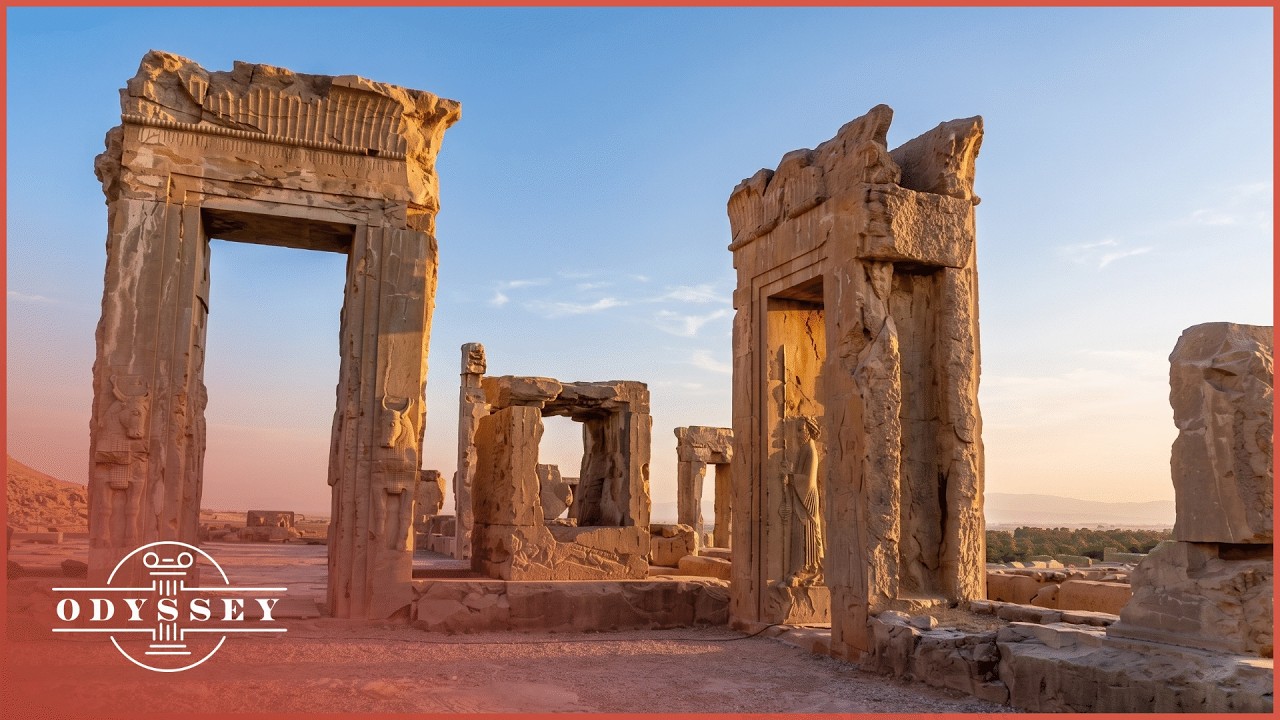
Carthage, Troy, and Persepolis are examined through expert insights and advanced techniques to reveal their architectural innovations and the mysteries of their decline.
Alfred Nobel's invention of dynamite revolutionized construction and mining, significantly impacting the extraction of natural resources that shaped the modern world.
At the end of World War II, a team of experts investigates Hermann Göring's stolen multi-billion dollar collection of art and treasures that remains missing.
Factory workers in World War II significantly contributed to the Allied victory, as highlighted by historians Dan Snow, Suzannah Lipscomb, and Matt Lewis.
Mayan civilization is examined for its advanced calendar systems and the associated doomsday prophecies that have intrigued scholars and enthusiasts alike.
Thousands of children set out in 1212, believing they were chosen to liberate Jerusalem, but many faced death and slavery instead.
In Bangladesh, the deadliest tornado in recorded history strikes again, echoing the devastation of a similar disaster in 1973, while Calgary faces a catastrophic hailstorm.
The Colosseum in Rome is undergoing an extensive restoration that integrates science, fashion, archaeology, and culture to preserve its historical significance.
Solomon, the third king of Israel, is a mythical figure from the Old Testament whose existence is debated.
Masada, a Herodian palace in the desert, was the site of a legendary last stand by 1,000 Jews against the Roman 10th Legion in 70 AD.
In 1941, Joseph Stalin orchestrated the largest industrial evacuation in history to relocate factories and workers eastward, enabling the Soviet Union to mass-produce the T-34 tank and ultimately defeat Nazi Germany on the Eastern Front.
Apollo's lunar missions faced declining public interest and technological complications, marking the transition to the end of the program and the era of manned moon landings.
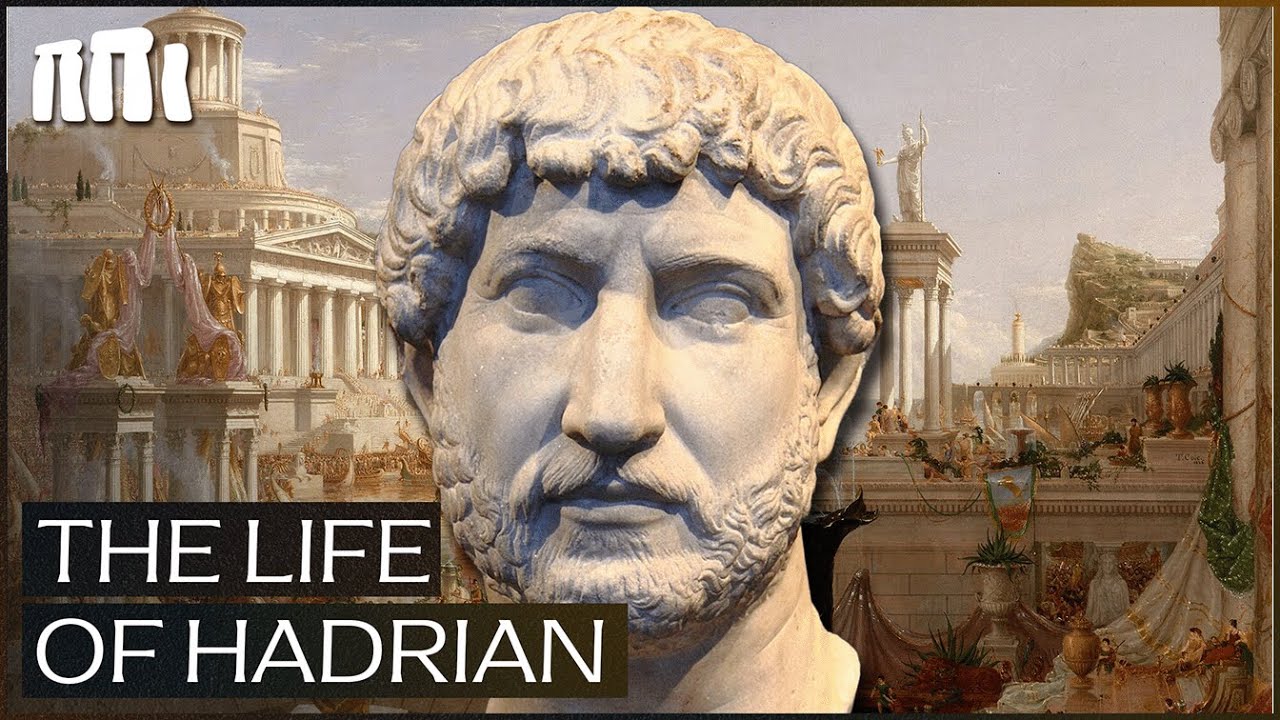
Hadrian's reign marked a pivotal shift in the Roman Empire during 117 AD, as he prioritized consolidation over expansion, reinforcing borders and restoring cities.
On Christmas Eve 1968, astronauts Frank Borman, Jim Lovell, and Bill Anders orbited the Moon, becoming the first humans to achieve this milestone.
In 865 AD, the Great Heathen Army, led by the sons of Ragnar Lothbrok, invaded England, significantly impacting its history through conquest and violence.
In July 1945, Harry Truman, Winston Churchill, and Joseph Stalin met in Potsdam to negotiate the post-war order in Europe and address the conclusion of World War II.
NASA astronauts Doug Hurley and Bob Behnken returned to Earth in a SpaceX Dragon capsule, completing a historic test flight with a splashdown in the Gulf of Mexico.
In 1971, the Shah of Iran hosted a lavish 2,500-year celebration of the Persian monarchy, which ultimately intensified opposition led by Ayatollah Khomeini.
Deutsche Welle provides uncensored news to Greeks during the military dictatorship in Greece.
On October 4, 1957, the Soviet Union launched the first man-made satellite, marking the beginning of the Space Age and prompting the creation of NASA.
Ramses III, the Egyptian pharaoh, was found to have a fatal neck wound, leading to allegations that his harem conspired against him amid a power struggle.
The United States Marine Band has participated in every inaugural parade since Thomas Jefferson's inauguration in 1801.
Massive stone structures and energy-emitting spheres around the globe raise questions about the motivations behind ancient man's monumental constructions.
Queen Victoria's reign, marked by her unique upbringing and desire for freedom, shaped the course of the British Empire in the 19th century.
Edward VIII's abdication for Wallis Simpson marked a pivotal moment in British history, leading to the ascension of George VI and the future Queen Elizabeth II.
Ancient Biblical plagues and disasters are examined by historians to assess their historical accuracy and impact on ancient civilizations.
Operation Bagration marked a pivotal moment in late 1944, showcasing the Soviet Union's strategic offensive against Nazi Germany on the Eastern Front.
The episode details how agility and maneuverability shape modern warfare tactics and responses.
In 1200 BC, the era of the Trojan War and the Bronze Age Collapse, the origins and historical context of Homer's "The Odyssey" are examined through archaeology and storytelling.
Project Mercury marks the beginning of NASA's first manned space program, alongside the European Space Agency's Mars Express and Russia's Soyuz launch system.
Project Gemini's advancements, Cassini's complex missions at Saturn, and Mars exploration efforts highlight key milestones in space exploration.
On the Giza plateau, the Sphinx and the two other main pyramids provide insights into the builders and the broader context of Ancient Egypt.