From over 100,000 films, discover the handful you'll love.
Free or premium access to the world's largest documentary library.
11233 films(Page 69 of 235)
Bibracte, the ancient city of the Aedui tribe in Burgundy, reveals its advanced defenses and Roman influences through modern archaeological techniques like LIDAR.
In Caerleon, Wales, archaeologists from Cardiff University have revealed a 2,000-year-old Roman villa complex that offers insights into Rome's control of its western frontier.
In 2017, around 14 million visitors from 60 countries attended the Shia pilgrimage, Arbaeen, which is five times larger than the Hajj in Mecca.
Vindolanda, located near Hadrian's Wall, has been the site of extensive archaeological excavations revealing insights into Roman life on the empire's northwestern frontier.
Sobibor, a Nazi extermination camp in Poland, was the site of a successful prisoner escape on October 14, 1943, involving the bravery of Jewish inmates.
Survivors of Auschwitz-Birkenau recount their harrowing daily experiences, including the gas chambers, the Kapos system, and resistance efforts against the SS.
The Supermarine Spitfire, a British aviation icon, evolved from Schneider Trophy seaplanes to a crucial fighter aircraft during World War II, as recounted by veterans and experts.
In December 1944, Adolf Hitler launched the Battle of the Bulge, a desperate counteroffensive aimed at reversing Allied gains in Western Europe.
Anne Boleyn, the second wife of King Henry VIII, faced accusations of treason and was executed in 1536, marking a pivotal moment in English history.
Ancient medicine practices, from the elixirs of China's first emperor to Renaissance anatomical breakthroughs and the responses to the Black Death, shaped humanity's understanding of health.
Attila the Hun, known as the Scourge of God, led the Hunnish Empire in a series of military campaigns that threatened the Western Roman Empire during the Migration Period.
Alvin York, a pacifist farmer from Tennessee, becomes a hero in the First World War.
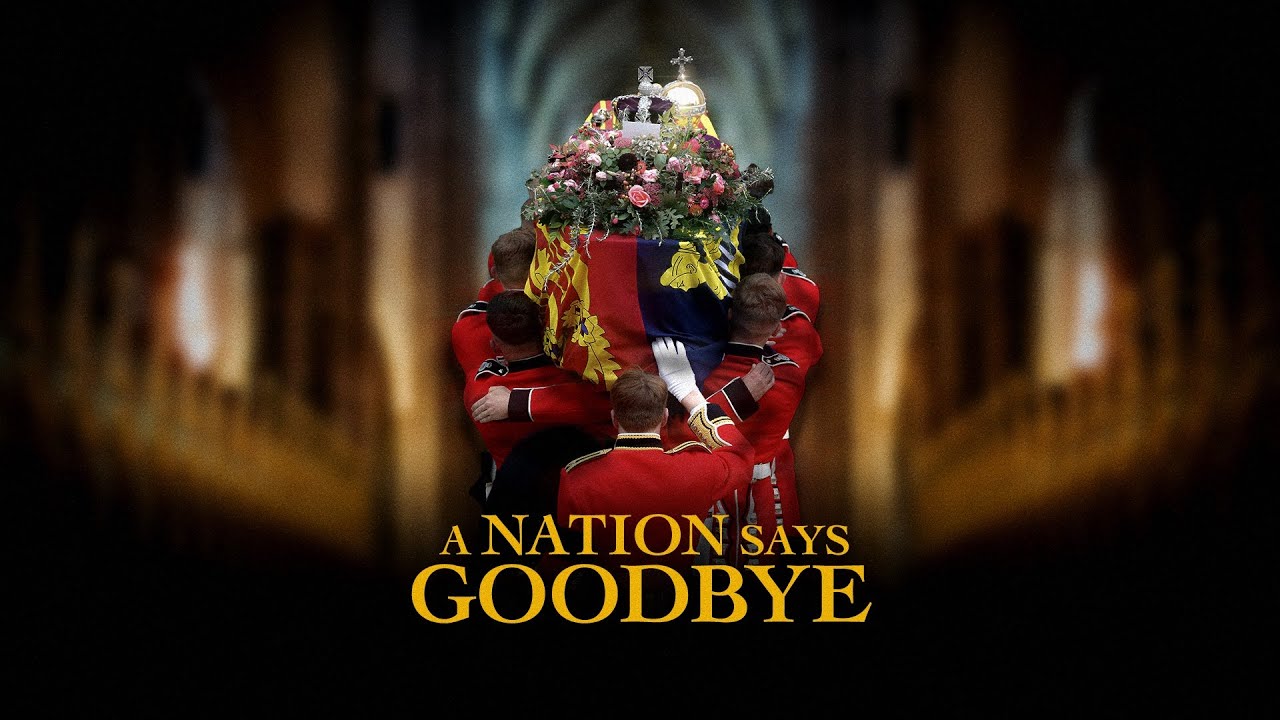
Queen Elizabeth II's passing on September 8, 2022, marked the end of the Elizabethan age, prompting a national farewell steeped in British tradition.
In early 1939, America was reluctant to enter World War II, but Frank Capra's propaganda film series, Why We Fight, played a crucial role in rallying public support for the war effort.
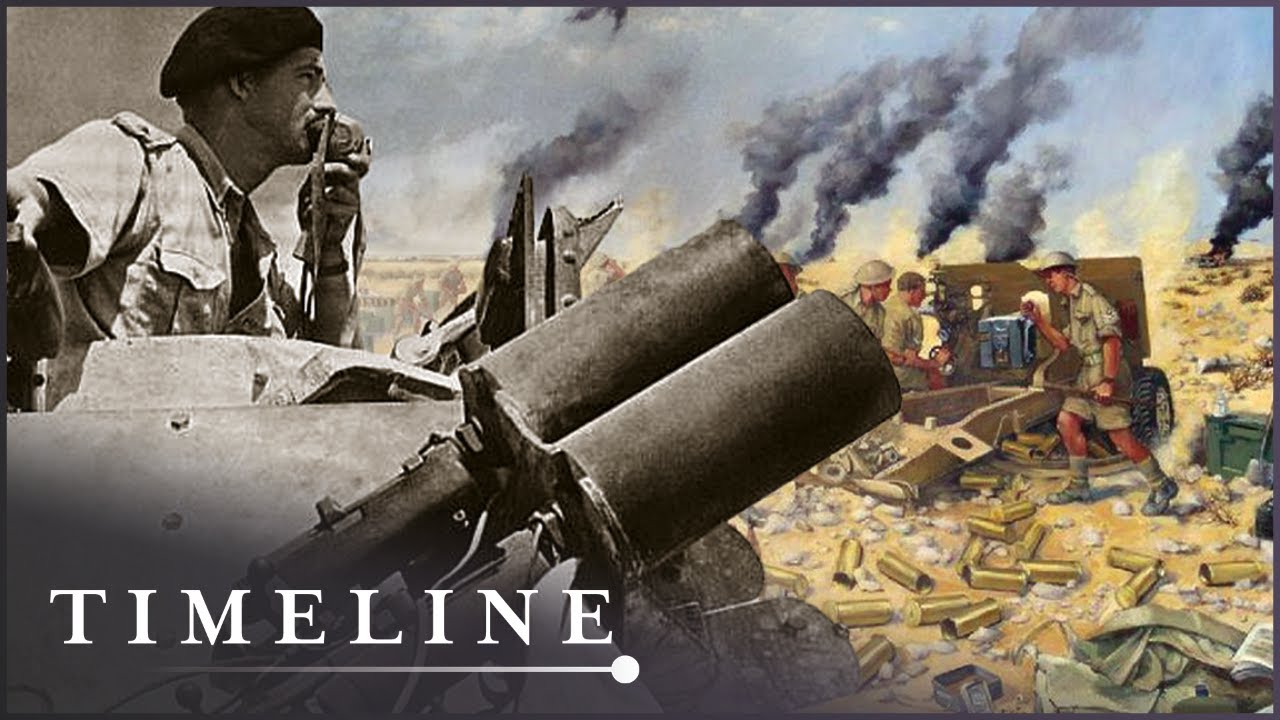
In August 1942, British troops faced a retreat as the German Panzer army advanced to within 150 miles of Alexandria in the Egyptian desert.
2300 years ago, the Celts occupied vast territories across Europe and the Middle East, often fighting among themselves and against common enemies.
A young cameraman risks his life to interview Fidel Castro in Cuba, marking the start of a career that spans over 50 years of conflict reporting.
Nearly 4 billion bricks were used to construct the Great Wall of China, which spans over 21,000 kilometers across 15 provinces.
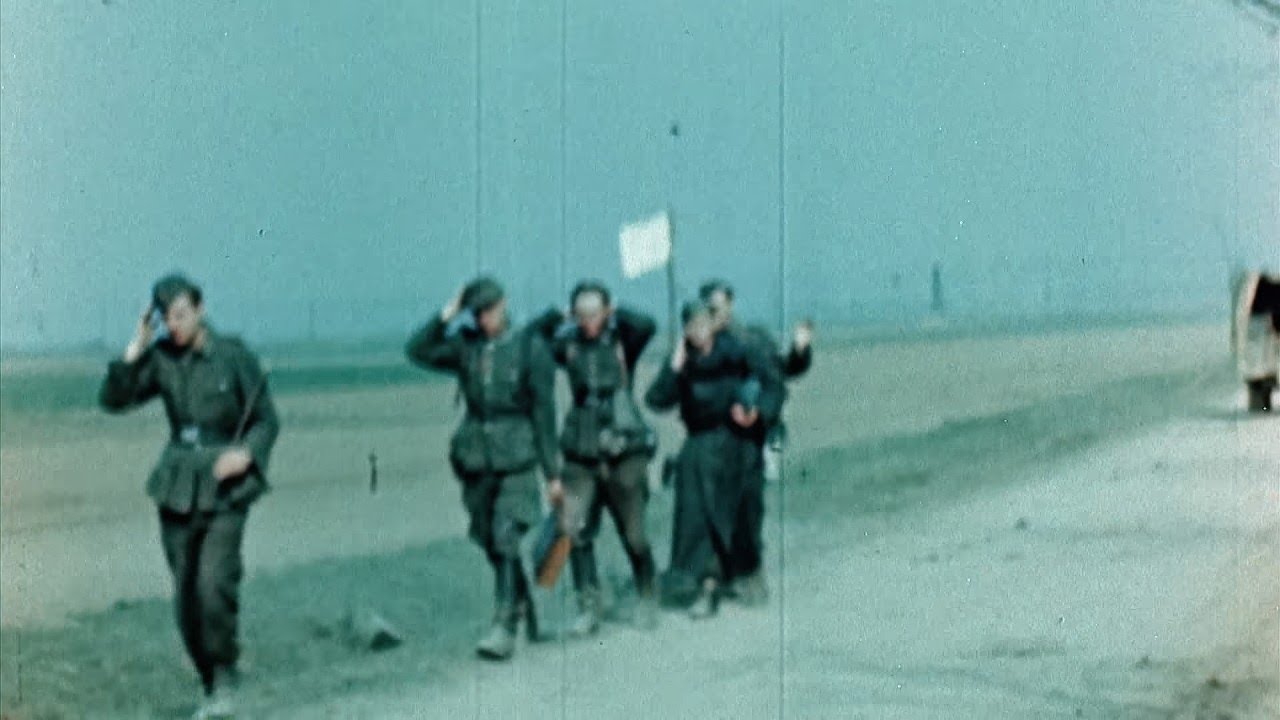
In March 1945, U.S. troops document the fall of Nazi Germany in color, capturing the devastation and surrender through the lenses of George Stevens and Major Kirke B. Lawton.
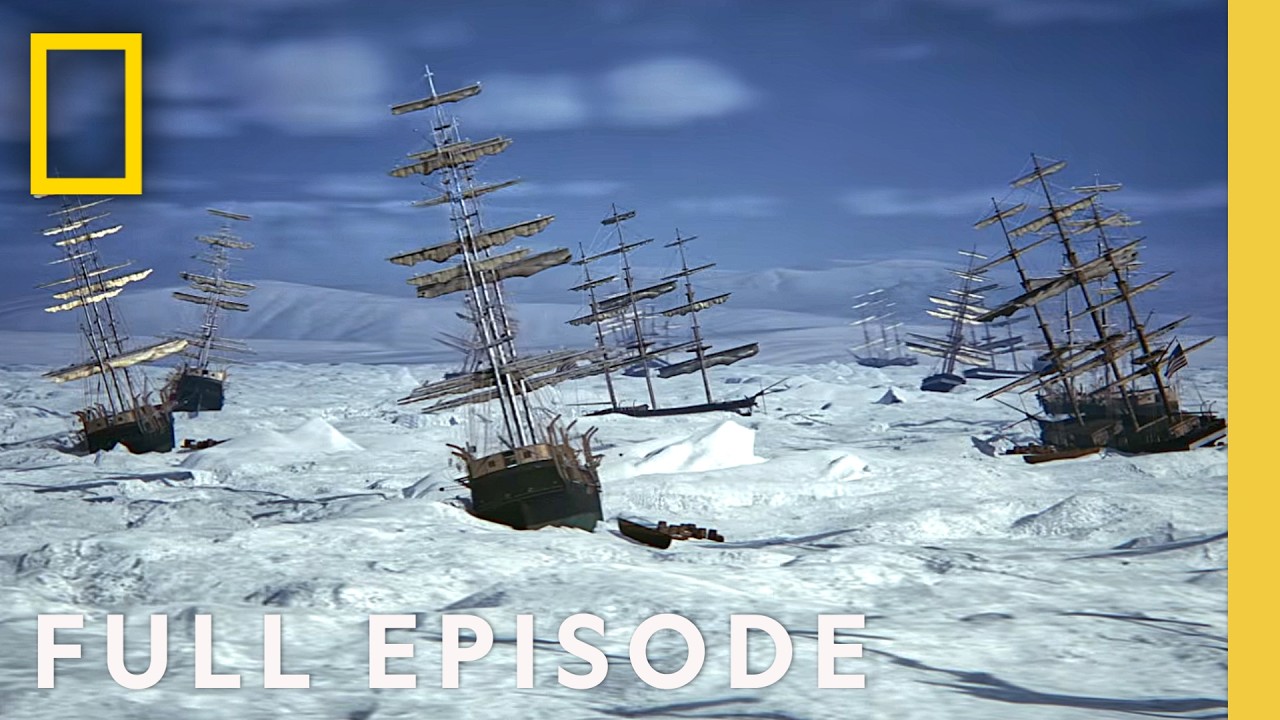
Titanosaur fossils, submerged Mayan caves, and a thirty-two-ship whaling disaster are explored by 's Drain the Oceans team using advanced technology.
In the Wadi Qumran, the Dead Sea Scrolls, dating before AD 100, reveal significant insights into early Judaism and the possible connections to John the Baptist.
Carthage was completely destroyed in 146 BC, leaving no trace of its once proud civilization on the political map of the world.
The invasion of China and the fall of Poland, Belgium, and France marked the brutal onset of World War II, highlighting strategic failures and key figures like Winston Churchill.
265 feet high and 210 feet thick at the base, Norris Dam is a key project of the Tennessee Valley Authority during the 1930s.
Aerial photographs taken by an Allied reconnaissance plane in August 1944 reveal the gas chambers and crematoria of Auschwitz, capturing the scale of genocide.
American combat troops began arriving in Vietnam in the mid-1960s, shifting the war's dynamics as they engaged directly with North Vietnamese forces.
Aerial photos reveal crop marks indicating a Roman fort and town covering 24 acres in North Norfolk, suggesting a significant site of occupation.
The Second World War officially ended at 8:09 AM on September 2, 1945, when Japan signed the surrender document, marking a significant moment in history.
The German occupation of Luxembourg from 1940 to 1944 aimed to forcibly integrate the Grand Duchy into the Third Reich, leading to widespread resistance and collaboration among its people.
The Colosseum, a symbol of ancient Rome, faces significant threats as restorationists and historians work to preserve its rich history and structural integrity.
Excavation efforts near the Money Pit on Oak Island reveal timber, blue clay, and groundwater, prompting investigations into historical flood tunnels and hidden vaults.
Eyam, a village in Derbyshire, is examined for its potential genetic mutation that may have enabled its residents to survive the Black Death and could inform AIDS research.
Beneath the medieval churchyard of Caster in Cambridgeshire, archaeologists investigate the Roman Praetorium, revealing its monumental foundations and mosaic floors.
Maryfield House in Cornwall is linked to the ghost of William, said to be the illegitimate child of local gentry who died in its tower.
In 793 AD, the Viking raid on Lindisfarne marked a pivotal moment in history, impacting the Christian community and the Anglo-Saxon kingdom of Northumbria.
In the Black Sea, a team led by chief scientist Jon Adams uncovers a perfectly preserved 1,200-year-old Byzantine merchant vessel during a major maritime archaeological expedition.
In 1940, Adolf Hitler and Winston Churchill engaged in a fierce war of words, with each leader's propaganda portraying the other as a tyrant bent on destruction.
Cleopatra's death remains a historical enigma, prompting leading Egyptian experts to investigate the circumstances surrounding her demise and the location of her burial.
Menkaure's unfinished red granite pyramid in Giza highlights the limited legacy he left compared to his predecessors in ancient Egypt.
Up to 300 Black residents were killed and countless homes and businesses destroyed during the 1921 Tulsa race massacre, a largely forgotten chapter of American history.
On March 8, 2014, Malaysian Airlines flight MH370 disappears from radar with 239 people on board, prompting a decade-long search for answers.
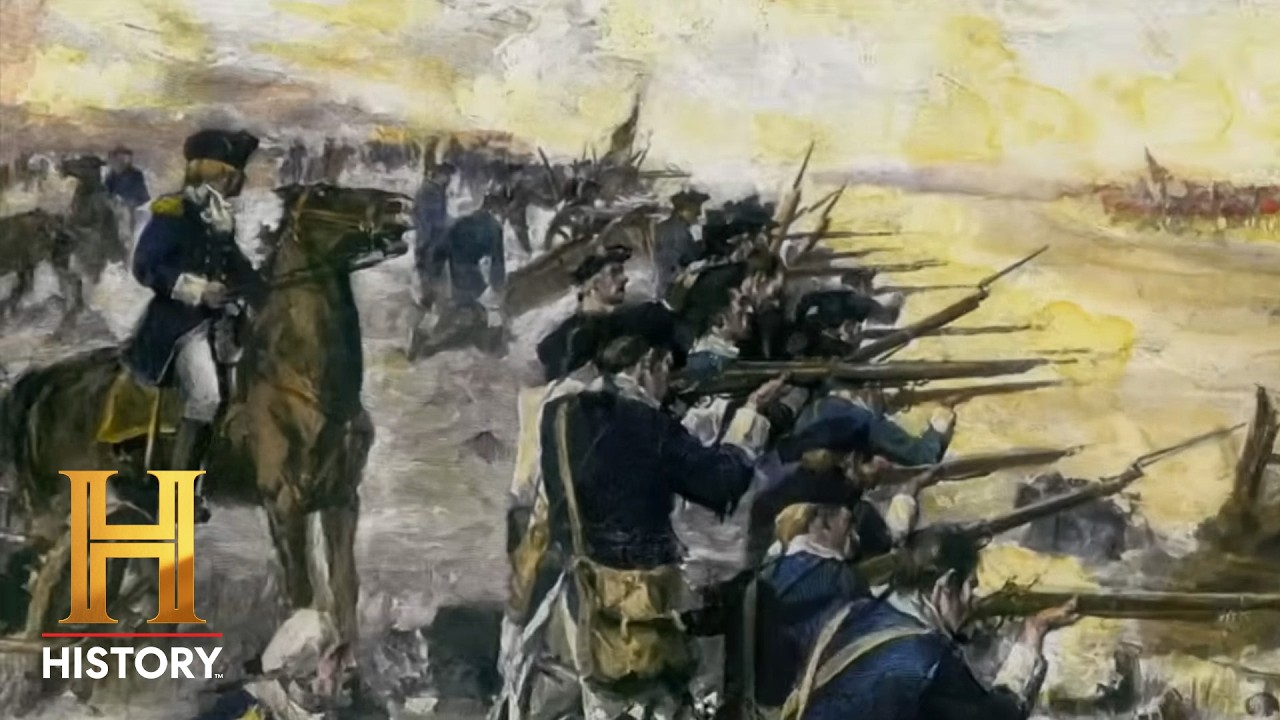
The years between the Boston Tea Party and the ratification of the Constitution are examined, highlighting key events that shaped the American Revolution.
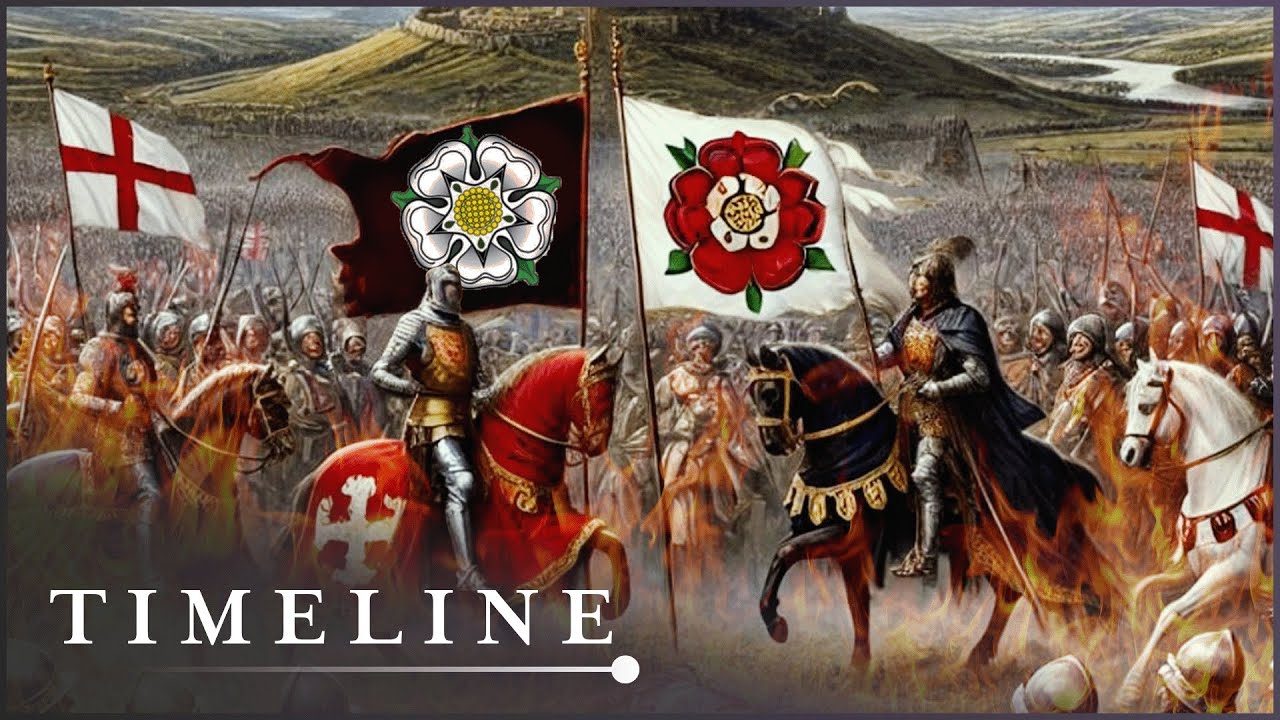
The Wars of the Roses feature the York and Lancaster families battling for the English throne.
Seventeen people connected to the discovery of Tutankhamun's tomb died under mysterious circumstances, fueling rumors of a pharaoh's curse.
Anton Mussert, Ioannis Rallis, and Finnish Marshal Gustaf Mannerheim exemplify the complex moral choices faced by collaborators during World War II.
In 2003, an unsolved shooting in Washington, D.C. is linked to two murders a decade later, revealing Charles Severance as an unlikely serial killer who ran for political office.
The legend of El Dorado, sought by Spanish conquistadors, is explored through the efforts of explorers like Thierry Jamin in Peru and José Pérez-Gómez in Venezuela.
The Dead Sea's unique environment is explored for its potential connection to the biblical cities of Sodom and Gomorrah, examining their historical significance.