From over 100,000 films, discover the handful you'll love.
Free or premium access to the world's largest documentary library.
11233 films(Page 116 of 235)
The Edmonton Grads women's basketball team won 502 games and lost only 20 from 1915 to 1940, dominating Canadian and world championships.
Rocks shaped the architectural achievements of ancient civilizations, influencing the construction of Egypt's pyramids, Greece's Parthenon, and Rome's Colosseum.
In 1960, enthusiastic youngsters cleared the way for the inaugural trip on the Bluebell Railway, showcasing the essential backroom operations of steam locomotive maintenance.
Human torpedoes and midget submarines played crucial roles in World War II, highlighting the bravery of their crews and the evolution of tank warfare.
A crowd of hundreds in the House of Representatives applauded as Winston Churchill delivered his address on May 19, 1943, during World War II.
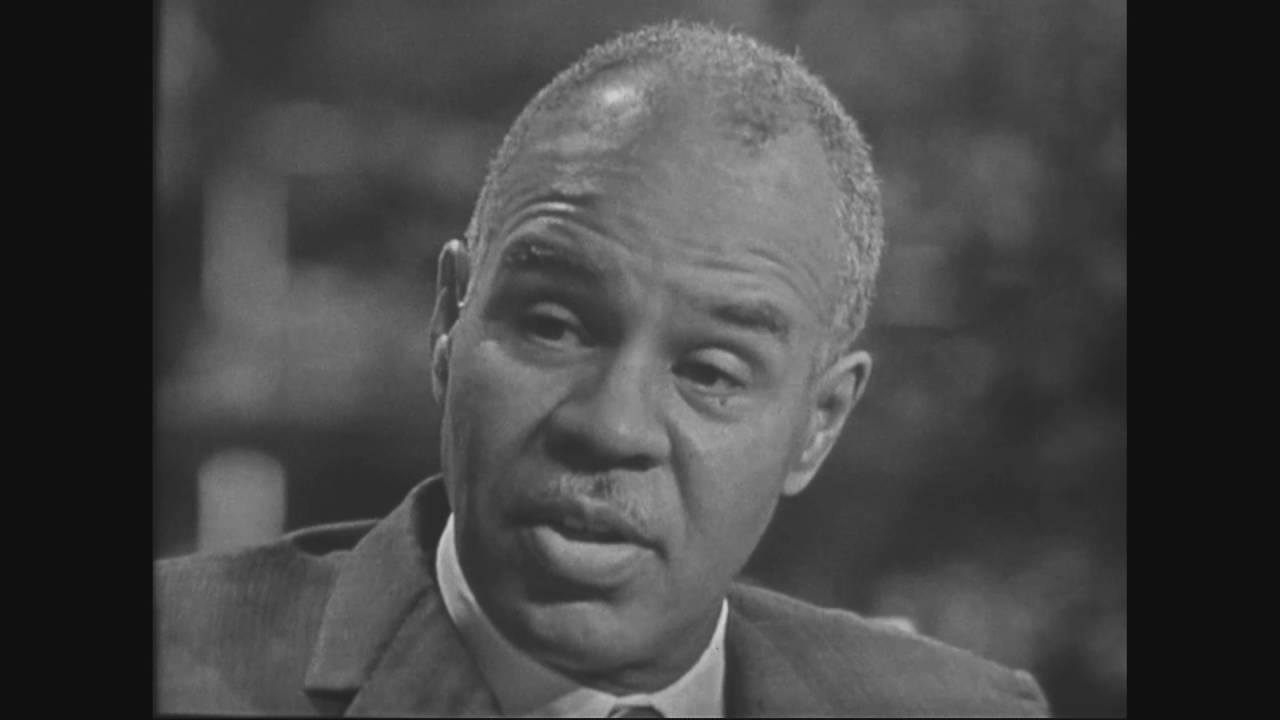
One year after the Civil Rights Act of 1964, key leaders assess its impact on racial equality and the ongoing challenges in American society.
Andrew Higgins, a New Orleans boatbuilder, revolutionized amphibious warfare with his innovative landing craft, crucial to the success of the D-Day invasion.
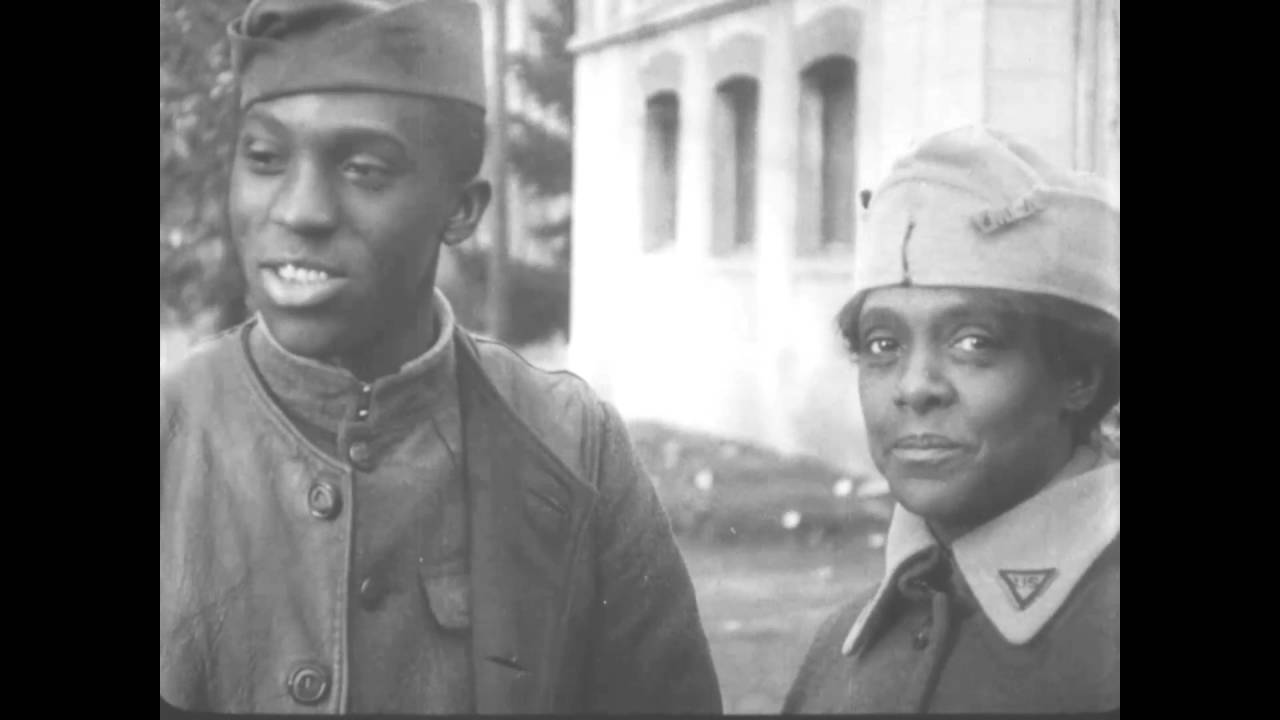
U.S. soldiers in post-World War I France engage in leisure activities, touring landmarks and participating in social events organized by the Y.M.C.A. and Knights of Columbus.
The U.S. National Archives and Records Administration hosted the Virtual Genealogy Fair on October 28-30, 2014, featuring sessions on genealogy and family records.
Montenegro's historical divisions are examined through the last interview with Mitropolit Amfilohije and insights from Prime Minister Zdravko Krivokapic.
Molten bronze exceeding 1,000 degrees Centigrade is used to cast barrels for a medieval machine gun, as a team of engineers attempts to recreate this ancient weapon.
Easter Island's Rapa Nui people constructed nearly 900 moai statues between the 13th and 17th centuries, showcasing advanced engineering techniques and cultural heritage.
Factors contributing to the decline of historical societies, such as the Roman Empire and Easter Island's inhabitants, reveal vulnerabilities relevant to modern civilization.
Richard Jenkins, an Emeritus Professor of Sociology, reflects on the 1970s witchcraft scare in Northern Ireland that influenced his book, Black Magic and Bogeymen.
Nearly 600 stories of Holocaust survivors reveal their experiences of persecution and life in concentration camps during World War II.
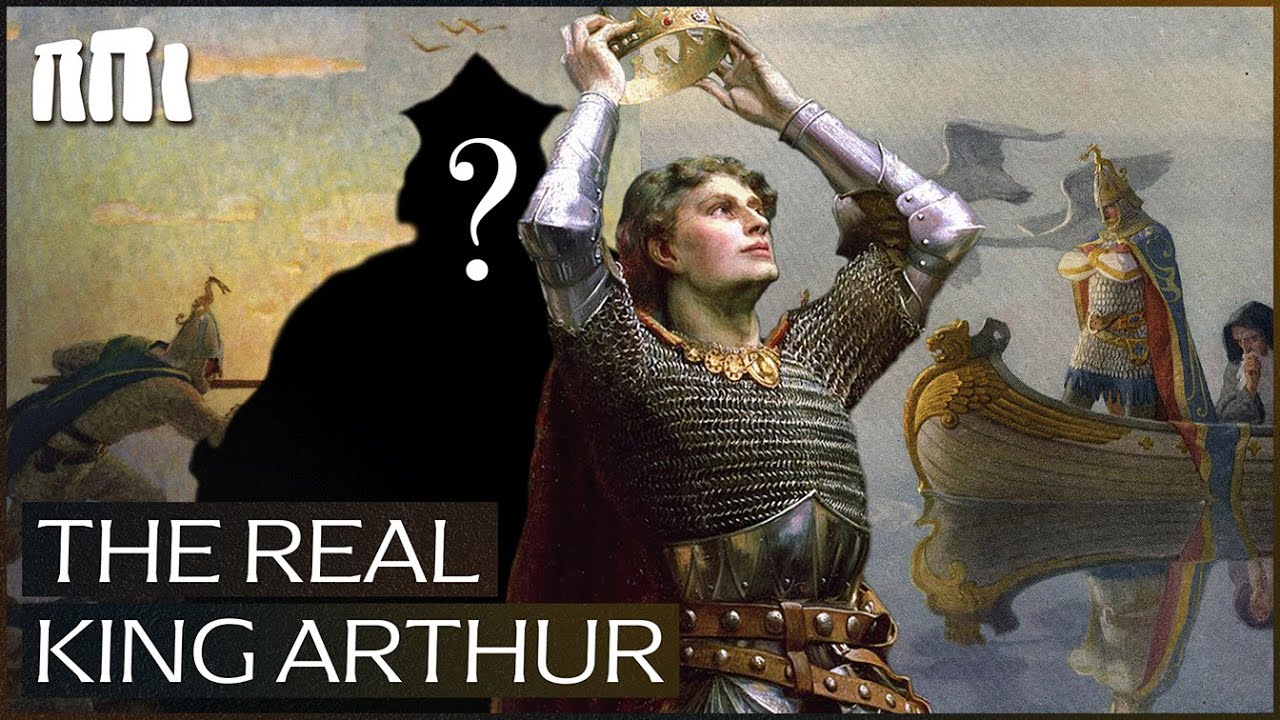
The legend of King Arthur, rooted in a 6th-century Romano-British warlord, evolved through Geoffrey of Monmouth's 12th-century writings and archaeological evidence.
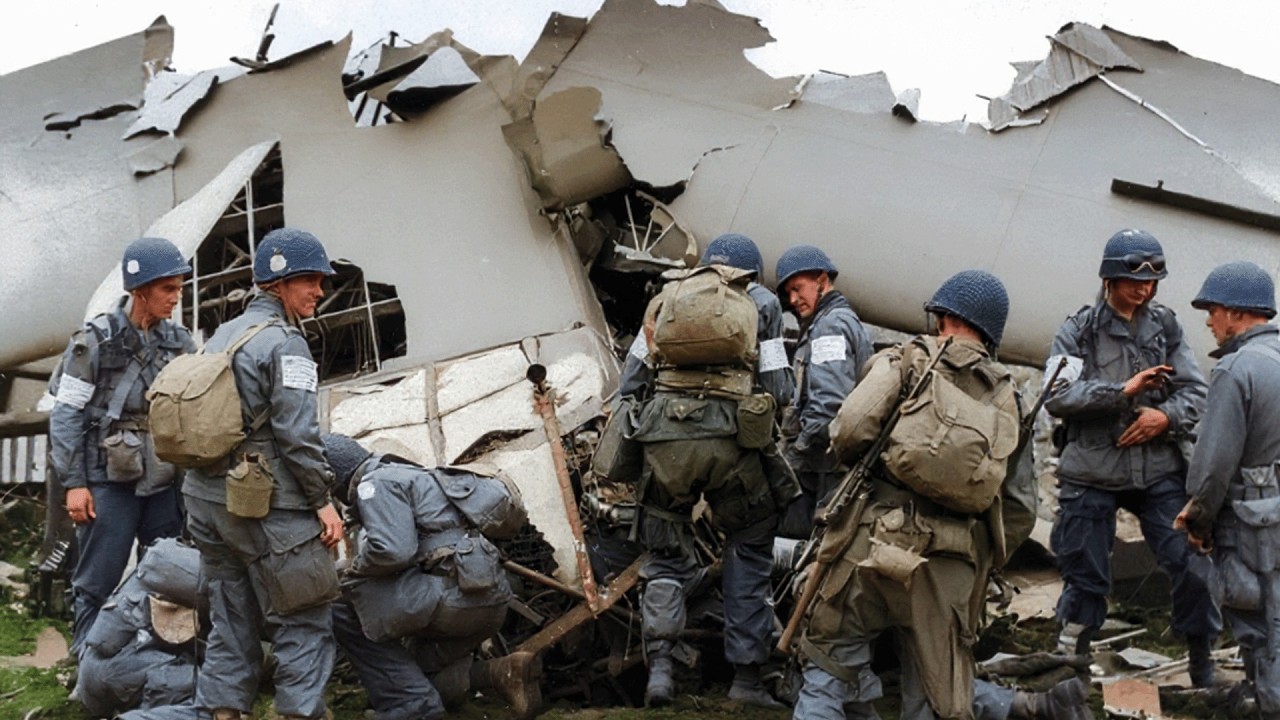
Operation Market Garden, an Allied offensive in September 1944, aimed to secure a bridgehead over the Rhine River but ultimately failed due to underestimated German defenses.
In Athens, Wisconsin, a family of four was found murdered on Independence Day, prompting a search for the missing matriarch and a complex investigation into the crime.
Nik Radev, a notorious Melbourne gangster, terrorized the city for two decades through violence and intimidation before his eventual assassination.
Ancient civilizations, from the dawn of Mesopotamia to the fall of Rome, shaped the foundations of power in a world influenced by nature's dual role.
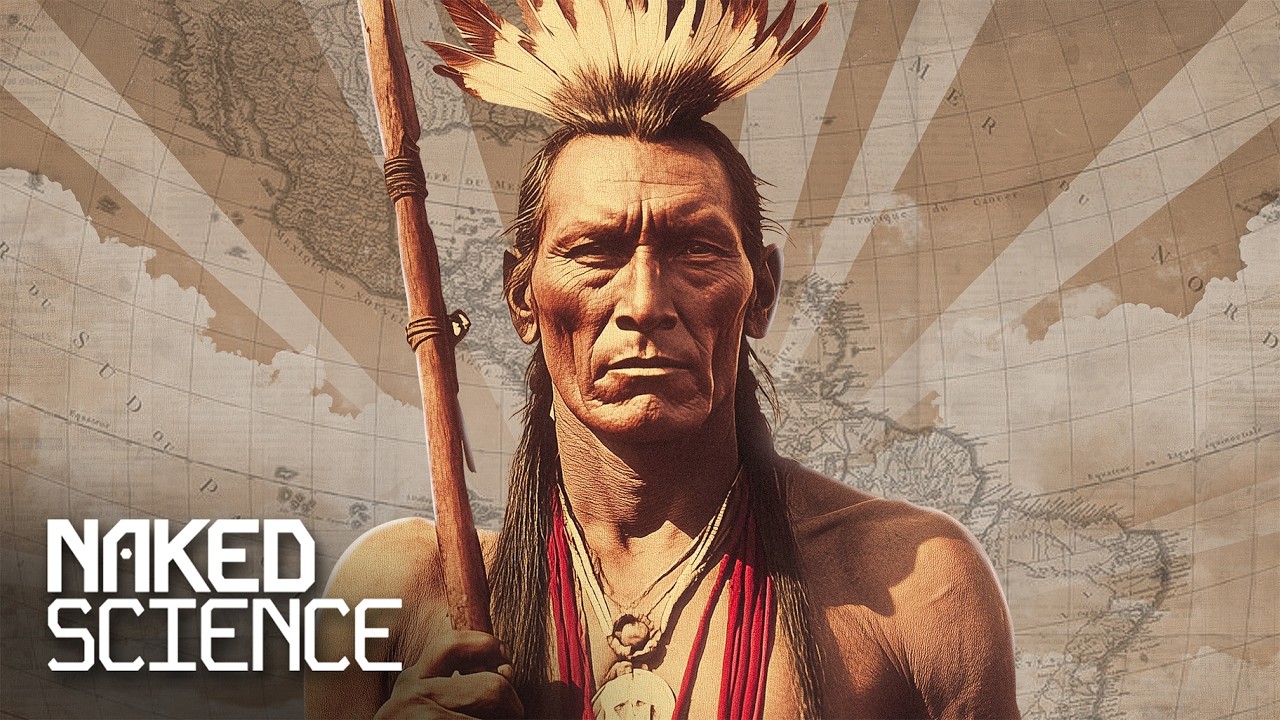
Dave Gaudet showcases Native American history across North America, including the Maritimes.
Winston Churchill's leadership during 1941 is examined alongside the British Empire's defeats in Singapore and North Africa, highlighting both strategic successes and failures.
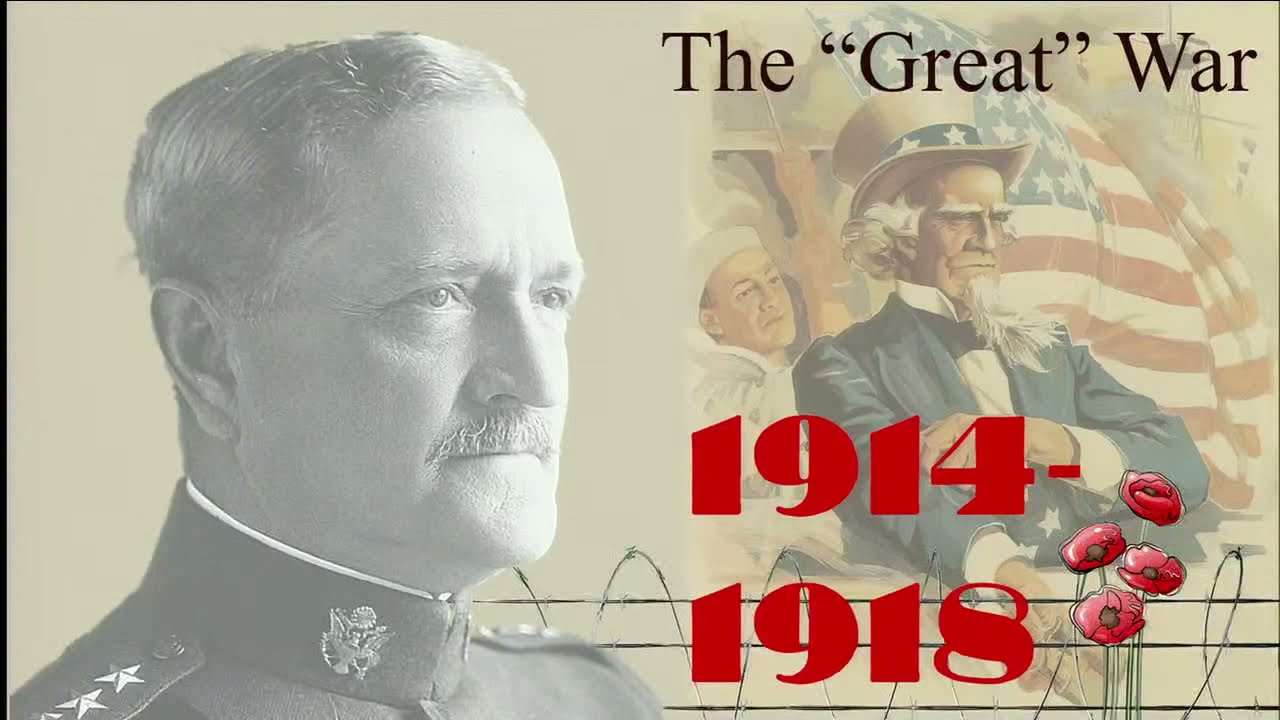
On November 11, 2021, the United States marked the 100th anniversary of the burial of the unknown soldier at Arlington National Cemetery.
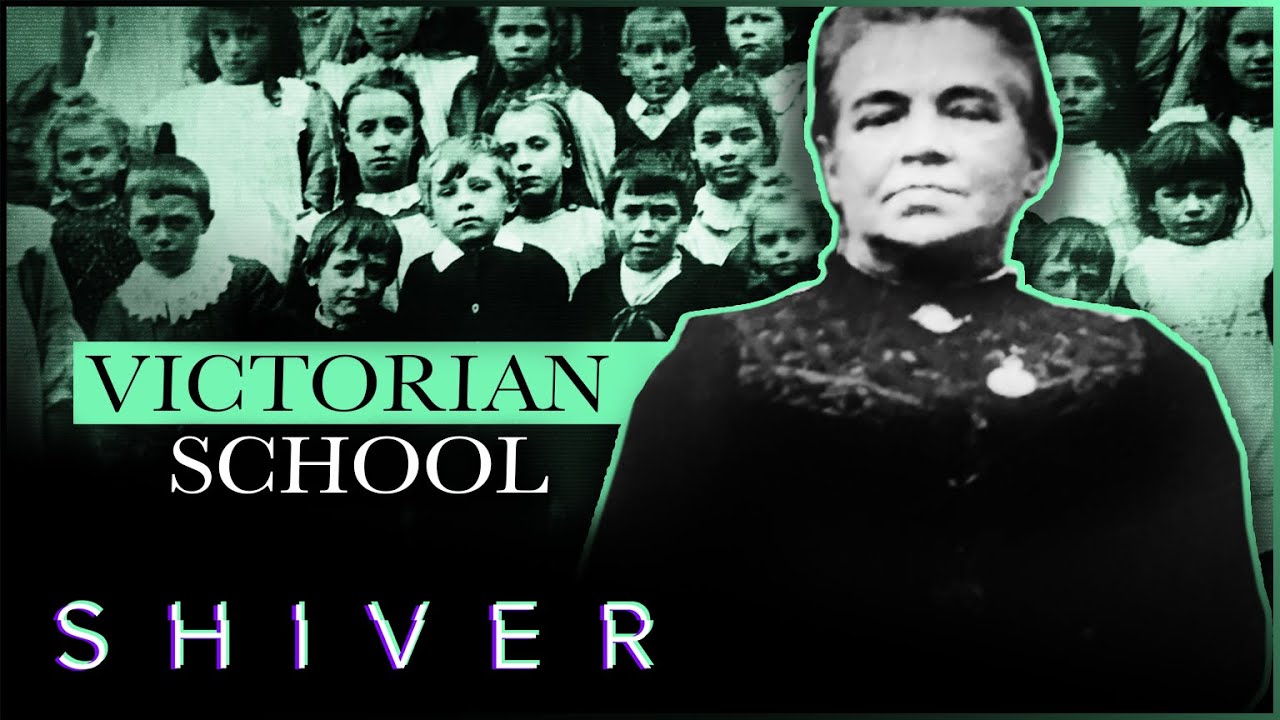
In Skegness, paranormal investigators explore an old school haunted by the ghost of a stern Victorian headmistress, a figure of local legend.
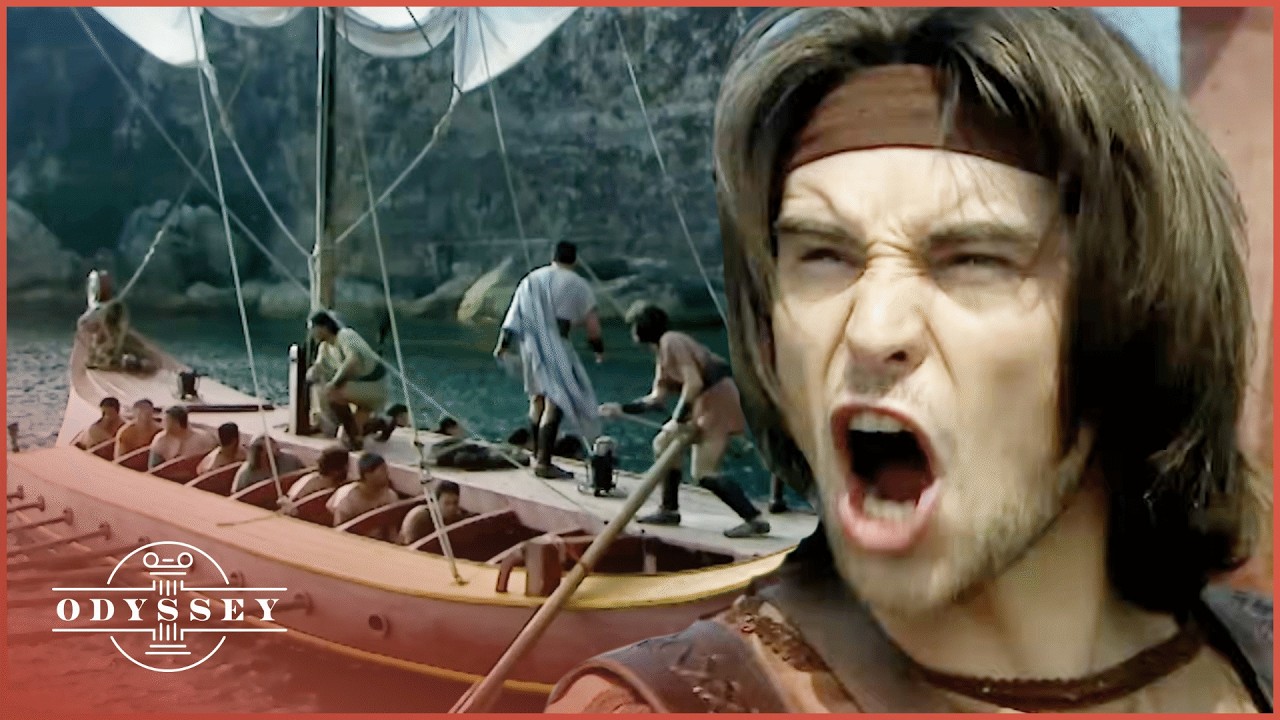
The legend of Jason and the Argonauts is examined for its historical accuracy, exploring the quest for the Golden Fleece through dramatic reconstructions.
The Kingdom of Kongo, an influential African Empire along the Atlantic Ocean, thrived a century before the 15th century and is explored in this historical documentary.
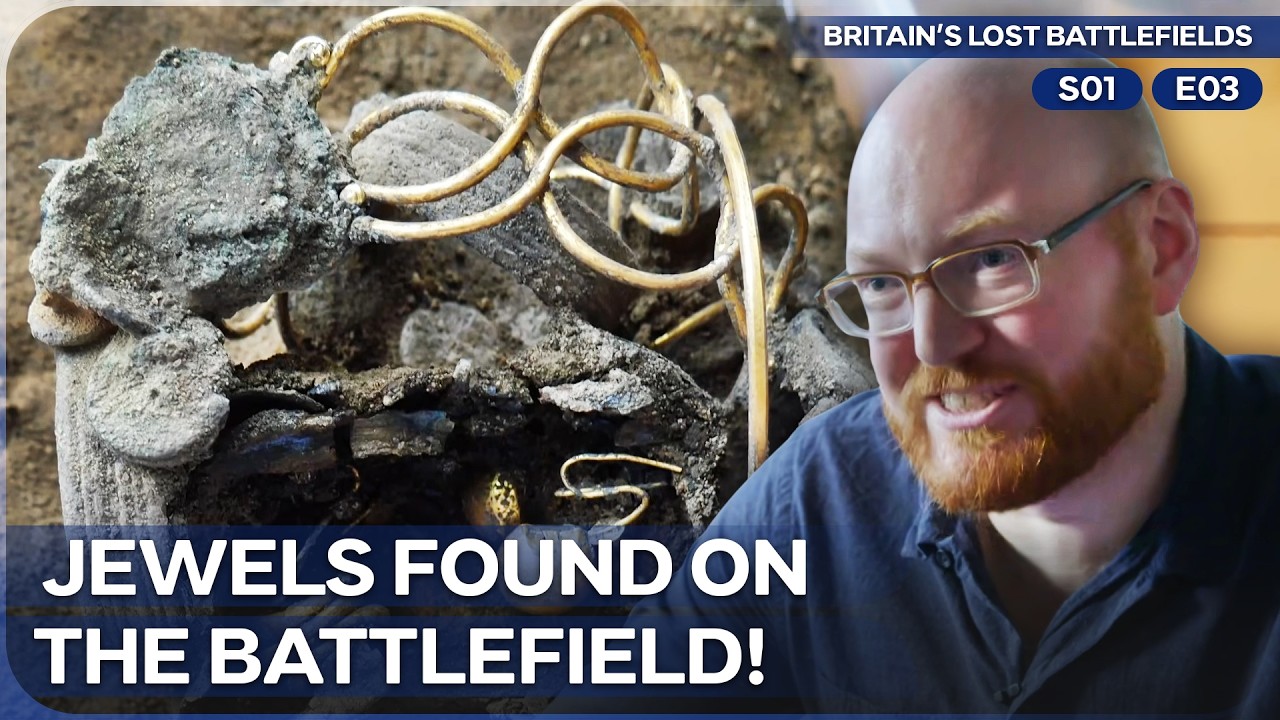
The Battle of Watling Street, fought around 61 AD, marked a bloody clash between the Roman army and Celtic tribes in central England.
The Hermitage Museum in St Petersburg, housed in the Winter Palace, showcases a rich history of art and culture spanning centuries.
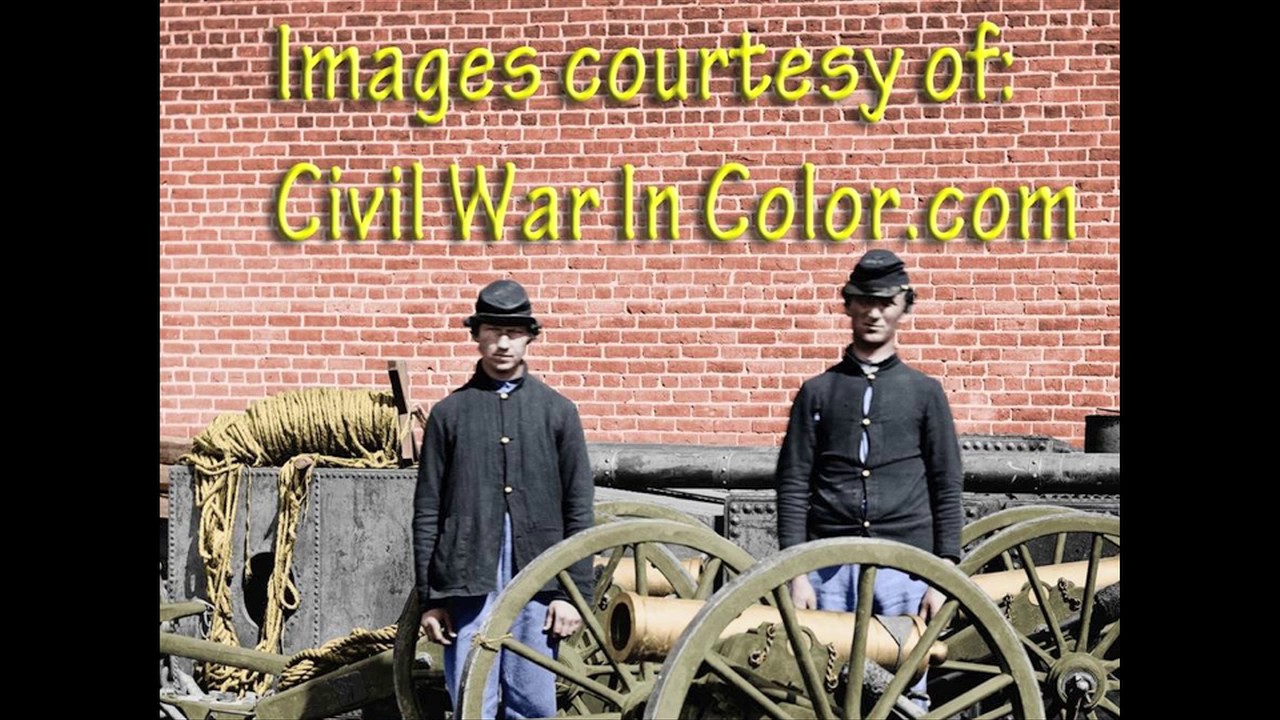
Washington's Civil War forts, including Fort Stevens, played a crucial role in protecting the capital and later transformed into the Fort Circle Parks.
Diana Spencer and Sarah Ferguson navigate the complexities of royal life, facing isolation and public scrutiny that ultimately lead to their departures from the monarchy.
Almost 10,000 official documents from the FBI and National Archives detail the 1946 murders of four African-Americans near Moore’s Ford Bridge in Georgia.
Nicholas Reynolds, a former CIA officer, argues that no one had written a comprehensive history of American intelligence in World War II until now.
The collapse of the Roman Empire is examined through the interplay of military victories, administrative efficiency, and societal decadence in this documentary.
In July 2000, the disappearance of eight-year-old Sarah Payne in West Sussex prompted a massive investigation that led to the establishment of Sarah's Law, enhancing child protection measures in Britain.
On June 27, 1864, Union General William Tecumseh Sherman ordered an assault on Confederate forces at Kennesaw Mountain, a key strategic location for capturing Atlanta.
The July 4th reading ceremony features remarks by Archivist David S. Ferriero and keynote speaker Laura Murphy, alongside a dramatic reading of the Declaration of Independence.
Bibracte, an ancient fortress city in Burgundy, France, reveals the advanced engineering of the Aedui tribe through archaeological studies and LIDAR technology.
In 2017, the Grégory Villemin murder case reopened, leading to new arrests and theories while the investigation's dark legacy continued to haunt those involved.
The era of illegal abortion in the United States, from the mid-19th century to the Roe v.
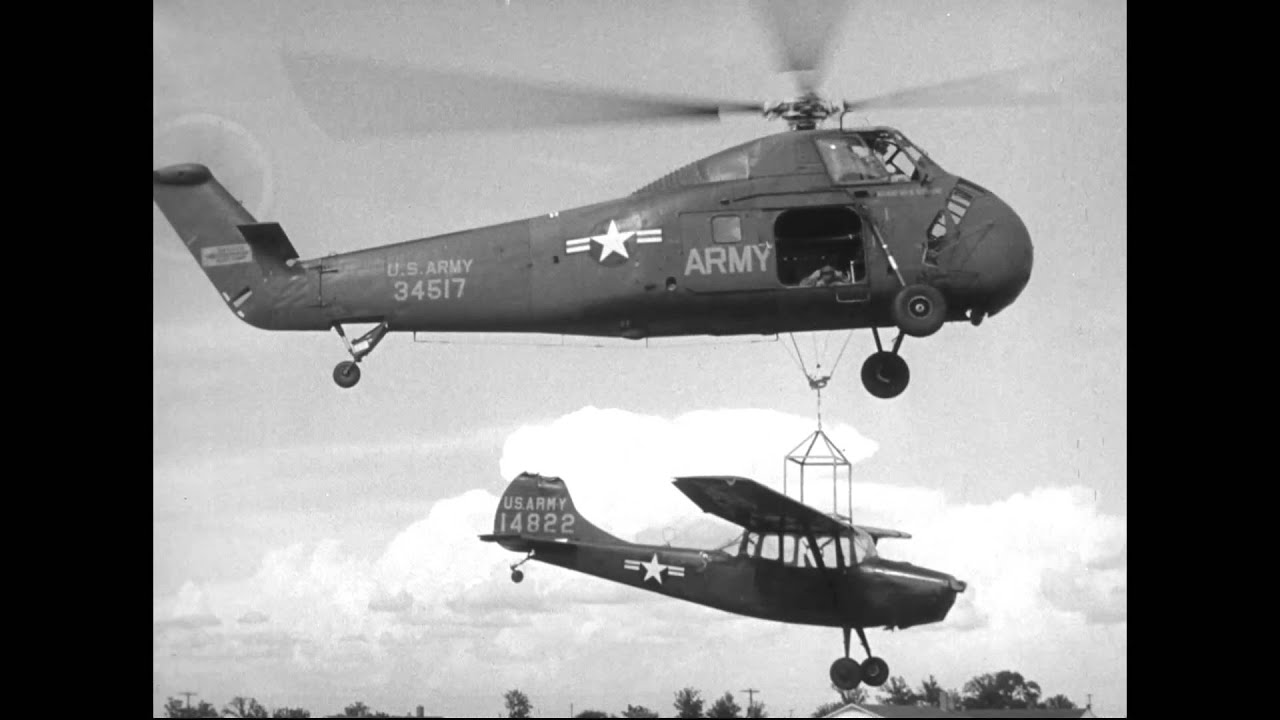
In 1907, the United States Army purchased its first military plane from two bicycle mechanics, marking the beginning of military aviation in America.
More than 75,000 homes were damaged or destroyed during the war in Kosovo, leaving many families like Hassan's in precarious living situations.
Jason and the Argonauts' voyage on the Argo explores themes of ancient masculinity, societal fears, and trade in the Mediterranean, with key stops at Lemnos and the Clashing Rocks.
In a 2002 BBC poll, Winston Churchill was voted the greatest Briton ever, largely for his leadership during World War II.
In Bethlehem Steel Co. plants during World War I, rifle components, cannons, and bombs were manufactured and assembled for the U.S. military.
Kellingley Colliery, the last deep coal mine in Britain, is set to close, impacting many miners.
James Conroy discusses daily life in Lincoln's White House during the Civil War, drawing on primary sources to provide insights into the era.
In 1941, four Italian frogmen employed two-man underwater chariots to plant explosives on British battleships in Alexandria Harbour during World War II.
Cody White, an archivist at the National Archives in Denver, discusses tracing Native American genealogy using records from 1880 to 1930.