From over 100,000 films, discover the handful you'll love.
Free or premium access to the world's largest documentary library.
954 films(Page 6 of 20)
In Dutch New Guinea, six European explorers engage with local villagers in 1959, observing their rituals and experiencing daily life.
William the Conqueror's Domesday Book, created in 1085-1086, served as a legal tool to legitimize Norman rule and redefine land ownership in England.
Over 2,000 Indigenous women are reported missing or murdered in Canada, prompting calls for recognition of treaty rights and improved relations with the government.
Queen Victoria's reign, marked by her unique upbringing and desire for freedom, shaped the course of the British Empire in the 19th century.
Mahatma Gandhi's final years were marked by his commitment to nonviolence amidst escalating religious violence in India, culminating in his assassination in 1948.
Mohandas Gandhi's early years in South Africa, marked by prejudice and the brutality of the 1906 Zulu War, catalyzed his spiritual awakening and future activism.
America's transformation is explored through key events such as westward expansion, the Civil War, the Great Depression, and World War II.
In April 1519, Hernán Cortés and 500 Spanish conquistadors landed on the coast of the Aztec Empire, drawn by the wealth of Tenochtitlán.
Over 140 enslaved people were aboard the Dutch slave ship Meermin when it set sail from Madagascar in January 1766 for its final voyage.
Vikings, Genghis Khan, and Hernán Cortés exemplify how ruthless military strategies and cultural adaptation enabled some of history's most formidable conquerors to rise to power.
A 78-day armed standoff in 1990 between Mohawk protesters and Canadian authorities centered on land disputes in Oka, Quebec.
Queen Elizabeth II's 70-year reign as the monarch of the United Kingdom and the Commonwealth is marked by significant historical events and societal changes.
The Roman Forum, built with 163 tons of gold and twice as much silver, includes a basilica, two libraries, and a colonnaded courtyard.
Only 600 Cuiva remain in Colombia, confined to a small area between the Mitte and Kison rivers, as they face pressures from modern society.
Three bodies of Palestinian fighters killed in an attack on Israeli soldiers return to Nablus, igniting mourning and anger among local youth.
The National Film Board of Canada produced over 500 films during World War II, aiming to shape national identity and values through wartime propaganda.
Thomas Jefferson's three daughters-Martha, Maria, and Harriet Hemings-navigated their lives in a young America shaped by their father's legacy and societal divides.
Five thousand Native Americans negotiate a treaty in Walla Walla on May 30, 1855.
In 1848, most of modern-day California, Nevada, Utah, New Mexico, and Arizona was free territory, influencing the migration of enslaved people to Mexico.
Gaza's residents confront the extensive physical and psychological damage from the May 2021 conflict between Israel and Hamas while striving to rebuild their lives.
Richard Cardinal lived in 28 different placements, including 16 foster homes and 12 group homes, before his death by suicide at age 17.
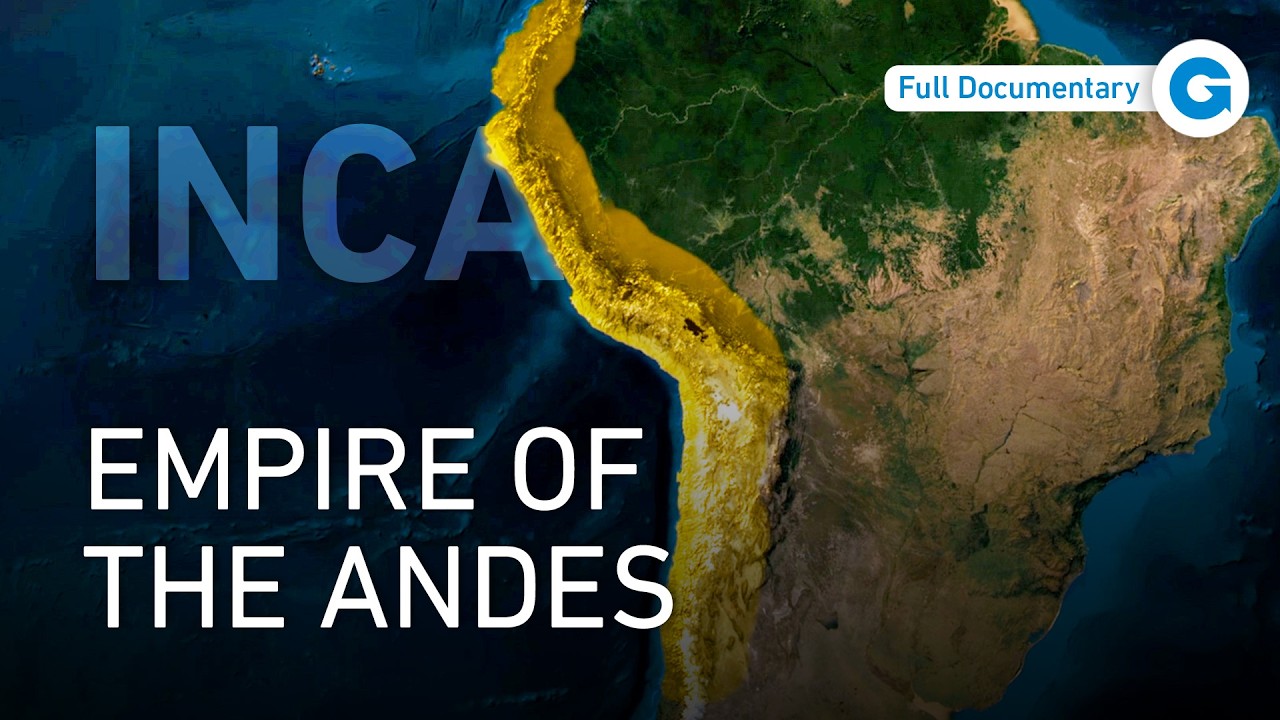
Inca civilization rapidly expanded to become the largest empire in the world during the 15th century, only to be dismantled by a small Spanish force led by Francisco Pizarro.
In November 1991, Nelson Mandela visited Goree Island in Senegal, marking his first trip to Africa after 27 years of imprisonment.
Barentsburg has 350 inhabitants, primarily Russians and pro-Kremlin Ukrainians, living under the oversight of a Russian state-owned company since 1931.
John Ware, a Black cowboy who settled in Alberta, Canada, is re-examined by filmmaker Cheryl Foggo in relation to his legacy and anti-Black racism.
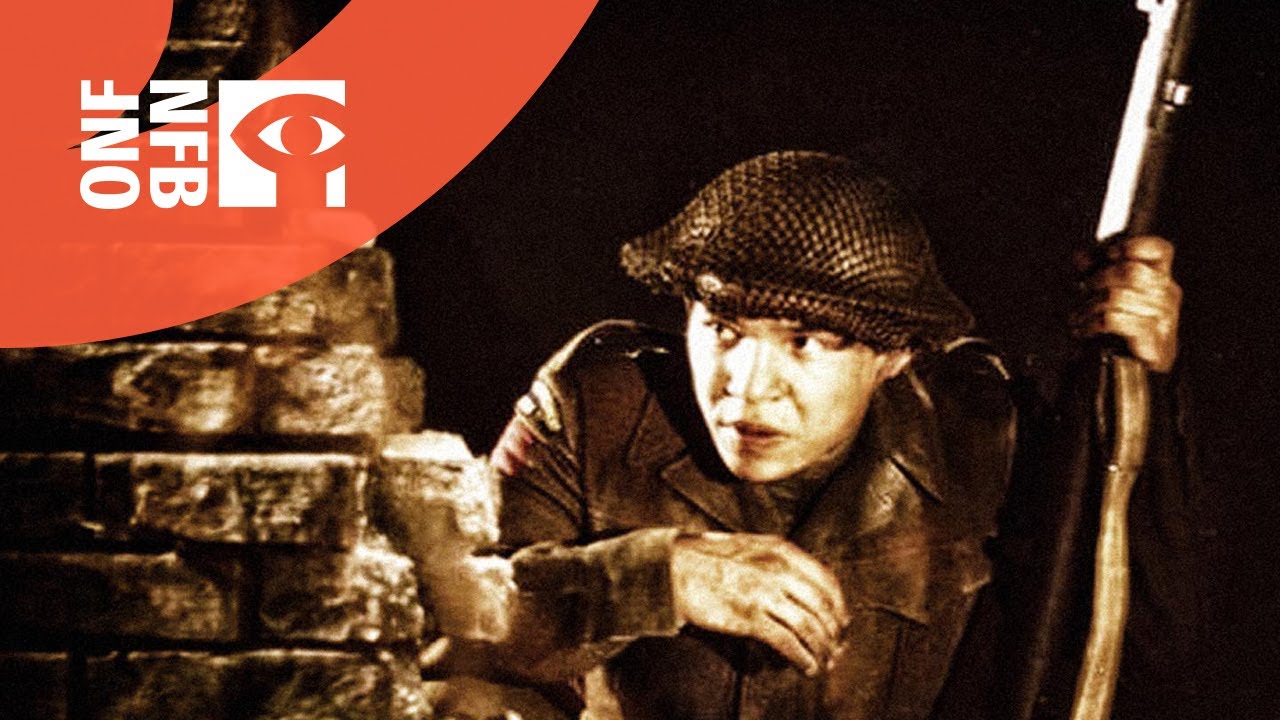
Thousands of Indigenous Canadians enlisted in World War II, despite being told by the government that they had no business fighting in the conflict.
Nine out of ten people in Bukovina are illiterate, struggling under the weight of poverty and oppressive governance during the early 20th century.
Opened in 1753, Haslar was Europe's largest brick building, designed to treat sailors suffering from disease and injury during the British Empire's naval dominance.
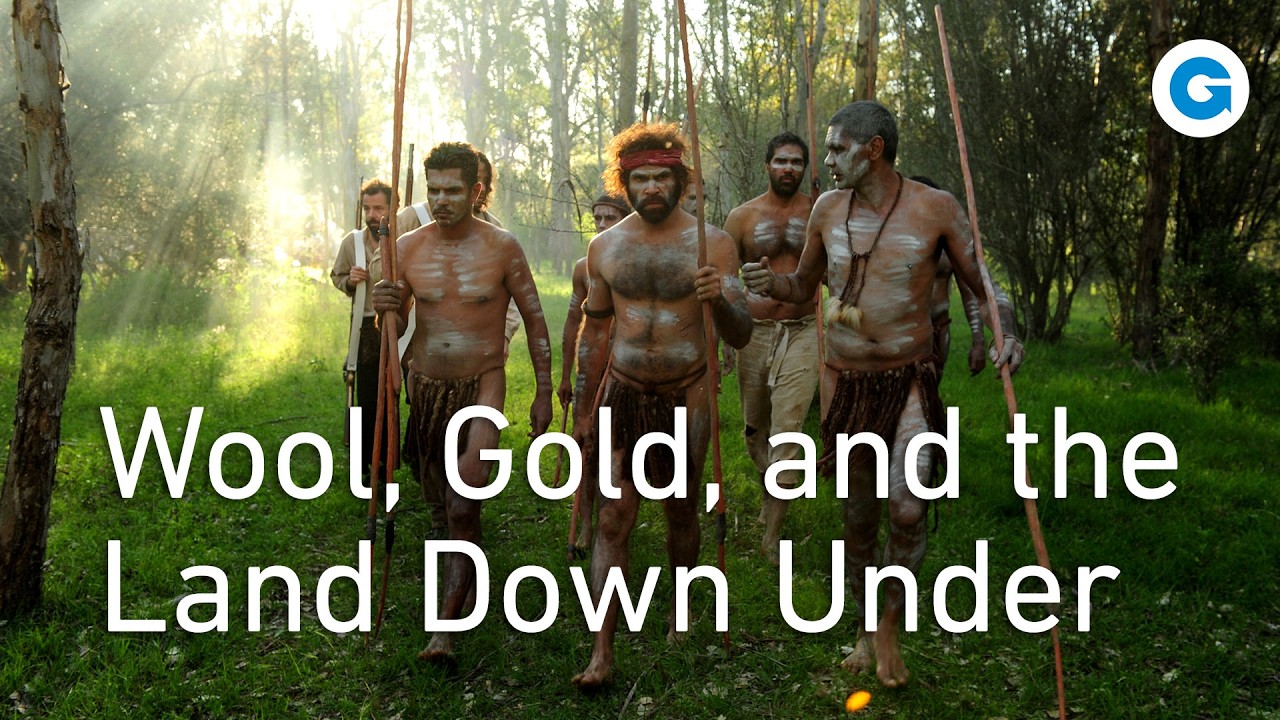
This Extra Long Documentary details Australia's history from Aboriginal Australians to gold rushes.
A group of women from the Six Nations of the Grand River Reserve blockaded their ancestral land in 2009 to prevent its development.
Churchill, Manitoba, has eight weeks of shipping each summer, but faces isolation for the rest of the year due to its harsh climate.
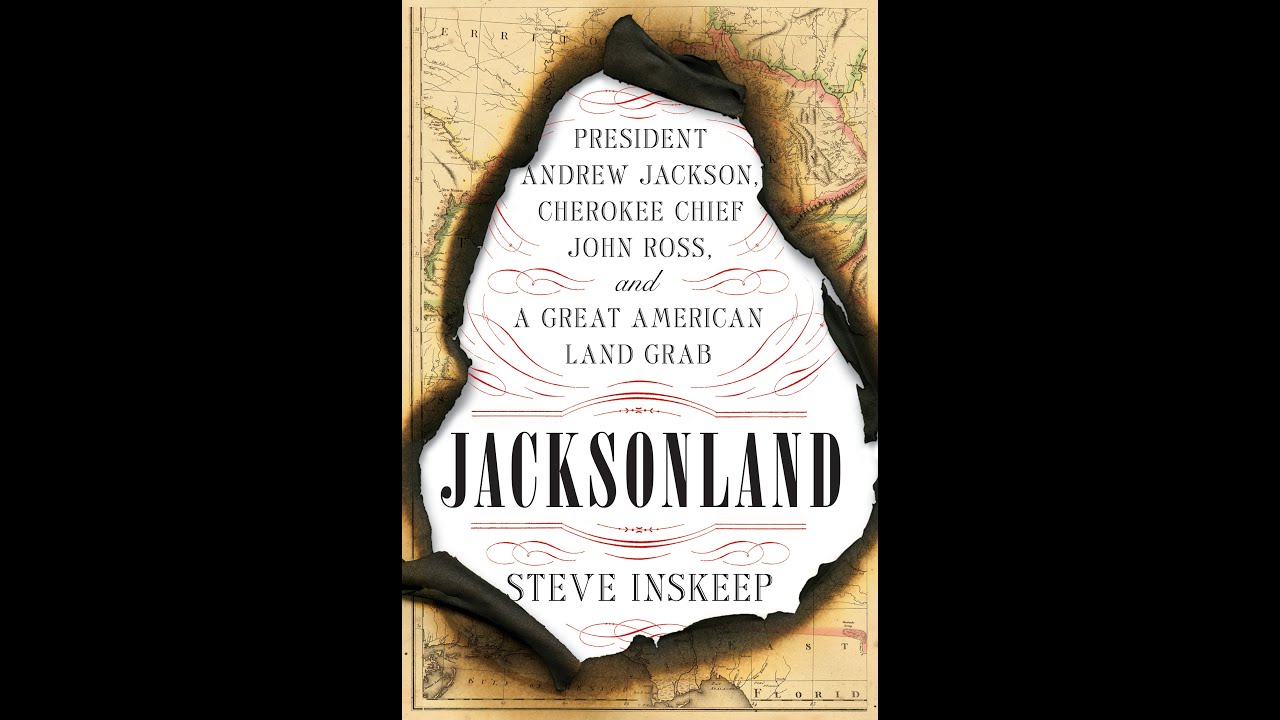
President Andrew Jackson's policies led to the forced removal of Cherokee Chief John Ross's people from their ancestral lands in the Deep South.
In the Aurès Mountains of Algeria, filmmaker Malek Bensmail explores the lasting impact of the war for independence on the village of Ghassira and its children.
George Washington's diary entry from February 18, 1786, lists 216 enslaved individuals, including Oney, who served the founding families of America.
Son Kee Chung wins gold at the 1936 Berlin Olympics, forced to run under the Japanese flag.
Arab feminism is explored through historical perspectives and personal narratives in Morocco, Egypt, Algeria, and Tunisia, highlighting the impact of nationalism and colonialism.
In the Amazon, the Yanomami tribe's encounter with anthropologists like Napoleon Chagnon and Jacques Lizot led to cultural exploitation and devastating consequences.
Franklin's son served as the royal governor of New Jersey, illustrating the deep divisions among families during the American Revolution.
Thomas Jefferson's complex legacy regarding Christianity, slavery, race, and philosophy is examined through insights from Annette Gordon-Reed and Peter Onuf.
In the first episode of a three-part series, Lucy Worsley examines the mythologization of the American Revolution and its historical accuracy.
In 1830, a family of Irish immigrants faces their first winter in the Ottawa Valley while the father works in a distant lumber camp.
The Suez Crisis on 6 November 1956 marked a pivotal moment in British history, revealing Prime Minister Eden's controversial military actions in Egypt and the end of Britain's superpower status.
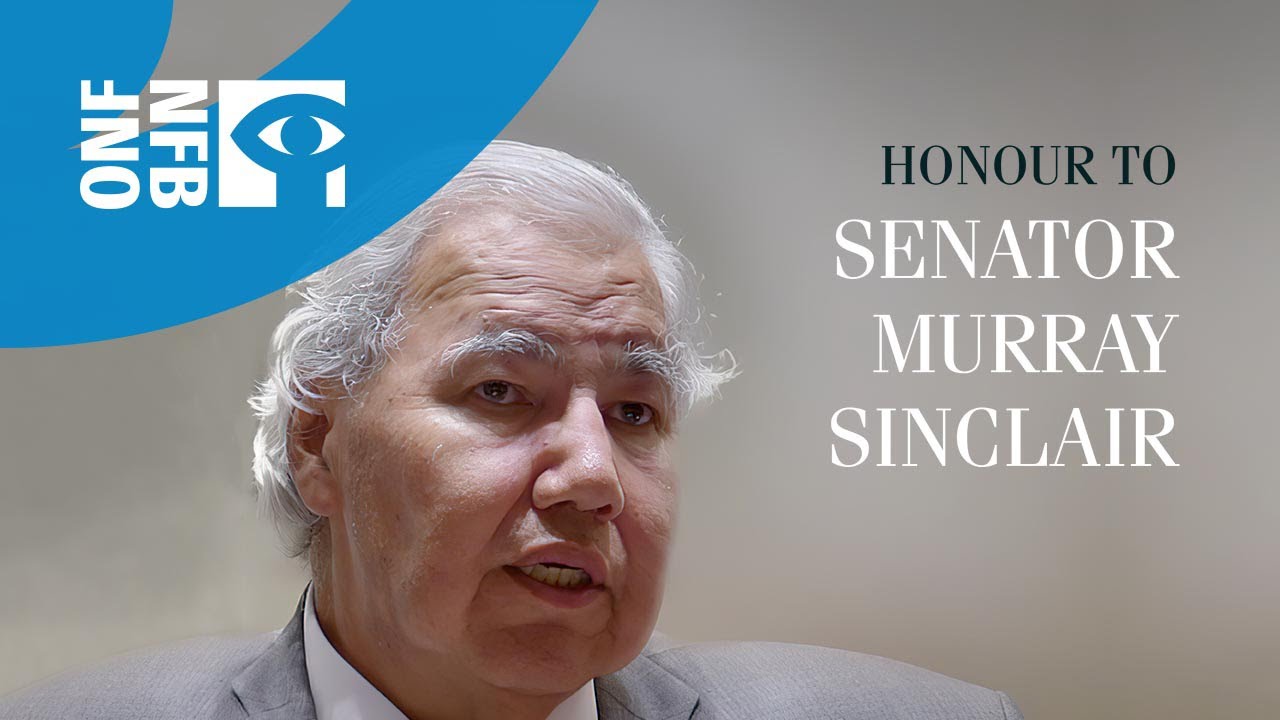
Senator Murray Sinclair's impactful speech on reconciliation highlights the painful truths of Canada's residential school system and inspires hope for a united future.
At age two, Gil Cardinal was placed in a non-Indigenous foster home, where he remained until adulthood while searching for his biological family.
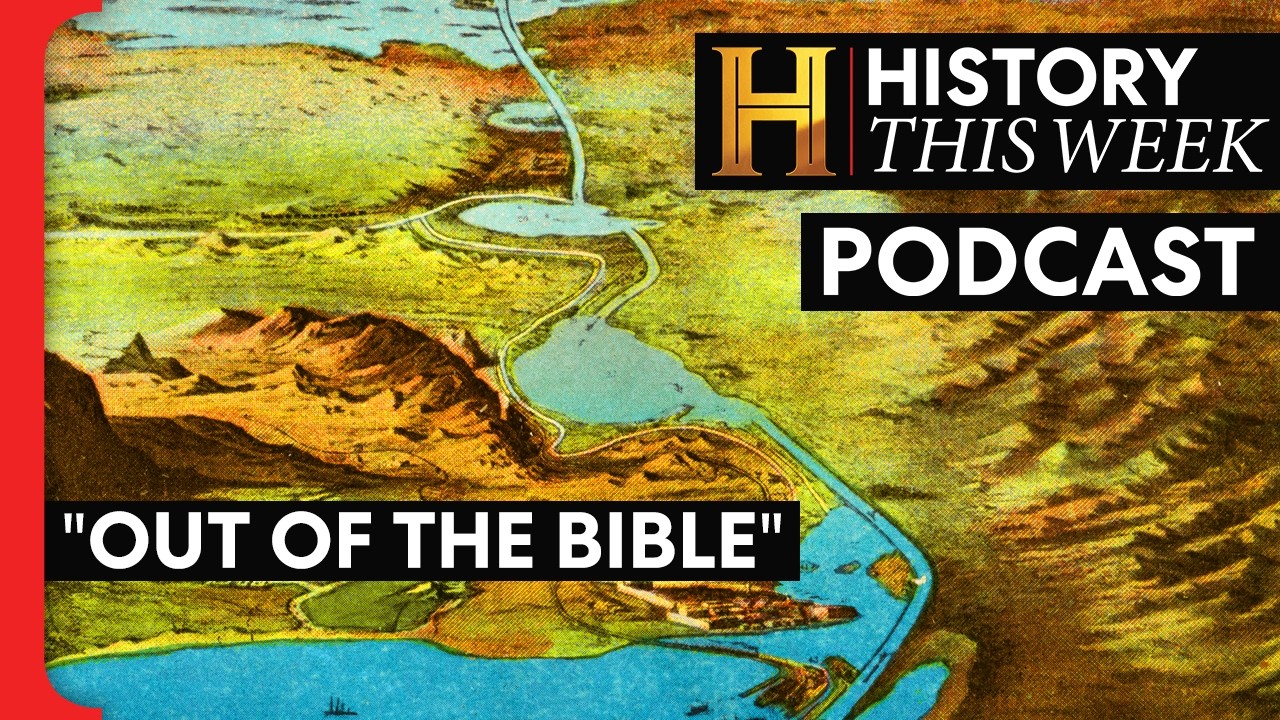
In April 1859, a French diplomat initiated the construction of the Suez Canal, transforming global trade and influencing the rise of modern Egypt.
1936 marks the beginning of the first mass uprising against British colonial rule in Palestine, a revolt that nearly succeeded before being crushed.
Families in the Attawapiskat First Nation face extreme cold with wind chills reaching minus 40 to 50 degrees and lack basic necessities like running water.
Eighty-six vessels, including battleships and cruisers, lay anchored in Pearl Harbor on the morning of December 7, 1941, before the surprise attack.