From over 100,000 films, discover the handful you'll love.
Free or premium access to the world's largest documentary library.
954 films(Page 14 of 20)
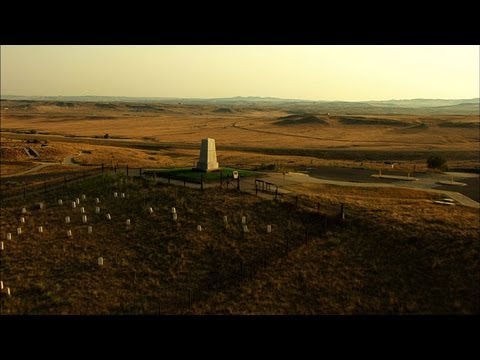
Custer's Last Stand occurs on June 25, 1876, in the Little Bighorn Valley against Sitting Bull's forces.
In 1778, George Rogers Clark led a force of about 175 men down the Ohio River to seize British-controlled outposts in Indiana.
The Blackfoot in Alberta reclaim their legacy through language and cultural traditions.
The video highlights how the invention of numbers 0-9 transformed calculations in Europe.
Watch The UnXplained on Fridays, hosted by William Shatner, about the Freemasons in the Revolution.
The French and Indian War highlights the territorial conflicts in North America between Britain and France.
In 1848, the discovery of gold by John Sutter and James Marshall in California sparked a gold rush that accelerated the state's admission to the Union in 1850.
In 1536, after nine years in the wilderness, Álvar Núñez Cabeza de Vaca and three other survivors walked into Culiacán, Mexico, as changed men.
The Modoc tribe resists U.S. soldiers at Lava Beds National Monument in 1873.
Hadrian's Wall, built in AD 122, stretched 73 miles and was fortified with a fort every seven miles, housing at least 500 soldiers each.
Many people from Catalonia, Kurdistan, and Quebec seek independence from their nations.
The Bad Axe Massacre of 1832 forces Black Hawk and the Sauk tribe out of Illinois.
Thanksgiving evokes happy memories, but the Wampanoags face a tragic history of loss and plague.
The Dolmabachçe Palace exemplifies the ultimate Rococo monument of the Ottoman Empire.
The world's largest Bohemian Crystal Chandelier, a gift from Queen Victoria, hangs in the ceremonial hall of Dolmabahçe Palace, completed in 1856.
On June 1, 1924, a record-breaking 300,000 visitors attended the British Empire Exhibition in London, celebrating the empire's achievements and wealth.
Captain Robert FitzRoy captures four Fuegians, renames them, and plans to take them to England to 'civilize' them and return them to their homeland.
Queer Indigenous people in Canada reclaim their identities against colonial history's legacy.
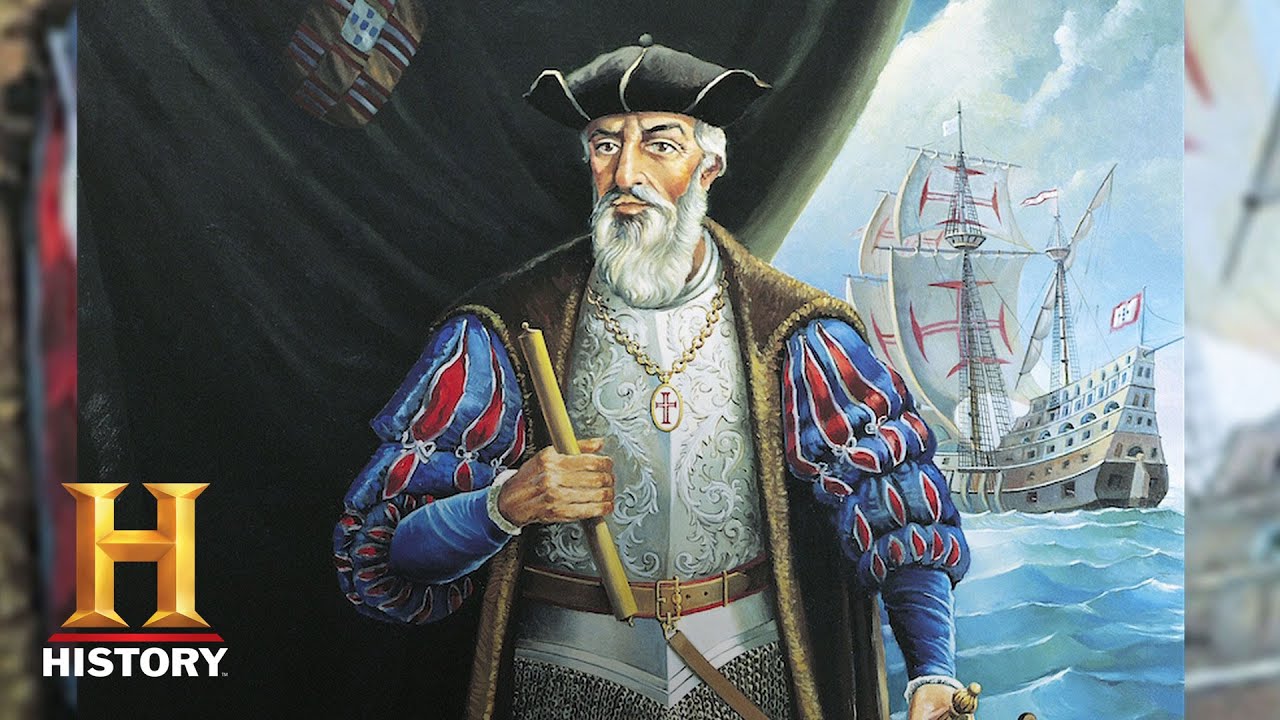
Vasco da Gama connects Portugal to the Indian spice market by sailing around Africa's Cape of Good Hope.
The conflict between the Colonies and Indigenous Australians reveals the complexities of their historical interactions and the ongoing challenges faced in Australia.
The SS had 800,000 members, and graphic artist Walter Heck developed the double rune symbol in 1929, linking it to ancient Germanic runes.
A Spanish burial ground features design elements intended to prevent revenants from rising, revealing intriguing historical and cultural legends.
The Silk Road connects East and West, influencing history and spreading disease today.
Some 50 years after Columbus's arrival, Conquistadors found the Americas largely deserted, with nature reclaiming the land and no towns or people in sight.
Yale University's historical ties to slavery and its ongoing impact on contemporary society are examined through interviews and archival research.
British Empire colonial sites across former territories are examined for their historical significance and the impact of colonialism on local cultures.
Bosnia's multi-ethnic composition is explored through its diverse cultural heritage and the historical context shaped by the aftermath of Yugoslavia.
The Mexican American War leads to significant U.S. territorial expansion in the 1840s.
The Articles of Confederation created a weak government before the US Constitution was established.
Smallpox significantly impacted Native American populations in the 18th century, leading to devastating mortality rates and altering the course of history in the Americas.
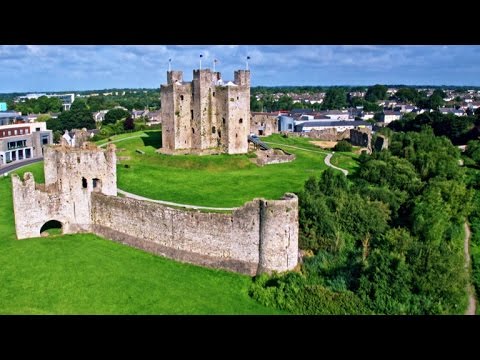
Excavations at Trim Castle in the 1970s revealed 10 headless skeletons, the remains of executed thieves displayed on spikes.
Custer's Last Stand at Little Bighorn River features Lakota and Cheyenne warriors defeating him.
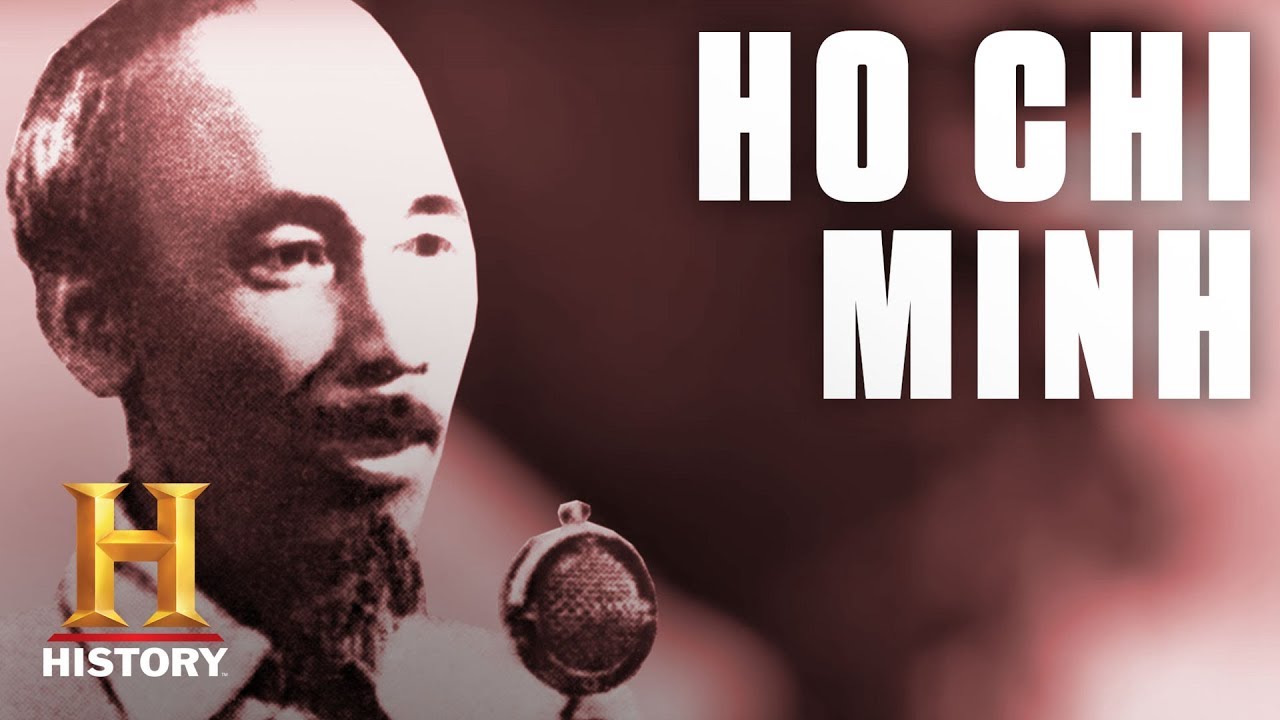
Ho Chi Minh leads North Vietnam's fight for independence from French colonial rule.
Scots-Irish individuals, from William 'Braveheart' Wallace to Neil Armstrong, have significantly influenced history and culture, shaping Scotland's quest for independence.
After the Napoleonic Wars, builders turn to Indian teak due to British Oak shortages.
Christian armies fought under a sacred flag bearing the cross of St. James as they reclaimed Spain from Muslim control in the 1400s.
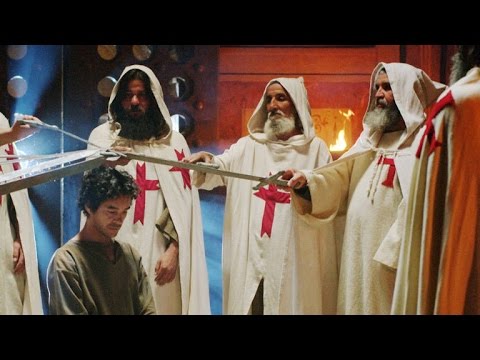
The Knights Templar's controversial secret rituals, including blasphemous acts and confessions obtained under torture, highlight the complex interplay of faith and power in medieval Europe.
Dutch engineers began draining swamps and constructing dikes in the Essequibo region of Guyana around the year 1600 to support colonial settlement.
Two individuals search for missing members of their Indigenous community along the Red River in Winnipeg, addressing ongoing social issues in Canada.
Archimedes has been under a boil water advisory for over 19 years, forcing residents to rely on bottled water for daily needs.
A 400-year-old record details the contributions of Swedish immigrants to American life, beginning with the establishment of a colony in 1638.
Two musicians from contrasting backgrounds in South Africa reflect on the ongoing impact of apartheid while working to foster unity through music.
In August 1969, the village of Old Massett celebrated the raising of a new totem pole by Haida carver Robert Davidson, marking a cultural revival for the Haida people.
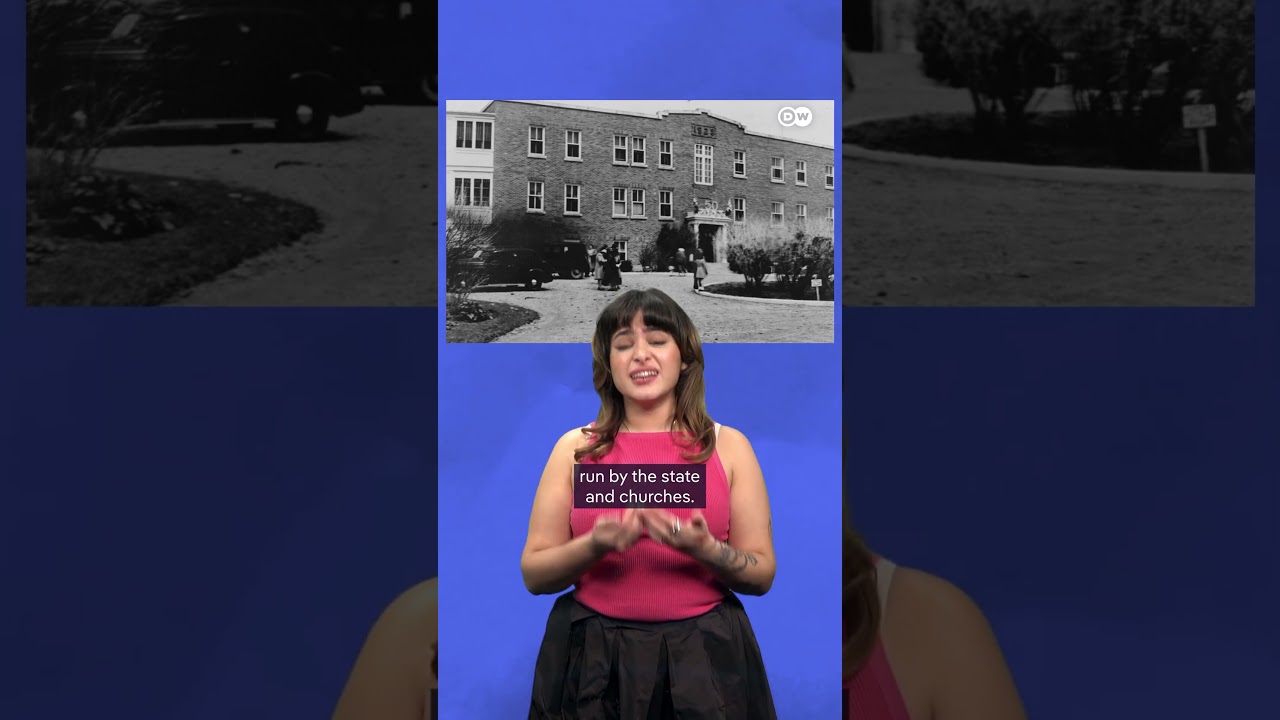
Over 150,000 Indigenous children were forcibly taken from their families to attend residential schools in Canada, including Lena Wandering Spirit in 1963.
In northern Labrador, Holly Andersen examines the deep-rooted connections of the Inuit community to their ancestral lands and the impact of displacement.
In 1774, Abigail Adams, Jeffrey Brace, and Mrs. Benjamin Edes discuss pivotal events like the Quartering Act and Suffolk Resolves at the Boston Gazette Print Shop.
A boat ride from the landing dock to the town reveals colorful buildings and the vibrant life of St. Thomas, part of the United States Virgin Islands.
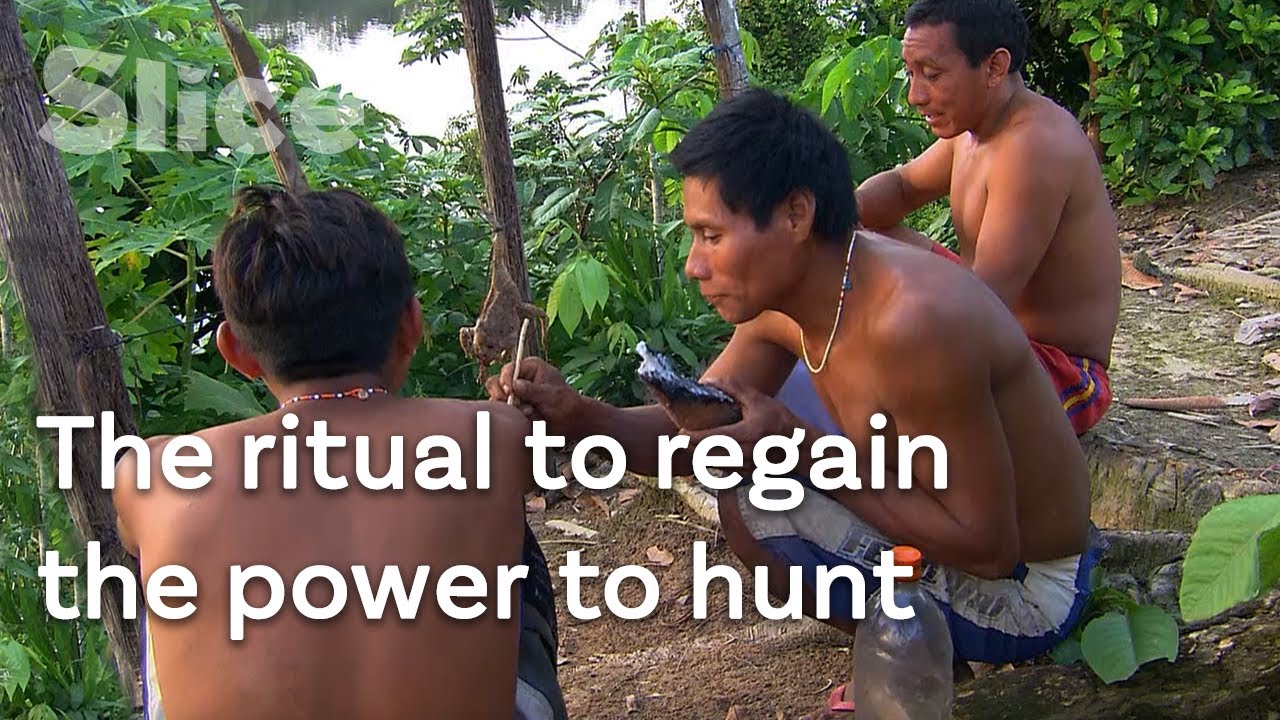
A 260 horsepower engine powers a boat traveling 400 kilometers along the Javary River to reach a remote village of the Mayoruna Indians.