From over 100,000 films, discover the handful you'll love.
Free or premium access to the world's largest documentary library.
954 films(Page 9 of 20)
Dr.
The Mau Mau Rebellion of the 1950s is revisited through the lens of Donald McWilliams, a former British soldier reflecting on his experiences in Kenya.
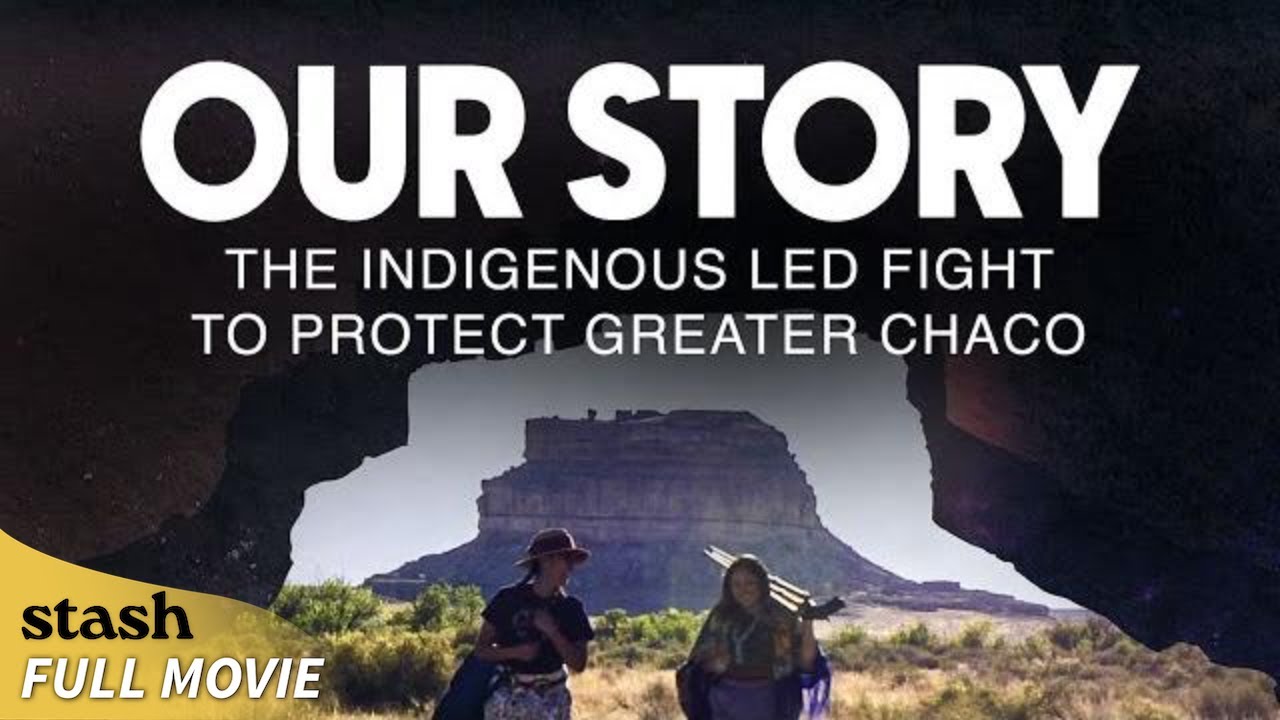
Indigenous activists in the Greater Chaco region of the American Southwest work to protect their land from oil and gas extraction while advocating for community health.
Racism's roots in the transatlantic slave trade are examined through the insights of scholars and activists, revealing its lasting impact on modern society in the United States and Europe.
Five Indigenous women discuss their careers and the influence of their culture, including the legacy of residential schools, on their identities.
Bernhard Grzimek's conservation efforts in the Serengeti highlight the conflict between wildlife preservation and the rights of the indigenous Maasai people.
On May 2, 1808, the people of Madrid rose against Napoleon's army, marking the beginning of the Spanish War of Independence and a pivotal moment in national identity.
Timbuktu, once a legendary destination in the Sahara, was surrounded by tales of wealth and grandeur, with streets rumored to be paved in gold.
42% of Puerto Ricans live below the poverty line, a situation worsened by the island's colonial status and economic challenges.
In Australia, John Pilger examines the impact of colonialism on the First Australians amidst a backdrop of mineral wealth and systemic inequality.
The Palestinian keffiyeh, a traditional headdress, has evolved into a global symbol of the Palestinian struggle for nationhood, as explored by historian Jean-Pierre Filiu.
In Louisiana, Indigenous women like Cherri Foytlin and Sharon Lavigne mobilize against fossil fuel companies to protect their land and way of life.
The Balkans serve as a focal point for discussions on colonization and contamination, featuring insights from Noam Chomsky and Jeffrey Sachs.
In the Middle East, David Hare explores the profound effects of the 708-kilometre wall separating Israel and Palestine through innovative animation techniques.
Indigenous mascots in Canada are examined as symbols of the ongoing legacy of Indigenous genocide and racism, challenging perceptions of the nation's identity.
Ismael Diadié, a guardian of Mali's ancient Islamic library, faces threats from Ansar al Din and al Qaeda in 2012 as he seeks to protect over 12,000 manuscripts.
Thaddeus and Nanci, a Native and Non-Native couple from Montana, navigate cultural tensions and identity challenges as they prepare for their wedding.
In the fall of 2016, protesters gathered at Standing Rock to oppose the Dakota Access Pipeline, asserting their rights over land and water resources.
Williamsburg, VA, is explored by Brian and Nick as they visit the Jamestown Settlement, dine at The Hound’s Tale, and stay at Kingsmill Resort.
The Latvian steamer Rasma sank in 1941 near Mohni Island, carrying bicycles and sewing machines that changed the lives of local residents.
In the 1530s, Balthasar Stürmer's capture by Ottoman pirates highlights the intertwined histories of piracy and slavery in the Mediterranean, as revealed by Timmy Gambin's 2023 expedition.
Gold mining in Thariode, an ancient city in the Malabar region of British India, is explored alongside its historical significance in the 19th century.
Okinawa, despite attracting 10 million tourists in 2019, remains Japan's poorest prefecture, highlighting the stark contrast between its beauty and economic struggles.
Antonia Preble discovers she is 56% British Irish and has connections to Princess Diana, along with links to the Dutch slave trade and plantation history.
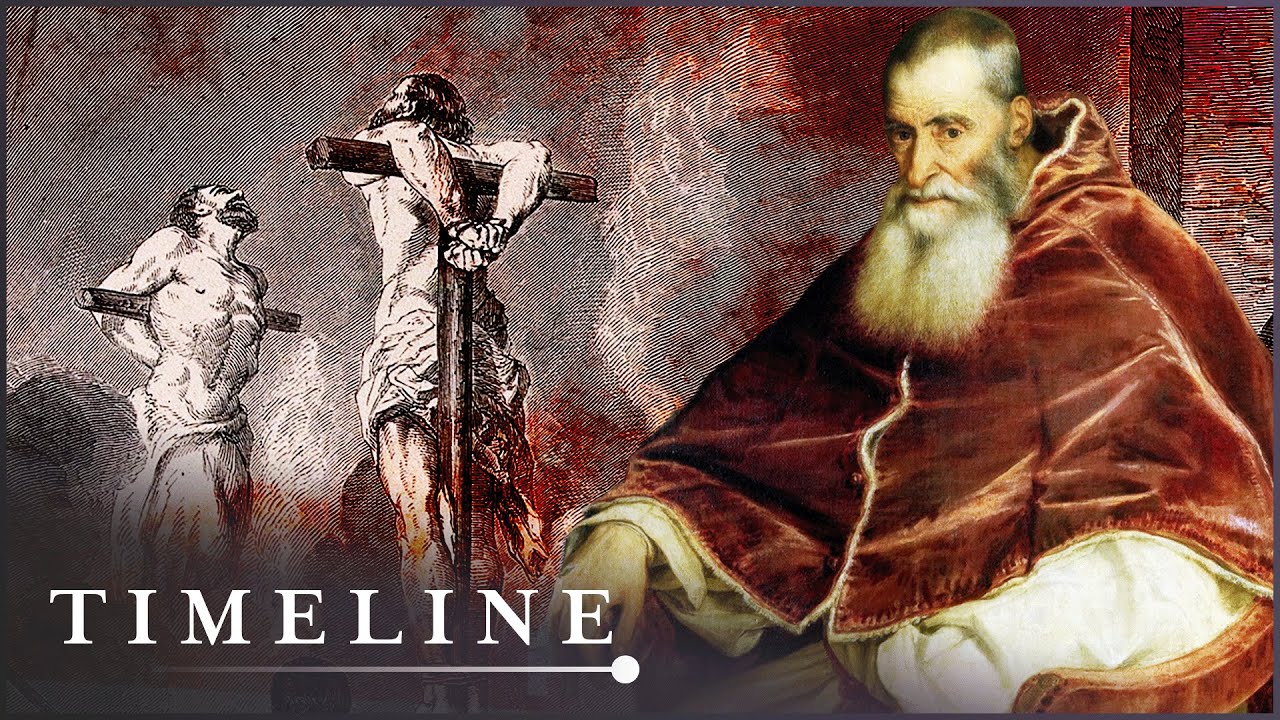
The Roman Inquisition, established by a fanatical monk under the Medici Pope, targeted heresy and punished free thinkers during the Protestant Reformation in Italy.
In 1911, Hiram Bingham climbed through the cloud forests of Peru and discovered extensive Inca ruins that had been abandoned for nearly 400 years.
On June 7, 1692, an earthquake caused the sandy peninsula of Port Royal to collapse, killing 2,000 people and burying the town beneath the sea.
Pirates and buccaneers like Henry Morgan played a crucial role in the British Empire's expansion in Jamaica, particularly through the notorious Port Royal before its 1692 earthquake destruction.
Vatican City’s hidden archives reveal its alleged collaboration with the Nazis during World War II, financial scandals involving the Vatican Bank, and the mysterious death of Pope John Paul I.
In Houston, Reverend Ed Young's million-dollar church complex contrasts with the uncertain religious futures faced by communities in Venezuela and Guatemala.
Ancient Roman roads in Britain reveal lost cities, military strategies, and Celtic resistance, illustrating the Empire's lasting impact on the landscape and infrastructure.
The first Americans face existential threats from assimilation efforts in Guatemala and environmental challenges linked to drought and depopulation.
On July 4, 1776, the insurgents declared their freedom from British rule, igniting a war for independence that reshaped the future of the United States.
Episode 3 of Inside Japan's War focuses on occupied territories and resistance movements during WWII.
Events from the War of 1812, spanning 1812 to 1815, are explored alongside the recent repatriation of remains from Fort Erie to the United States.
In Mexico City, the rise and fall of the Aztec Empire is explored, highlighting its cultural achievements and the rapid collapse of its civilization.
Kett's Rebellion in 1549 showcases commoners' fight against British land enclosure.
The Knights Templar, a medieval order with origins linked to a split oak tree, evolved from protectors to a financial powerhouse amid allegations of occult practices.
Viking artefacts and historical records reveal the complex society and expansive reach of Scandinavian culture during the Viking Age.
William John Banks inherited Kingston Lacy in 1834 and filled it with unusual artifacts from his travels before fleeing Britain to escape a scandal.
Japan's invasion of Manchuria in 1931 and the attack on Pearl Harbor illustrate the nation's wartime motivations and the societal impact of World War II.
Nazi plunder during World War II led to the theft of significant artworks, including a missing Raphael painting, with ongoing efforts to recover these treasures in locations like Grodno Castle and Krakow.
Judy discovers her father's fate after a DNA test reveals family secrets from decades ago.
Bangui's Muslim population plummets as violence displaces nearly a million in CAR.
British colonial policies and military actions in South Africa, including the Zulu Wars and the Boer War, laid the groundwork for the apartheid system.
Bristol became one of the main hubs of the world's slave trade in the 18th century, with 438 slaves transported on one ship alone.
Wewelsburg Castle served as a site for Nazi occult rituals led by Heinrich Himmler and the SS, reflecting the regime's esoteric beliefs and Aryan ideology.
Mahatma Gandhi's assassination in 1948 by a Hindu nationalist intensified religious divisions in post-independence India and reshaped the nation's identity and politics.