From over 100,000 films, discover the handful you'll love.
Free or premium access to the world's largest documentary library.
954 films(Page 15 of 20)
Two engines are needed to pull the carriages up the steep hill of the Khyber Pass, a historic route used by smugglers and tourists alike.
In Haiti, master machete fencer Alfred Avril explores the historical and cultural significance of machete fencing, rooted in the Haitian Revolution.
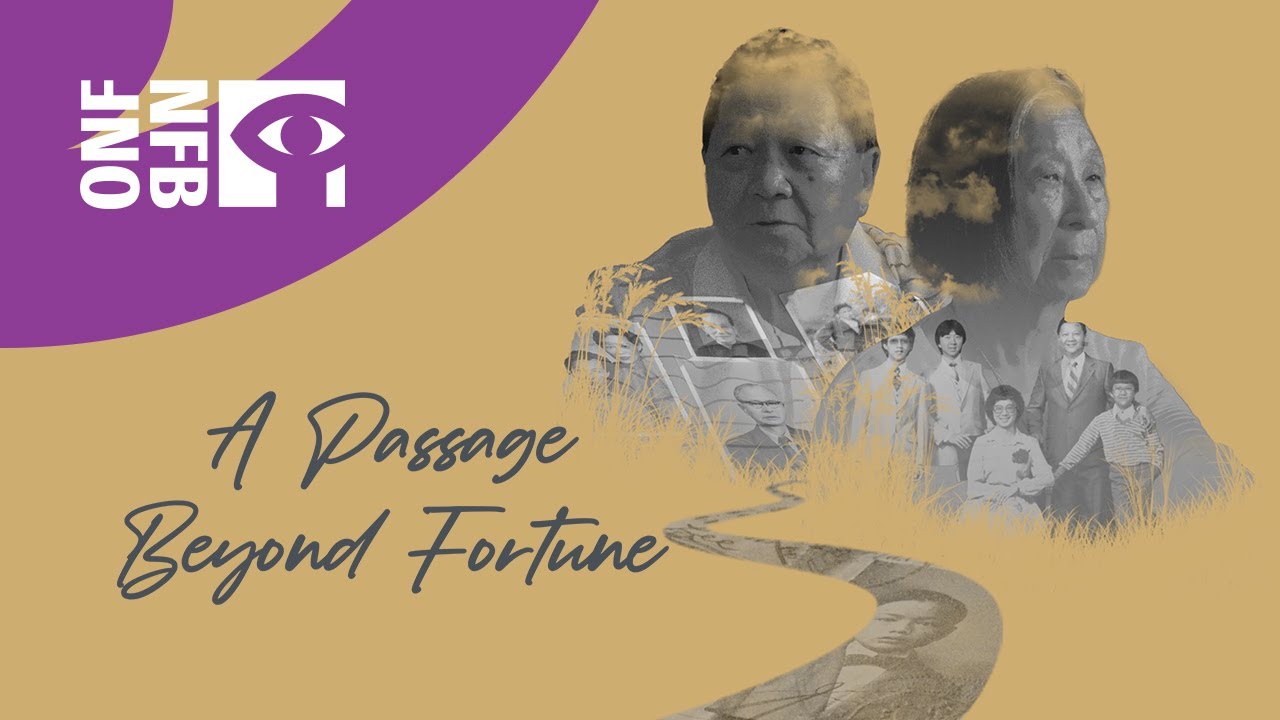
Through an intimate archive of the Chow family lineage, Moose Jaw's Chinese-Canadian communities are honored for their culturally significant yet overlooked history.
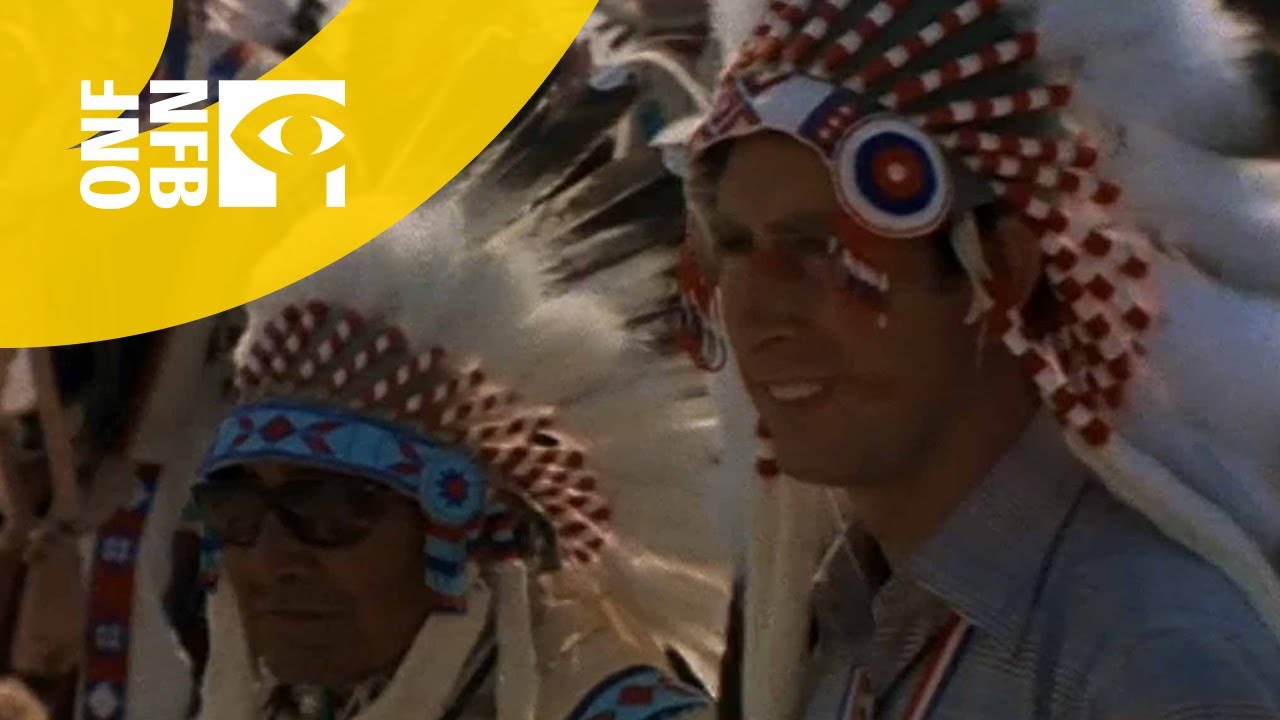
In July 1977, Prince Charles was inducted as an honorary chief of the Blood Tribe during a ceremony commemorating the 100th anniversary of Treaty 7.
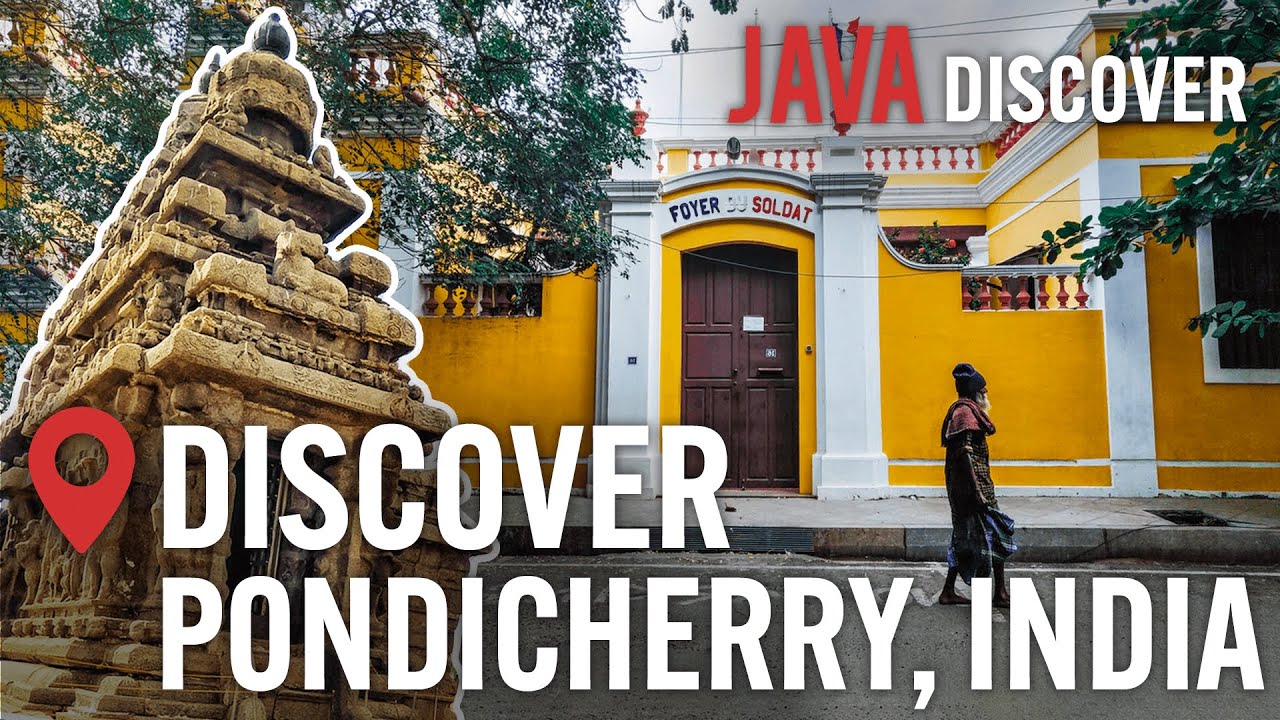
Almost 5,000 citizens of Pondicherry, or about 10% of the population, chose to take French nationality at midnight on August 16, 1962.
Patrick Henry and John Dickinson articulate their opposition to England's colonial policies, advocating for unity among the North American Colonies in defense of their rights.
France's historical and contemporary ties with African nations like Mali, Senegal, and Côte d'Ivoire are examined alongside its declining influence amid rising powers.
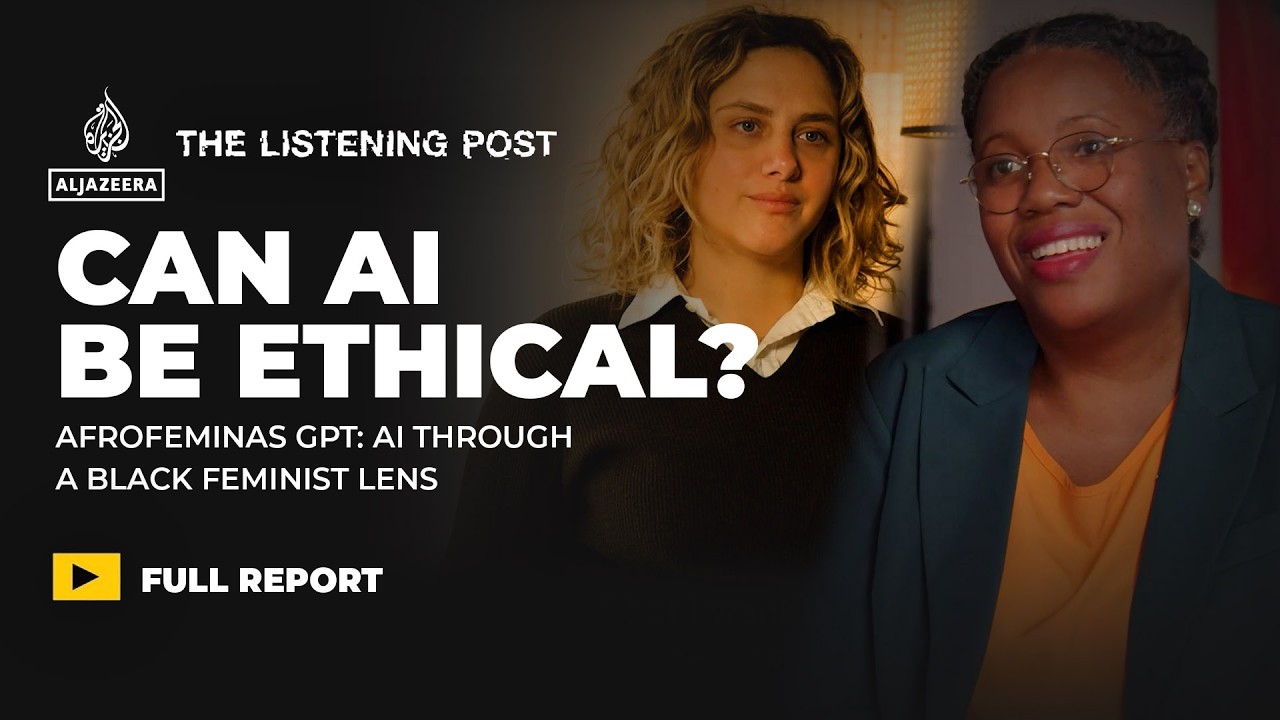
In Spain, AfrofeminasGPT, a chatbot trained on Black feminist and decolonial thought, aims to challenge AI discrimination and bias.
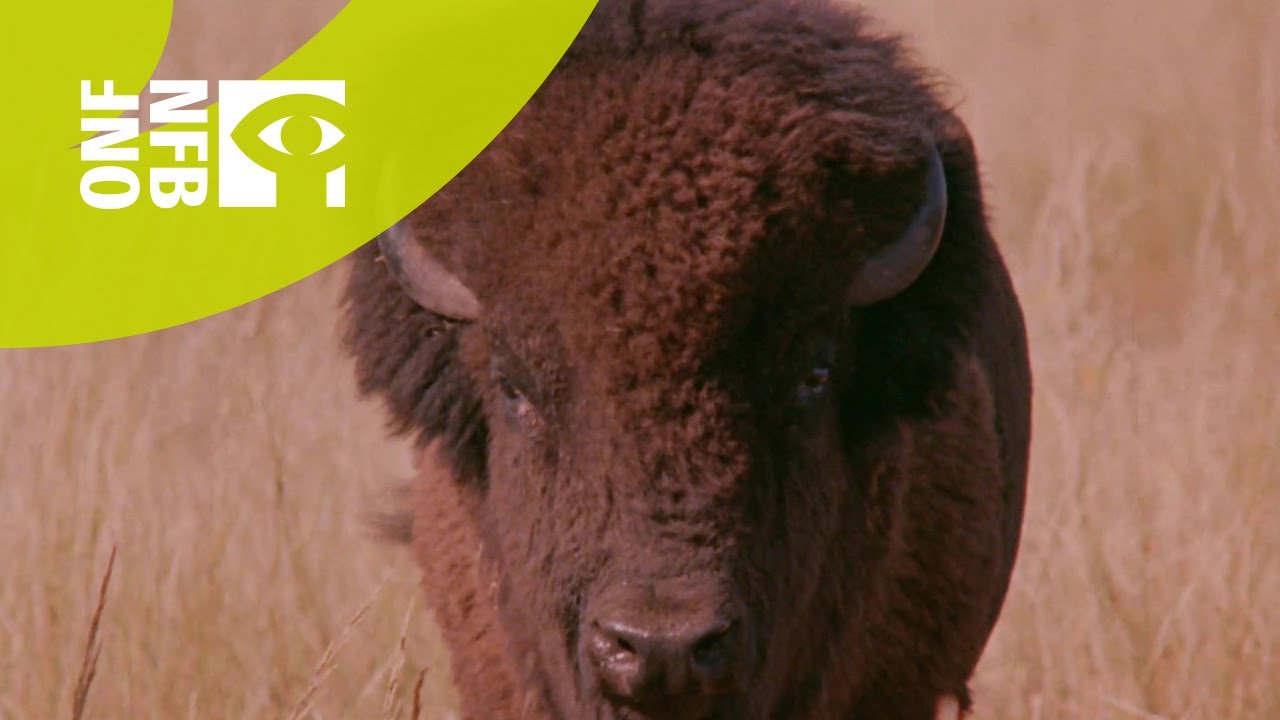
In the mid-1800s, North American Indigenous Peoples engaged in buffalo hunts alongside white hunters, a practice vividly illustrated through animation and historical paintings.
Alexandra Fuller shares her experiences growing up in war-torn Zimbabwe during the Rhodesian Bush War, highlighting how it influenced her writing.
Amy Toensing's photography highlights the cultural struggles and unique lifestyles of Aboriginal Australians, emphasizing their deep connection to ancestral lands.
1482 marked the arrival of Portuguese explorer Diogo Cao in the Congo, where he encountered ancient rituals and beliefs about souls and zombies.
200 victims have been counted in Azerbaijan since the recent conflict, as the government seeks to reshape Nagorno-Karabakh under its control.
Boudica's Rebellion inflicted 70,000 casualties on the Romans and their supporters, marking a significant uprising against Roman rule in Britain.
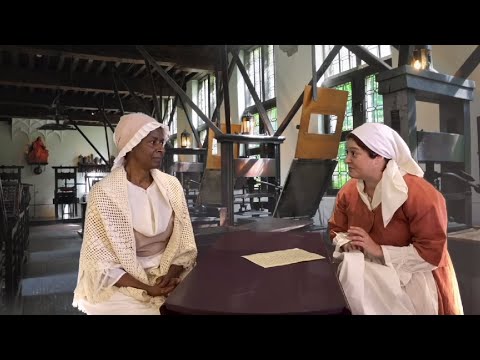
In early March 1770, Phillis Wheatley, Crispus Attucks, and Mrs. Benjamin Edes discuss the tensions in Boston and New York leading up to the Boston Massacre.
The Bhopal gas leak in 1984 killed thousands and still affects survivors today.
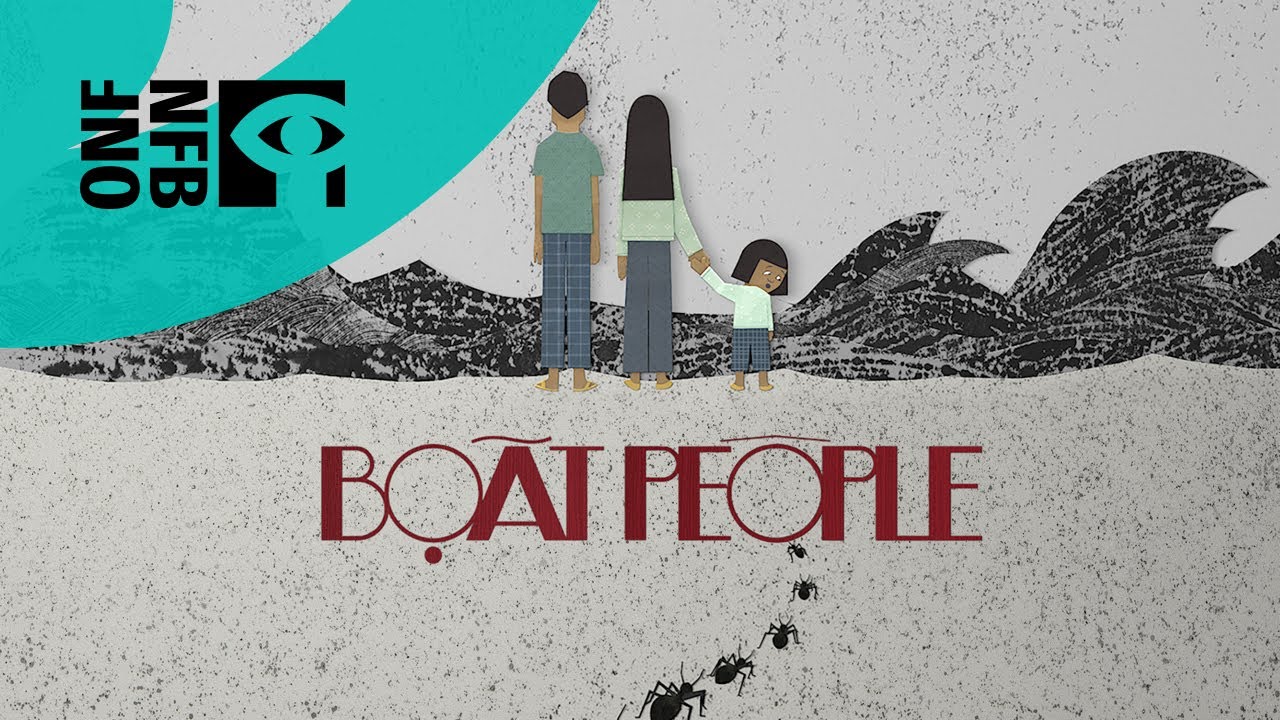
In Vietnam, Thao's mother saved ants from sugar water, a metaphor that reflects her family's escape from historical turmoil in this animated documentary.
Garimala Yakar shares the history and cultural significance of the didgeridoo among Australian aborigines, highlighting men's roles in hunting and warfare.
On June 28, 1776, Thomas Jefferson presented a 1,500-word draft of the Declaration of Independence to the Committee of Five for review.
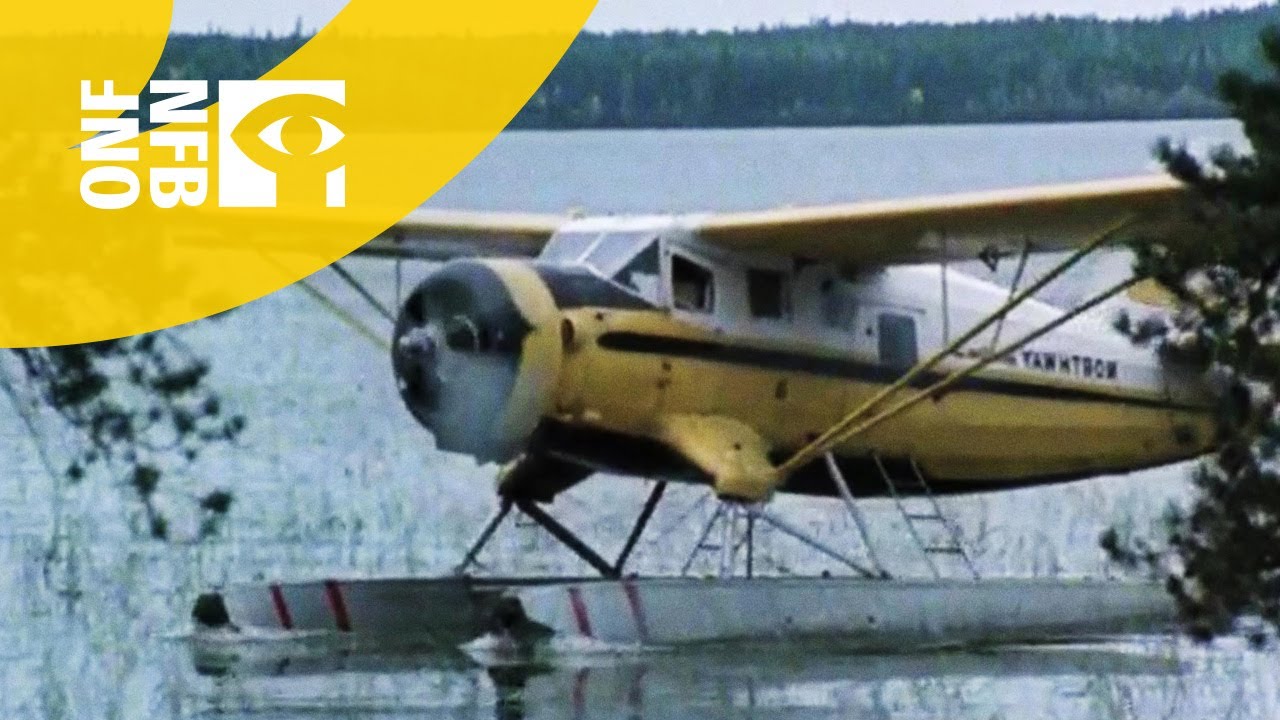
In Canada's North, towns are increasingly modeled after Southern urban centers, leading to the obsolescence of traditional bush pilots.
A narrow-gauge railway in St. Kitts, built between 1912 and 1926, spans nearly 30 kilometers along the island's coastline, transporting sugar cane to Basseterre.
Cocoa farmers in Ivory Coast and Ghana face economic challenges as multinational corporations like Mars and Nestlé dominate the chocolate industry's profits.
Watch The Roman General Agricola battle the Caledonii in the Lowlands of Britain.
Map-making practices throughout history reveal how civilizations like Europe and China center their regions, shaping global perceptions and cultural identities.
Cuba, Jamaica, and the Dominican Republic are experiencing significant geopolitical transformations influenced by the decline of socialism, U.S. interventionism, and China's growing interest.
Almost a quarter of Cambodia's population was killed during the Khmer Rouge regime, with many survivors still grappling with the aftermath today.
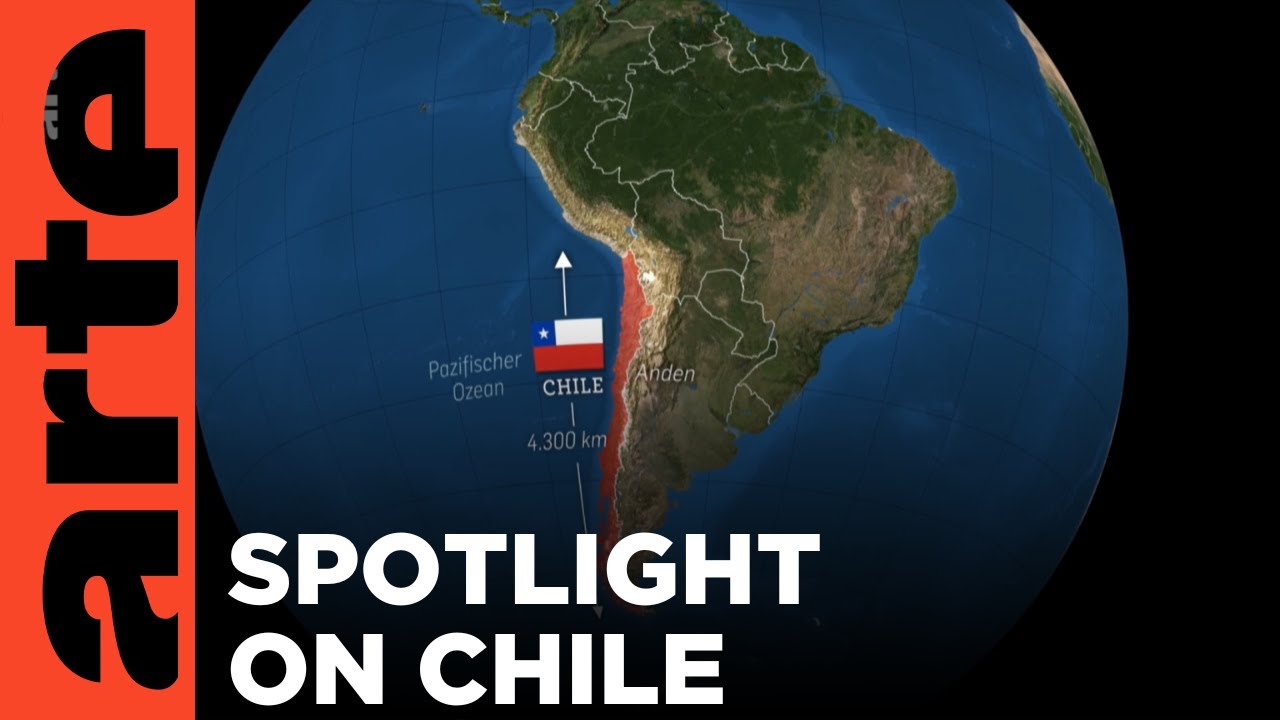
Chile's recent political shift to the left reflects its complex history marked by the legacies of leaders Salvador Allende and Augusto Pinochet, amid ongoing social inequalities.
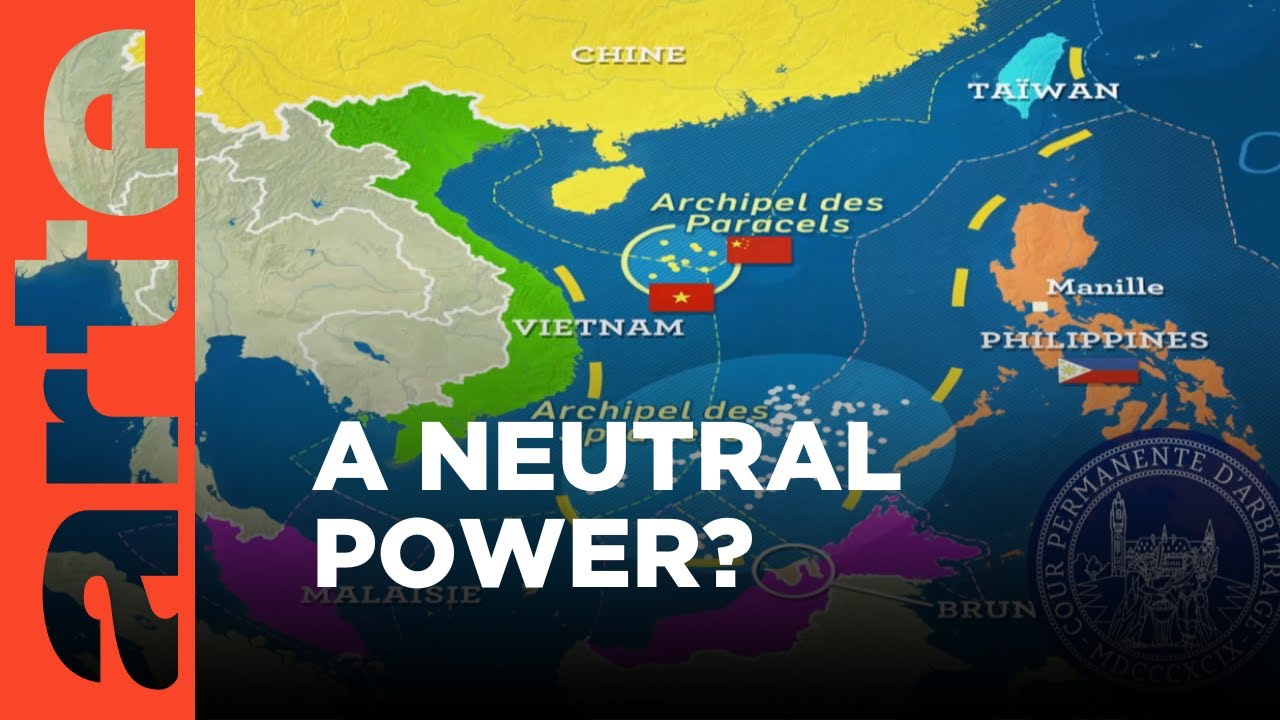
China's self-portrayal as a peaceful global power is examined through its historical context, territorial expansion, and tensions with the United States and in the South China Sea.
Xinjiang, the historical homeland of the Uighurs in China, faces colonization efforts fueled by Chinese influencers promoting settlement in the region.
Dozens of Native Americans took control of Alcatraz Island in a nighttime occupation, claiming it as their rightful land.
Coffee originated in Ethiopia in the 8th century and has evolved into a global commodity, highlighting economic disparities between producing and consuming nations.
Colonialism's legacy and the ongoing exploitation of the Congo's mineral wealth are examined through a contemporary lens in Chiwetel Ejiofor's short film.
The Spanish Inquisition devastates Jewish communities and targets synagogues in Spain.
Birobidzhan, designated as a Jewish homeland by the Soviet Union in the 1920s, became a site for Yiddish culture amidst the challenges of Soviet policies.
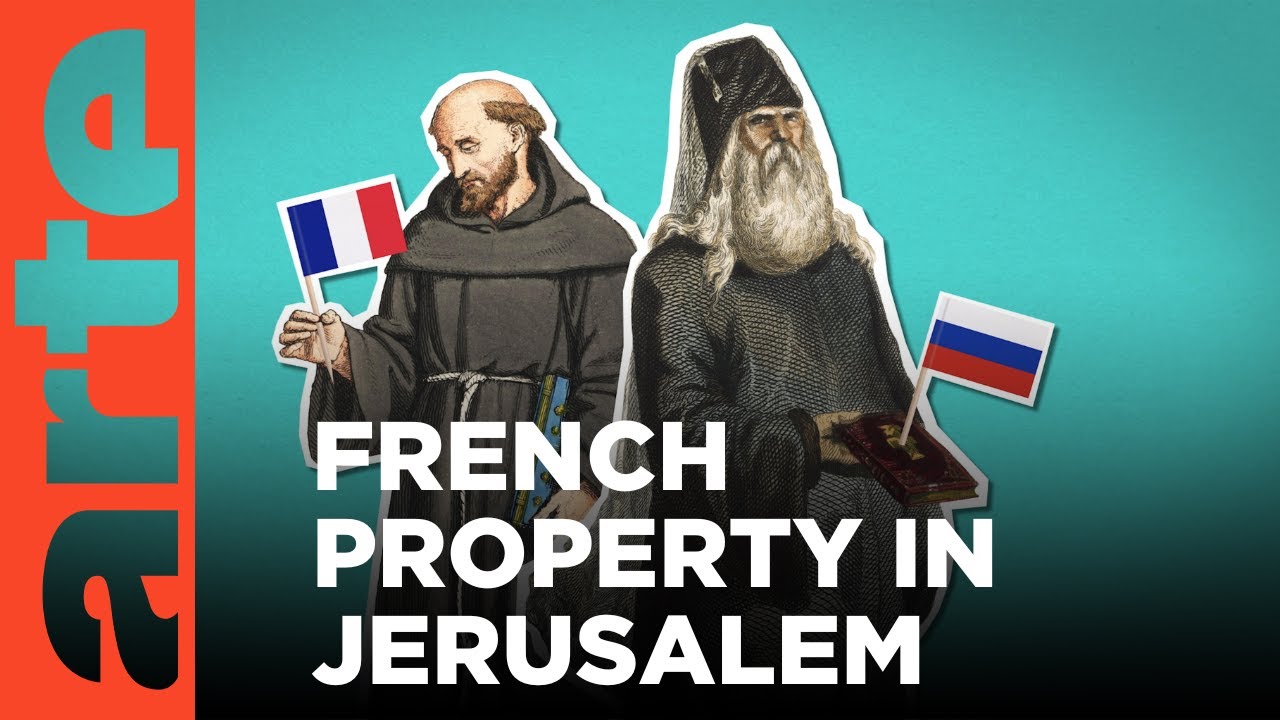
France's historical ties to Jerusalem are examined through Jacques Chirac's intervention to safeguard religious sites, highlighting the complexities of its secular identity.
Neutral Moresnet, a territory co-managed by Germany and Belgium from 1816 to 1919, became a unique enclave known for its zinc mine and status as a tax haven.
Fernando Paiz and La Ruta Maya focus on rescuing and preserving Maya cultural heritage by recovering artifacts illegally taken from Guatemala.
Archaeology Fellow Fredrik Hiebert discusses efforts to protect cultural heritage and repatriate looted artifacts from regions like Afghanistan and Peru.
Marcus and Narcissa Whitman face tensions after settling near the Columbia River and a measles outbreak.
Dhekelia, a British Sovereign Base Area in Cyprus, highlights the complexities of identity and governance stemming from historical colonialism and ongoing territorial divisions.
In June 2019, miners in eastern Kentucky blocked a train carrying a million dollars worth of coal after their paychecks bounced due to the bankruptcy of Black Jewel Mining Company.
Egypt's pharaohs have shaped contemporary leadership in Egypt under President Abdel Fattah al-Sissi, reflecting a complex legacy of nostalgia and political identity.
Around three hundred Jamaican Rastafarians reside in Shashamane, Ethiopia, which they consider their promised land, rarely accessible to outsiders.
South Africa's reconciliation began with hope but struggles with its divided past.
On September 5, 1960, Patrice Lumumba, the first democratically elected premier of the Congo, was overthrown in a coup backed by the CIA.
France's overseas territories, including Réunion, Guadeloupe, and Martinique, face socio-economic challenges and governance complexities shaped by their colonial history and climate change.
April 14, 2014, marked a strategy session for community members to plan direct action for the construction of an 8.7-kilometer road to restore access.
12 feet is the distance one elder recalls crawling across thin ice to rescue his wife, a reminder of the dangers faced by the Shoal Lake 40 community.