From over 100,000 films, discover the handful you'll love.
Free or premium access to the world's largest documentary library.
954 films(Page 4 of 20)
The colonies declare independence, challenging the British Empire and forging a new nation.
The Congo River, a vital waterway in Africa, serves as the final barrier between Anthony Bourdain and his flight home after a chaotic nine-day trip.
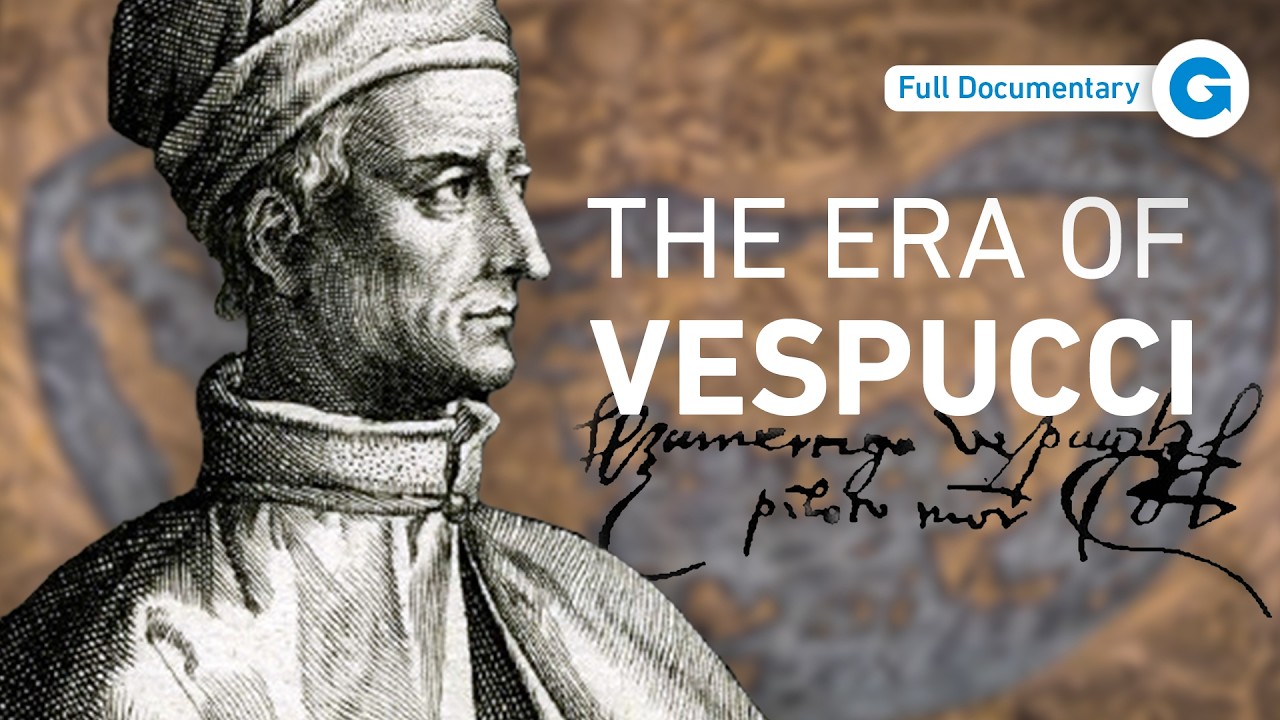
Amerigo Vespucci, a key figure in the Age of Discovery, played a crucial role in identifying the Americas as a new continent, leading to the naming of America after him.
Maeva and Eteroa return to Rurutu Island to discover their heritage and meet their birth family.
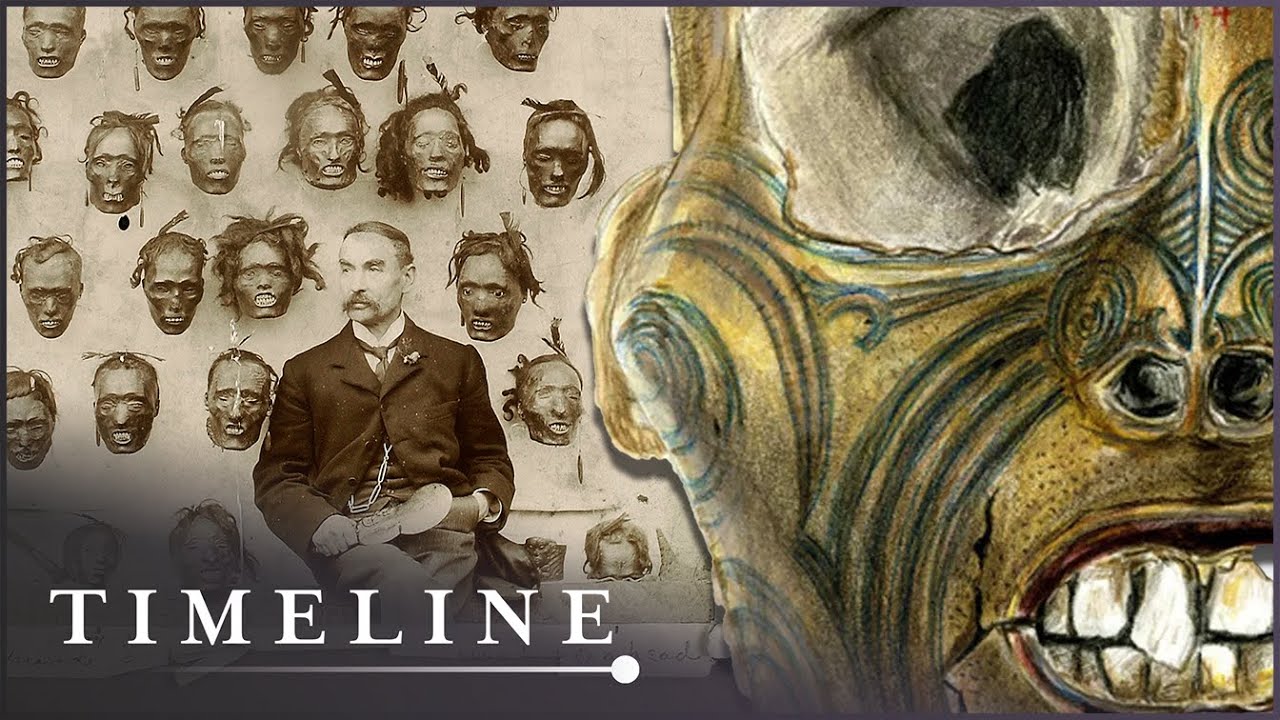
A Maori head, removed from the Rouen Museum after 150 years, is returned to New Zealand's Te Papa Institute, sparking discussions on cultural heritage.
Atahualpa, the last Inca emperor, faced the collapse of the vast Inca Empire due to Spanish conquest and internal strife in the 16th century.
In January 1879, 150 British soldiers successfully defended Rorke's Drift against an overwhelming force of over 3,000 Zulu warriors during the Anglo-Zulu War.
4,500 Saxons were reportedly executed by Charlemagne in 782 as part of his campaign to suppress paganism and consolidate his power.
In 1898, white supremacist Democrats in Wilmington, North Carolina, orchestrated a violent coup that resulted in the deaths of at least 60 black men and the overthrow of an elected government.
In 1692, Salem's leading minister, Samuel Parris, witnessed a community consumed by fear, leading to accusations against anyone suspected of witchcraft.
A hurricane packing 90 miles per hour winds reveals submerged artifacts that illustrate the historical impacts of storms on America's coastlines.
King Edward I, born in 1239, is examined for his complex legacy marked by administrative reforms, harsh policies, and military campaigns in Scotland.
Genghis Khan is depicted as both a brutal conqueror responsible for mass executions and a progressive leader who promoted religious tolerance and meritocracy.
America's Wild West experienced significant events such as the Texas Revolution, the California Gold Rush, and the violent clashes between settlers and Native Americans.
In Southern Libya, members of the Tabu tribe navigate their impoverished desert territory, revealing the ongoing challenges faced by the population after Gaddafi's rule.
Queen Boudicca leads the Iceni tribe in a revolt against Roman rule in Ancient Britain following the death of her husband, King Prasutagus.
The National Maritime Museum reveals the complex history of Britain's Royal Navy, including Admiral Nelson's death, the Franklin Expedition, and modern piracy.
In 1899, the British Empire faced unexpected challenges during the Second Boer War, leading to a costly victory that left lasting political and moral scars.
The Boston Tea Party and the battles of Lexington and Concord set the stage for the Revolutionary War, culminating in George Washington's inauguration as the first U.S. President.
Isandlwana marks one of Britain's worst defeats during the Zulu Wars against Zulu warriors.
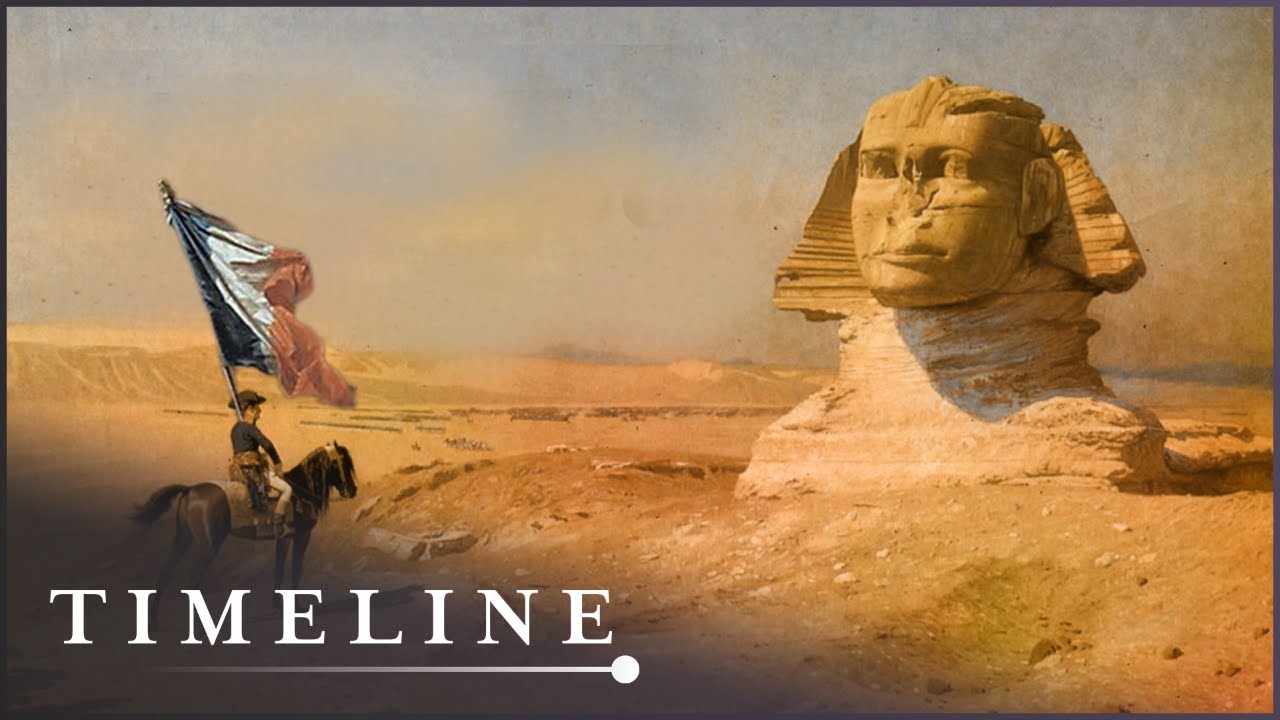
Napoleon Bonaparte leads a vast French armada from Toulon to Egypt in 1798.
Over 1,700 British soldiers were killed in the Battle of Isandlwana, marking the worst defeat of the Victorian era.
Four artists respond to the legacy of European colonialism, questioning its impact on identity and memory in contemporary society.
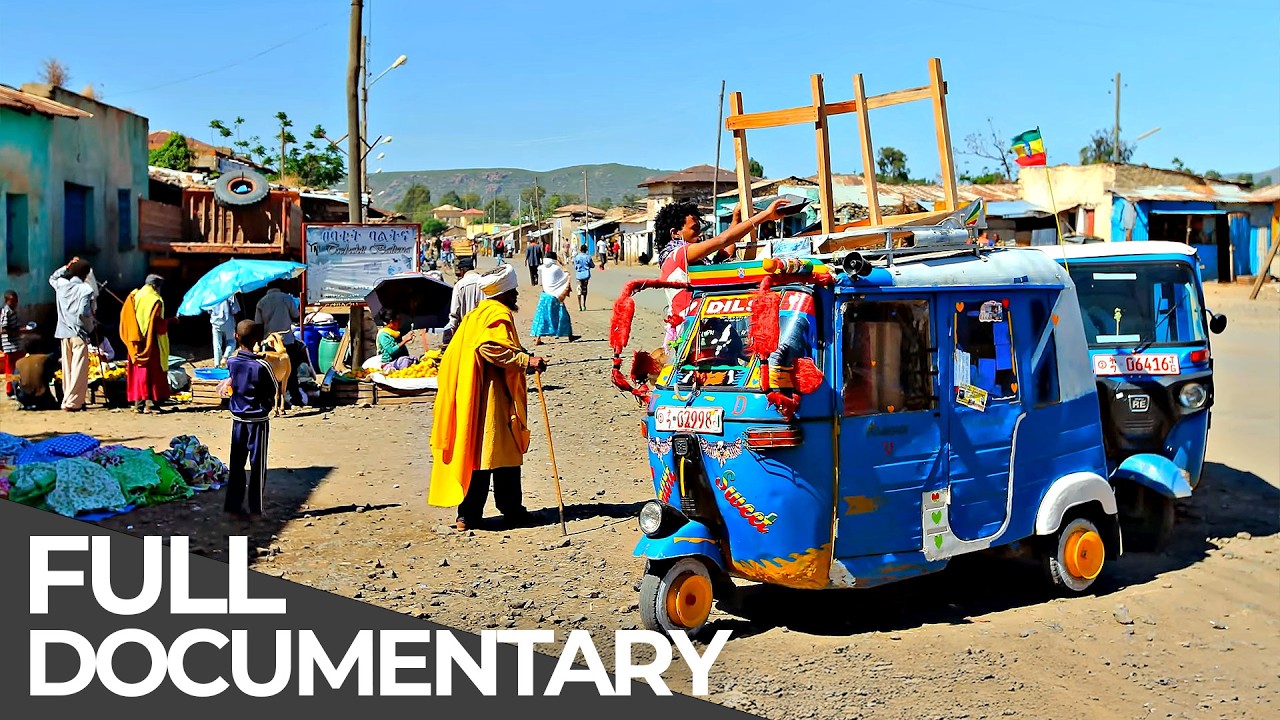
Ethiopia, one of the world's oldest nations, showcases its rich cultural, ethnic, and spiritual heritage amidst a backdrop of historical conflicts and natural beauty.
Alexander the Great's conquests from Macedonia to India are examined, highlighting his complex legacy as a hero, prophet, and myth across various cultures.
The Vietnam War's origins are rooted in centuries of cultural and geopolitical tensions, from French colonialism to Ho Chi Minh's rise and Cold War ideologies.
Alexander the Great traveled almost 7,000 kilometers from Greece to the eastern borders of Afghanistan, revealing traces of a lost civilization along the River Oxus.
One of the largest tribes in Africa, the Azande historically created an empire that spanned from the Congo rainforests to Southern Sudan.
Viking raiders, known for their swift longships and brutal tactics, instilled fear across Europe following their infamous attack on Lindisfarne Monastery.
40 million men, women, and children lost their lives during World War II, leaving Europe in ruins and facing the daunting task of rebuilding.
Renowned historians Dan Snow, Suzannah Lipscomb, and Matt Lewis examine the remnants of ancient civilizations and their historical significance for modern understanding.
Napoleon sets out in 1798 with 38,000 men to conquer Egypt and explore its culture.
Matteo Ricci, the first European Jesuit in China, and two successors navigate power struggles in the Forbidden City, blending European knowledge with Chinese tradition.
In August 1997, a group of modern Afrikaners known as the New Voortrekkers travels to northern Mozambique to establish an Afrikaner homeland away from British rule.
In the Peruvian Amazon, the Mashco Piro, believed to be the world's largest isolated Indigenous tribe, face increasing contact with outsiders amid debates on their future.
Inuit writer Zebedee Nungak recalls being physically dragged back to school by a teacher, illustrating the clash between Inuit culture and imposed education.
On June 22, 1611, Henry Hudson's crew, stranded in the Canadian Arctic, mutinies after enduring months of starvation and harsh conditions.
Two young Bushmen, Ketelelo and Kitsiso, face the challenge of adapting to modern life after their community's relocation from ancestral lands.
James Cook's expeditions in the 18th century reveal the complex interplay of exploration, colonialism, and the often tragic consequences for indigenous populations.
Norman expansion from Northern Europe into the Mediterranean and the Middle East led to the establishment of the culturally diverse Kingdom of Sicily under Roger II.
Vietnam's railway system, established under French colonial rule, remains a crucial yet hazardous transport network, reflecting the country's complex history and ongoing safety challenges.
50 million people worldwide practice Vodun, with many in Benin fighting to protect their spiritual heritage and traditions amid modern challenges.
A hundred million people inhabited the Americas in 1491, unaware of the impending changes brought by Columbus and European colonization.
Britain fought 111 wars around the globe during Queen Victoria's 60-year reign, shaping its Caribbean empire through military and colonial practices.
The 1916 Easter Rising in Ireland resulted in nearly 500 deaths and over 2,000 injuries, significantly influencing the movement for Irish independence.
By 1860, enslaved individuals made up 14% of the Choctaw Nation, influencing their decision to align with the Confederacy during the Civil War.
In Papua, explorer Will Millard spends a year with the Korowai tribe, examining their adaptation to modern influences and the commercialization of their culture.
Ten years in the making, Edward Baptist's book discusses how the growing empire of cotton fueled industrialization and commerce in the United States.