From over 100,000 films, discover the handful you'll love.
Free or premium access to the world's largest documentary library.
954 films(Page 7 of 20)
In 1873, the North-West Mounted Police were formed to police an area almost as large as Western Europe amid the tensions between settlers and Indigenous peoples.
Young Indigenous Canadians share their experiences of life, love, and resilience, blending humor with poignant discussions on oppression and personal struggles.
Boudica, the Iceni warrior queen, led a significant revolt against the Roman Empire in 60 AD, resulting in the destruction of cities like Colchester and London.
Alexander von Humboldt's expedition to South America revealed the interconnectedness of nature, influencing scientific thought and the abolitionist movement in the US.
During the Golden Age of piracy, notorious figures like Blackbeard and Captain Kidd operated along the coastal waters of North America.
Historian Matthew Karp examines the Kansas-Nebraska Act of 1854, the South's response to Lincoln's election, and the shift towards emancipation during the Civil War.
110 people were brought to the United States aboard the Clotilda in 1860, marking the last illegal transport of enslaved Africans.
In 1770, an Ojibwa girl named Ikwe marries a Scottish fur trader, leaving her home and facing the challenges of cultural conflict and personal isolation.
Three former "comfort women" from South Korea, China, and the Philippines confront their traumatic past and seek justice from the Japanese government decades after World War II.
The National Archives holds 377 ratified Indian treaties, three of which were signed during George Washington's presidency.
Pontiac, the leader of the Algonquin Nations, led a resistance against British military occupation in the Great Lakes region following the French defeat in 1759.
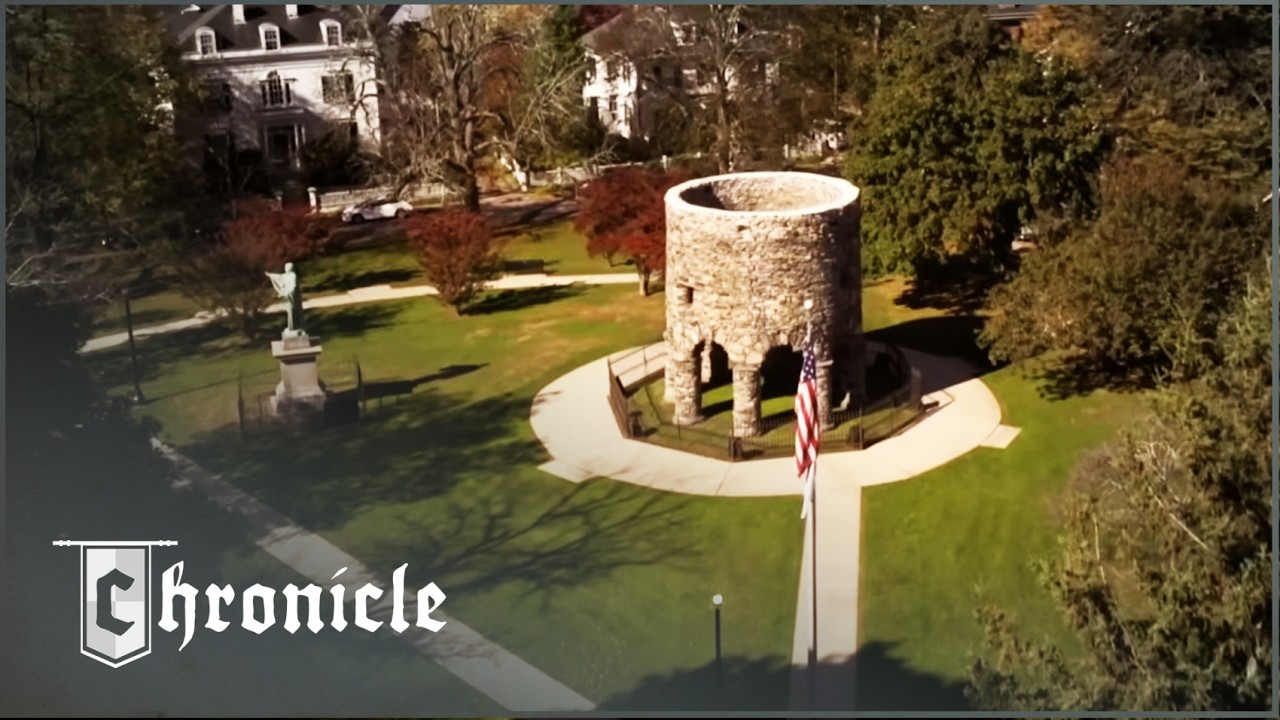
Scott Wolter investigates the Newport Tower in Rhode Island, exploring theories that the Knights Templar reached North America before Columbus.
Kevin Gover, director of the National Museum of the American Indian, discusses the ongoing challenges of treaty-making with Native Nations in the United States.
Nine days after Louis Riel was hanged in Regina, the last spike was driven into the Canadian Pacific Railway, marking a significant moment in Canadian history.
In July 1775, Benjamin Franklin is appointed postmaster general by Congress to support George Washington's struggling army during the Revolutionary War.
Carnival in Oruro lasts over five hours, featuring 55 dance groups that prepare for months to perform in honor of the Virgin of Socavón.
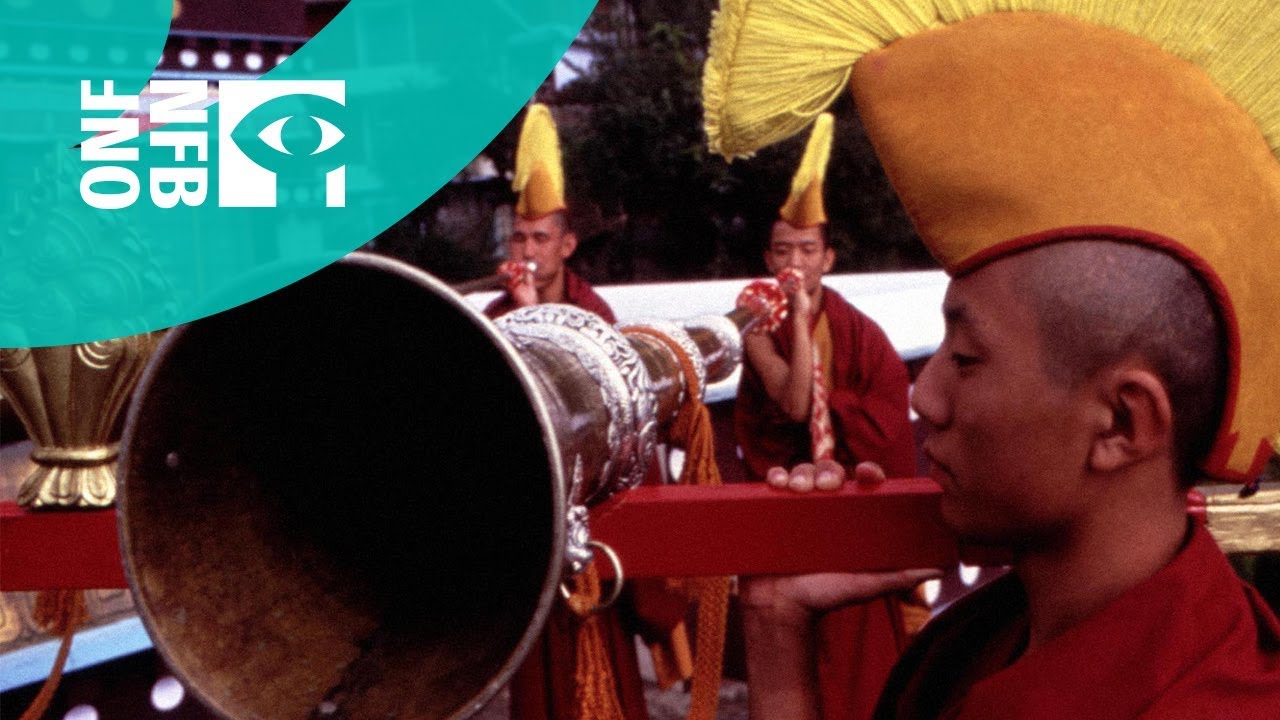
In the Indian Himalayas and Canada, Tibetans in exile, including the Dalai Lama, strive to preserve their culture and heritage amid Chinese occupation.
General William Tecumseh Sherman and Apache leader Geronimo exemplify the conflict during the Indian Wars and the struggle for dominance over the American continent.
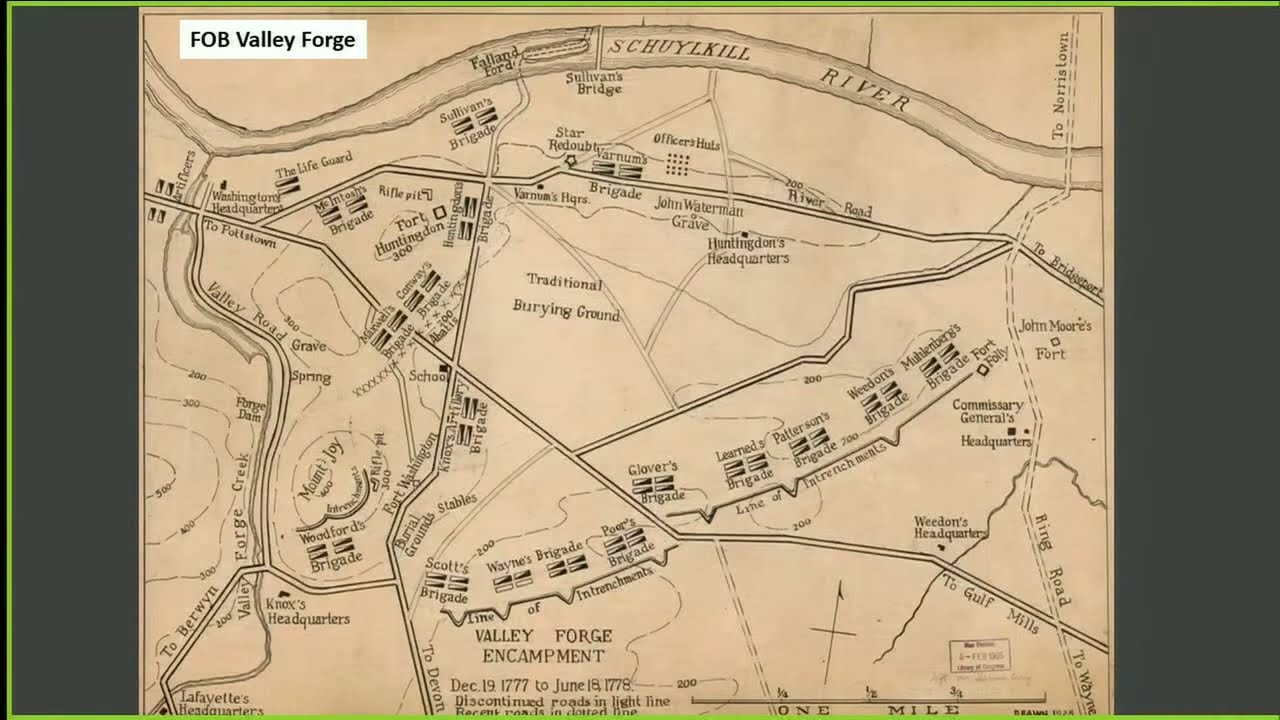
In the winter of 1778 at Valley Forge, the Continental Army faced starvation while executing the Grand Forage, highlighting the resilience of soldiers and leaders like George Washington.
John Jacob Astor became the wealthiest man in American history by 1848 after shifting from fur trading to real estate.
Over 350 million legal crossings occur annually at the US-Mexico border, the busiest land border on Earth.
The 250th anniversary of the Declaration of Independence highlights the complex narratives of the American Revolution, featuring diverse figures like Abigail Adams and Indigenous peoples.
An estimated 40,000 people disappeared during the long conflict in Sri Lanka, leaving deep scars on the nation.
Sir John Franklin's ill-fated Arctic expedition and the subsequent fallout from John Rae's report on the crew's demise highlight the clash between historical narratives and Inuit perspectives.
The Rwandan genocide of 1994, resulting in the deaths of one million Tutsis, is examined through its historical roots, European colonialism, and global indifference.
Carl Peters, a 19th-century German entrepreneur, sought to exploit Africa's natural resources and expand German territories during the colonial era.
India's 10,000-year history encompasses the rise of the Indus Valley Civilization, the influence of Ashoka the Great, and the cultural shifts from Alexander's invasion to the Mughal Empire.
The Kingdom of Kongo, an influential African Empire along the Atlantic Ocean, thrived a century before the 15th century and is explored in this historical documentary.
In the Mohawk reserve of Kahnawake, Tracey Deer explores the cultural pressures surrounding interracial relationships and the community's strict social rules.
Eighty-four teachers work at the Helen Betty Osborne Ininiw Education Resource Centre, with nearly half coming from the local First Nations community.
In summer 1774, John Adams prepares for the First Continental Congress in Philadelphia, discussing the challenges of separation from Abigail Adams.
The Crusades, a series of religious wars lasting nearly 200 years, reveal the complex interplay of faith, politics, and culture in medieval Europe and the Middle East.
In 1179, the fall of Jacob's Ford resulted in the deaths of 800 Crusader defenders and the enslavement of 700, marking a significant defeat for Saladin.
Walid Daqqa, a long-serving Palestinian political prisoner, transforms his prison cell into a space of learning and love while advocating for freedom and resistance.
First-person accounts from American and Vietnamese veterans highlight the complex history and enduring impact of the Vietnam War on both sides of the conflict.
10,000 men and women of the services participated in the coronation of Queen Elizabeth II, with Canada contributing a significant contingent.
Four siblings, two sisters and a brother, meet for the first time after being separated for over 50 years due to the Sixties Scoop in Canada.
The United States expanded by roughly 1.2 million acres between 1845 and 1848, marking a significant transformation in American history.
William Wallace's resistance against English rule and Robert Bruce's subsequent unification of Scotland culminate in the Declaration of Arbroath in 1320.
Nearly half a million free people of color lived in the United States on the eve of the Civil War, with over 250,000 in the South.
Domestic slave traders, who trafficked over half a million enslaved people from the Upper South to the Deep South, played a crucial role in the expansion of American slavery.
Early Saskatchewan settlers faced harsh conditions while establishing the foundation of the co-op movement on the Prairies.
John C. Calhoun served as Vice President under two Presidents and was a key figure in the debates that set the stage for the Civil War.
Pondicherry was the capital of France's colonies in India for over 250 years, until it was ceded to India in 1954.
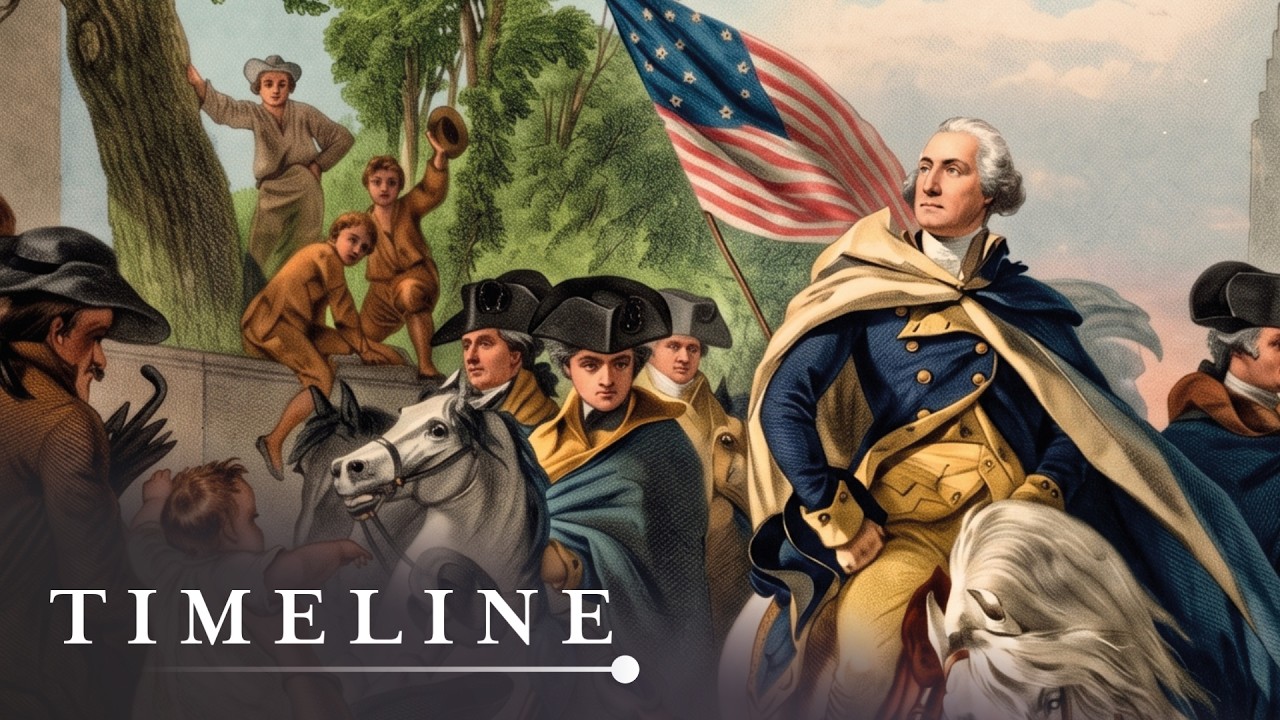
In July 1776, American colonies united to declare independence from Britain, driven by racial fears and the strategic use of information by patriot leaders.
Over 300 years, treasure hunters have searched the eastern seaboard of North America for the buried secrets of Sarah Kidd, wife of pirate Captain William Kidd.
Mohandas Gandhi's early life in London and India, marked by personal failures and the awakening of his political philosophy in South Africa, shaped his future as the Mahatma.
More than 15,000 European colonists moved westward into the trans-Appalachian frontier, leading to violent conflicts with Native American tribes.