From over 100,000 films, discover the handful you'll love.
Free or premium access to the world's largest documentary library.
954 films(Page 5 of 20)
Mary Beard narrates the history of the Roman Empire, covering its origins, military expansion, cultural transformations, and eventual decline influenced by Christianity.
The Aztec Empire, a dominant Mesoamerican civilization, faced collapse not only from Spanish technology but also due to alliances formed by neighboring peoples.
Around the late 7th century, famine in Scandinavia drives farmers to become raiders, leading to the emergence of the Viking Age and territorial conflicts.
In August 1521, Spain's conquest of the Aztec Empire initiated the colonization of Mexico, yet Aztec culture endures through preserved codices and modern applications in artificial intelligence.
Hernando de Soto's expedition across North America from Florida to the Mississippi reveals a legacy marked by the destruction of Native American cultures and lives.
Alexander the Great's military campaigns, including the pivotal battles at Gaugamela and the siege of Tyre, reshaped the ancient world before his untimely death at thirty-three.
Alexander the Great's conquests not only expanded his empire but also facilitated the flow of Eastern riches to the ancient world, influencing trade routes and cultures.
Julius Caesar led a Roman invasion force of two legions onto the south coast of Britain in 55 BC, facing resistance from native warriors.
Approximately 40 kilometers northeast of Berlin, a former Nazi propaganda site now lies in ruins, struggling against decay and neglect.
In June 2014, an isolated Amazonian tribe made contact with the outside world for the first time, highlighting the cultural significance and preservation of their unique way of life.
Britain's colonial interests during and after the First World War significantly influenced the complex dynamics of conflict in the Holy Land between Arabs and Jews.
Three survivors of the 1994 Rwandan genocide recount experiences of sexual violence in refugee camps, including assaults by French soldiers.
In 1969, Mohawks from the St. Regis Reserve staged a demonstration on the bridge between Canada and the United States, leading to a confrontation with police.
The king of Eep, who rules over 15 million Yoruba people, exercises his authority through rituals and the bestowal of titles on his vassals.
Peter Cain, a British historian known for his critiques of imperialism, provides essential historical insights on the City of London in an unused interview for The Spider's Web.
The Commonwealth, established in 1931, evolved from the British Empire into a coalition of 56 nations, symbolizing unity and shared values.
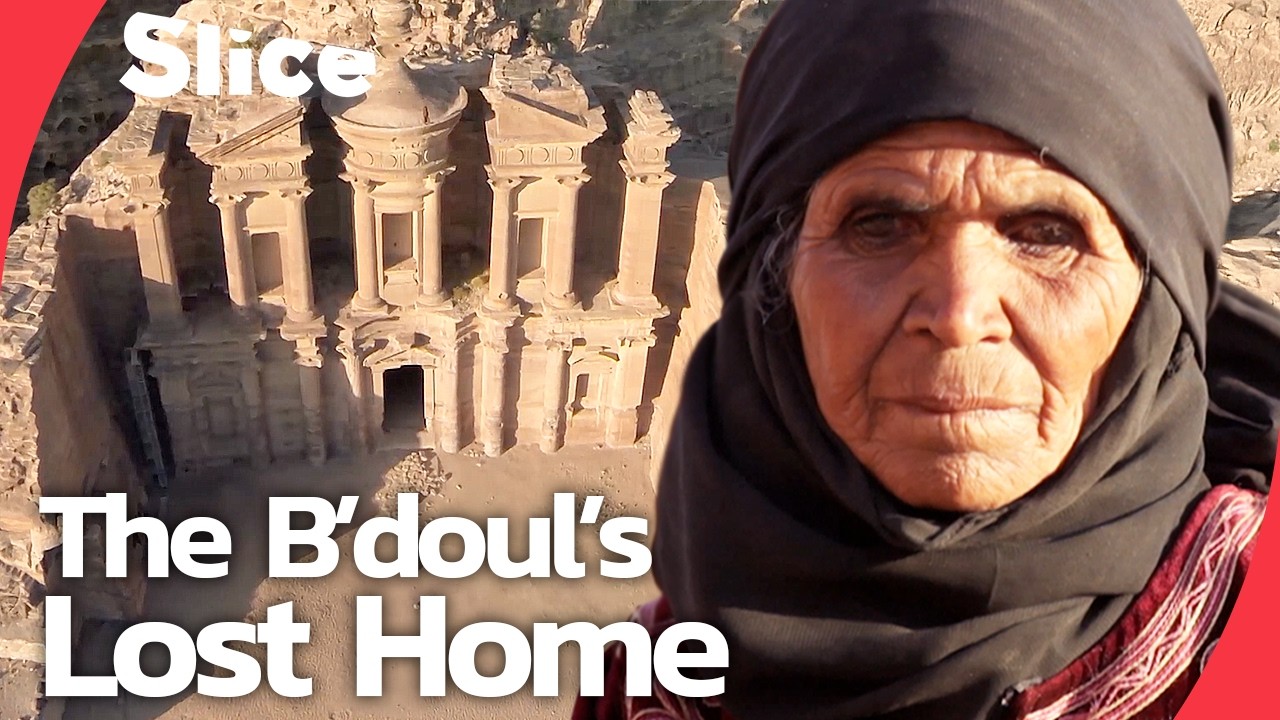
In the early 1980s, the B’doul tribe was expelled from Petra, losing their homes in the caves where they had lived for generations.
A 1926-born resident of Odanak recalls a time when families made baskets and canoes in their front yards, sharing meals and traditions without money.
Ching Shi led a fleet of up to 70,000 pirates in the early 19th century, challenging the male-dominated image of piracy in history.
Half of all of Germany's dead in the Second World War occurred in the last ten months of the war, marking a devastating period of loss and destruction.
The Aztec Empire, centered in Tenochtitlán, rose through military conquests and alliances but fell to Hernán Cortés and European diseases by 1521.
9,000 Israeli residents were evacuated from the Gaza Strip in 2005 as part of a unilateral decision by Israel to transfer control to the Palestinians.
A procession of men in a Dogon village simulates battles and fires shots to celebrate the coronation of a new Hogan, marking a significant cultural ritual.
In 1885, King Thibaw of Burma was exiled to India, where he remains entombed, marking the end of a thousand years of monarchy.
In occupied Palestine, a young baker named Omar navigates love and resistance as he faces the consequences of his actions amid a backdrop of conflict and betrayal.
In 1478, the Catholic Monarchs Ferdinand II of Aragon and Isabella I of Castile initiated the Spanish Inquisition, targeting converted Jews and enforcing religious orthodoxy.
The American Revolution involved a complex array of participants, including George Washington, Indigenous peoples, and enslaved Africans, reshaping global history.
The 1990 Oka crisis involved Mohawk communities in Kahnawake and Kanehsatake confronting the Canadian military and citizens in a violent stand-off.
In 1520, the Eagle Warriors routed the Spanish conquistadors during La Noche Triste, marking their largest military victory against Hernán Cortés.
The Battle at Bunker Hill marks a pivotal escalation in the American Revolutionary War as the Continental Congress establishes an army and appoints George Washington as Commander-in-Chief.
The Ark of the Covenant, a sacred chest in Judaism believed to hold the Ten Commandments, raises questions about its role as a lost relic or divine weapon.
The B'doul tribe was driven out of their caves in Petra 30 years ago, leaving them to adapt to life in a nearby settlement amid rising tourism.
Over 785 Zulu bodies were collected around the British camp after a battle in January 1879, marking a turning point in the Zulu Wars.
Thousands of people were killed during four days of Hindu-Muslim riots in Calcutta in 1946, a precursor to the violent partition of India and Pakistan.
Mahatma Gandhi's final years from 1931 to 1948 are examined alongside the British Empire's decline, the partition of India and Pakistan, and his assassination.
A Navajo boy faces hardship and loss before escaping a white boarding school, leading to a pursuit through the ancient caves of Canyon de Chelly.
In July 1974, Cyprus faces war between Turkish Cypriots and Greek Cypriots, leading to a ceasefire.
Hiram Bingham's exploration of Machu Picchu in 1911 is examined, highlighting his role in bringing the Incan ruins to global attention.
Pyla, the only inhabited village within the United Nations buffer zone in Cyprus, showcases the coexistence of Greek and Turkish Cypriots amid ongoing divisions.
Australia's Indigenous peoples face ongoing challenges stemming from a suppressed colonial history and exploitation of mineral wealth, paralleling South African apartheid.
Fifteen years old, Randy Horne began his career as an ironworker, later becoming known as "Spudwrench" during the 1990 Oka crisis.
Cree filmmaker Neil Diamond travels 4,000 miles through the American West to examine Hollywood's portrayal of Indigenous peoples and its impact on culture.
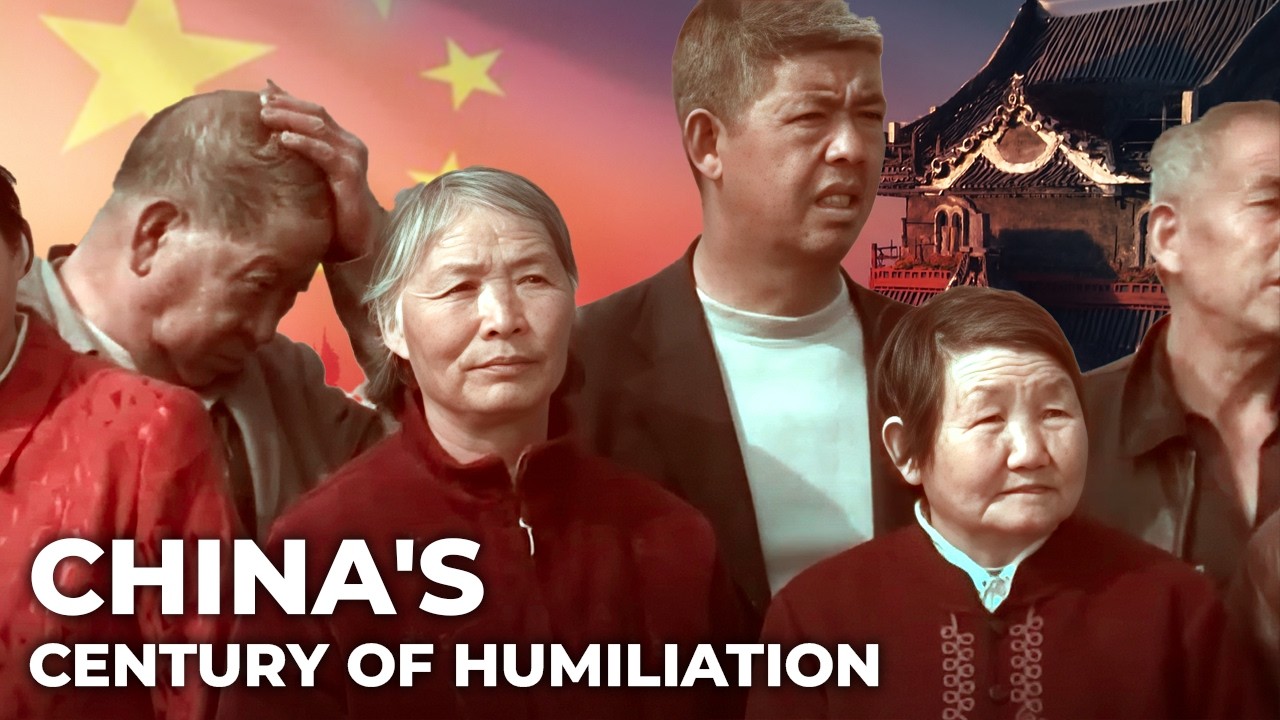
China's interactions with Western powers, particularly during the Opium Wars, shaped its political thought and social systems, influencing its economic development.
In the summer of 1909, a Paiute Indian named Willie Boy became the center of a significant historical event in the deserts of California.
Queen Elizabeth II's reign is examined through the iconic moments that shaped her legacy as the longest-serving monarch in British history.
William the Conqueror's invasion of Britain in 1066 led to the violent subjugation of Anglo-Saxon England and significant political and cultural transformations.
In 1745, the siege and fall of Louisbourg, a key French fortress in Nova Scotia, marked a significant turning point in North American military history.
The legendary crown of Madame Woki Masakoy has been missing for more than 25 years, hidden in a small hut near a village in Sierra Leone.