From over 100,000 films, discover the handful you'll love.
Free or premium access to the world's largest documentary library.
5102 films(Page 70 of 107)
Australian inventors create Cargo Scanner technology to combat terrorism threats at airports.
Scientists believe mental processes can be coded, as shown by USC's memory-restoring microchips.
A U.S. Navy pilot shares experiences operating a hovercraft in Iraq, Afghanistan, and Haiti.
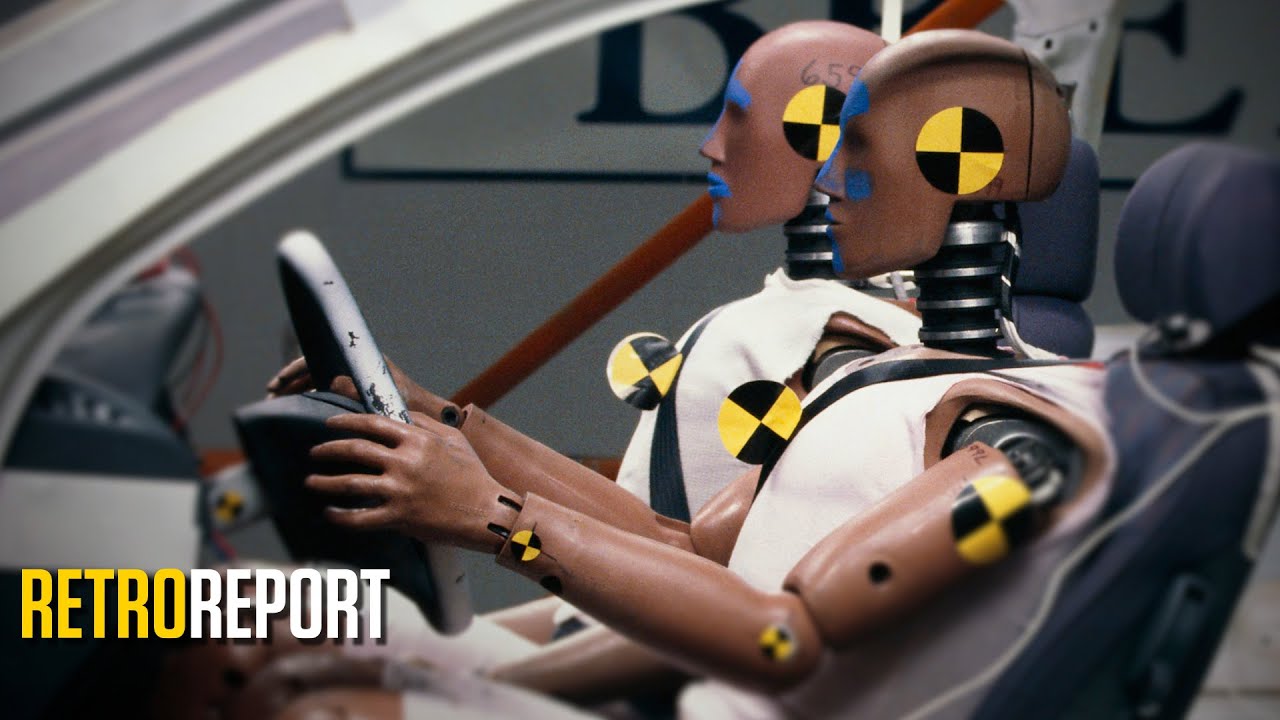
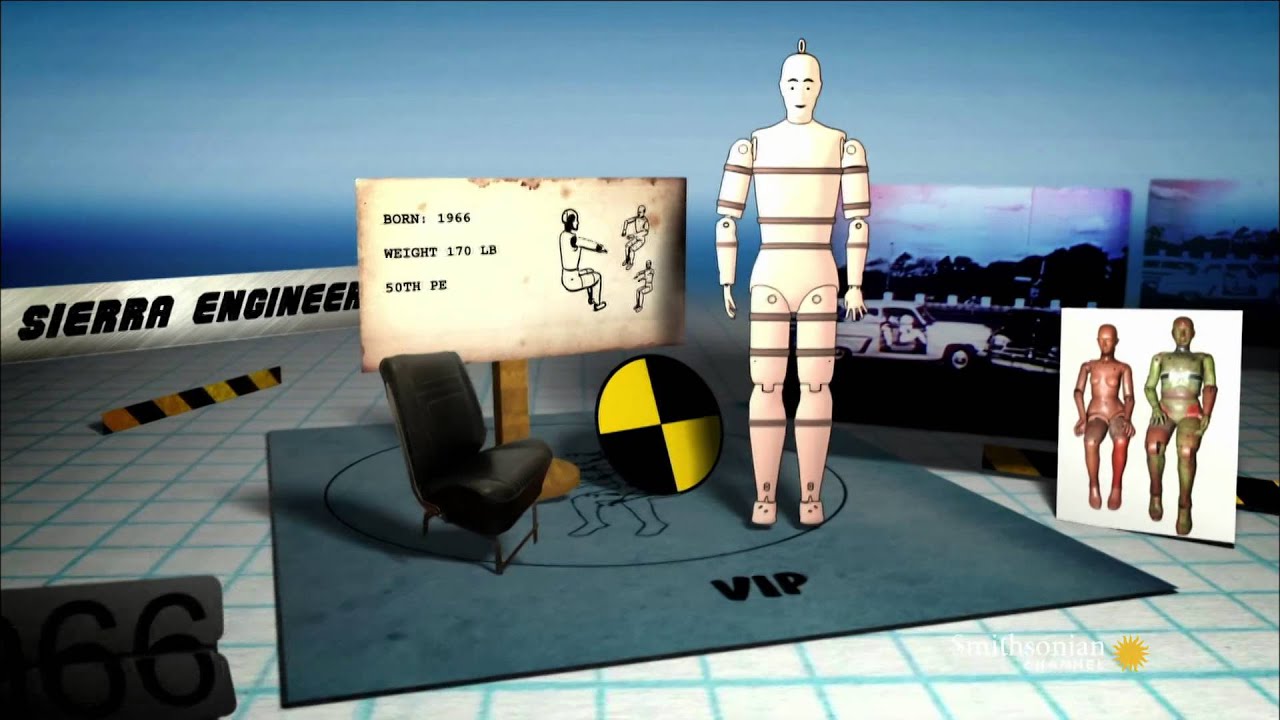
By 1966, the VIP dummy, weighing 170 pounds, proved that lap belts alone were inefficient and dangerous, leading to advancements in seat belt technology.
The host examines digital privacy and its evolution from Boston Warren to modern Los Angeles.
A digital detective faces hacking threats while exploring historical and modern hacking events.
1,000 times higher radiation levels were detected inside the Fukushima Daiichi reactor compared to the surrounding area after the 2011 disaster.
More than 90% of materials from old lithium-ion batteries can be recovered, but scaling this process for commercial use faces significant challenges.
Watch how blockchain technology impacts sectors like health care and food supply.
Mega Transports highlights vehicles that transport large cargos with precise planning and safety.
A 360-meter-high wind turbine can produce 40% more electricity than a standard model, reflecting significant advancements in wind energy technology.
Soon, 27 million tons of outdated solar panels could contribute to environmental waste, with around 80% currently ending up in landfills.
The Transrapid, a maglev train designed to revolutionize transportation in Germany, now sits abandoned at its test site after failing to achieve commercial success.
The Samsung Galaxy Note functions as both a game console and a home entertainment system, highlighting its capabilities for gaming and media consumption.
Investigators follow digital footprints left by system logins, web page visits, and smartphone GPS applications to solve crimes in the digital age.
Advances in telescope technology, particularly the Kepler and TESS spacecraft, have revolutionized the search for exoplanets and the potential for alien life.
Rick's pump system needs a Morty pump and a bleed valve for proper operation.
The internet, a revolutionary tool for humanity, raises questions about its ownership, infrastructure, and the mechanisms that ensure its continuous operation.
TikTok Shop combines a powerful algorithm with instant gratification, enabling users to purchase trendy items at low prices directly within the app, raising concerns about consumerism and environmental impact.
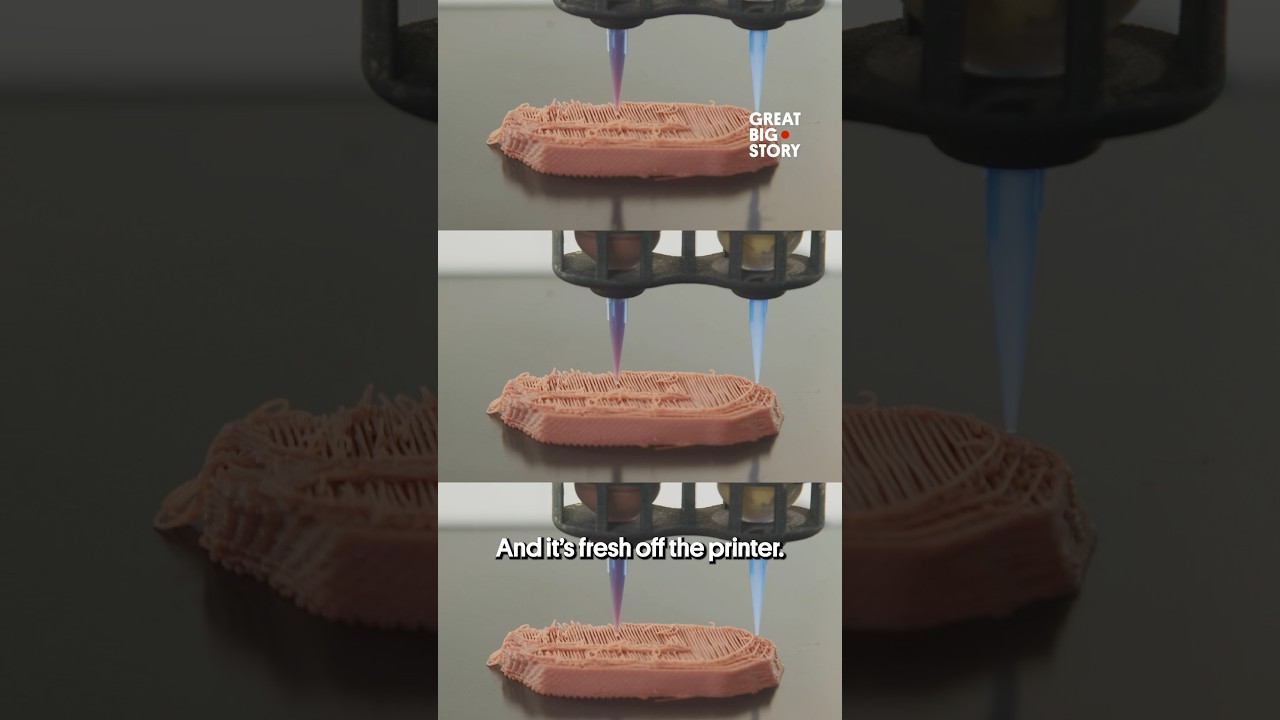
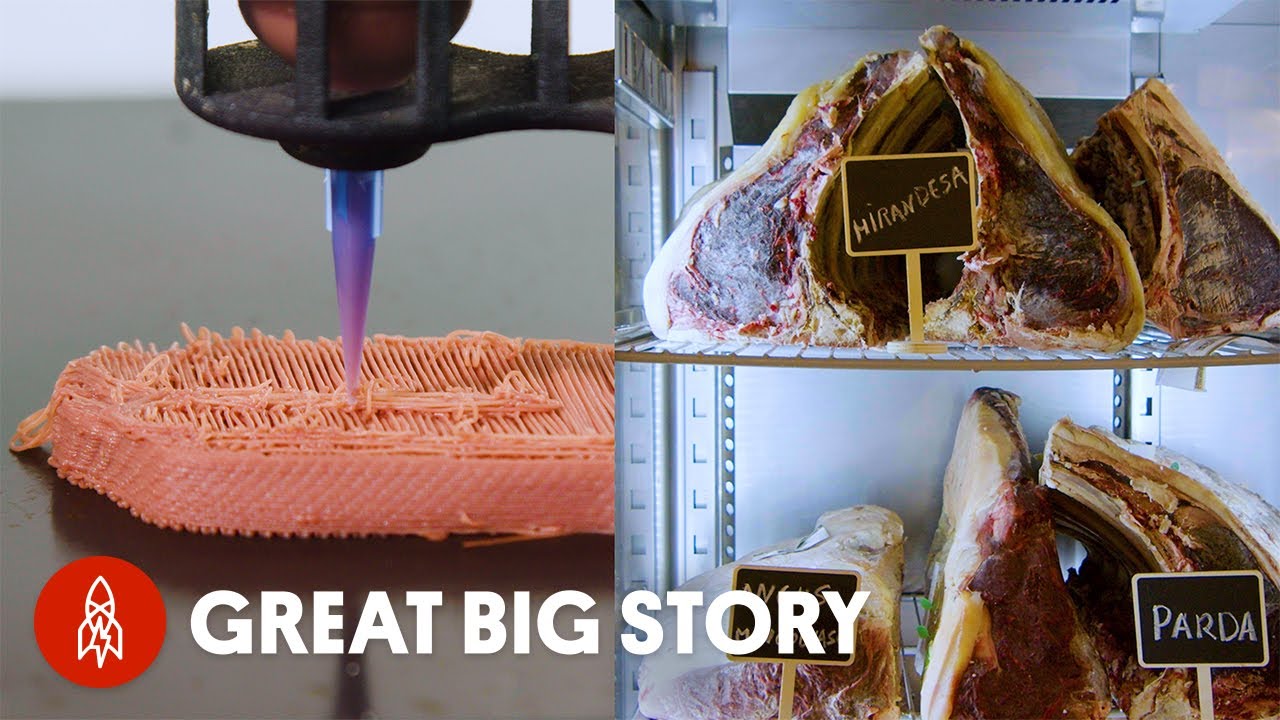
Josep Sanitjas and Giuseppe Scionti create 3D-printed meat at El Santuari near Barcelona.
Josep Sanitjas and Giuseppe Scionti create 3D printed vegan meat at El Santuari near Barcelona.
Voyager 1 became the only spacecraft to travel beyond the solar system and into interstellar space, now nearly 13 billion miles from the Sun.
Jet packs, first introduced in 1961, have seen little design change since, but one innovator is working to transform their future potential.
The evolution of air bag technology over the past forty-five years has transformed cars into highly automated vehicles, paving the way for self-driving capabilities.
The Abrams tank uses a smoke system to vanish from enemy view in seconds.
To replace just 2% of all kerosene in the EU with synthetic alternatives by 2030, around 5,000 additional offshore wind turbines would need to be built.
Hydrogen could supply up to 20 percent of global energy needs by 2050, a significant increase from nearly zero today.
Rafi Katchadorian analyzes the procedural generation techniques behind No Man's Sky, a video game that creates a nearly infinite universe for players to explore.
Thaddeus Lowe collaborates with President Lincoln to use balloons for military spying.
Sylvan Goldman, a grocery store owner in Oklahoma, invented the first shopping trolley in 1937, transforming how people shop for groceries.
The first weather satellite launched into space in 1960 aids meteorologists in detecting storms.
Mouza Al Hamrani and Ila Colombo redefine art and technology in Dubai's creative scene.
Astronauts recycle urine into drinking water in America's Secret Space Heroes series.
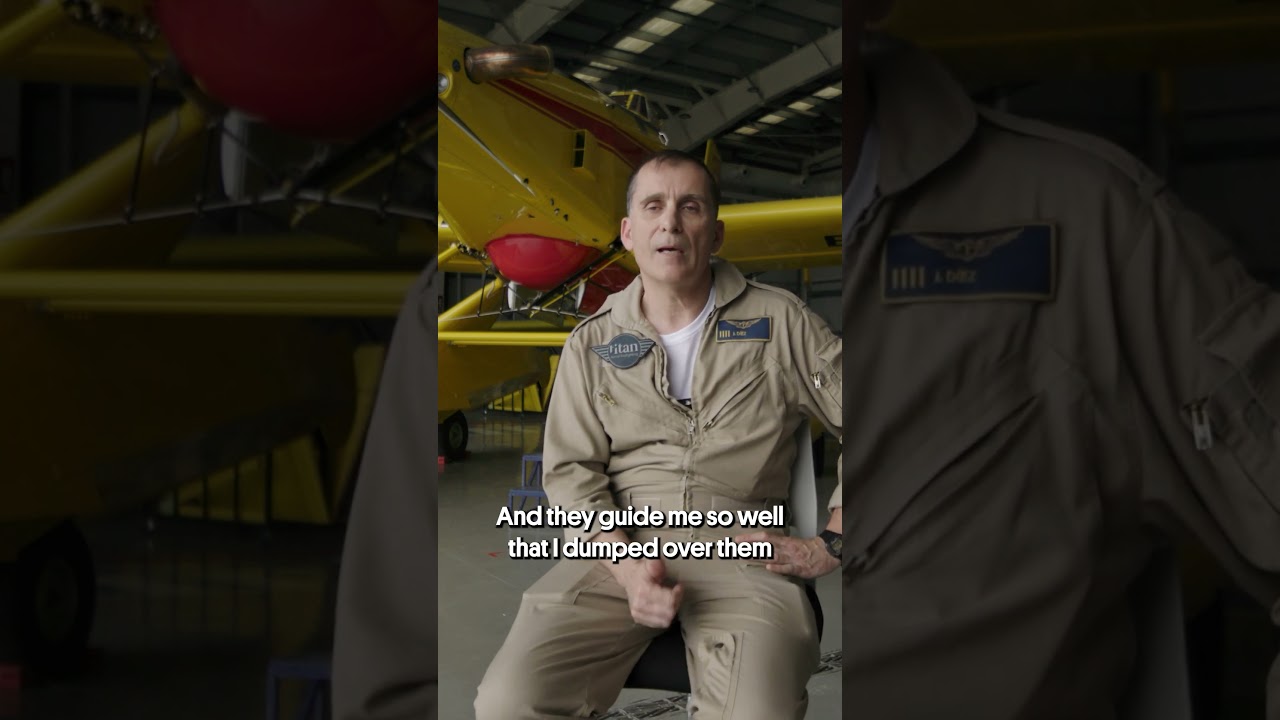
In Spain, pilots undergo rigorous training, including crash-landing drills and low-altitude water drops, to prepare for the dangerous task of fighting wildfires.
A 110-foot-high precipitator at a power plant is dismantled over three days using an excavator with a 100-foot arm to control the process.
Wolfgang Stabe recreates a 15th century Korean Hwacha that fires 100 arrows at once.
AI algorithms like ChexNet challenge radiologists in diagnosing pneumonia at Stanford.
The CIWS, or Vulcan Cannon, fires 4,500 rounds a minute on the USS George H.W. Bush.
The Royal Navy equips HMS Queen Elizabeth with advanced fire suppression systems to prevent disasters.
The Boeing EA-18G Growler redefines warfare with its electronic capabilities and support role.
Van Phillips developed a prosthetic foot inspired by the cheetah, allowing amputees to run with a tool that costs about $100 compared to others priced at $2,000 to $3,000.
Apollo 8 astronaut William Anders captures the iconic 'Earthrise' photo during the space race.
A player can expect to win a jackpot only once every 30 attempts on a rigged arcade game designed to appear skill-based.
Each Camaro rolls off the assembly line at the Lansing Grand River plant every 35 minutes, with workers installing key components at 14 stations.
Researchers at the Georgia Institute of Technology have developed the world's first graphene semiconductor, enabling faster and more efficient computing.
The crew of the Sapura 500 installs underwater pipelines at an offshore oil and gas field.
The U.S. government develops parachutes for pilots' survival during WWI.
J Vance, aka J-Bot, reunites the Teddy Bear Orchestra after 11 years with robotic musicians.




![Film backdrop image for The Samsung Galaxy Note Is A Game Console! [ColdFustion] (2011)](https://i.ytimg.com/vi/IBsqMV4Pymc/maxresdefault.jpg)