From over 100,000 films, discover the handful you'll love.
Free or premium access to the world's largest documentary library.
5102 films(Page 6 of 107)
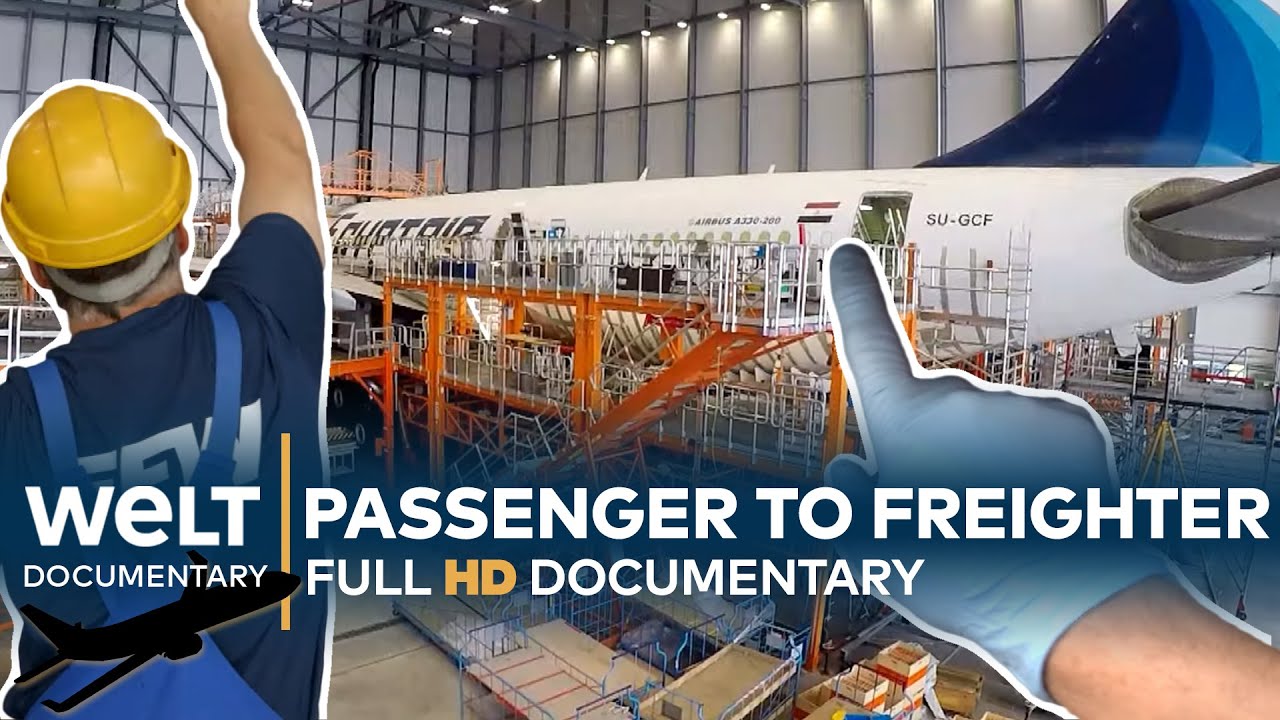
600 engineers and technicians at EFW will convert a 20-year-old Airbus A330 from passenger to cargo plane over the next few months.
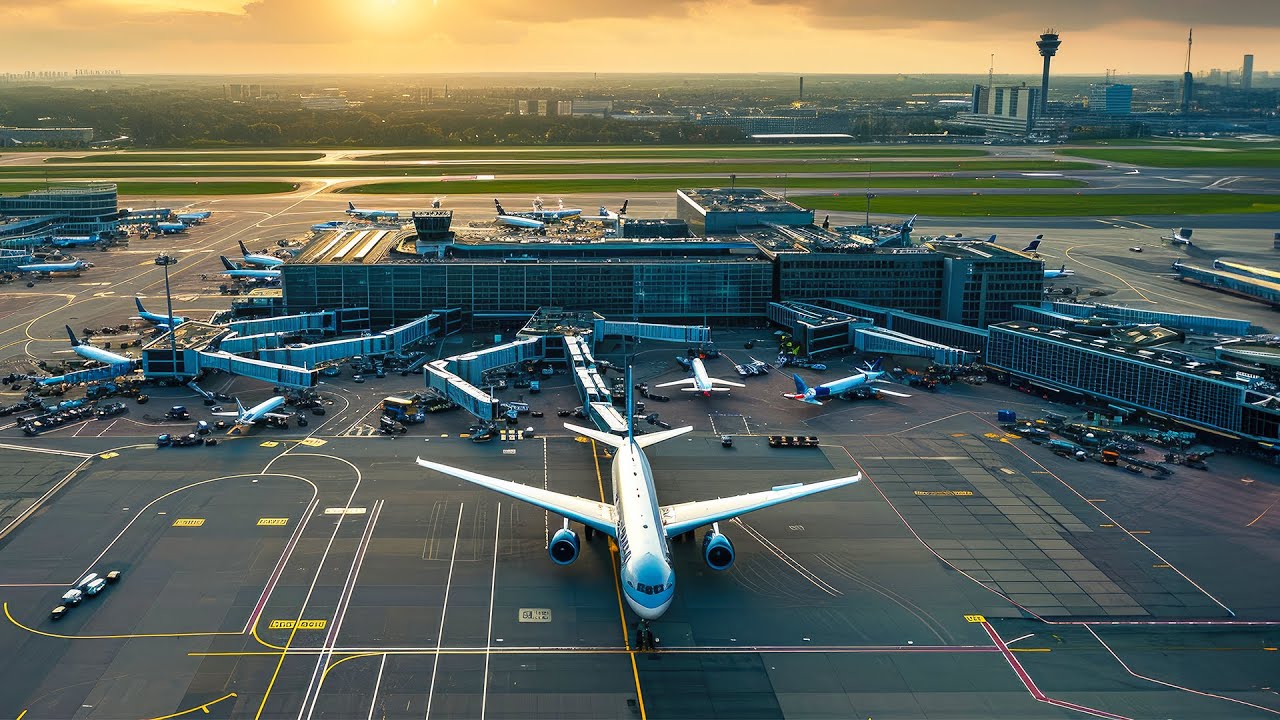
Hartsfield-Jackson Atlanta Airport handles 2 million passengers each week and employs 63,000 staff to manage its extensive operations.
The information revolution, marked by advancements like voice-controlled word processors and targeted political lobbying, is poised to reshape society as profoundly as the printing press.
Handmade off-road caravans in Germany represent a luxury trend in mobile homes, attracting affluent hobby campers with extravagant designs and high price tags.
NASA engineers built and launched the James Webb Space Telescope, the most complex astronomical instrument ever created, to explore the universe's earliest galaxies and exoplanet atmospheres.
Almost 900 feet long, the Yamato was the largest battleship ever built, launched by the Imperial Japanese Navy in 1941 and lost in October 1944.
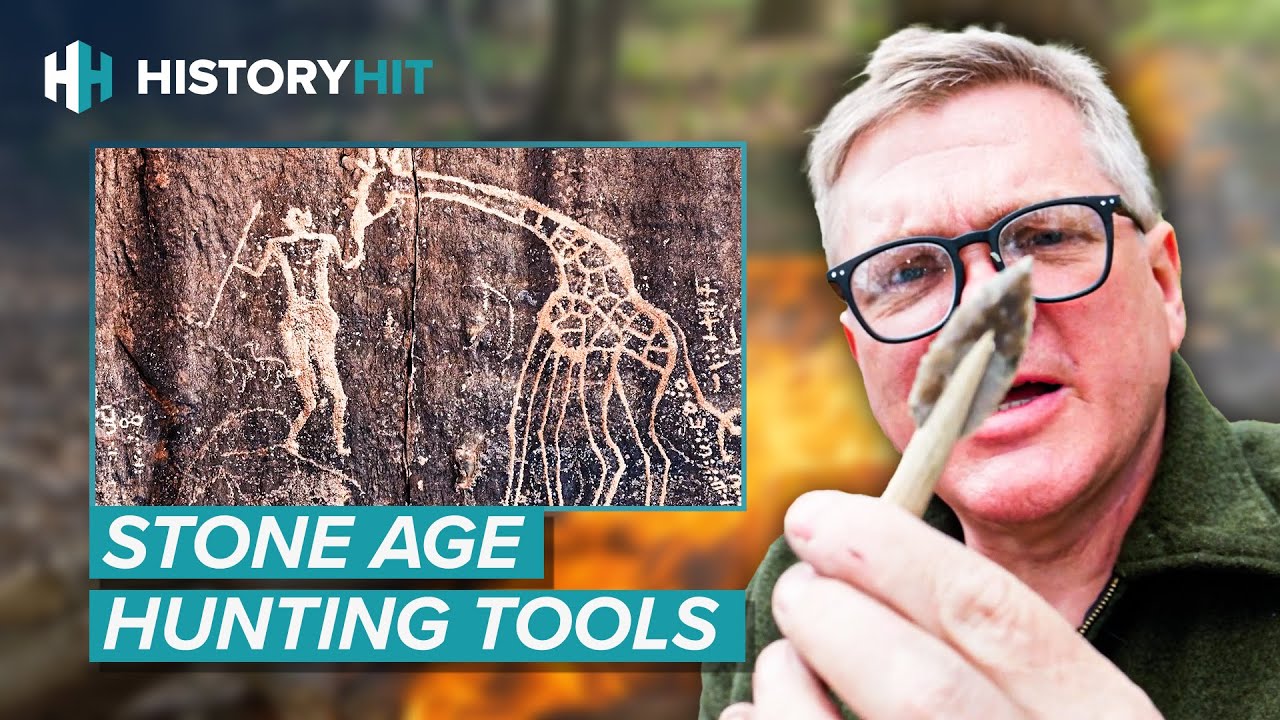
Hunting tools in Britain evolved from heavy spears to bows and arrows, marking a significant shift in human hunting practices during the Mesolithic era.
Artificial intelligence and military robotics raise critical ethical questions about the future of warfare and humanity, as experts confront the implications of killer machines.
Anti-tank weaponry, from the RPG to the FIM-92 Stinger, has significantly influenced military strategy from World War II to contemporary conflicts.
A 12-hour test flight from Munich to Hong Kong puts the Airbus A350's advanced technology and performance to the test under real conditions.
In the world of luxury travel, one of the largest cruise ships reveals the intricate systems and operations that ensure its success and passenger satisfaction.
Innovative companies like Patagonia, Studio XO, adidas, and Biocouture share insights on the future of clothing and sustainable fashion practices.
More than 20,000 people gathered at London's Wembley Arena on June 11, 2016, for a promotional event for the fraudulent cryptocurrency OneCoin.
Mobile phones, produced under harsh conditions in Chinese factories and dangerous mines in Africa, reveal the hidden human and environmental costs of the industry.
HMS Alliance, the last surviving Second World War-era submarine, showcases its remarkable history and preservation at the Royal Navy Submarine Museum in Gosport.
In Brandenburg, Germany, the construction of a 179-meter wind turbine in Falkenthal aims to supply electricity to 5,000 households annually.
Michael Calce, known as Mafia Boy, reveals how he, at just 15, shut down major websites, highlighting the escalating threat of cyber warfare.
The Livens Large Gallery Flame Projector, a 60-foot flamethrower used in the Battle of the Somme, is rebuilt and tested by Tony Robinson and the British Royal Engineers.
In Unterlüß and Zalaegerszeg, Rheinmetall's Lynx KF41 armored vehicle production showcases advanced engineering with a 1,155-horsepower engine and modular design.
A new 23-ton excavator is built in just 24 hours at Sany's factory in Lingang, which produces up to 40,000 excavators each year.
BMW's Berlin plant, a key site in motorcycle manufacturing, produces a diverse range of models, including the custom-built S 1000 RR Superbike.
The ITER project, the largest fusion research initiative in the world, aims to create a Tokamak reactor that will weigh 23,000 tons.
August 6, 1945, marked the day the United States dropped an atomic bomb on Hiroshima, signaling the start of a nuclear arms race with the Soviet Union.
The Hong Kong-Zhuhai-Macau Bridge, a 55-kilometer bridge-tunnel system, connects three major cities in the Pearl River Delta and is the world's longest sea-crossing structure.
In Greenland, a team led by test pilot Darryl Greenamyer undertakes the challenging restoration of a B-29 bomber abandoned since 1947.
Porsche's Leipzig factory produces over 90,000 Macan vehicles annually, showcasing advanced mass production techniques and a commitment to environmental sustainability.
2,300 kilograms of bombs can be carried by the F-117 stealth fighter, which remains undetected by enemy radar during combat missions.
NASA's Artemis program aims to return humans to the Moon, while advancements in satellite technology and Virgin Galactic's space tourism plans are also explored.
Mobile apps have transformed modern relationships, enabling connections through innovative dating strategies while also exposing users to addiction and empty pursuits.
NASA's Artemis II mission aims to return astronauts to lunar orbit for the first time since Apollo, featuring a 10-day journey beyond Earth orbit.
Airbus's factory in Hamburg-Finkenwerder employs over 16,000 workers to design and assemble advanced aircraft, supported by the Beluga cargo plane for logistics.
Hartsfield-Jackson Atlanta Airport's operations are examined, highlighting air traffic control, baggage handling, and wildlife management in a complex, high-traffic environment.
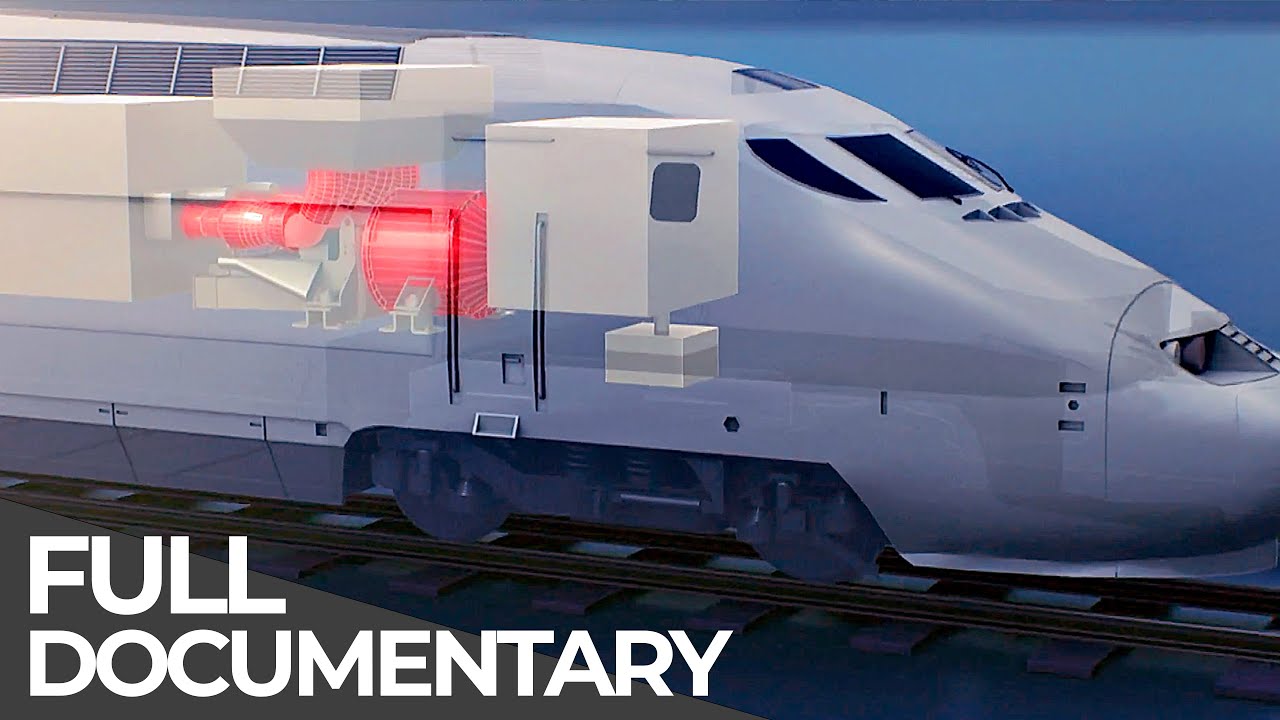
France's TGV high-speed train, which set a record of 574 kilometers per hour in 2007, continues to evolve with new models like the TGV Ocean and AGV.
A desperate America builds the Alaskan oil pipeline during the 1973 OPEC embargo crisis.
The Apache Longbow helicopter can detect and attack multiple targets simultaneously, marking a significant shift in modern combat tactics.
MSC Seaside, a massive cruise ship nearly a thousand feet long, exemplifies the engineering and operational complexities of modern maritime travel.
A rotating tower crane capable of withstanding winds up to 280 kilometers per hour assembles Germany's highest cable car at an elevation of nearly 3,000 meters.
The Thunder Boat, Tonnerre, serves multiple roles for the Marine Nationale during crises.
Virtual reality is poised to transform love and intimacy, as technology blurs the lines between digital connections and real-life relationships.
Color perception is a powerful illusion shaped by individual brain processes, language, emotions, and evolutionary history, affecting how we experience reality.
Around 300 years ago, the dream of creating machines that mimic human actions became a reality with the invention of automata.
Over 80 key figures discuss the rise of Taiwan's semiconductor industry and its impact on global technology.
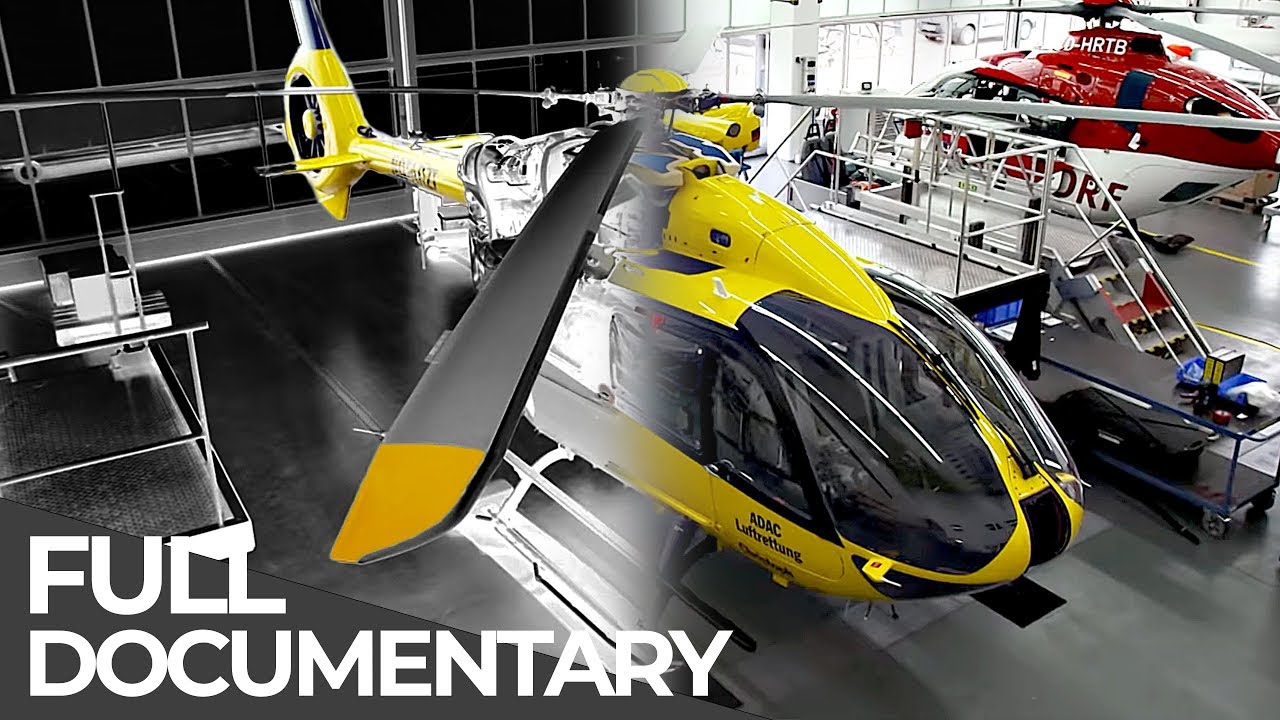
In Donauwörth, Bavaria, Airbus constructs H145 rescue helicopters for ADAC, highlighting advanced technology and the skills of life-saving pilots.
In Meyer Shipyard, the construction of AIDAnova, the world's first natural gas cruise liner, presents significant technical and logistical challenges with 15 million parts.
More than 60,000 man-made structures are revealed in the jungles of Guatemala, shedding new light on the ancient Maya civilization.
Every 16 seconds, a finished car leaves the production line at Germany's Wolfsburg plant, the largest car factory in the world.
Humanoid robots are transitioning from viral sensations to practical applications, raising questions about their real-world value amid significant investments and competition.
Over 2,500 workers contribute to the construction of a 315-metre-long cruise ship that weighs 80,000 tonnes and can carry more than 7,000 passengers.