From over 100,000 films, discover the handful you'll love.
Free or premium access to the world's largest documentary library.
5102 films(Page 65 of 107)
Chevrolet engineers balance noise regulations and fan expectations for the Camaro's sound.
Gene editing technologies like CRISPR are being employed by scientists to create groundbreaking treatments for genetic diseases such as sickle cell anemia and cystic fibrosis.
Every year, over a million tons of lithium ion batteries are discarded, with only an estimated 5% being recycled, leading to significant waste and environmental harm.
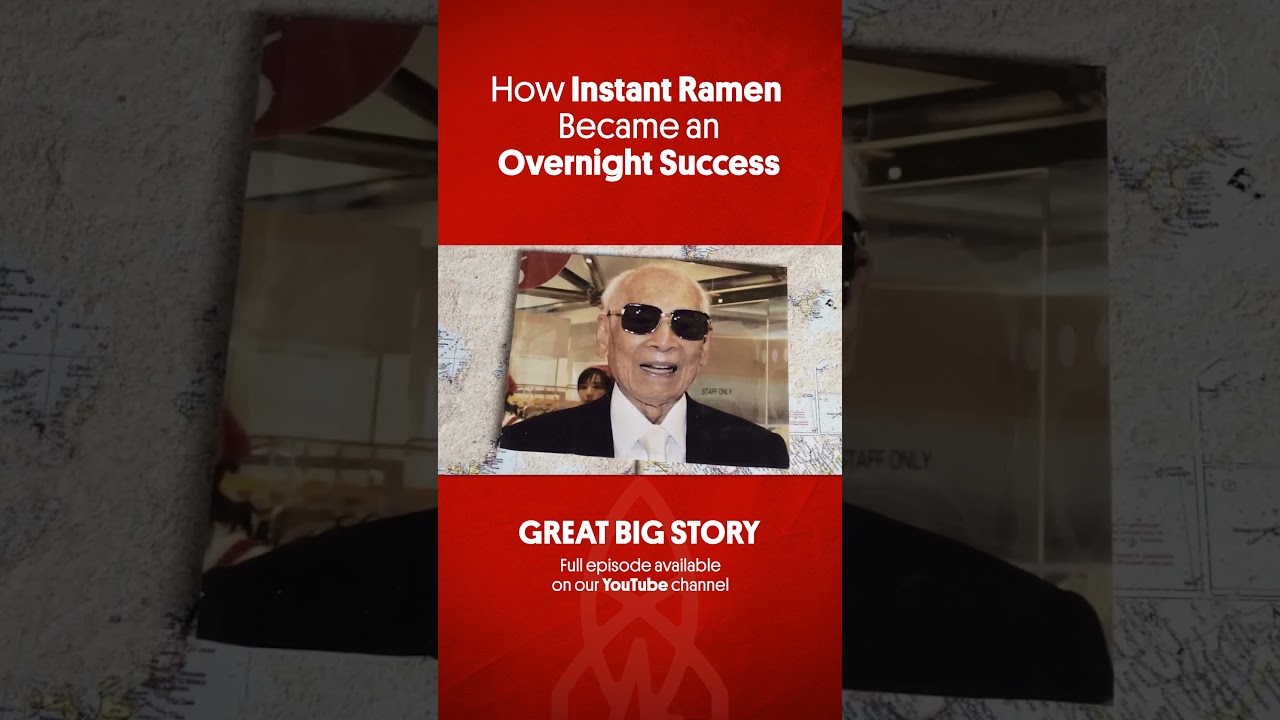
Momofuku Ando's creation of instant ramen in post-World War II Japan addresses hunger and revolutionizes global eating habits.
Magnetocaloric cooling technology offers a potential 30% increase in energy efficiency for refrigeration and air conditioning systems, addressing environmental concerns linked to traditional methods.
Neil Armstrong saves Gemini 8 from spinning out of control after a space docking.
Neil Armstrong practices landing the lunar module on a training vehicle designed for Apollo missions.
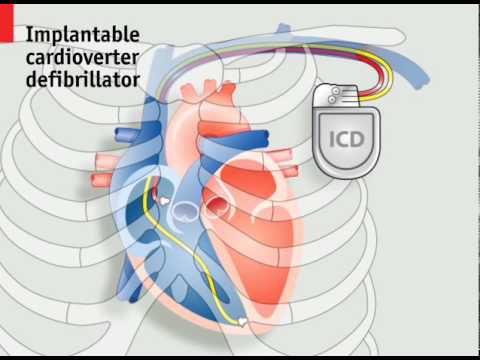
Pacemakers work to regulate heartbeats and improve treatment for various conditions.
Quantum computers promise to revolutionize technology and problem-solving capabilities, offering unprecedented advancements in fields such as cryptography and artificial intelligence.
SharkBite, a game created by Max and Simon in 2017, has been played over a billion times on Roblox, illustrating the platform's vast reach.
70,000 liters of water are needed to produce one ton of lithium, raising concerns about the sustainability of current battery technologies.
Almost 110,000 statues, some reaching 56 feet in height, are housed within the Longmen Grottoes along China's Yi River.
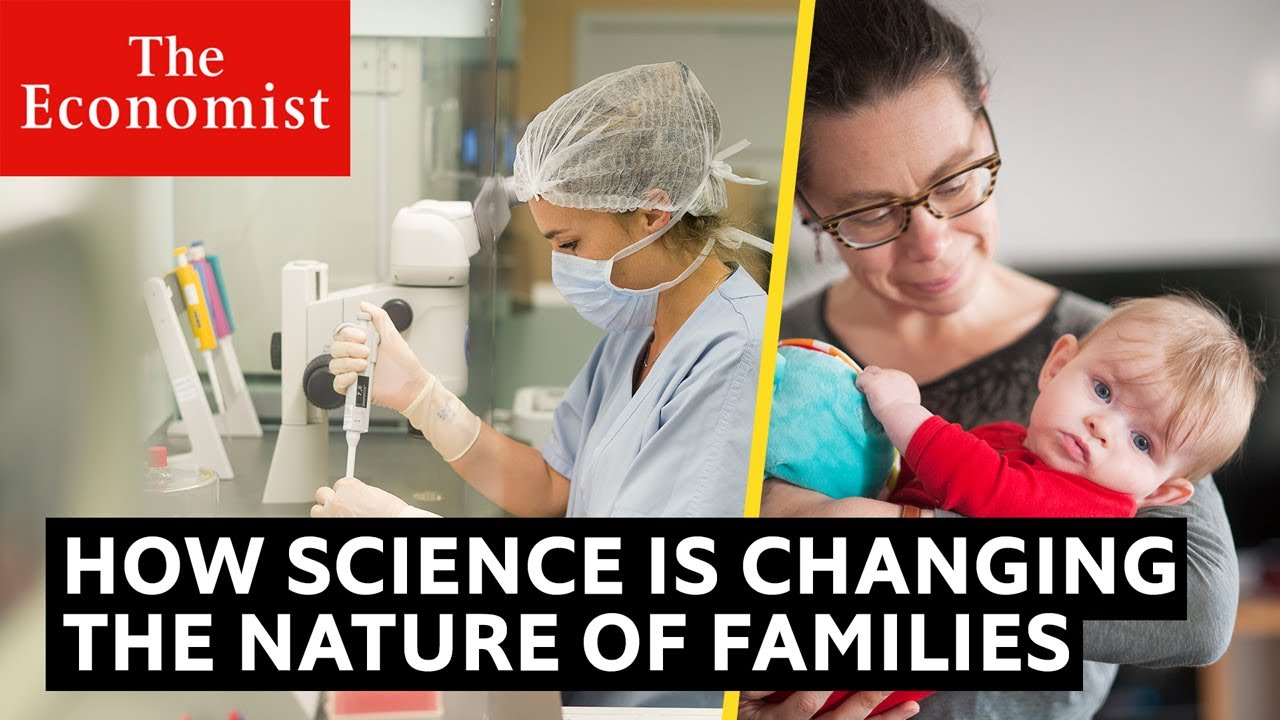
Dawn Hallett and her husband Mike from Nova Scotia navigate infertility and international surrogacy in their quest to become parents through advanced reproductive technologies.
An autonomous truck navigates traffic, showcasing the future of driving in the United States.
The launch of Sputnik spurs the birth of the internet in America during the Cold War.
Nikola Tesla's vision of wireless power is being revived by companies like Why Tricity.
At least 96 workers died during the construction of the 726-foot Hoover Dam, which was completed on March 1, 1936, two years ahead of schedule.
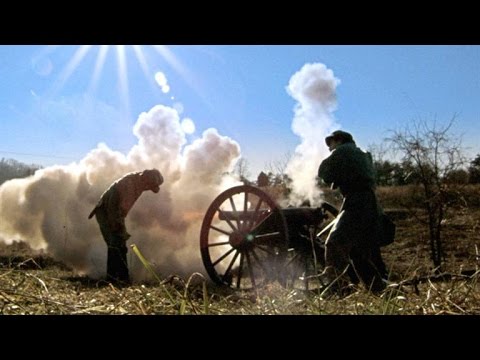
Paul Shull discusses how the Civil War changed weaponry in American history.
Three Avon jet engines, modified to run on natural gas, generate 36 megawatts of power daily for oil rigs, revolutionizing energy production.
A 20-foot-high, 900-foot-long, and 650-foot-wide core of clay forms the foundation of Monk's Mound, the largest earthen structure in the Western Hemisphere.
Snowden's leaks reveal the NSA's elite hacking unit, Tailored Access Operations, in December 2013.
Geothermal energy, utilizing technology from the oil and gas industry, offers a sustainable resource while presenting challenges such as earthquake risks from fracking.
The P-38, with its innovative design and powerful engines, achieved superior speed and altitude compared to other American fighter planes in the 1930s.
ChatGPT's emergence in the consumer market has sparked discussions among experts about its transformative effects on artificial intelligence and potential implications for humanity.
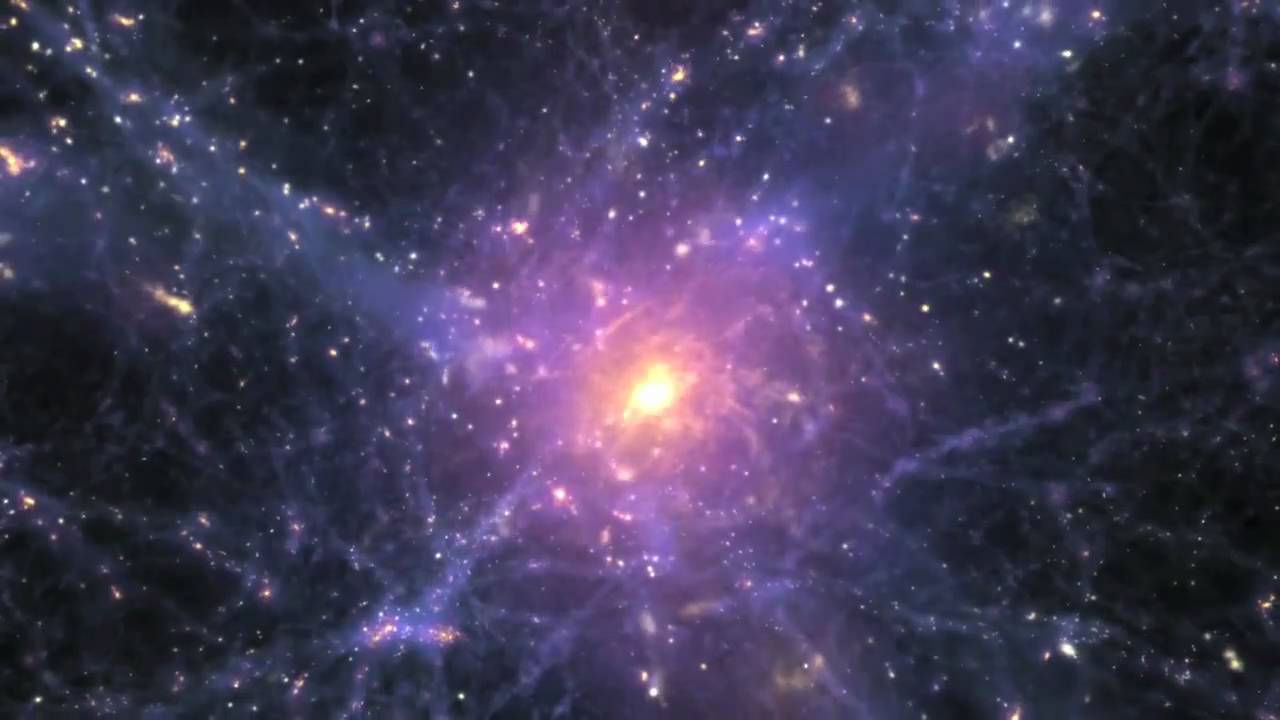
NASA's James Webb Telescope shows how gravity forms large-scale structures in the universe.
A MakerBot 3D printer extrudes a thread of semi-liquid ABS plastic to create intricate jewelry designs by Joshua DeMonte.
155 miles north of the Arctic Circle, the Ocean Endeavour faces icebergs that can make passage to Ilulissat, Greenland, extremely dangerous.
Hungary, with 25% of its energy mix sourced from solar power, is emerging as a global leader in solar energy generation, driven by significant investments and policy shifts.
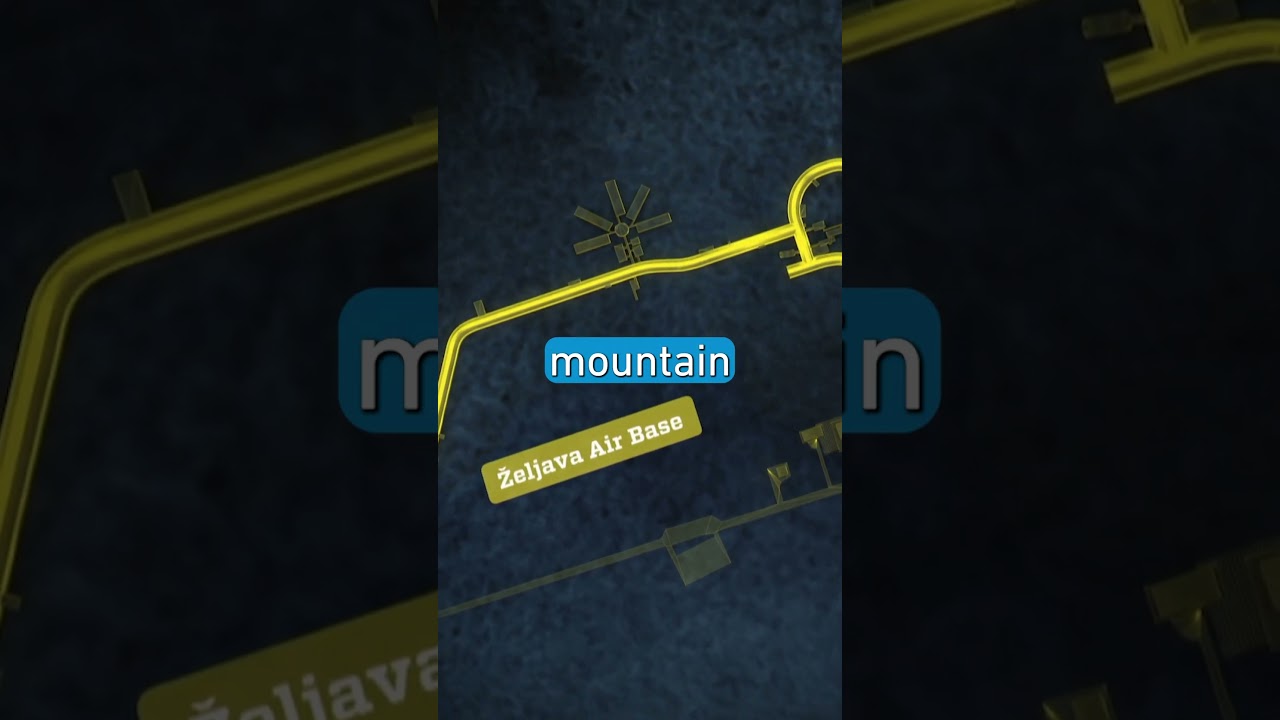
Yugoslavia's secret airbase, constructed during the Cold War, exemplifies innovative engineering and strategic military planning in a tense geopolitical landscape.
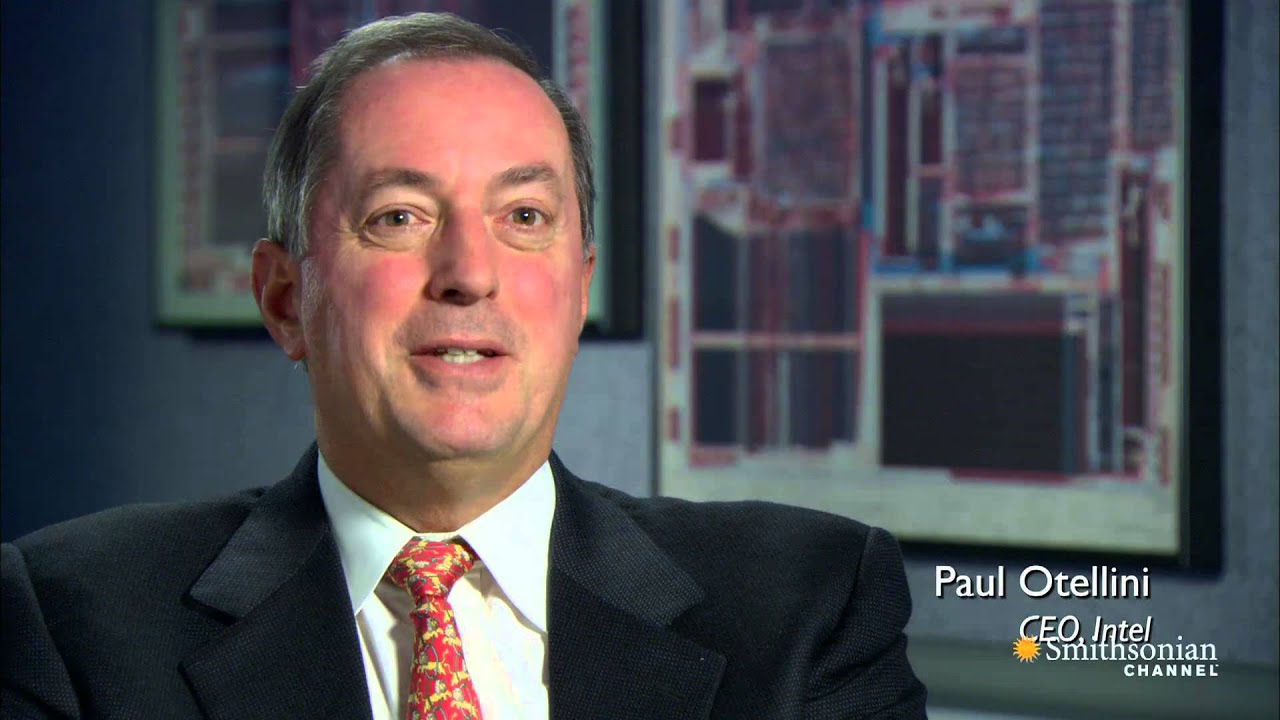
Bob Noyce and Gordon Moore's decision to leave Fairchild and establish Intel revolutionized the tech industry and shaped the future of Silicon Valley.
Malaria still kills 400,000 annually, but gene-editing technology offers new hope.
Both engines of British Airways flight 38 failed at 600 feet, forcing the pilots to make critical decisions just seconds before landing.
Innovative companies are creating sustainable packaging solutions from algae and mushrooms to combat the growing plastic waste crisis.
Entrepreneur Yves generated £150,000 by selling dog backpacks online, detailing his marketing strategies and challenges in the pet accessory market.
Par, an Uber driver from The Gambia, faces algorithmic bias when his account is deactivated, highlighting discrimination against ethnic minority drivers.
Small-scale hydropower technologies, including vortex power plants, hydrokinetic turbines, and osmotic power, offer renewable energy solutions with reduced environmental impact.
Chemical recycling, particularly through methods like pyrolysis, offers potential solutions to the escalating global plastic waste crisis.
A tutorial demonstrates how to replace lock screens on Android devices using applications like Widget Locker and Go Locker, responding to user requests.
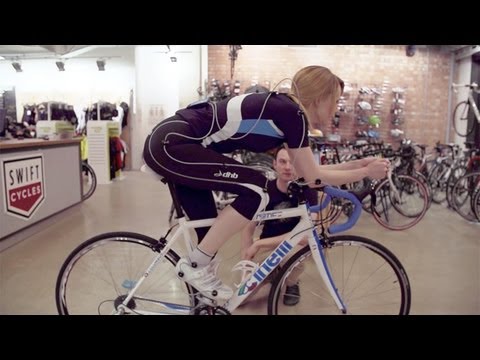
Kate McCann learns to set up her bicycle for her first 100-mile cycling event.
Google's AI chatbot launch raises urgent concerns about regulation and potential risks to society.
Engineers use the Interceptor to clean the Klang River in Malaysia and prevent ocean plastic pollution.
This episode shows how pigeons are trained to direct missiles on History's original programming.
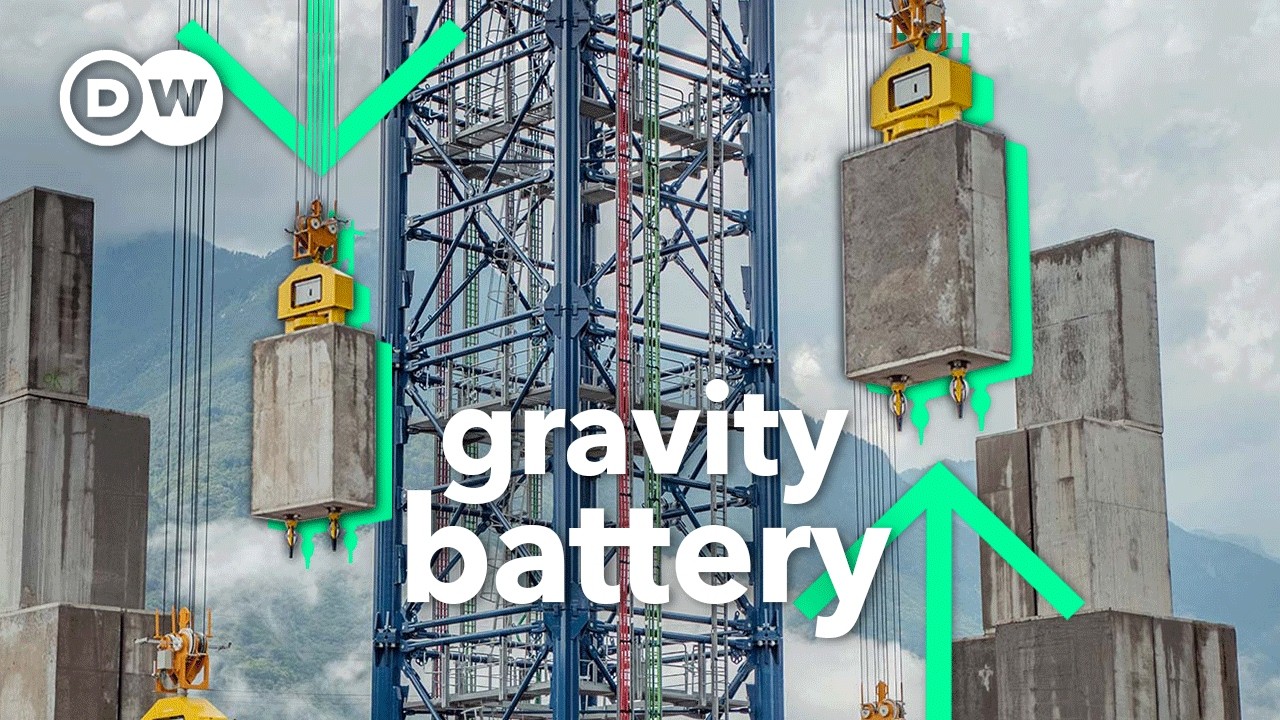
Gravity batteries present a promising solution for storing excess renewable electricity, raising questions about their practicality and cost-effectiveness.
Jason Clingerman, an archives specialist at the National Archives, demonstrates the features and functionalities of the new National Archives Catalog.
4.3 billion kilograms of warm water and 2.2 billion kilograms of cold water are needed daily for a small ocean thermal energy conversion plant.
British codebreakers, including Alan Turing, crack Hitler's Enigma during WWII at Bletchley Park.
The invention of the freezer revolutionized food preservation and storage, significantly impacting modern culinary practices and daily life.
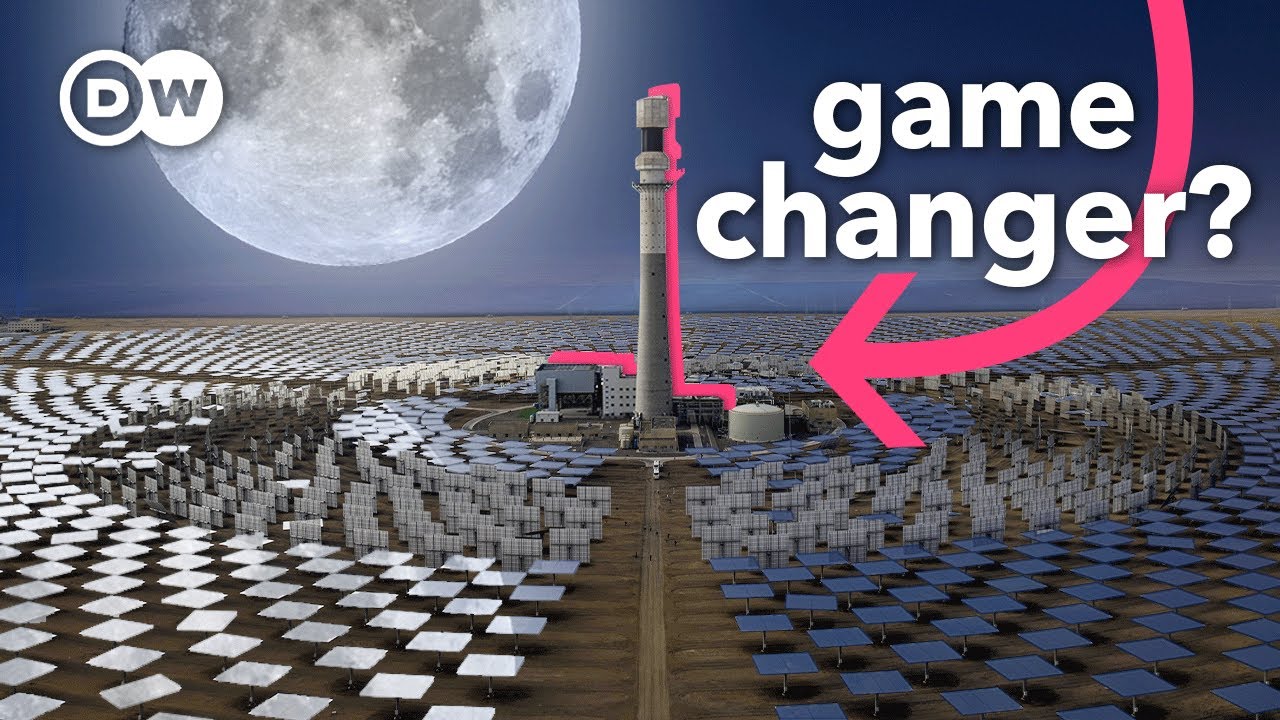
A concentrated solar power plant can concentrate sunlight by roughly 1,000 times to generate electricity, even at night.




















![Film backdrop image for How To Replace Your Lock Screen [Coldfustion] (2012)](https://i.ytimg.com/vi/6juyYx5Se-A/maxresdefault.jpg)