From over 100,000 films, discover the handful you'll love.
Free or premium access to the world's largest documentary library.
5101 films(Page 35 of 107)
Philosopher Daniel Dennett discusses how artificial intelligence can enhance the relationship between philosophy and psychology in this insightful 1983 conversation.
Howrah Bridge, a vital crossing in Kolkata, showcases remarkable engineering inspired by the 19th-century Forth Bridge in Scotland.
A logistics team navigates complex routes and extreme weight loads to transport the world's heaviest wind turbine, showcasing modern engineering challenges.
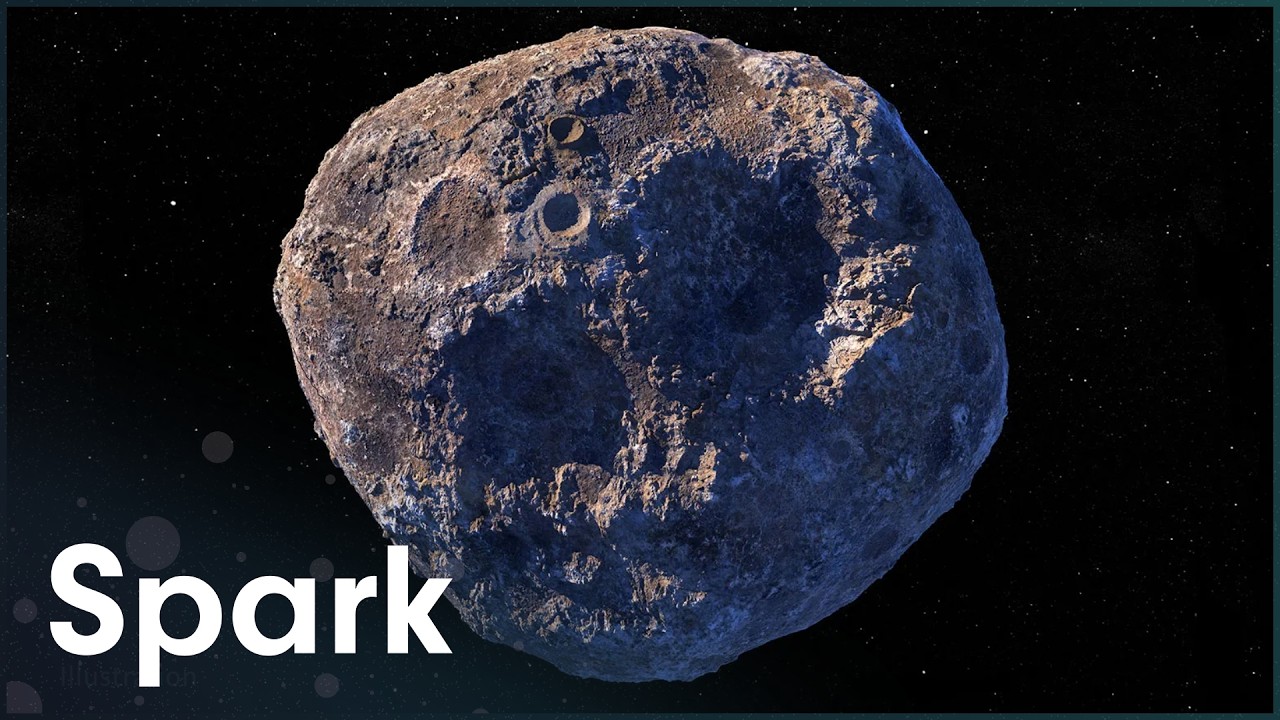
Asteroid mining emerges as a potential solution to humanity's escalating demand for rare metals, driven by the transition to a digital and green economy.
Modern life presents a paradox where advanced technologies intended to save time often contribute to a pervasive sense of time scarcity and burnout.
The B-52 bomber has performed its mission for almost 80 years, making it the longest-serving bomber in history.
Step into the T-38 Talon cockpit and follow NATO students at Sheppard Air Force Base.
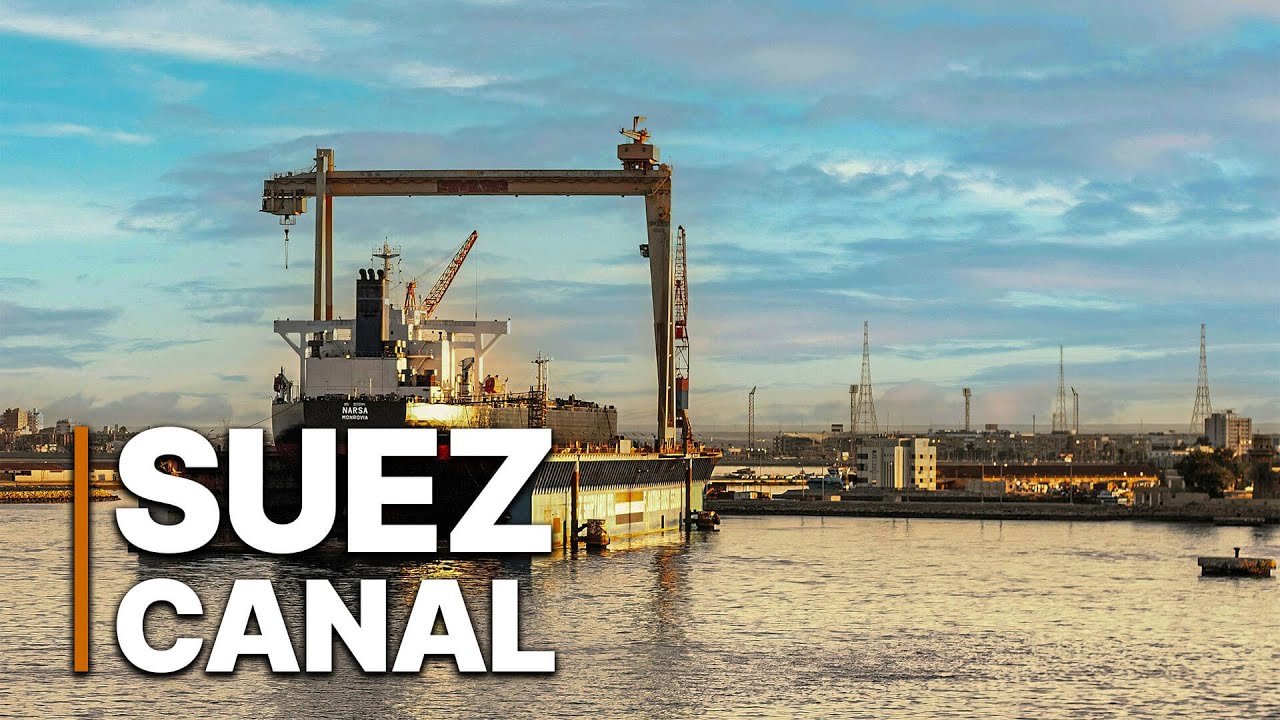
In 2014, a construction project began to create a new 72 km route in the Suez Canal, allowing for two-way navigation and increasing its depth to 24 m.
The debate between nuclear power and renewable energy highlights the challenges of safe waste disposal and the potential of solar energy in addressing global energy needs.
Civil engineering has transformed human civilization through innovations like Roman arches, modern concrete, and futuristic energy solutions across Europe and beyond.
Two teams build racing machines to access a safe hidden between a solid wall on a country estate.
Thunder Boat, the second largest ship of the Marine Nationale, showcases advanced technology and versatility, serving as an aircraft base, command post, and floating hospital.
China's ambitious infrastructure projects include the Hong Kong-Zhuhai-Macau Bridge, the Shanghai Tower, and the expansive Beijing Metro network.
Gerald Cotten, CEO of QuadrigaCX, died in India in 2018, leading to the disappearance of $215 million in cryptocurrency and cash, sparking widespread speculation and investigation.
Alaska Airlines Flight 261 exemplifies how a single missing screw and maintenance failures can lead to catastrophic aviation disasters, prompting industry-wide safety reforms.
Bitcoin's origins, societal impact, and potential future implications are examined through various perspectives and expert insights in this exploration of digital currency.
In 2010, UK investigators utilized digital forensics to solve a coordinated attack at London's Victoria Station, revealing the role of online messaging in the planning.
Laserium started in the early 1970s at the Griffith Park Observatory, becoming the only continuing laser concert in the world.
Dr. Nehemiah Mabry, an engineer and educator from Raleigh, North Carolina, hosts "Building Stuff with NOVA," a livestream series on Twitch dedicated to engineering topics.
In 1959, Canada celebrated the 50th anniversary of powered flight, marking a significant moment in the evolution of aviation technology.
In 1960, nearly 7,000 people died on UK roads, but by 2012, road deaths dropped to 1,900, thanks in part to advancements in crash test dummy technology.
As Big Tech transitions to the intimacy economy, experts debate the implications of customizable sex robots on loneliness and societal isolation.
Dr. Ben Longmier and his team plan to use helium balloons to send rocket engine components to an altitude of over 30 kilometers for testing in space.
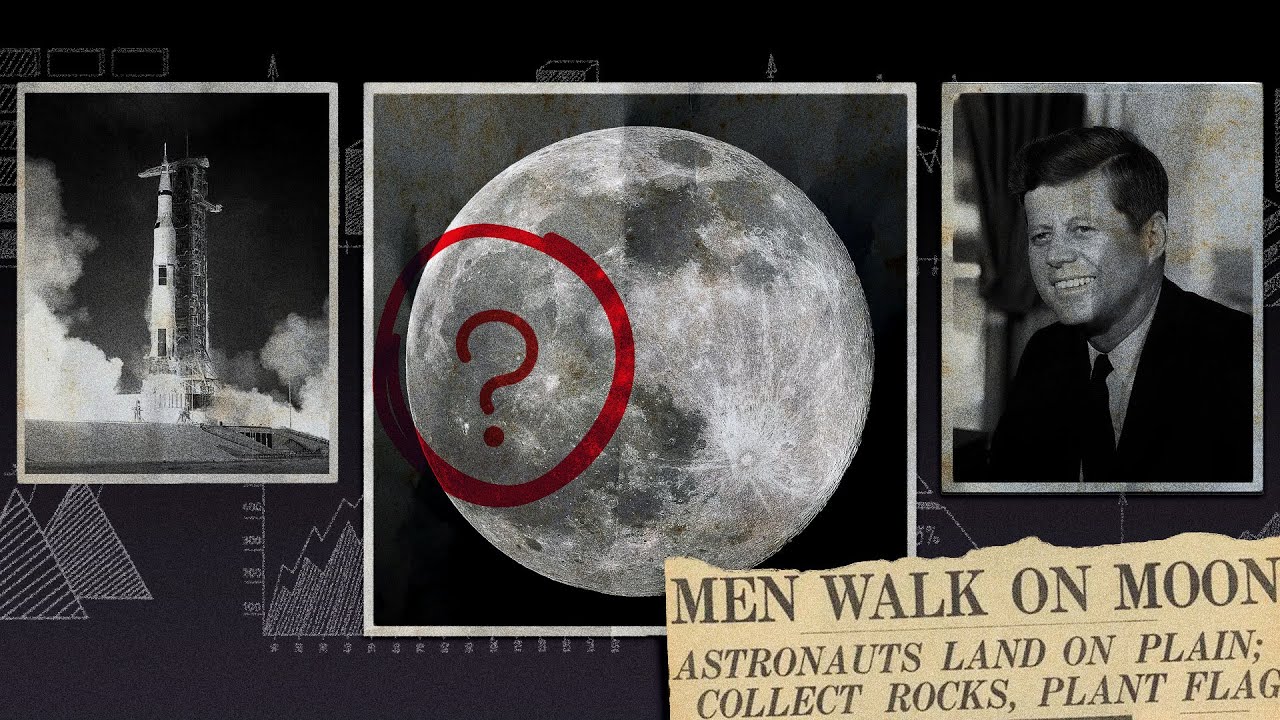
Astronaut Ulrich Walter addresses the Moon landing conspiracy theory by explaining the engineering realities behind key claims and the lack of Soviet opposition.
Maud, the legendary ship of explorer Roald Amundsen, remained trapped in ice for 85 years before efforts began to raise it from the depths of the Northwest Passage.
Patrick Moore and astronomer George Hole face unexpected cloud cover during a live broadcast, transforming a scientific event into a comedic spectacle.
RAF modernization in the 1920s and 30s transformed its role from imperial policing to a key player in WWII with increased investment in aircraft design and production.
Accidental discoveries such as anesthesia, the telephone, and porous silicon have significantly influenced medicine, communication, and technology.
A team has three days to build a Catapulta Ballista, a Roman siege engine capable of launching bolts nearly a quarter of a mile.
Successful test drops of torpedoes were made at 2,000 feet with a speed of 350 knots, improving their performance during World War II.
Switzerland's Glacier Express utilizes innovative rack-and-pinion technology to navigate extreme alpine heights and ensure passenger safety on challenging terrain.
Jensen Huang warned his team in 1996 that they had only 30 days of oxygen left before Nvidia faced bankruptcy.
Cabo de Hornos, a 2,000-ton research vessel, was saved from destruction after being thrown ashore by a tsunami through an innovative salvage operation.
Molten bronze exceeding 1,000 degrees Centigrade is used to cast barrels for a medieval machine gun, as a team of engineers attempts to recreate this ancient weapon.
Transocean Winner, an enormous oil rig, ran aground on the Isle of Lewis in 2016 after a storm severed its towline, endangering the coastline's ecology.
Smartwatches have evolved from sci-fi concepts to essential devices, with Garmin and Fitbit leading innovations in fitness and tracking technology.
The Energy Internet presents a transformative approach to energy consumption, aiming to achieve zero carbon emissions and combat climate change effectively.
Humanoid robots are being developed to address critical challenges facing humanity, showcasing advancements in technology and their potential impact on our future.
Greg Barnes, an Australian geologist, navigates the complexities of Greenland's mining potential amid global interest in its rare earth resources and environmental concerns.
Satellites, jet aircraft, and video games have fundamentally transformed global communication, transportation, and entertainment, shaping modern society and technology.
California's San Andreas Fault is analyzed for its potential to trigger a catastrophic earthquake, while advanced technology aids in predicting seismic events.
Aviation's evolution from early sketches by Leonardo da Vinci to groundbreaking jet engines highlights key engineering milestones and the spirit of innovation.
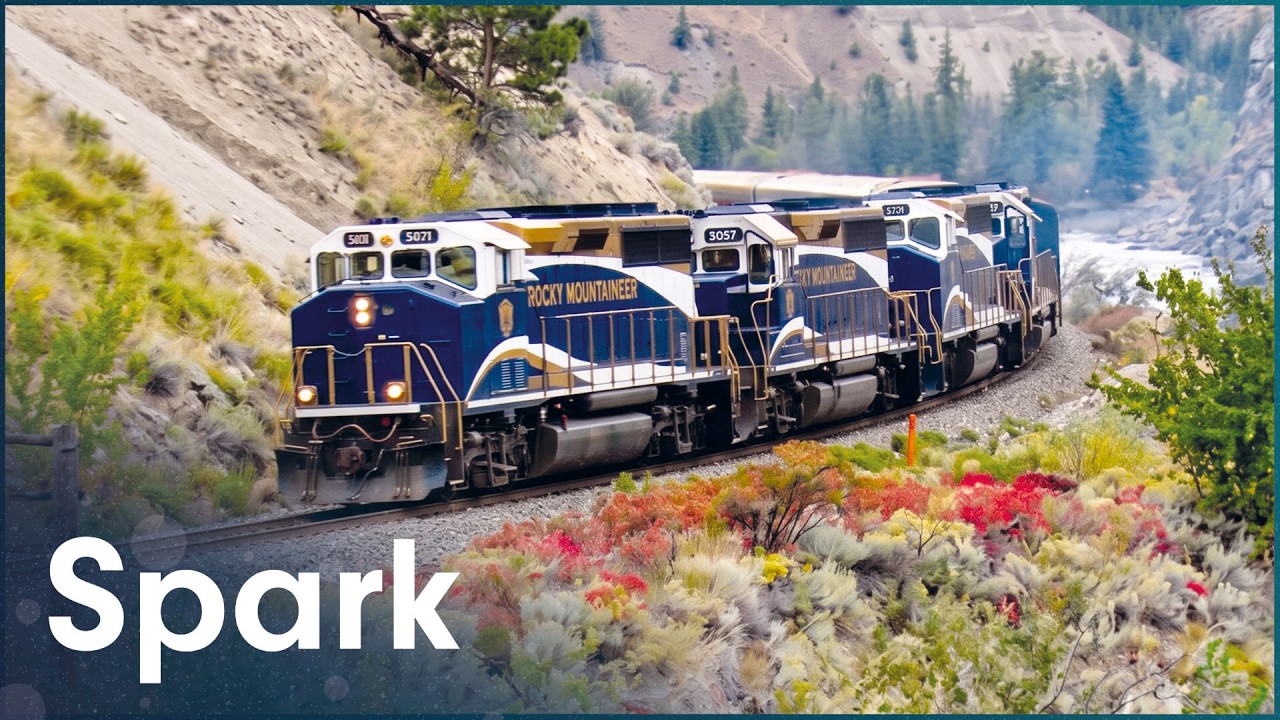
Extreme railway systems showcase high-stakes engineering and advanced safety technology as they navigate some of the world's most treacherous terrains.
Hacker culture, rooted in 1970s counterculture, faces increasing scrutiny and repression from governments worldwide as it navigates the complexities of online freedom and security.
NASA's Curiosity rover, the most advanced space vehicle ever built, faced a perilous descent to Mars using a revolutionary rocket crane for its historic landing.
Artificial intelligence, through the startup Advanced Symbolics, is reshaping electoral predictions by analyzing social media data to forecast voter behavior and preferences.
A mobile-free zone exists in Green Bank, West Virginia, to protect scientific data from interference caused by wireless technology.
In 1907, the United States Army purchased its first military plane from two bicycle mechanics, marking the beginning of military aviation in America.