From over 100,000 films, discover the handful you'll love.
Free or premium access to the world's largest documentary library.
5102 films(Page 4 of 107)
At the St. Nazaire construction site in France, over 2,500 workers utilized advanced technology to build the 315-metre Meraviglia cruise ship, capable of carrying more than 7,000 passengers.
Aviation transformed from a symbol of wonder to a powerful weapon in the 20th century, driven by wartime innovations and an arms race in the skies.
A 62-ton Leopard 2 main battle tank, introduced in 1979, is central to the training of soldiers at the Bergen troop training area.
A brand-new drilling rig, the West Bollsta, is towed by the ALP Striker from Ulsan, South Korea, to Europe, covering 12,000 kilometers in 90 days.
AI consciousness researcher Cameron Berg explores the implications of potentially creating a new kind of mind, raising profound questions about humanity's technological advancements.
Innovations from the 1950s, including the first credit cards, microchips, and video games, reveal a surprisingly advanced technological landscape during the Cold War.
The search for a unified Theory of Everything spans decades, exploring concepts like string theory, hidden dimensions, and the holographic principle.
Weighing 300 tons and valued at six to eight million dollars, the Caterpillar 797 dump truck requires a specially assembled trailer for transport in Alberta.
Me 262, the world's first operational jet fighter, showcased advanced engineering but ultimately failed to alter the course of World War II for Germany.
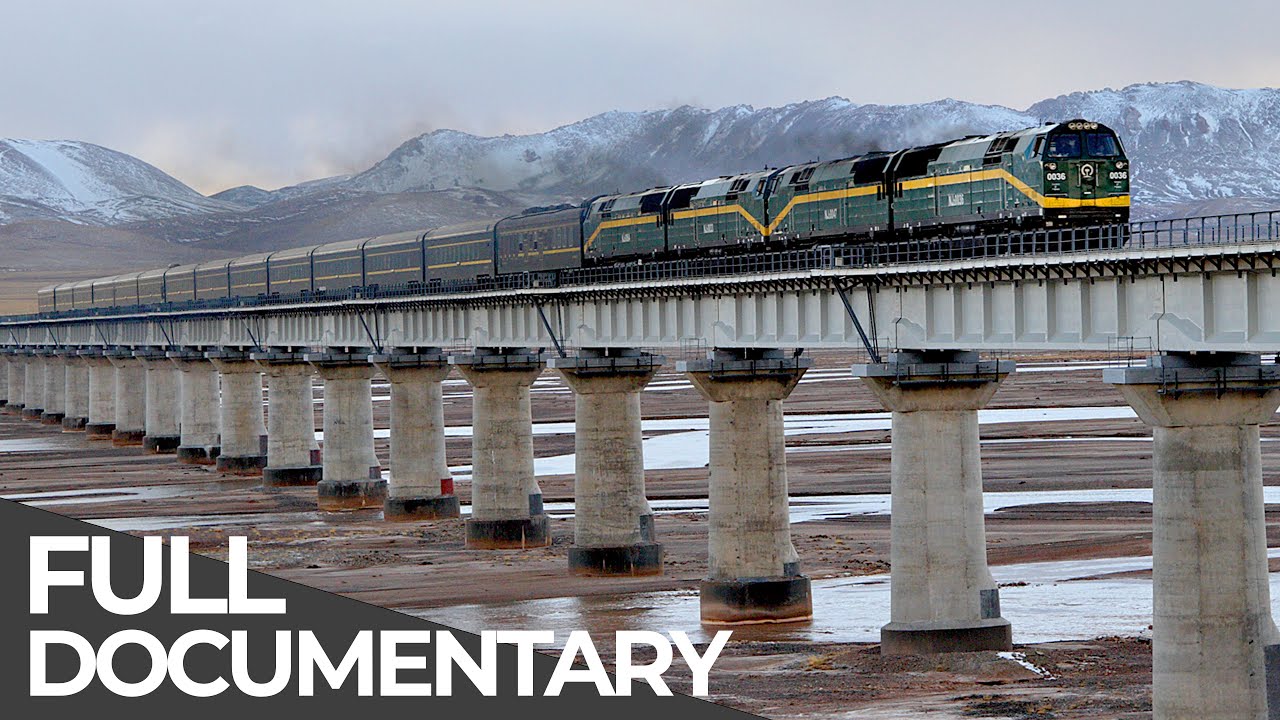
China's Qinghai-Tibet railway, the highest and most extreme railway in the world, was built over five years by 140,000 workers in a challenging environment.
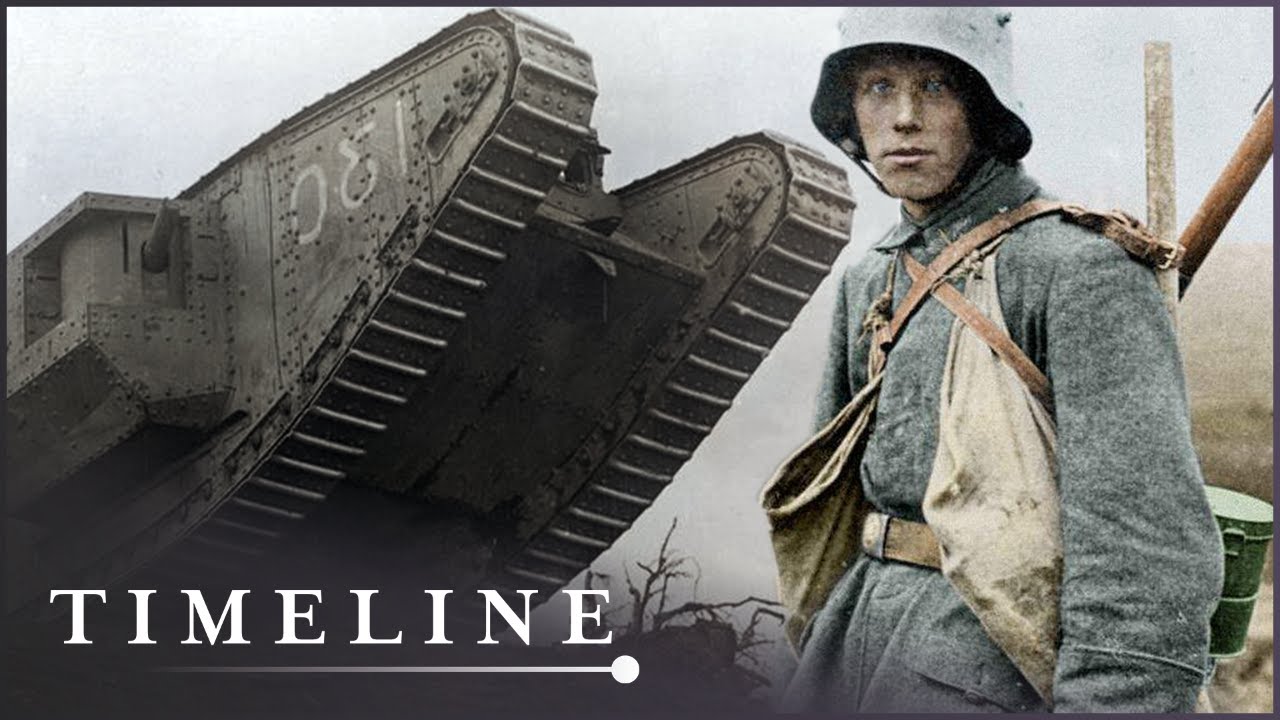
In January 1916, the British Army unveils the world's first tanks, marking a turning point in World War I and altering the nature of combat forever.
The transformation of Nazi Germany's ballistic missile technology into a symbol of American progress highlights the complex interplay of science, power, and morality.
LMDh racing introduces hybrid-electric prototypes to the world's most iconic tracks, as Cadillac Racing faces intense competition at the 24 Hours of Le Mans.
Stalin's war factories were dismantled and relocated eastward on one and a half million railway trucks to prevent capture by the Nazis.
The 2019 documentary profiles the impact of biotechnology on medicine, agriculture, and cleaning products through innovative technologies and natural processes.
The Mosquito, a wooden fighter plane initially underestimated by the British government, became a vital asset for the Royal Air Force, instilling fear in the German Air Force.
Giant production enterprises in the United States rapidly transformed the nation into a dominant military force during World War II, manufacturing everything from weapons to aircraft.
750 million cubic feet of earth were moved to create Kansai International Airport, a man-made island in Osaka Bay completed in 1994.
Titanic's wreck site is revealed in unprecedented detail through a groundbreaking scan, providing insights into the ship's final hours and its historical significance.
Modern logistics, exemplified by Deutsche Post DHL Group, navigates challenges like digitalization and climate change while ensuring timely deliveries in an evolving landscape.
A Vectron electric locomotive weighs 87 tons and can pull up to 35 freight cars with a total weight of over 2,200 tons at speeds of up to 200 kilometers per hour.
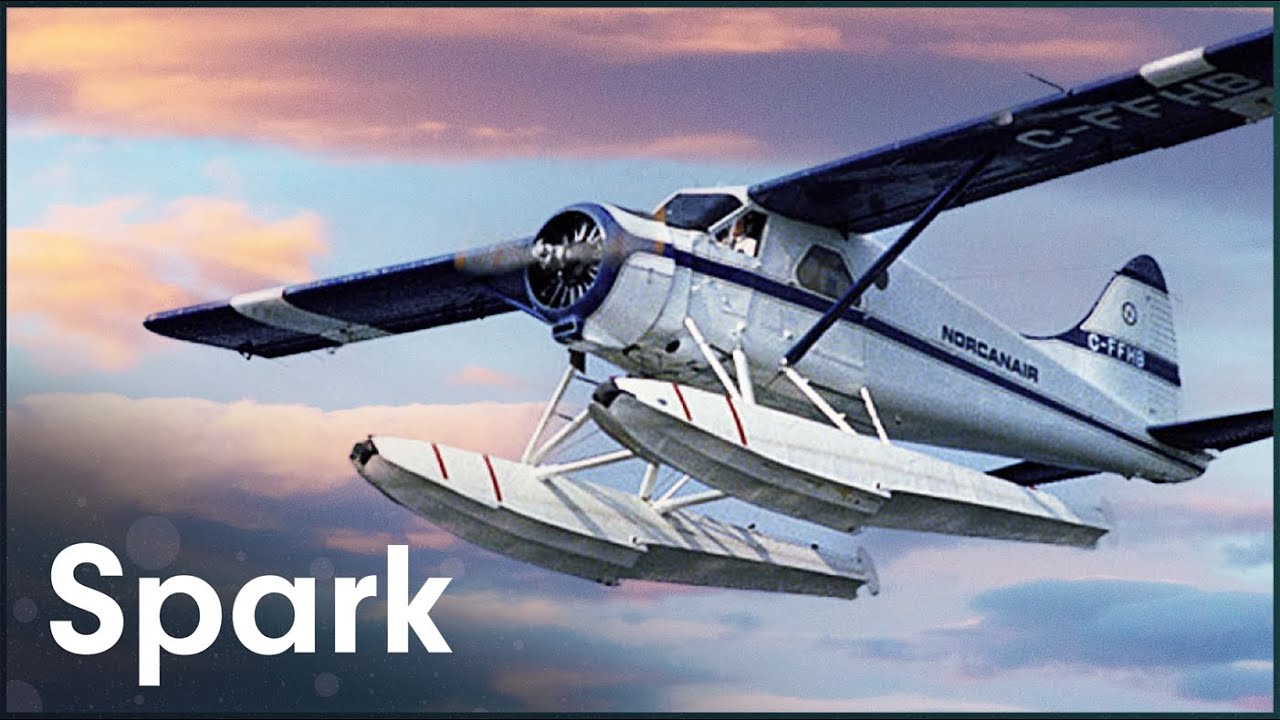
A de Havilland Beaver aircraft, affectionately named 'Olivia', is restored after decades of sitting in the Arizona desert near Tucson.
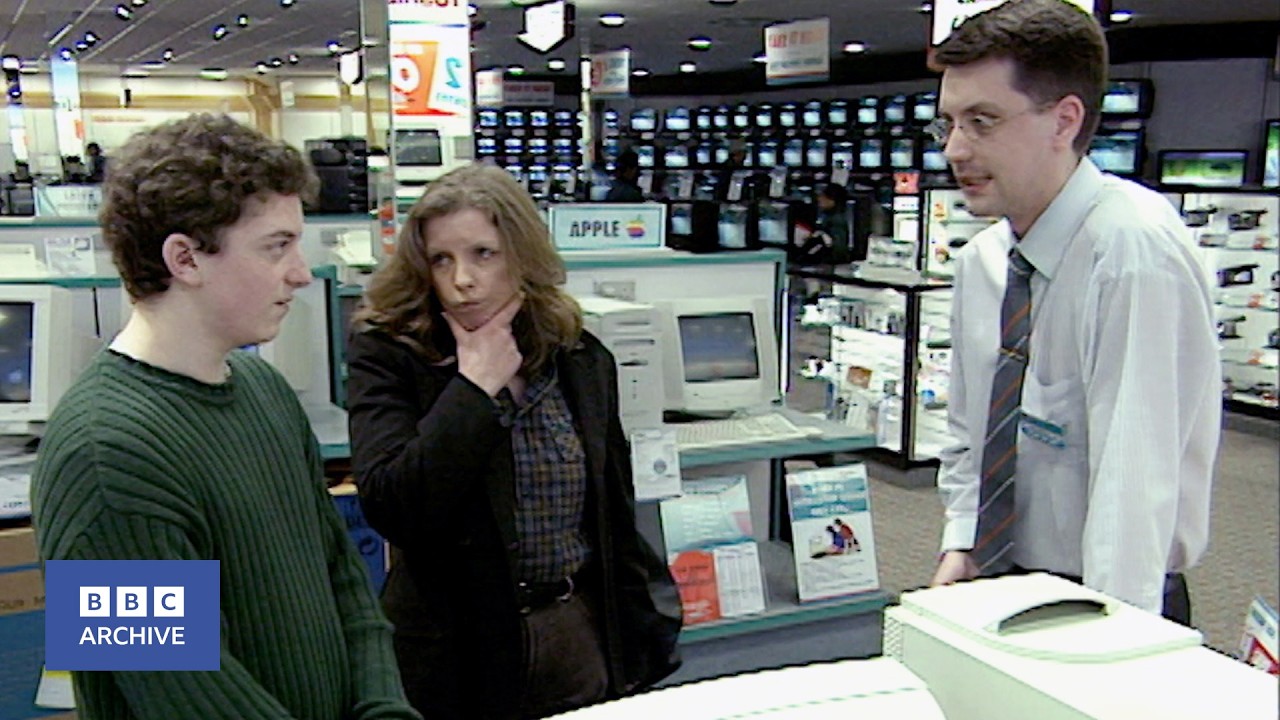
Two families navigate the process of purchasing their first computer, exploring different buying methods while receiving expert advice on essential tech terms.
Bletchley Park, the secretive hub of World War Two code-breakers, reveals the daily lives and camaraderie of those who cracked the Enigma code.
Joel Ortiz, a former high school valedictorian, stole $7.5 million through SIM swapping, flaunting his wealth on social media before his arrest at LAX.
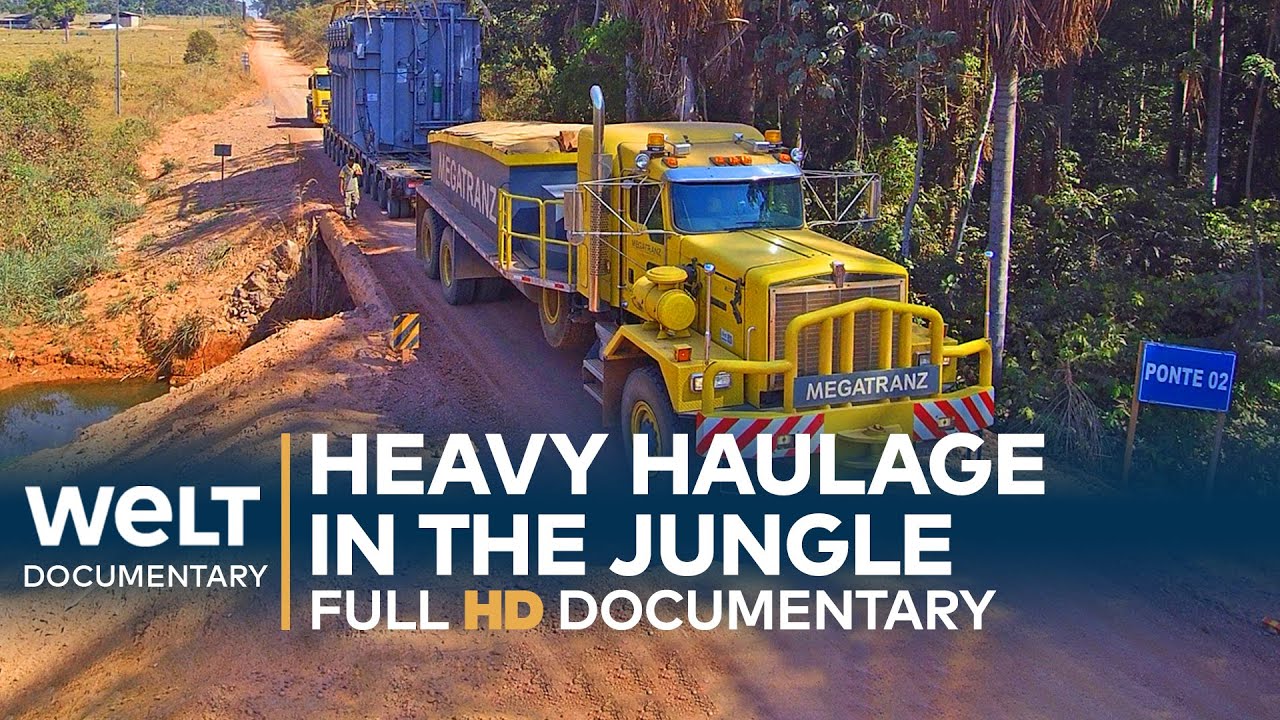
A 206-metric-ton transformer travels 4,000 kilometers through Brazil's Amazon rainforest to reach the São Manoel Hydroelectric Plant.
The final days of NASA's Apollo program highlight the bravery of three astronauts and the dedication of thousands who contributed to lunar exploration.
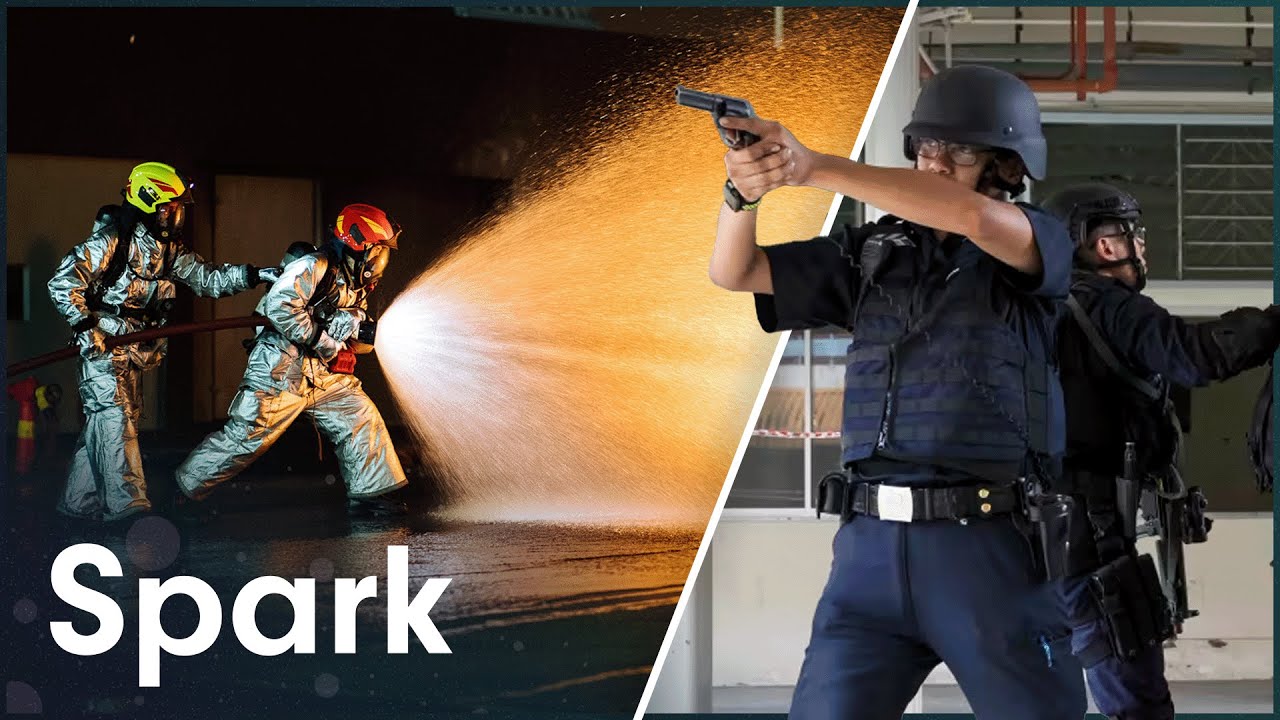
Changi Airport's emergency services train rigorously to ensure the safety of over 54 million passengers annually, showcasing their dedication and expertise.
250 cars are produced daily at the Porsche plant in Stuttgart-Zuffenhausen, where the iconic 911 sports car has been made since 1963.
Sergei Korolev, a Gulag survivor, transformed intercontinental ballistic missiles into the vehicles that launched humanity into space, reshaping global politics and technology.
A fighter jet that was more advanced than current models sits abandoned on an airfield after losing a multi-billion dollar competition in 1985.
NASA's Project Gemini used the Titan 2 missile to develop techniques for orbital rendezvous, crucial for the success of the Apollo moon landing.
A Disney cruise ship measures over 1.2 million square feet, making it one of the largest ships ever constructed at the Meyer shipyard in Papenburg, Germany.
A 30-year-old Mercedes fire truck, with only 27,000 kilometers on the clock, is being converted into a luxury long-distance camper in Berlin.
Historian Dan Snow evaluates AI-generated images of pivotal historical events, raising questions about the accuracy and implications of artificial intelligence in history.
Within 15 years of Johannes Gutenberg's invention, the number of books in circulation skyrocketed from zero to 20 million across Europe.
The International Space Station weighs 460 tons, the same as about 300 cars, and requires complex systems to keep astronauts alive in space.
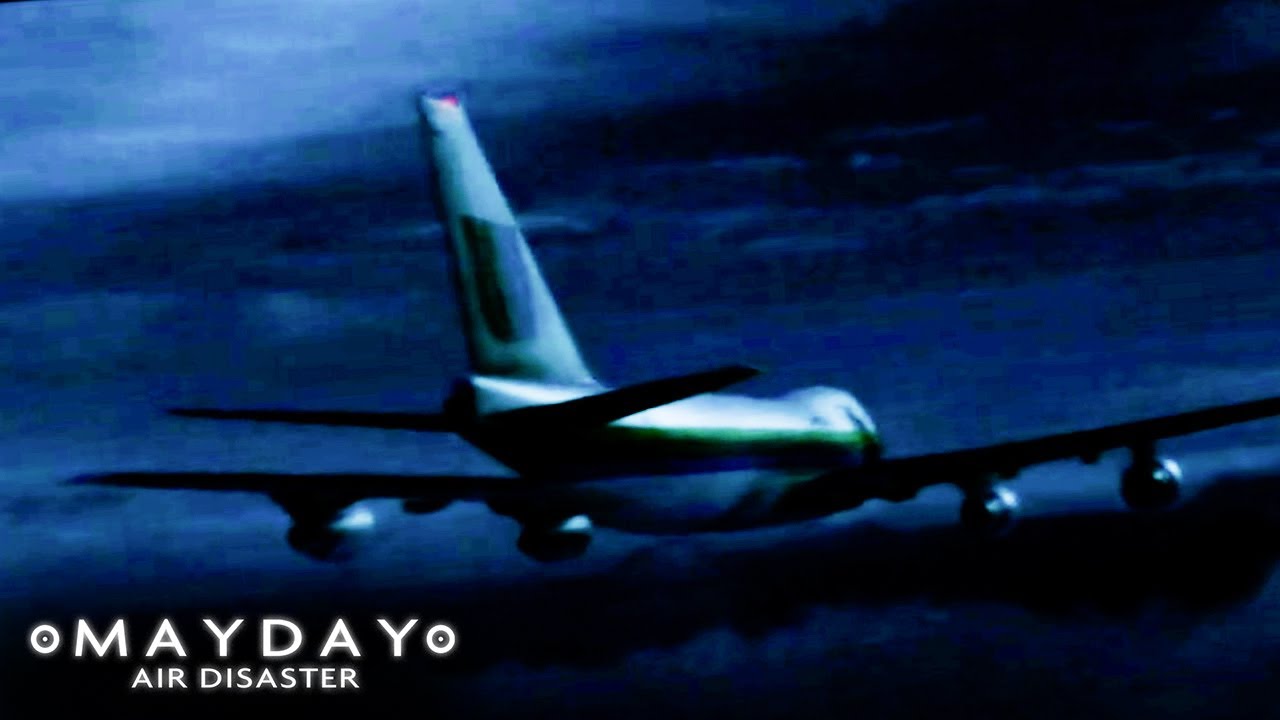
United Airlines Flight 811 suffered a catastrophic failure when its cargo door opened at 33,000 feet, resulting in the loss of nine passengers.
Archaeologists have mapped 32,000 acres of ancient groundworks, including 70 cisterns and 28 dams, that supported the city of Petra.
A fourth Industrial Revolution is underway, driven by technologies like artificial intelligence and robotics, which could disrupt traditional job markets.
More than 22,000 man hours were spent restoring the C-47 aircraft that led the D-Day invasion, preparing it for a commemorative flight to Normandy.
A 24/7 clinic operates with a complex network of personnel and technology, ensuring readiness for emergencies and efficient patient care.
The G95K assault rifle, engineered by Heckler & Koch, is favored by elite military units for its precision, adaptability, and advanced ergonomic design.
Factory 56 spans 220,000 square meters and employs 2,000 workers and robots to produce luxury sedans like the S-Class and Maybach.
The competitive landscape of the UK home computer game market in 1984 sees Imagine Software betting on the ambitious Bandersnatch, while Ocean Software opts for a safer sequel, Hunchback 2.
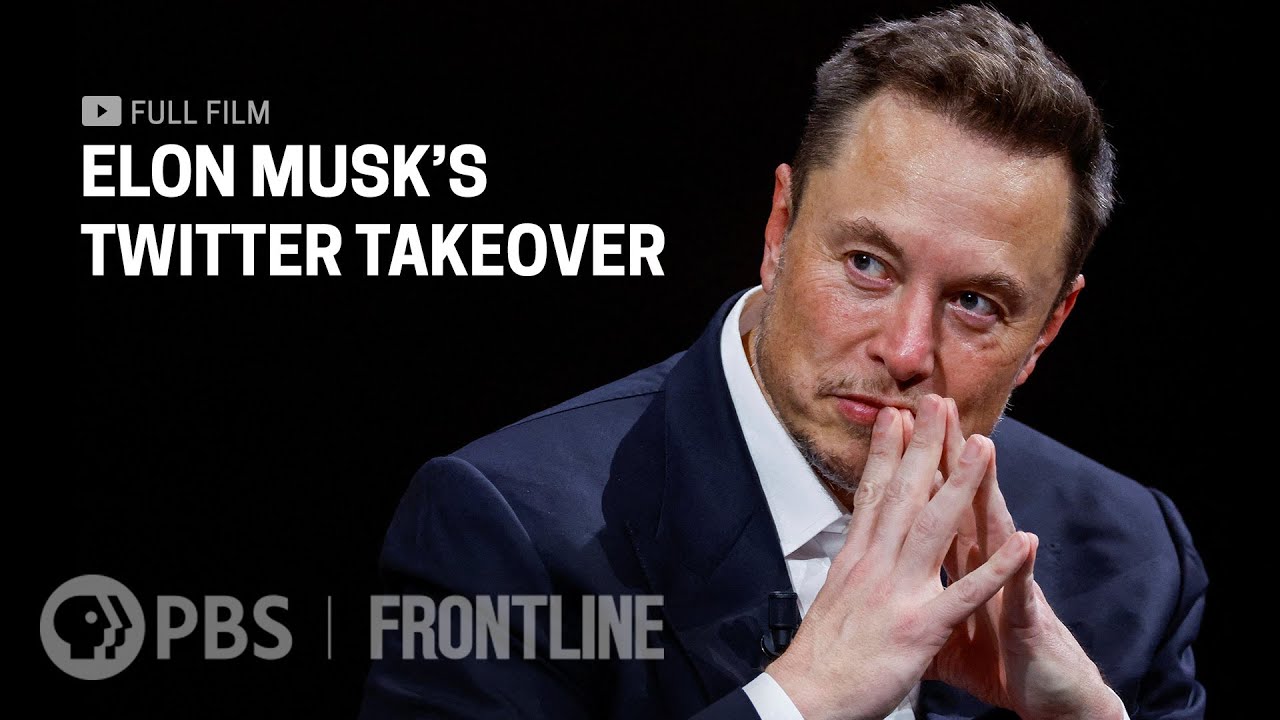
Elon Musk's acquisition of Twitter transformed the platform's approach to content moderation and free speech, igniting debates on political discourse and misinformation.
Mobile phones, produced under exploitative conditions in China and the Congo, reveal a stark contrast between corporate profits and the human and environmental costs.
West Bollsta, a $500 million oil rig, is transported from South Korea to Europe with the help of the ocean tug ALP Striker, highlighting complex logistics.