From over 100,000 films, discover the handful you'll love.
Free or premium access to the world's largest documentary library.
5102 films(Page 26 of 107)
Yasin Bey, a unique ship and power plant, embarks on a four-week mission from Turkey to Indonesia to deliver essential electricity.
Origami's mathematical principles are being applied by scientists and engineers, including roboticist Shuguang Li, to innovate technologies like shape-shifting robots and artificial organs.
French high-speed trains, known as TGV, showcase advanced engineering and technology, achieving record speeds while addressing environmental concerns.
Astrophysicist Jim Al-Khalili examines gravity's role in the cosmos, from Newton's laws to Einstein's theory of relativity and its impact on black holes.
Deadly plane crashes are examined through cockpit recordings, expert analysis, and survivor accounts, revealing the critical mistakes that reshaped aviation safety.
The 1920s aviation boom, fueled by advancements in aircraft technology post-WWI, revolutionizes global travel and communication through commercial air services.
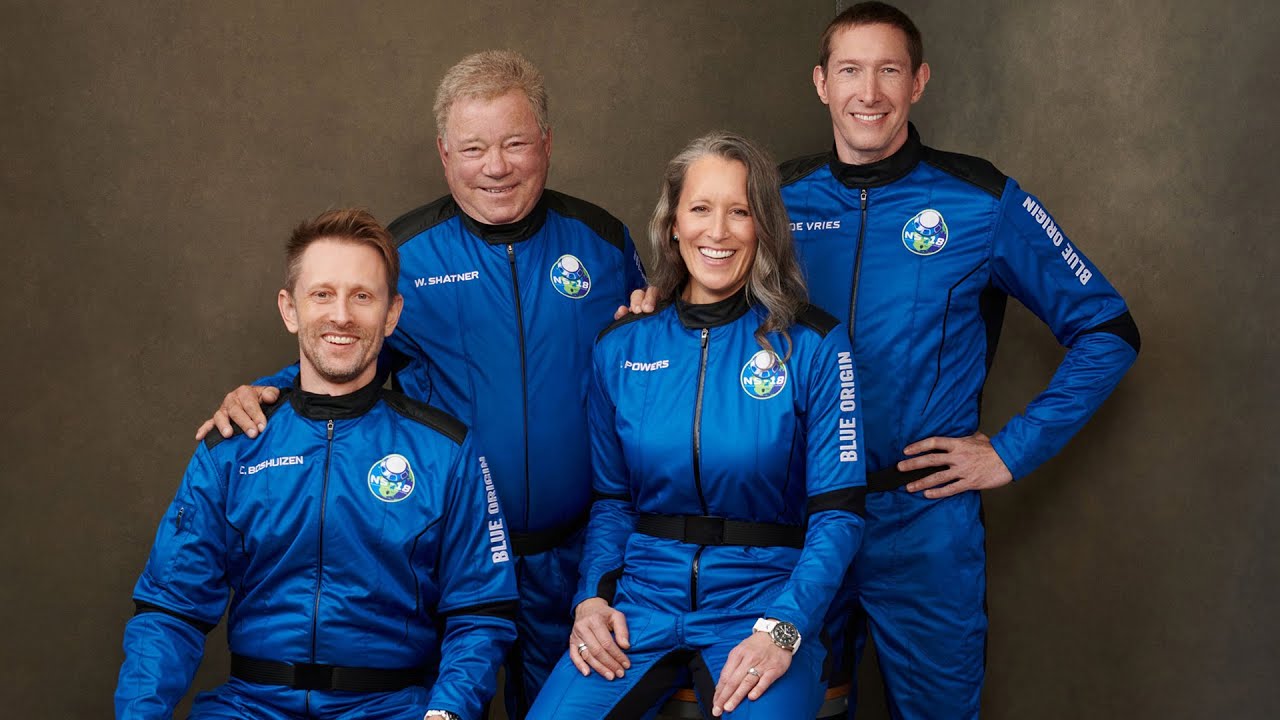
William Shatner, known for his role as Captain Kirk in Star Trek, becomes the oldest person to travel to space aboard Blue Origin's New Shepard.
Survivors of the Chernobyl disaster share their personal stories and experiences as they return to the ghost city of Pripyat, revealing the aftermath of the tragedy.
Malaysia Airlines Flight 370 vanished in 2014, prompting an extensive international search and ongoing investigations into its mysterious disappearance.
Russian cosmonauts Oleg Novitskiy and Anton Shkaplerov conduct a 7.5-hour spacewalk to enhance the Nauka Multipurpose Laboratory Module at the International Space Station.
MV Becrux, a $100-million livestock carrier, transports 16,000 cattle to Indonesia, facing challenges like heavy traffic and pirate-infested waters.
Counterfeit goods, from explosive phone batteries to dangerous fake pharmaceuticals, pose significant health risks and challenge authorities in Europe and beyond.
Life aboard the International Space Station is captured through exclusive footage and video diaries, highlighting daily routines and the future of space exploration.
Groundbreaking scientific inventions, from gunpowder in 9th century China to modern space exploration, showcase humanity's rapid technological evolution.
Seven separate flights have been documented in contemporary newspapers and magazines, claiming powered flight before the Wright brothers' first flight in 1903.
Sea levels are currently rising at a rate of 3.6 centimeters a decade, putting 3 million people at risk of annual coastal flooding.
Southern Railway's fleet features a remarkable collection of steam locomotives from three former companies alongside distinctive modern express engines.
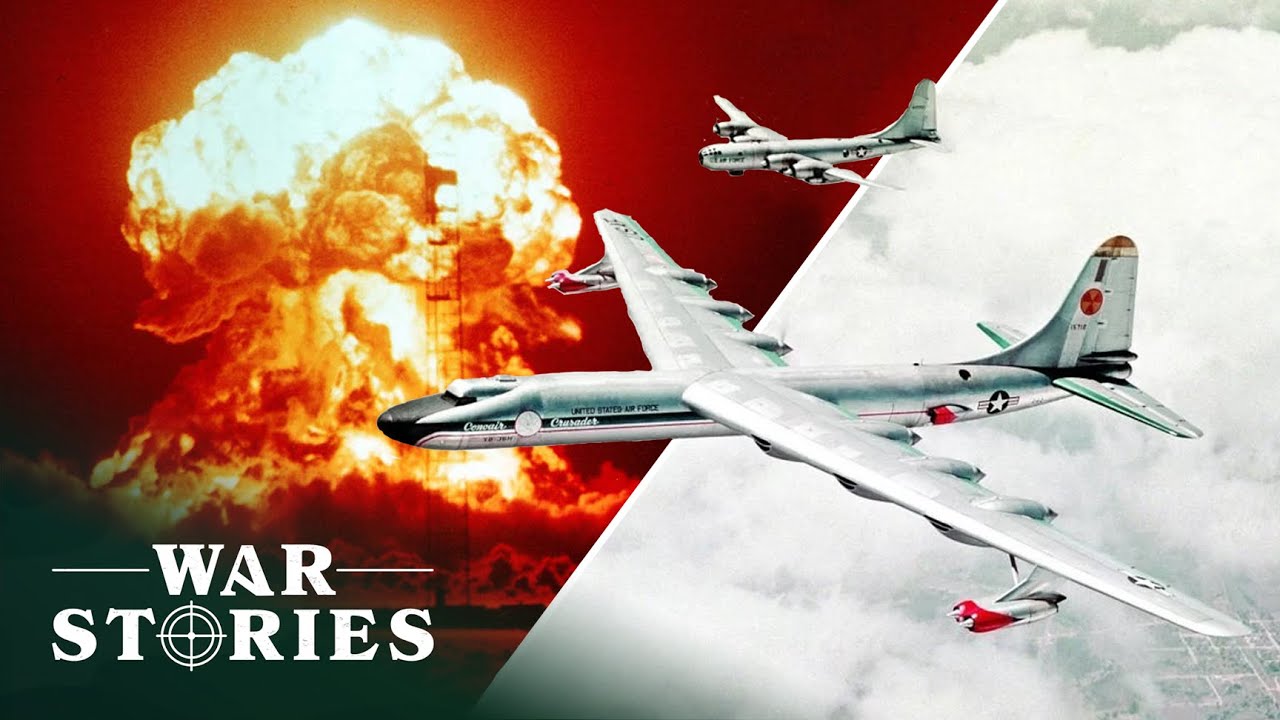
The Convair B-36, the first aircraft designed to carry nuclear weapons without modifications, played a significant role in the early Cold War era.
10 billion emails are sent every hour, consuming energy equivalent to the output of 50 nuclear power plants for one hour.
USS Nimitz, a nuclear-powered aircraft carrier, serves as a formidable force in global conflicts, balancing immense power with the challenges of daily operations.
The Apache Longbow can detect and attack multiple targets using its 30 mm cannon and precision-guided Hellfire missiles.
LIGO's measurement of gravitational waves from a black hole merger and the Event Horizon Telescope's image of a black hole represent major advancements in astrophysics.
Oasis of the Seas, the largest cruise ship ever built, revolutionizes maritime travel with its innovative design and amenities on its maiden voyage.
A 21-day launch window allowed NASA to send the Lucy spacecraft to study Trojan asteroids, which have remained untouched since the Solar System's formation.
NASA's consideration to cancel Hubble missions highlights the challenges and risks involved in maintaining this iconic telescope, which continues to capture breathtaking images of the universe.
The USS Zumwalt, the most advanced destroyer in US Navy history, operates with as few as 130 crew members and features all-electric propulsion.
Professor Jim Al-Khalili traces the development and significance of quantum physics, highlighting its profound impact on modern scientific understanding.
Hundreds of experiments are conducted each year aboard the International Space Station, contributing to advancements in aerospace and bioengineering.
The Internet of Everything explores the dual potential of a future shaped by technology, where innovations from Silicon Valley and Shenzhen could lead to either a surveillance nightmare or an eco-utopia.
Alfred Nobel's invention of dynamite revolutionized construction and mining, significantly impacting the extraction of natural resources that shaped the modern world.
The Morandi Bridge Collapse in Genoa, the Grenfell Tower Fire in London, and the Eschede Train Disaster in Germany highlight critical engineering failures and their tragic consequences.
Aboard the International Space Station, French astronaut Thomas Pesquet and his colleagues conduct experiments to prepare for future long-duration missions to Mars.
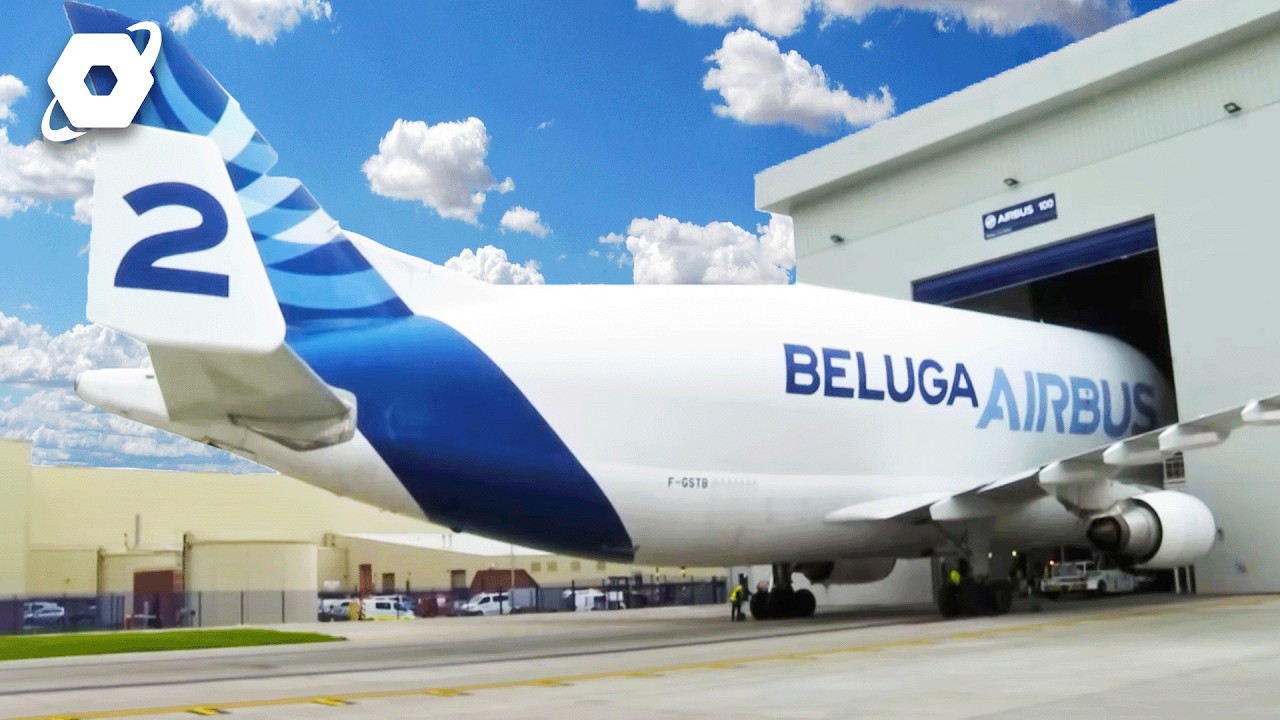
Only five Airbus Beluga aircraft exist in the world, each capable of transporting large aircraft parts across Europe.
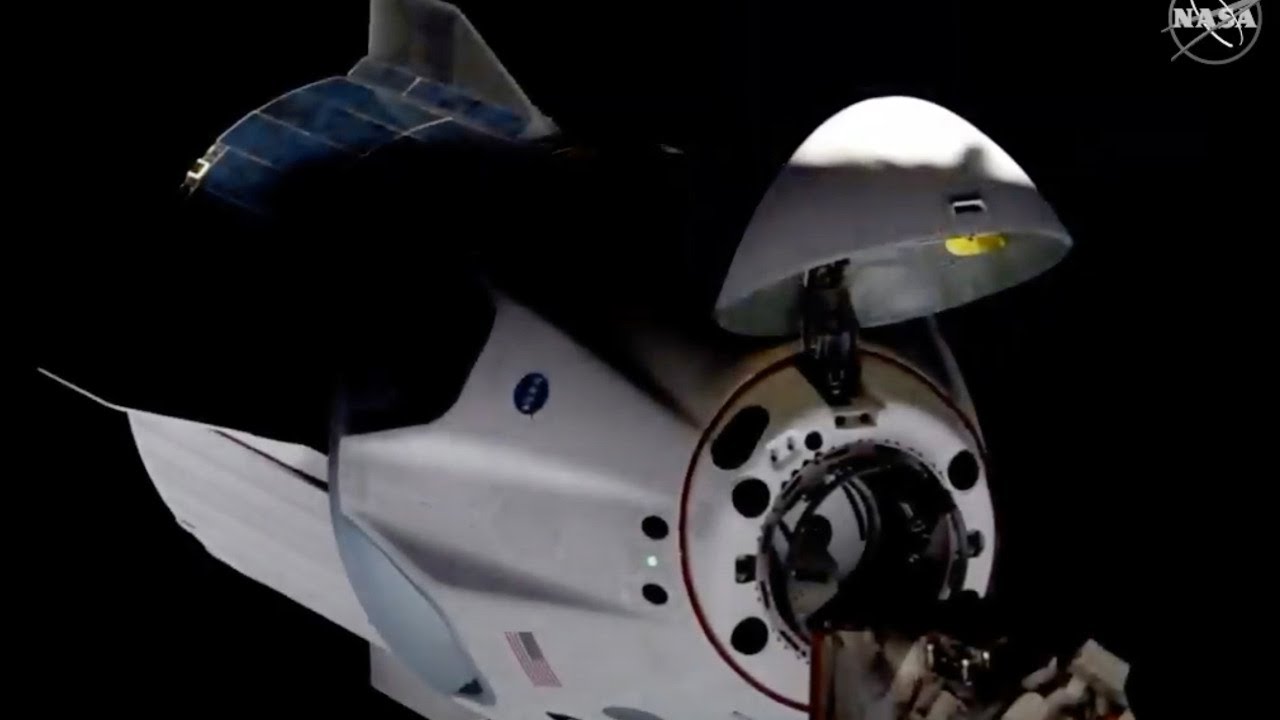
NASA astronauts Doug Hurley and Bob Behnken return to Earth aboard SpaceX's Crew Dragon spacecraft after undocking from the International Space Station.
World's fastest drag racers reach speeds over 515 kilometers per hour in just 366 meters while competing in high-stakes races.
Nokia's rise and fall illustrates the transformation of the Finnish mobile phone industry through the experiences of engineers who faced unemployment and sought new opportunities.
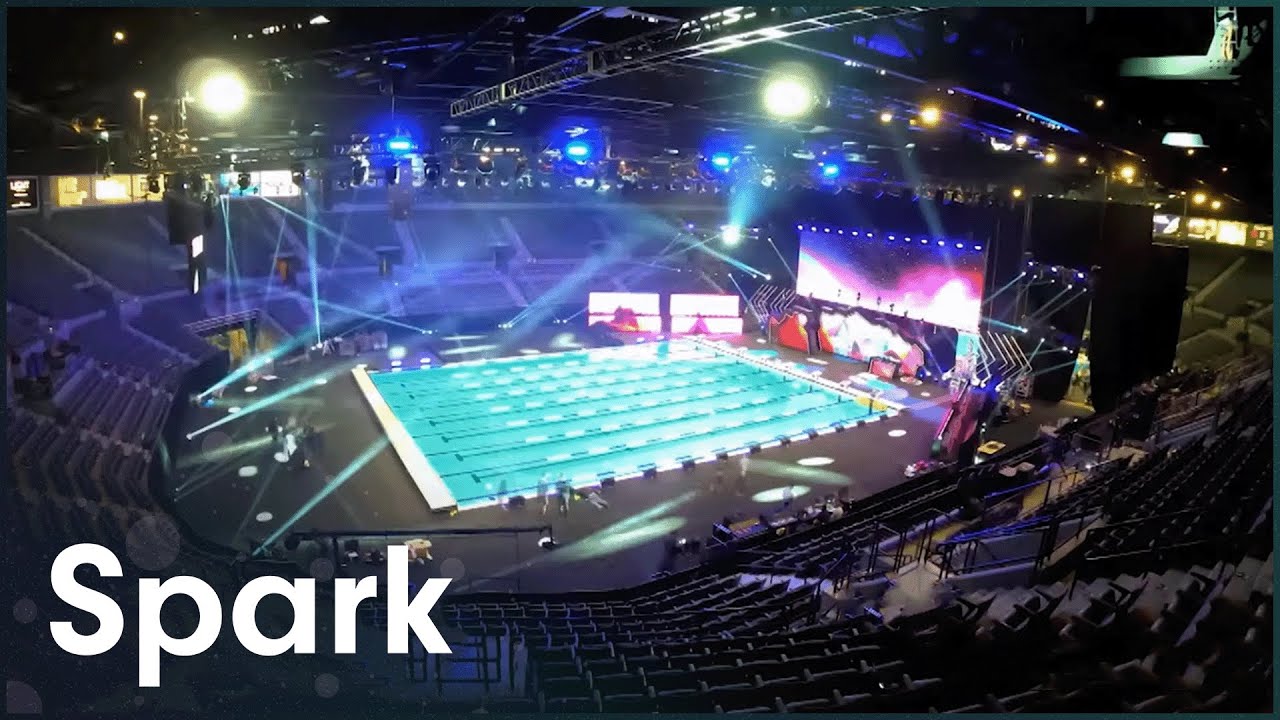
Over the course of seven days, a team assembles 84 tons of materials and installs a competition pool for the International Swimming League finals in Las Vegas.
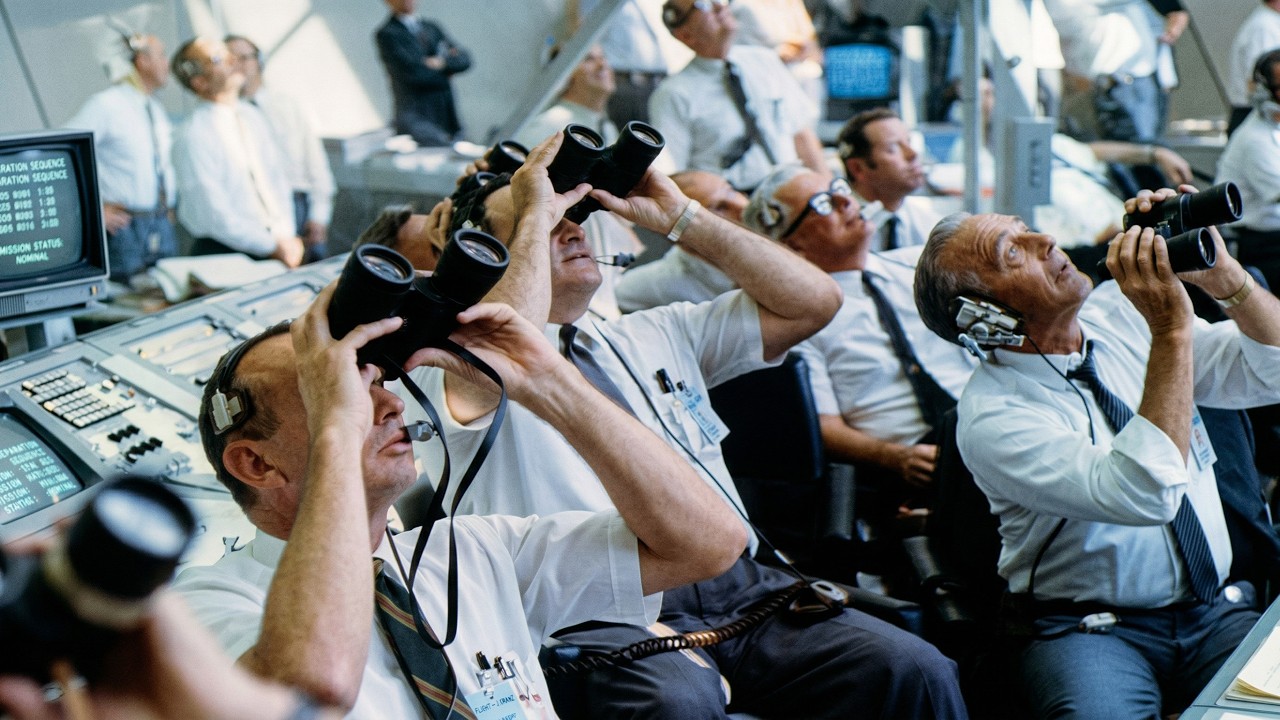
NASA's lunar quest is explored through the evolution of the space race, highlighting key events like the Gemini missions and the Apollo 11 moon landing.
In southwestern Africa, the Dock Express 20 operates as a floating mining platform for De Beers, conducting underwater diamond mining in extreme conditions.
Apollo's lunar missions faced declining public interest and technological complications, marking the transition to the end of the program and the era of manned moon landings.
Twelve astronauts walked on the moon between 1969 and 1972, facing significant technical challenges and personal sacrifices during the Apollo missions.
The manufacturing process of the Volvo A60, the world's largest articulated hauler, is examined from raw steel to the completed vehicle, showcasing its engineering.
NASA astronauts Doug Hurley and Bob Behnken returned to Earth in a SpaceX Dragon capsule, completing a historic test flight with a splashdown in the Gulf of Mexico.
National Geographic celebrates its 135th anniversary with a behind-the-scenes look at the technology and people that drive its ocean research and artistic projects.
On October 4, 1957, the Soviet Union launched the first man-made satellite, marking the beginning of the Space Age and prompting the creation of NASA.
More than 1,600 people have died in stadium disasters worldwide, prompting engineers to design new venues with advanced safety measures.
Apollo 16's mission faced a critical life-or-death situation just eight miles from the Moon, highlighting the challenges faced by astronauts John Young, Charlie Duke, and Ken Mattingly.
In a competition between James and Greg, innovative methods for supersonic mail delivery and extreme garbage disposal are explored using unconventional technologies.