From over 100,000 films, discover the handful you'll love.
Free or premium access to the world's largest documentary library.
5102 films(Page 69 of 107)
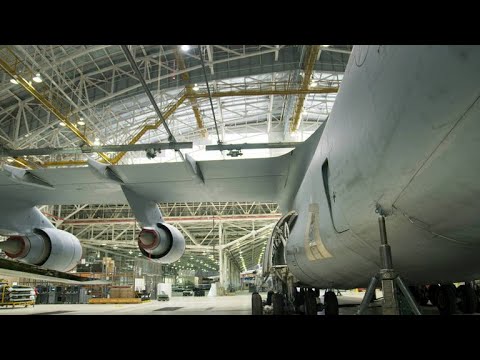
The C-5 Galaxy faces a serious design flaw just four years after its debut in the USAF.
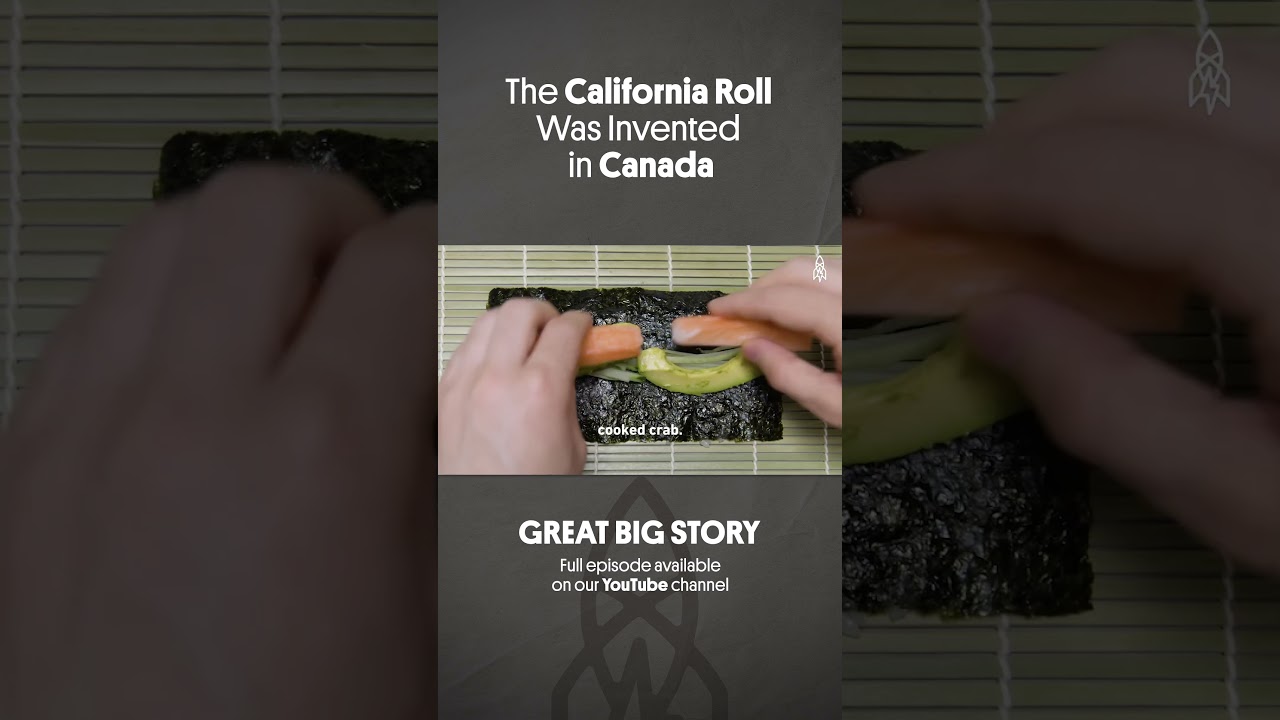
The California Roll, a staple in Japanese cuisine, was actually invented in Canada, highlighting the unexpected origins of this popular sushi dish.
Chester Carlson's struggle with arthritis in the 1930s led to the invention of a revolutionary photocopying process that transformed office work.
The Controlled Unclassified Information Program standardizes the management of sensitive but unclassified information across U.S. federal agencies to enhance information sharing and protect national interests.
In his first year, hacker Alberto Gonzalez stole 11.2 million payment cards from retailers across Miami, later increasing that number to almost 90 million.
The rise of data, driven by platforms like Facebook and technologies such as facial recognition, is reshaping healthcare and politics, exemplified by Dr. Tom Devlin's Viz.AI tool.
The Dead Internet Theory posits that a significant portion of online activity is driven by AI bots, raising questions about the authenticity of digital interactions.
Only three people have ever reached the bottom of the ocean, a place characterized by freezing temperatures and immense pressure.
NASA's lunar rover design in the 1960s relies on guesswork and innovation for the Apollo mission.
Testing the F-35B Lightning involves British Royal Navy, American maintainers, and civilian scientists.
Humankind faces climate change and AI threats, illustrated in a cartoon for The Economist.
Animal testing remains a contentious issue in drug development, with the EU enforcing strict regulations while the US moves towards eliminating such requirements.
The AH-64 Apache helicopter can fire 30mm cannon rounds at a rate of 650 rounds per minute, delivering significant firepower in combat situations.
On September 13, 1985, Major General Pearson fired a missile from an F-15 at a satellite 345,000 feet above Earth, marking a significant military achievement.
The USS Howard features rotating cannons that fire 4,500 rounds per minute.
In 1974, a packet of gum became the first item purchased using a finalized UPC barcode system, marking a significant shift in retail technology.
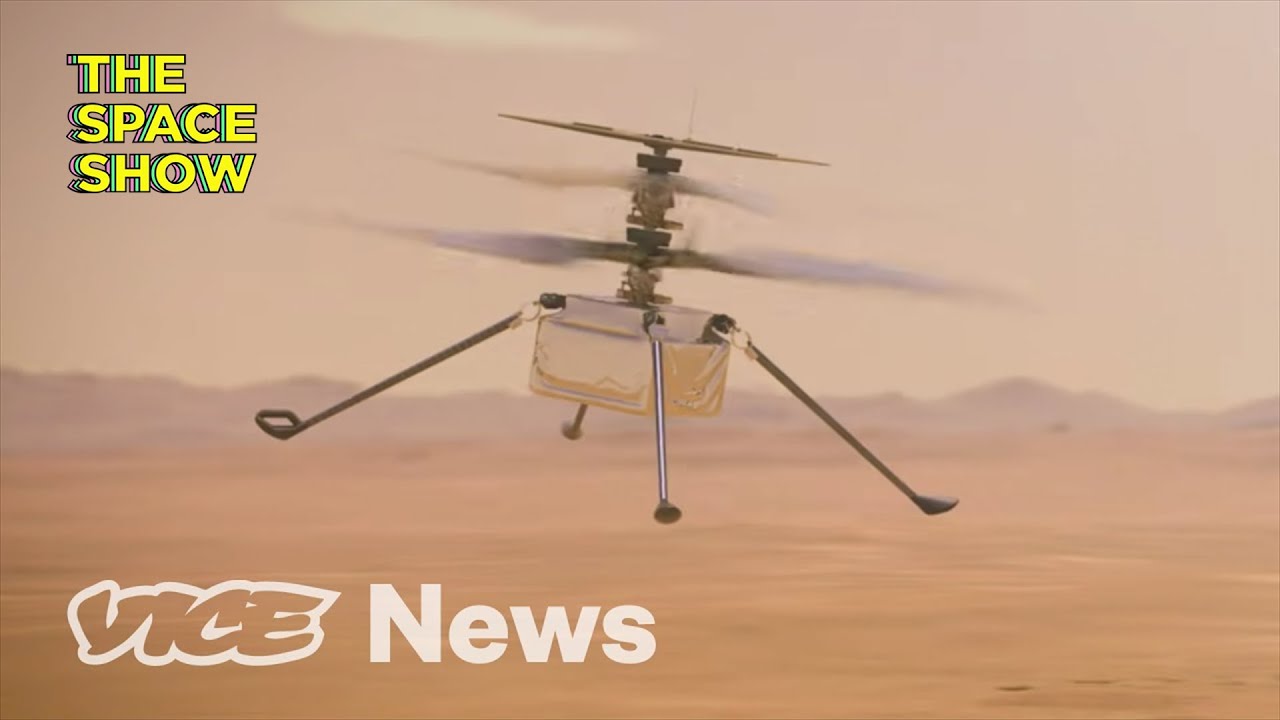
NASA's Ingenuity helicopter, weighing about four pounds with four-foot-long blades, prepares for the first powered flight on Mars, over 160 million miles from Earth.
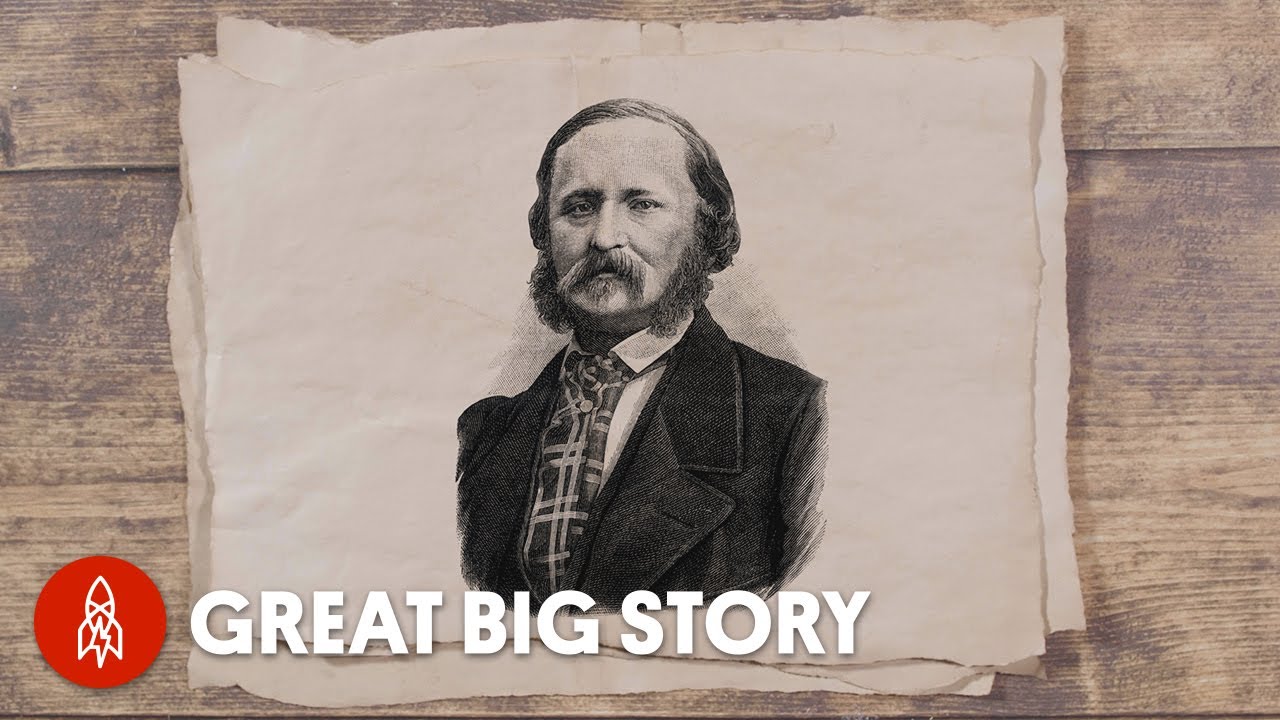
Édouard-Léon Scott de Martinville invents the first-ever sound recording device in Paris.
Sierra Sam, developed in 1949, is the first modern crash test dummy for safety testing.
Transporting a Sikorsky S-92 requires careful dismantling of each expensive rotor blade.
The Charles de Gaulle is the flagship of the French Navy and a nuclear-powered aircraft carrier.
Elon Musk discusses the future of AI, China's technological advancements, and his political involvement in an extended interview with Zanny Minton Beddoes at his Texas Gigafactory.
Fashion giants like Gucci and Chanel embrace AI to predict trends and reduce waste.
Autogyros might be the future of flight with their quiet and affordable design.
Over $4 trillion was spent on online shopping in 2020, nearly a third more than the previous year, as the pandemic accelerated retail changes.
One million booking requests are made daily for Ola, India's leading ride-hailing service, as traditional taxi drivers face increasing competition.
45% of current jobs could disappear due to technological advancements, raising concerns about the future of work and job security.
The German Taurus cruise missile, with a range exceeding 500 kilometers, is designed for precision strikes on heavily fortified targets in the Ukraine conflict.
A 27 km long loop at CERN will accelerate protons to near the speed of light, aiming to recreate conditions from a trillionth of a second after the Big Bang.
The Great Pyramids may be hiding something more than just tombs, according to Ancient Aliens.
The Edda Freya's ROVs operate 1,000 feet deep, navigating challenges in limited visibility.
This episode shows the powerful machinery used for extracting oil from the ocean floor.
The High Alpine Kit provides climbers with essential gear for extreme conditions.
The HMS Queen Elizabeth is the largest British Royal Navy ship with five miles of passage ways.
Hedy Lamarr and composer George Anthiel filed a patent for a radio-controlled torpedo guidance system during World War II that led to modern Wi-Fi technology.
Jason Sapan runs Holographic Studios on Twenty-sixth Street near Bellevue Hospital.
NASA's rigorous testing protocols and the challenges faced by astronauts were crucial in achieving the historic Apollo 11 moon landing in 1969.
The Hoffmans humorously struggle to explain gold extraction despite past failures.
Vikings split planks along the grain to make their ships durable and elastic, allowing for quick mast adjustments and shallow drafts for river travel.
Landing on an aircraft carrier's 300-feet runway requires precise skills and quick reactions.
The video reveals how the refrigerator was invented and its impact on daily life.
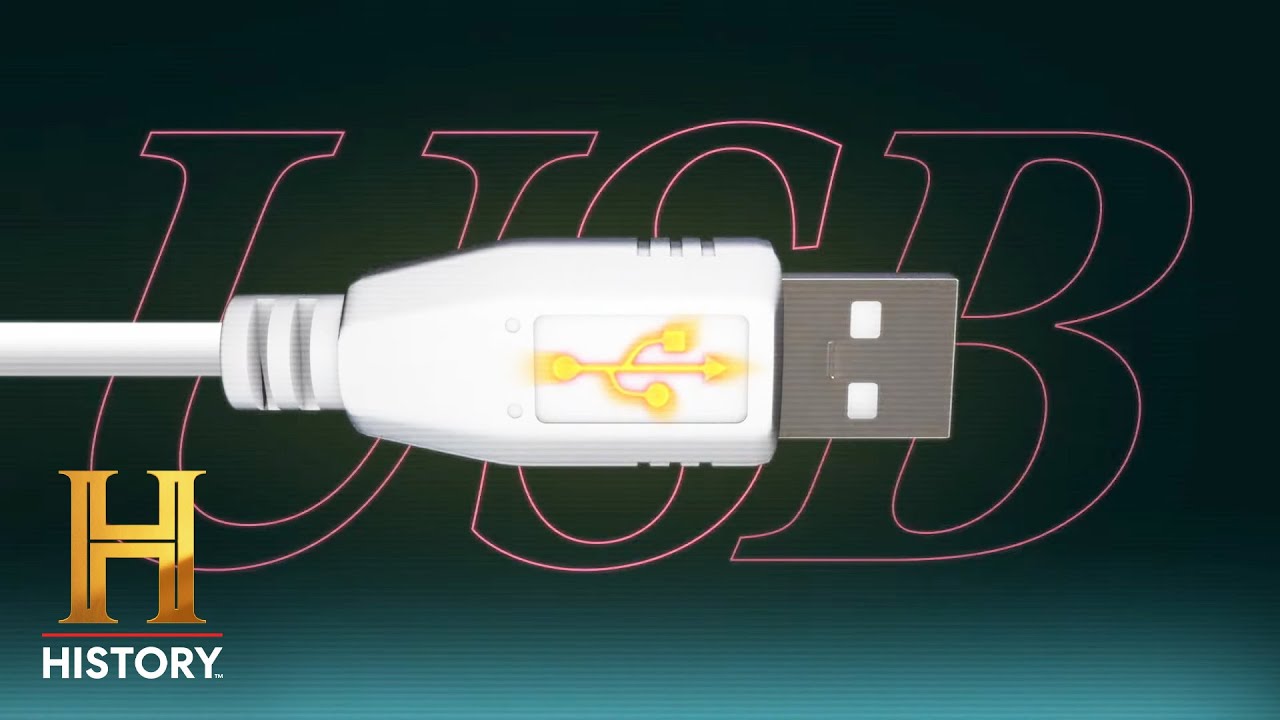
Ajay Bhatt invents USB flash drives, transforming data storage in the late 1990s.
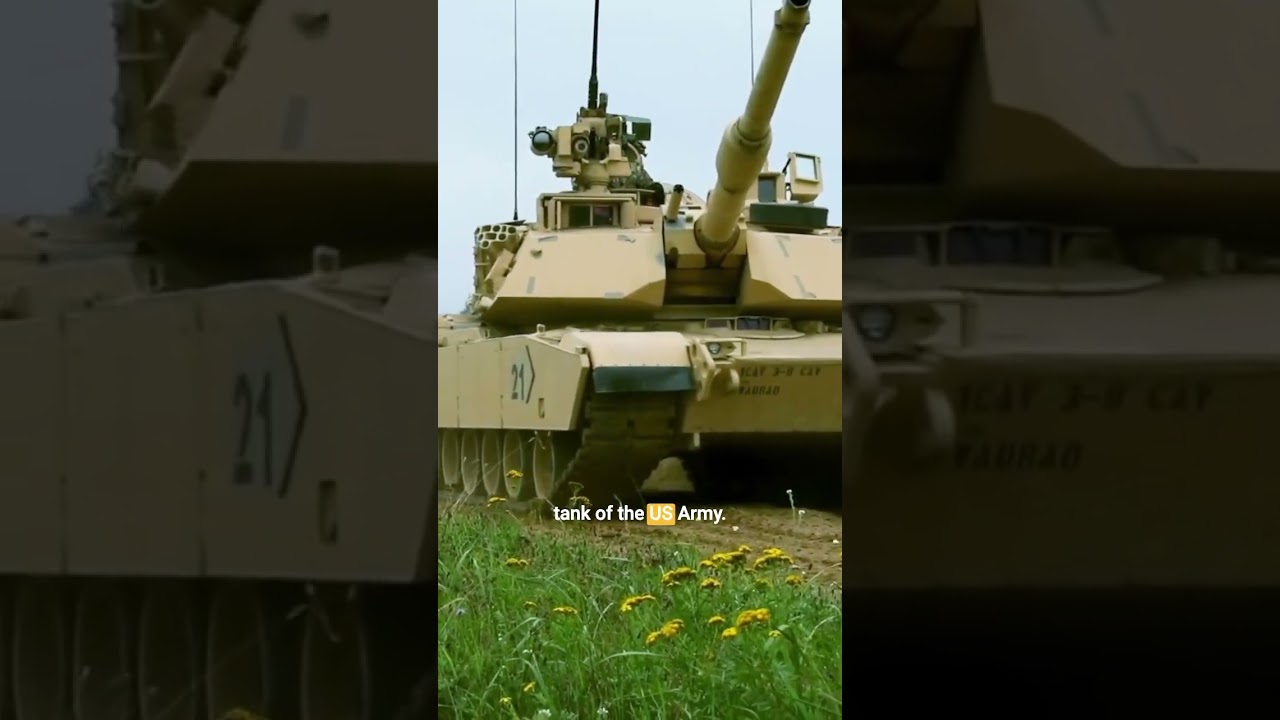
The M1 Abrams is armed with a 120mm cannon and advanced composite armor for battlefield dominance.
More than 30,000 cubic yards of earth were excavated to build a new aircraft museum near Dulles International Airport, which houses over 130 aircraft.
They went from biplanes to jet fighters in 10 years, changing aviation history.
A Chinese Buddhist scroll from around 950 CE features the earliest known image of a weapon powered by gunpowder, illustrating its historical significance.
The series profiles groundbreaking vehicles, highlighting their engineering milestones and unique capabilities across land, water, and air transport.
Three major record labels control over half of the western world's music, prompting artists to question traditional business models in the digital age.