From over 100,000 films, discover the handful you'll love.
Free or premium access to the world's largest documentary library.
7107 films(Page 53 of 149)
Harold Pinter's influence on theatre is explored through intimate conversations with actors, directors, and writers, featuring insights from Philip Saville and archival footage.
Lina Wertmüller, the first woman nominated for an Academy Award for Best Director, is profiled through her career and insights from collaborators like Sophia Loren.
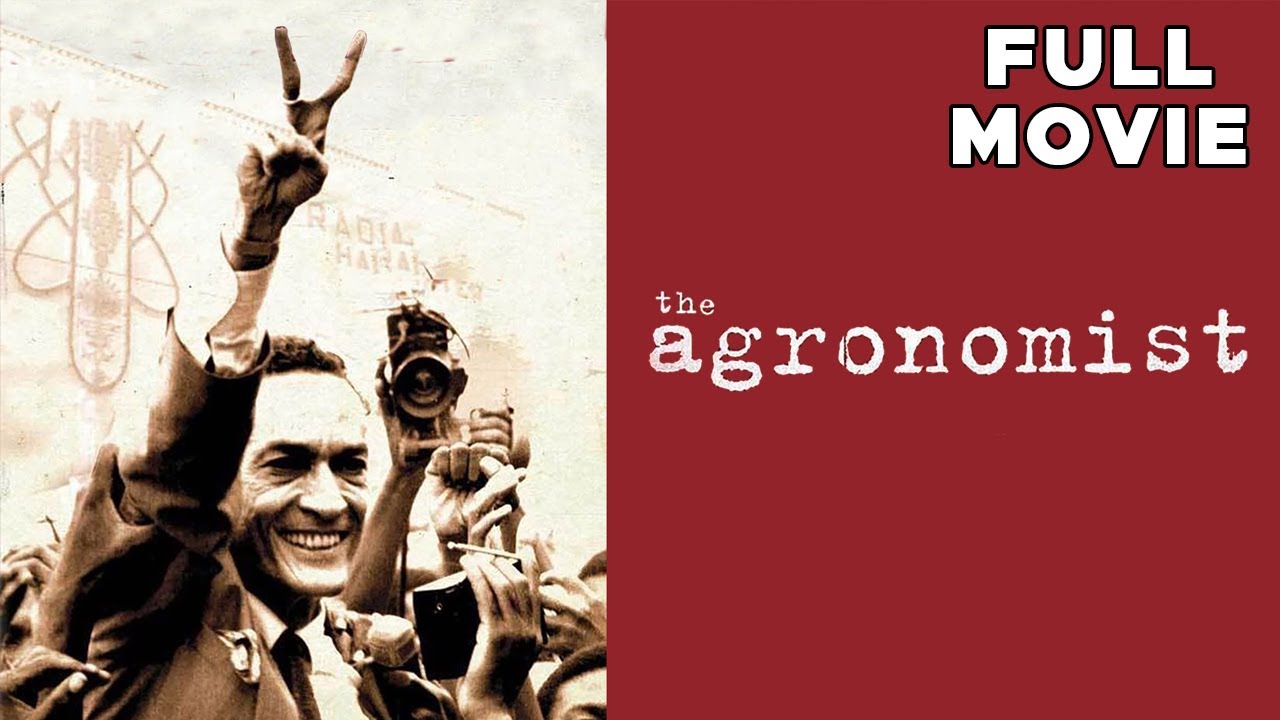
Jean Dominique, a Haitian radio journalist and human rights activist, is the focus of this documentary directed by Jonathan Demme, highlighting his impactful life and work.
Orliyevsky, a clockmaker from Vitebsk, reflects on a life marked by war, loss, and prejudice, revealing the resilience of the human spirit amidst turmoil.
Marian Wright Edelman reflects on her upbringing in segregated South Carolina, her legal advocacy for civil rights in Mississippi, and her lifelong commitment to children's rights and social equality.
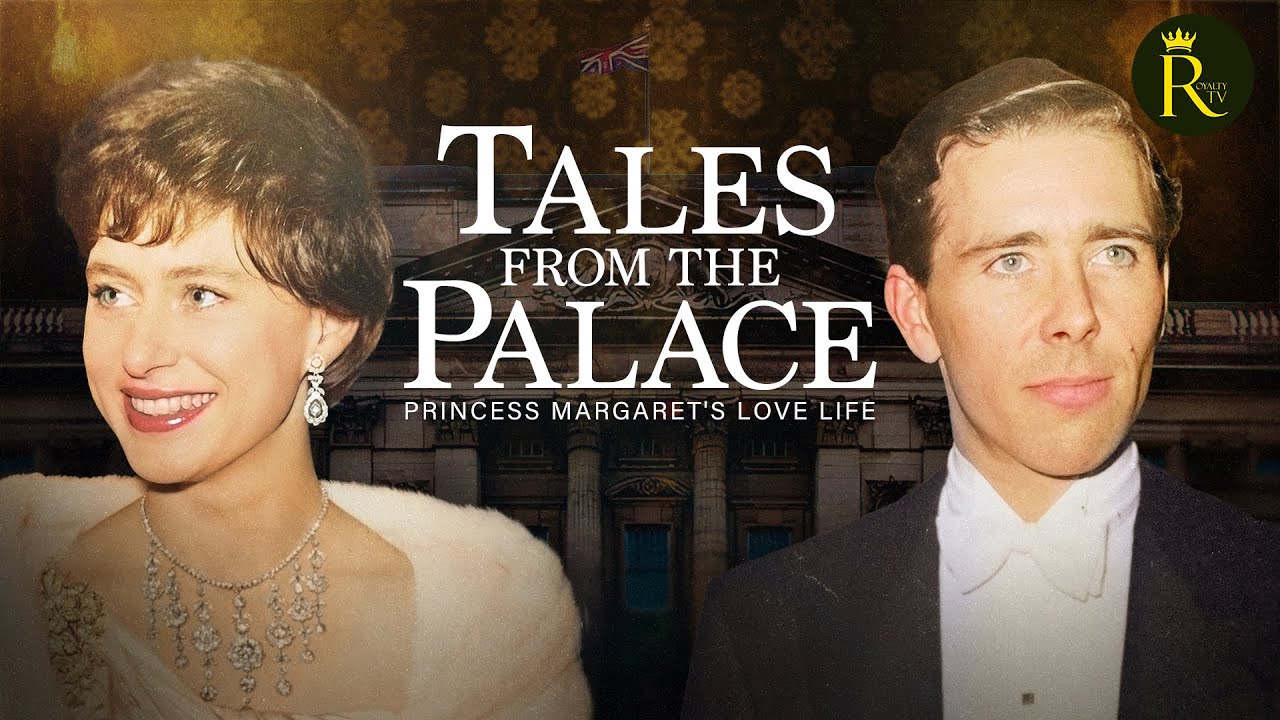
Princess Margaret's romantic relationships, particularly her affair with Group Captain Peter Townsend, highlight her complex role within the British royal family.
Shrivastav, a blind sitarist and founder of the UK's only blind orchestra, demonstrates how music transcends physical limitations through his work.
Pole's business grew tenfold in the last two years, focusing on kitchenware and expanding into garden tools while maintaining quality craftsmanship.
Harriet Tubman, known as the "Moses of her people," is highlighted for her role as an abolitionist and political activist in the fight against slavery.
Lisa Marie Presley, daughter of Elvis Presley, faced intense legal battles over her father's financial legacy after inheriting his fortune at 25.
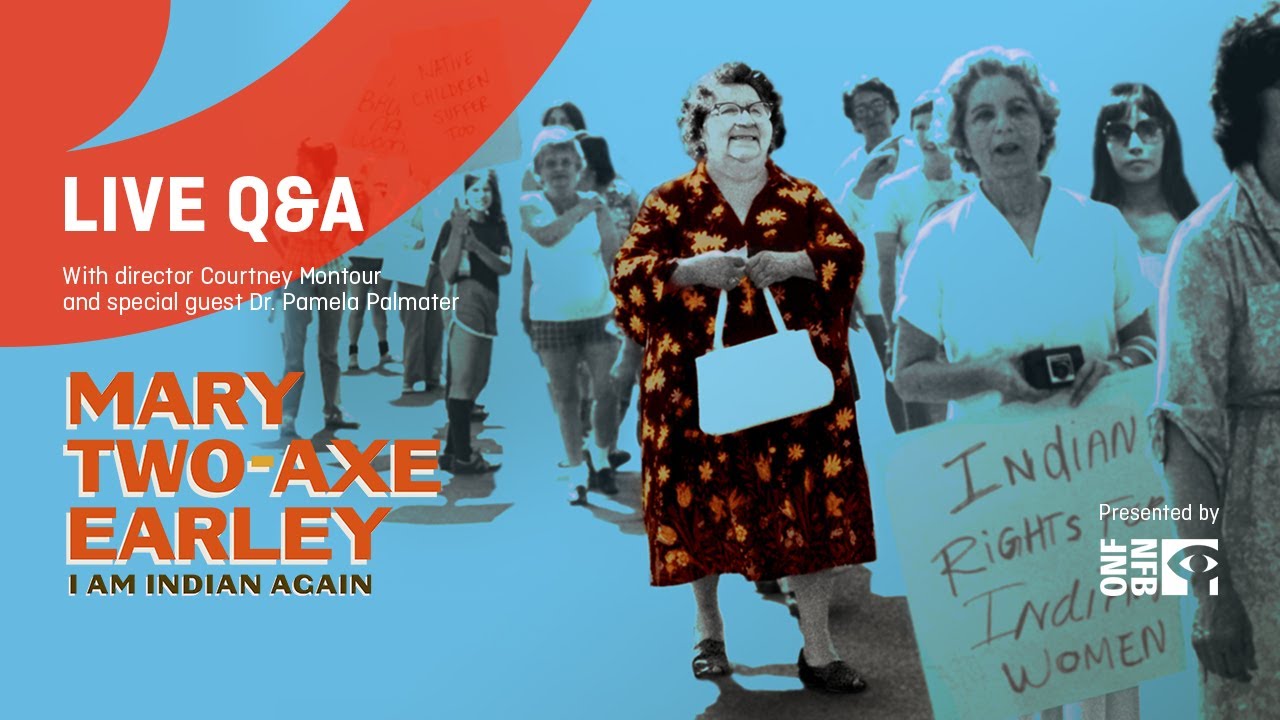
Mary Two-Axe Earley fought for over two decades against discriminatory policies in Canada’s Indian Act, significantly impacting Indigenous women's rights.
Alexia Putellas, the first Catalan to win the Ballon d'Or, highlights the achievements and challenges of women in football, including sexism and gender inequality.
Prince Harry and Meghan Markle's engagement in November 2017 marks a pivotal moment for the British monarchy, as they prepare for their spring 2018 wedding at Windsor Castle.
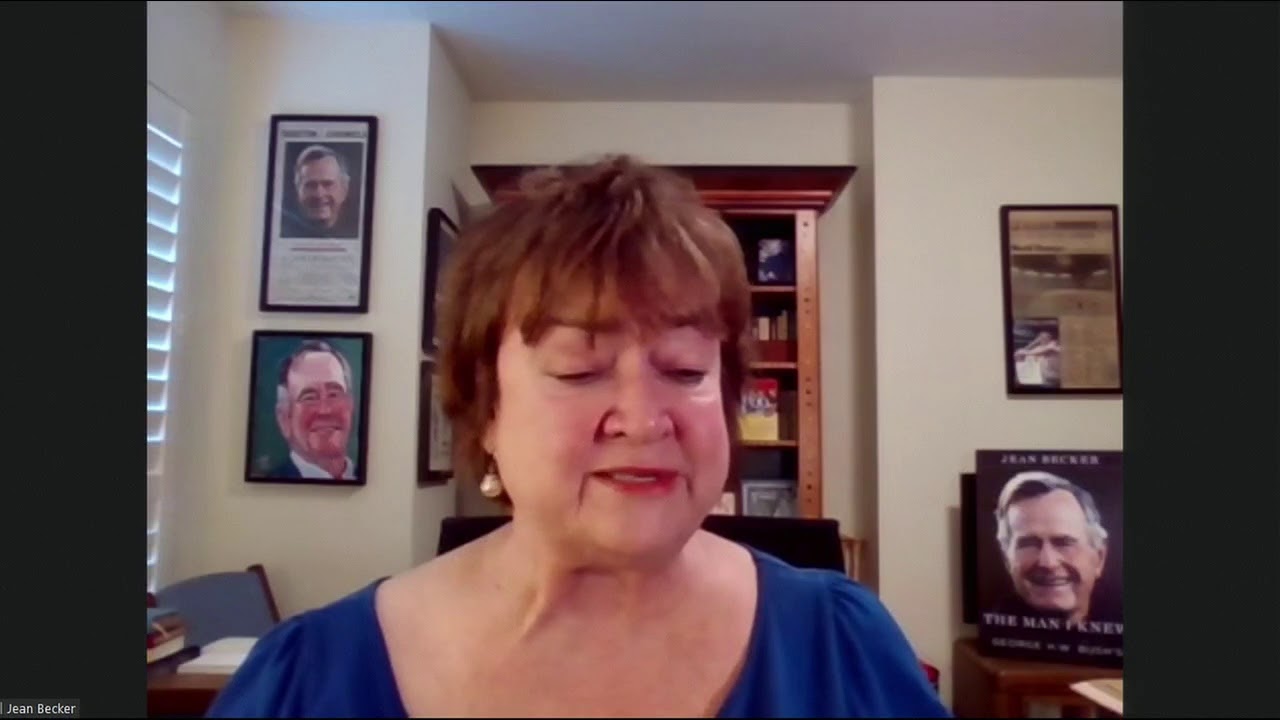
Jean Becker, chief of staff to George H.W. Bush, shares insights into his post-presidency life and the planning of his state funeral alongside Warren Finch.
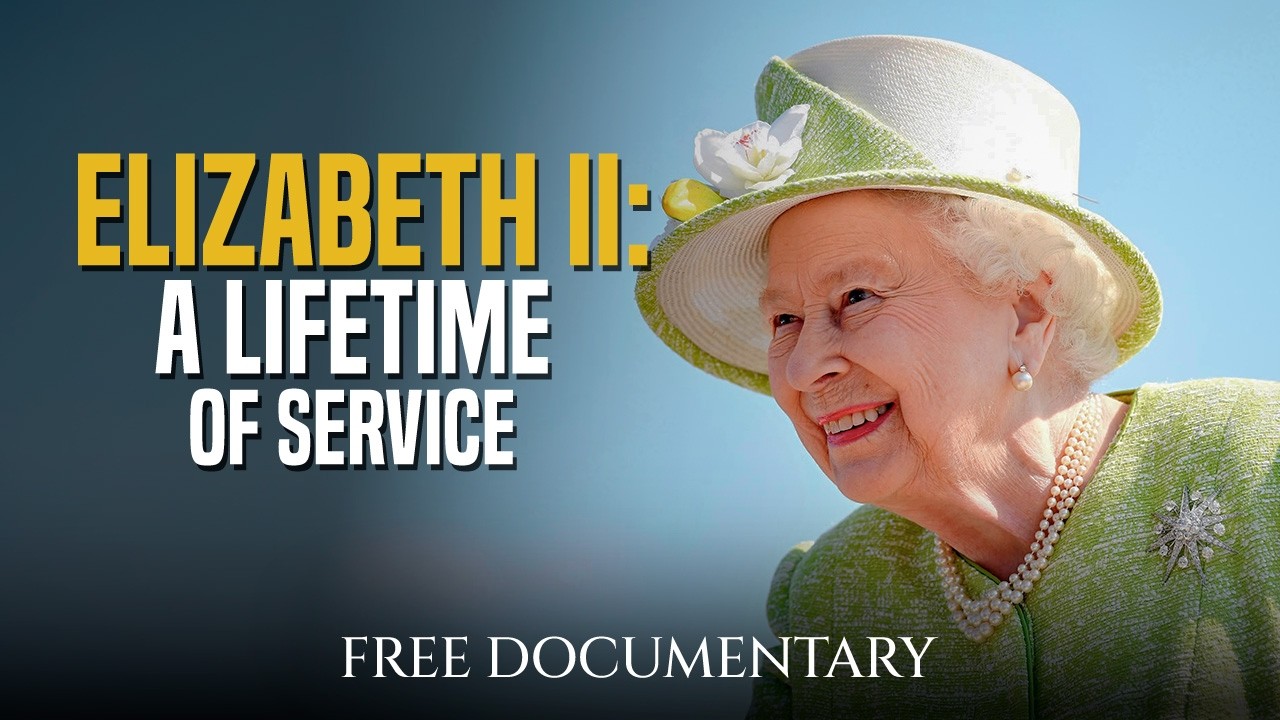
Elizabeth II's life is examined through her unexpected ascent to the throne, her dedication to the Commonwealth, and her role during a century of change.
Rabbi Fred Neulander, once a respected leader in Cherry Hill, New Jersey, faces trial for the murder of his wife, Carol Neulander.
Ian Manuel, a former child inmate from Tampa, Florida, reflects on his 26 years in prison and his role as Program Manager at the NYC Mayor’s Office of Criminal Justice.
Reginald Dwayne Betts, a former inmate and founder of Freedom Reads, advocates for incarcerated individuals through poetry and the establishment of Freedom Libraries in U.S. prisons.
Theodore Belucas, a prolific character actor, navigates the challenges of artistic ambition versus conventional stability while reflecting on personal regrets and family dynamics.
Adrian Wills explores his complex origins in Newfoundland through personal conversations and archival footage, highlighting his birth mother's resilience and his quest for identity.
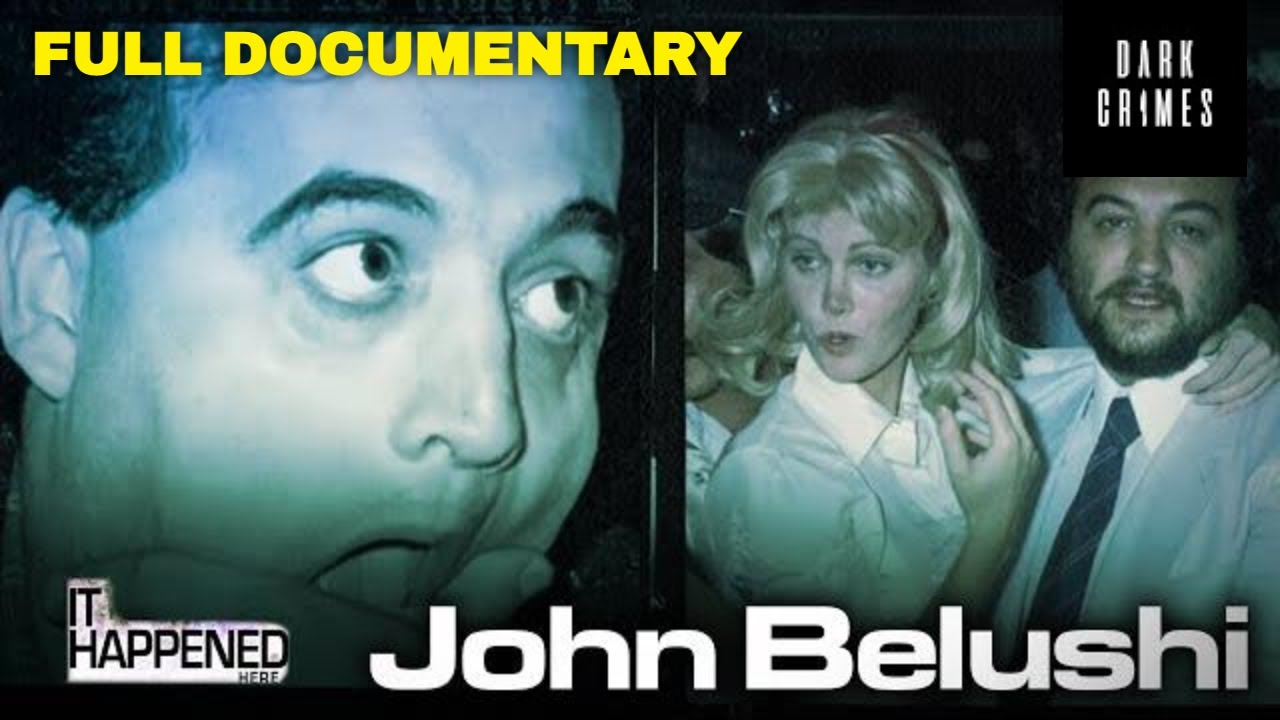
John Belushi's life and tragic overdose are examined through the lens of significant locations tied to his rise in pop culture and the impact of fame.
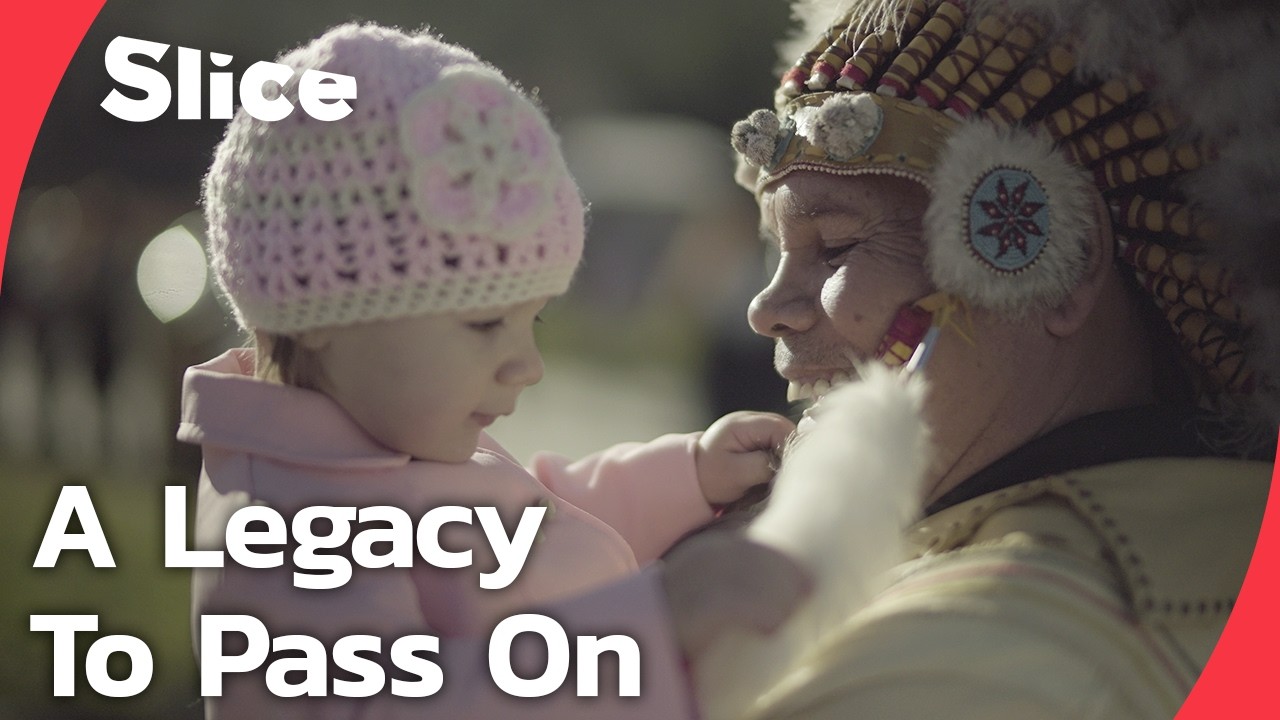
Mi’kmaq spiritual leader Mike Doucette, facing Stage 4 cancer, strives to pass on vital teachings and revive traditional practices within Indigenous communities.
In 1999, MIT admitted to discriminating against women faculty, leading to a significant shift in discussions about gender equity in science.
Frederick Douglass, an influential abolitionist and statesman, fought for African American rights after escaping slavery in 1838 and founded The North Star newspaper.
In New York City, Haitian Americans navigate the complexities of identity and language, highlighting the duality of their cultural experience.
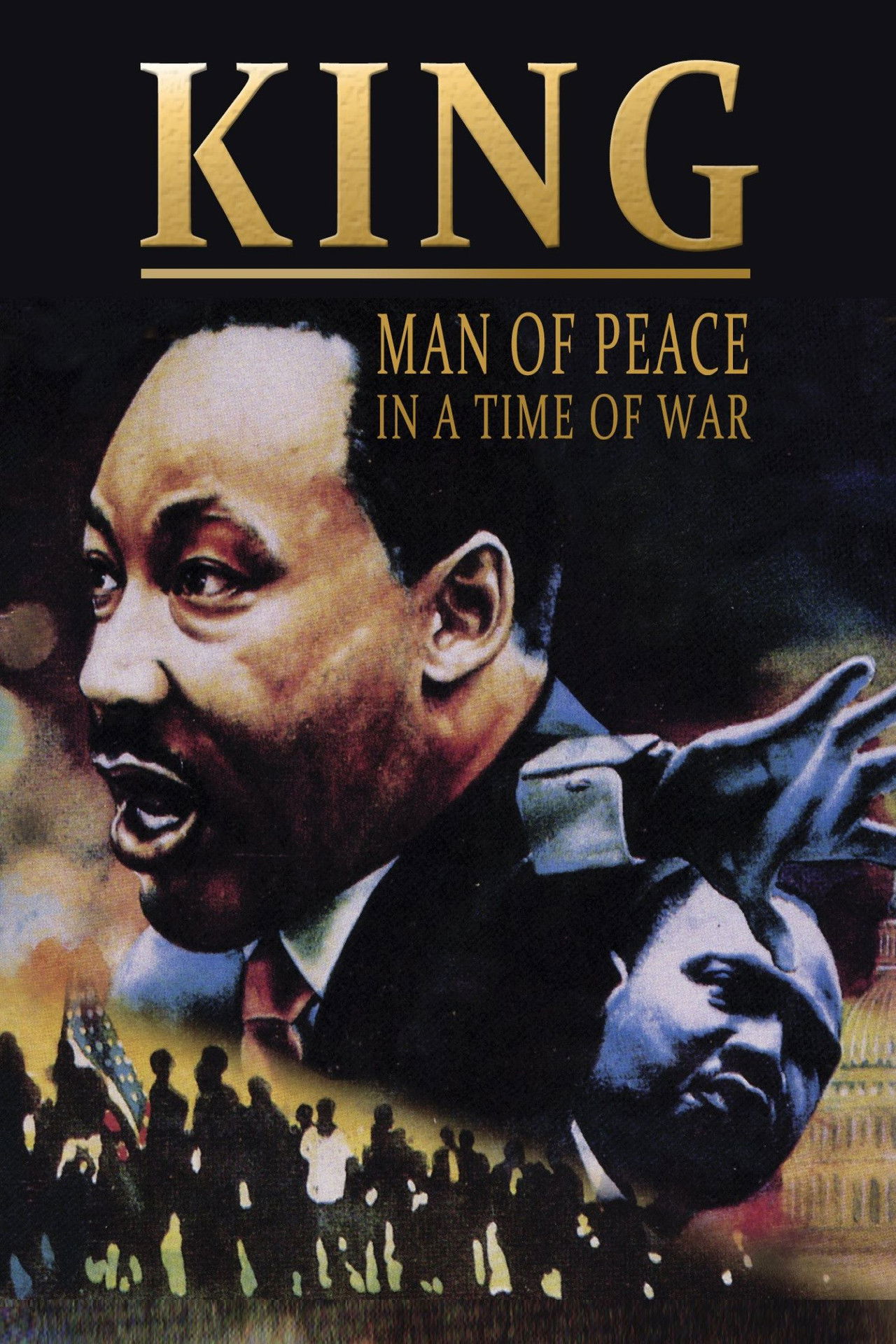
Martin Luther King Jr. was born in Atlanta, Georgia, in January 1929, and became a key figure in the Civil Rights Movement advocating for nonviolence.
The Dalai Lama shares his unique perspective on the intersection of Buddhism and Western science, revealing a personal narrative enriched by rare footage.
Ernest Withers took iconic photographs of the civil rights movement in the 1950s and 1960s while also serving as an FBI informant.
In 1975, the Queen vowed never to have Camilla Parker Bowles in the same room as her again due to the couple's adulterous relationship.
Herbert Schiffl, an eco-farmer, follows the legacy of Archduke Ludwig Salvator of Austria-Tuscany while living on Mallorca.
A satiric skit featuring a paper mache sculpture of a sphinx with Franklin D. Roosevelt's head delighted him and became part of his presidential library.
Historical artist Mort Künstler discusses his work and contributions to American history during an event at the National Archives in Washington, DC.
Maxwell, a war-traumatized man, transforms into a dynamic leader as he founds a football club for amputees in Sierra Leone, showcasing resilience and spirit.
Jean-Bédel Bokassa's authoritarian rule in the Central African Republic is scrutinized through personal testimonies and significant locations, highlighting his legacy of excess and human rights violations.
Seven Virginians, including George Washington and Thomas Jefferson, significantly influenced the formation of the United States and its political institutions.
Daryl Blaine Ford, a Walt Whitman devotee for 80 years, shares insights about the poet's life and work during a program at the National Archives.
Christina Grimmie's rise as a singer on The Voice and YouTube ended tragically when a stalker fatally shot her, prompting an examination of celebrity obsession and its dangers.
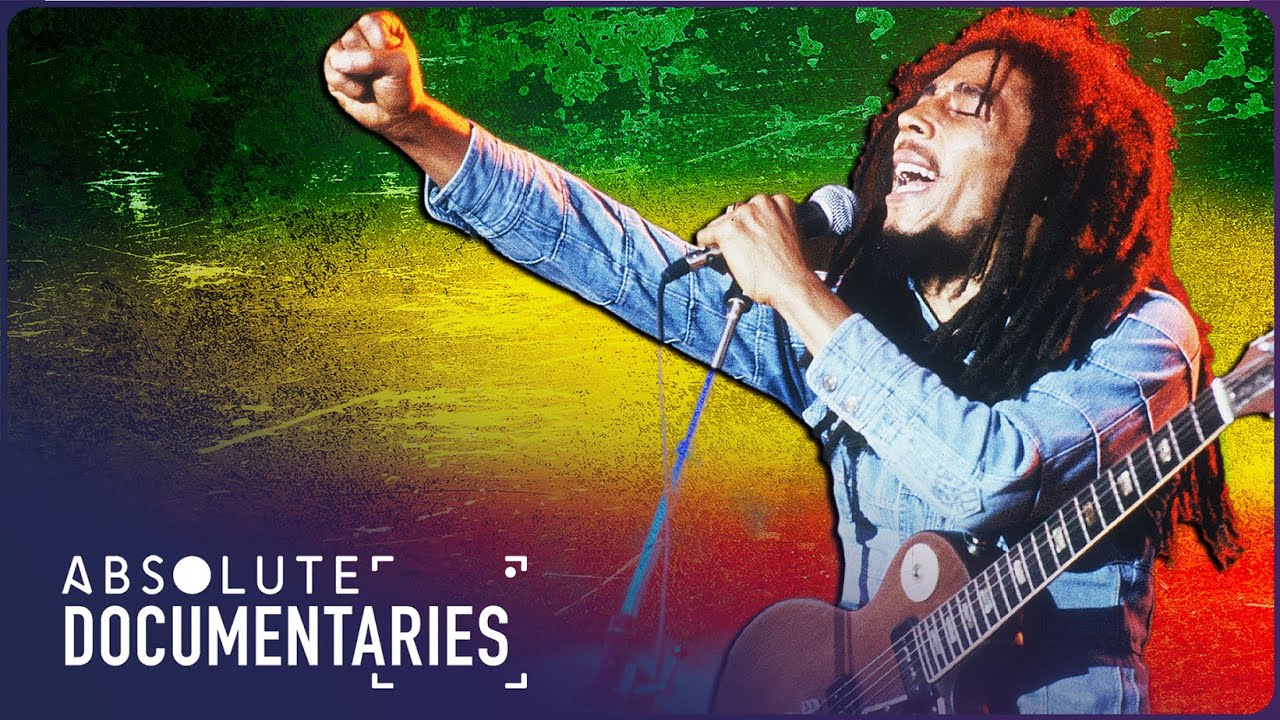
Bob Marley, a Jamaican musician, revolutionized reggae music and became a global icon, advocating for social change through his powerful lyrics and cultural impact.
Daphné du Maurier's complex literary legacy, including works like Jamaica Inn, The Birds, and Rebecca, is examined alongside her influence on filmmakers such as Alfred Hitchcock.
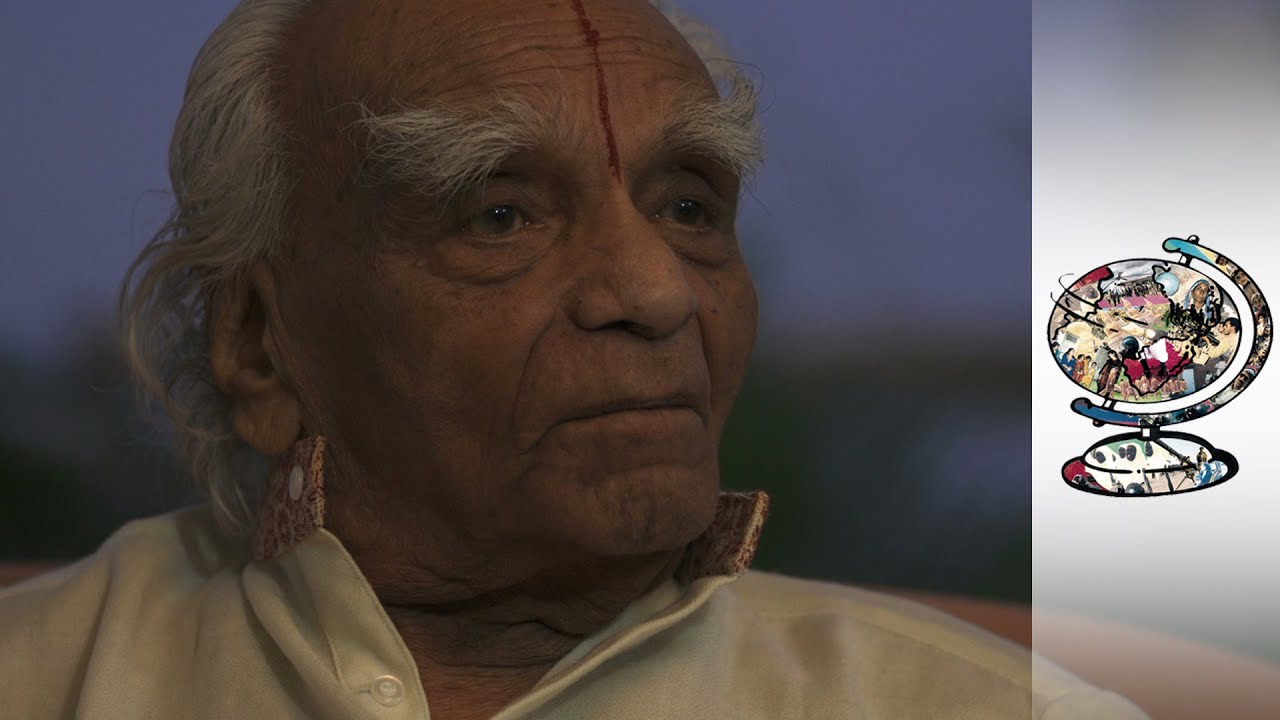
B.K.S. Iyengar, a key figure in making yoga accessible in the West, reflects on his life from poverty to global influence in a candid interview before his death.
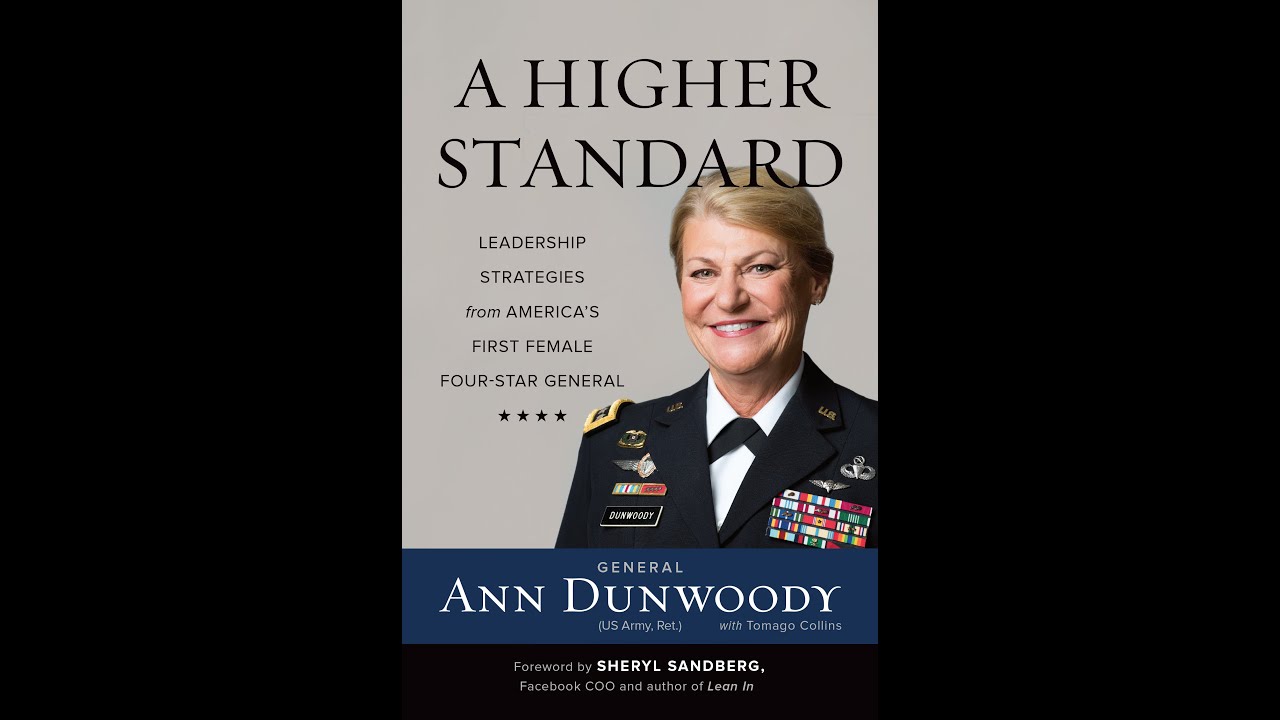
General Ann Dunwoody, the first female four-star general, shares leadership lessons from her 38 years in the U.S. Army, followed by a book signing.
General Pat Foote reflects on her military career, the integration of women in the Army, and her advocacy for equal opportunities during her service.
Filmmaker Pearl Gluck travels to Hungary to retrieve a family heirloom while navigating her Orthodox Jewish roots and encountering diverse characters along the way.
Julian Assange, founder of Wikileaks, confronts media misconceptions while revealing the inner workings of his organization and its impact on global transparency.
Adger Cowans reflects on Gordon Parks' artistic legacy, mentorship, and influential relationships with figures like Malcolm X and Gloria Vanderbilt.
Ryan Gonzalez, born with Harlequin Ichthyosis and a 0% chance of survival, became an accomplished triathlete through innovative treatments and resilience.
Elizabeth Blackburn reflects on her scientific career, highlighting her groundbreaking research on telomeres and telomerase that earned her the 2009 Nobel Prize in Physiology or Medicine.
Reverend Dr. Jacqueline Lewis, the first African American and female senior minister at Middle Collegiate Church in New York City, reflects on her early life, activism, and advocacy for social justice.