From over 100,000 films, discover the handful you'll love.
Free or premium access to the world's largest documentary library.
7104 films(Page 14 of 148)
Tupac Shakur's influence on hip-hop transformed the genre into a complex art form, reflecting themes of urban alienation and resonating with diverse audiences.
Ike Nnaebue, a Nollywood director, retraces his perilous migration route from Nigeria to Europe, highlighting the challenges faced by young Africans seeking better lives.
Isabella of France was born in Paris in the mid-1290s, likely in 1295, as the sixth child of King Philip IV of France.
Dr. Harold Shipman murdered nearly 150 patients, using his position as a trusted doctor to carry out his crimes undetected for years.
Karen, born with albinism and blindness, faces the challenges of Crohn's disease and a rare genetic disorder called Hermansky-Pudlak Syndrome.
Derrick Rose's career is chronicled from his rise as the youngest NBA MVP with the Bulls to the challenges he faced, culminating in his jersey retirement.
B.B. King shares his life story, detailing his rise from an orphaned youth in Mississippi to a legendary figure in the music industry.
Benoit Mandelbrot's groundbreaking work on fractal geometry at IBM transformed mathematical understanding and has since influenced various fields, including science and medicine.
Charles and Anne navigate the complexities of royal duty and sibling dynamics as the heir and spare in the British monarchy.
Horatio Nelson's naval strategies and key battles, including the Battle of Trafalgar, significantly shaped British naval history in the late 18th century.
Kelly, a young male model from America, navigates the demanding world of Milan's fashion week, revealing the hard work behind the glamorous facade of modeling.
Ulysses S. Grant was born Hiram Ulysses Grant on April 27, 1822, in Point Pleasant, Ohio, and became the 18th President of the United States.
Skylar, an LA-raised model, actress, and DJ, navigates the challenges of the entertainment industry while documenting her glamorous yet difficult life.
Hermann Göring's transformation from a war veteran to a powerful and extravagant figure in the Nazi regime highlights his role in the German Luftwaffe and World War II.
Hadrian was born on January 10, 76 AD, in Italica, a wealthy city in Roman Spain, and later became one of Rome's most significant emperors.
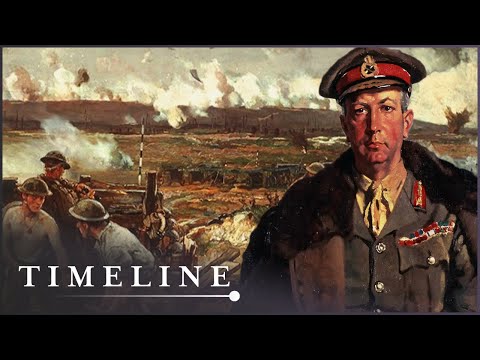
More than 200,000 Montrealers lined the streets for the funeral procession of General Sir Arthur Currie, who led the Canadian Corps to significant victories in World War I.
Lucy Letby, a neonatal nurse sentenced for murdering seven infants, raises unsettling questions about her motives and the failures in her hospital's oversight.
Elvis Presley sold more than 1 billion records worldwide, making him one of the most significant figures in 20th-century pop culture.
Khalid Aljabri, a Saudi exile and son of a former intelligence official, shares insights on the complex Saudi-U.S. relationship during the Trump era.
Queen Elizabeth II's reign since 1952 is examined, highlighting her consistent role as head of state amid evolving scandals and her deep connection to the Commonwealth.
On July 21, 1944, Colonel Claus von Stauffenberg was executed alongside three other conspirators after their failed assassination attempt on Adolf Hitler.
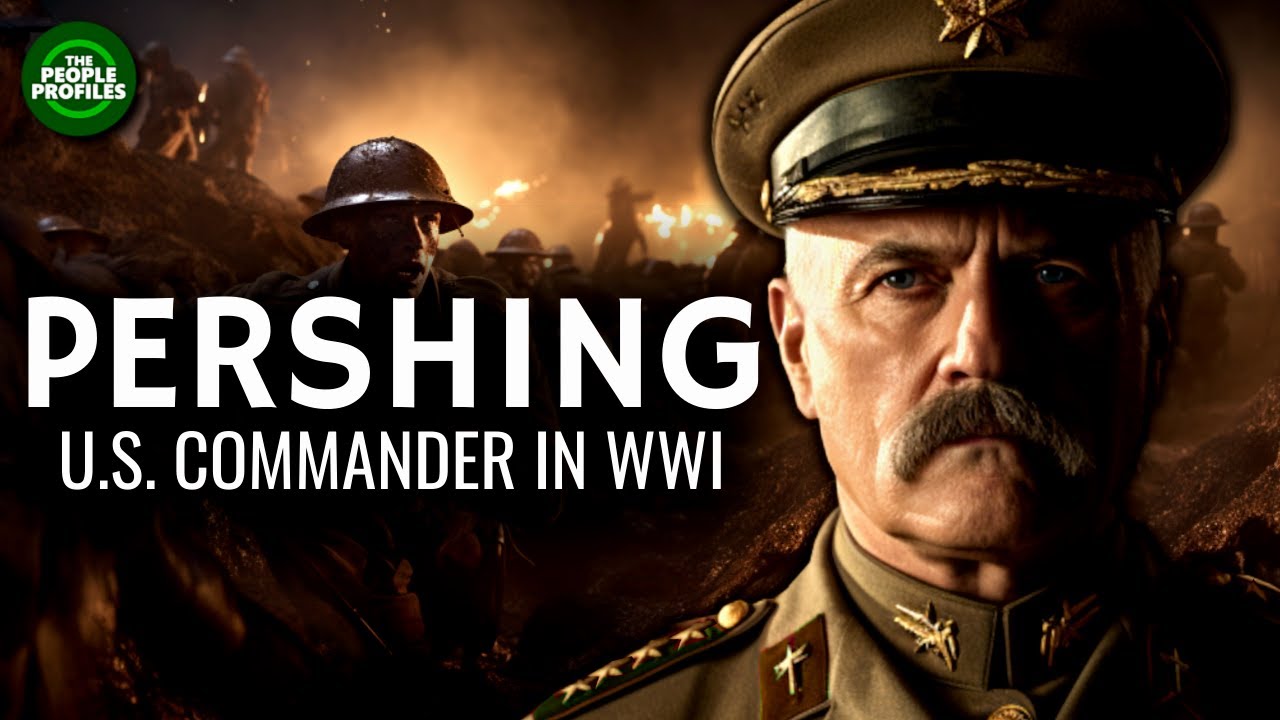
John J. Pershing was promoted to General of the Armies after leading American forces in key battles during World War I, including the Meuse-Argonne Offensive.
15,000 troops faced a critical decision at El Alamein in 1942 as Erwin Rommel chose to retreat against Hitler's orders to fight to the last man.
An eight-year-old monk recalls being the reincarnation of a 68-year-old monk, leading him back to the Phukthal monastery in the Himalayas.
Saigo Takamori was born on January 23, 1828, in Kagoshima, Japan, and became a central figure in the Satsuma Rebellion of 1877.
Kate Middleton navigates her new role as Princess of Wales, balancing royal duties, public expectations, and comparisons to Princess Diana.
On June 15, 1094, Rodrigo Díaz de Vivar, known as El Cid, captured the city of Valencia from Muslim forces after a year-long siege.
Otto Skorzeny was born on June 12, 1908, in Vienna and became known for his commando operations during World War II, including the rescue of Mussolini.
C.S. Lewis, renowned for his children's literature and Christian writings, is explored as an overlooked poet and Oxford academic in this insightful biography.
Oswald Mosley’s political activities and the rise of fascism in Britain during the early 20th century are examined within a historical context.
On May 14, 1948, David Ben-Gurion proclaimed the creation of the State of Israel, marking a significant moment in Jewish history.
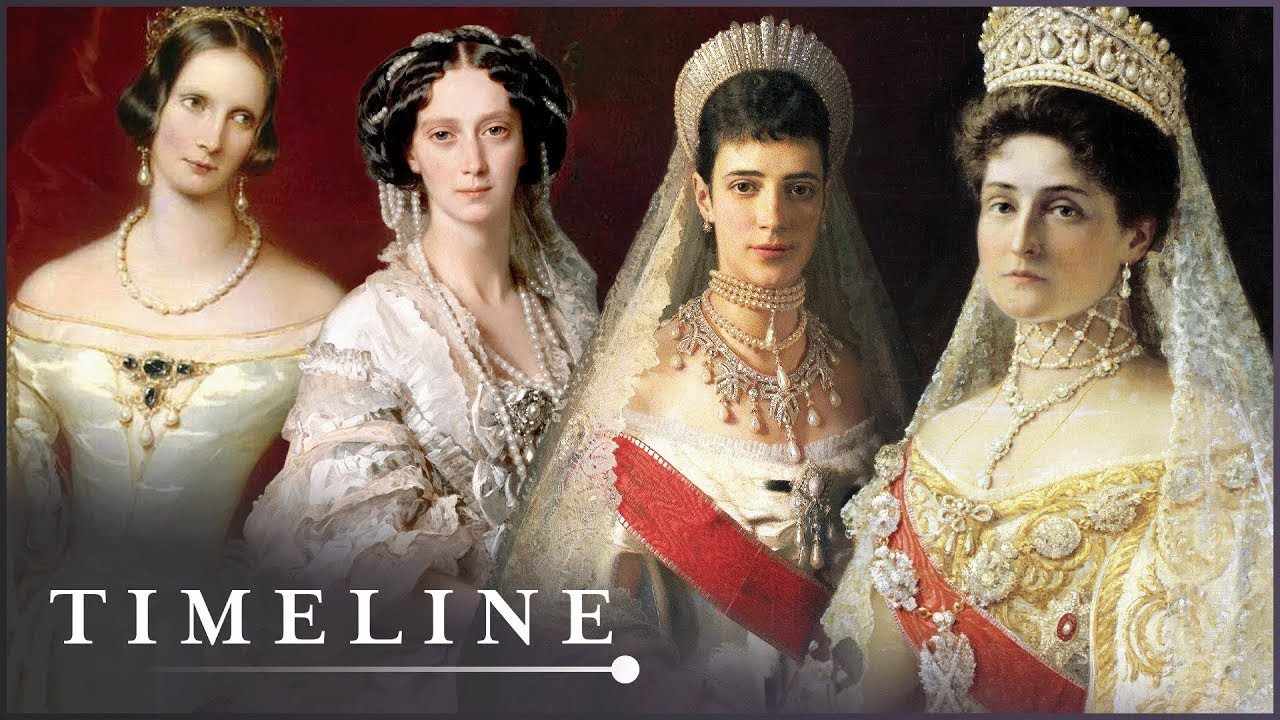
Charlotte von Prussia traveled 1,500 kilometers by horse-drawn carriage to Saint Petersburg in 1817 to marry Grand Duke Nicholas.
Robert Mugabe's life in Zimbabwe illustrates his evolution from a freedom fighter against colonialism to a leader associated with tyranny and economic collapse.
Glenn Greenwald, a prominent journalist and author, is known for his groundbreaking reporting on Edward Snowden's NSA leaks while based in Rio de Janeiro.
3,000 soldiers were shipped to the 84th Infantry Division in April 1944 before engaging in critical battles along the Siegfried Line during World War II.
In 1066, William the Conqueror led the Normans to victory at the Battle of Hastings, marking a significant shift in English history.
Nikola Tesla's groundbreaking innovations in wireless power and communication were overshadowed by fears of elite control over his revolutionary ideas.
Simón Bolívar was born on July 24, 1783, in Caracas, Venezuela, into one of the wealthiest families in the Spanish colonial empire.
Huế, known as The City of Ghosts, serves as a vibrant backdrop for Anthony Bourdain's exploration of Vietnam's rich culinary and cultural heritage.
Six million Jews were murdered during the Holocaust, a genocide carried out under Adolf Hitler's regime from 1934 to 1945.
Catherine Middleton's role as the Princess of Wales, following the emotional passing of the title from King Charles III, highlights her potential for impactful change in royal life.
Denise Bulger, mother of murdered toddler James, shares her fight for justice and her mission to transform grief into hope for others affected by tragedy.
Sir Hugh Dowding was born on April 24, 1882, in Moffat, Scotland, and later became a key figure in Britain's defense during World War II.
Mount Kailash in Tibet is sacred to Hinduists and Buddhists, yet remains unclimbed.
Harald Hardrada, born in 1015 or 1016, led a massive invasion fleet to England in 1066, marking a significant moment in Viking history.
Franklin Delano Roosevelt's presidency from 1933 to 1945 is examined, highlighting his leadership during the Great Depression and World War II, along with his personal struggles.
A 47-minute examination of Henry Kissinger's influence on Realpolitik during the Cold War includes insights into his early life in Nazi Germany.
Levi Bellfield, an English serial killer, was convicted in 2008 for the murders of Marsha McDonnell and Amélie Delagrange, and the attempted murder of Kate Sheedy.