From over 100,000 films, discover the handful you'll love.
Free or premium access to the world's largest documentary library.
7104 films(Page 55 of 148)
Cyril “Rick” Rescorla is credited with saving the lives of 2,700 Morgan Stanley employees during the September 11, 2001 attacks.
National Archives at St. Louis archivists Daria Labinsky and Cara Moore present records detailing birth, childhood, and death for genealogical research.
Tavis Smiley shares his enduring friendship with Maya Angelou in a conversation moderated by NPR journalist Michel Martin, presented by the Smithsonian Museum of African American History and Culture.
Joseph Bruchac's illustrated book highlights the life of Chester Nez, an original Navajo code talker, emphasizing the significance of indigenous heritage.
Peter Sorensen reflects on his Vietnam War experiences and the lasting impact of loss, prompting vital conversations about service and sacrifice.
Four young individuals share their experiences of living with mental illness, revealing fears and emotions that began as early as age four.
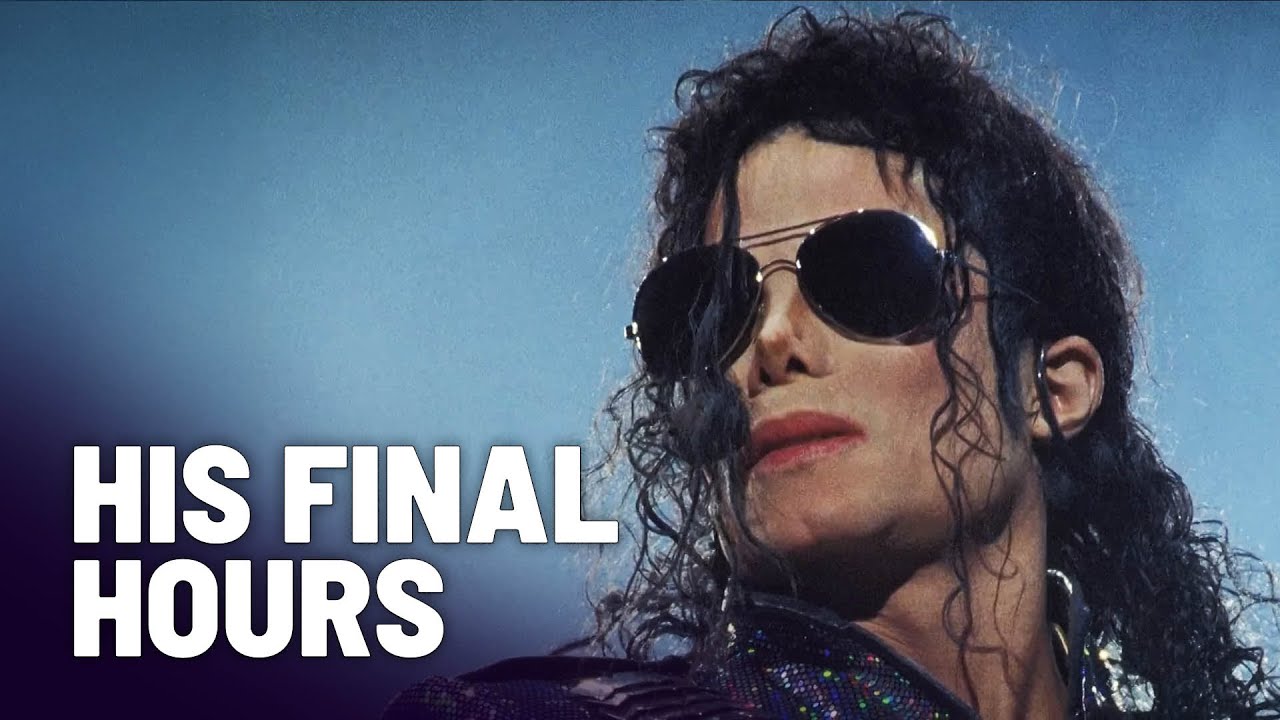
Michael Jackson's life, including his relationships with Elizabeth Taylor and Lisa Marie Presley, is explored alongside the events leading to his 2009 death.
Ten years after her escape from captivity, Natascha Kampusch reflects on her struggles to rebuild her life amid public scrutiny and personal challenges.
Alec Baldwin's involvement in the tragic Rust set incident, which resulted in the death of cinematographer Halyna Hutchins, raises critical questions about safety in Hollywood.
Dr. Kazuhiro Omura's 12-year mission in Southeast Asia addresses medical challenges, discrimination, and education gaps, highlighting the transformative power of education.
Queen Elizabeth II's reign is explored through significant events and challenges that shaped her transition from a young monarch to a respected leader.
Frederick Douglass, an influential abolitionist and statesman, escaped slavery in 1838 and became a prominent advocate for African American rights and equality.
Prince Charles navigates the complexities of royal duty, personal isolation, and unfulfilled expectations as the longest-serving heir apparent in British history.
Thomas Jefferson wrote to artist Charles Wilson Peale in January 1802 about his plan for a general university in Virginia, which he considered a major achievement.
Appleton Oaksmith's life as a sea captain during the mid-19th century highlights key events like the California Gold Rush and the Lincoln administration's efforts against the slave trade.
Kamidi, a three-foot-tall man from the slopes of Mount Merapi, overcame the effects of iodine deficiency through treatment, leading to a fulfilling life and family.
115 years before John F. Kennedy addressed the Irish Parliament, his great grandparents left Ireland for America in search of a better life.
Dr. Gregory Nobles discusses Betsey Stockton's life as a former slave who became a pioneering educator in the Hawaiian Islands during the 19th century.
Alice Paul, suffragist and founder of the National Women’s Party, is highlighted in a program at the National Archives aimed at young learners.
Princess Diana, known as the "People's Princess," is remembered for her compassionate humanitarian advocacy and significant contributions to various charitable causes.
Mike Garson, a renowned composer and improviser, shares his extensive knowledge and passion for music while collaborating with various musicians across genres.
Siam, an elephant born in India in 1946, transitioned from labor to fame in the Knie Circus and Pierre Etaix's film YoYo before his death in 1997.
In 1849, Elizabeth Blackwell became the first woman in America to earn an M.D., later co-founding the New York Infirmary for Indigent Women and Children with her sister Emily.
Vincent Van Gogh's transformation from a failed missionary to a revolutionary artist is explored through historical archives and scientific analysis of his works.
Gilles Vigneault, a prominent French singer-songwriter, reflects on his role in revitalizing Quebec's musical culture and the themes in his songs, including "Mon Pays."
Sam Sullivan, a quadriplegic who broke his neck at 19, runs for mayor of Vancouver while facing challenges in his daily life and political campaign.
Willie Jackson and Shavaughn Ruakere trace the complex ancestry of a rugby star great-grandfather who lived under three different names.
A family restaurant in St. Paul, Alberta, has been operated by Michelle Wong's grandparents since 1960, serving as a backdrop for their immigrant stories.
Washington Irving, the father of the American short story, is portrayed by Neill Hartley as he shares insights and readings from his works, including "The Legend of Sleepy Hollow."
Christopher Ullman, a four-time International Whistling Champion, shares his talent to connect with diverse individuals, including politicians and special needs children.
Mohamed Abbass, a devoted father from Sydney, vanished during a 2007 trip to Egypt, leaving his family and authorities searching for answers.
Lord Thomson, a Canadian press tycoon from Timmins, Ontario, reflects on his influential career in publishing and media that earned him wealth and a baronetcy in England.
Diane English reflects on her upbringing in Buffalo, New York, and the creation of "Murphy Brown," highlighting its impact on women's representation in media.
Corradino D’Ascanio, an innovative engineer known for inventing the helicopter and variable pitch propeller, also created the iconic Vespa scooter.
Nicole Stott spent over 100 days in space aboard the International Space Station and performed a spacewalk as the 10th woman to do so.
Junot Diaz, a Pulitzer Prize-winning author from the Dominican Republic, explores themes of identity and culture in his literary works alongside Joyce Carol Oates.
Lil Wayne, who released his first solo studio album at 15, reflects on his influential role in the hip-hop industry alongside figures like Birdman.
Michael Jackson's life is explored through his rise from the Jackson 5 to global superstardom, highlighting personal struggles and controversies along the way.
100 musicians from the National Youth Orchestra of Canada undergo two months of rigorous training and perform 12 concerts during their national tour.
Camilla, Queen Consort of the United Kingdom, is portrayed through rare footage and expert analysis, highlighting her role in the evolving House of Windsor.
At 15, Henry Green bought a gun and navigated a world where small sections of his neighborhood were tightly controlled by rival groups.
Constance Baker Motley argued the landmark case to desegregate the University of Mississippi in 1961, becoming a key figure in the civil rights movement.
Norman Cornett, a McGill University professor, faced dismissal in 2007 due to his unconventional teaching methods that resonated with many students.
Madonna's high-profile divorce led to a significant financial loss, as legal experts Danielle and Andy Mayoras analyze the implications of fame and fortune.
Yau King Eng reflects on his father's migration from China to the United States, exploring the complexities of identity and belonging in the Chinese American experience.
Betty Rollin reflects on her unconventional childhood in Yonkers, her career as a journalist for NBC News, and the personal challenges of breast cancer and loss.
Three men reflect on their pivotal roles in the fall of the Berlin Wall, sharing personal stories of courage, trauma, and the quest for freedom.
Alden Nowlan, a celebrated Canadian poet and author, reflects on his life and work in this film recorded shortly before his death in 1983.