From over 100,000 films, discover the handful you'll love.
Free or premium access to the world's largest documentary library.
7104 films(Page 19 of 148)
Snowboarder Travis Rice reflects on the life-altering avalanche that transformed his approach to freestyle and big-mountain snowboarding.
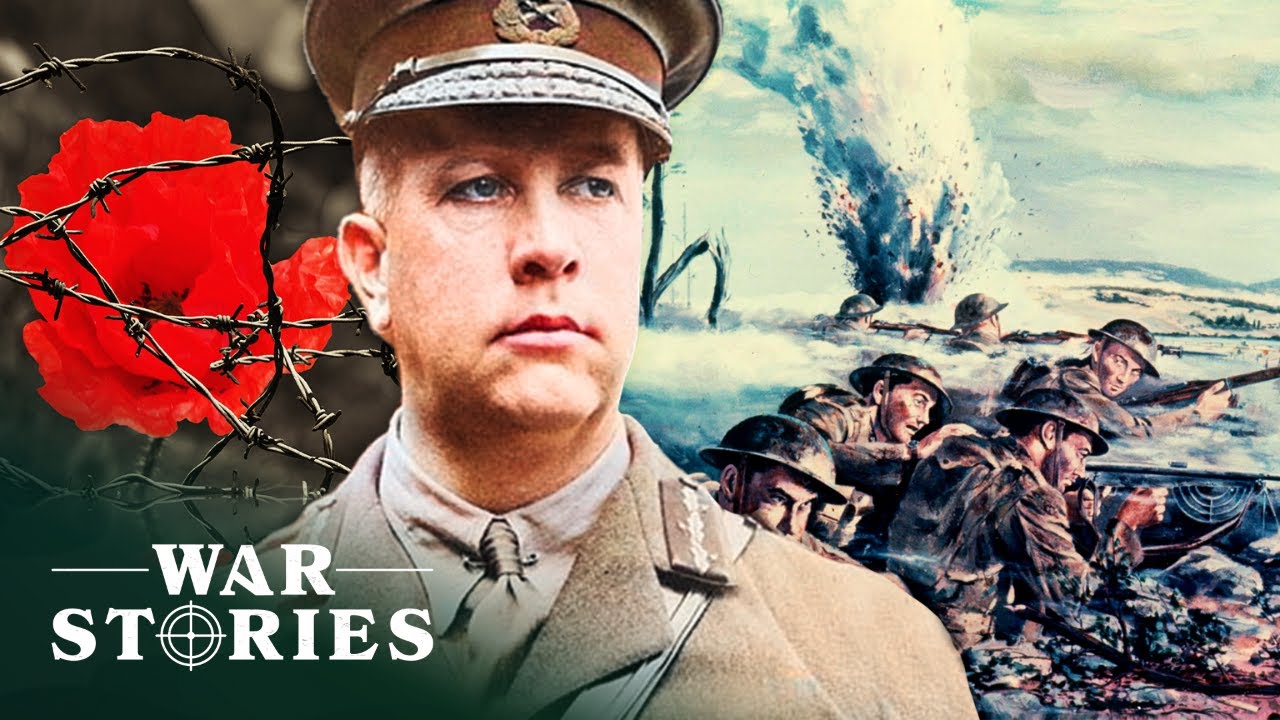
General Sir Arthur Currie's leadership of the Canadian Corps during key battles of the First World War, including Ypres and Vimy Ridge, is examined by military historian Norm Christie.
Led Zeppelin, formed in 1968, is examined for its influence on hard rock and its rise to iconic status, featuring insights from musicians like Ozzy Osbourne and David Gilmour.
Winston Churchill, a two-time Prime Minister known for his leadership during World War II, remains a polarizing figure due to his controversial views and actions.
Churchill, standing at 5 feet 6 inches tall, received thousands of gifts from an adoring American public during his visit to the United States in 1941.
Princess Anne, the only daughter of Queen Elizabeth II and Prince Philip, reflects on her life, charitable work, and experiences as an Olympic equestrian.
Charlemagne's reign as a powerful emperor in Dark Age Europe is marked by military conquests, political strategy, and cultural advancements across the continent.
Thomas Jonathan Jackson, known as Stonewall, was born on January 21, 1824, in Clarksburg, Virginia, and became a key general in the Confederate Army.
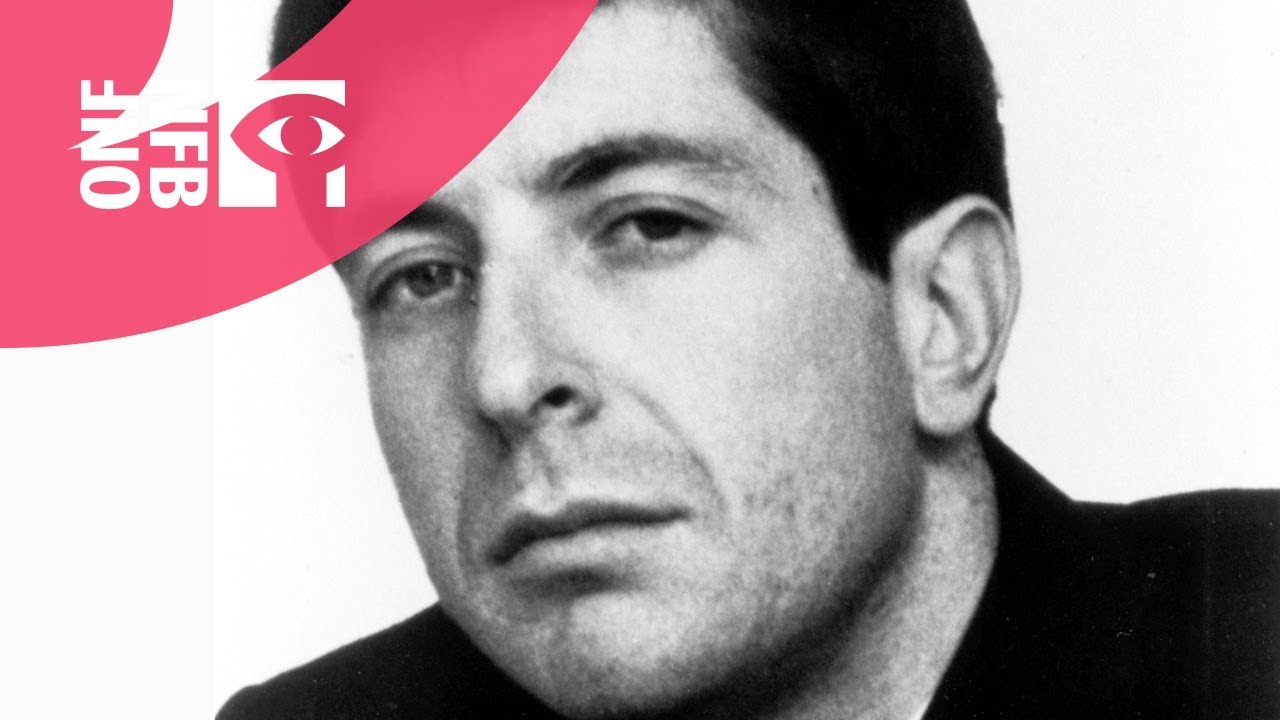
At age 30, Leonard Cohen returns to his hometown of Montreal, reading poetry to fans and reflecting on his life in an informal black-and-white portrait.
Henry IV was born on April 15, 1367, at Bolingbroke Castle in Lincolnshire, England, as the son of John of Gaunt, duke of Lancaster.
Dr. Terry Wahls, diagnosed with an incurable disease, transforms her health through alternative methods after conventional medicine fails her.
Lonnie White battles the painful effects of Hidradenitis suppurativa, while Theresa Rachlin confronts the challenges of Susac's Syndrome, highlighting the struggle of undiagnosed medical conditions.
Michael Hutchence, the lead singer of INXS, is portrayed in a documentary that explores his complex life, struggles, and musical legacy.
Fred Dibnah tackles the restoration of a steam traction engine, the delicate demolition of a chimney, and the renovation of a house at risk of flooding.
Bernard Montgomery was born on November 17, 1887, in Kennington, South London, and became a key figure in the British military during World War II.
Joseph Stalin's ascent from a young trainee priest to a ruthless dictator is examined through the lens of his extreme insecurity and paranoia.
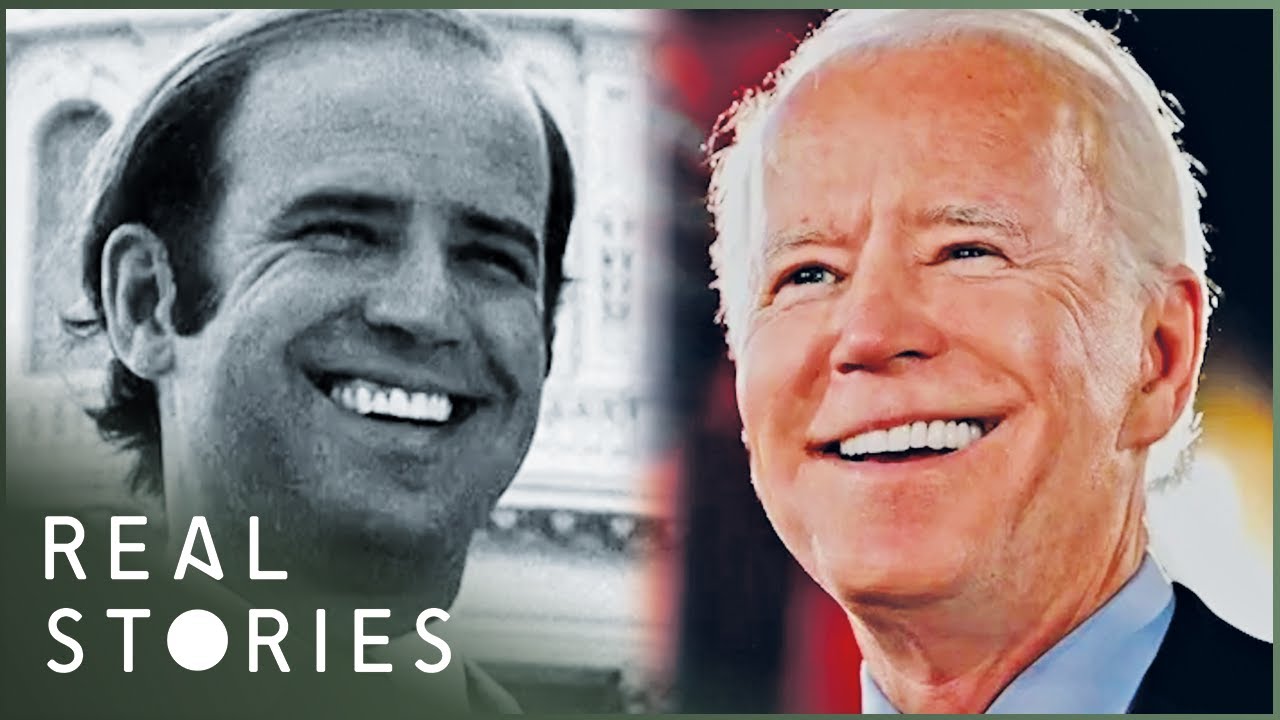
Joe Biden was sworn into the Senate in 1973, just weeks after a car accident claimed the lives of his wife and infant daughter.
Marco Polo was born around 1254 into a wealthy merchant family in Venice, a city that dominated sea routes in the Adriatic Sea.
Catherine the Great, born Sophi Agusta von Anhalt Zeb on May 2, 1729, became the ruler of Russia after her husband, Peter III, was overthrown.
Stephen Hough lives 40 years free after killing a 15-year-old girl, evading justice.
Michael Wittmann, a celebrated Nazi tank commander, remains a controversial figure as historians debate the circumstances of his death in WWII.
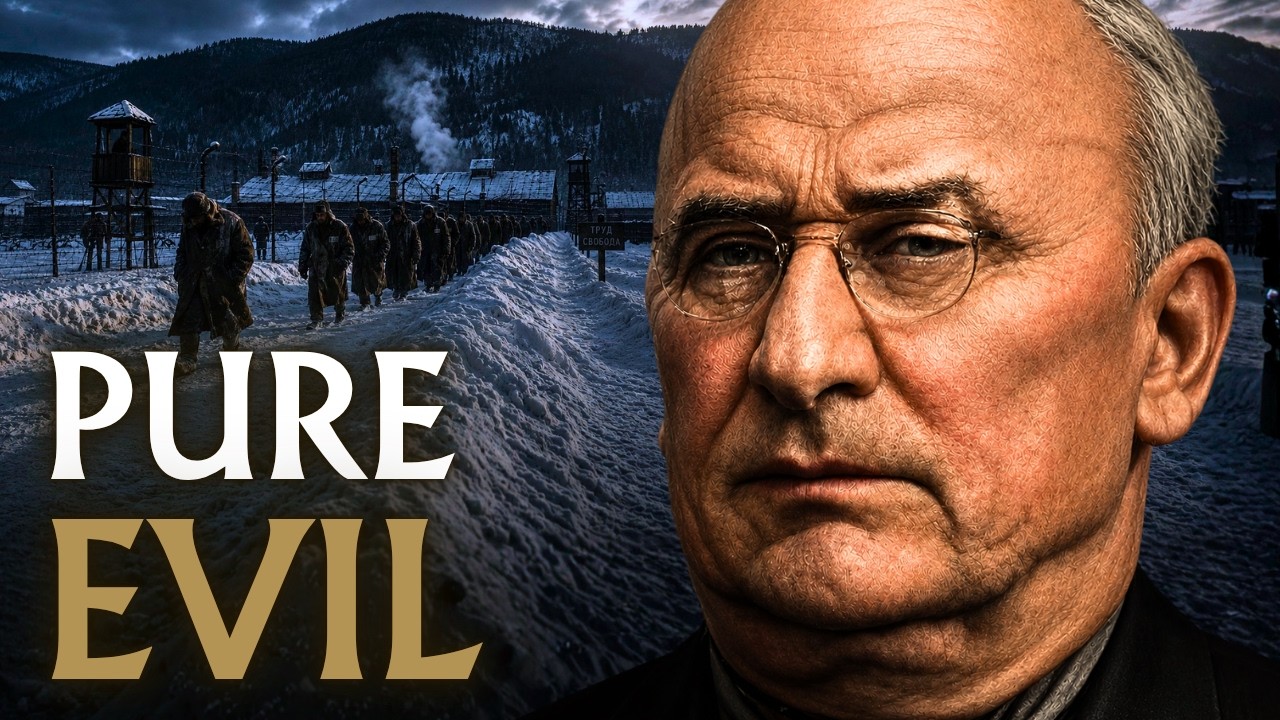
Lavrentiy Beria, head of the NKVD and chief enforcer for Joseph Stalin, orchestrated the Great Purge and the Soviet atomic bomb project before his execution in 1953.
Mathilda “Mayhem” Wilson, Scandinavia's first professional women's bare knuckle boxer, balances her fighting career with motherhood and family life in Sweden.
John Edgar Hoover was born on January 1, 1895, into a family of civil servants in Washington, DC, and became the first Director of the FBI in 1935.
Al Capone, a notorious figure during the Prohibition era, is examined for his criminal activities and rise to power in 1920s Chicago.
King James II was born on October 14, 1633, at St James’ Palace in London, the son of Charles I and Henrietta Maria.
Sir David Attenborough's career spans over sixty years, showcasing the evolution of natural history filmmaking from black-and-white television to advanced series like Planet Earth.
Nadiya Hussain MBE explores the roots of her anxiety while examining effective treatments available for mental health challenges.
In 1935, Theodor Morell began treating Adolf Hitler for stomach cramps, eventually becoming the dictator's personal physician for over a decade.
Mob wives, girlfriends, and daughters share their experiences of life intertwined with organized crime, revealing the complexities of love, loyalty, and violence.
Allison Felix won her 11th Olympic medal in Tokyo, surpassing Carl Lewis to become the most decorated track athlete in American history.
Marie Antoinette's life as the last queen of France illustrates the complexities of her reign and the political turmoil that led to the French Revolution.
Suleiman I, born on November 6, 1494, transformed the Ottoman Empire into a superpower during his reign from 1520 until his death in 1566.
Christopher McCandless' tragic odyssey in the Alaskan wilderness reveals his quest for authenticity and the profound impact of his solitary journey.
Richard Nixon was born on January 9, 1913, in Yorba Linda, California, to a poor family of Quaker descent, the second of five boys.
Teri, a former bank robber turned shaman, shares her prison experiences while a young ex-Mormon grapples with family forgiveness and identity.
Over one million casualties resulted from the Battle of the Somme in 1916, leading to ongoing debates about Field Marshal Douglas Haig's military leadership.
John Surtees, the only individual to win world championships in both Formula 1 and motorcycle racing, achieved three consecutive victories at the Isle of Man TT.
Peter the Great was born on June 9, 1672, in Moscow, and became known for transforming Russia into a major European power during his reign.
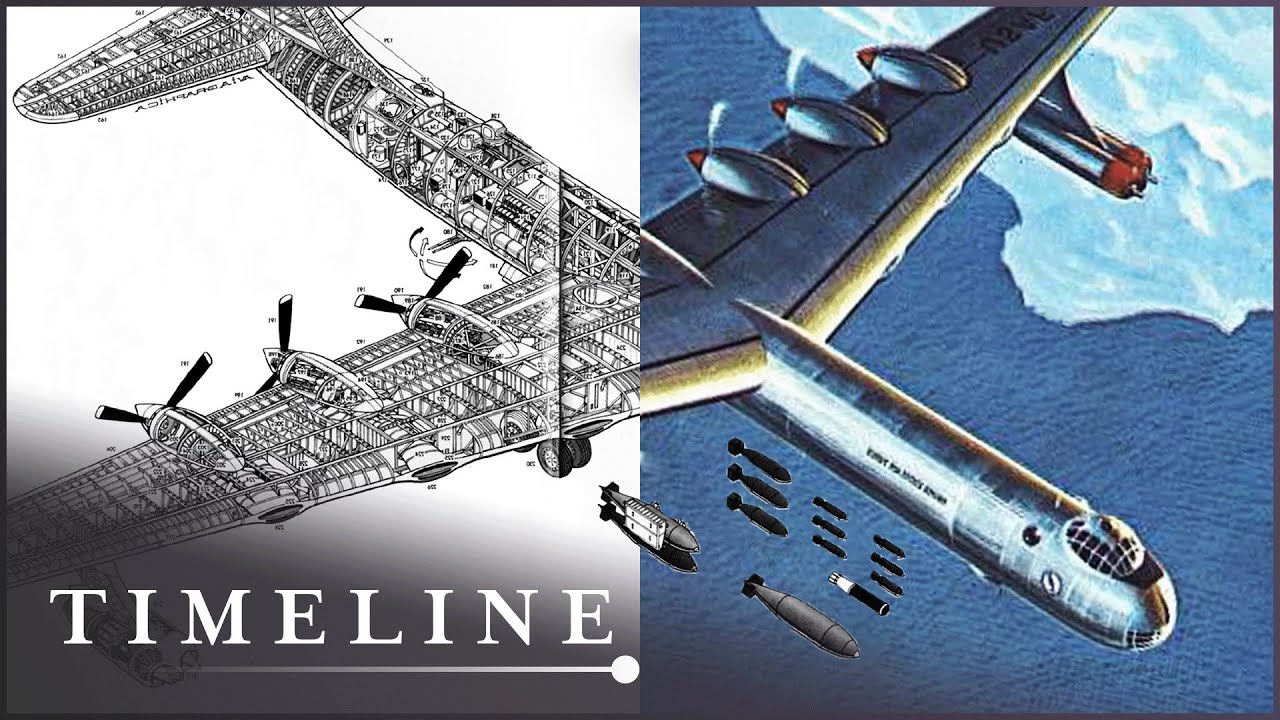
The B-36, a massive nuclear bomber, survived near cancellations on six occasions and became a symbol of rivalry between the Air Force and Navy during the Cold War.
Giovanni Granati vive una giornata nella vita di un falconiere in Abruzzo con i suoi animali.
Richard the Lionheart spent only six months of his ten-year reign in England while ruling extensive territories in France.
Aileen Wuornos, America's first female serial killer, reveals the complexities of her life marked by abuse, desperation, and a media circus surrounding her crimes.
Liam Payne's life reflects the intense pressures of boy band fame, revealing the tragic consequences of mental health struggles and substance abuse.
On January 31, 1858, Isambard Kingdom Brunel launched a 19,000-tonne ship, the largest ever built at the time, into the Thames River.
Dejan Lovren shares the harrowing experiences of his family's flight from the Bosnian War, highlighting the struggles faced by refugees.
Dennis Nilsen, a quiet civil servant in 1970s London, led a double life as one of Britain's most notorious serial killers, targeting vulnerable young men.
Philippa of Hainault, wife of King Edward III, played a crucial role in defending England during the Scottish invasion and is often overlooked in historical narratives.