From over 100,000 films, discover the handful you'll love.
Free or premium access to the world's largest documentary library.
7104 films(Page 148 of 148)
Ruban Nielson, frontman of Unknown Mortal Orchestra, reflects on the significance of cohesive albums in shaping his musical identity and creative process.
TanyaLee travels the East Coast of America for her comedy special, 'Unstoppable Me.'
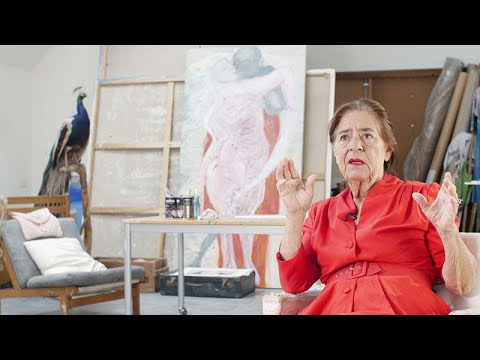
Ursula Reuter Christiansen reflects on her transformative experience as one of Joseph Beuys' first female students, highlighting his revolutionary teaching methods and lasting impact.
Viet Thanh Nguyen reflects on his experiences as a Vietnam War refugee, exploring themes of trauma, cultural identity, and the impact of fatherhood on his writing.
Omar Sharif discusses his decision to stop making films after 25 years of what he describes as "rubbish" due to financial struggles and personal challenges.
Scaramucci reflects on his brief White House tenure and his love for Italy and music.
Lita Albuquerque, an influential artist from Tunisia, explores the intersection of nature and cosmology through her ephemeral installations and multi-disciplinary works.
Couples reflect on the impact of the Loving decision 50 years after the Supreme Court ruled.
Alexander Tovborg, a Danish artist, explores spirituality and faith through his monumental works, reflecting on personal loss and the role of art in spiritual quests.
Jeffrey Ong shares his personal struggles with emotional challenges during the pandemic and introduces the PAUSE framework to help others engage with their feelings.
A woman reflects on her experiences and conversations about modern masculinity during a series that includes a visit to a Leeds barbershop.
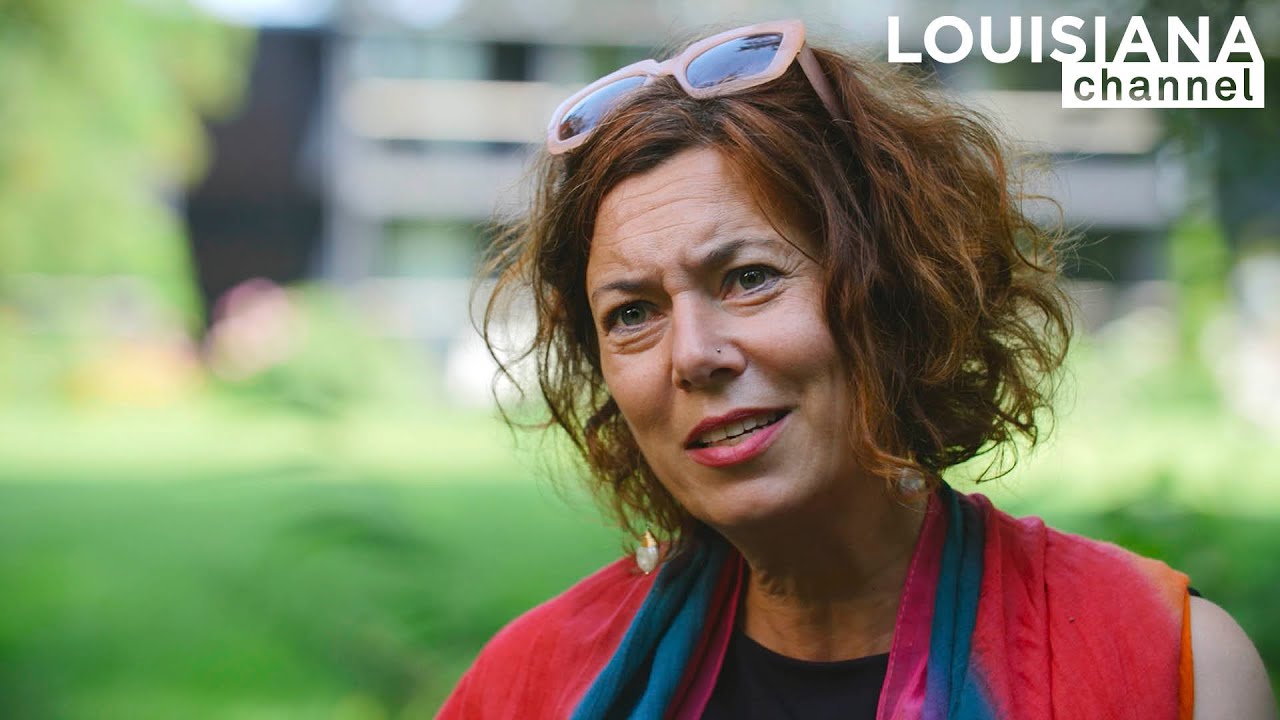
French writer Anne Berest explores her family's Holocaust history and the impact of storytelling in her acclaimed novel The Postcard, igniting vital conversations about memory and identity.
Yoshihiro Suda, a renowned Japanese artist, creates hyper-realistic wood carvings of plants and flowers, emphasizing the importance of surrounding space in his art.
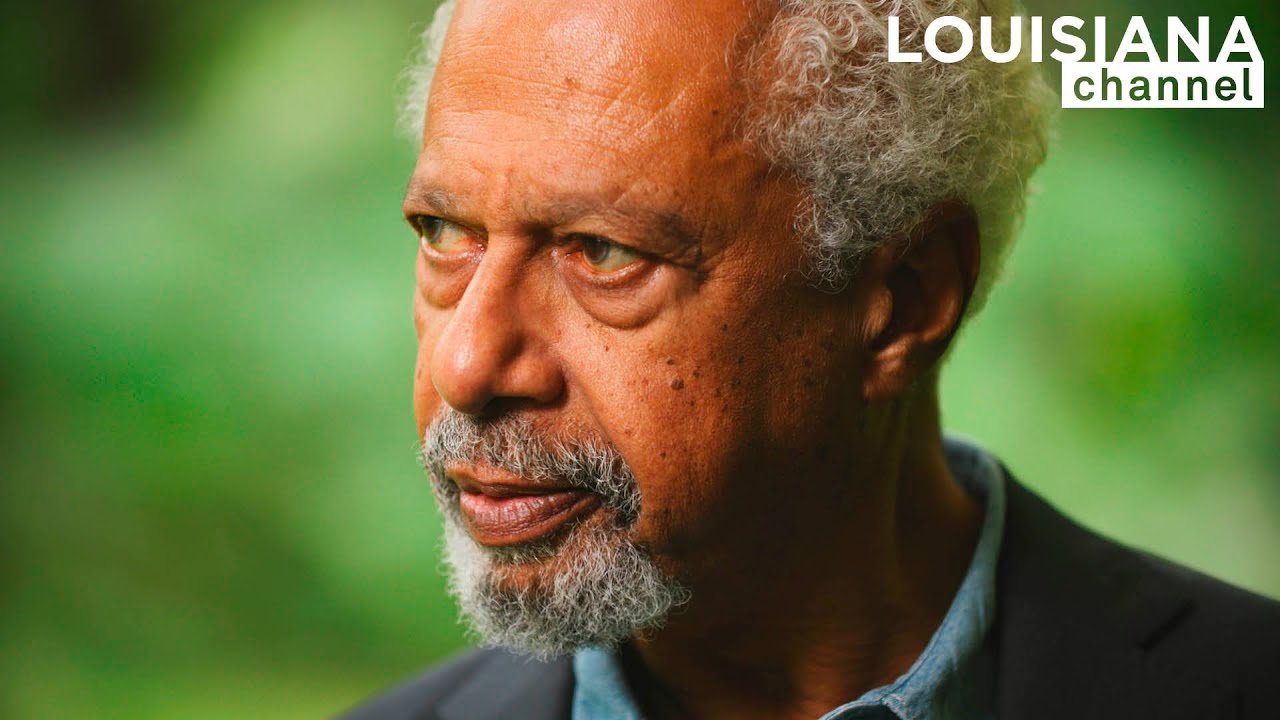
Abdulrazak Gurnah, Nobel Prize-winning writer, emphasizes the importance of truth in literature, exploring trauma, displacement, and the resilience of humanity.
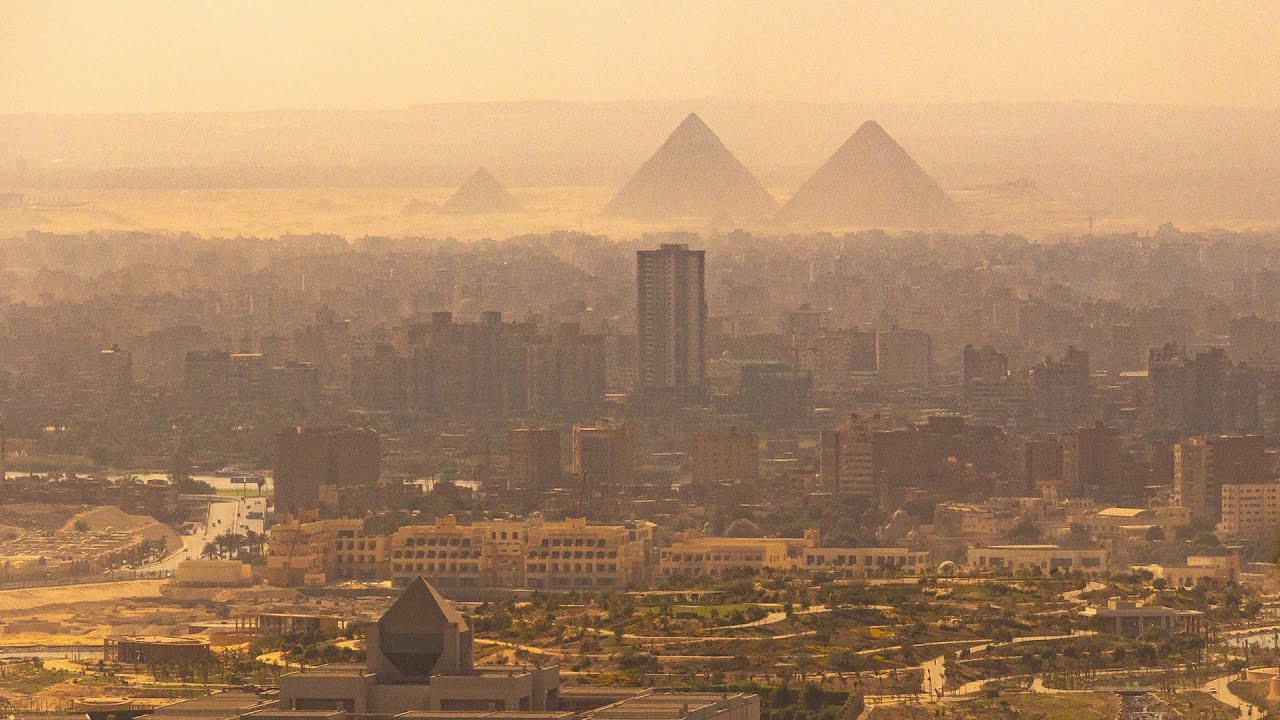
Alaa Al-Aswany reflects on Cairo's rich human history and its profound impact on his literary work and political views, emphasizing the city's layered identities and resilience.
Renowned poet Anne Carson reflects on her writing process, the impact of Parkinson's disease, and the complexities of life in a candid interview with Linn Ullmann.
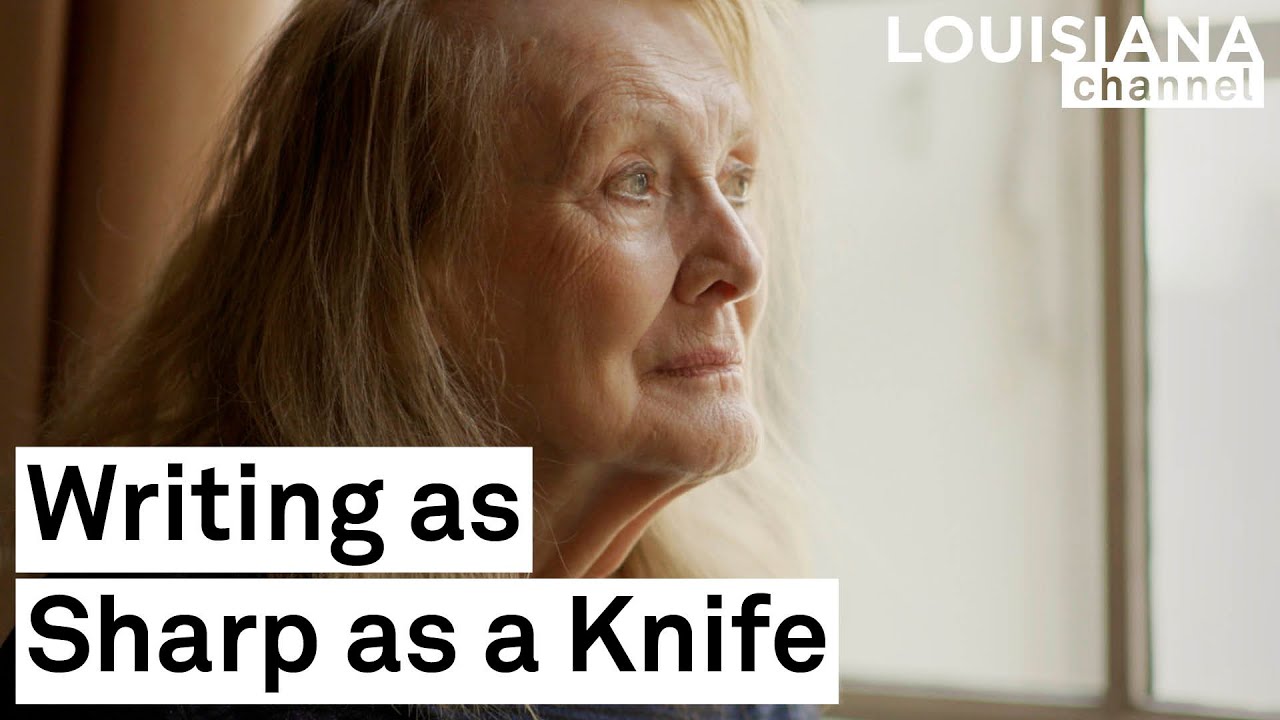
Annie Ernaux, a Nobel Prize-winning author, reflects on her working-class background and the role of memory in her writing, emphasizing the importance of past, present, and future.
Annie Ernaux, a Nobel Prize-winning author, reflects on her working-class roots and the political nature of her writing, emphasizing the importance of factual storytelling.
American author Anthony Doerr emphasizes the importance of storytelling and literature as a means of empathy and historical continuity in a personal interview.
Charlotte Gneuss explores the interplay of memory, identity, and history in her writing, emphasizing literature's power to foster empathy and connection.
Édouard Louis reflects on his brother's life and death, exploring themes of class, violence, and the complexities of escape in his latest literary work.
Elif Shafak, an acclaimed British Turkish novelist, emphasizes the transformative power of literature in fostering empathy and bridging cultural divides.
Eva Menasse, an acclaimed Austrian author, emphasizes the vital role of literature in defending democracy and engaging in social discourse amid contemporary challenges.
South Korean author Han Kang reflects on her writing process, survivor's guilt from the Gwangju Uprising, and the complexities of human nature.
Ia Genberg, a Swedish novelist and nurse, reflects on the challenges of writing authentically about others while finding meaning in her nursing career.
Ian McEwan, a prominent British novelist, reflects on his writing process, personal experiences, and the intricate relationship between character and plot in his work.
Jean-Baptiste Andrea, a celebrated French author and 2023 Prix Goncourt winner, reflects on literature's power to foster empathy and personal transformation.
Joyce Carol Oates discusses her writing routine and life near Princeton with her husband Charlie.
Jung Chang, a British-Chinese author and critic of authoritarianism, emphasizes the vital role of literature in preserving freedom and sanity amidst oppression.
Kjell Westö, a Finnish-Swedish author, discusses the influence of historical events like Finland's civil war and World War II on his literary work and the importance of solitude in writing.
Koleka Putuma explores the complexities of identity and narrative control for Black queer women in her poetry, highlighting visibility, ownership, and legacy.
Maggie Nelson, an acclaimed American writer, reflects on her literary evolution and the significance of curiosity in her work, blending genres and personal experiences.
Mircea Cărtărescu reflects on his unconventional writing process, the influence of his upbringing in Communist Romania, and the impact of Franz Kafka on his work.
Senegalese author Mohamed Mbougar Sarr reflects on the profound impact of literature on his life, emphasizing its role in understanding identity, politics, and solitude.
Orhan Pamuk reflects on the profound influence of Istanbul on his life and writing, capturing the city's complex character and emotional depth through personal memories and experiences.
Sally Rooney articulates her creative process, emphasizing how her personal experiences and observations of social structures shape her acclaimed novels.
Shehan Karunatilaka reflects on his experiences growing up in war-torn Sri Lanka and how they shaped his unique literary voice and narrative style.
Louise Nevelson, a pioneering American sculptor, is celebrated by writer Suzanne Brøgger for her groundbreaking contributions to art and the feminist movement.
Umberto Eco reflects on his lifelong passion for storytelling, revealing how his academic work and personal experiences shaped his acclaimed literary career.
Wole Soyinka, the first Black African Nobel laureate, reflects on the interplay of imagination and reality in his life, art, and the essence of human existence.
Danish-Palestinian poet Yahya Hassan, known for his provocative debut poetry collection, discusses his experiences with identity, family, and societal critique in this revealing interview.
Yan Lianke, a prominent Chinese novelist, discusses the impact of censorship on his writing and the risks he faced to express profound societal critiques.
Yona Friedman, a 94-year-old architect and former refugee, advocates for adaptable architecture that empowers inhabitants to shape their cities through flexibility and improvisation.
Rotraut Klein-Moquay reflects on her intense four-year relationship with Yves Klein, exploring their artistic collaboration and the profound impact of his legacy.
Yvette Brackman, an American artist, explores her Russian Jewish heritage through multifaceted artwork that emphasizes inclusivity and the essence of togetherness.
Breitbart News editor-in-chief Alex Marlow recalls the tense atmosphere during Donald Trump's inauguration, contrasting it with Barack Obama's in 2009.
David Horowitz met Stephen Miller when Miller was 17, recalling his courage to support the Pledge of Allegiance in a liberal Santa Monica high school.
Dick Durbin discusses his experiences with Steve Bannon and Jeff Sessions during immigration reform.