From over 100,000 films, discover the handful you'll love.
Free or premium access to the world's largest documentary library.
7104 films(Page 18 of 148)
Vito Genovese was born on November 21, 1897, in Risigliano, Italy, before emigrating to the United States in 1913 at the age of 15.
James Dean's legacy as an icon of 1950s American youth culture is explored through film excerpts, behind-the-scenes footage, and contemporary reflections in New York, Fairmount, and California.
James Connolly was born on June 5, 1868, in the Cowgate, a slum in Edinburgh, Scotland, before becoming a key figure in the Irish independence movement.
Hillary Clinton reflects on her upbringing in Park Ridge, Illinois, her education at Wellesley College, and her political career, including her time as First Lady and Secretary of State.
Ted Bundy, a charming psychology graduate, confessed to murdering at least 35 women before his execution in 1989, while Richard Ramirez instilled fear in Los Angeles with brutal home invasions.
Jim Jarmusch reflects on Jonas Mekas's influence in expanding the possibilities of film and the importance of institutions like Cinémathèque and Anthology Film Archives.
Fred Dibnah, a Bolton steeplejack, reflects on his lifelong passion for climbing chimneys and the risks he faced throughout his unconventional career.
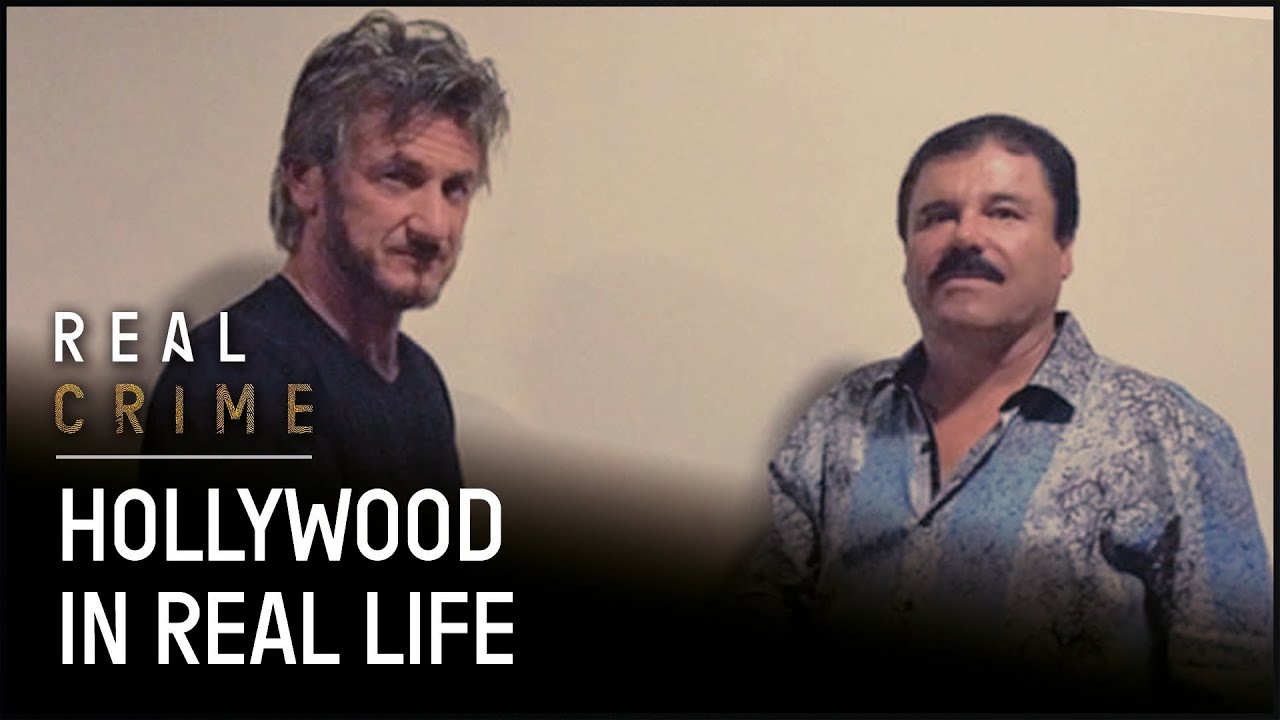
Sean Penn's controversial meeting with notorious drug lord El Chapo reveals the complex interplay between Hollywood and the world of organized crime.
Michael Wittman, renowned as the greatest tank ace of World War II, is portrayed as both a celebrated hero in Germany and a feared adversary among Allied forces.
Colton Harris-Moore, known as the Barefoot Bandit, became a modern folk hero through his audacious thefts and escapes, captivating the public's imagination.
Jean Harlow died at 26 in 1937, leaving behind a legacy as Hollywood's first platinum blonde icon and a lasting bond with William Powell.
Richard Chase, known as The Vampire Killer, murdered six victims in a month during 1977 in California, employing gruesome methods including cannibalism.
Thirteen-year-old Nichole Beavers faces the challenges of Parry-Romberg Syndrome, experiencing hair loss, jaw pain, and significant facial changes.
Sue Klebold grapples with her son Dylan's transformation into a school shooter, questioning love, prevention, and America's readiness to address such violence.
Under Hans Frank's administration as Governor-General of occupied Poland, nearly three million Jews were killed, along with hundreds of thousands of Poles and Ukrainians.
In 1585, John Ward seized the opportunity presented by war with Spain, transforming from a penniless fisherman into a powerful pirate in the Mediterranean.
Benito Mussolini was born on July 29, 1883, in Dovia di Predappio, a small town in the Emilia-Romagna region of Italy.
Stephen Hawking, a groundbreaking theoretical physicist and cosmologist, advanced our understanding of the universe despite his battle with motor neurone disease.
480 BCE marked the year when Xerxes I led a massive invasion of Greece, culminating in the famous Battle of Thermopylae.
John Noakes trains with the RAF Flying Falcons to become the first civilian to complete a five-mile freefall jump, showcasing breathtaking aerial footage.
Queen Elizabeth I was born on September 7, 1533, at Greenwich Palace, the daughter of King Henry VIII and Anne Boleyn.
Ida, a young Norwegian woman, documents her eight-year struggle with borderline personality disorder through a video diary that reveals her challenges and moments of resilience.
On August 20, 1940, Leon Trotsky is attacked in his study in Coyocan, Mexico, by a Stalinist agent wielding an ice axe.
Black Watch Snipers chronicles the experiences of an elite Canadian sniper unit during World War II, highlighting their pivotal role in the months after D-Day.
Nina Cranstoun, a pioneering female boxing promoter in the UK, challenges sexist norms while attracting top underground fighters to her events.
Ken Carter, a Montreal-born stunt driver, spent five years preparing for a daring attempt to jump a rocket-powered car across the St.
Sean Combs faces serious allegations of sex trafficking and racketeering, as alleged victims share their experiences from his notorious ‘White Parties’.
William Marshall, a landless squire who became the Regent of England, played a crucial role in shaping British democracy and defending the royal line during the 13th century.
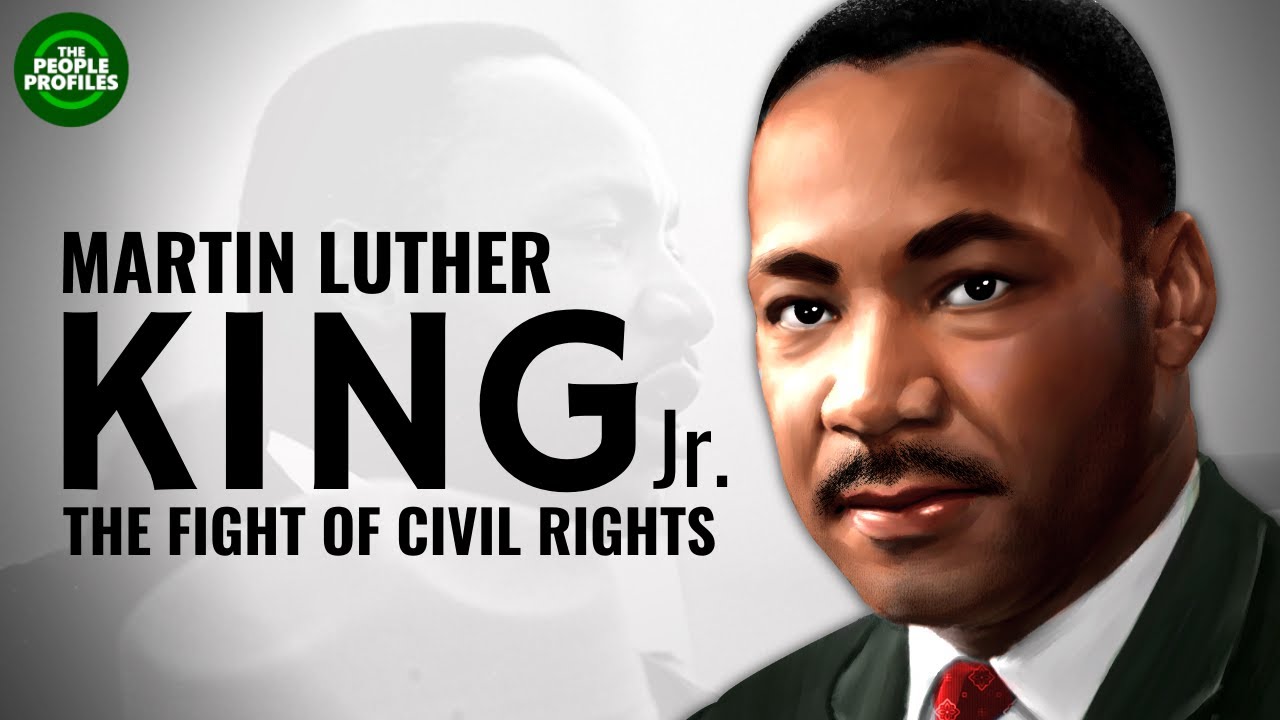
On August 28, 1963, Martin Luther King Jr. delivered his famous "I Have a Dream" speech to a crowd of 250,000 people at the National Mall in Washington, D.C.
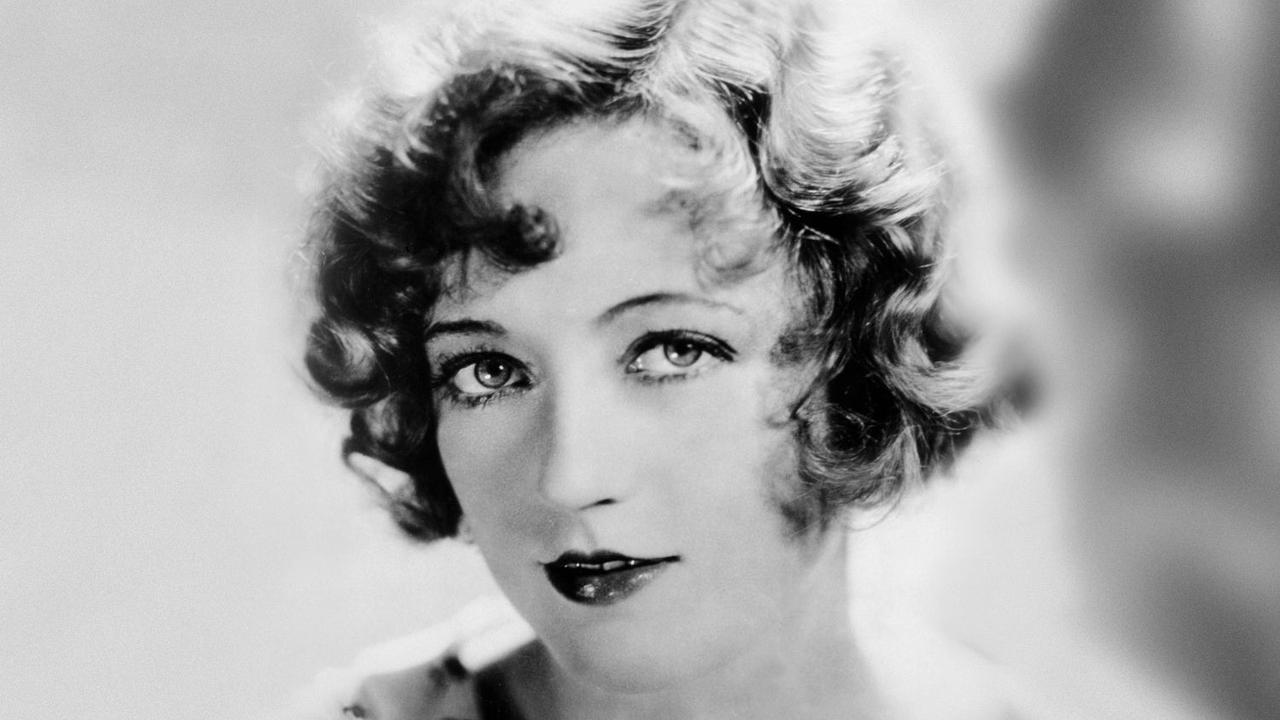
Marion Davies, a pioneering screwball comedienne in early Hollywood, is remembered through interviews and archival footage that detail her legacy and ties to William Randolph Hearst.
Edmund Kemper, a notorious serial killer, murdered six women in California and several family members, leaving a chilling mark on criminal history.
Lionel Messi's extraordinary career is explored, highlighting his record-breaking achievements and impact on the world of football.
Benito Mussolini's ascent as a journalist and leader of the National Fascist Party in Italy is examined alongside the violent collapse of his regime.
Ernest Shackleton was born on February 15, 1874, in Kilkea, County Kildare, before embarking on a career as a mariner and explorer.
Paula White, a prominent Christian televangelist and adviser to Donald Trump, discusses her role in the 2016 campaign and the Faith and Opportunity Initiative.
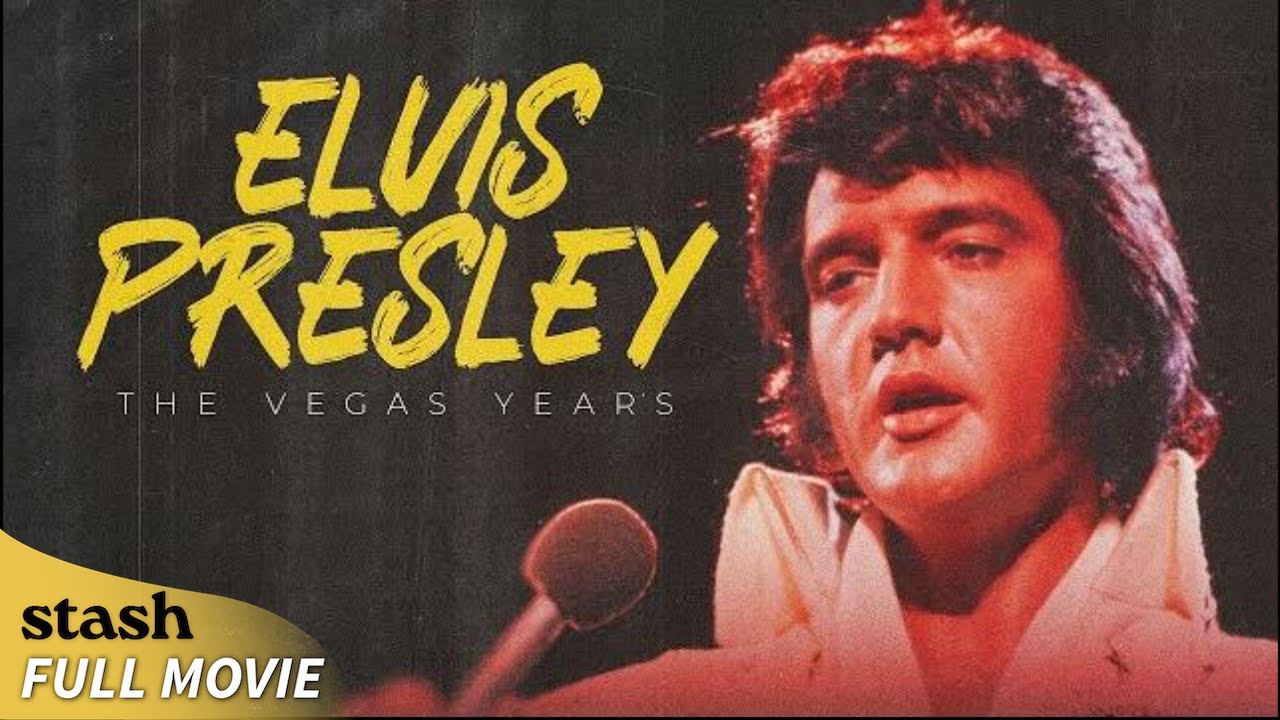
Elvis Presley’s years in Las Vegas highlight the complexities of his rise to fame, featuring insights from associates like Sonny West and Jerry Schilling.
Keith Rawlinson, a schoolmaster from Burnley, trains rigorously for three months to fulfill his dream of becoming a professional wrestler at London's Royal Albert Hall.
Director Rachel Stirling highlights the contrasting lives of Queen Elizabeth II and Princess Margaret.
Hitler's early life and rise to power are examined through extensive archival material, revealing the social context that shaped his ideology and actions.
Boris Belousov's groundbreaking chemical discovery, deemed impossible by the scientific community, challenges long-held beliefs about the universe's predictability.
Apollo 18 launches in 1973, but the mission ends in disaster when the spacecraft crash-lands in China, igniting a Cold War crisis.
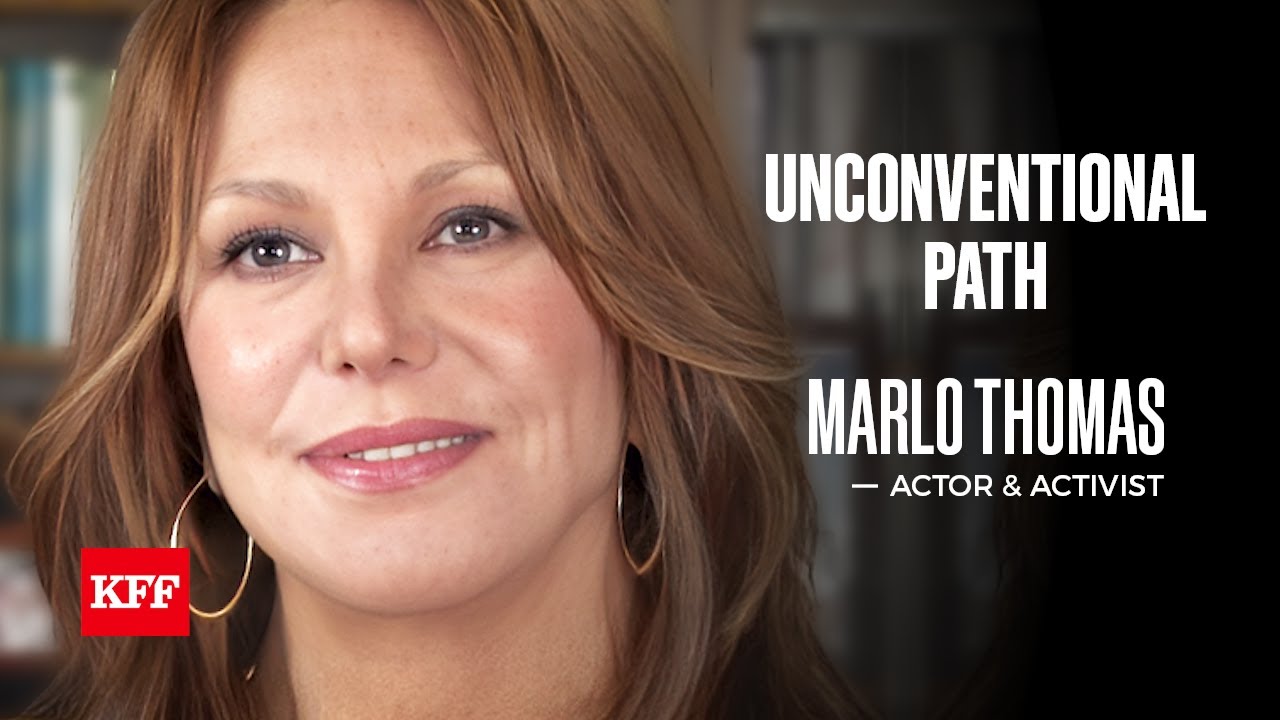
Marlo Thomas reflects on her career as an actress and advocate for women's independence, highlighting her role in challenging traditional gender roles and stereotypes.
John Quincy Adams was born on July 11, 1767, in Braintree, Massachusetts, into a prominent family that shaped early American history.
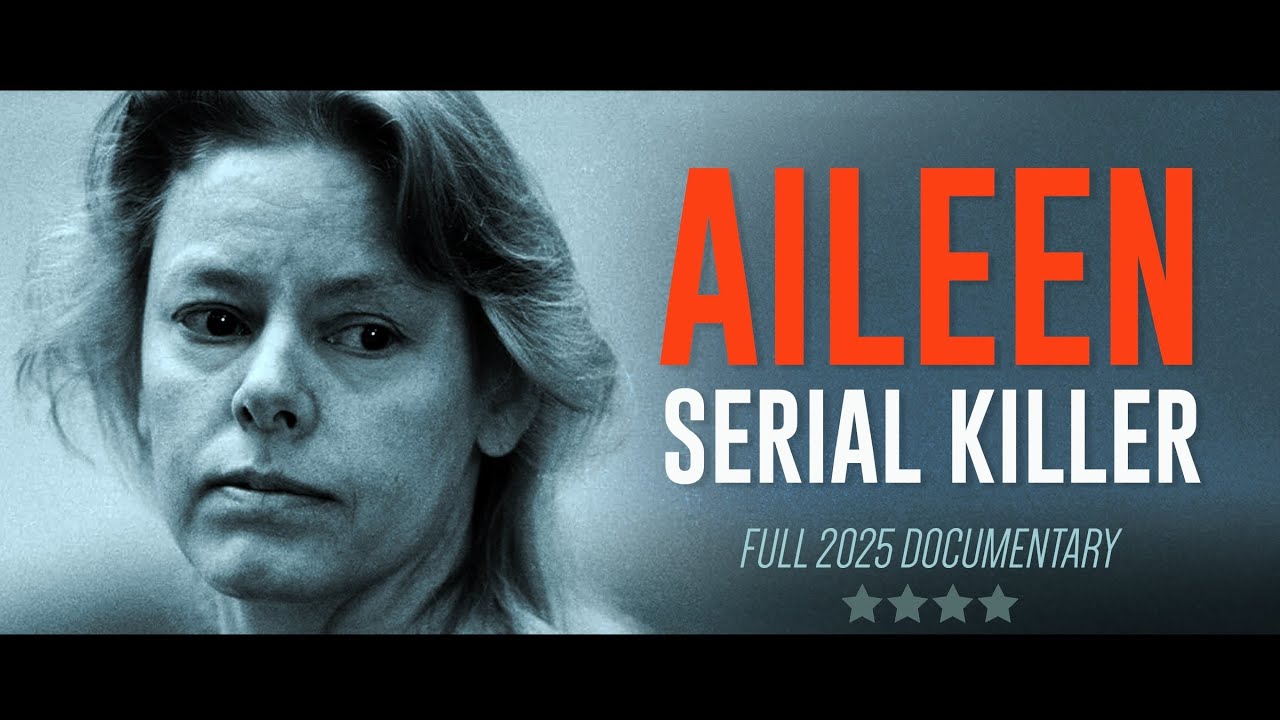
Aileen Wuornos, America's most infamous female serial killer, is reexamined in a documentary that challenges long-held narratives and reveals unsettling truths.
30 years after his exile, King Constantine of Greece reflects on his royal legacy while living in a North London suburb.
Freestyle motocross, an extreme sport that emerged in the late 20th century, is explored through its origins and evolution, featuring key figures and events in the sport's history.
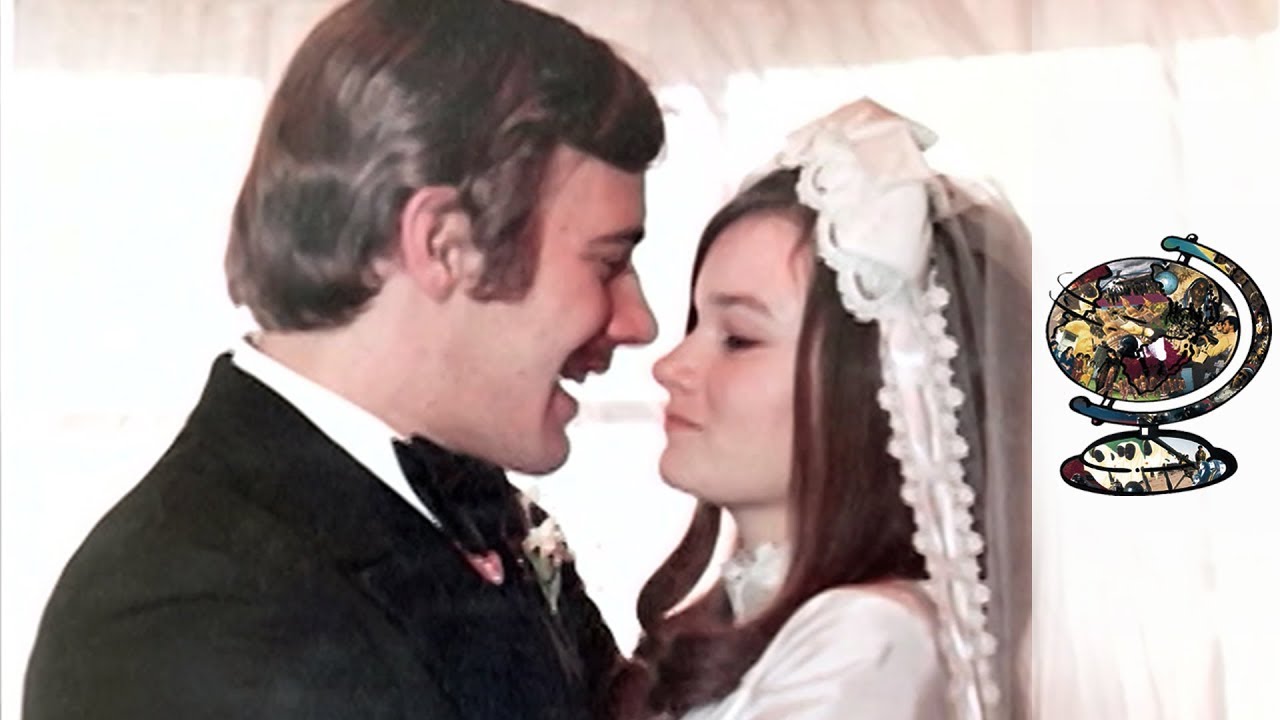
A woman discovers her husband has been living a secret life with another man after finding two coffee cups in their home.
At least 300,000 people were murdered during Idi Amin's brutal rule in Uganda, a legacy that shapes the lives of his son Jaffar and the son of a victim.