From over 100,000 films, discover the handful you'll love.
Free or premium access to the world's largest documentary library.
7099 films(Page 139 of 148)
Six acclaimed artists share pivotal personal experiences that significantly influenced their artistic development and shaped their creative expressions.
Six contemporary artists reflect on their complex relationships with their parents, revealing how these dynamics shape their creative expressions and identities.
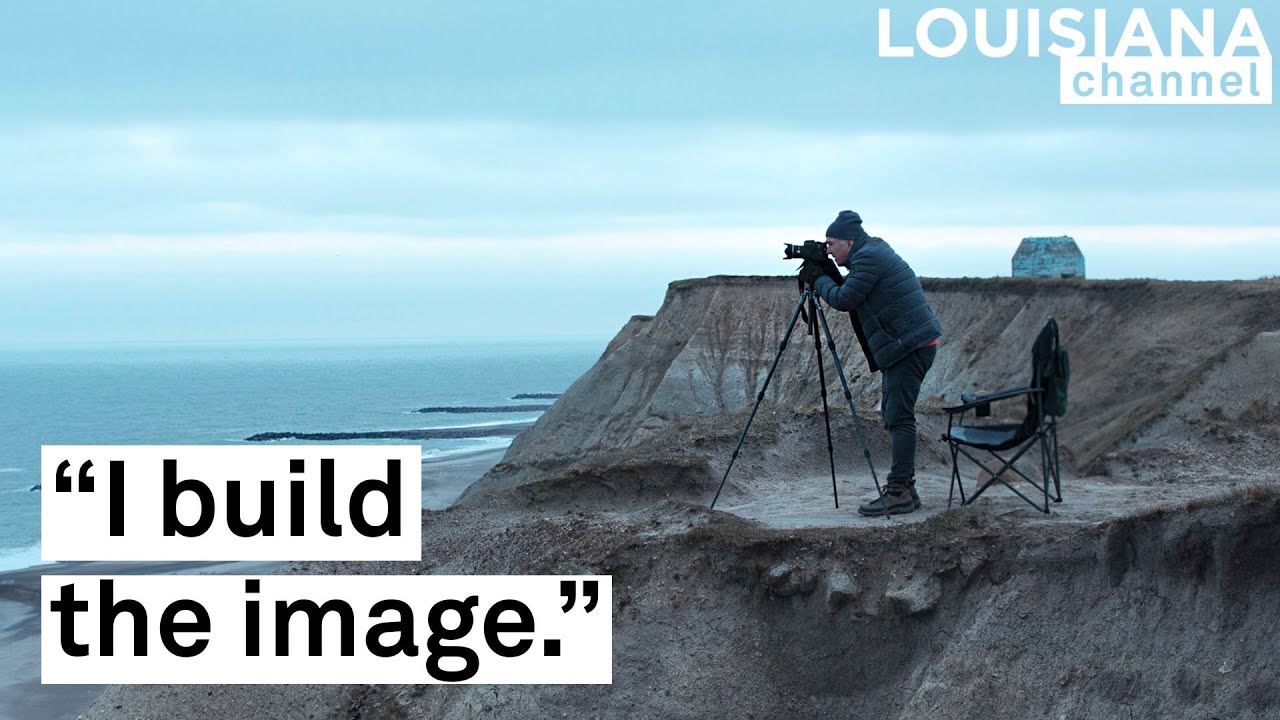
Henrik Saxgren, a prominent Danish photographer, reflects on his career and the transformative power of photography in revealing familiar subjects anew.
Joseph Mitchell, a writer for The New Yorker, reflects on his life and work, including stories about Anne Honeycutt and Joe Camel Lupo, as he begins an autobiographical narrative.
A special tribute in London honors Bill Hicks on the 15th anniversary of his death.
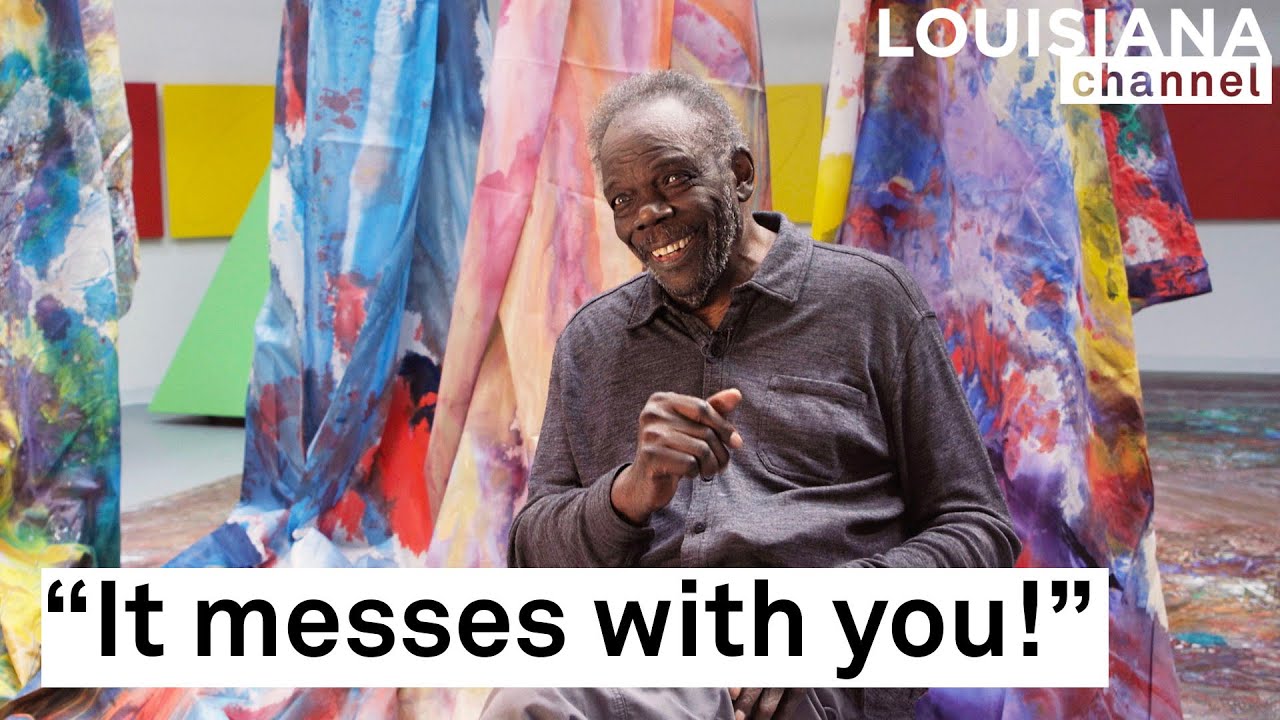
Sam Gilliam, the first African American artist to represent the U.S. at the Venice Biennale, explores the political dimensions of abstract art in his Washington D.C. studio.
Ethan Hawke discusses his acting career and creative process during a conversation at The New Yorker Festival, highlighting his experiences and insights.
In 1962, Mark Rylance moved to America, where his father taught at Cho school, providing a large campus for Rylance to play and develop his passion for acting.
Adania Shibli, a prominent Palestinian writer, reflects on her literary influences and the impact of her parents' experiences during the Nakba on her work.
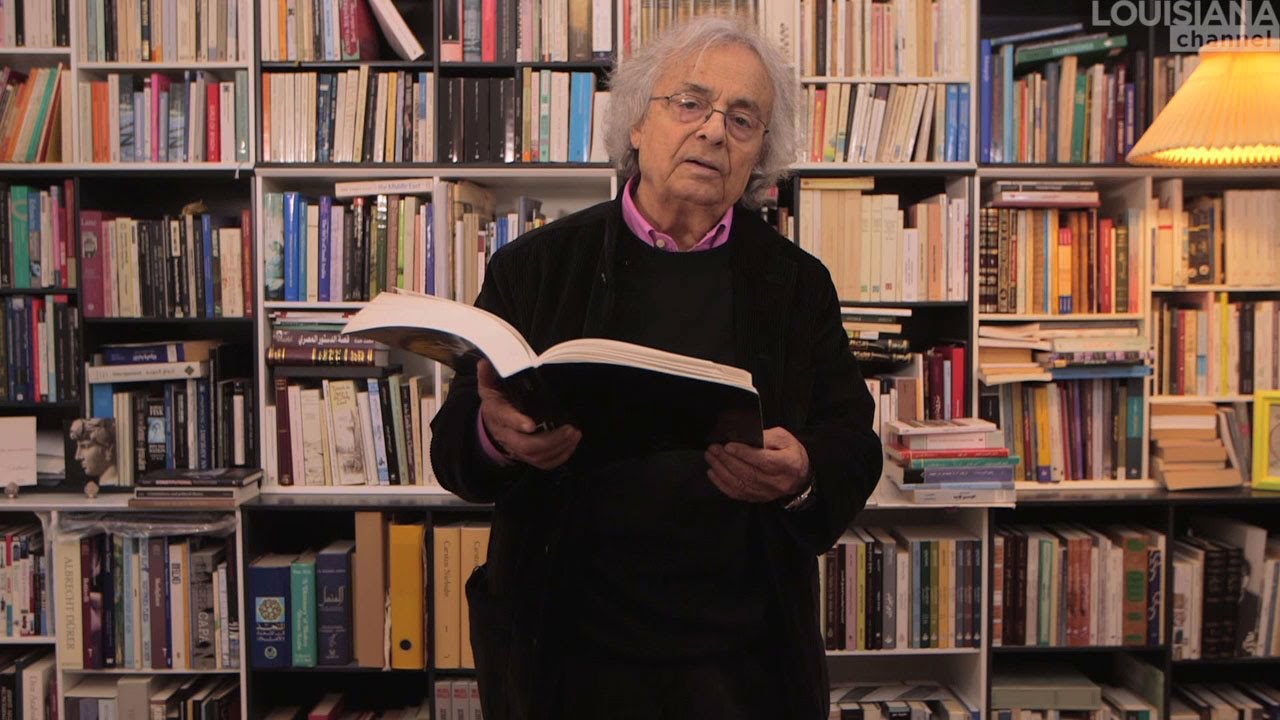
Ali Ahmad Said Esber, known as Adonis, is a Syrian poet who transformed Arabic poetry and became a leading figure in modern literature after facing imprisonment for his beliefs.
Adrian Paci, an Albanian video-artist, reflects on migration, cultural identity, and the impact of globalization through his innovative cinematic expressions.
Gerry Conlon shares his experience of wrongful imprisonment as a member of The Guildford Four, sentenced for an IRA bombing he did not commit.
At the admir Book Festival, AL Kennedy discusses her novel, the Blue Book, exploring complex relationships and her passion for magic and performance.
Alaa al-Aswany emphasizes the importance of literature in portraying human history and raising universal questions, transcending the confines of political narratives.
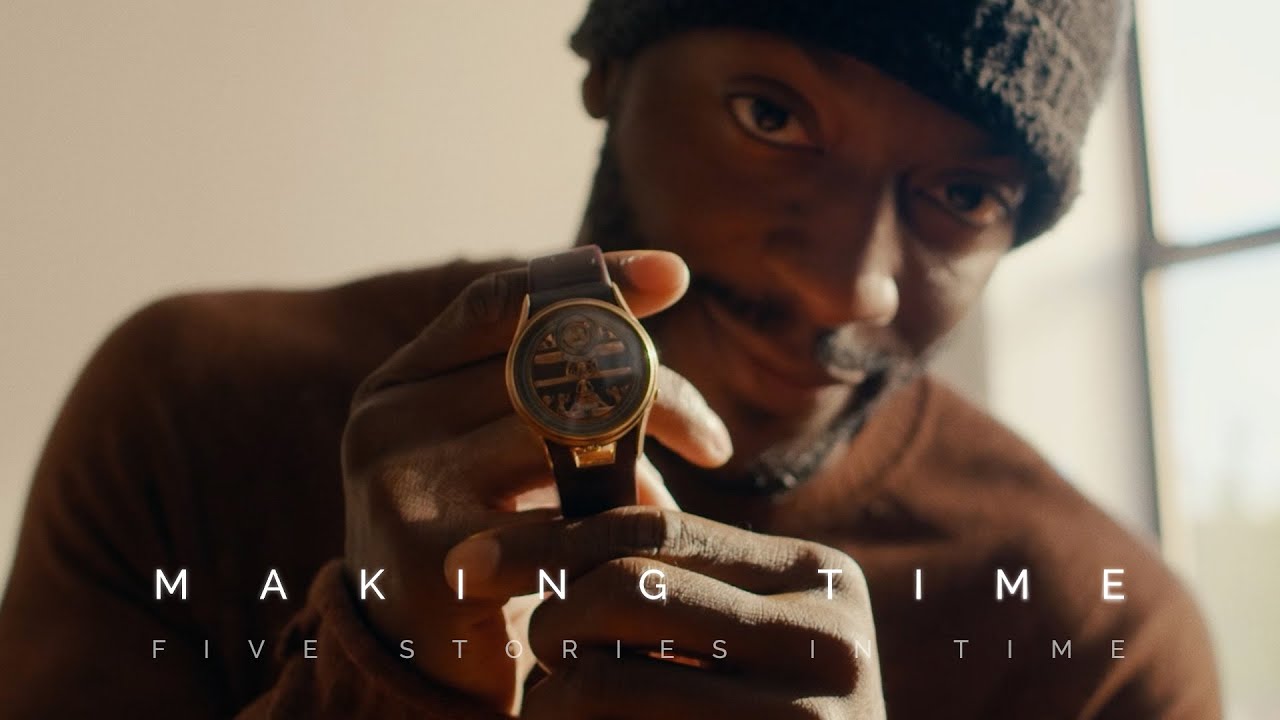
Aldis Hodge collaborates with five skilled artisans to create a unique watch for Black Adam, highlighting traditional watchmaking techniques.
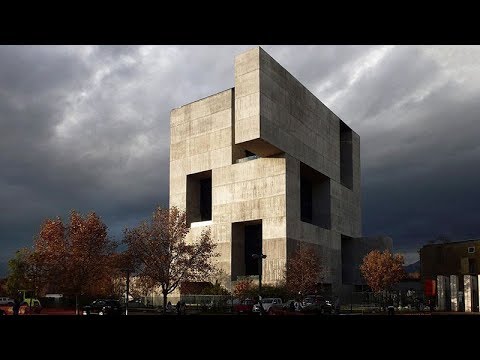
Alejandro Aravena, a Pritzker Prize-winning architect, emphasizes the importance of process and user collaboration in creating socially conscious architecture through his firm, Elemental.
Alicja Kwade, a Polish mixed-media artist, explores the concepts of time, space, and gravity through her thought-provoking sculptures in her Berlin studio.
Aline Kominsky-Crumb, a pioneering American cartoonist, discusses her autobiographical work, feminist themes, and the complexities of personal expression in comics.
Stanisław Zalewski shares his experiences in Nazi camps like Auschwitz-Birkenau and Mauthausen.
Former First Lady Laura Bush discusses her experiences and initiatives during her time in the White House at the National Archives in Washington, DC, on June 23, 2011.
Congressman John Lewis discusses his civil rights activism in a moderated event by NPR's Scott Simon at the National Archives in Washington, DC.
Wahid asserts his confidence in a March 2001 interview, stating he will never step down.
Jamal Khashoggi discusses Saudi Arabian reforms in a 2004 interview, fourteen years before his death.
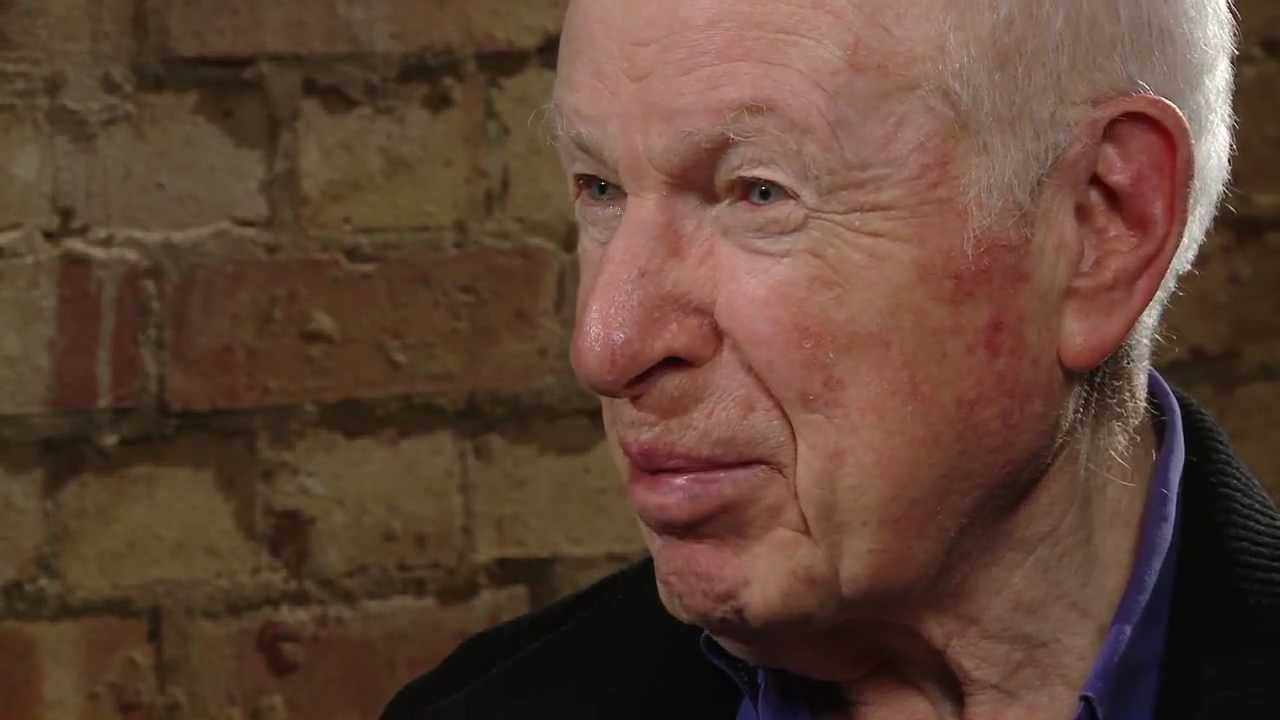
Peter Brook reflects on his career and the creation of 'The Suit,' a play based on Can Themba's story that addresses apartheid South Africa's complexities.
Charlie Roberts argues that painting thrives in the digital age, emphasizing its ability to capture energy and meaning beyond mere visual representation.
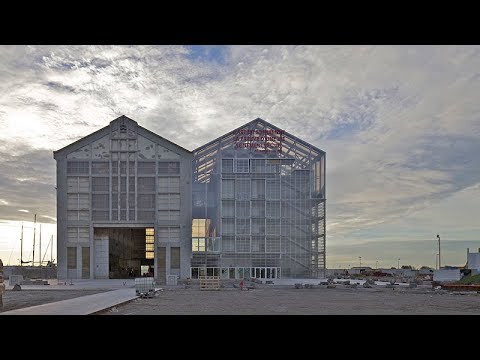
Award-winning architect Anne Lacaton emphasizes the importance of reusing existing architecture to create generous, sustainable spaces that honor history and community.
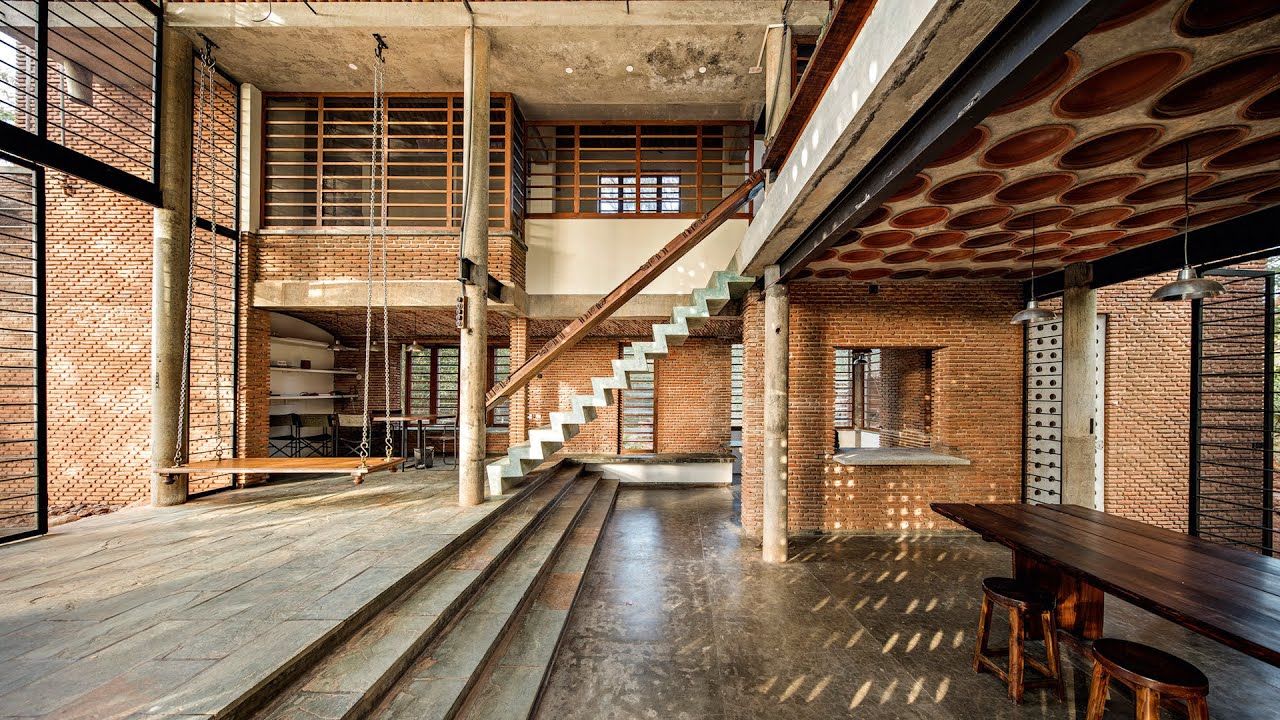
Anupama Kundoo, an acclaimed Indian architect, emphasizes the importance of time as a resource and advocates for sustainable architecture that serves humanity.
Andrés Jaque, a leading figure in contemporary architecture, advocates for a politically engaged practice that addresses complex societal challenges through design.
Mexican architect Gabriela Carrillo transforms public spaces through her collaborative work with Colectivo C733, emphasizing community involvement and social equity.
Hiroshi Sambuichi, a pioneering Japanese architect, emphasizes sustainable design by harmonizing buildings with nature's elements, creating site-specific structures that enhance their surroundings.
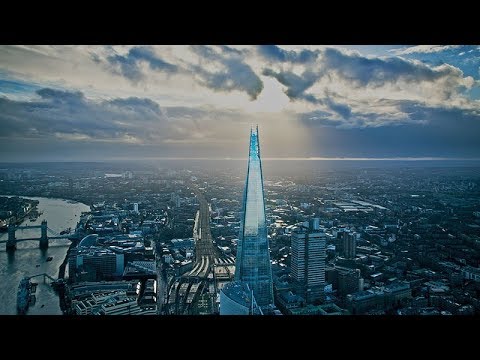
Architect Liz Diller discusses the transformative impact of The High Line park in New York City, highlighting its unique blend of urban nature and public space.
Liz Diller, a pioneering architect and co-founder of Diller Scofidio + Renfro, emphasizes the importance of interdisciplinary collaboration in her transformative urban projects.
Philip Beesley, a pioneering architect, redefines design through an innovative approach that emphasizes openness, fragility, and the interconnectedness of life.
Rafael Moneo, a Pritzker Prize-winning architect, shares insights on his life, work, and the profound connection between buildings and human society.
Reinier De Graaf, a prominent architect and urbanist, critiques the current state of architecture, emphasizing the need for practitioners over storytellers in the field.
Renzo Piano, the acclaimed Italian architect, shares insights on creativity, the importance of travel, and the civic responsibility of architecture in shaping communities.
Riken Yamamoto emphasizes the importance of architecture in fostering community relationships, advocating for designs that integrate human connection in urban environments.
Shelley McNamara, a Pritzker-Prize-winning architect, emphasizes the importance of optimism and humanism in architecture amidst contemporary global challenges.
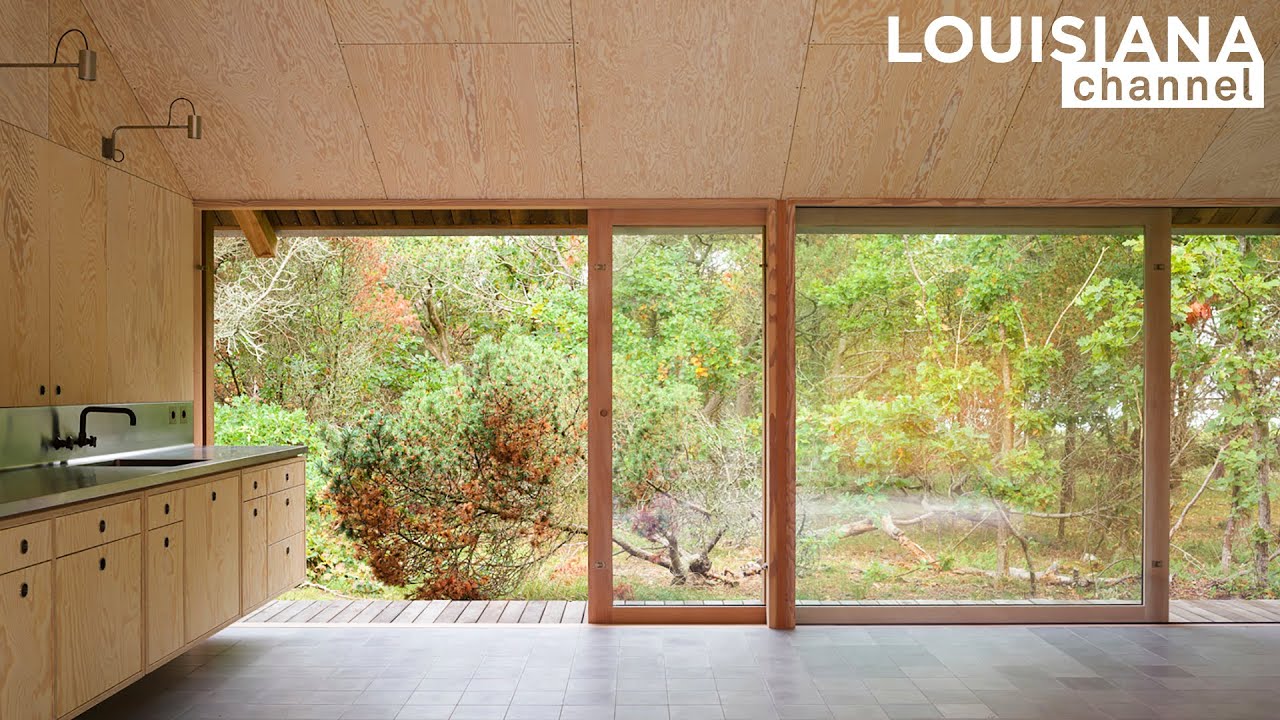
Søren Pihlmann, a rising star in architecture, advocates for utilizing existing materials and structures to create honest, resource-efficient designs that reflect societal needs.
Zhu Pei, a prominent Chinese architect, emphasizes the artistic nature of architecture and its potential to transform societal living conditions through innovative design.
Yasmeen Lari, Pakistan's first female architect, has transformed the lives of marginalized communities through sustainable design, earning the 2023 RIBA Royal Gold Medal for her humanitarian efforts.
Claudiu Ionescu redefines contemporary design through innovative architectural practices.
Michael Cera and David Cross discuss the return of Arrested Development in London.
Agnes Questionmark, an interdisciplinary artist, explores the complexities of identity and biopolitics through her innovative performances and installations.
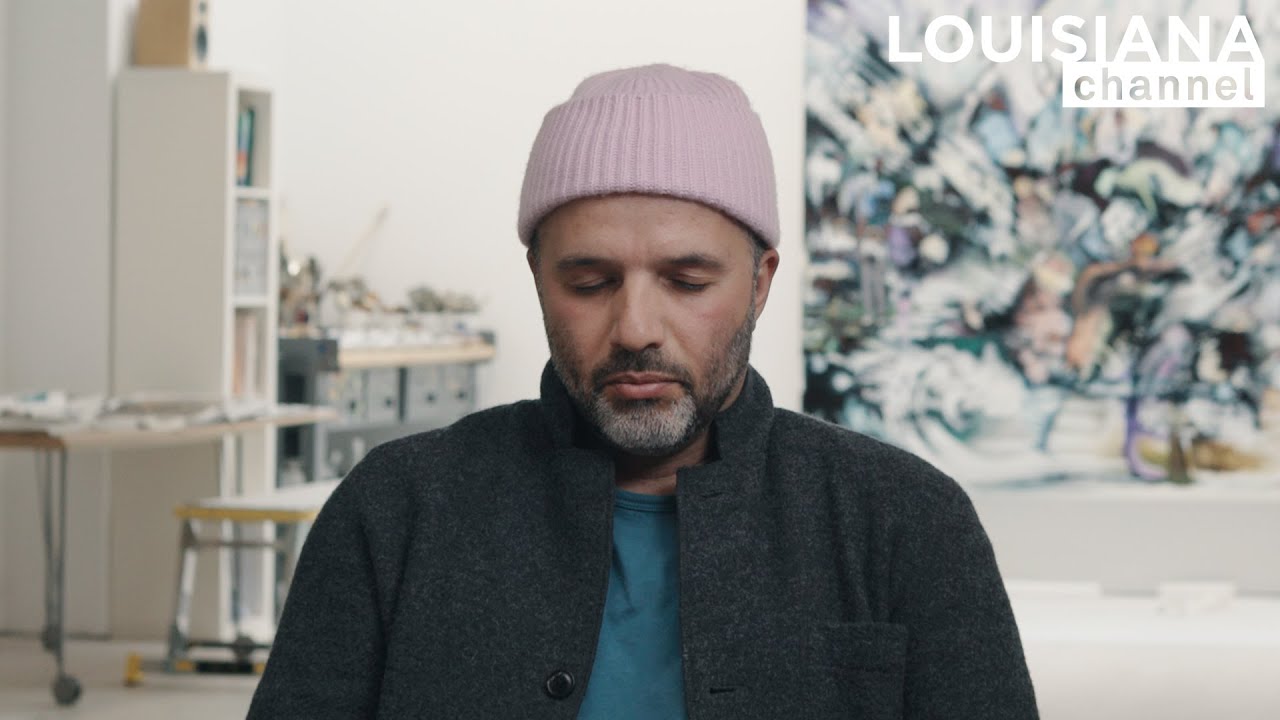
Ali Banisadr, an Iranian-American painter, creates expansive works that intertwine personal narratives with historical references, reflecting on art's role amidst chaos.
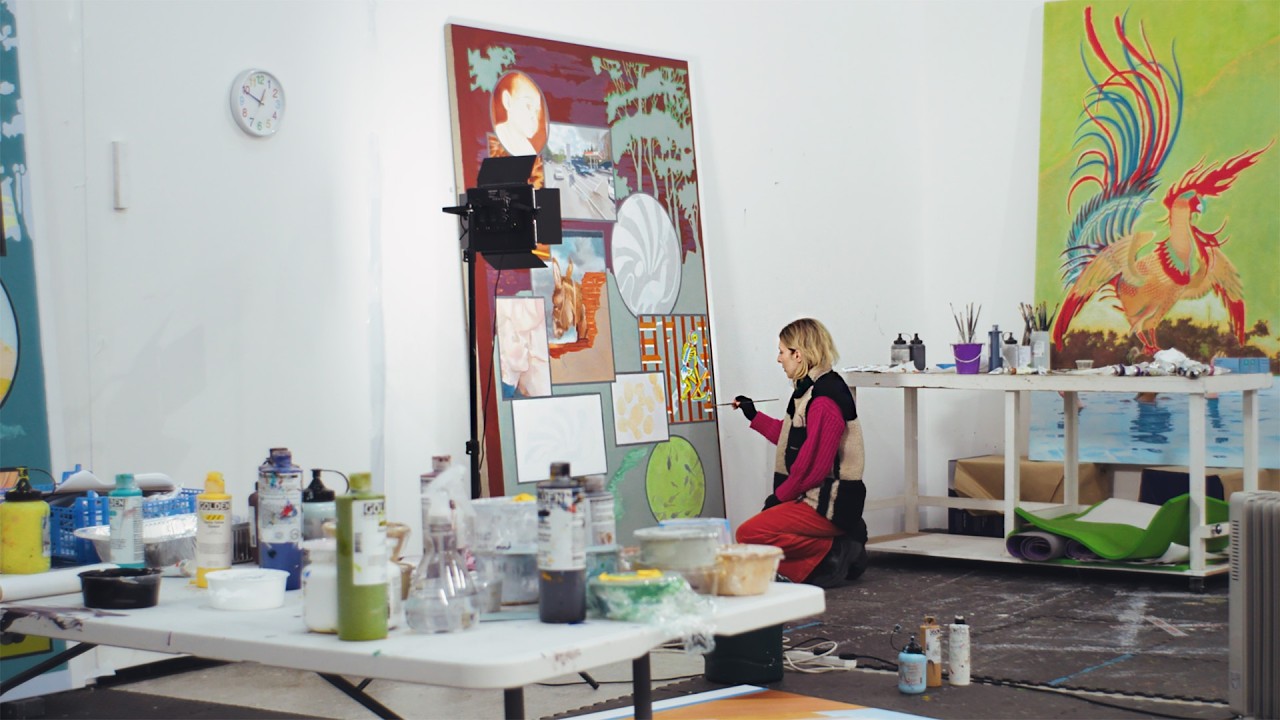
Canadian painter Allison Katz explores the interplay of time and material in her London studio, creating a dynamic dialogue between the real and the imaginary.
Alvaro Barrington, a multidisciplinary artist raised between the Caribbean and New York, reflects on his cultural roots and the profound impact of music on his work.
Artist Amy O'Neill emphasizes the importance of play in her creative process, blending mediums like film and drawing to engage viewers in her installations.