From over 100,000 films, discover the handful you'll love.
Free or premium access to the world's largest documentary library.
493 films(Page 3 of 11)
Australia's Great Barrier Reef and Ningaloo Reef are explored through vibrant coral ecosystems and diverse marine life, guided by underwater specialist Paul Waghorn.
On August 31, 1940, 39 British fighter planes were shot down, marking the deadliest day of the Battle of Britain.
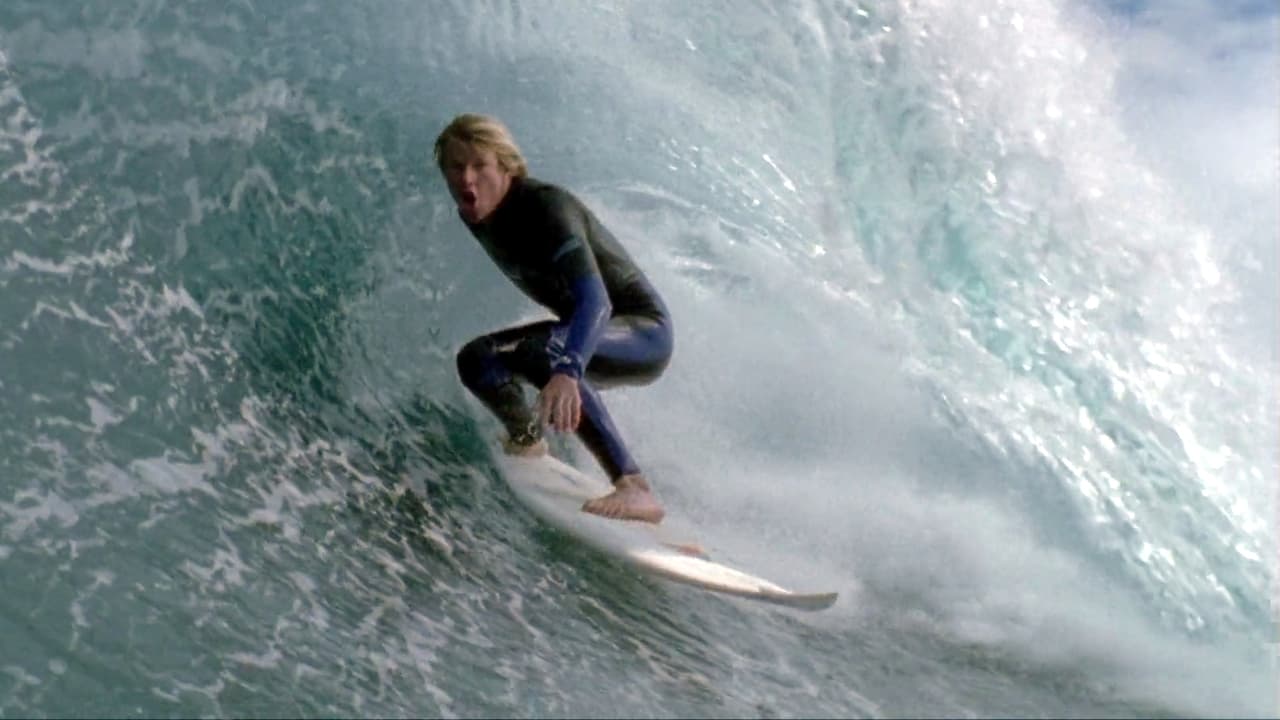
At the Banzai Pipeline in Hawaii, renowned surfers like Laird Hamilton and Kelly Slater navigate some of the world's most challenging waves and iconic surf spots.
Jacques Cousteau's documentary helped raise the manatee population in Florida to around 5,000 by inspiring efforts to protect these animals from human threats.
The Coordination Centre for the Study and Protection of Marine Species in Luarca houses the world's largest collection of giant squid, totaling 19 specimens.
A hectare of Neptune grass meadows in Corsica supports a diverse range of marine life, including the world's largest shellfish, the noble pen shell.
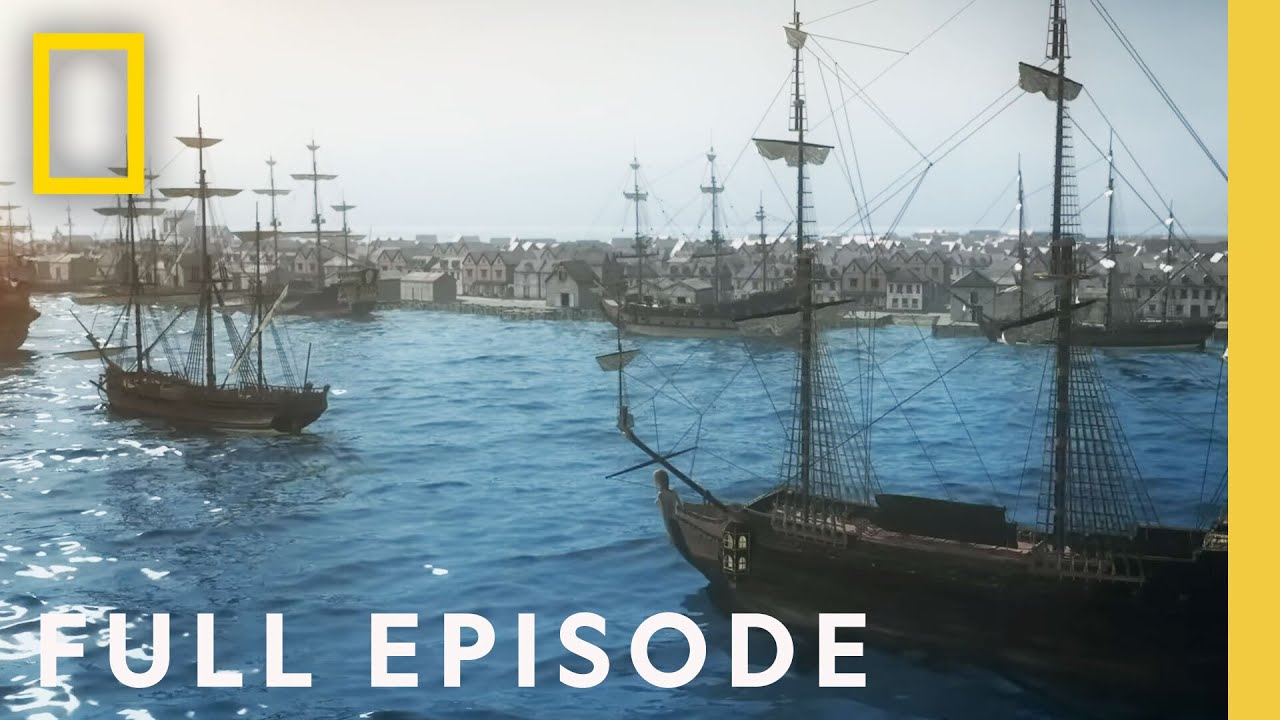
Technological advances during the American Civil War fueled an arms race on the seas and rivers, revealing the ships that significantly influenced America's maritime history.
The Atlantic's warm currents create a unique climate along the coasts of Spain and Portugal, supporting diverse wildlife from sperm whales to the Iberian Lynx.
Mauro, a young sailor from Flores, navigates winter storms between the Azores islands while Nilton shares the views from Mount Pico's summit.
Ancient shipwrecks and artifacts from the Black Sea are explored by leading underwater archaeologists, revealing insights into the region's historical significance.
Explorer Dr.
Blue sharks migrate annually to seamounts in the Mid-Atlantic Ridge, where nutrient-rich waters create fertile feeding grounds for various marine species.
In the depths of the ocean, Blue Planet II showcases a variety of marine life, including bioluminescent fish and the venomous Portuguese Man O' War.
On June 7, 1692, a massive earthquake destroyed two-thirds of Port Royal, sending the city to the ocean floor in just two minutes.
The search for alien life focuses on water sources in the solar system, especially Europa.
The Titan submersible tragically imploded during an expedition to the Titanic wreckage, leading to a frantic international search and rescue mission.
Two thousand islands make up Micronesia, where the ocean is the primary link to the outside world for its diverse cultures and communities.
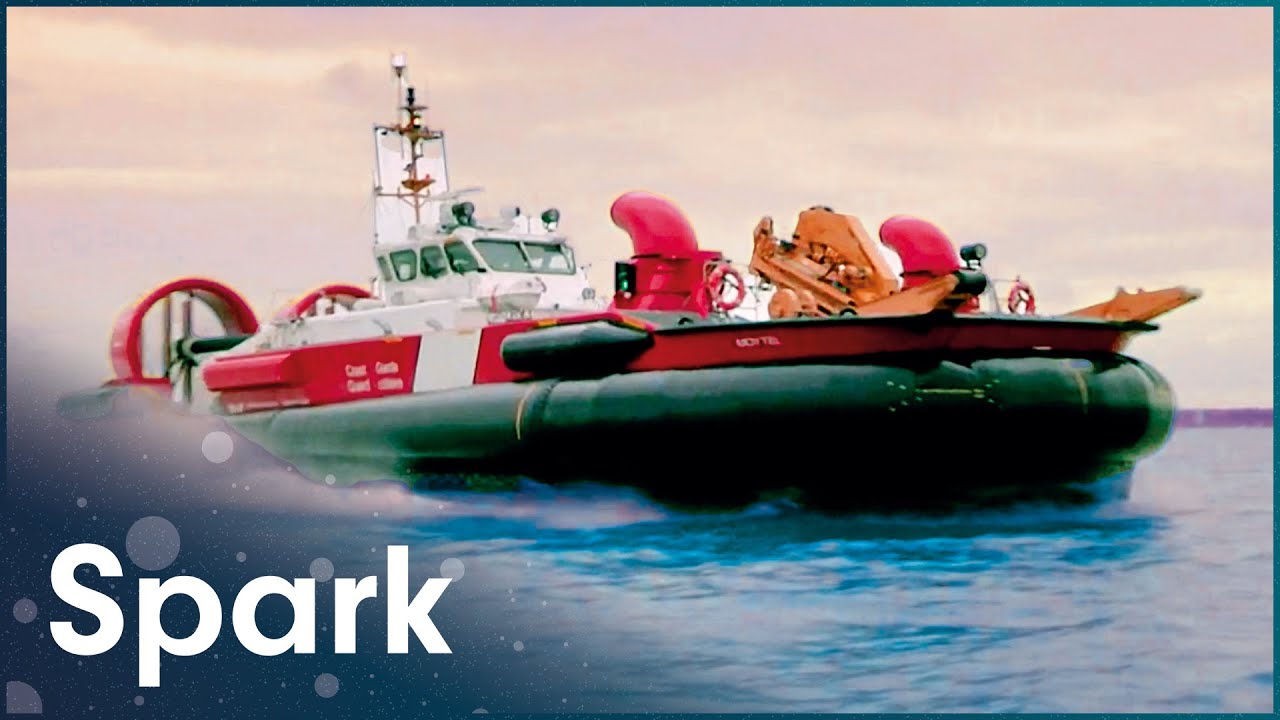
A team of marine engineers attempts to move a 1,400-ton submarine over 1,000 kilometers across Canada while racing against time and harsh weather.
In Dry Tortugas National Park, scientists conduct a comprehensive fish census while exploring the health of bottlenose dolphins and the importance of seagrasses and mangroves.
Over 4,000 miles of the Great Wall of China, built over 2,000 years ago, present significant engineering challenges and historical narratives.
In the Bahamas, Dr. Denise studies the communication and social behaviors of Atlantic Spotted Dolphins, documenting their interactions across multiple generations.
Gas giants Jupiter and Saturn, along with their moons and the potential existence of Planet Nine, are explored in the outer Solar System's icy realms.
On the remote shores of Sable Island, N.S., the world's largest breeding colony of grey seals gathers to give birth, nurse their pups, and mate.
On June 18, 2023, the Titan submersible tragically imploded during its descent to the Titanic wreck, resulting in the deaths of all five aboard.
A Great White shark swam 12,400 miles in search of a mate, outperforming other species in a competition to determine the ocean's top predator.
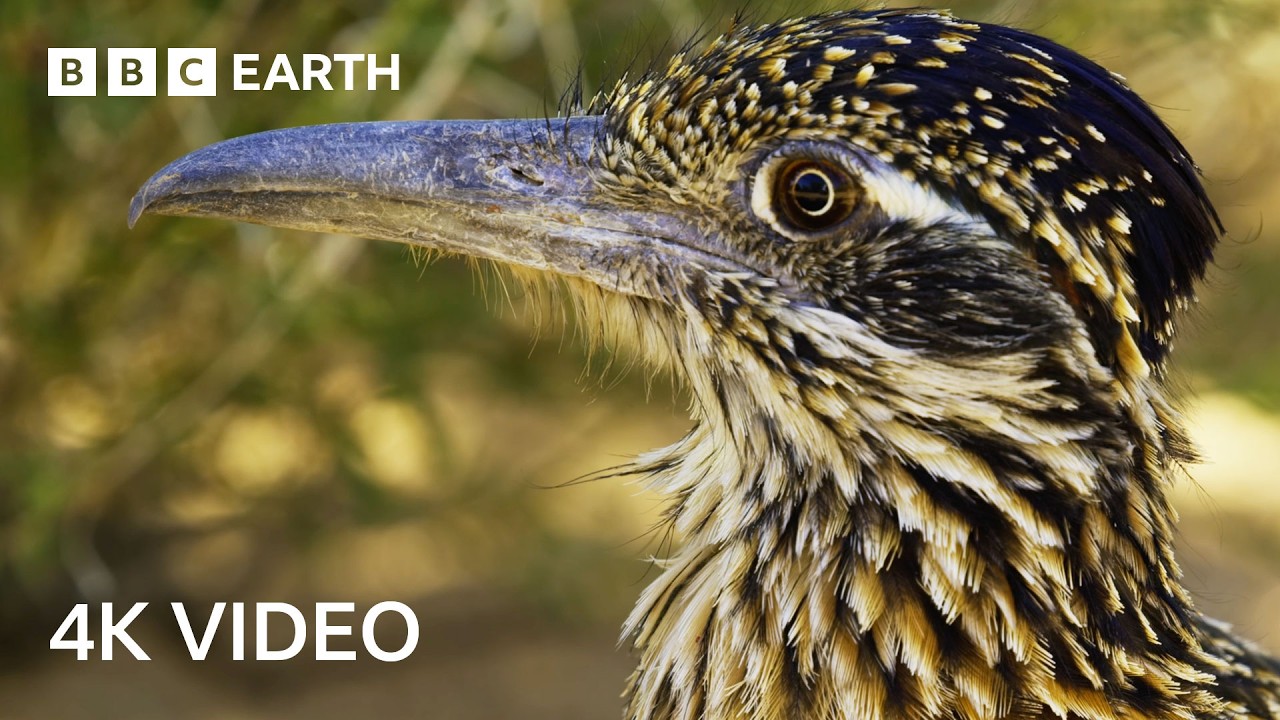
BBC Earth showcases a three-hour collection of 4K nature footage, featuring diverse landscapes from towering mountains to vibrant ocean depths.
On December 4, 1970, Bruce Gernon and his father encountered a strange cloud while flying from Andros Island in the Bahamas to Palm Beach, Florida.
In Fiji, local traditions are highlighted through Manasa Bulivou's offerings to the Shark Gods and Hannah Bennett's surfing at Cloudbreak, reflecting the culture's bond with the ocean.
Sharks are studied globally in this Sharkfest MEGA episode, focusing on their behavior near Hawaii's volcanoes, rising bull shark attacks in Australia, and a rare great white shark incident in Canada.
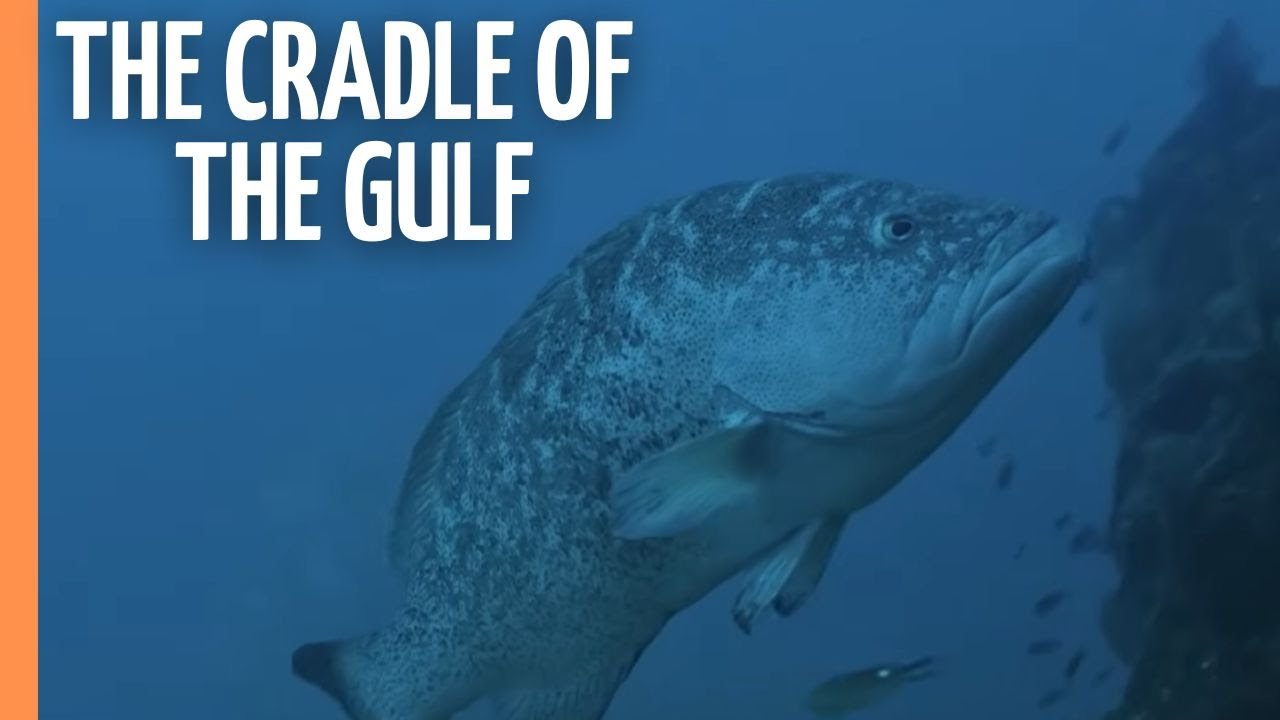
Jacques Cousteau calls this region the 'aquarium of the world' in northwest Mexico.
Up to half a million Olive Ridley sea turtles arrive at Ostional Beach in Costa Rica during the "arribada," a synchronized nesting event each September.
Giant manta rays in the Socorro Islands off Mexico's Pacific coast are studied by Dr. Robert Rubin, highlighting their interactions with divers and marine life.
Divers in New Zealand's Foveaux Strait dive up to 75 feet on a single breath to harvest sea urchins, a delicacy worth nearly half a billion dollars annually.
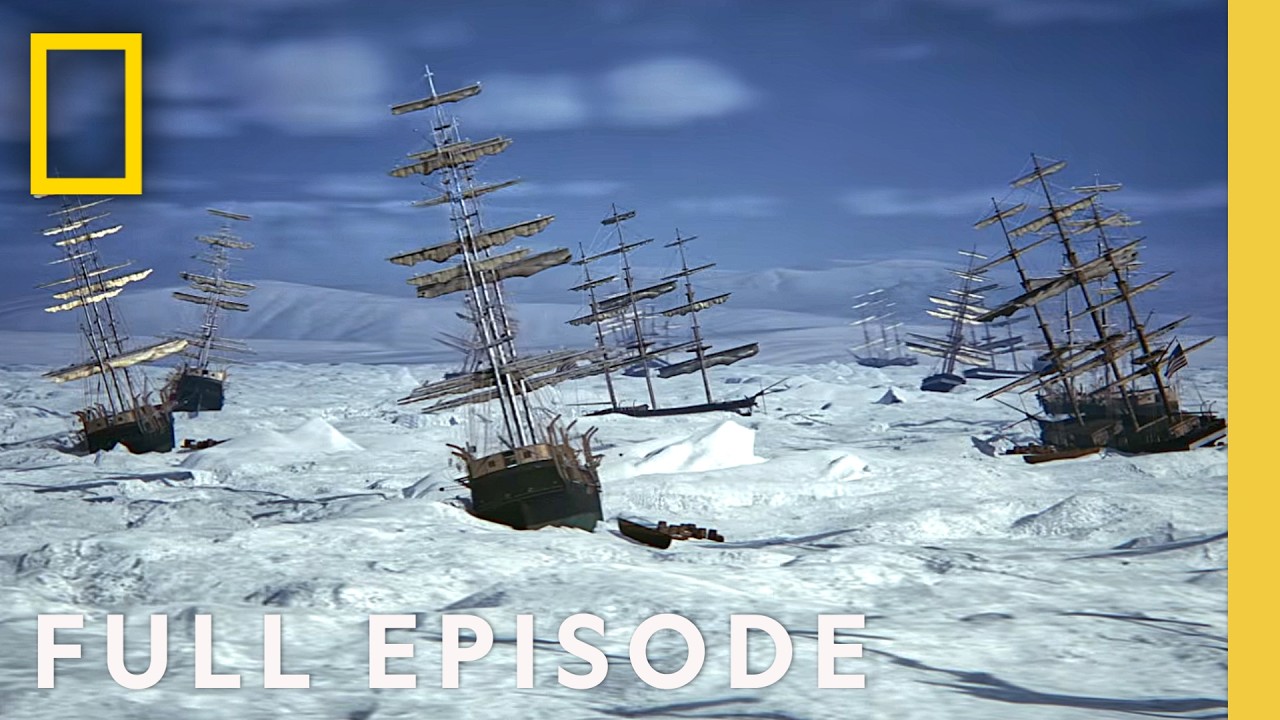
Titanosaur fossils, submerged Mayan caves, and a thirty-two-ship whaling disaster are explored by 's Drain the Oceans team using advanced technology.
Great white sharks have existed for over 500 million years and play a crucial role in maintaining the health of marine ecosystems.
Humpback whales, measuring up to 45 feet long, gather in the Caribbean each winter to mate and give birth, revealing critical aspects of their lives.
1,200 kilometers from Lisbon, the Azores experience fierce winter storms that reveal the raw power of the Atlantic Ocean.
Bowhead whales, which may live over 200 years, are studied by biologists using new research techniques alongside Alaskan Inupiat during a traditional hunt.
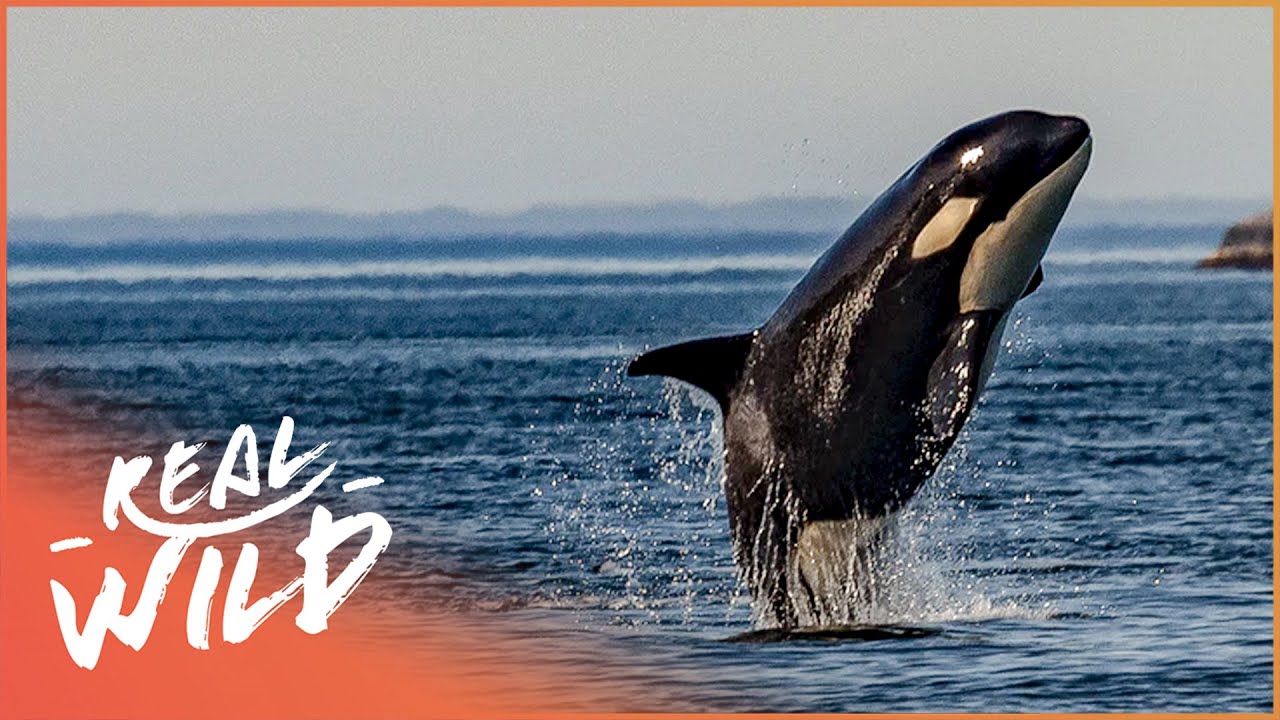
Killer whales along the Pacific coast of North America are facing severe threats from ocean pollution, as ongoing studies reveal alarming impacts on their health and survival.
Sumba is one of the last places on Earth where people build tombs in the form of dolmens, honoring their ancestors through ritual and ceremony.
Great white sharks, often portrayed as man-eaters by media, are examined for their misunderstood nature and the impact of human fear on their conservation.
Ancient Aliens ranks the top ten mysteries of the ocean, including sunken continents, enigmatic ruins, and potential artifacts from Atlantis.
Tiger sharks, known for their aggressive behavior, are responsible for a significant number of shark attacks in tropical waters worldwide.
Whale sharks, the largest fish in the sea, face declining populations due to poaching and tourism pressures, prompting scientists to employ advanced tracking technologies for conservation efforts.
The Hubble Space Telescope reveals discoveries about the Milky Way and Einstein's theories.
Fishing in Alaska presents extreme dangers, as local fishermen navigate treacherous waters while remaining committed to their perilous profession.
A sooty tern can spend the first four years of its life entirely on the wing, avoiding water to prevent drowning in the Pacific Ocean.
Sperm whales, dolphins, sea otters, and sea birds illustrate the intricate relationships and resilience of marine life, while coral reefs and the Komodo dragon highlight vital ecosystems.