From over 100,000 films, discover the handful you'll love.
Free or premium access to the world's largest documentary library.
493 films(Page 4 of 11)
Life couldn't survive without water, and creatures here are born to swim and thrive underwater.
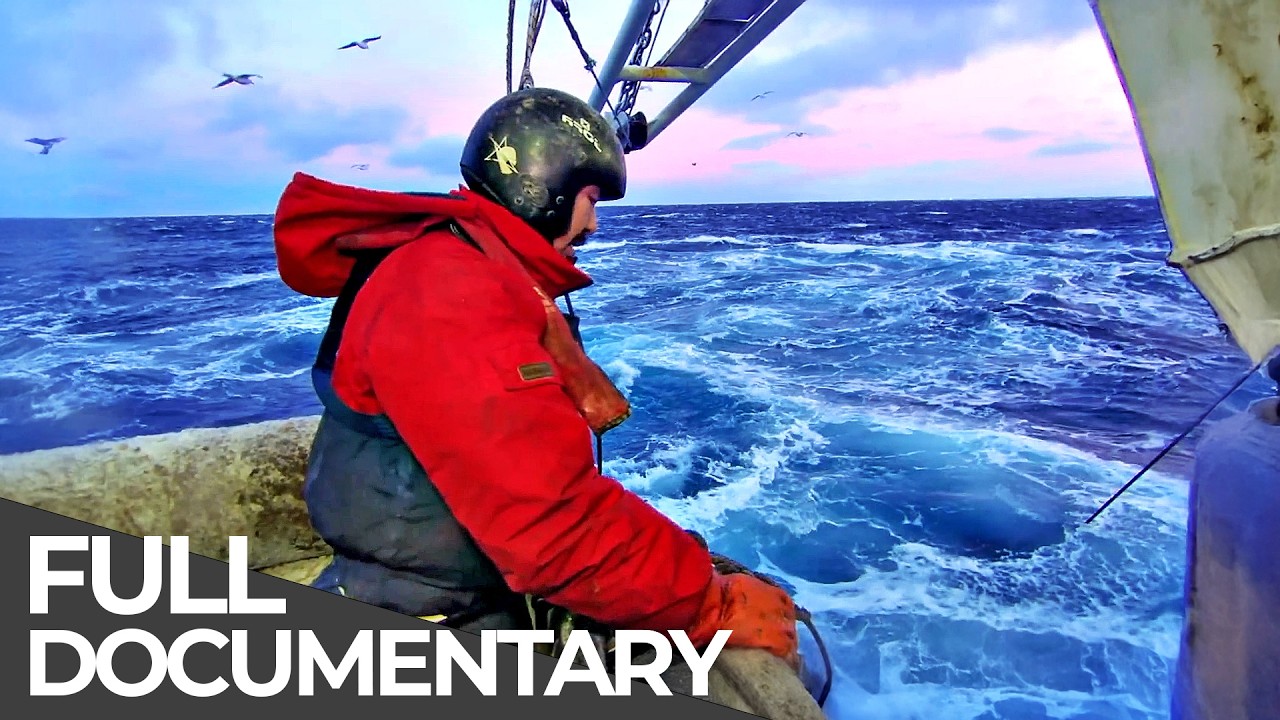
In the icy waters off Greenland, the Akamalik trawler and its crew navigate extreme conditions to sustain the nation's vital fishing industry.
The Humboldt Current, originating from Antarctic ice, flows along South America's Pacific coast, supporting diverse marine life including blue whales and penguins.
More than 100 years ago, H.G. Wells popularized the idea of extraterrestrial life with works like The War of the Worlds and A Trip to the Moon.
The trend of shark diving without protective cages raises significant safety concerns, culminating in the first recorded death in this extreme sport.
Andy Casagrande leads a unique Cinema Science expedition to film sharks in 2018.
Giant Nomura jellyfish are invading Japan's coastal waters, with rising sea temperatures leading to a population surge that threatens local fishing industries.
In four parallel stories from Asia, Greenland, Siberia, and the Gulf Stream, the vital role of oceans in climate regulation and their connection to human life is explored.
Shark finning remains a critical threat to various shark species in South Africa, fueled by the high demand for shark fin soup in Asian markets.
Baja Mexico's Sea of Cortez hosts diverse ecosystems and charismatic marine life, including sea lions, devil-rays, great white sharks, and giant mantas.
Southern Africa's coastline is shaped by the cold Benguela and warm Agulhas currents, creating a diverse marine environment that supports various species.
Laurent Ballesta swam with a school of basking sharks, each about 18 feet long, during a life-changing experience in the Mediterranean Sea.
Ramón Navarro's surf trip to the Kawésqar territory reveals the environmental impact of the salmon industry and the urgent need for conservation efforts.
Jacques Cousteau calls Baja California the 'aquarium of the world' for its rich marine life.
Fakarava Atoll, a UNESCO Biosphere Reserve, is home to diverse marine life, where Prof. Serge Plane studies coral reef communication to aid conservation efforts.
Since 2008, Enric Sala's Pristine Seas project has established 26 marine preserves, covering a combined area of 6.5 million square kilometers.
In the coastal waters of Sri Lanka, a unique population of pygmy blue whales thrives, alongside vibrant coral reefs and diverse marine life.
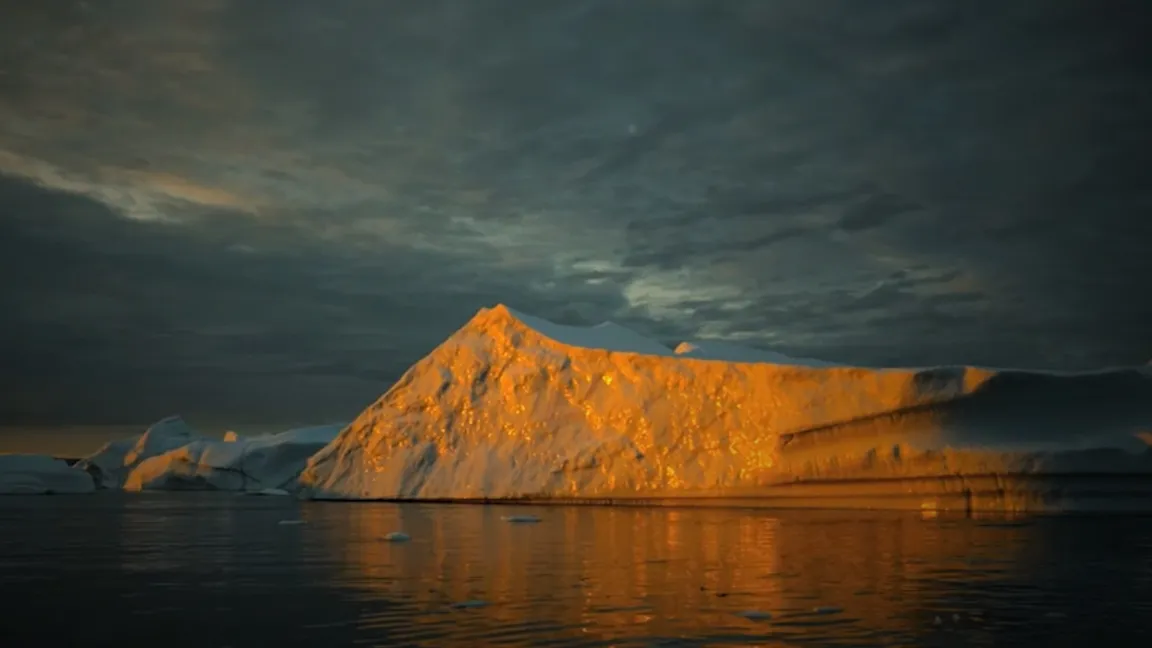
Four meters is the potential rise in sea levels if the West Antarctic ice sheet breaks up, threatening coastal communities worldwide.
Nobel Laureate John Mather and Nat Geo Explorer-in-Residence Robert Ballard discuss the role of technology in expanding the limits of the known universe.
Thousands of herring are driven to the surface by killer whales, creating a feeding frenzy that attracts seabirds and other marine life.
A 62-foot double-hulled canoe, the Hōkūleʻa, is used by Lehua Kamalu and her crew to navigate the Pacific Ocean without modern instruments.
Mark Synnott, a Explorer, attempts to retrace the ill-fated 1845 expedition of Sir John Franklin through the perilous Northwest Passage.
More than 10,000 hours spent underwater allowed photographer Brian Skerry to capture the beauty and complexity of marine life across three decades.
Giant manta rays in the Socorro Islands off Mexico's Pacific coast are studied for their remarkable interactions with divers, showcasing their unique behavior.
Cephalopods exhibit remarkable intelligence and adaptability in remote ocean environments, showcasing their unique behaviors through stunning underwater cinematography by Bertrand Loyer.
Frederic Buyle and Christian Petron explore marine ecosystems off the Mexican coast and Fakarava in Polynesia, focusing on great white sharks and reef sounds.
In Colombia, Honduras, Panama, and Brazil, Indigenous and Afro-descendant communities like the Garifunas, Kuna, Wayuu, and Jangadeiros shape their identities through their deep connections to the ocean.
In the Western Baltic Sea, divers from Baltic Sea Divers conduct a mission to safely remove unexploded WWII munitions, including a 300-kilo aerial bomb.
Wales' dramatic coastline features cockle collectors racing against tides, church congregations on island sermons, and serves as a Mars testing ground for ESA.
Shark populations have declined by over 90% globally due to overfishing, yet the Bahamas remains a sanctuary where killing sharks is illegal.
Potential microbial life may evolve in the oceans of distant planets, including those in our solar system, challenging our understanding of alien biochemistry.
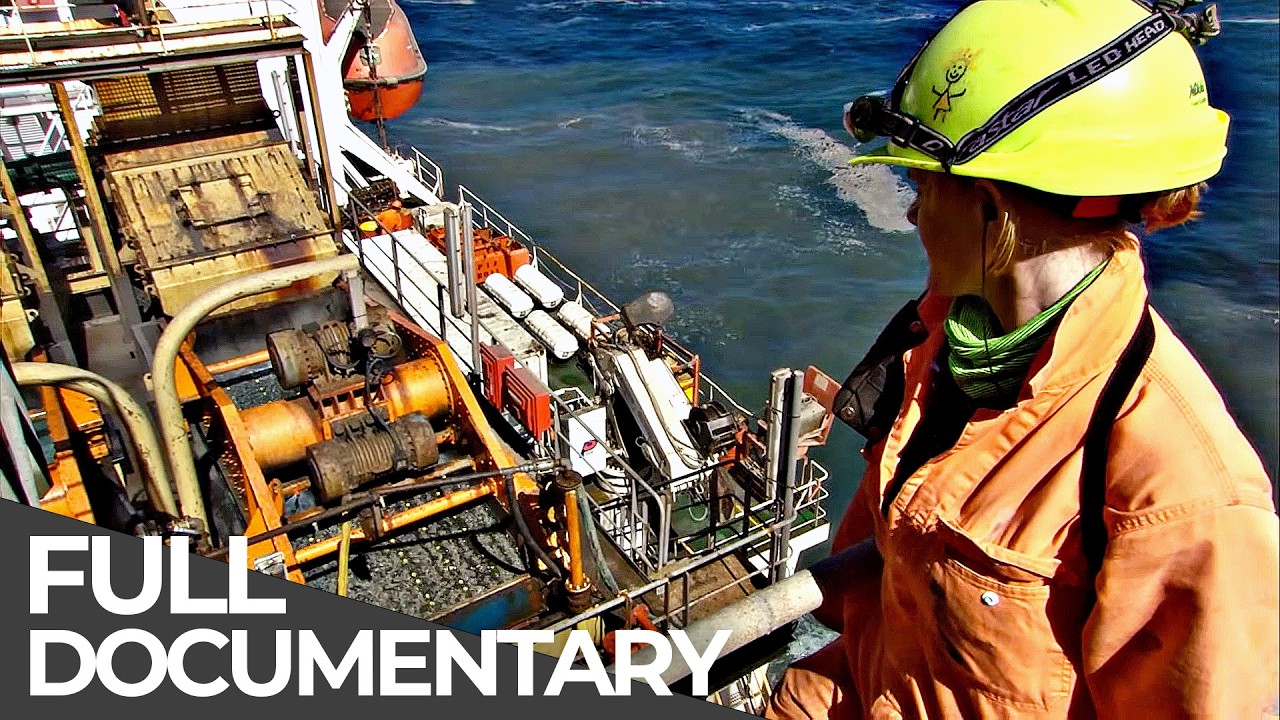
In southwestern Africa, the Dock Express 20 operates as a floating mining platform for De Beers, conducting underwater diamond mining in extreme conditions.
National Geographic celebrates its 135th anniversary with a behind-the-scenes look at the technology and people that drive its ocean research and artistic projects.
World-renowned polar explorer Børge Ousland recounts his experiences skiing to the North Pole and sailing around the Arctic Ocean.
The "Sentinel 6 Michael Freilich" satellite, launched by SpaceX from California, aims to enhance ocean observation and measure sea level rise.
Earth contains 330 million cubic miles of water, yet the origins of this vital resource remain one of science's greatest mysteries.
Marine venom from creatures like cone snails and jellyfish is being studied for its potential to treat human diseases and enhance medical therapies.
Along Africa’s eastern coast, billions of sardines migrate annually, prompting a massive feeding frenzy involving dolphins, sharks, gannets, and seals.
In the Cayman Islands, the invasive red lionfish disrupts coral reef ecosystems, prompting a team aboard the Sedna IV to address urgent conservation challenges.
Manny explores the Atlantic Ocean to study the behavior and ecological significance of its most dangerous shark species.
In Sulawesi, Indonesia, the film highlights the Toraja's elaborate funeral rituals and the Bajau people's unique lifestyle on houseboats, alongside vibrant coral reefs.
In the Azores and Cocos Island, the Sedna 4 team installs satellites on endangered hammerhead sharks, while studying humpback whales in Silver Bank, Dominican Republic.
CCGS Amundsen, Henry Larsen, MS Fram, and G.O. Sars navigate the Arctic Ocean, conducting vital research and resupplying remote communities in extreme conditions.
Humpback whales and other migratory species in the Atlantic Ocean face threats, while conservation efforts in the Azores and Anuta highlight biodiversity and traditional livelihoods.
A team of free divers, including world champion Frederic Buyle, approaches great white sharks in their natural habitat without diving tanks or safety cages.
Whale sharks, the largest fish in the world, can grow up to 13 meters long and visit the Gulf of California every summer to feed on plankton.
In 2014, a storm caused 100 percent mortality of harp seal pups in the Arctic, illustrating the severe impact of climate change on marine life.
Over 100 reef sharks participate in a feeding frenzy in the Bahamas, illustrating the thrill and danger of extreme shark encounters.