From over 100,000 films, discover the handful you'll love.
Free or premium access to the world's largest documentary library.
493 films(Page 9 of 11)
Researchers detect a massive creature in the Atlantic Ocean, possibly a living megalodon.
Michael Lombardi's portable underwater habitat enables scientists to conduct extended research on marine environments, advancing underwater exploration technology.
A group of residents in southern Romania claimed a deceased man returned from the dead, prompting ancient anti-vampire rituals on his corpse.
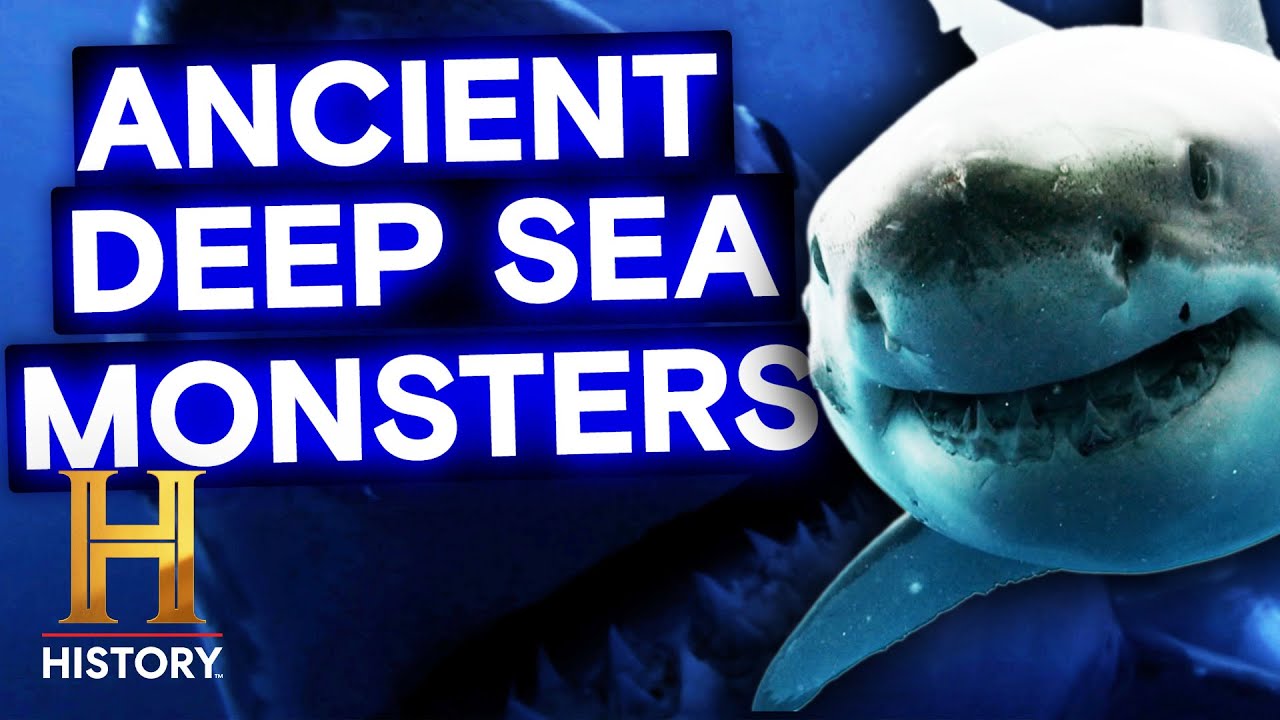
A massive great white shark, measuring over 18 feet long, attacks a life-sized whale decoy during a chaotic feeding frenzy off the coast of South Africa.
A 20-foot great white shark named Deep Blue has given birth to 100 pups and reemerged in 2015 during a Shark Week research trip.
In the Bermuda Triangle, Mark and his team search for remains from the Snowy Grouper wreck while navigating the region's notorious murky waters.
A shark attack survivor from Kauai, Hawaii, shares how the ocean has shaped his life and led to innovations in underwater agriculture.
Two canoes are built by Joseph and Alexandre using traditional techniques passed down through generations in New Caledonia.
Ocean School is a free online learning experience launched by Dalhousie University and the National Film Board of Canada to enhance ocean literacy among young people.
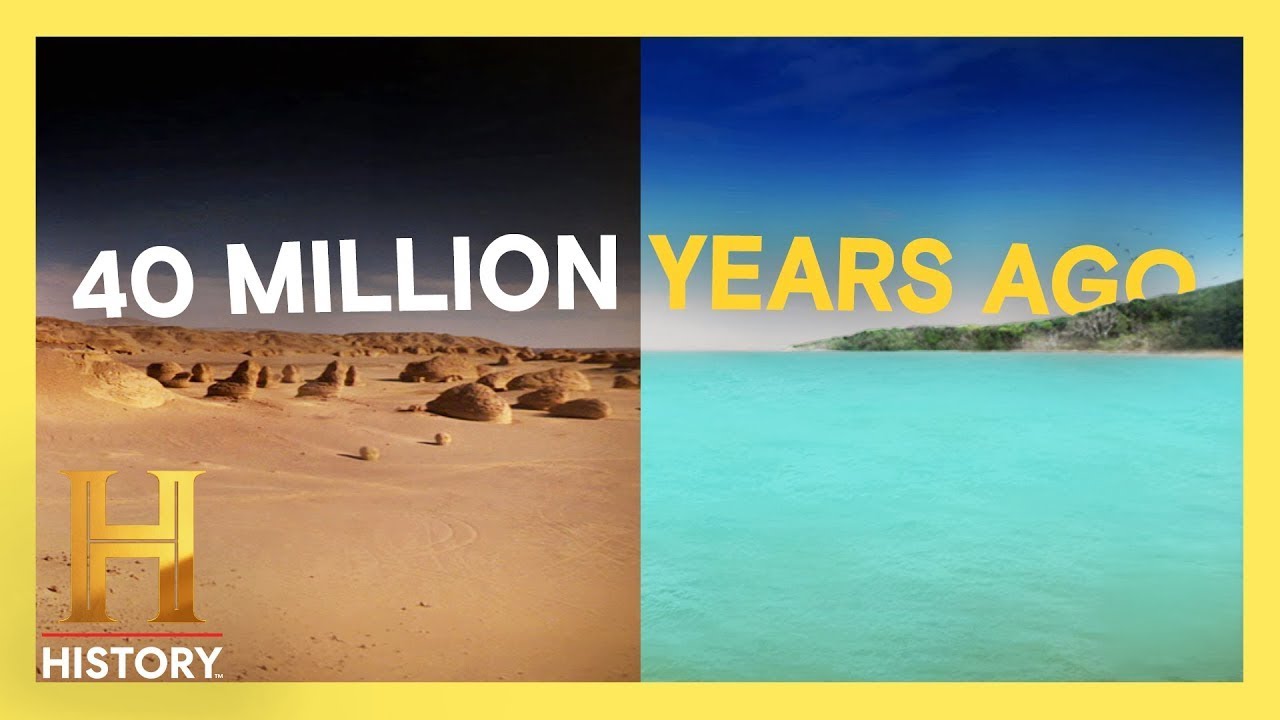
Ten million years ago, the Mediterranean Sea basin transformed from a desert valley into a vast body of water following the collapse of the rock dike in the Strait of Gibraltar.
Ten million years ago, the Mediterranean Sea basin was a desert valley that transformed dramatically when the Strait of Gibraltar collapsed, allowing the Atlantic Ocean to flood the region.
Ten million years ago, the Mediterranean Sea basin was a desert valley until the collapse of the rock dike in the Strait of Gibraltar transformed it into a vibrant sea.
Ten million years ago, the Mediterranean Sea basin transformed from a desert valley into a thriving marine environment following the collapse of the rock dike in the Strait of Gibraltar.
This Spanish documentary details the formation of the Mediterranean Sea and its history.
NASA's Kepler space telescope detected two planets orbiting Kepler-62, located 1,200 light-years from Earth, that may hold water and support life.
The Sahara Desert, the largest desert, reveals a surprising geological history in Africa.
Marine biologist Thomas Peschak photographs sharks and sardines off South Africa's coast to promote understanding and conservation of these often-misunderstood species.
A gray shark bites a diver's mask strap at a depth of 80 meters, prompting a critical response to a life-threatening situation.
Dr.
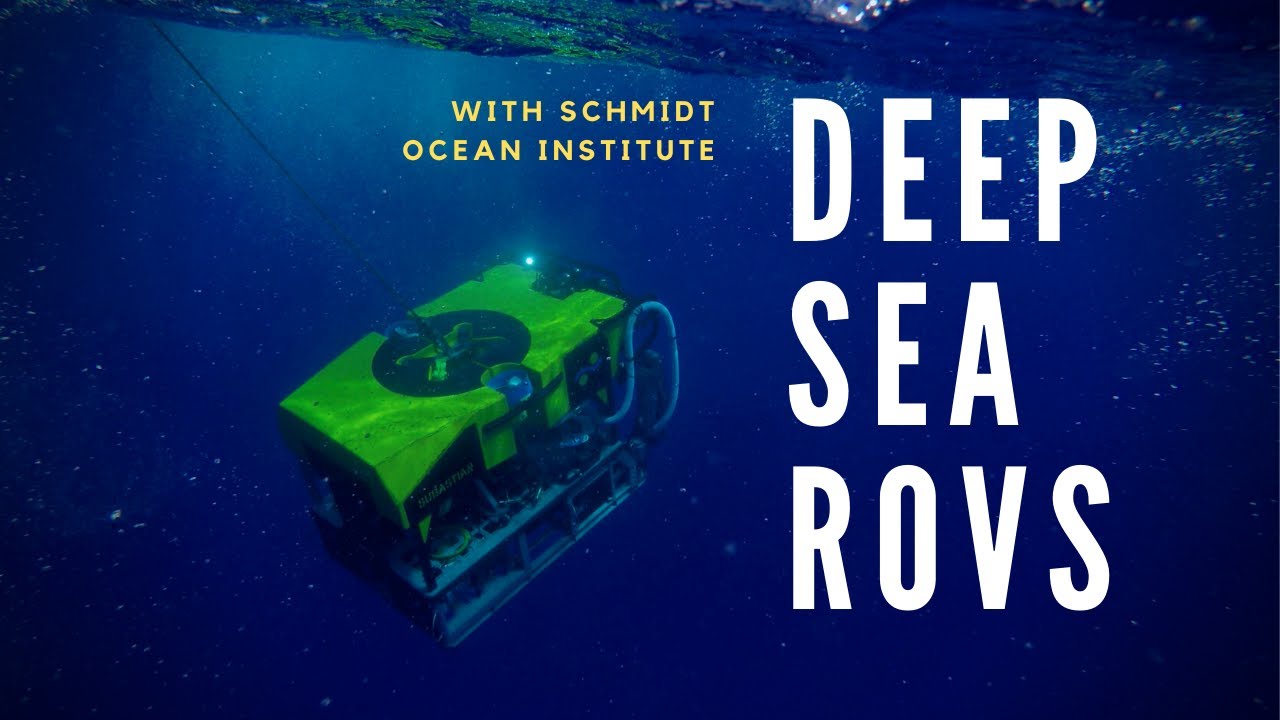
Innovations in remote-operated vehicles and sampling systems by the Schmidt Ocean Institute enhance the study of midwater biodiversity in the deep ocean.
Enceladus, one of Saturn's moons, features a bright icy surface, extreme temperatures, and intriguing geological characteristics that suggest potential for scientific exploration.
In the South Pacific, a scientist from the Under the Pole team experiences a shark attack while exploring deep sea corals, highlighting the risks of marine research.
Shipwrecks in the Mediterranean, particularly around Marseille, are being transformed into artificial reefs that support marine biodiversity and inspire conservation efforts.
Experts analyze unusual structures on Mars and unexplained phenomena on the Moon, presenting evidence that challenges current understanding of these celestial bodies.
Half of the coral population in the Southern Line Islands was lost during a 2015-16 warming event, but a 2021 return visit showed significant recovery.
Brian Skerry swam outside a shark cage for the first time in 1982, encountering a six-foot female blue shark off the coast of Rhode Island.
Koran uses a reel on his pirogue to fish for vivanot, which live at depths of 200 to 300 meters around Ambrym, one of Vanuatu's volcanic islands.
In the Blue Planet archive, BBC Earth presents a retrospective of the diverse marine life inhabiting the world's oceans, narrated by David Attenborough.
In the Blue Planet archive, BBC Earth revisits the diverse marine life and ecosystems that inhabit the world's oceans, showcasing their beauty and complexity.
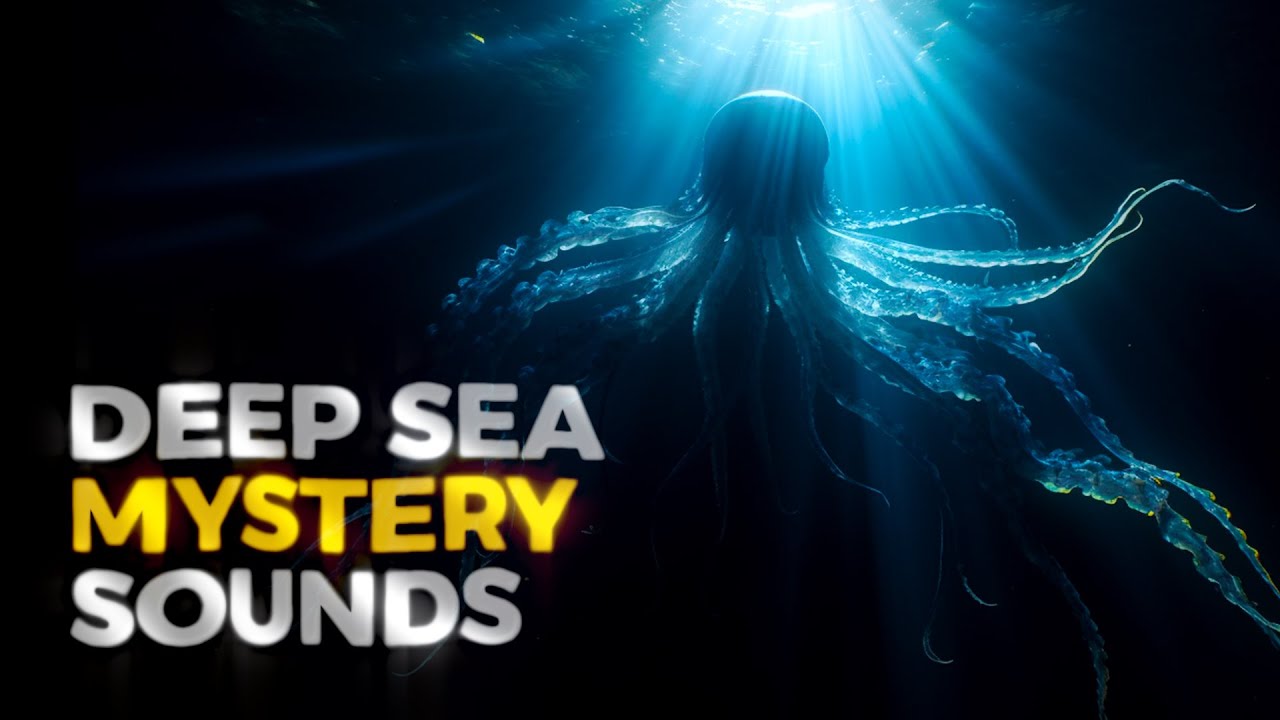
Mysterious deep ocean sounds continue to baffle scientists, prompting research from organizations like NOAA and Scripps Institution of Oceanography.
35,800 feet below the ocean's surface, two explorers made the deepest dive in history into the Mariana Trench on January 23, 1960.
The ocean twilight zone, a largely unexplored layer of the ocean, is examined by scientists studying its ecological roles and impact on marine health.
A female giant Pacific octopus lays around 100,000 eggs and dedicates six months to guarding them before she dies.
A Great White Shark breaches ten feet into the air, demonstrating its power and agility in a series of thrilling underwater encounters.
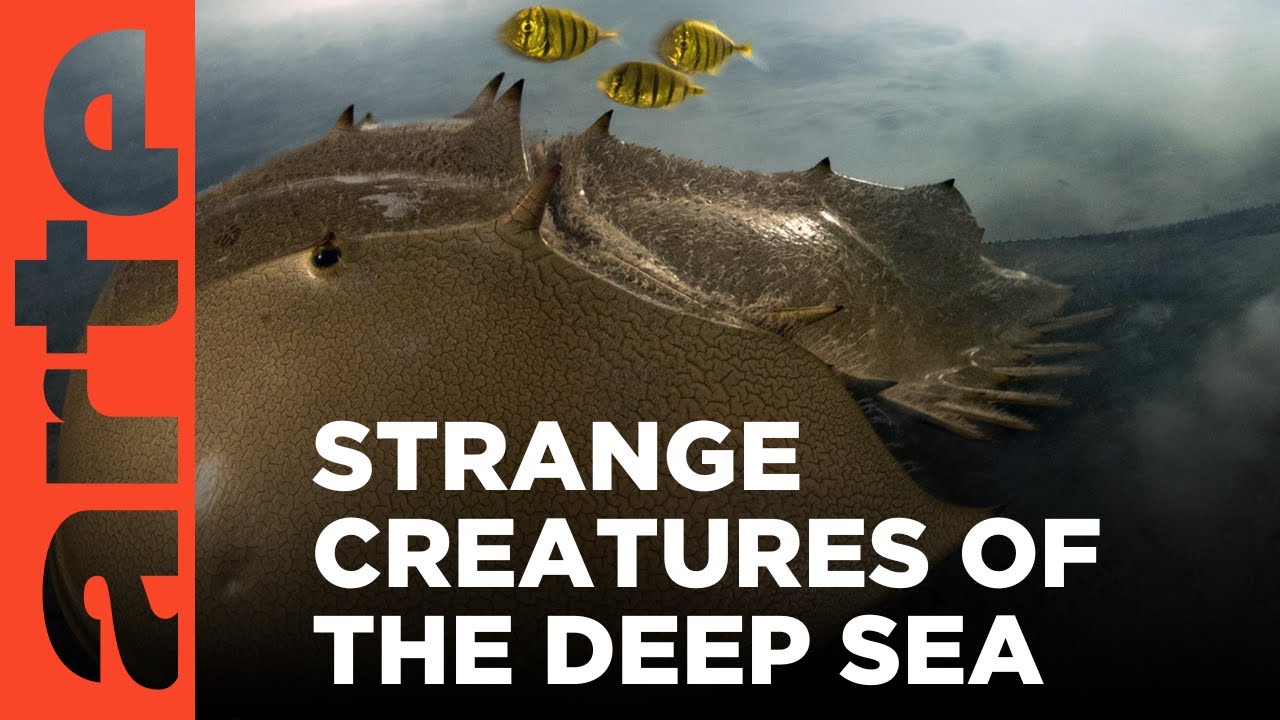
Horseshoe crabs, an ancient species over 450 million years old, are explored in their natural habitat by award-winning photographer Laurent Ballesta.
Woods Hole Oceanographic Institution's research highlights the critical importance of deep-sea ecosystems in maintaining global biodiversity.
Enric Sala, Director of 's Pristine Seas project, advocates for ocean protection and biodiversity as essential for global health and economic stability.
In 1872, the HMS Challenger embarked on a groundbreaking three-year expedition that resulted in the collection of data on ocean life and the discovery of 4,700 new species.
A team of engineers is designing an innovative submersible to explore the largely uncharted depths of the ocean, where over 80 percent remains unexplored.
A category 4 cyclone in March caused significant damage to the Great Barrier Reef, prompting urgent discussions about climate change and renewable energy.
In the village of Adara, Timor, women engage in traditional underwater fishing, balancing survival and cultural heritage while supporting their families.
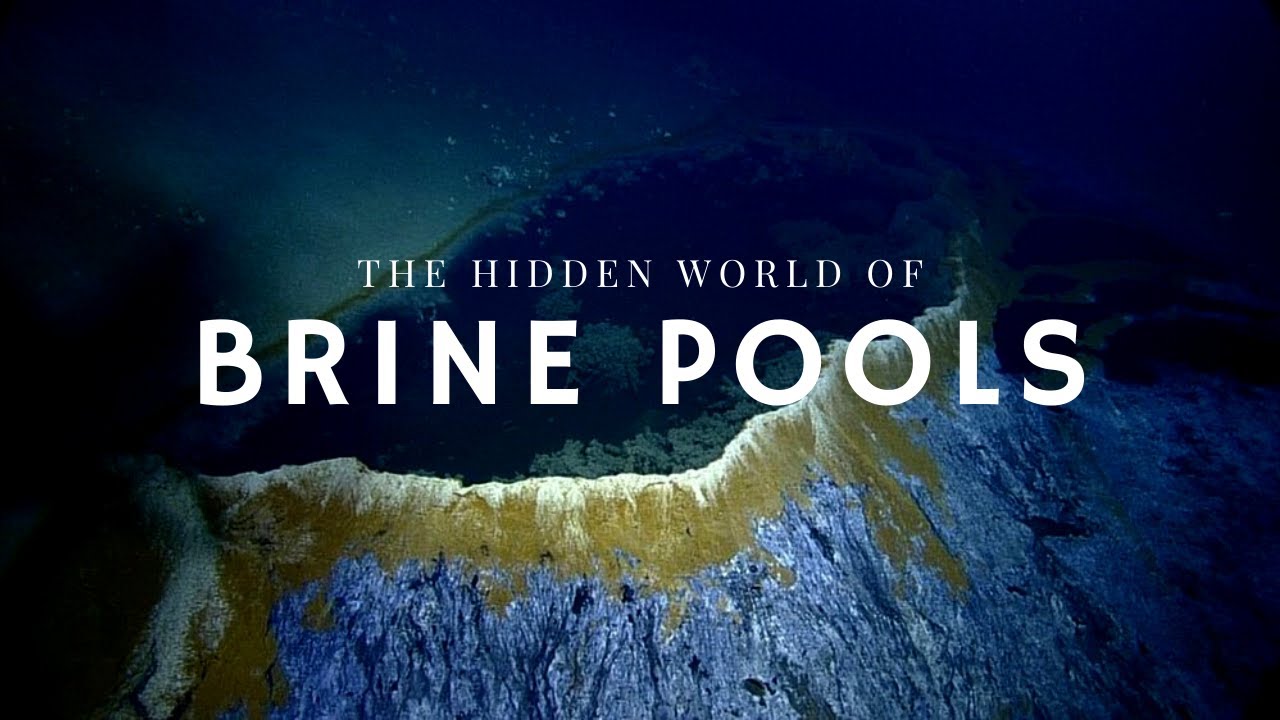
Deep sea brine pools in the Gulf of Mexico serve as unique ecosystems where organisms thrive on chemosynthesis, despite their toxic environments.
An octopus stretches her arms to three times their normal length while solving a puzzle for dinner in a vibrant aquarium after dark.
Fallen whale carcasses in the deep sea create unique ecosystems, supporting diverse marine life through various stages of decomposition over decades.
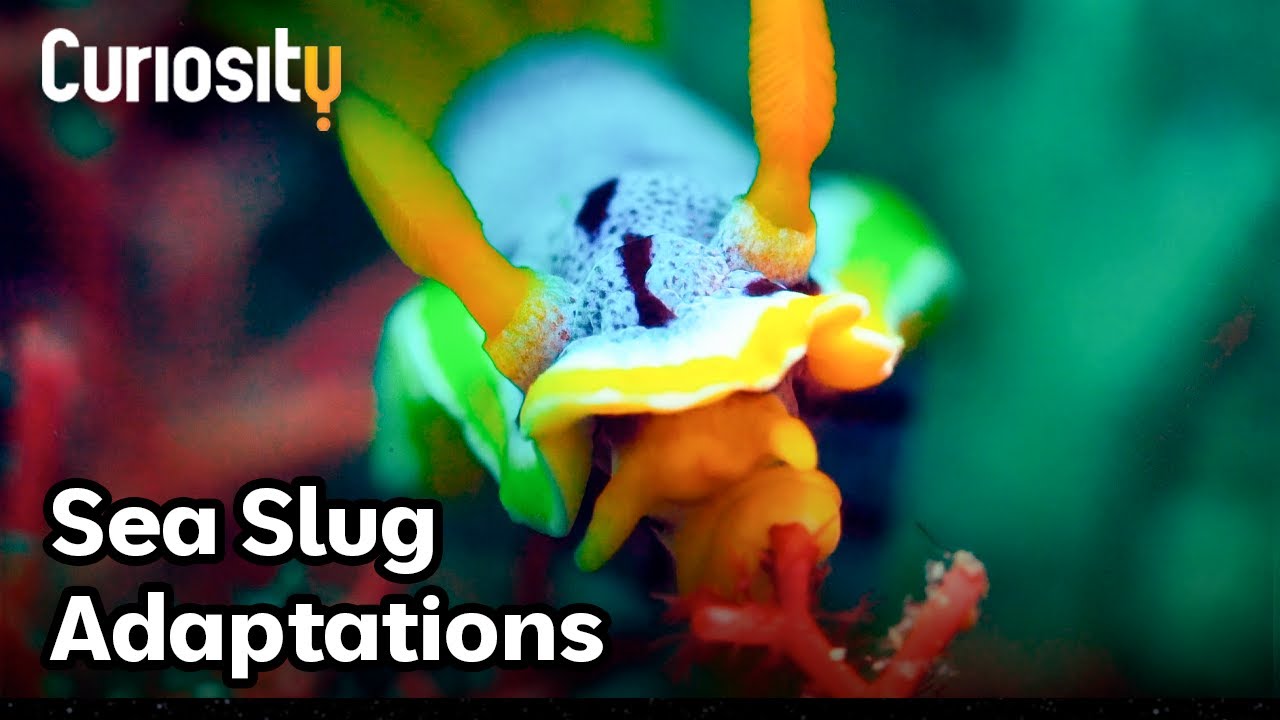
Nudibranchs, or sea slugs, exhibit remarkable adaptations such as weaponizing stinging cells and harvesting solar energy to thrive in diverse marine environments.
The Vao clan on the Isle of Pines builds traditional canoes, preserving Kanak heritage.
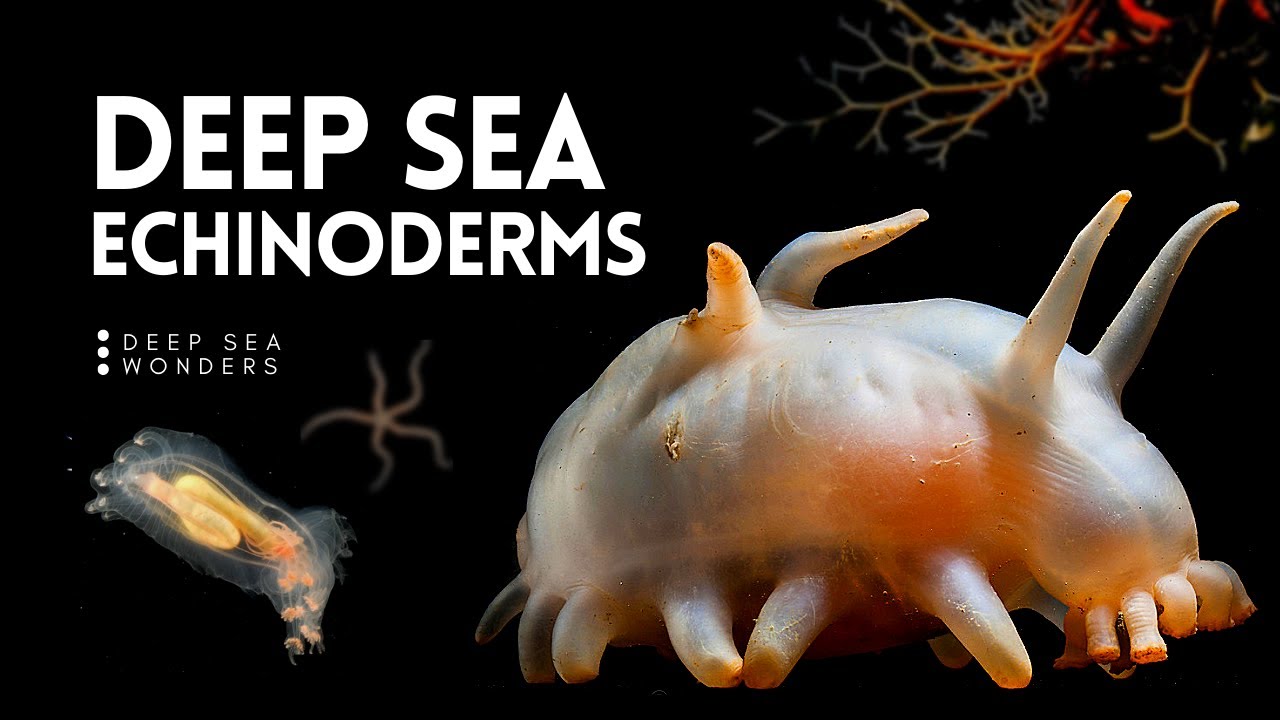
Echinoderms, including starfish, sea cucumbers, and brittle stars, exhibit unique features such as radial symmetry and calcium carbonate skeletons, highlighting their ecological significance.
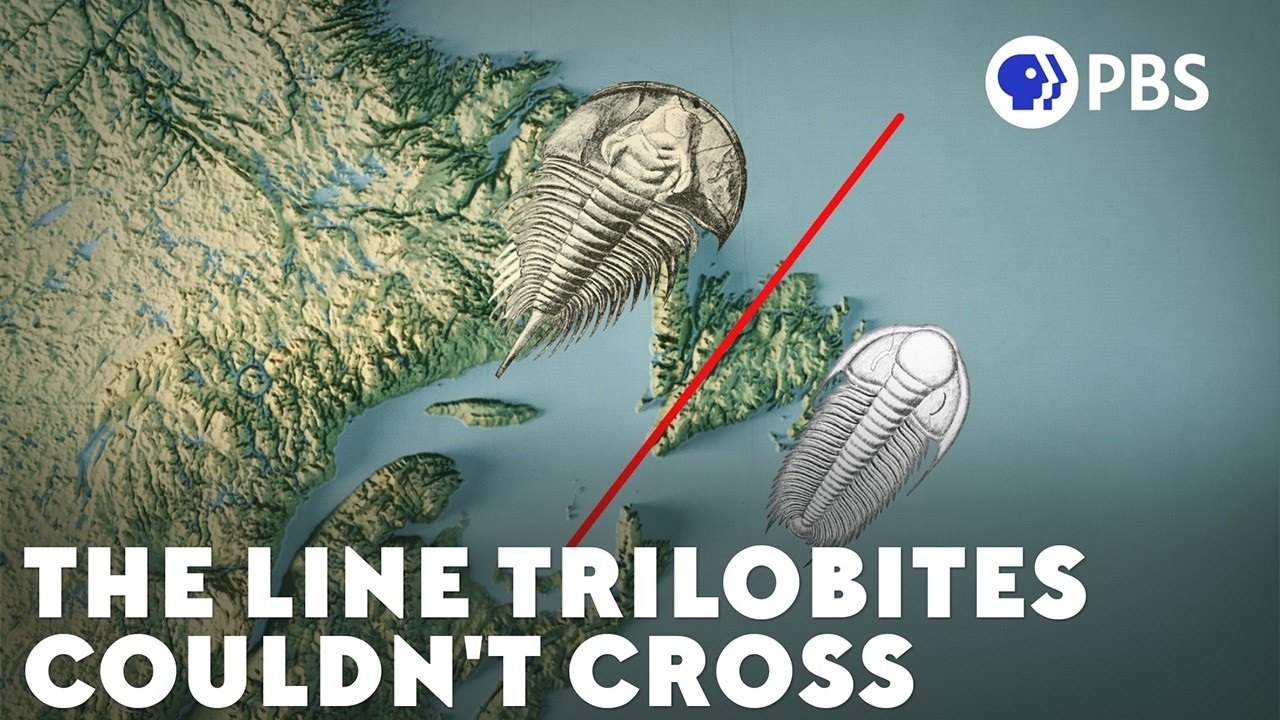
Bottom-dwelling marine critters illustrate how ocean basins are reincarnated every few hundred million years in a hundred-year narrative.