From over 100,000 films, discover the handful you'll love.
Free or premium access to the world's largest documentary library.
493 films(Page 5 of 11)
After five days of attempts, engineers faced a white shark that bit their boat while trying to attach cameras off Guadalupe Island.
Freediver Frederic Buyle and marine biologist Professor Serge Planes study the coral reefs of Moorea, French Polynesia, documenting marine species and conservation challenges.
Underwater photographer Brian Skerry has spent over 10 years with National Geographic, capturing images that reveal the threats facing the world's oceans.
Robson Green travels to Greenland's Arctic Circle, facing the unique challenges of extreme fishing while showcasing the region's diverse marine life.
The SEALAB III project, supported by the USS Elk River, aimed to explore underwater living but ended in tragedy with the death of aquanaut Berry L. Cannon.
Ian Gordon, a leading shark specialist, examines the biology and behavior of the Great White shark, one of the ocean's most formidable predators.
In 1982, the British submarine Conqueror sank the Argentine cruiser General Belgrano, resulting in the loss of 368 lives during the Falklands War.
In New Zealand, photographer Craig Potton explores the untouched landscapes of the Mokihinui River, highlighting its natural beauty and local history.
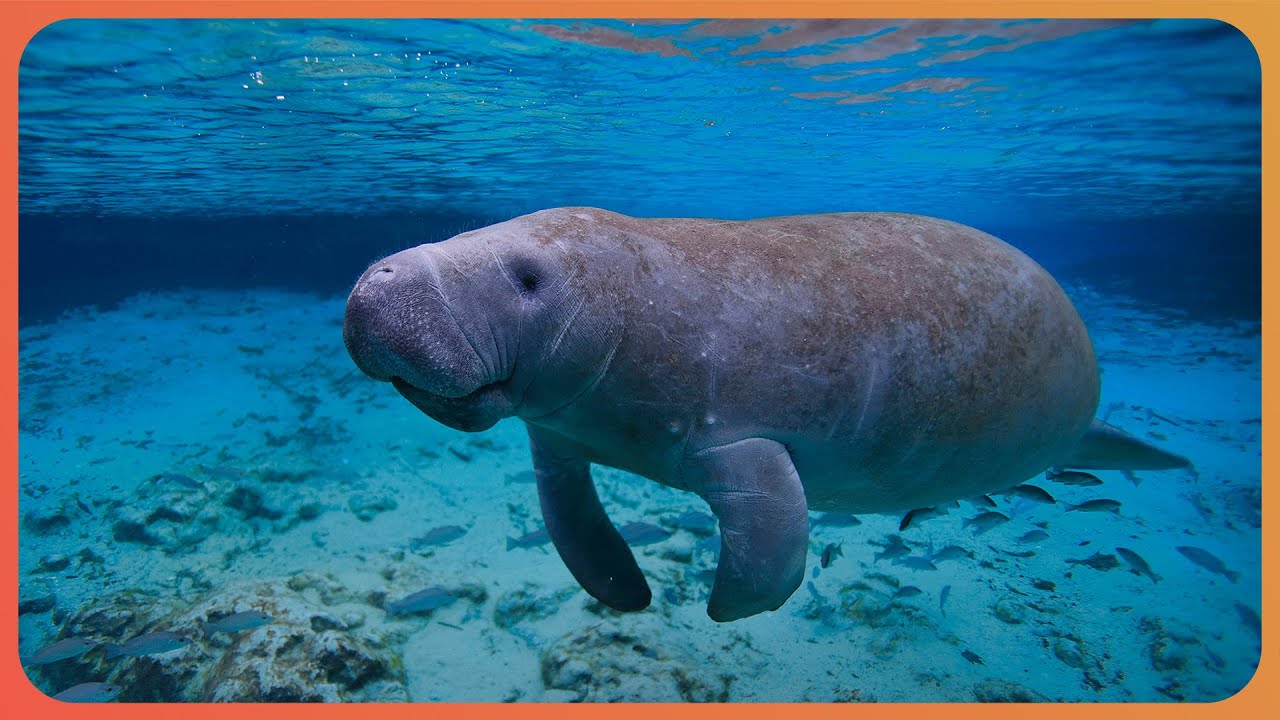
In coastal Belize, human activity threatens manatees and sea turtles, with pollution and poaching contributing to the decline of these vulnerable species.
In Crystal River, Florida, a family encounters manatees while exploring vibrant coral reefs in Bonaire and searching for rare marine life in South Australia.
Palau, an island nation in the Pacific, features unique marine life, including non-stinging jellyfish in Jellyfish Lake and rare toadfish, explored by Jonathan Bird and his crew.
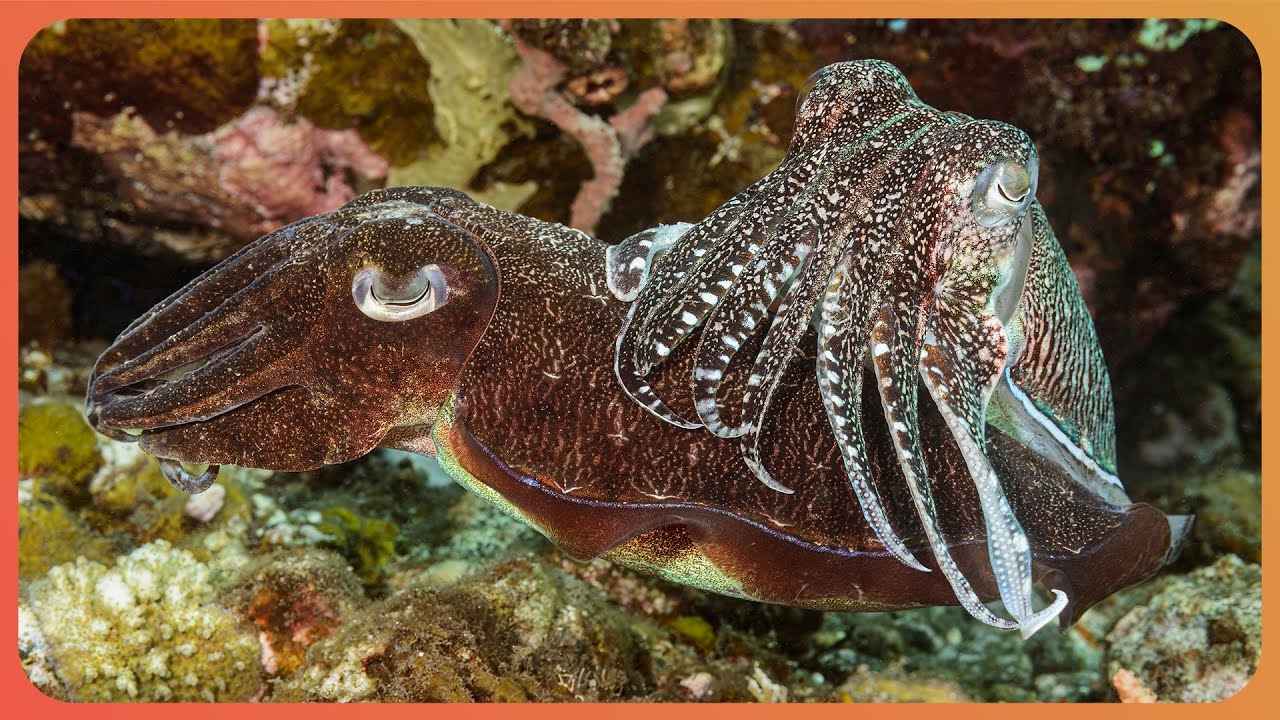
Tens of thousands of Australian giant cuttlefish aggregate to spawn in the waters of South Australia between May and August.
Vibrant marine ecosystems are showcased through animated visuals and real shark footage from Peru, promoting marine conservation and audience engagement.
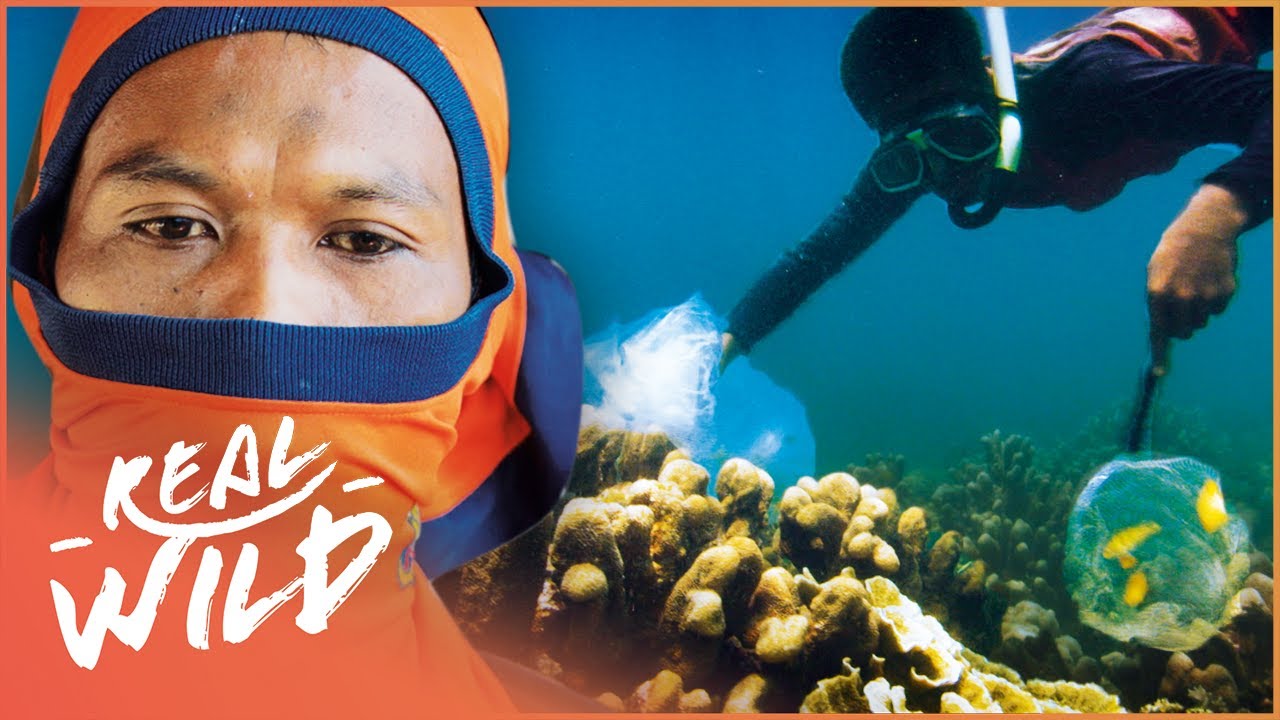
Indonesia's coral reefs are threatened by illegal fishing practices like blast fishing and cyanide fishing, as explored by the crew of the Sedna IV.
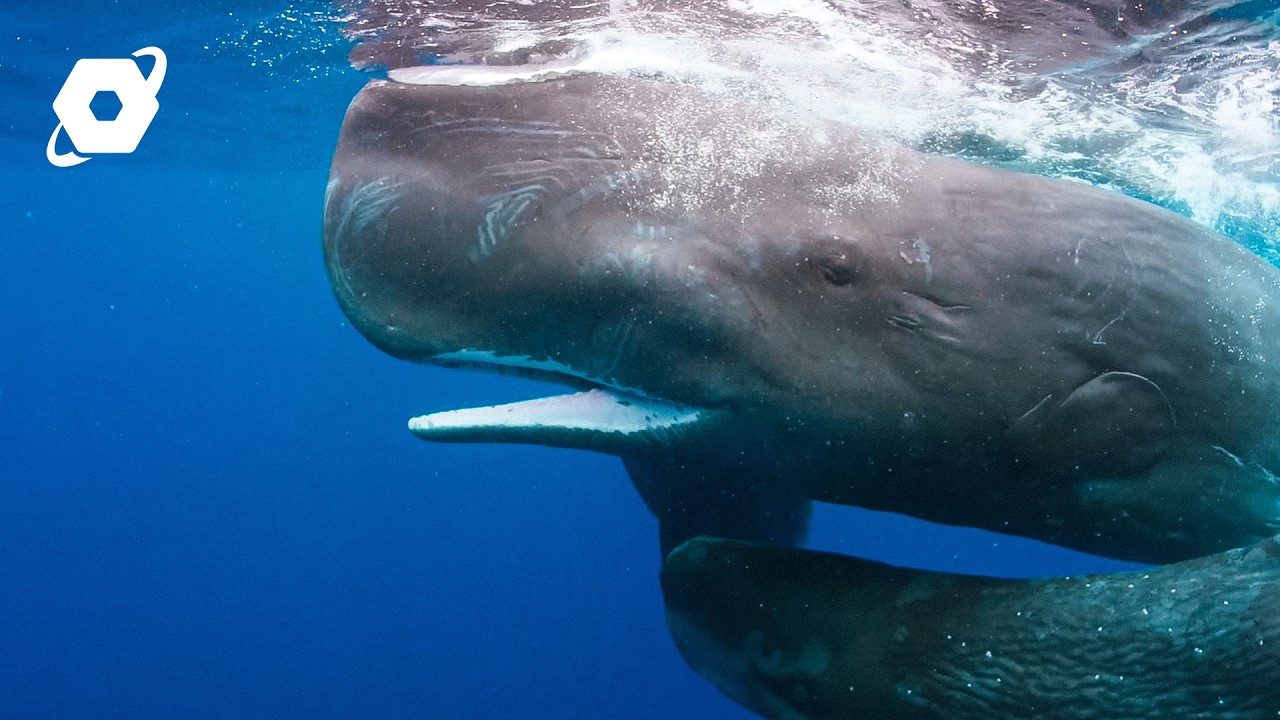
Sperm whales spend just 7% of their time asleep, relying on social bonds and communication to thrive in the depths of the ocean.
A flight to the moon takes only three days today, as space agencies prepare for a new era of lunar missions and the goal of establishing a permanent presence.
Underwater divers from How to Survive a Shark Attack feed and study sharks on the ocean floor, emphasizing the importance of understanding shark behavior.
Whale sharks can weigh more than 30 tons and are threatened by the global trade in shark fins and demand for their meat.
The Pacific Ocean, which covers one third of the Earth's surface, features the Mariana Trench and showcases its diverse ecosystems and marine life.
Interactions between humans and sharks at global diving sites like the Poor Knights Islands are explored, focusing on safety measures and research technologies.
Captain Angus Walters sailed the original Bluenose schooner to victory in 1921, making it a lasting symbol of Canadian maritime history.
Over half of Earth's surface remains unexplored, with the Kraken project aiming to capture images of the elusive giant squid in its natural habitat.
China's coral reefs, particularly in the South China Sea, face threats from overfishing and coral bleaching, prompting scientists to restore these vital ecosystems.
Harvard professor Dr. Avi Loeb discusses his deep-sea exploration for evidence of extraterrestrial technology that may have crash-landed in the ocean.
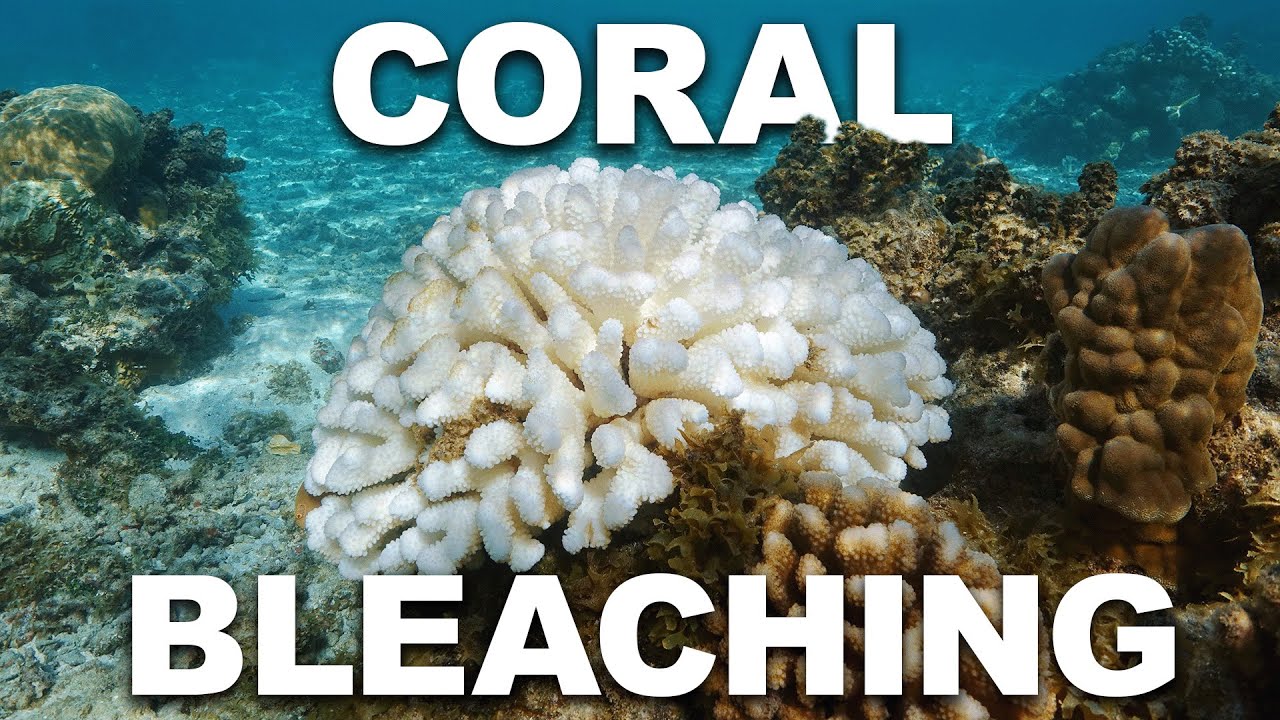
Coral reefs globally are experiencing severe ecological decline due to climate change, pollution, and overfishing, threatening marine biodiversity.
The Kraken Project highlights the vast unexplored regions of the ocean and the critical need for understanding the mysteries of Earth's waters.
A floating crane built in 1974 can lift loads of up to 200 tons as Baltic Sea divers attempt to salvage the sunken fishing cutter Verner Order.
Guadalupe Island is home to the northern elephant seal, which has made a comeback after being nearly wiped out by hunters in the 19th century.
Hundreds of thousands of herrings head towards the Bay of Sitka each spring, prompting fishermen to brave extreme conditions in search of their catch.
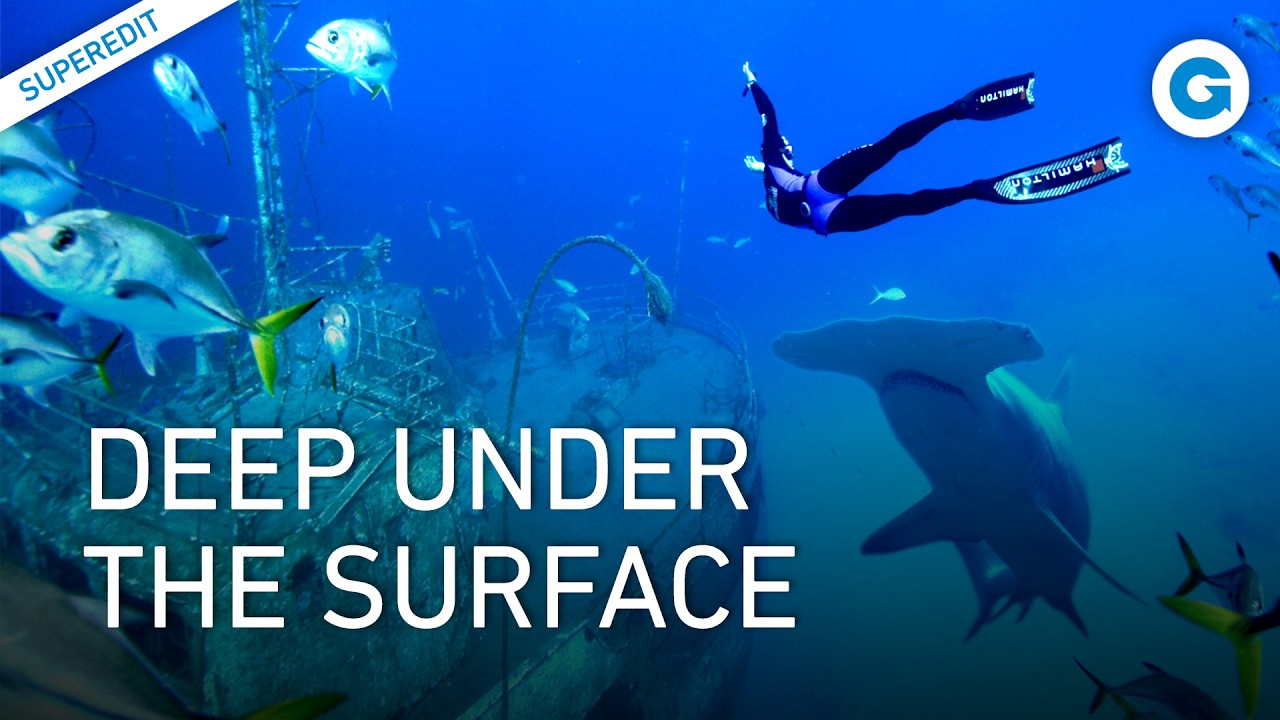
In Guadalupe Island, world-class freedivers Frederic Buyle, William Winram, and Pierre Frolla collaborate with marine biologist Dr. Mauricio Hoyos to tag great white sharks without protection.
1,600 nautical miles from land, Adventure Aaron survived after his ocean rowboat capsized and he was surrounded by sharks in the Pacific Ocean.
Jupiter's icy moons, with their potential subsurface oceans, are the focus of scientific exploration aimed at understanding life in extreme environments.
A 29-meter experimental craft, known as the Spiderboat, aims to revolutionize waterborne travel with its innovative wave-adaptive technology.
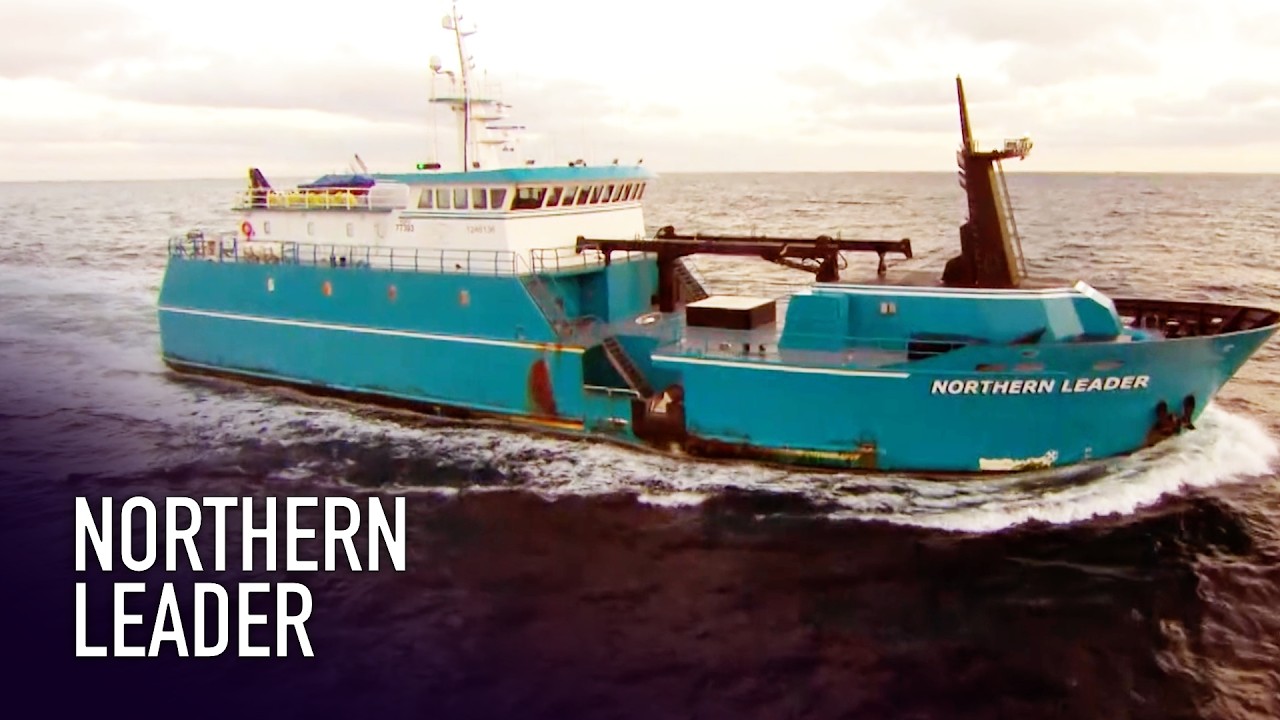
Alaska's longline fishing ships confront treacherous conditions, including high waves and hurricane-force winds, to secure substantial cod catches.
Humpback whales, along with monarch butterflies and snow geese, exhibit remarkable migration patterns and behaviors in their natural habitats.
Professional surfers navigate the treacherous waters of the North Atlantic, showcasing the challenges and beauty of extreme maritime conditions.
Tubbataha Park in the Philippine Archipelago is highlighted for its exceptional coral reef preservation, featuring Prince Albert II's efforts in marine conservation and turtle research.
Over 5,000 tablets of the diabetes drug metformin flow into the ocean daily from the Thames, raising concerns about chemical pollution's impact on marine life.
Off the coast of Corsica, a team of scientists led by Laurent Ballesta investigates mysterious circular formations discovered at a depth of one hundred metres.
In shallow waters off New Zealand, marine biologist Ian Gordon studies the elusive prickly shark, a species recently observed by scientists.
Endurance swimmer Adam Walker attempts to cross perilous straits while encountering dolphins and exploring the intelligence and culture of orcas.
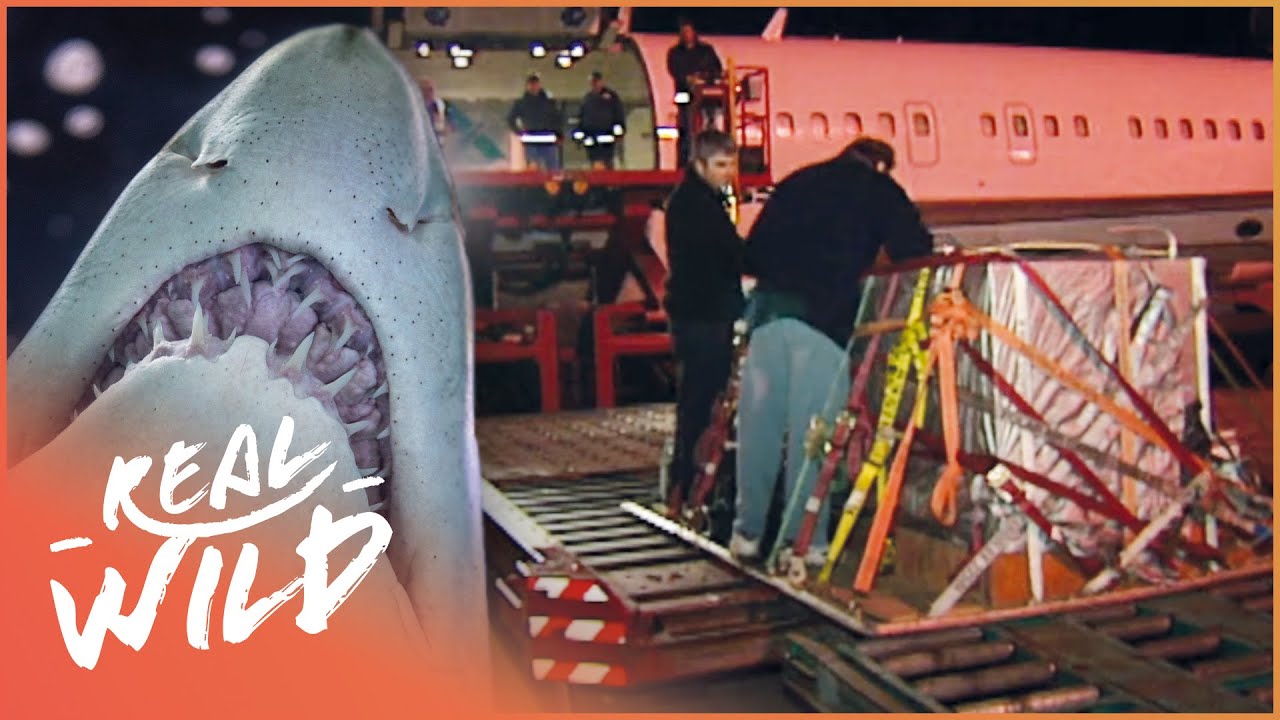
Ian Gordon transports a female grey nurse shark over 1,000 miles by air to Melbourne, Australia, to support the species' declining population.
Two guests share their experiences in marine science, discussing how to pursue a career in shark research without a PhD.
A group of scientists gathers each summer on Bonaire to investigate whether squid can communicate through distinct messages on their skin.
Three oceanographic ships set sail to search for the giant squid in the Carrandi trench, utilizing advanced underwater cameras and technology.
Dr. Dave Ebert and Luke Tipple discuss undiscovered shark species and their ocean importance.
Oceans, covering over 70% of the Earth, contain vast currents that regulate climate and ecosystems, raising concerns about their stability amid climate change.
A mother whale can carry her calf's small carcass over 1,000 miles, demonstrating the deep emotional bonds shared among cetaceans.