From over 100,000 films, discover the handful you'll love.
Free or premium access to the world's largest documentary library.
493 films(Page 2 of 11)
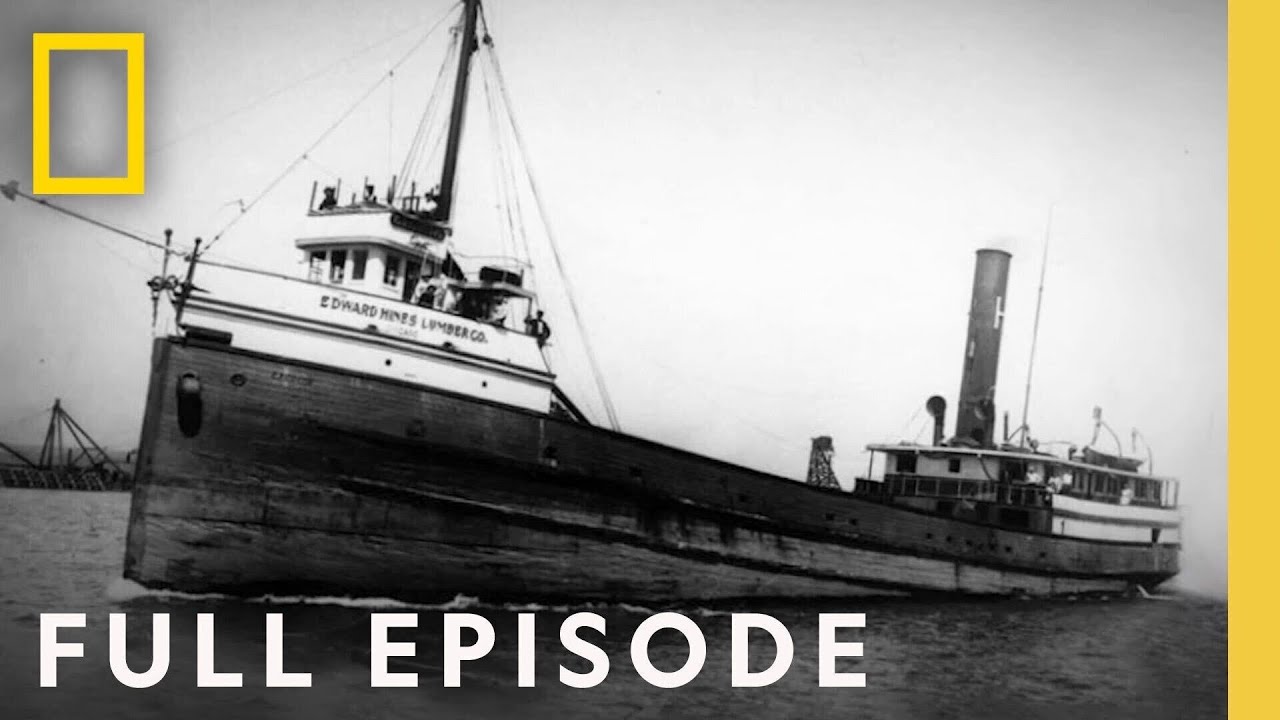
An estimated 8,000 ships have sunk in the Great Lakes since the 1600s, resulting in the deaths of as many as 30,000 people.
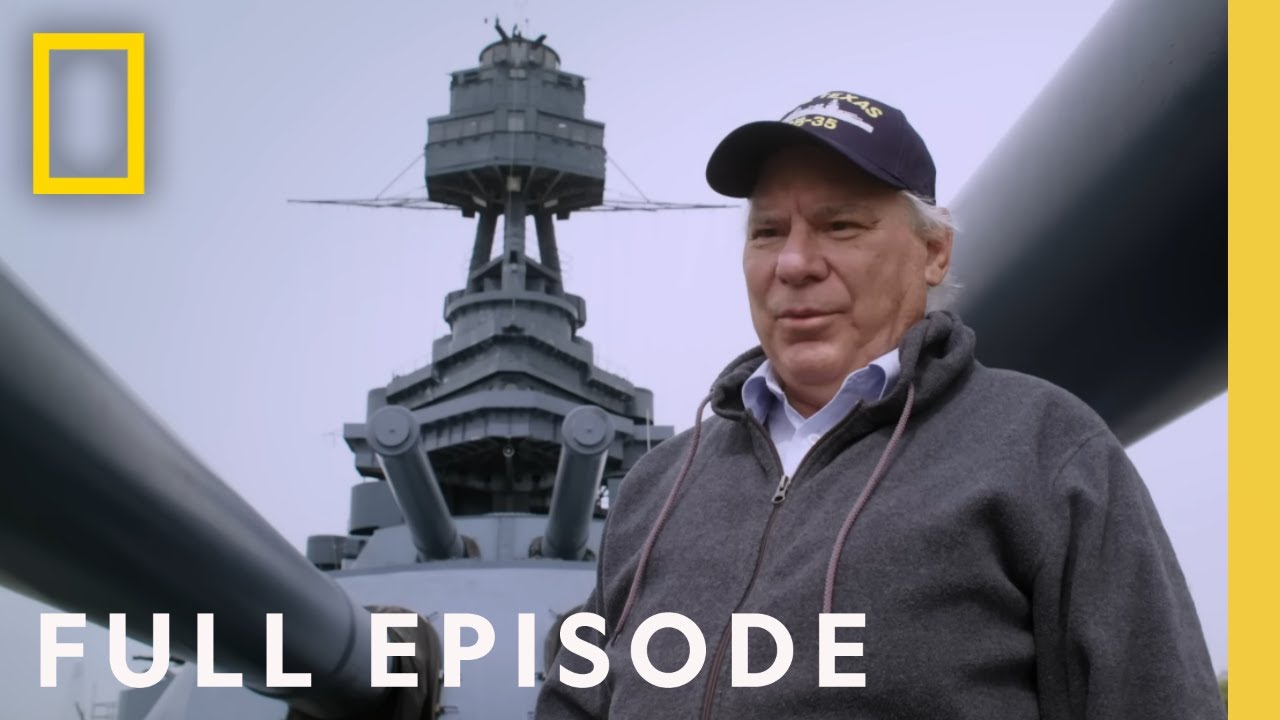
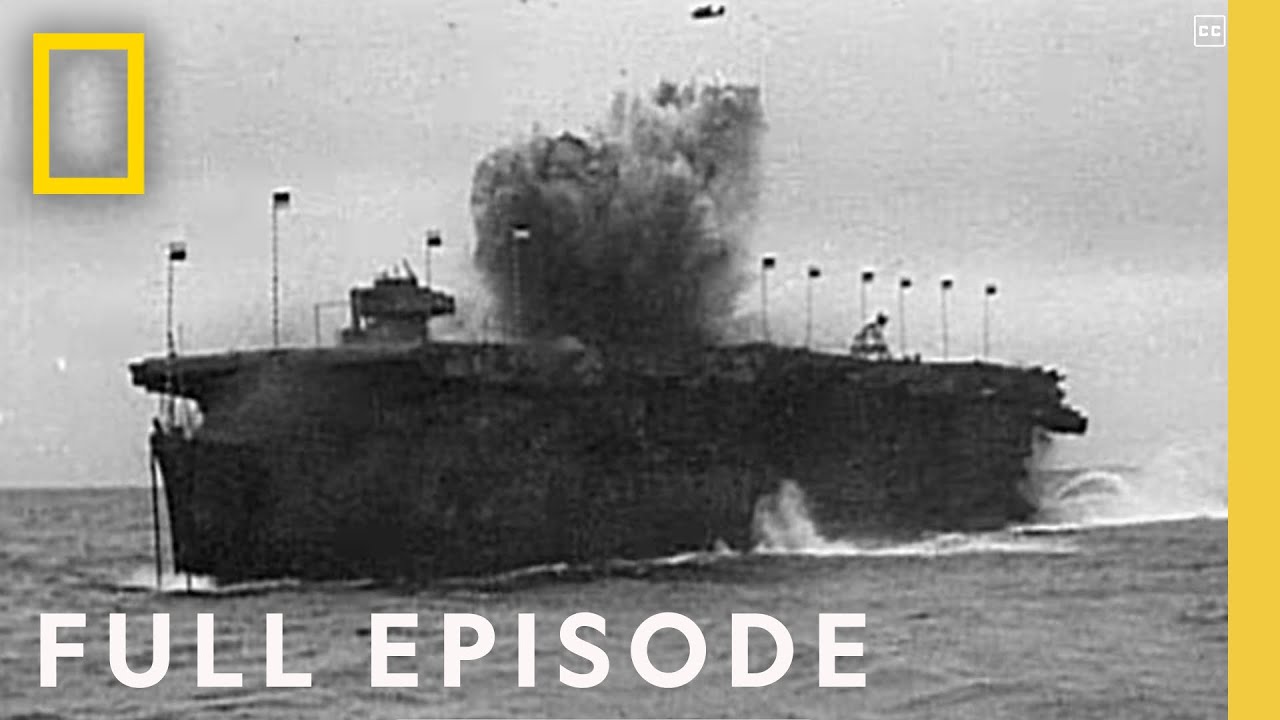
Nearly 1,200 American servicemen died on the USS Arizona during the attack on Pearl Harbor on December 7, 1941.
Draining the North Sea reveals evidence that helps determine the outcome of the Battle of Jutland between Germany and Britain during World War I.
Giant Oarfish behavior is explored through three years of nighttime observations off the coast of France, revealing insights into this elusive sea creature's habitat.
Close to 700 ships have been wrecked or disappeared within Australia's Great Barrier Reef, including the infamous Yongala, which vanished in 1911.
On Jeju Island, South Korea, the Haenyos, women aged 45-85, continue a 2000-year-old tradition of free diving for abalone and octopus, facing the dangers of the sea.
7,000 ships and a quarter of a million men participated in the Allied invasion of Nazi-occupied Europe on June 6, 1944.
A six-gill shark measuring 5 meters swims past Florian Grana while he films marine life in the Salish Sea near Puget Sound.
Gray whales undertake a 10,000 to 12,000-mile round trip migration from Arctic feeding grounds to breeding lagoons on Mexico's Baja Peninsula.
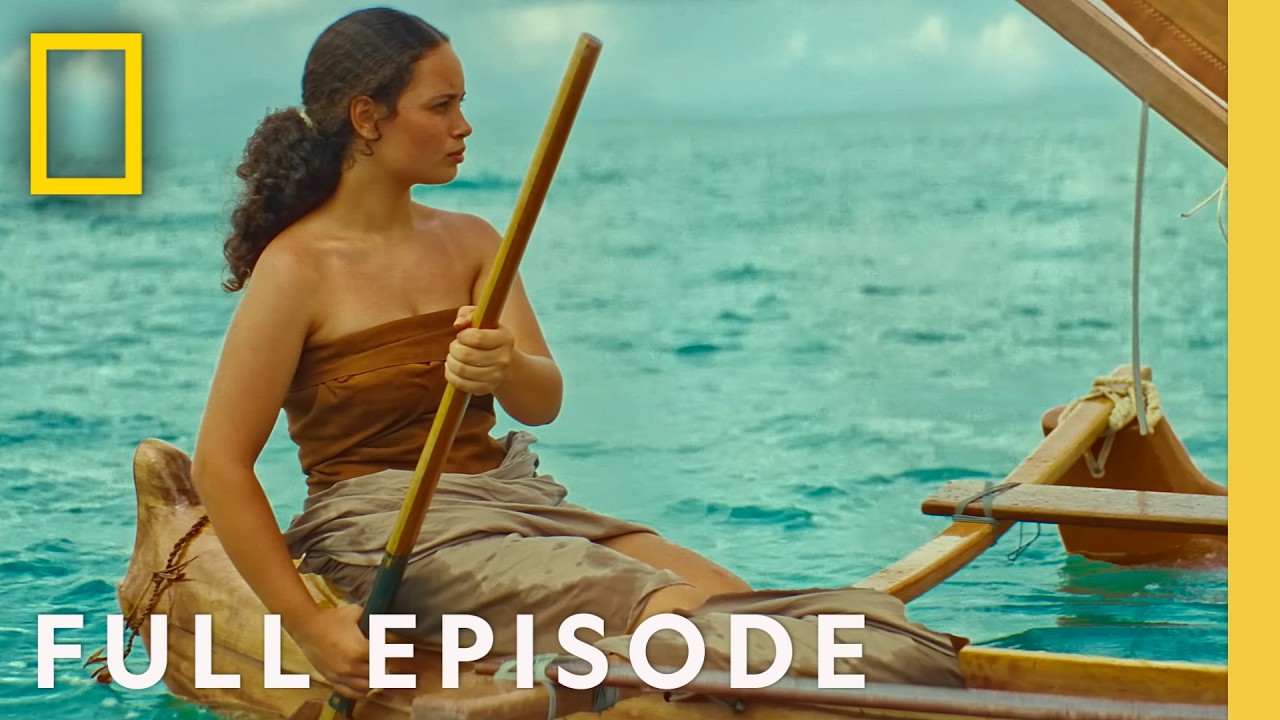
Ancient Pacific voyagers, guided by ancestral knowledge, navigated the treacherous waters of the Pacific Ocean, settling islands from Guam to Vanuatu.
Six nuclear weapons remain unrecovered in the ocean, abandoned by the United States during the Cold War, posing ongoing environmental and security risks.
Ancient Egyptian cities, the Black Sea's shipwrecks, Loch Ness, and a Pacific pirate ship are explored in this MEGA EPISODE.
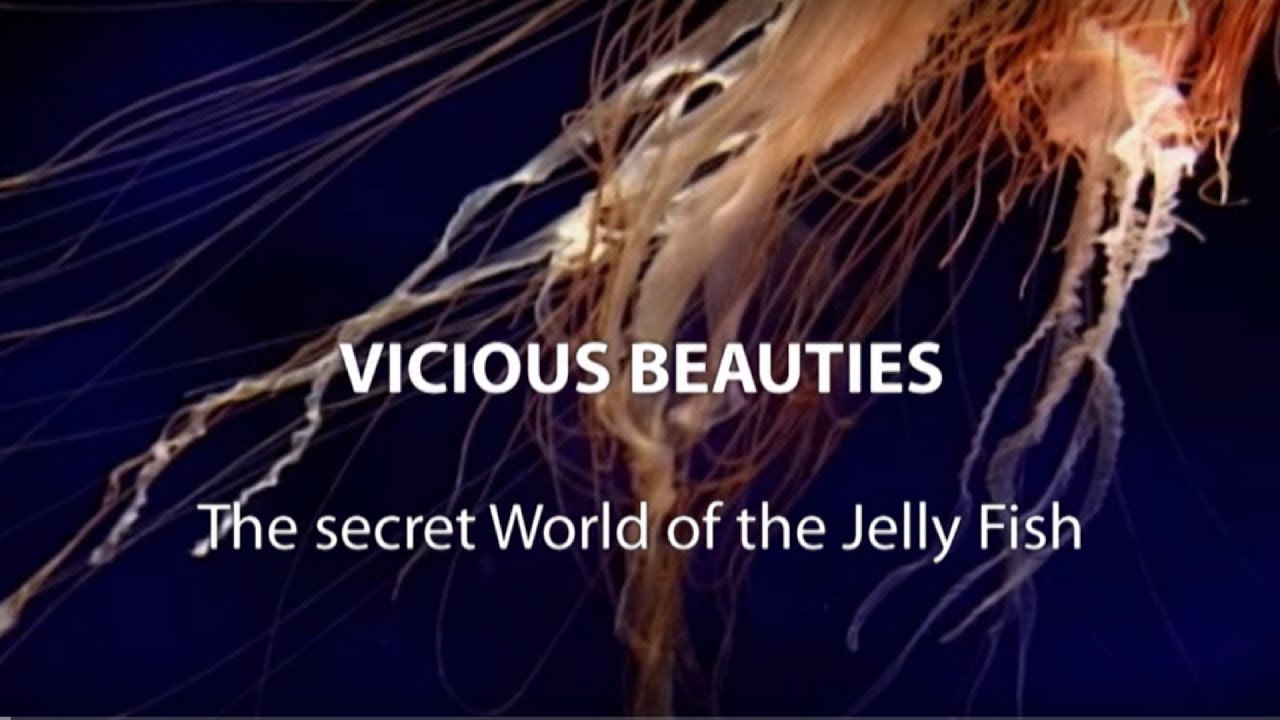
Jellyfish, some of the most venomous ocean inhabitants, play a crucial role in marine ecosystems, as explored by scientist Gerhard Jarms in various global locations.
Over 10 billion herring gather in the Norwegian fjords each winter, attracting orcas and humpback whales that hunt them in coordinated groups.
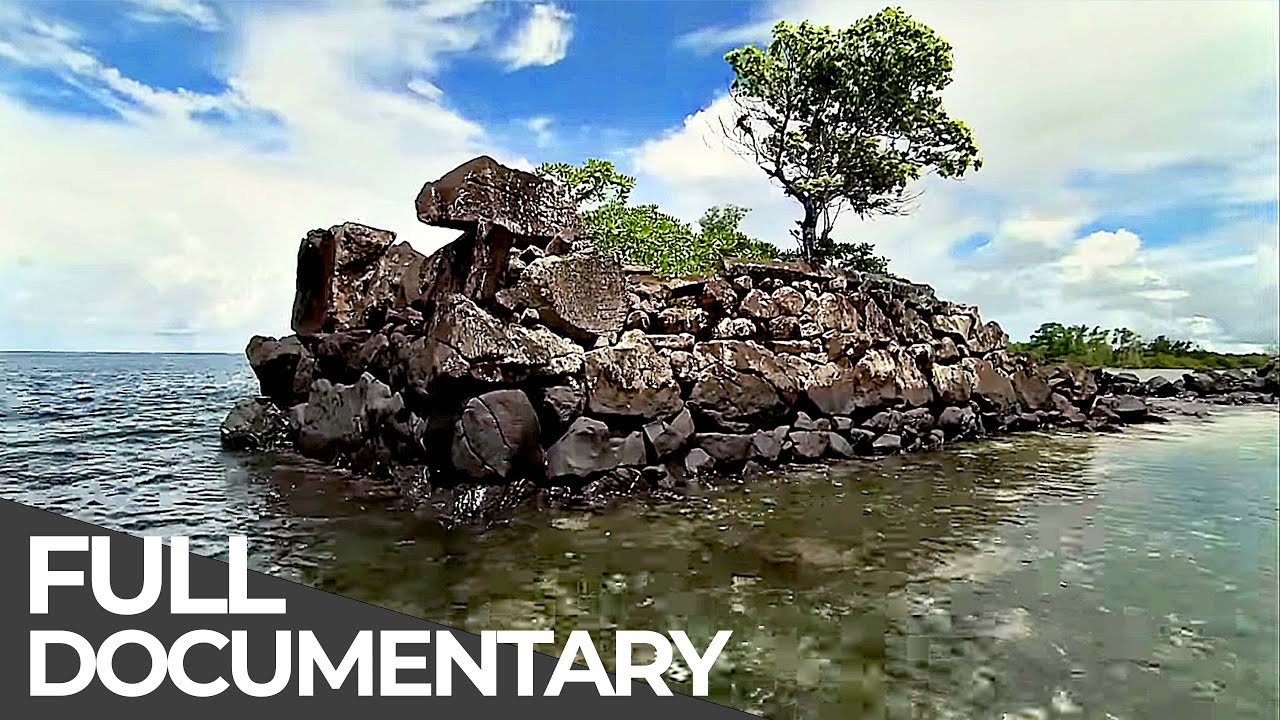
Two thousand islands make up Micronesia, each with its own distinct culture and history, connected by the vast Pacific Ocean.
Over four months, a team conducts dives and collects data from coral reefs across the entire Red Sea, from Farasan Island to the Gulf of Aqaba.
Earth's oceans may hold clues to extraterrestrial activity as researchers investigate deep-sea mysteries and unexplained phenomena related to intelligent life.
Over 70% of the planet is covered with water, yet plastic pollution has created massive debris fields in every major ocean, impacting marine ecosystems.
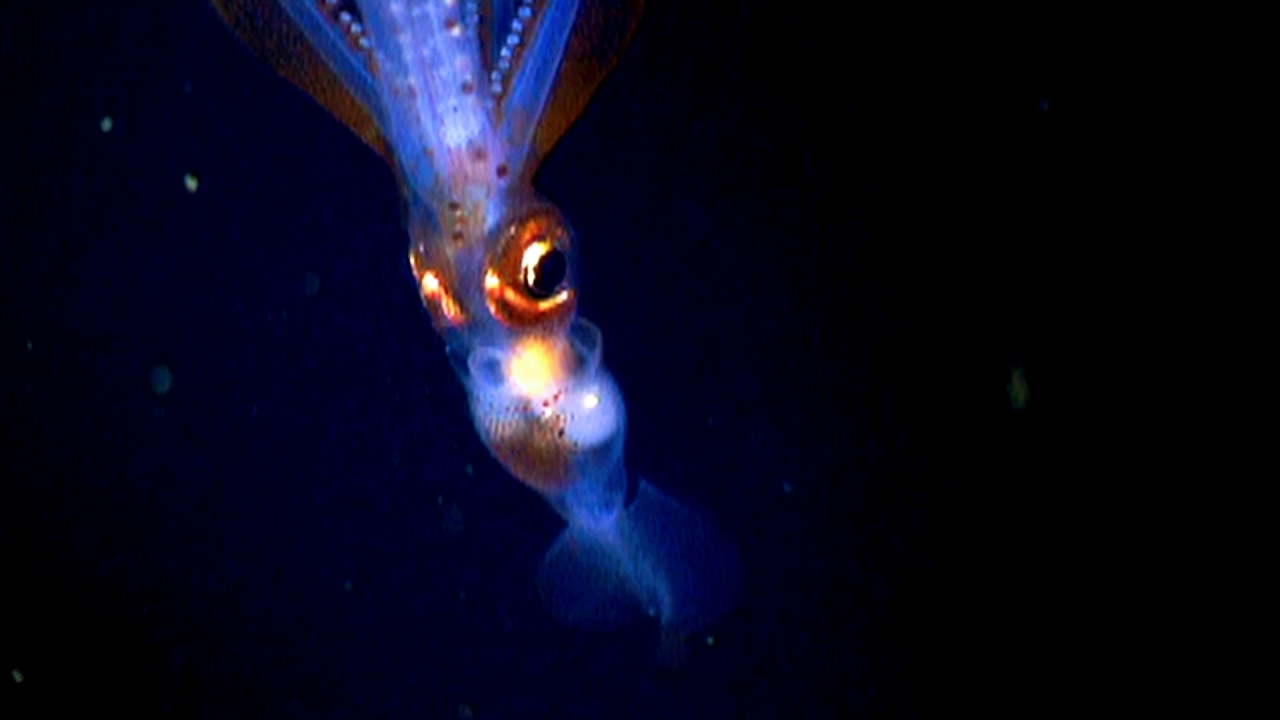
In winter, the Noto Peninsula reveals a unique underwater ecosystem featuring blanket octopuses, giant squid, and deep-sea oarfish among its diverse marine life.
Lost civilizations and sunken cities, including the legendary Atlantis, are examined by scientists and archaeologists through the lens of underwater exploration.
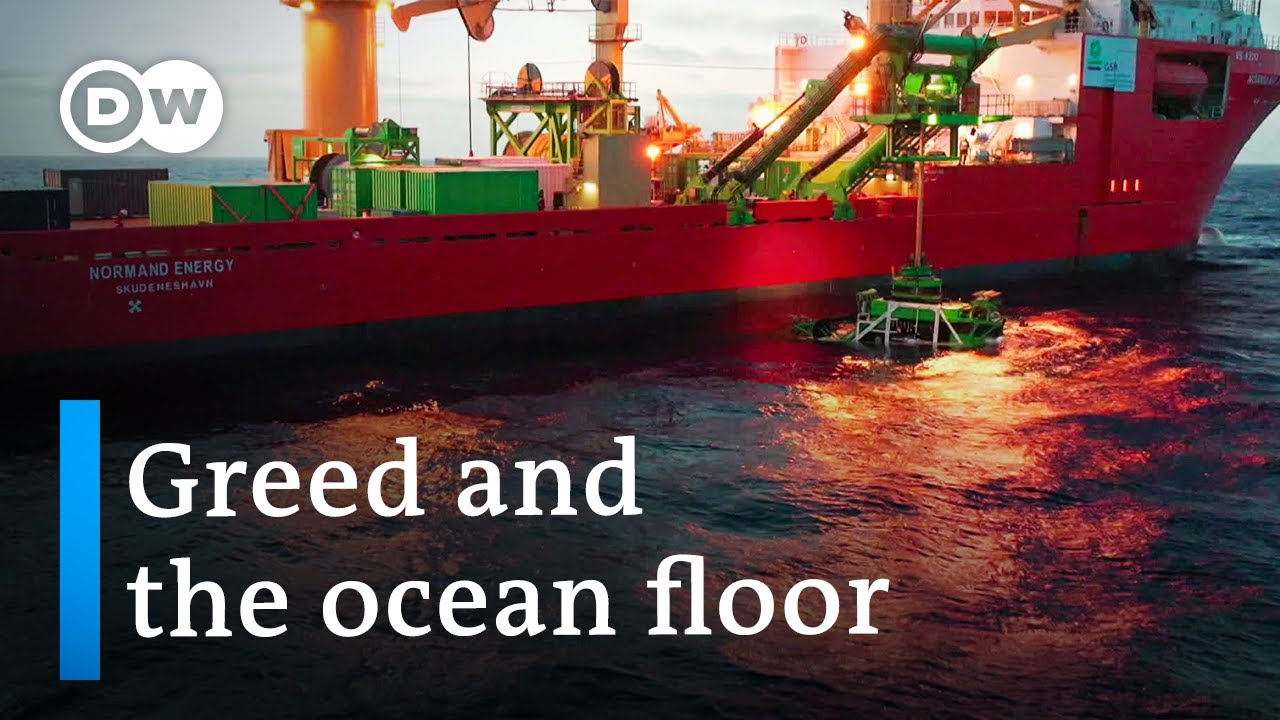
3,000 by 1,000 kilometers of seabed in the Pacific Ocean could be destroyed within 50 to 100 years due to deep-sea mining for valuable metals.
A tsunami triggered by the second most powerful earthquake in recorded history on December 26, 2004, killed more than 250,000 people across multiple countries.
150 ships and 750,000 tons of oil navigate the waters off Ushant daily, a region known for its treacherous maritime conditions.
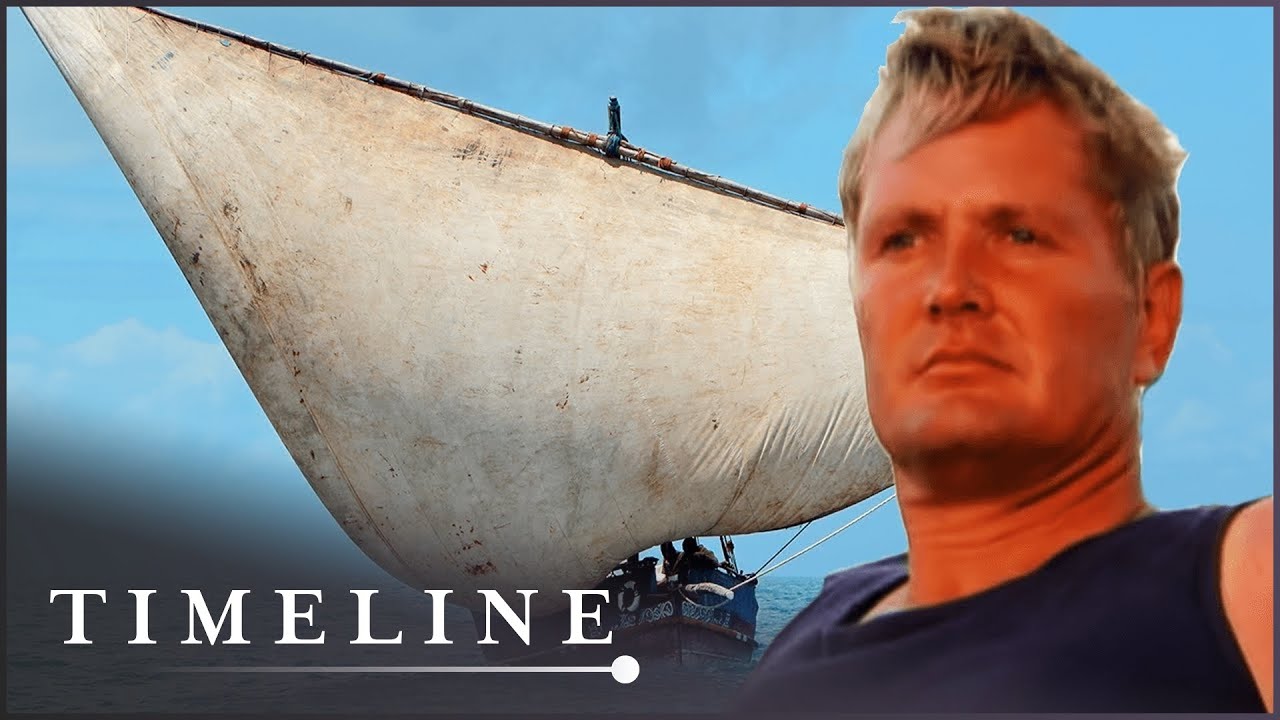
David Adams sails a traditional dhow along the East African coast, tracing the historical routes of Sinbad the Sailor over a thousand miles to Zanzibar.
Billions of Earthlike exoplanets are believed to exist in our galaxy, raising the possibility of life beyond our planet.
Extraordinary interactions among diverse species are captured across various ecosystems, highlighting the importance of wildlife conservation and biodiversity.
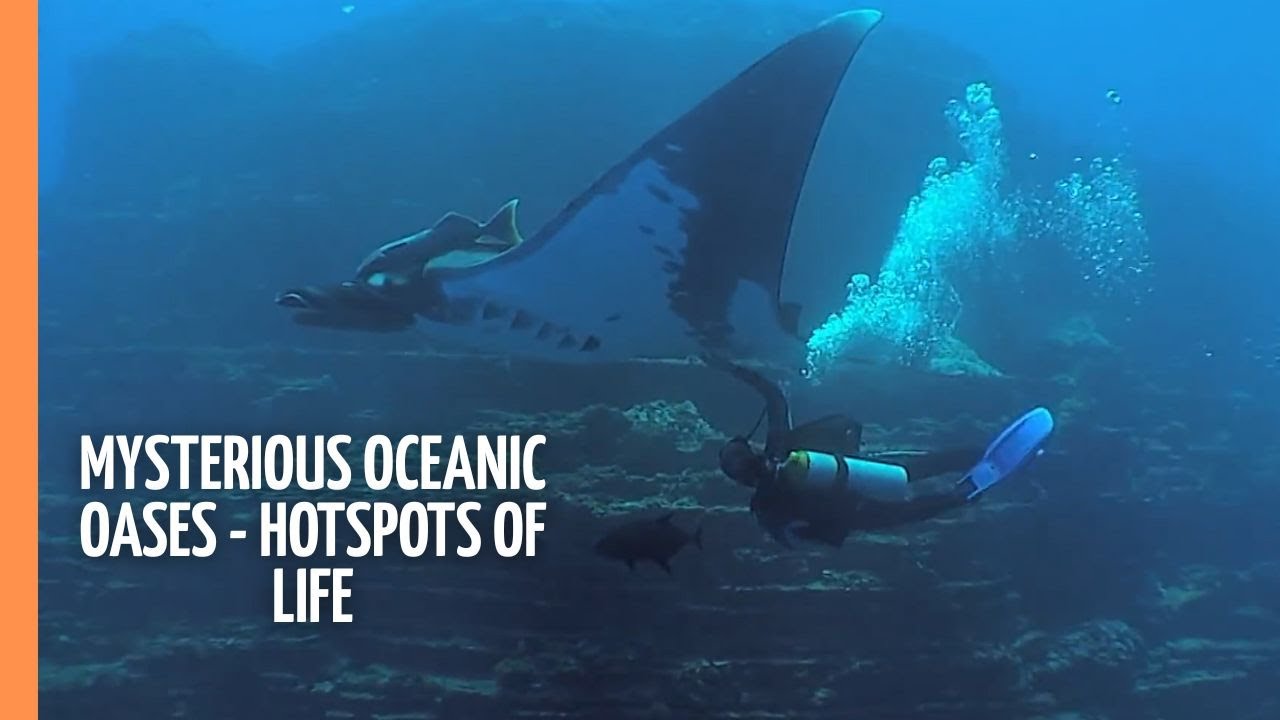
Rolf Möltgen dives into oceanic oases, revealing rare species and the impact of dive tourism.
More people have traveled to the Moon than have ventured to the deep ocean, which remains one of the last unexplored frontiers on Earth.
Thirty-two vessels were lost in Alaska's frigid waters over the span of one week, revealing the dangers faced by early explorers.
Spain's 1588 attempt to conquer England through the Spanish Armada failed, revealing how English forces appropriated naval technology to expand their empire.
A sperm whale can dive to depths of 600 meters, relying on echolocation to navigate the dark abyss and hunt for prey.
Manta rays, known for their intelligence and complex behaviors, are studied by Dr. Kathy Townsend and her PROJECT MANTA team across locations like Mexico and Australia’s Great Barrier Reef.
Germany's rivers, streams, and lakes host a vibrant aquatic ecosystem, featuring bizarre moss animals, exotic jellyfish, and the formidable Wels catfish.
The Marianas Trench is the deepest place on earth, deeper than Mt. Everest is high.
Whales, having evolved from land mammals over 50 million years ago, exhibit complex communication and hunting techniques, as explored by oceanographer François Sarano.
The changing relationship between humans and sharks is examined through interviews with attack survivors and footage of both shark hunts and encounters.
For four years, the Kepler mission observed 150,000 stars located three thousand light years away from Earth in the search for Earth-like planets.
Shark attack survivors and scientists in Hawaii and California discuss strategies to minimize shark attacks while showcasing the creatures' behavior from a surfboard perspective.
5,000 men, women, and children attempted to flee the Soviet army aboard the General Von Steuben before it sank in the Baltic Sea in 1945.
Ancient civilizations of the Mediterranean, the lost Amber Room, Venice's maritime history, and the Spanish Armada's clash are explored through ocean drainage.
More people have traveled to the moon than have ever ventured to the deep ocean, which remains one of the last unexplored frontiers on Earth.
Shark divers, including conservationists and thrill-seekers, engage with various species like great whites and tiger sharks, challenging misconceptions about these marine predators.
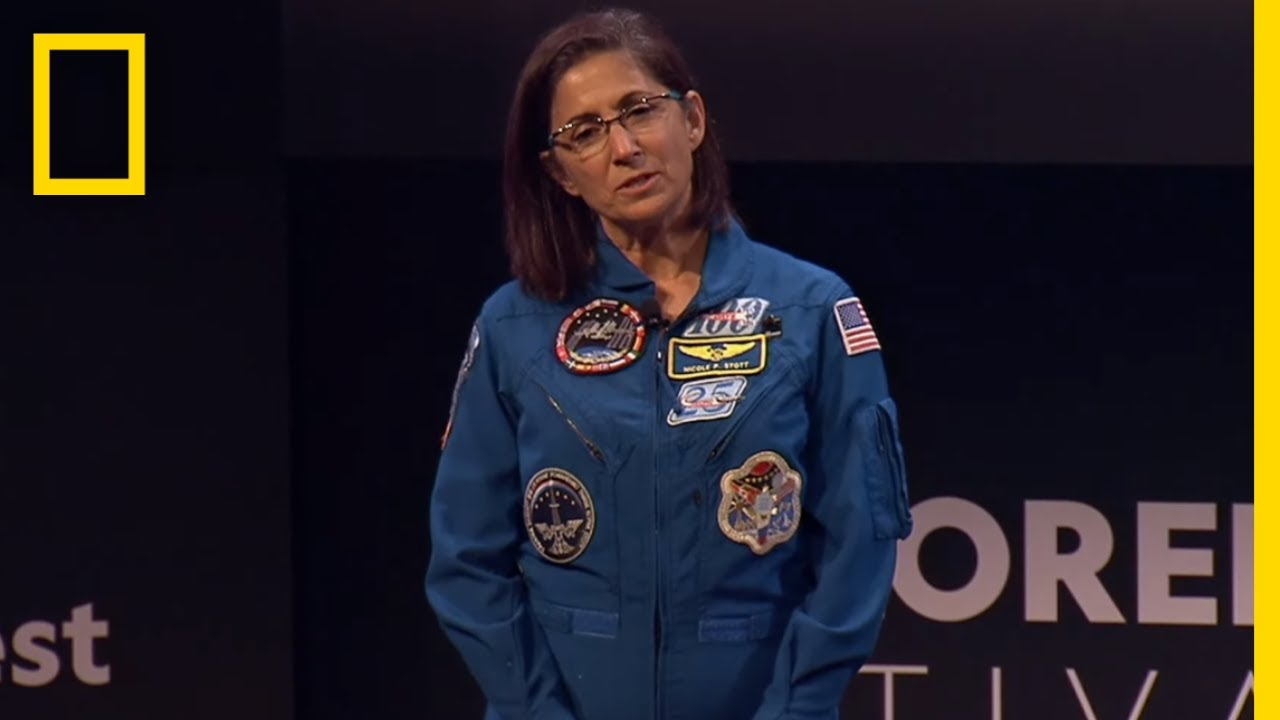
Less than 600 people have traveled to space, and three of them share their experiences and insights at the 2019 Explorers Festival.
Freediver Frederic Buyle and cameraman Christian Petron explore marine life in Polynesia, Mexico, and the Mediterranean while collaborating with scientists and locals.
The Greenland shark, a rarely seen species, is the subject of a four-year scientific expedition that captures its elusive behavior in the wild.
5.7 million square kilometers of the Coral Triangle, located between Indonesia, the Philippines, and Papua New Guinea, is home to three-quarters of all coral species.
Off the coast of Brittany, fishermen like Olivier Mével and storm chaser Jean-René Keruzoré navigate the perilous Raz de Sein, capturing the ocean's fierce beauty and danger.
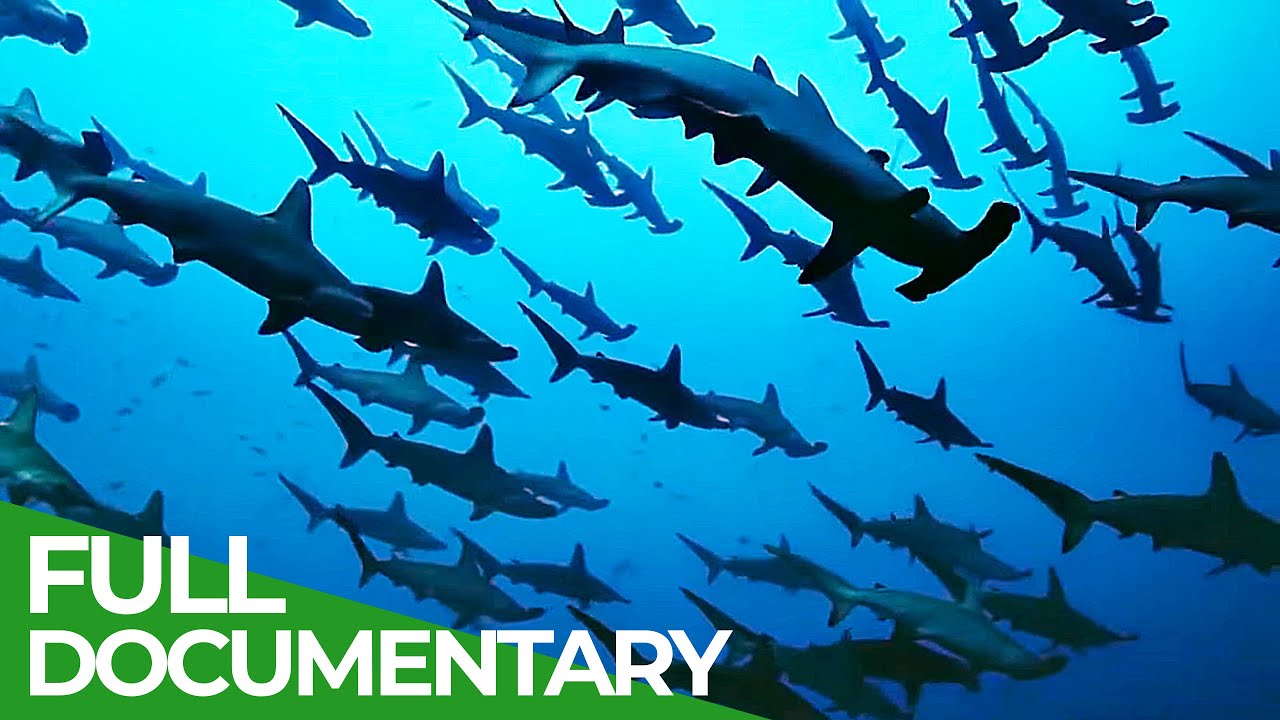
Sharks, often misunderstood, exhibit a range of behaviors from serene gliding to rapid predatory strikes, showcasing their role in marine ecosystems.