From over 100,000 films, discover the handful you'll love.
Free or premium access to the world's largest documentary library.
493 films(Page 6 of 11)
A young male gray seal navigates a perilous 600-mile route through the North Atlantic, contending with rivals and the threat of orcas.
Just a few drops of sea snake venom can kill a human, yet these toxins may lead to new medical treatments for severe pain and other ailments.
Ocean circulation has significantly declined since the 1950s, raising concerns among scientists about potential climate consequences linked to human activities.
In the world's turbulent oceans, apex predators like Great White Sharks and gender-shifting reef kings engage in high-stakes survival battles.
The hydrofoil, an engineering marvel, combines airplane and boat features to achieve speeds exceeding 100 km/h, revolutionizing water travel efficiency.
In the wild ocean waters off the Azores, a team of scientists and cameramen attach micro-cameras to devil rays, revealing their deep-sea feeding behaviors and more.
A scientist studies whale parasites to protect humpback whales, facing the dangers of physical contact with these massive sea creatures.
DNA databases support the FBI in solving crimes, while assistive technologies improve the lives of individuals with disabilities and historic shipwreck artifacts are recovered.
Every year, around 80 unprovoked shark attacks are reported worldwide, with the majority occurring in the United States and Australia.
Marine ecologist Enric Sala, marine biologist Tierney Thys, and submarine pilot Erika Bergman discuss efforts to protect ocean ecosystems and their inhabitants.
Underwater exploration along the coasts of Southern California and Mexico reveals a rich diversity of marine life, geological formations, and ocean flora.
Kyler Abernathy studies leopard seals in Antarctica using Crittercams, while Sarah Parcak identifies archaeological sites from space through satellite technology.
Tim Samaris predicts tornadoes and deploys recording probes into their paths while racing through Tornado Alley each May and June.
In Northland, New Zealand, Orca families exhibit cooperative hunting techniques to catch rays, showcasing the intricate dynamics of local marine life.
Mythbusters tests deep-sea diving suits and challenges water pressure myths in this episode.
Gaia's latest data set includes information on 1.8 billion stars, providing the most detailed map of the Milky Way to date.
Antarctica's extreme environment is home to resilient wildlife, including Adélie penguins, giant spider crabs, and cuttlefish, showcasing unique survival strategies.
Ocean habitats host a diverse array of underwater creatures that adapt to their environments, highlighting the fragile interdependence between wildlife and ecosystems.
Cyril Chauquet tests an ancient handlining reel while pursuing a colossal Marlin in Costa Rica's deep waters, highlighting local fishing practices and marine life.
The Bermuda Triangle's mysteries are examined through the lens of Bimini Road and the Methane Hydrates Theory, linking historical events to modern scientific theories.
Depths of 220 meters conceal the wreck of the 19th-century paddle steamer Säntis in Lake Constance, a site of numerous historical artifacts and shipwrecks.
Florida has one of the highest rates of shark attacks in the world, with hundreds of people attacked by marine predators each year.
Ocean Kingdom, located on Hengqin Island near Macao, is the world's largest aquarium, featuring a 100 million litre capacity and over 20,000 marine animals.
The Northwestern earned $385,000 in five days, resulting in $27,000 for each deckhand after a challenging Opilio crab season.
4.5 kilometers from the Kora Peninsula lies the 1,200-meter deep Kora Canyon, a vital feeding ground for Dusky Dolphins and other marine life.
Fakarava Atoll, a UNESCO Biosphere Reserve, is renowned for its abundant marine life, including large populations of manta rays, grey reef sharks, and sea turtles.
In the South Pacific, researchers explore shark-filled waters to assess the health of reef predators and the dynamics of marine ecosystems.
A giant trevally can weigh more than 85 kilos and is known to ram sharks with its blunt head in the waters off Tanzania's coast.
In Guinea, a fishing team pursues the formidable African Kubera while navigating remote waters and performing a unique ceremony for good luck.
New Zealand's Poor Knights Islands serve as a vibrant habitat for diverse marine life, showcasing unique interactions among species like orcas, seals, and crayfish.
Nearly 2,000 people died in the catastrophic flooding of New Orleans after Hurricane Katrina breached the levees in 2005.
In January 2022, the Hunga Tonga-Hunga Haʻapai volcano erupted violently, causing a tsunami that devastated Tonga and sparked investigations into future threats.
A team transports 20 mega-yachts from Genoa, Italy, to Fort Lauderdale, Florida, this week.
A 4,309-foot tunnel, the longest ever found, connects drug traffickers between Mexico and the United States.
Explorers Festival on June 17, 2017, hosted by , featured discussions on future exploration of Mars and the ocean with experts like Colonel Chris Hadfield and Sylvia Earle.
Baiting great white sharks, a controversial practice involving chumming to attract these predators, faces increasing scrutiny and bans due to rising shark attacks worldwide.
Kesha discusses her experiences diving with hammerhead sharks in the Galapagos and her commitment to shark conservation during a podcast with Luke Tipple.
Host Luke Tipple talks with shark divers about their dangerous jobs on Shark Week the Podcast.
Allseas seeks rare metals from deep-ocean nodules, driven by corporate greed and demand.
Coral farmers in the Bahamas are working to restore reefs devastated by Hurricane Dorian, focusing on revitalizing crucial marine ecosystems.
Paul Greenberg investigates what fish to eat for health and sustainability in this FRONTLINE special.
Over a third of the world's fish stocks have collapsed due to unsustainable fishing practices, prompting urgent calls for ocean conservation strategies.
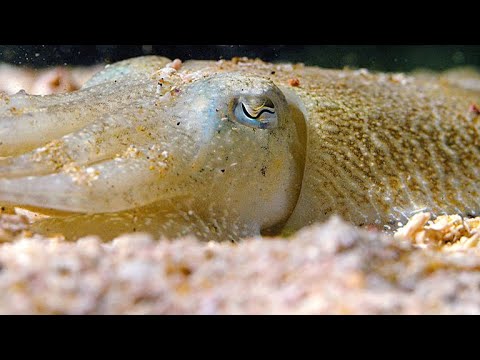
A crafty cuttlefish stalks a school of razorfish in a sandy gully, showcasing its unique hunting techniques in the series Crazy Monsters: Sea Creatures.
A living shark can generate close to $180,000 in a single year and nearly $2 million over its lifetime, significantly boosting Palau's tourism economy.
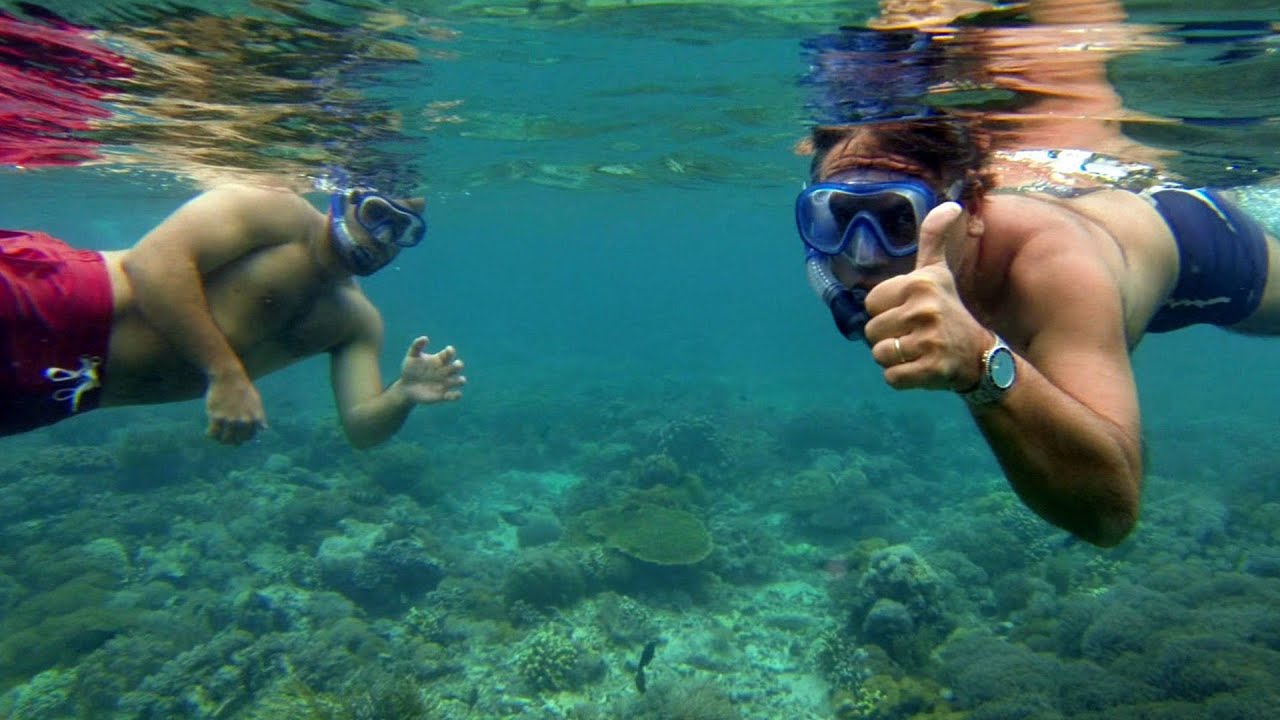
Beneath the waters of Pink Beach, snorkelers can see a variety of marine life, including turtles, calamari, and trumpet fish, creating a vibrant underwater scene.
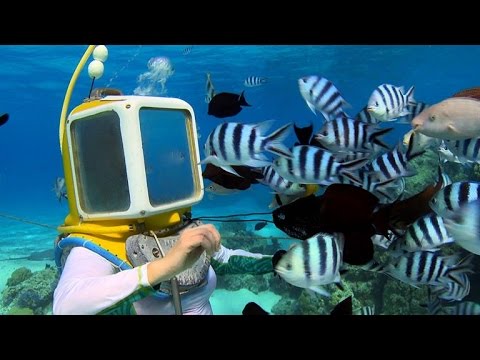
Vacationers in Bora Bora explore a shallow reef with air-supplied helmets for a unique experience.
The legendary sunken city of Atlantis is examined through various theories and historical accounts, highlighting its enduring mystery and cultural significance.
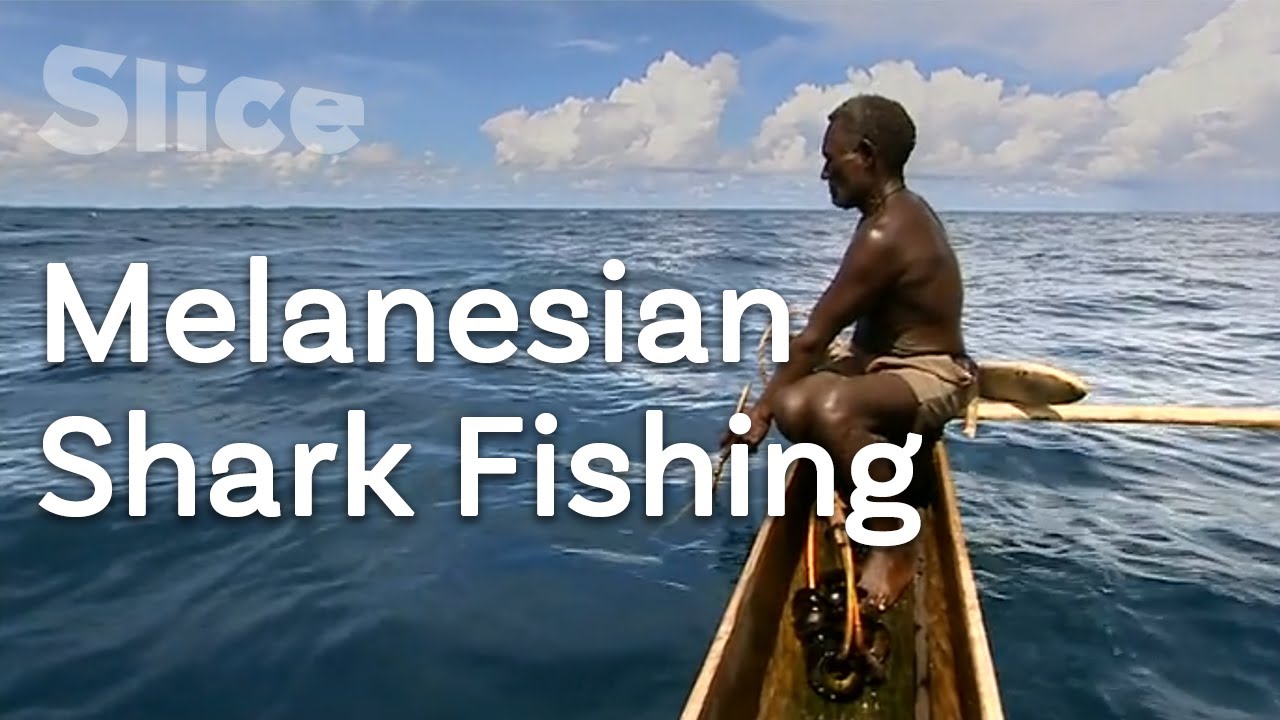
Salam uses various types of bait to attract sharks while bare-handed fishing, a skill he hopes to pass down to his sons.