From over 100,000 films, discover the handful you'll love.
Free or premium access to the world's largest documentary library.
470 films(Page 7 of 10)
A giant fossilized footprint from a crocodile relative, dating back 230 million years, provides clues to New York City's geological history.
Tiktaalik, a crucial fossil from the Devonian period, illustrates the evolutionary transition from aquatic life to land-dwelling animals and connects modern humans to their fish ancestors.
This Spanish video details the plight of African elephants due to hunting and habitat loss.
Daphne Sheldrick founded a trust in Nairobi to care for orphaned elephants, having raised and reintegrated 11 infants back into the wild.
About 2,500 people live on Komodo and Rinca, where Komodo dragons hunt and the islands transform into a wild state at night.
Sifakas and over 150,000 species uniquely belong to Madagascar's evolutionary isolation.
A Spanish video discusses the saltwater crocodile's conservation and economic impact.
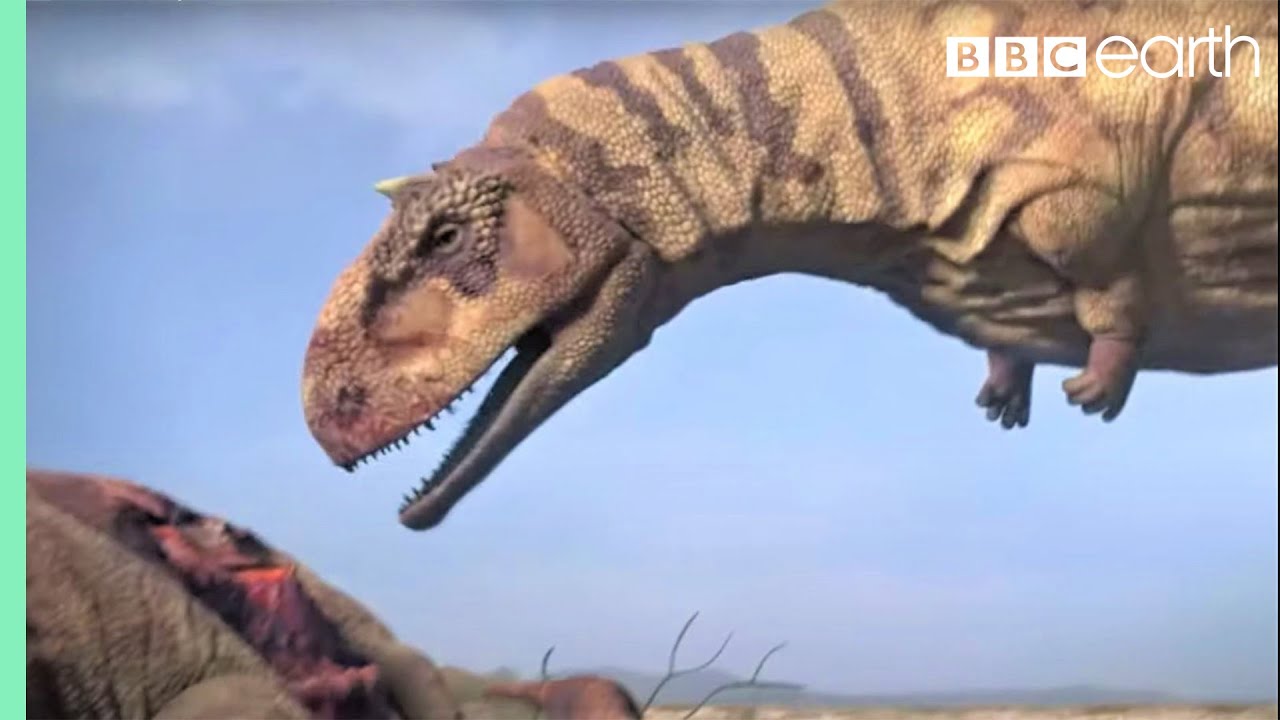
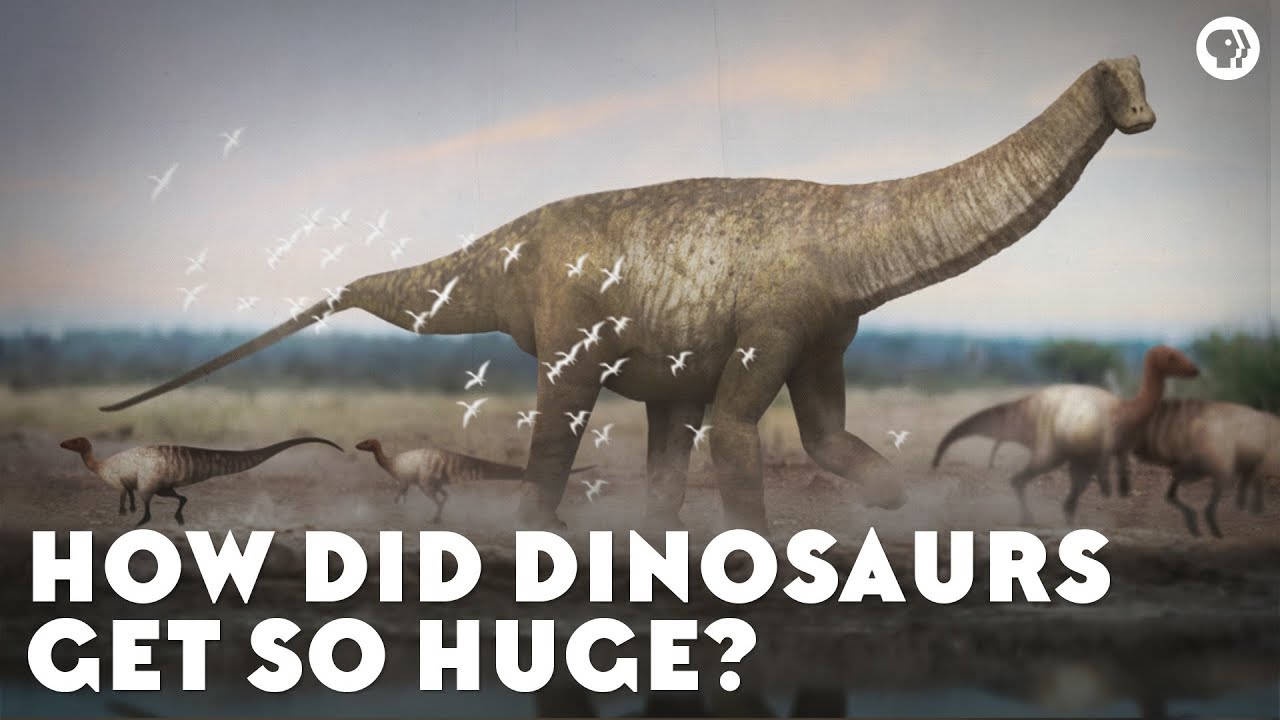
A colossal argentinosaurus grew from 5 kilograms at birth to an astonishing 75,000 kilograms over 40 years, laying tens of thousands of eggs in Patagonia.
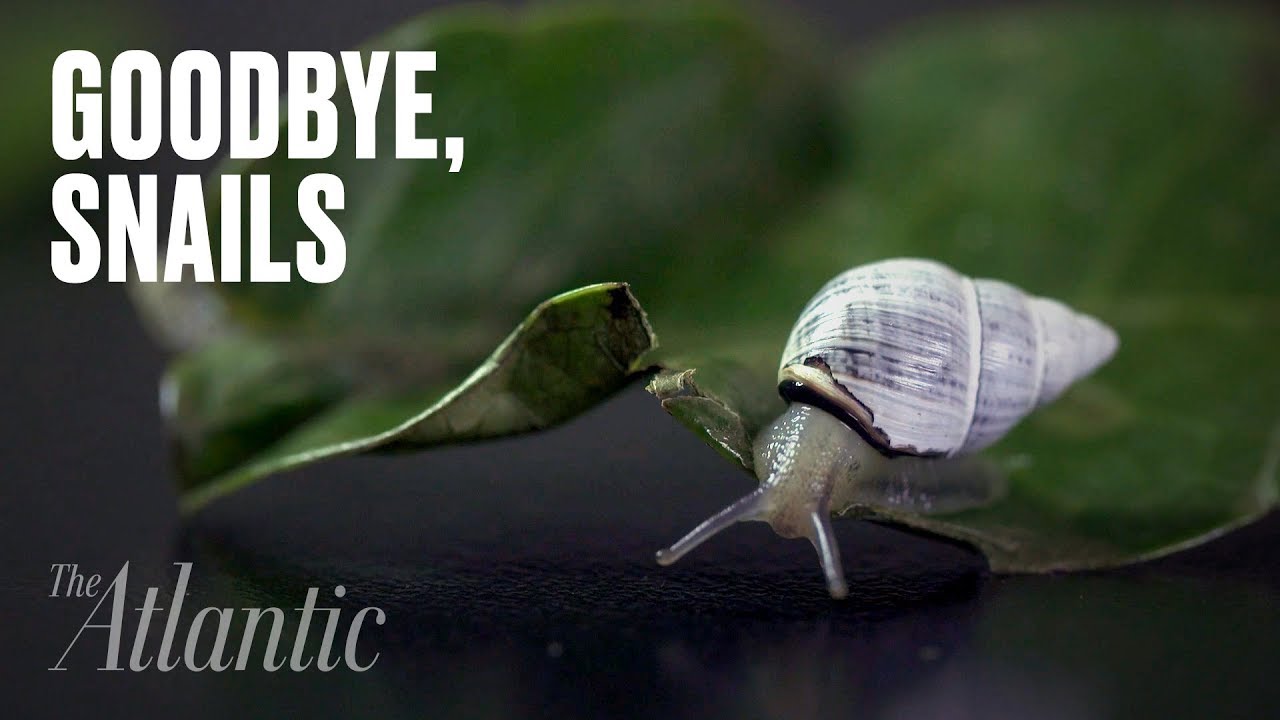
Three thousand individual snails from 38 species are housed in chambers, all either extinct in the wild or close to extinction.
In Gujarat's Gir National Park, conservation efforts are vital for the survival of the endangered Asian lion amid increasing human encroachment.
This Spanish video highlights altered ecology and the urgent need for global environmental protection.
In the aftermath of the K-Pg extinction, research by Franz Anthony highlights how certain plants adapted by increasing their DNA content to survive ecological upheaval.
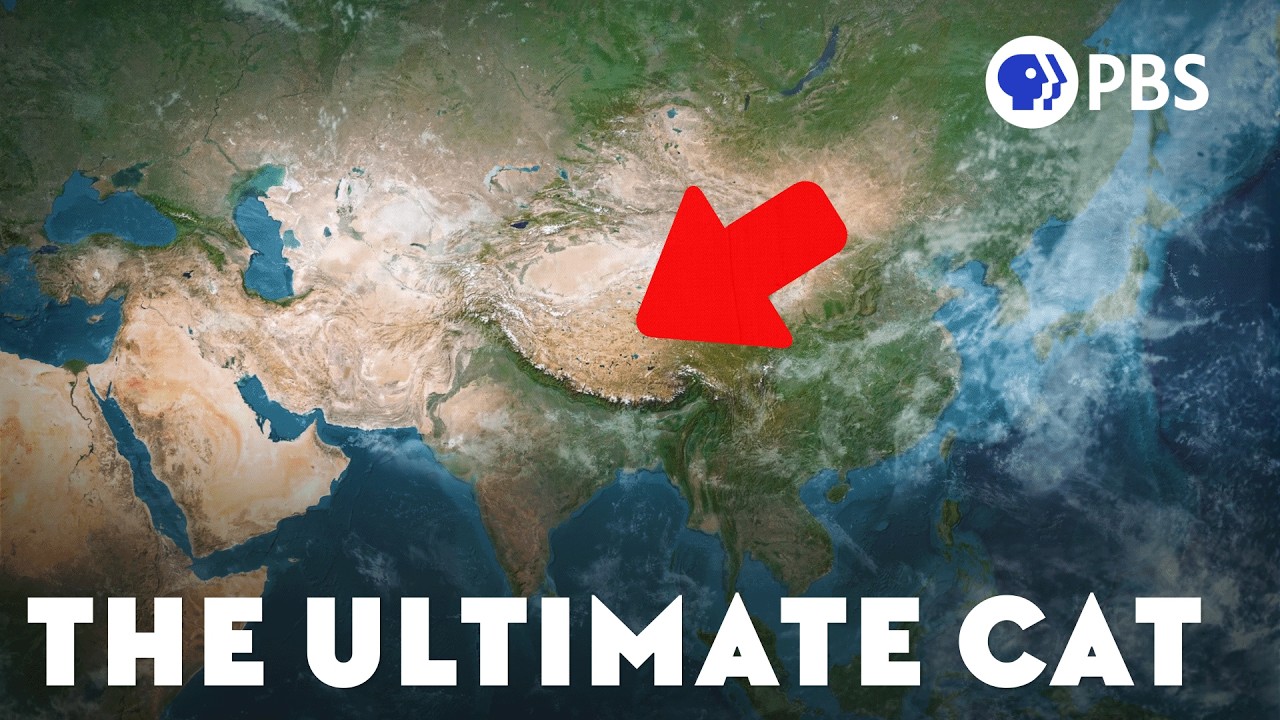
The rise of the Tibetan plateau played a crucial role in the evolution of Homotherium, a unique and successful prehistoric cat species.
During the Cenozoic era, a significant mass extinction event led to a relative shrinkage of mammalian brains, influencing evolutionary development.
Ancient rock art in Australia reveals depictions of megafauna, prompting researchers like Professor Bruno David from Monash University to explore their historical existence.
66 million years ago, the ability to chew food effectively may have enabled tiny mammals and lizard-like reptiles to survive the mass extinction caused by an asteroid impact.
Dinosaurs, some as tall as a five-story building, roamed the Earth during the Jurassic and Cretaceous Periods, showcasing remarkable evolutionary adaptations.
The evolutionary transition from dinosaurs to birds is explored through scientific evidence, including the impact of the asteroid 66 million years ago and new survival theories.
Bengal Tigers, facing extinction, find refuge in Kanha National Park, India, highlighting the urgent need for conservation efforts amid human interactions.
In the Cambrian period, the emergence of terrestrial plants significantly altered Earth's climate and contributed to the first mass extinction event.
Pterosaurs, the ancient flying reptiles, experienced evolutionary changes that enabled flight but ultimately contributed to their extinction.
During the golden age of sharks, diverse species thrived in Earth's oceans, but most of that remarkable variety was lost over time.
At Cerro Ballena in Chile, over 40 skeletons of marine mammals from the Late Miocene Epoch reveal insights into the environmental changes that may have contributed to their demise.
Two extinct relatives of horses and rhinos, chalicotheres, exhibit significant differences in body structure despite their close evolutionary relationship.
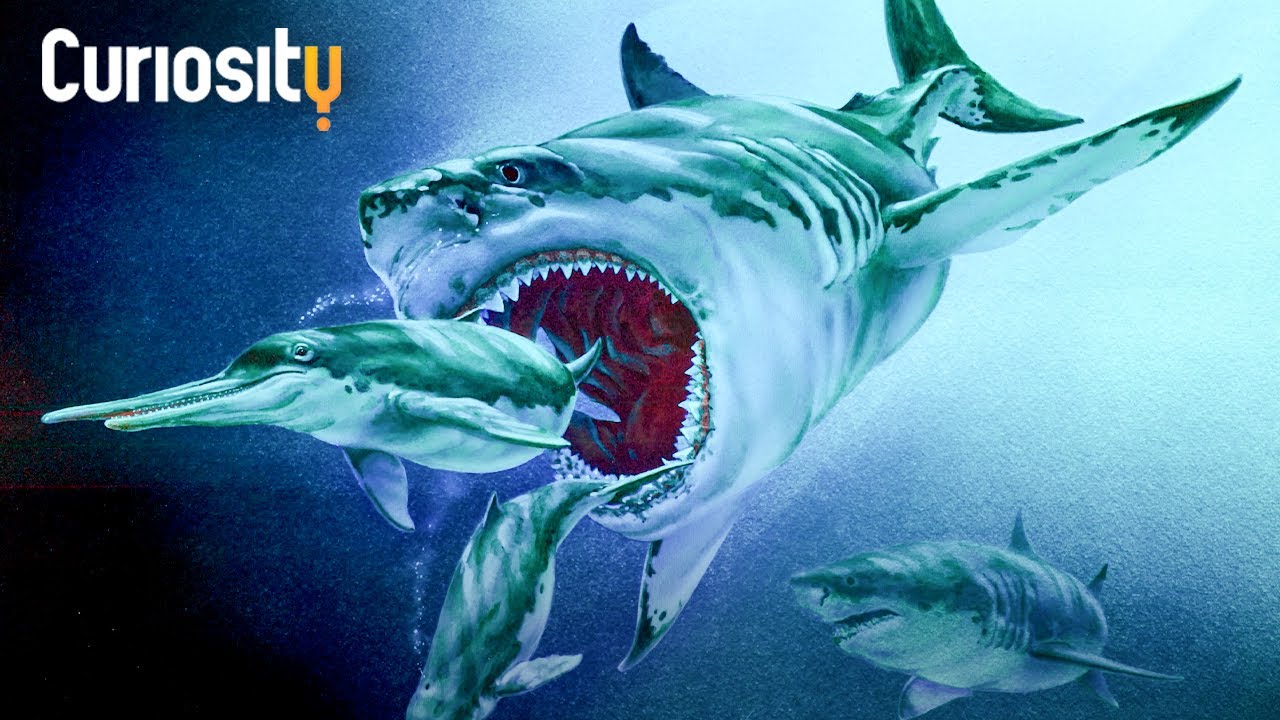
Megalodon, an enormous prehistoric shark, is examined through comparisons with modern great white sharks and insights from global tooth analysis to understand its size and dominance.
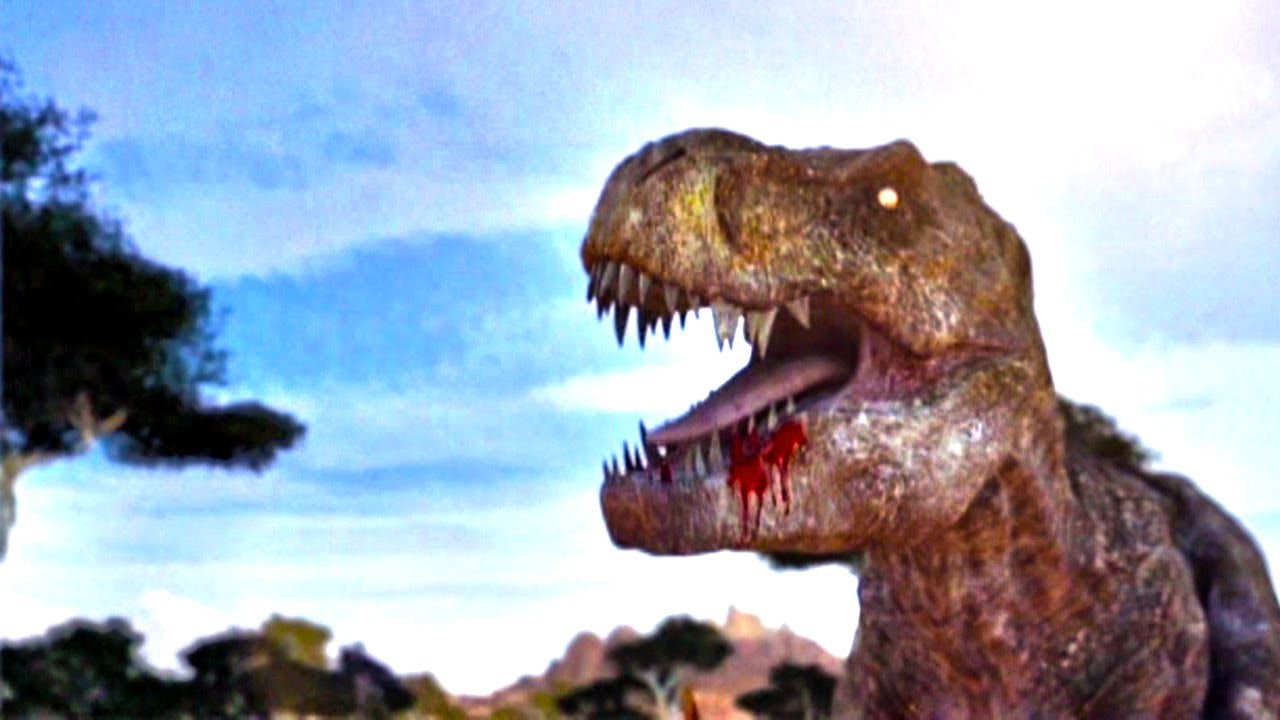
Tyrannosaurus rex, known for its massive size and small arms, presents a complex evolutionary narrative regarding the function and adaptation of its forelimbs.
In the Ediacaran period, diverse worm-like organisms thrived in a region known as Wormworld, ultimately leading to its ecological decline through their own activities.
A program approved in February 2001 aims to achieve a population of 70 Iberian lynxes in captivity for reintroduction into the wild.
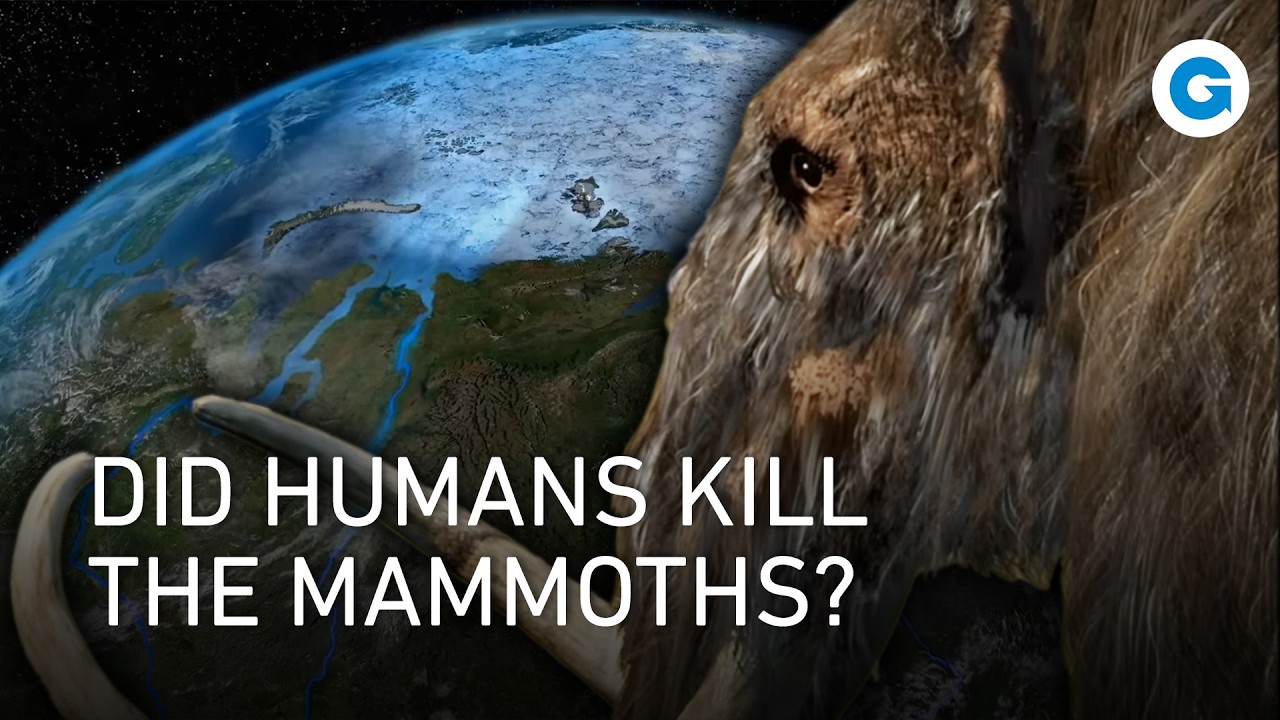
Over 1,000 mammoths died at a site in Predosti, suggesting human involvement in their extinction during the late Pleistocene epoch.
The iridium anomaly reveals evidence of an extraterrestrial impact beneath the Earth's surface.
Twenty-five new Kakapo chicks have increased the global population to 86, as conservationist Allan Munn seeks a mate for the legendary Richard Henry.
Half a million birds from over 350 species rely on the 29-square-kilometer Keoladeo Ghana National Park as a vital stop during migration.
Keoladeo Ghana National Park is a vital bird sanctuary near Delhi and Agra's Taj Majal.
Only 400 to 500 pairs of Siberian cranes remain in the world, with just two or three visiting Keoladeo Ghana National Park each year.
Four in ten adults in Swaziland are infected with HIV, impacting wildlife conservation efforts as staff members fall ill and struggle to maintain operations.
345 orphaned orangutans are cared for at a center in Borneo, many of them rescued after their mothers were killed by poachers.
In Venezuela's Orinoco River basin, breeding efforts for the critically endangered Orinoco crocodile aim to restore its population through captive rearing and release programs.
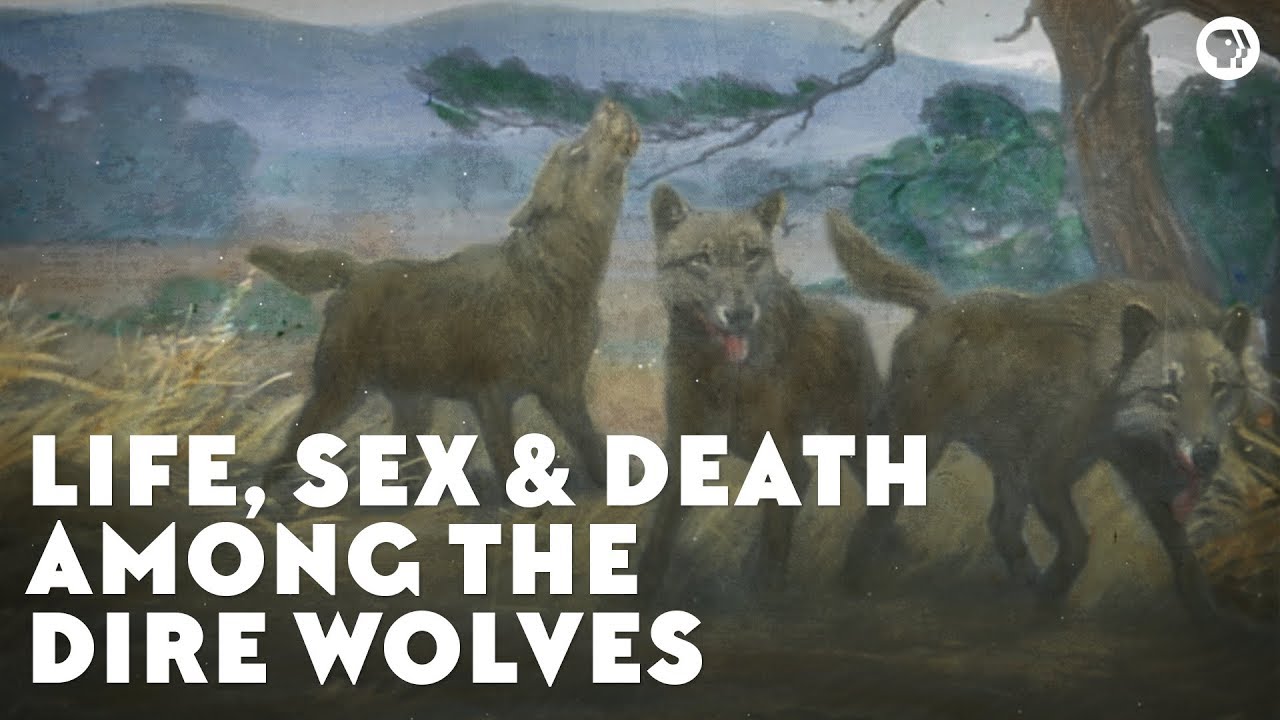
Dire wolves, once prevalent in California, left behind thousands of remains that reveal insights into their lives, hunting practices, and reproductive behaviors.
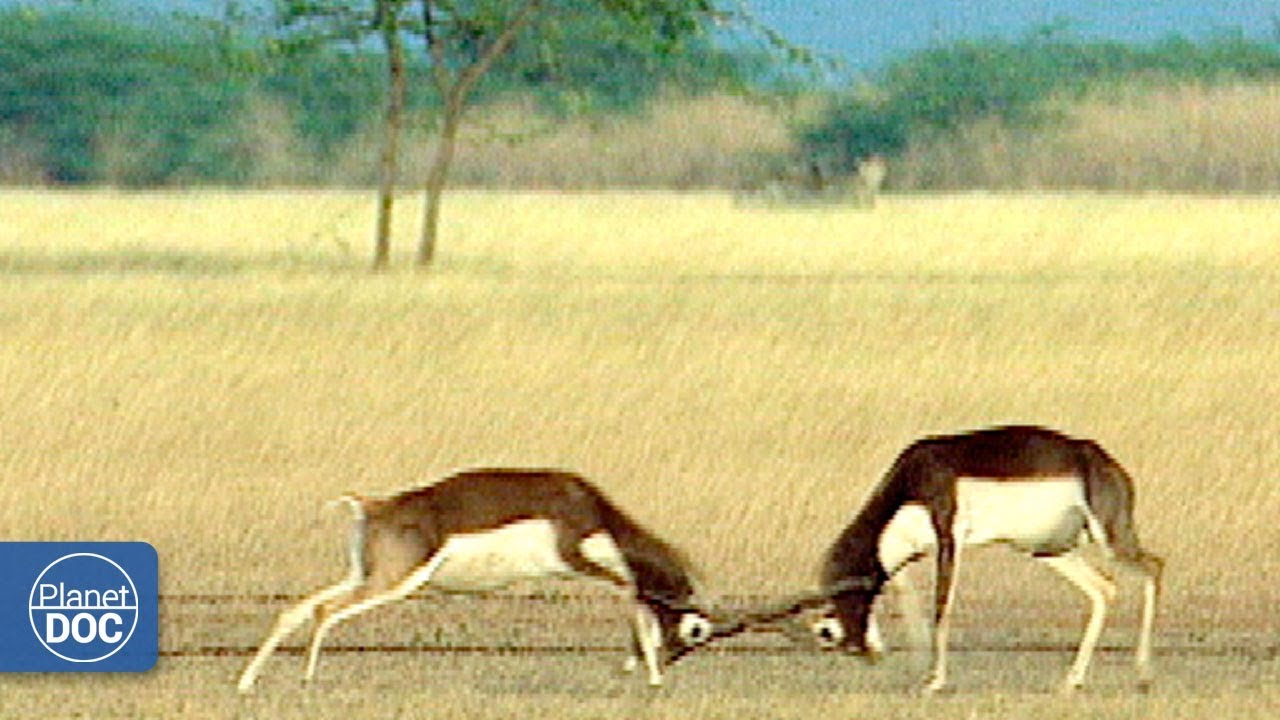
Less than 25,000 blackbuck antelope remain in India, where cultural beliefs help protect them in the Little Rann Desert region of Gujarat.
In Gujarat, India, the Little Rann Desert's unique ecosystem supports endangered species like blackbuck antelopes and wild asses, highlighting critical conservation efforts.
Thousands of cranes migrate to the Little Rann Desert each winter, drawn by its warm climate and abundant food sources.
The Little Rann Desert in Gujarat protects endangered species like blackbuck antelopes and wild asses.
Less than 25,000 blackbuck antelopes remain in the Little Rann Desert, a significant decline from their population of 4 million in the past.
The population of Orinoco crocodiles in the Los Llanos region of Venezuela has begun a slow recovery due to conservation efforts on cattle ranches.
Madagascar, an island in the Indian Ocean, is home to unique lemurs and rich biodiversity.
Nobel Laureate Martin Chalfie and Nat Geo Explorer Beth Shapiro analyze the factors influencing species survival and extinction.