From over 100,000 films, discover the handful you'll love.
Free or premium access to the world's largest documentary library.
471 films(Page 2 of 10)
A catastrophic asteroid strike 65 million years ago led to the extinction of dinosaurs, reshaping Earth's biodiversity and paving the way for human evolution.
A 14-foot-long fish once swam in what is now Kansas, revealing a time when much of the Midwest was underwater.
Scientists recreate lost animal species like the mammoth using ancient DNA from Siberia.
99% of all species that ever lived were wiped out in global catastrophes, but these events also set the stage for the evolution of life on Earth.
Only eight or nine Scottish wildcats remain in the Western Highlands, prompting urgent conservation efforts to save the species from extinction.
Neanderthals disappeared from Earth nearly 30,000 years ago, leaving behind a genetic legacy that may still exist within modern humans today.
A 3.8-meter mammoth tusk weighing 100 kilograms can sell for up to $300 per kilo in the thriving market for mammoth ivory in Russia.
Australia was once home to a diverse array of dinosaurs, as evidenced by dramatic fossil findings and reconstructions presented by Dr Kelly Strzepek.
London's Natural History Museum reveals disturbing aspects of British history, including evidence of cannibalism in Cheddar Gorge and WWII's "explosive rats."
The black-footed ferret, once thriving across the North American Prairies, has become the most endangered species due to habitat loss and the decline of its prey.
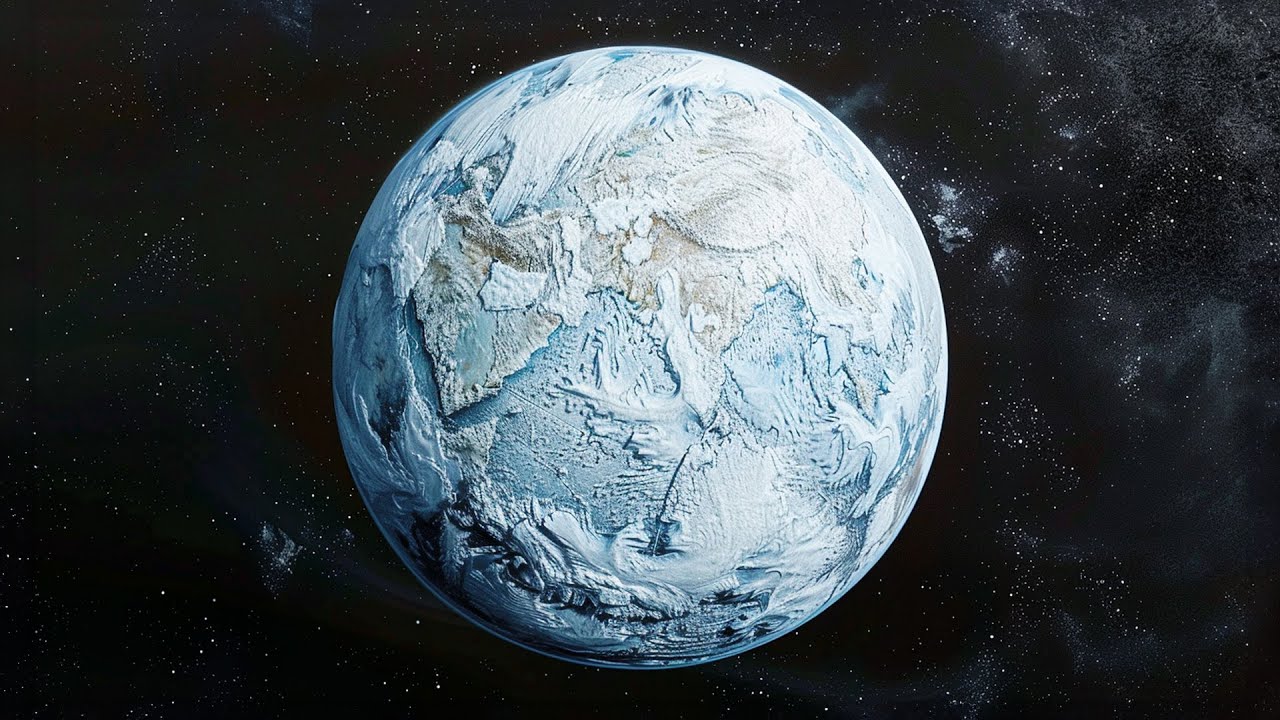
650 million years ago, Earth was locked in ice for 25 million years, nearly wiping out all life and setting the stage for complex organisms to evolve.
An 85-foot blue whale skeleton, weighing over 150 tons, is reconstructed for display at the University of British Columbia's biodiversity museum.
Orca whales along the Pacific Coast are facing extinction due to declining chinook salmon populations, exacerbated by four dams disrupting their habitat.
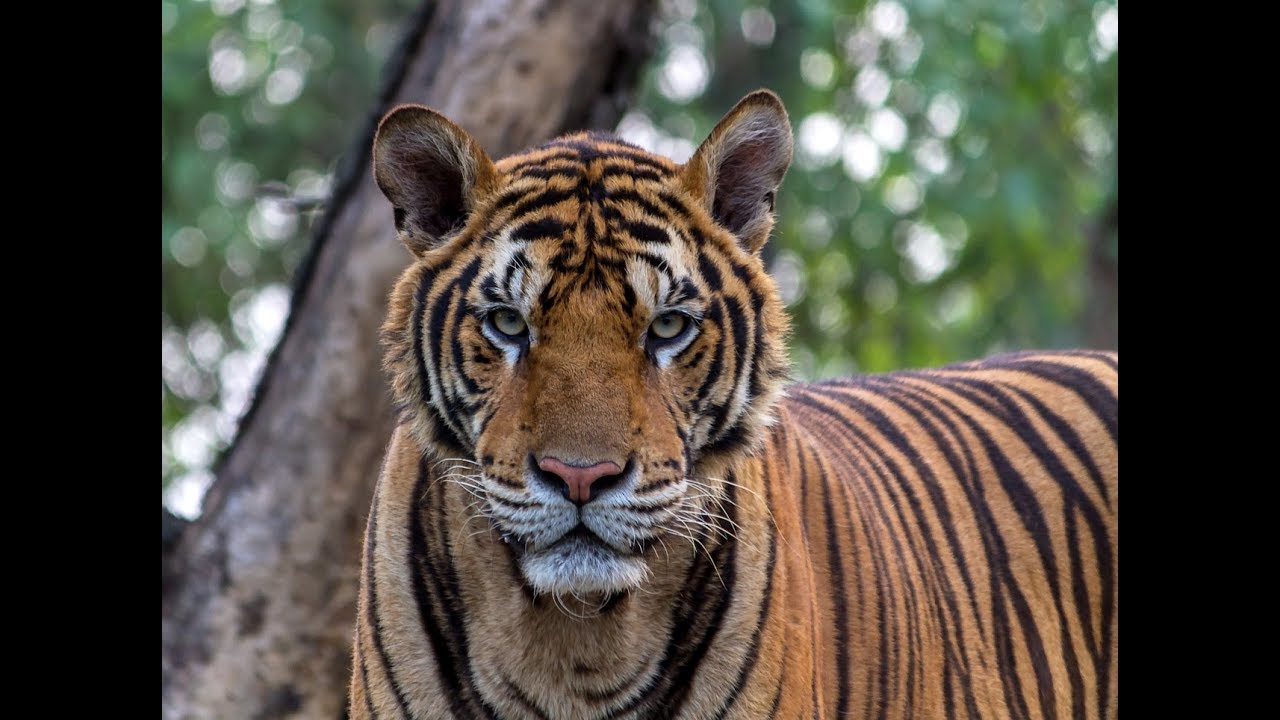
Only 66 marsh deer remained in Kanha National Park by 1970, but conservation efforts have since increased their population to 550 by 1988.
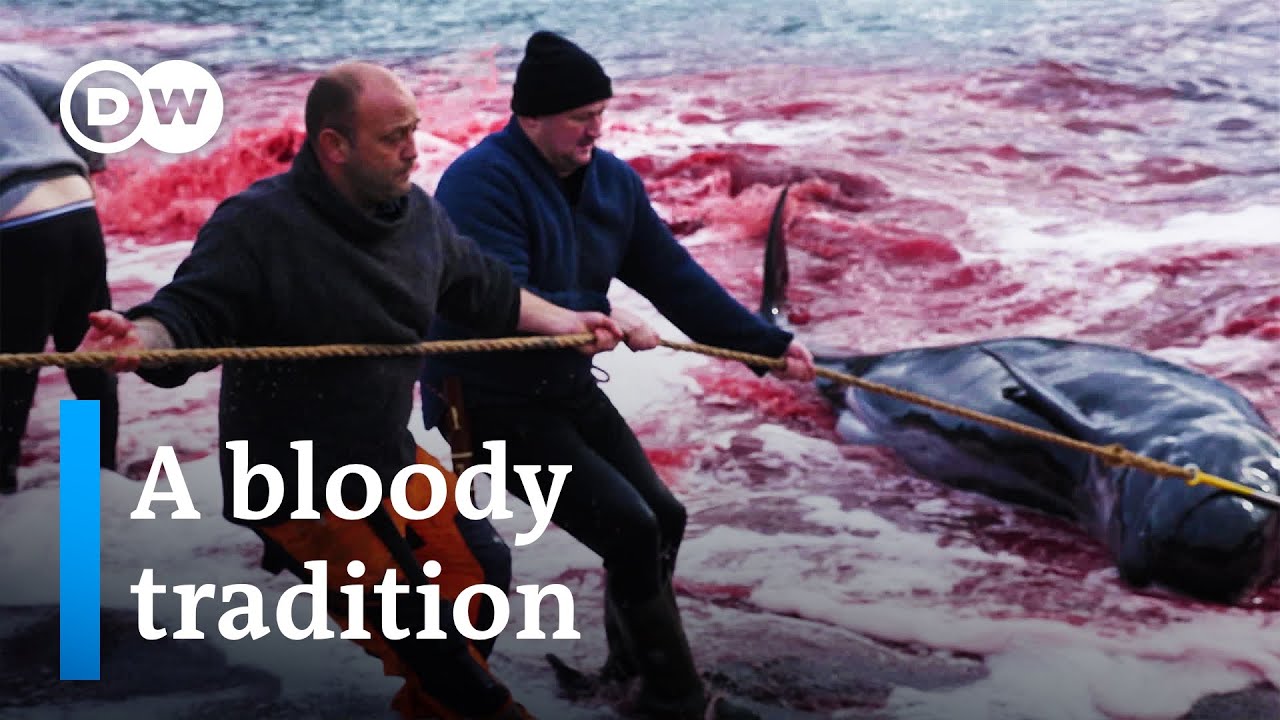
In the Faroe Islands, the Grindadráp results in the annual slaughter of hundreds of pilot whales and dolphins, highlighting a complex human-marine life relationship.
Up to 1,836 people died during Hurricane Katrina in August 2005, which caused widespread flooding and destruction in New Orleans and along the Gulf Coast.
Ten young chimpanzees, including Cheyenne and Quilou, leave their island home to adapt to life in the Conkouati forest after being rescued from poachers.
Steve Brusatte, a paleontologist at the University of Edinburgh, discusses the evolution of dinosaurs into birds and his role as a consultant for the Jurassic World films.
Ancient Indigenous peoples of North America's Southwest are examined through new archaeological techniques, alongside the mystery of Neanderthal extinction.
Asteroids cause death and destruction on Earth, as shown in Season 1, Episode 10.
Gibbons, highly intelligent and agile tree-dwelling apes native to the tropical forests of Asia, face extinction due to habitat destruction and hunting.
Learn how dinosaurs roamed the earth and survived in extreme conditions for millions of years.
Angkor Wat in Cambodia features a depiction of a stegosaurus, prompting theories about extraterrestrial influence on dinosaur extinction.
Tony Robinson and Phil Harding explore America's dinosaur capitals, participating in digs with experts like Jack Horner and examining the lucrative dinosaur tourism industry.
Neanderthals were physically superior but became extinct, revealing their complex relationship with modern humans.
Alan Rabinowitz, known as the "Indiana Jones of wildlife protection," dedicates his efforts to safeguarding the endangered jaguar population across its natural habitats.
Easter Island's civilization collapses as forests vanish and Moai statues are toppled.
Mammoths, once dominant in the northern hemisphere, faced extinction due to a combination of climate change and human activity, raising questions about their demise.
Tasmania separated from Australia around 13 million years ago, leading to a unique evolutionary path and the preservation of ancient ecosystems.
A probe with a nuclear warhead 800 times more powerful than the atomic bomb dropped on Hiroshima has been launched to deflect an incoming comet.
Around four billion years ago, life began on Earth with a single cell, leading to approximately 1.8 million identified species today.
Only 80,000 giraffes remain in Africa today, a sharp decline from millions at the beginning of the 20th century, primarily due to poaching and habitat loss.
Fossilized dinosaur footprints found by a palaeontologist in the 1960s suggest a dramatic hunt and kill, revealing a one hundred million year old battle.
Northern white rhinos, now critically endangered, face extinction as conservationists work tirelessly to save the last two remaining individuals in Kenya.
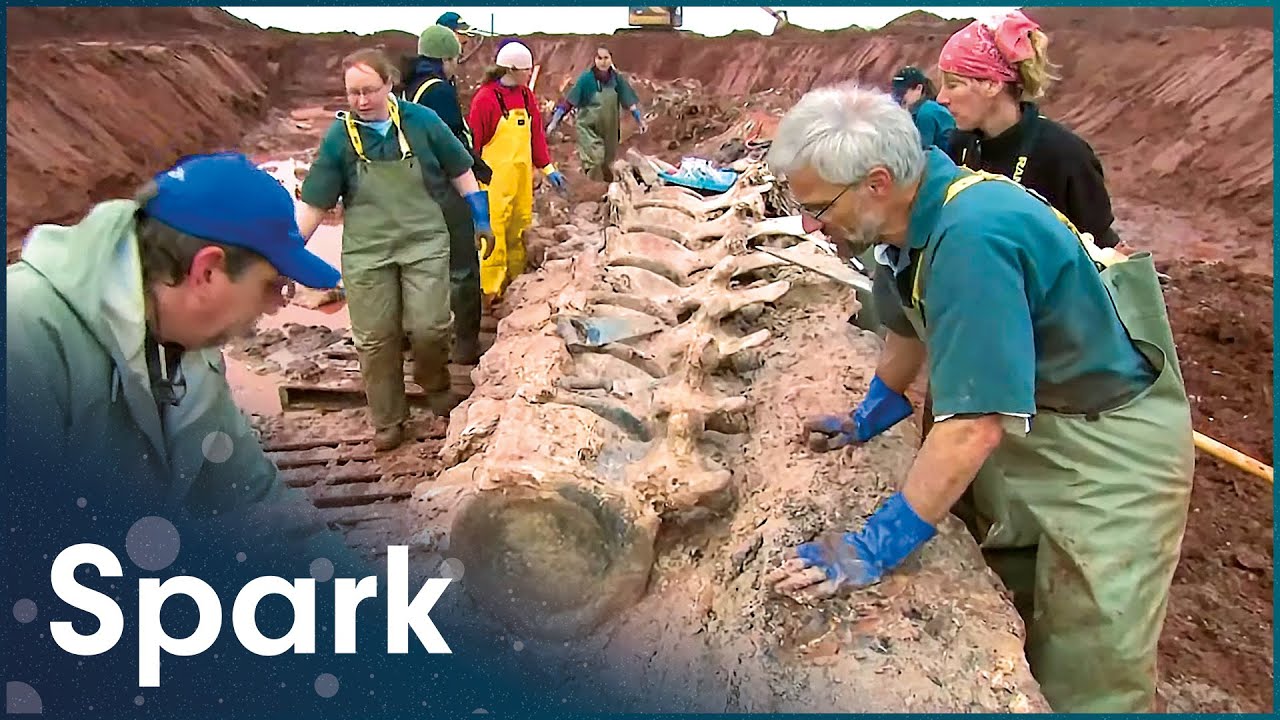
In Nova Scotia's Bay of Fundy, Dr. Tim Fedak's team excavates dinosaur fossils at Wasson's Bluff while Tyler Shaw investigates ancient footprints in the Minus Basin.
The Cat Ba Langur Conservation Project helps increase the critically endangered langur population.
Freediver Frederic Buyle holds several world records and collaborates with cameraman Christian Pétron and scientist Dr. Johan Mourir to study hammerhead sharks in French Polynesia.
Snowy owls can lay up to eleven eggs, but declining lemming populations threaten the survival of their young in the Arctic tundra.
Yellowstone's supervolcano last erupted 640,000 years ago and is now overdue, with the next eruption expected to be the largest natural explosion in Earth's history.
Herpetologist Nathaniel Maury tracks rare reptiles and amphibians in Sri Lanka's wild spaces, emphasizing the urgent need for conservation of these species.
The great auk, a flightless bird hunted for its fat, eggs, and feathers, became extinct by the mid-19th century due to overhunting and environmental changes.
Robert Twigger attempts to capture the world's largest snake alive for $50,000 despite his fear.
Kemp's Ridley sea turtles, an endangered species, are rescued annually by the Mass Audubon Wellfleet Bay Wildlife Sanctuary and the New England Aquarium in Cape Cod.
Extreme heatwaves cause thousands of deaths in Russia and Europe, highlighting deadly disasters.
In Addo Elephant National Park, South Africa, a unique herd of elephants has thrived after being protected from extinction since 1931.
Between 4 to 6 million landmines remain buried in Cambodia, posing a constant threat as deminers risk their lives to clear them.
In a world facing accelerating extinction rates, scientists are utilizing advanced genetic technologies to revive species like the Przewalski's horse and address conservation challenges.
1903 marked the year when Swedish chemist Svante Arrhenius proposed the theory of panspermia, suggesting life may have originated in space.